
On this page you will find the concepts of the reports our students are planning to submit at the end of in the Environmental Regulation & Redress (Cornwall) module in 2025/26.
The environmental cost of fast fashion (Ciara Bailey)

The growing societal demand for rapid consumption and fast fashion is exerting significant pressure on the environment. Characterised by low-cost manufacturing, frequent consumer turnover, and garments designed for limited durability, the fast fashion industry promotes unsustainable production and purchasing behaviours (Niinimäki, 2020). This global cycle of accelerated textile consumption contributes to substantial environmental degradation, including excessive water usage, chemical contamination, mounting textile waste, and elevated carbon dioxide emissions (Niinimäki, 2020).
“The fashion industry is the second most polluting industry, contributing 8% of all carbon emissions and 20% of all global wastewater, with an anticipated 50% increase in greenhouse gas emissions by 2030” (Bailey, Basu and Sharma 2022, P1). For example, manufacturing a single pair of jeans requires an estimated 7,500 litres of water (Mendes, 2020). In light of these impacts, there is an urgent need to look for more sustainable practices within the fashion industry. This includes transforming consumer behaviour, adopting environmentally responsible production methods, promoting the purchase of second-hand clothing, and encouraging the repurposing of garments at the end of their lifecycle.
Legislation to manage fast fashion is increasingly being introduced, an example of this is the framework directive, EUs textile waste regulations. Effective in 2025, implementing extended producer responsibility (CPR), the EUs textile waste regulations ensure producers follow the entire lifecycle of their garments, including waste (Point 2025). Similarly, in alignment with the Circular Economy Action Plan, the European Commission introduced a new strategy in March 2022 aimed at enhancing the durability, reparability, reusability, and recyclability of textiles (Topics 2020). Making fashion more sustainable is essential to achieving the circular economy goals set for 2050. There is hope that with a change of societal behaviour and producer habits, the environmental impact of fast fashion can greatly be reduced, but it must be managed closely with legislation.
Reference list
Bailey, K., Basu, A. and Sharma, S. (2022). The Environmental Impacts of Fast Fashion on Water Quality: a Systematic Review. Water, 14(7), p.1073. doi:https://doi.org/10.3390/w14071073.
European Parliament (2020). Fast fashion: EU laws for sustainable textile consumption | Topics | European Parliament. [online] Topics | European Parliament. Available at: https://www.europarl.europa.eu/topics/en/article/20201208STO93327/fast-fashion-eu-laws-for-sustainable-textile-consumption.
Mendes, P. (2020). How jeans became one of the most polluting garments in the world. [online] CBC. Available at: https://www.cbc.ca/radio/ideas/how-jeans-became-one-of-the-most-polluting-garments-in-the-world-1.5280773.
Niinimaki, K. (2020). The environmental price of fast fashion. [online] Oclc.org. Available at: https://www-nature-com.uoelibrary.idm.oclc.org/articles/s43017-020-0039-9 [Accessed 3 Nov. 2025].
Point, T. (2025). A Sustainable Closet. [online] A Sustainable Closet. Available at: https://www.asustainablecloset.com/home/eus-2025-textile-legislation-a-turning-point-for-shein-and-fast-fashion.
Crude Accountability”: Oil Pollution and Legal Redress in Ecuador’s Amazon (Danielle Hopper)
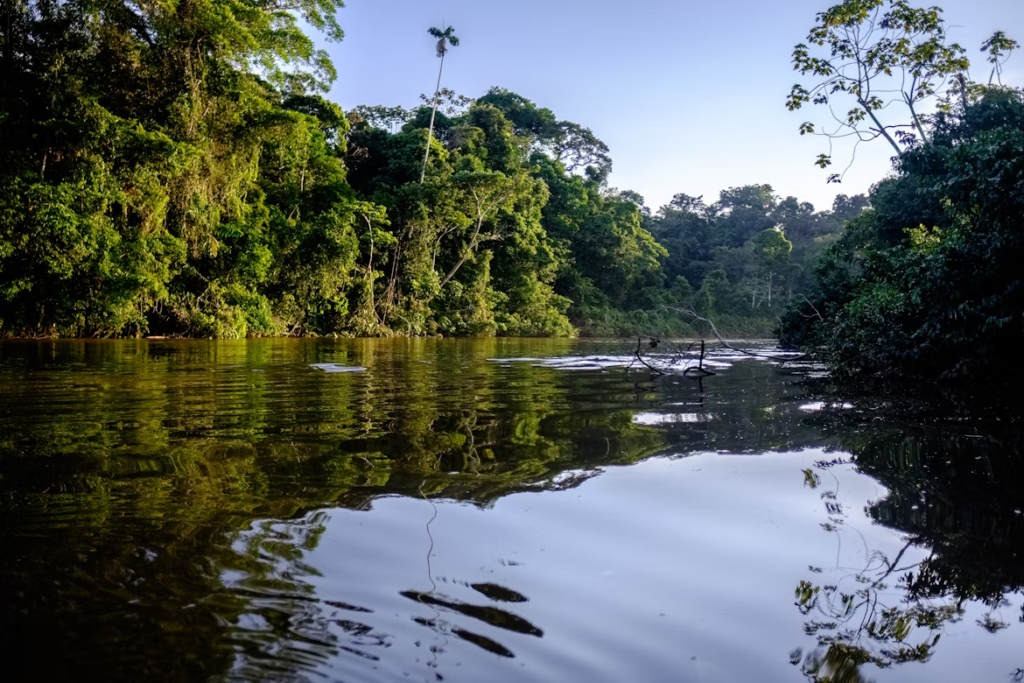
The Ecuadorian Amazon stands as a critical ecological and cultural frontier, embodying some of the most diverse biological systems and indigenous heritage on the planet. Yet this invaluable region has been profoundly compromised by decades of oil extraction, which has precipitated extensive environmental degradation and social injustice. Between 1964 and 1992 Texaco, later acquired by Chevron, conducted oil operations in partnership with the Ecuadorian government during which an estimated 17 million gallons of crude oil and 18 billion gallons of toxic wastewater was released into the rainforest contaminating over 1,700 square miles of land and water. The environmental and public health consequence for indigenous and local communities have been severe manifesting in widespread ecological harm and chronic health conditions.
In 1993, affected communities commenced one of the most significant and prolonged environmental litigations globally, the Lago Agrio case, in search of environmental remediation. The Ecuadorian judiciaries landmark 2011 ruling in favour of the claimants, imposing $18.2 billion in damages against Chevron signified a pivotal moment in environmental jurisprudence. However, enforcement has been hindered by allegations of judicial misconduct, revealing substantial challenged in achieving effective transnational environmental accountability.
This report undertakes a critical analysis of the legal mechanisms addressing oil pollution in Ecuador’s amazon assessing their effectiveness and limitation. It further explored the integration of command and control regulatory frameworks with market based instruments including pollution taxes and tradeable permit to strengthen environmental governance. Drawing on international precedents and Ecuador’s unique socio-legal landscape, the report aims to propose pragmatic strategies for enhancing corporate accountability and securing environmental justice for affected populations.
Legal personhood for international marine entities (Cass Trinity)

Aimed at the reduction and mitigation of shark and turtle exploitation in national and international waters. This aims to bridge the gaps in existing legislations such as Cites (Redgwell, 2021) while strengthening the relevant frameworks to ensure sustainable practices. Giving key stone species the rights to life irrespective of any given state’s jurisdiction of governance over territorial or international waters. By giving transient species protective rights regardless of the overseeing nation state they find themselves in we create a robust preventative and adaptive framework to safeguard species. Allowing representatives to hold parties accountable for potentially criminal actions toward a given species. Incentivising fishing industry to minimise potential harmful practices to designated species such as lugger head turtles
This policy builds on polluter pays principles taking initiative from examples such as the Wanganui River act date (Charpleix, 2017) and South African lion bone case 2019 (Coals, et al., 2019) bringing national legislation forward into an international framework. By allowing species to hold their own international rights nation states can hold institutions and states that breach these to account in international court strengthen regulation in areas of low protection.
Limitations lie largely in the detection and reporting of criminal actions as infractions are likely to occur in remote territorial or international waters. By working in conjunction with existing binding legislation (Redgwell, 2021) Enforcement relies on member states observing given legislation and pursuing criminal parties in international court issuing fines, community orders and custodial sentences to prosecuted organisation and individuals under national and international criminal law.
This legislation would not replace but rather rely on existing regulatory frameworks allowing it to be implemented were it is best suited to areas of low existing protection to maximise its effectiveness.
New Zealand (Polynesian indigenous leaders) give whales legal personhood reclassifying their legal status away from objects and property bestowing them fundamental rights to free movement, habitable environment and health devoid of human interference. while increasing the penalties for parties that violate the given rules of law.
2nd option over exploitation of European eel
>50% of river biomass = keystone species
what specific criteria was used to select study sites or were they random?
Can you elaborate on the methods used to validate the satellite data with field site visits?
What were the specific challenges faced when using Landsat data in high-latitude regions? Eg how was cloud cover and other data quality issues handled in the satellite data analysis?
Why was the NDVI calculated using the maximum value per pixel over the two periods?
What are the implications of using a 30m x 30m pixel size for the analysis?
How does the study account for the heterogeneity observed between different Arctic regions?
What is the potential impact of shrubification on the study’s conclusions?
How do the study’s findings align with other research on Arctic peatlands?
Are there any limitations to using NDVI and NDMI as indicators of peatland expansion?
What specific factors influenced the choice of Landsat 5 and 7 sensors?
Could you elaborate on the types of plant communities observed in each region?
What is the role of permafrost thaw in the context of this study?
Could these results be used to improve land surface models?
What are the most significant uncertainties in predicting the future of Arctic peatlands?
Can you describe the specific steps taken to ensure data consistency across different sensors?
Did any unexpected challenges arise during the field work or data analysis?
How do these findings contribute to our understanding of climate change impacts in the Arctic?
Are there plans to study the relationship between peatland expansion and carbon accumulation in the future?
Ultra Low Emission Zone (ULEZ) and Its Impact (Samuel McInerney)
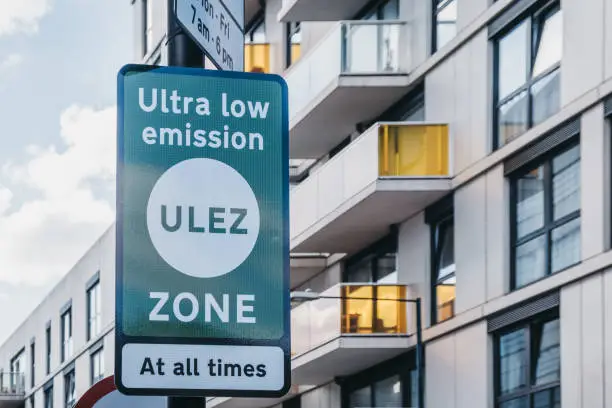
Air pollution from vehicles has long caused harm to the environment and posed serious health concerns for the public, due to air pollutants such as nitrogen dioxide and carbon dioxide, which can have devastating effects on nature, particularly in concentrated areas such as large cities (Smith and Tyers, 2024). To meet Net Zero targets and minimise damage to the atmosphere, the UK government aims to decrease the number of polluting vehicles in large cities.
Despite having market-based legislation in 2008 to charge certain vehicle types and attempt to reduce air pollution in Low Emission Zones (LEZ) across London, the concentration of pollutants continued to rise and exceed the EU limit in 2016 (Hajmohammadi and Heydecker, 2022). This led to the adaptation of the mechanism in 2019 by the Mayor of London into the Ultra Low Emission Zone (ULEZ) to better reflect and meet current climate targets and reduce health and environmental risks associated with concentrated air pollution.
The ULEZ regulation was produced to cover the same areas as the congestion charge areas in the centre of the city and charge vehicles that did not meet the required Euro 4 (petrol) and Euro 6 (diesel) standards.
Shi (2024) mentions that, as well as the policy having been largely successful in decreasing air pollution, there have also been various other impacts such as growth in sustainable transportation development and an increase in low-carbon vehicles. However, there have also been some negative socio-economic costs to low-income groups and the elderly population; this has developed further since the ULEZ area expansion in 2023.
This policy has been very successful, although Shi (2024) mentions that certain policies should be established to provide financial support for certain groups. I could see this as subsidising electric vehicles for qualifying individuals using funds gained from the ULEZ charge.
References:
Hajmohammadi, H. and Heydecker, B. (2022). Evaluation of air quality effects of the London ultra-low emission zone by state-space modelling. Atmospheric Pollution Research, 13(8), p.101514. doi:https://doi.org/10.1016/j.apr.2022.101514.
Shi, J. (2024). Evaluation of the Implementation Effects and Socio-Economic Impacts of London’s Low Emission Zone Policy. Information Systems and Economics, [online] 5(4). doi:https://doi.org/10.23977/infse.2024.050409.
Smith, L. and Tyers, R. (2024). Clean Air Zones, Low Emission Zones and the London ULEZ. [online] House of Commons Library. Available at: https://commonslibrary.parliament.uk/research-briefings/cbp-9816/.
Plastic Pollution in the Gulf of Gabès: Strengthening Environmental Regulation in Tunisia (Jasmine Boniface)
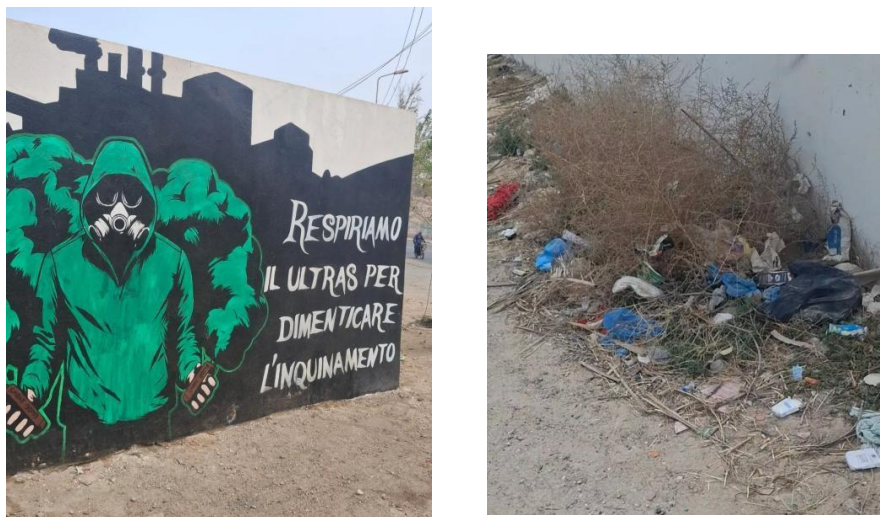
(Figures 1 and 2 (Jasmine Boniface)- taken during a trip to Tunisia in April 2025)
Environmental damage is well known to the town of Gabès, Tunisia, where the effects of around 20,000 cubic metres of polluted water being discharged into the Gulf daily (Cordall, 2023) are visible from just the acrid smell that hits upon arrival. This region presents an alarming case study of the severe consequences posed by industrial pollution- with constant hospitalisations, deaths and reports of illness such as cancer and respiratory diseases.
The region’s rich aquatic resources contribute approximately 65% of national fish production, yet industrial pollution from the natural phosphates processing industry has altered marine ecosystem structure and functioning, creating serious human health risks through contaminated seafood,(Drira et al., 2017). While chemical pollution from plants managed by the Tunisian Chemical Group has turned the once-blue sea brown and red with heavy metals, plastic pollution represents the most visible environmental harm on Gabès’ streets, yet it is often dismissed as less urgent than industrial contamination.
Tunisia’s plastic bag ban- first discussed in 2015 and introduced by Governmental Decree No.32 in January 2020-demonstrates the gap between policy and enforcement, with plastic bags remaining in circulation and a primary contributor to the plastic pollution problem evident across the country (Guerfi, 2020).
Effective regulation requires strengthened enforcement coupled with community-based approaches. Rwanda provides a successful model through information campaigns, promotion of environmentally friendly alternatives, and penalties including fines and imprisonment (Danielsson et al., 2017). For Gabès, this could involve engaging existing community organizations like Stop Pollution Gabès in plastic waste education and cleanup initiatives, transforming local environmental activism into systematic regulatory support. The regulatory framework should address both upstream production controls and downstream waste management while building a sustainable enforcement capacity. Community governance mechanisms such as encouraging local participation through education programs and clean up campaign can complement the formal regulation mentioned above. This will hopefully create comprehensive environmental protection for the vulnerable coastal ecosystem found in Gabes.
Reference list
Cordall, S. S. (18/06/2023) In Gabes, Tunisia’s artisanal fishers are watching fish die. Al Jazeera.
Danielsson, M., Wockelberg, H., and Kall, W. (2017) The Plastic Bag Ban in Rwanda: Local Procedures and Successful Outcomes -A Case Study on how Rwanda Implemented a Nationwide Ban on Plastic Bags.
Drira, Z., Sahnoun, H., and Ayadi, H. (2017) Spatial Distribution and Source Identification of Heavy Metals in Surface Waters of Three Coastal Areas of Tunisia. Polish Journal of Environmental Studies 26(3): 1057–1069.
Guerfi, A. (/2020) Local Initiatives: Towards banning single-use plastic bags in Tunisia | Heinrich-Böll-Stiftung | Palestine and Jordan. Heinrich-Böll-Stiftung | Palestine and Jordan. Accessed: 2nd November 2025 .
Protecting New Zealand’s endemic Maui Dolphin from extinction (Sam Jarrett)
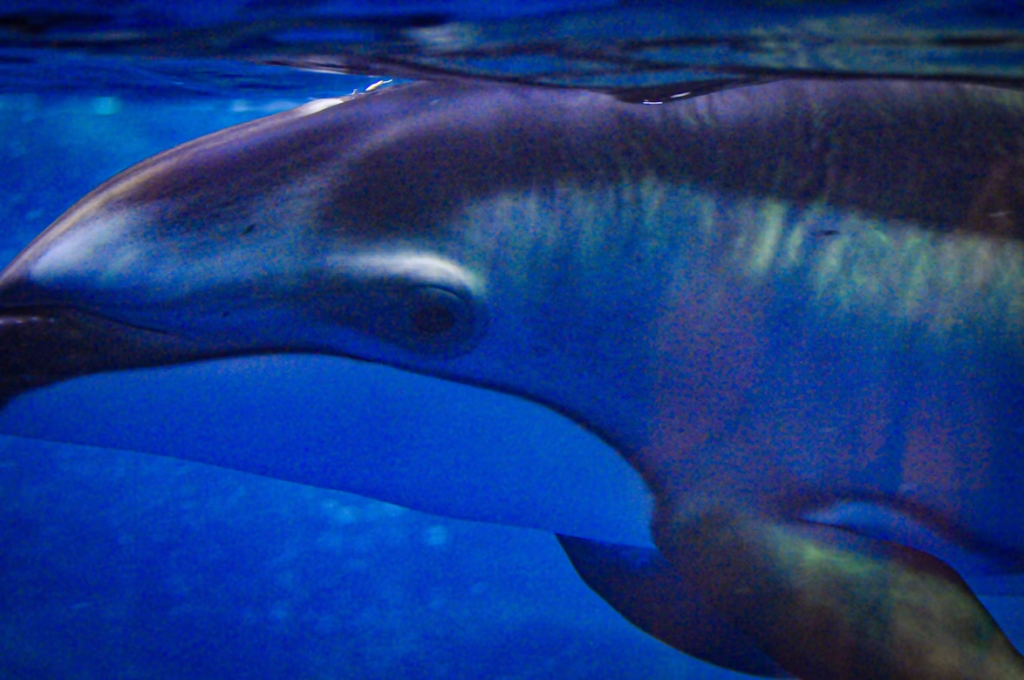
The Maui dolphin is an endemic dolphin species from New Zealand with fewer than 50 individuals remaining, which gives it the critically endangered label on the IUCN Red List (citation). The species is at risk of extinction from many damaging human activities, but the most significant factor is bycatch (citation). These are the world’s rarest and smallest dolphins (citation) and are considered taonga, meaning they are important to the population (citation), thus resulting in a loss not only of biodiversity but also of cultural significance.
New Zealand already has many different mechanisms in place for protecting the Maui dolphin; however, the effectiveness and usefulness of these legal mechanisms are limited since the Maui dolphin population has been and is still on the decline (citation). Therefore, it is evident that new or improved legal mechanisms will be key in preventing the loss of this special species. Furthermore, most of the dolphins’ habitat is not protected from fishing (citation), even though bycatch is the leading cause of human-influenced mortality in these Maui dolphins. The current legal frameworks in place are not specific enough to provide sufficient protection, since laws related to marine protection are fragmented, and attempts to fix this issue have been unsuccessful. Therefore, this report will look at different redress legal mechanisms and environmental prevention techniques which should be implemented to ensure the protection of the Maui dolphin.
Investigating the effect of High Speed Rail 2 on the Calvert Jubilee nature reserve (Eden Fryer)

High Speed Rail 2 (HS2) is one of the UK’s biggest, current, construction projects. Once complete, it will connect London to the west midlands in under one hour (HS2.org, 2025), thus making this a commutable journey for many. More people working in the capital, but living elsewhere will allow for economic growth, yet curb the level of overpopulation in the city. Despite advertising the journey as carbon-emission free (HS2.org, 2025), the construction of the railway has had significant, irreversible impacts on the surrounding environment.
A report by the Wildlife Trust (2020), details how the construction of HS2 poses significant risks to almost 700 wildlife sites, and places a number of protected species, such as the barn owl, at risk of extinction. The Calvert Jubilee nature reserve in Berkshire is an “open water habitat (that acts as) a haven for large numbers of overwintering waterfowl and wading birds” (Wildlife trust, 2020). The reserve is a home for a wide range of species, whose existence is put at risk by the construction of HS2. In 2020, HS2 ltd took ownership of Calvert Jubilee nature reserve, immediately felling trees and destroying habitats to flatten the land for construction (The Guardian 2020). Work has since progressed, with the area now being almost entirely “devoid of life” (BBOWT, 2023).
In an effort to mitigate against further damage to the Culvert Jubilee Nature Reserve, an overpass, in which animals are able to cross the bridge, would allow for the level of interconnectedness to return to pre-construction levels. In addition, the expansion of the reserve would allow for a small amount of the carbon footprint of HS2 to be offset, while also protecting the local wildlife from further destruction. This would be mitigation at a local level.
Bibliography:
Barkham, P. (2020). HS2 destroyed trees in way of train line without permission. The Guardian. [online] 10 Jan. Available at: https://www.theguardian.com/uk-news/2020/jan/10/hs2-destroyed-trees-in-way-of-train-line-without-permission. (Accessed 03/11/25)
www.bbowt.org.uk. (n.d.). HS2 got its nature figures ‘hugely’ wrong, new report shows | Berks, Bucks & Oxon Wildlife Trust. [online] Available at: https://www.bbowt.org.uk/news/hs2-got-its-nature-figures-hugely-wrong-new-report-shows.
Coffey, D., Thornley, C. and Tomlinson, P.R. (2022). Industrial policy, productivity and place: London as a ‘role model’ and High Speed 2 (HS2). Regional Studies, 57(6), pp.1–13. doi:https://doi.org/10.1080/00343404.2022.2110226. (Accessed 03/011/25)
HS2 (2024). What Is HS2? [online] High Speed 2. Available at: https://www.hs2.org.uk/what-is-hs2/. (Accessed 03/11/25)
The wildlife Trusts (2020). Search | the Wildlife Trusts. [online] www.wildlifetrusts.org. Available at: https://www.wildlifetrusts.org/sites/default/files/2020-01/What%27s%20the%20damage%20-%20Full%20Report%20digital2_0.pdf. (Accessed 03/11/25)
National Jurisdiction against the Decline of Bumblebees in Great Britain (Hannah Chowney)
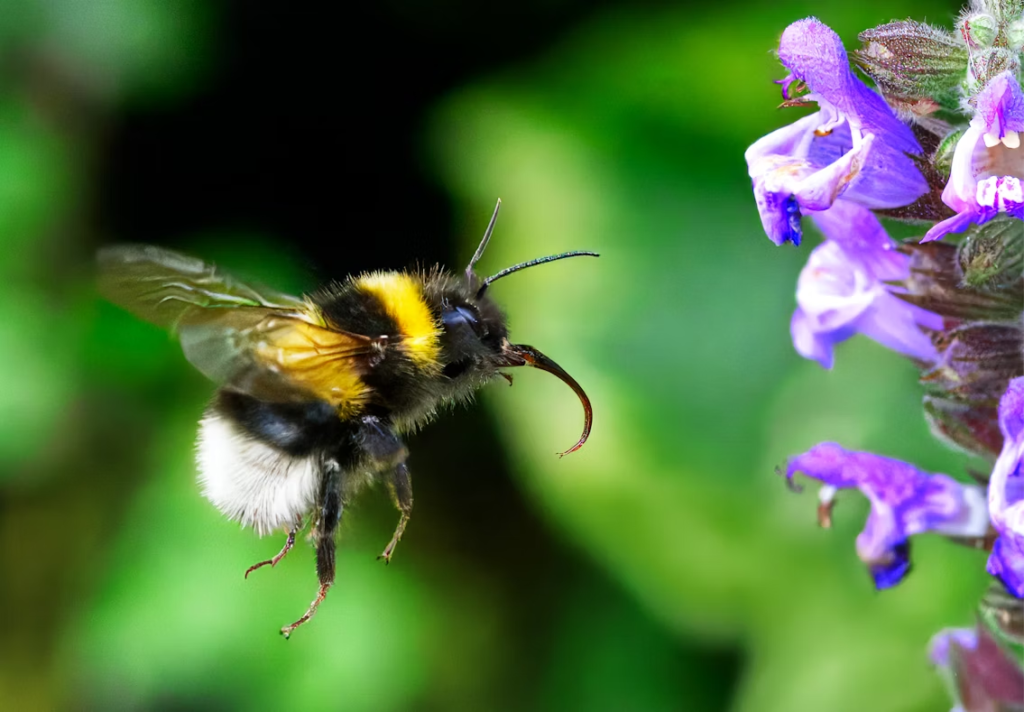
In 2024, the Bumblebee Conservation Trust observed that the number of bumblebees across Great Britain had reached a record low. According to their monitoring scheme BeeWalk, there were 8.75 bumblebees per kilometre, a 3.02 decrease from the previous year.
Bees are a vital part of the Great Britain’s food supply, pollinating a huge range of crops, including broccoli, carrots, fennel, parsnips, turnips, kale, apples, raspberries and tomatoes (Varela, 2023). Pollinators are estimated to contribute a value of £430 million to British agriculture every year (Smith et al. 2011). This includes crops used for animal feed, further contributing to the support of national food production. Trees and flowers that provide habitats for insects also rely on the presence of bees, meaning that many of Britain’s ecosystems are entirely supported by these pollinators, considering the multitudes of species (such as birds, bats and all others further up the food chain) that rely on those insects as a source of food (Varela, 2023).
Thirty-five of Britain’s bee species are threatened by extinction (DEFRA, 2018). This is primarily from the intensification of farming, including use of neonicotinoid pesticides and loss of traditional habitats (Friends of the Earth, 2017). The decreased predictability of seasons brought about by climate change, along with the significant worsening of weather events can disrupt the synchronicity between pollination and the flowering plants they feed from (WWF, n.d).
Various actors and mechanisms are in place against the decline of bee populations. Organisations like the UK’s Bumblebee Conservation Trust, a membership charity founded in 2006, research, influence policy and directly conserve bees in order to protect and create a world “where bumblebees are thriving and valued by everyone.” The Bees Act 1980 exists to control pests and disease affecting bees, by delegating responsibility to the Minister of Agriculture, Fisheries and Food, and the Secretaries of State for Scotland and Wales to make provision as they see fit. In 2009, the European Parliament published a restriction of placing plant protection products (pesticides) on the market, and in 2025, the UK Health and Safety Executive updated their guidance on the document. This shows that, whilst there are still many improvements to be made, there exist good foundations for the conservation and protection of bees.
The capitalisation of the environment in the UK: Plastic Pollution and its impact (Farah Assi)
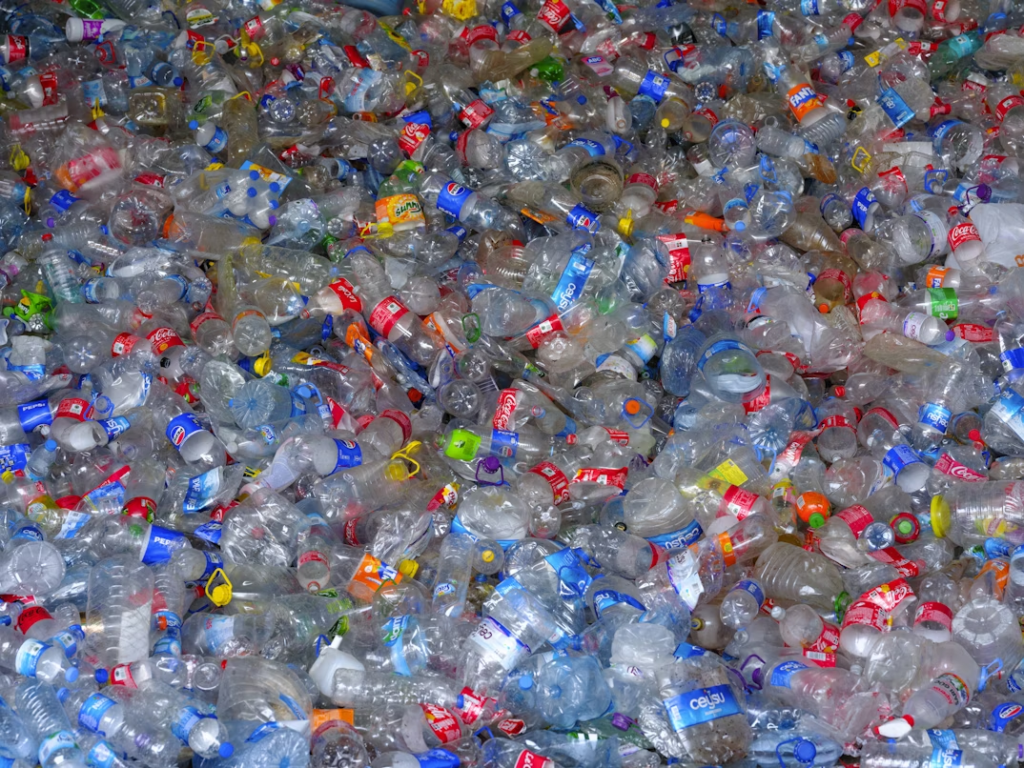
It is in everything, our clothes, our food, our oceans, our water, in the air, littered on the ground -plastic. The reason for this is because environmental issues can be turned into market instruments whereby the cheaper modes of production are favoured over the environment, whereby nature and its protection are given a monetary value.
Hence why in the UK, the environmental issue of plastic pollution is being addressed through market-based instruments rather than only through direct bans or moral appeals. The ‘Plastic Packaging Tax’, exemplifies the capitalisation of the environment as it monetises environmental harm by putting a price on unsustainable plastic pollution. This tax uses the polluter pays principle as it aims to provide an economic incentive for businesses to have a ‘minimum of 30% recycled content in the product they are manufacturing in or importing into the UK’ (Commons library, 2024). Though, a gap within this legal framework is the fact that it will not apply to businesses that manufacture or import 10 tonnes or more of packaging with a minimum of 30% recycled content.
This then fails to address the root cause -the overproduction and overconsumption of plastics aligning with the failure of global treaty negotiations – showcased through the moment of deadlock sustainability in 2025 when nations couldn’t agree whether to limit plastic production or manage waste. This was crucial since in the UK there is approximately ‘a 50/50 split between imported and domestically manufactured plastic packaging…though overall consumption is more heavily reliant on imports’ (EIA, 2021). Therefore, environmental capitalisation without global cooperation is incapable of addressing a global pollutant like plastics.
This suggests that businesses and individuals only care to reduce their environmental damage when it will cut into their profit. Johnson (2022) expands on this in his article ‘Conceptualising the Transnational Regulation of Plastics’ which examines how the ‘legal scholarship framing of plastics has led to a circular economy approach’. Here, the way the law defines the problem of plastics can in tern influence what legal and market responses are chosen.
Beyond the polluter pays principle, this report will also examine the precautionary principle as utilised in legislation such as the ‘Extended Producer Responsibility for Packaging’ which seeks to prevent environment harm by ‘encouraging producers to design waste out of products from the beginning’. It’s a preventative and corrective mechanism that shifts responsibility upstream, away from consumers and local authorities.
Furthermore, the EPR for packaging is being implemented under the Environment Act 2021 which extends economic accountability because of the Producer Responsibility Obligations Regulations (2007).
BIBLIOGRAPHY:
eia-international.org. (2021). The UK’s Trade in Plastic Waste – EIA. [online] Available at: https://eia-international.org/report/the-uks-trade-in-plastic-waste/.
Extended Producer Responsibility for Packaging Consultation Document. (2021). Available at: https://consult.defra.gov.uk/extended-producer-responsibility/extended-producer-responsibility-for-packaging/supporting_documents/23.03.21%20EPR%20Consultation.pdf.
Johnson, H., Nay, Z., Maguire, R., Barner, L., Payne, A. and Taboada, M. (2021). Conceptualizing the Transnational Regulation of Plastics: Moving Towards a Preventative and Just Agenda for Plastics. Transnational Environmental Law, pp.1–31. doi:https://doi.org/10.1017/s2047102521000261.
OECD. (2024). Extended Producer Responsibility. [online] Available at: https://www.oecd.org/en/publications/2016/09/extended-producer-responsibility_g1g6742c.html.
Smith, L. (2024). Plastic waste. commonslibrary.parliament.uk. [online] Available at: https://commonslibrary.parliament.uk/research-briefings/cbp-8515/.
UK Parliament (2021). Environment Bill – Parliamentary Bills – UK Parliament. [online] bills.parliament.uk. Available at: https://bills.parliament.uk/bills/2593.
The Plastic Problem in the UK (Mabel McKiernan)
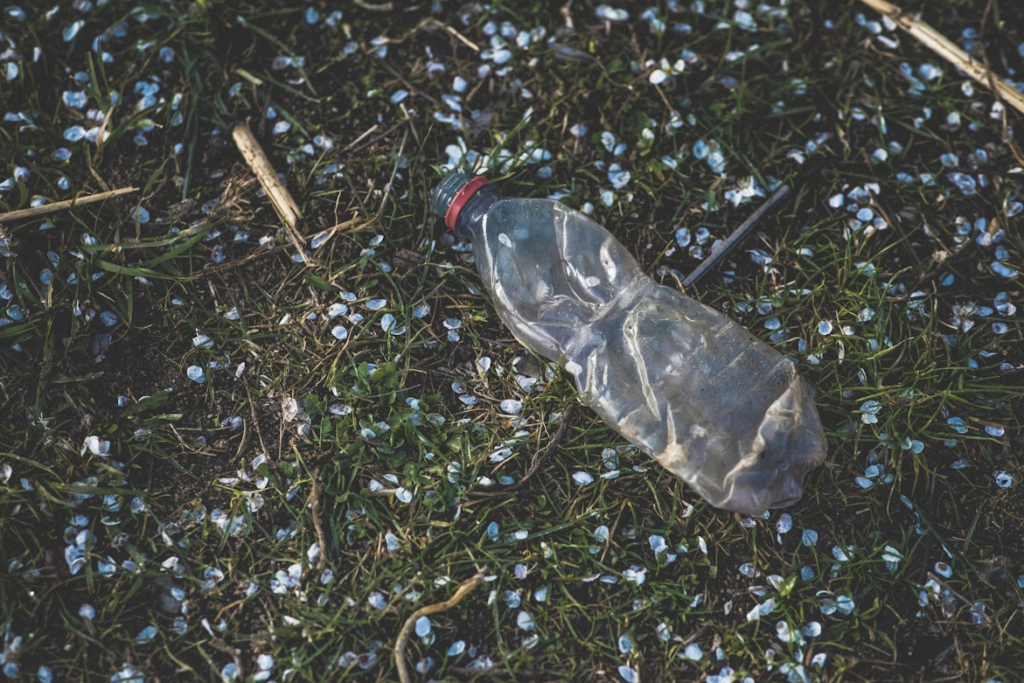
Plastic is a medium that has been evolving and increasing in production since its invention. However, rates of recycling have not corresponded to the increase in plastic production, leading to large amount of plastic being wasted each year (Sebille et al., 2016). The majority (approximately 40%) of plastics in the UK come from packaging, with others big sectors of plastic pollution being building and construction and automotive (Sebille et al., 2016).
Lots of plastic makes its way into the UK oceans each year through methods such as illegal dumping an inadequate waste management, along with industrial activity, littering and Combined Sewer Overflows (CSOs) (Sebille et al., 2016). When this plastic enters the ocean, it becomes a massive problem for marine life. Microplastics are released which can seriously affect the food chain, especially marine top predators, due to biomagnification moving up the food chain (Nelms et al., 2018). Ingestion of large pieces of plastic by marine life and seabirds is also a massive issue which contributes to many deaths (Lusher et al., 2018).
Some legislation already exists in the UK to reduce plastic pollution, such as the ban of the supply of certain single use plastic items such as plastic straws (Department for Environment, Food & Rural Affairs, 2024). However, more legislation is needed to tackle this ever-growing issue, specifically regarding single-use plastic packaging such as non-plastic or reusable alternatives (Peake, 2020) (Department for Environment, Food & Rural Affairs, 2024). Additionally, the recycling system should be improved, as contamination of recycling makes it hard to obtain sufficient quality of recycled materials (Peake, 2020). There are many loopholes in current legislation and promised government actions that have not been realised, causing a need for systemic change. Both market-based and command and control methods of redress are necessary, but a focus on companies and corporations is necessary, as they have the largest influence over the packaging they use, and this is one of the most preventable problems in plastic pollution.
References
Seagrass Initiative (James Dinan)
Intro:
The climate crisis and the threat posed by unprecedented greenhouse gas emissions Is perhaps one of the most defining and encapsulating ones humanity has ever faced. One of the principal ways to do this is by using the biological tools of trees[1] that are disposable principally the ability of plants and things to stuff. The main epicentre of this is under the seas. 70% of all fossil fuels and carbon stores are under the ocean and despite such a precious resource we are exterminating this. A extremely important element of this initiative is seagrass beds and habitats with the Seagrass habitats being Disproportionately affected and important.
Why is this important?
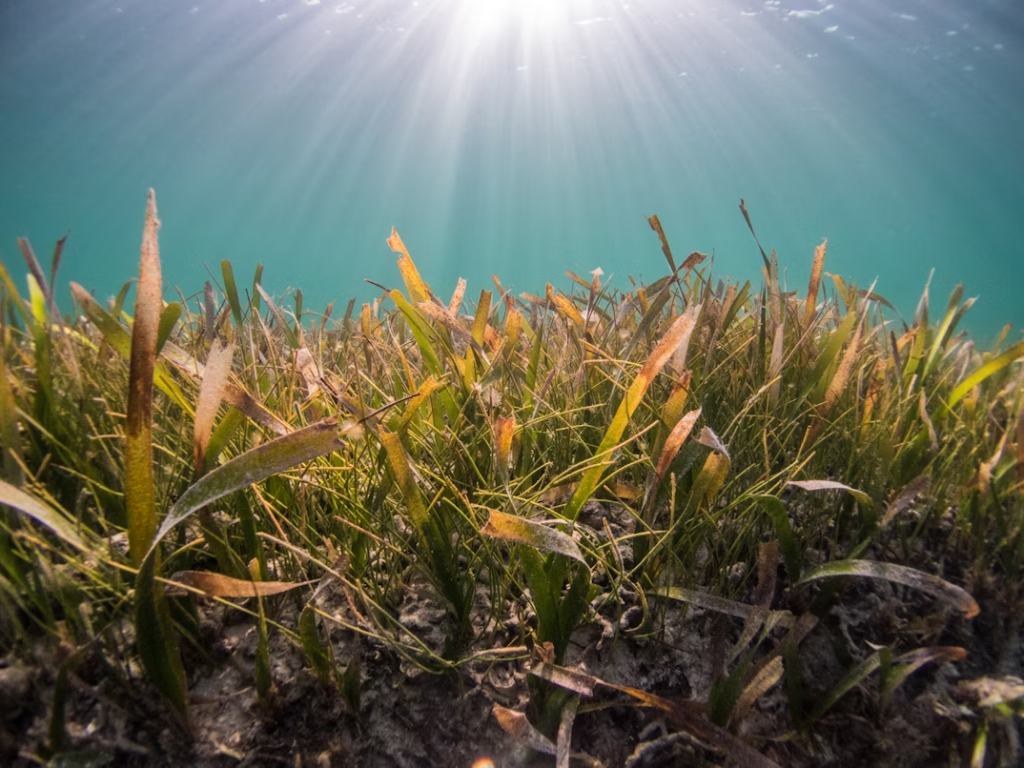
Seagrass captures 10% of the world’s CO2 despite only representing 0.1% of the surface area of the ocean. Evidently, it is a disproportionately powerful tool for humanity against the climate crisis however it is estimated 39% of Britains total seagrass beds have been lost since the 1980s[2] a devastating loss to both ability to fight climate change and local marine life.
Current protections
While there are current protections in place seagrass beds often go underwater and underappreciated.[3] They are currently protected mostly through the creation of marine coastal Zones created under the 2009[4] Marine and coastal access act however the enforcement of the protection of such zones is severely lacking[5] and additionally water companies continue to pump extremely damaging sewage despite huge fines.[6]
What can be done?
However, there is still hope. Primarily, I would suggest a two pronged solution of making the current polluters pay as well as ensuring much stronger enforcement of current
[1] Woodland Trust, How Trees Fight Climate Change https://www.woodlandtrust.org.uk/trees-woods-and-wildlife/british-trees/how-trees-fight-climate-change/ accessed 3 November 2025.
[2] Rewilding Britain, ‘Seagrass’ (Rewilding Britain, no date) https://www.rewildingbritain.org.uk/why-rewild/reintroductions-key-species/key-species/seagrass accessed 3 November 2025
[3] UNEP-WCMC, ‘Seagrass protection is key to tackling climate change’ (UNEP-WCMC, June 2020) https://www.unep-wcmc.org/en/news/seagrass-protection-is-key-to-tackling-climate-change accessed 3 November 2025.
[4] Marine and Coastal Access Act 2009, s 116
[5] Freya Harris, ‘Seagrass Vs Water Quality – Report Launch’ (Surfers Against Sewage, 1 March 2024) https://www.sas.org.uk/updates/seagrass-vs-water-quality-report-launch/ accessed 3rd November 2025
[6]Liam Bolster, ‘Thames Water fined £122.7m in biggest ever penalty’ BBC News (28 May 2025) https://www.bbc.co.uk/news/articles/cgeg5vy9q8eo accessed 3rd November 2025.
River Wye’s Ecological Crisis: Legal Solutions to Agricultural Pollution in the UK (Ruby Wright)

Situated in the UK’s western regions with Wales and England on either side, the River Wye forms a natural border between the two countries. The river is a Special Area of Conservation (SAC) facing a slow yet plummeting ecological decline due to the large increase in phosphate in the water, causing severe nutrient pollution 1. Documentation has revealed the constant struggle of the river, as long-term data showcases that the southern and eastern lowland tributaries cause agricultural runoff, leading to an 85% catchment of Total Reactive Phosphorus (TRP) 2. The evident problem only continues to be exacerbated by the effects of climate change and the arguments over land-use principles, with leading researchers showing models that only further indicate the increases of phosphate concentrations and nitrogen, degrading the water quality 3. With the river facing the increases of phosphorus and nitrogen, severe algal blooms are appearing rapidly, choking out the aquatic life found in the water, leading to the depletion and devastation of the Atlantic salmon 1. Improved legislation and jurisdiction understanding needs to be enacted to stop the destruction of the river with a new critiqued command and control enforcement of the Environmental Act 2021 and Farming Rules of Water. Currently, Wales and England are having a jurisdiction issue where neither party knows how to operate and manage the river, as both parties have it in the middle of either country, with the River Wye winding more in the Welsh territory. Documentation needs to be conducted on the top phosphate polluters to utilise market-based mechanisms to increase incentives to stop the pollution of phosphate 2. Ultimately, the River Wye under the community governance pathway should explore the possibility of legal recognition to push a further narrative to increase the attention and authority of the river to receive action 3.
1 Mercer S. Nation’s “favourite” river facing ecological disaster [Internet]. The Fishing Passport; 2024 [cited 2025 Nov 3]. Available from: https://wyeuskfoundation.org/news/nations-favourite-river-facing-ecological-disaster/
2 Jarvie H, Neal C, Withers P, Robinson A. (PDF) nutrient water quality of the wye catchmen, UK: Exploring patterns and fluxes using the Environment Agency Data Archives [Internet]. Hydrology & Earth System Sciences ; 2003 [cited 2025 Nov 3]. Available from:https://www.researchgate.net/publication/29626810_Nutrient_water_quality_of_the_Wye_catchmen_UK_Exploring_patterns_and_fluxes_using_the_Environment_Agency_data_archives
3 Bussi G, Whitehead PG, Gutiérrez-Cánovas T, Ledesma JLJ, Ormerod SJ, Couture R-M. Modelling the effects of climate and land-use change on the hydrochemistry and ecology of the River Wye (Wales) [Internet]. U.S. National Library of Medicine; 2018 [cited 2025 Nov 3]. Available from: https://pubmed.ncbi.nlm.nih.gov/29426198/ .
Environmental Harm: Bottom trawling on an international scale, and legal mechanisms that can address its damage (Amy Wheeler)
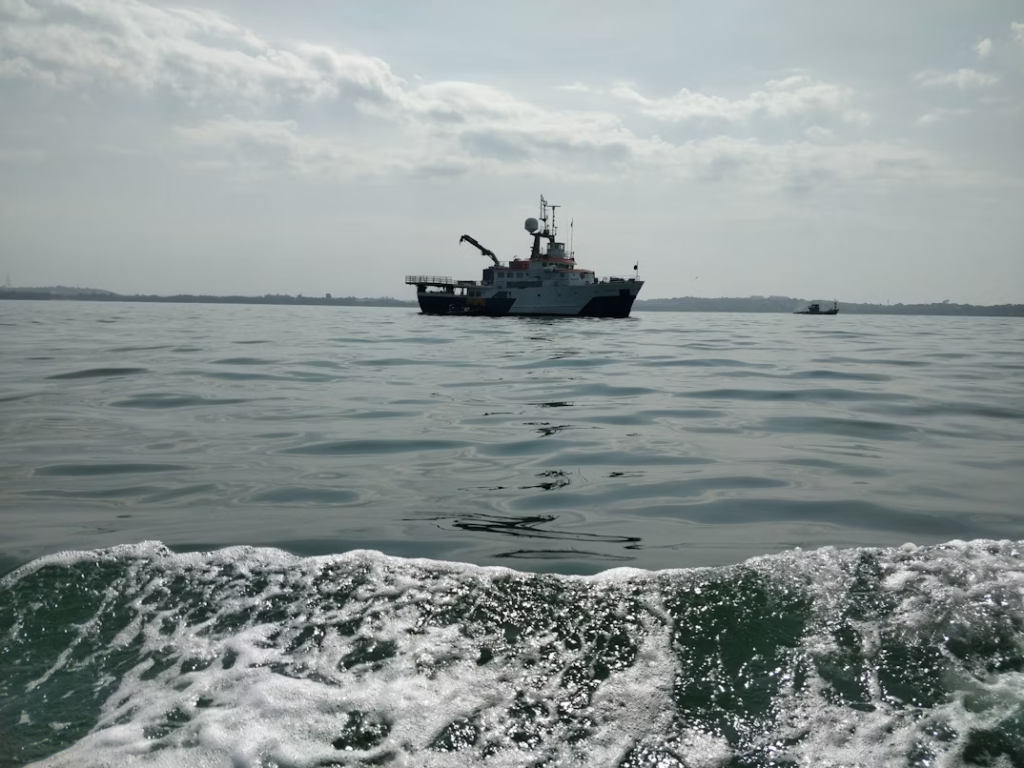
In the 2030 Agenda for Sustainable Development, 194 UN member states laid out 17 sustainable development goals (Hambrey, 2017), which include the sustainable management of natural resources in the oceans and seas (Stephens and Couzens, 2016). Since 2015 when these targets were set, some improvements have been made, but the environmental harms facing our oceans, and the exploitation of fishing stocks, are still a prominent issue. Bottom trawling is the current main method used to catch demersal fish (Thurstan et al., 2010), where the seabed substrate is scraped and ploughed, causing sediment resuspension, benthos destruction and the discarding of damaging fishing gear. In deep water, the devastation from bottom trawling needs decades to recover (Jones, 1992), making it a dangerous, destructive technique that needs tighter legislation from ship departure to plate. This report will analyse: how environmental crime management can be enforced; the significant influence that public participation has (particularly in less compliant countries like the UK) (Paolacci et al., 2021); how the law needs to be adaptive for such a complex issue; and ultimately, how different administrations need to work cooperatively, and across borders, to truly mitigate the environmental harms of bottom trawling.
‘Fisheries crime’ is a new, fundamental concept that has been observing the interrelated crimes associated with the fishing industry, and is important in understanding how to legally prevent all harms of bottom trawling. Complex approaches are needed because illegal fishing is strongly linked with human and drug trafficking, environmental crimes, slave labour and document fraud (Elliott and Schaedla, 2016). This is important to note, but this report will focus mainly on the environmental crime aspects of bottom trawling, where there is an intent to harm ecological systems (None, 1998). Going forward from this though, integrated approaches across social, economic and environmental sectors are essential.
Reference List:
Elliott, L., and Schaedla, W. H. (/2016) Handbook of Transnational Environmental Crime. Accessed: 3rd November 2025 <https://www.e-elgar.com/shop/gbp/handbook-of-transnational-environmental-crime-9781783476220.html. >.
Hambrey, J. (2017) The 2030 Agenda and the Sustainable Development Goals: The Challenge for Aquaculture Development and Management. FAO Fisheries and Aquaculture Circular (C1141): I,IV,VII,1-62.
Jones, J. B. (1992) Environmental impact of trawling on the seabed: A review. New Zealand Journal of Marine and Freshwater Research 26(1): 59–67.
None (1998) Environmental crime : enforcement, policy, and social responsibility. Gaithersburg, Md. : Aspen Publishers.
Paolacci, S., Mendes, R., Klapper, R., Velasco, A., Ramilo-Fernandez, G., Muñoz-Colmenero, M., Potts, T., Martins, S., Avignon, S., Maguire, J., De Paz, E., Johnson, M., Denis, F., Pardo, M. A., McElligott, D., and Sotelo, C. G. (2021) Labels on seafood products in different European countries and their compliance to EU legislation. Marine Policy 134: 104810.
Stephens, T., and Couzens, E. (2016) The 2030 Agenda for Sustainable Development. Asia Pacific Journal of Environmental Law 19: 1.
Thurstan, R. H., Brockington, S., and Roberts, C. M. (/2010) The effects of 118 years of industrial fishing on UK bottom trawl fisheries | Nature Communications. Accessed: 3rd November 2025 <https://www.nature.com/articles/ncomms1013. >.
A Legal Approach to Addressing the Environmental Impact of Maritime Operations in Falmouth (Lilja Clarke)

Falmouth’s harbour has been central to Cornwall’s economy since the 17th Century, acting as a port for transporting goods, communication, and more recently, seaside tourism1.
The impact of this busy schedule of maritime operations extends beyond economic growth, causing ecological damage.
An example of this damage is the degradation of maerl beds which have been a point of interest for academics recently. Maerl beds are fragile, coral-like seaweed habitats that support high biodiversity. Falmouth’s are particularly unique, prompting investigative research into their decline and increasing pressure for legal protection2. These beds are under threat from shipping activity, anchoring, and sewage discharge, all of which disturb sediment and reduce water quality in Falmouth3. Pollution poses a risk to certain ecosystems, with long-term consequences for marine life and coastal resilience.
Falmouth Harbour Commissioners (FHC) is a local organisation, championing the protection of Falmouth Harbour, working closely with government agencies, university research teams, and environmental organisations to enforce protection4.
As part of the focus on maerl beds, a ‘Maerl Forum’ was hosted in March, contributing towards the creation of the ‘Cornwall Maerl Conservation Action Plan 2025.’ This plan spans across five years and aims to protect Maerl through sustainable dredging practices and enhanced water quality monitoring, restricting anchoring within sensitive areas, with help from FHC.5
Although this plan is not legally enforceable, this is a step towards concrete protection, particularly due to the endorsement by conservation organisations, statutory agencies,
and marine industries involved in the Maerl Forum, who will “champion actions that deliver the locally agreed priorities.6”
Beyond this plan, legally enforceable policy is a plea from stakeholders which should not be ignored. This is essential to ensuring the sustainability of Falmouth’s marine environment.
The development around the protection of Falmouth’s maerl beds act as a case study for the power of community unity between individuals, academia, environmental agencies, and regulatory bodies. Given the adequate legal tools, Falmouth could become a blueprint for the shift towards sustainable maritime operations.
This report takes a comprehensive legal approach to the process of shifting community heart into a toolkit used to tackle marine damage.
1 Philip Payton, Helen Doe and Alston Kennerley, The Maritime History of Cornwall (University of Exeter Press 2015).
2 Tom L Jenkins and others, ‘Whole Genome Genotyping Reveals Discrete Genetic Diversity in North‐East Atlantic Maerl Beds’ (2021) 14 Evolutionary Applications 1558.
3 Sarah Tuck and others, ‘Assessing the Environmental Impact of Anchoring Cruise Liners in Falmouth Bay’ [2011] Cruise Sector Challenges: Making Progress in an Uncertain World 92.
4 Dong-Wook Song and Photis M Panayides, Maritime Logistics : Contemporary Issues (Emerald 2012) 271 271–272.
5 David Slater and Philippa Hoskin, ‘Maerl Forum Output Report & Cornwall Maerl Conservation Action Plan | Maerl: Protecting Cornwall’s Hidden Coral-like Seaweed | Let’s Talk Cornwall’ (Cornwall.gov.uk2025) <https://letstalk.cornwall.gov.uk/44983/widgets/136715/documents/93580> accessed 30 October 2025.
6 ibid
Preventative measures against deforestation in the Amazon (Becca Ballam)
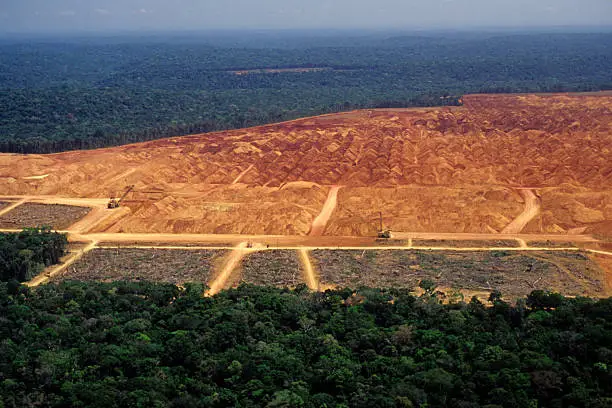
Rainforests play a critical role in the global hydrological cycle, strongly influencing local and regional climates (Smith et al. 2023);Longobardi et al. 2016). Covering around 1/4 of the Earth’s land surface, forest deforestation contributes to 17% of annual anthropogenic GHG emissions (Gorte 2010). This is a significant issue in the Amazon rainforest, an important natural sink for carbon (Gatti et al. 2021;Gorte 2010). Since the 1970s, ~14% of the Amazon has been deforested (Butt et al. 2023), reducing crop yields and increasing droughts and fires (Gatti et al. 2021). This threatens the large number of species (Shukla et al. 1990) and 30 million people hosted in the basin (Butt et al. 2023).
One command-and-control method is DETER (Real-Time Detection of Deforestation) which uses satellite imagery to map areas experiencing clear-cutting or degradation (Diniz et al. 2015). This allows authorities to respond quickly (Diniz et al. 2015) through fines, embargos and seizure of illegal equipment (‘Public Policies for the Protection of the Amazon Forest What Works and How to Improve’ n.d.). However, DETER alone is insufficient due to knowledge gaps (e.g. loss of secondary vegetation), reliance on other agencies (‘Public Policies for the Protection of the Amazon Forest What Works and How to Improve’ n.d.) and technical limitations such as cloud cover (Diniz et al. 2015).
While systems like DETER are effective for advanced monitoring and enforcement, their limitations highlight the need for mechanisms extending beyond surveillance. One possible mechanism is the implementation of new legal frameworks such as legal personhood. An example of this is Te Urewera National Park which was granted legal rights increasing its protection against harmful activities (Gordon 2018). Applying this to the Amazon would create a shift in value, changing from an area of resource exploitation to an entity with intrinsic value, providing it greater protection.
Granting Legal Personhood to Coral Reefs: Addressing Coral Bleaching in Australia (Alana Smith)
Paragraph 1 – The Problem
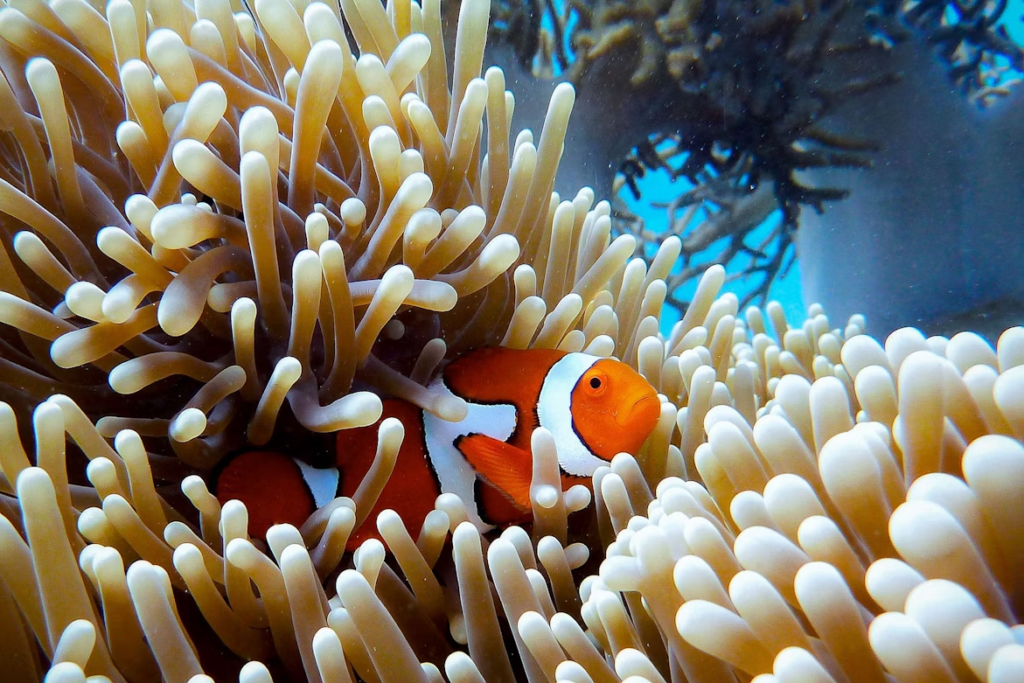
The degradation of the worlds coral reefs is a both a national and global crisis. The biggest of these reefs is the Great Barrier Reef in Australia, which is not only a huge tourism spot for the region, but vitally important for biodiversity and tourism
It is widely recognised that the main causes for the bleaching of the reefs is climate change. (ocean warming), pollution and the local unsustainable fishing practices.
Quote from the WWF: Over 80% of reefs affected by bleaching
Quote from Nature (Hughes et al, 2017) about over half the worlds coral lost since 1990s
Strong ending to this paragraph stating that without stronger legal protection, We stand to lose the worlds reefs by 2050
Paragraph 2 – Mechanisms of Prevention/Redress
Quote current laws:
Great Barrier Reef Marine Park Act 1975)
Reef 2050 Long-Term Sustainability Plan (2015)
Environment Protection and Biodiversity Conservation Act 1999
State the limitations:
Reactive rather than proactive.
Lacks the standing for the Reef itself (it can’t “represent itself” in court).
Enforcement depends on political will.
Introduce the concept of ‘legal personhood’ as a proposed mechanism.
Compare to New Zealand (Whanganui River & Te Urewera Forest) and Ecuador (rights of nature in Constitution).
Explain how personhood gives rights, duties, and accountability — enabling legal action on behalf of the ecosystem.
Sentence on the Move from existing laws → gaps → innovative solution (personhood).
Paragraph 3 – Evidence & Rationale
As above quote Hughes et al. (2017) and WWF (2023) for the environmental crisis.
Use the case studies (NZ, Ecuador) to show precedent.
Quote the theoretical support: e.g., Christopher Stone’s idea of giving legal standing to nature (Should Trees Have Standing?).
Give the argument that personhood in Australia could improve accountability and reflect an ecocentric legal approach.
“Recognising the Great Barrier Reef as a legal person would transform its protection from symbolic conservation to enforceable environmental justice.”
Show evidence, theory, and comparative strength of your proposal.
Silencing the Gaps: Reforming UK Noise Pollution Law for Effective Prevention and Redress (Tilly Sharp)

Noise pollution is an overlooked environmental problem, overshadowed by more visible issues such as deforestation. Nevertheless, it is a chronic environmental health problem: exposure to urban and industrial noise is linked to sleep disturbance, cardiovascular disease, stress, and anxiety – reducing overall wellbeing (World Health Organisation, 2018; Basner et al., 2014).
In the UK, regulation is addressed through the Environmental Protection Act 1990 (Part III), the Noise Act 1996, and the Environmental Noise (England) Regulations 2006, which attempt to integrate a health-based perspective (Brown 2015), and are supported by the EU Environmental Noise Directive (2002/49/EC) – which is still influential in national policy. However, this framework is inconsistent and limited, relying on local discretion rather than enforceable national limits (Defra, 2022), and using reactive control instead of taking preventative action – despite evidence that noise exposure causes non-auditory health effects (Stansfeld and Matherson, 2003). To address this, legally binding exposure thresholds aligned with WHO guidelines could be introduced through a Clean Sound Environmental Bill, providing a proactive command-and-control approach which ensures uniform national protection and addresses gaps identified in UK noise regulation and challenges post-Brexit (Tait and Thaler, 2020).
Currently, individuals report statutory nuisances to local councils, but this process is slow and inaccessible. A proposed Noise Ombudsman could offer a restorative justice mechanism, mediating community complaints and ordering remedial measures such as compensation, similar in function to the Office for Environmental Protection but focused on individual access.
Finally, under the Town and Country Planning Act 1990, Environmental Impact Assessments rarely consider noise-related health effects. Amending planning law to require Health Impact Assessments for major developments would integrate prevention into design: creating shared responsibility between planning and public health authorities, enabling reflexive regulation that evolves with emerging scientific evidence, and supporting the protection of communities from noise-related health risks (Public Health England, 2019).
Reference List:
Basner, M., Babisch, W., Davis, A., Brink, M., Clark, C., Janssen, S. & Stansfeld, S. (2014) ‘Auditory and non‑auditory effects of noise on health’, The Lancet, 383(9925), pp. 1325‑1332. https://doi.org/10.1016/S0140‑6736(13)61613‑X
Brown, A.L. (2015) ‘Environmental noise legislation and the health-based perspective’, Noise and Health, 17(78), pp. 1–9.
Defra (2022) Noise Action Plan for Major Roads and Railways (England). London: Department for Environment, Food & Rural Affairs. Available at: https://www.gov.uk/government/publications/noise-action-plan-for-major-roads-and-railways-england (Accessed: 2 November 2025).
Directive 2002/49/EC relating to the assessment and management of environmental noise [2002] OJ L 189/12.
Environmental Noise (England) Regulations 2006 (SI 2006/2238)
Environmental Protection Act 1990 (c.43)
Noise Act 1996 (c.37)
Public Health England (2019) Health Matters: Air Pollution and Environmental Noise. London: Public Health England. Available at: https://www.gov.uk/government/publications/health-matters-air-pollution-and-environmental-noise (Accessed: 2 November 2025).
Stansfeld, S.A. & Matheson, M.P. (2003) ‘Noise pollution: Non-auditory effects on health’, British Medical Bulletin, 68(1), pp. 243–257. https://doi.org/10.1093/bmb/ldg033
Tait, P. & Thaler, T. (2020) ‘Environmental noise regulation in the UK: gaps and challenges post-Brexit’, Journal of Environmental Law, 32(2), pp. 245–271. https://doi.org/10.1093/jel/eqaa007
Town and Country Planning Act 1990 (c.8)
World Health Organisation (2018) Environmental Noise Guidelines for the European Region. Copenhagen: WHO Regional Office for Europe
Reed degradation in Lake Balaton, Hungary (Reka Sawle)

Lake Balaton has significant cultural and economic importance. Through its position in the tourism industry as the largest lake in central Europe and as a cultural centre, surrounded by festivals, local traditions and historic castles. This major symbol is now under threat from climate change and environmental degradation, including the declining number of reeds around the lake’s shore[1]. Due to the rise in privatisation of land around the lake’s edge, the number of reeds has rapidly decreased to make way for better views onto the lake and easier swimming access. On the southern shore alone, around 10 hectares of reeds was destroyed as a result of the building of 2000 pathways into the lake[2]. As a result of this degradation, it threatens water quality and biodiversity within the lake[3].
In August of this year, the government introduced new legislation to prevent more land on the shore of Balaton from being privately bought[4], doing nothing to restore the already destroyed reed beds. Using a similar restoration framework to the reed restoration around Lake Windmere[5] would be effective. Through using community governance and participation to rebuild the lake’s reed beds not only improves the environment but also encourages a better relationship between the local community and their surrounding environment.
A big cause of the reed degradation is the creation of illegal pathways[6]. Through using cameras to monitor the protection of the reeds and then using economic instruments to ensure prevention and redress. Economic instruments similar to the polluter pays scheme would be effective here due to using charges to directly pay for the restoration of the damage caused. Utilising criminal law here would further enhance this, to implement imprisonment in extreme cases and ensuring that the punishment is proportional to the damage caused.
[1] Vera Istvánovics and others, ‘Chapter 9 – Changing biodiversity in Lake Balaton—A long-term, catchment-scale perspective’, Aquatic Biomes (2025), 125-144 <https://doi-org.uoelibrary.idm.oclc.org/10.1016/B978-0-443-15726-4.00020-7> [accessed 1 November 2025]
[2] Károly Kutics, ‘Evolution of Water Quality of Lake Balaton’, Ecocyles, Vol 5, 44-73 <10.19040/ecocycles.v5i2.149> [accessed 1 November 2025]
[3] László Tóth, ‘Reeds control eutrophication of Balaton lake’, Water Research, Vol 6, 1533-1539 <https://doi-org.uoelibrary.idm.oclc.org/10.1016/0043-1354(72)90076-0> [accessed 1 November 2025]
[4] KCG Partners (2025) <https://kcgpartners.com/news/954-new-government-measures-for-the-protection-and-development-of-lake-balaton> [accessed 1 November 2025]
[5] South Cumbria Rivers Trust (2023) <https://scrt.co.uk/what-we-do/habitat-improvement/reedbed-restoration/> [accessed 1 November 2025]
[6] Marton Dunai, On Hungary’s Lake Balaton, vital reeds cleared to give tourists a view (2021) <https://www.reuters.com/business/environment/hungarys-lake-balaton-vital-reeds-cleared-give-tourists-view-2021-03-11/#:~:text=But%20conservations%20says%20the%20reeds%2C%20which%20act%20as,vegetation%20is%20sacrificed%20to%20give%20tourists%20a%20view.> [accessed 1 November 2025]
Water Pollution – Methods of Legal Redress for the River Wye (George Pound)

The River Wye flows through England and Wales for approximately 155 miles, from its source at Plynlimon through to the Severn estuary[1]. Despite being a designated Special Area of Conservation[2], there are an increasing number of intensive poultry farms surrounding the Wye which cause agricultural runoff to enter the river. This runoff increases the concentration of soluble phosphorus in the soil and surface waters which leads to the eutrophication of the river[3]. Eutrophication destabilises the entire ecology of the river[4]. According to Natural England, there has been a decline in macrophytes, salmon and white-clawed crayfish in the Wye[5]. As well as ecological harms caused by biodiversity loss, the pollution of the Wye causes social harm due to the negative impact on tourism and recreational use of the river. In addition to poultry farming, illegal sewage discharge by water companies such as Welsh Water causes bacteria and nutrient pollution.
The Environment Agency is the regulatory body responsible for applying existing laws on water quality; however, its farm inspections for compliance with legislation are underfunded[6]. This underfunding leaves it up to private businesses to take voluntary action to improve water management[7]. Without adequate regulatory mechanisms, efforts to challenge pollution have been led by NGO’s and community groups, such as the Wye and Usk Foundation[8]. A group of almost 4,000 people in England and Wales are currently in the process of claiming substantial damages from Welsh Water and two chicken producers[9]. The introduction of legal personhood for natural entities would mean that the River Wye would not be purely reliant on human advocates to represent it[10]. For example, New Zealand has implemented this policy, with the Whanganui River now holding rights due to a move away from anthropocentric governance[11].
[1]Vanessa Reid, ‘The state of UK rivers’ [2022] Biodiversity, 23(3–4), pp. 169–171 <https://doi.org/10.1080/14888386.2022.2152097> accessed 31 October 2025
[2] Conservation of Habitats and Species Regulations 2017
[3] Maan Barua, ‘Metabolic politics: A comparative synthesis’ (2025), 50, e12712 Transactions of the Institute of British Geographers <https://doi.org/10.1111/tran.12712> accessed 31 October 2025
[4] Austin Read, ‘Eutrophicated: Tracking colonial histories of phosphate matter and the Plantationocene inheritances of the River Wye’ [2024] 7(6) Environment and Planning E: Nature and Space <https://doi.org/10.1177/25148486241288377> accessed 30 October 2025
[5] Emma Johnson, ‘Assessing the health of the River Wye and its catchment’ (Natural England, 30 May 2023) <https://naturalengland.blog.gov.uk/2023/05/30/assessing-the-health-of-the-river-wye-and-its-catchment/> accessed 1 November 2025
[6] The Reduction and Prevention of Agricultural Diffuse Pollution (England) Regulations 2018
[7] Peter Newborne, ‘Crossed wires: public regulation and private action for water stewardship and sustainable farming’ [2022] 47(7) Water International <https://doi.org/10.1080/14888386.2022.2152097> accessed 30 October
[8] Ibid
[9] Sandra Laville, ‘Thousands take legal action over ‘widespread pollution’ of three UK rivers’ The Guardian (London, 8 October 2025)
<https://www.theguardian.com/environment/2025/oct/08/thousands-take-legal-action-widespread-pollution-three-rivers-in-england-wales> accessed 1 November 2025
[10] Anjali Gananathan, ‘Regulatory Discretion and Nature’s Legal Standing: Lessons from R (River Action UK) v Environment Agency’ (2025) 7 City L Rev 164
[11] Ibid.
The use of insecticides in pet flea treatments: Addressing ecological consequences in English River Ecosystems through legislative action (Jess Askham)

Flea treatment contains the insecticides imidacloprid and fipronil (Allen, 2021). These chemicals leach into the natural environment and infect natural water sources such as ponds and rivers (Allen, 2021), leading to harmful environmental impacts, particularly on invertebrate populations (Aidinyantz, 2024). There are currently 138 parasiticide treatments in the UK containing imidacloprid and 396 that contain fipronil (Dunning, 2023). Evidence from the Environment Agency (Allen, 2021) shows pesticides used in veterinary medicines are present in many of England’s river systems in concentrations that exceed accepted safe limits, posing a high risk to aquatic ecosystems.
Fipronil is highly toxic to aquatic invertebrates and can disrupt the nervous system by blocking receptors (Hoffmann et al., 2016). Imidacloprid is a neonicotinoid. Neonicotinoid’s can lead to paralysis and death of invertebrates (European Commission, no date), particularly bees. A single dose of imidacloprid can kill 25 million bees. Bees are vital to the environment; they ensure pollination for over 80% of crops and wild plants in Europe (European Commission, no date).
An open letter to the government from 24 environmental and veterinary organisations (2023) suggests possible mechanisms include banning all pesticide active substances that are not permitted for use on agricultural crops from being included in veterinary medicines for cats and dogs. Research demonstrates the effectiveness of these policy bans in restricting the use of pesticides following the EU’s restriction of plant protection products containing neonicotinoids (European Commission, no date), and in 2017 a proposal was made to ban the use of these chemicals in agriculture due to the harm they cause. However, despite the environmental effects caused by these chemicals, they continue to be used for domestic use in pet flea treatments. After imidacloprid was banned in 2018 for all outdoor use, 2500kg was still being sold the following year for domestic use (Dunning, 2023). Therefore, it is important that new legislative action is used to permit the use of these harmful chemicals.
Reference list
Aidinyantz, N. (2024) ‘Flea treatment is toxic to wildlife: Here are the facts’, Kent Wildlife Trust, 21 May. Available at https://www.kentwildlifetrust.org.uk/blog/flea-treatment-toxic-to-wildlife (Accessed: 2 November 2025).
Allen, S. (2021) ‘New research reveals widespread contamination of English rivers with pesticides commonly used as flea treatments’, The University of Sussex, 19 May. Available at: https://www.sussex.ac.uk/broadcast/read/53897 (Accessed: 2 November 2025).
Dunning, H. (2023) ‘Toxic pet flea and tick treatments are polluting UK freshwaters’, Imperial News, 20 March. Available at https://www.imperial.ac.uk/news/243875/toxic-flea-tick-treatments-polluting-uk/ (Accessed: 2 November 2025).
European Commission (no date) Honey bees. Directorate-General for Health and Food Safety
European Commission (no date) Neonicotinoids. Directorate-General for Health and Food Safety.
Hoffmann, B.D. et al. (2016) ‘Improving invasive ant eradication as a conservation tool: A review’, Biological Conservation, 198, pp. 37–49. Available at: https://doi.org/10.1016/j.biocon.2016.03.036.
Progressive Veterinary Association et al., (2023) Preventing pesticides in veterinary medicines for dogs and cats from damaging the environment: An open letter to the UK government. Available at: https://www.pan-uk.org/site/wp-content/uploads/Pesticides_veterinary_medicines_openletter_FINAL_2023.pdf (Accessed: 2 November 2025)
The effect of Light Pollution on Sea Turtle Hatchlings on Florida Beaches & Efforts to Mitigate it (Theo Baker)
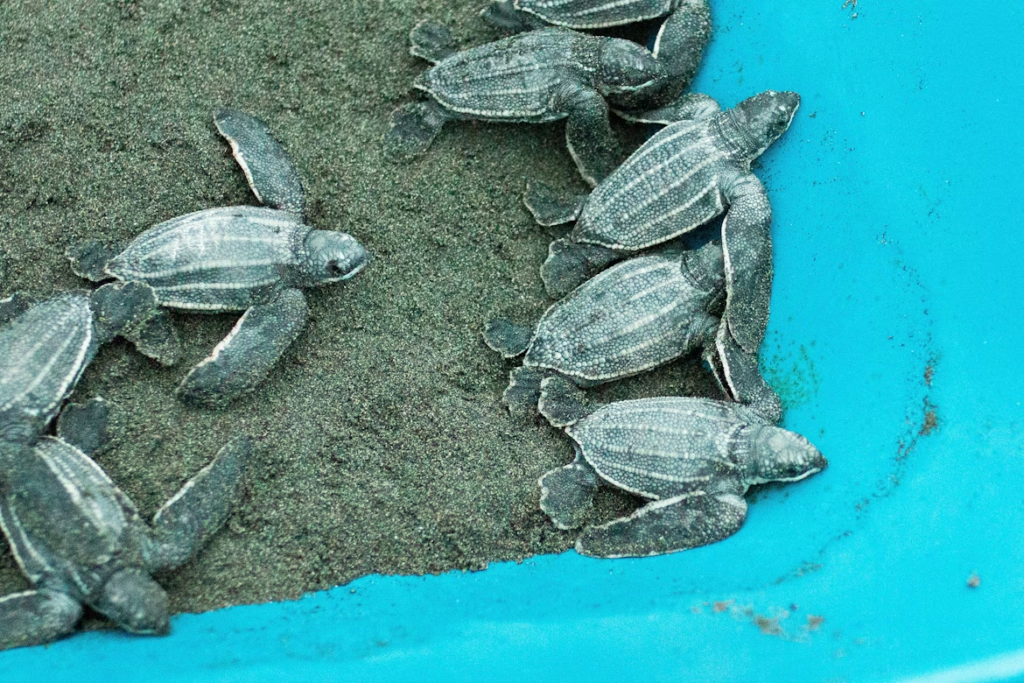
Light pollution on Florida beaches has found to be causing Sea Turtle Hatchlings to become disorientated. Naturally, Sea Turtles navigate themselves to the ocean by using light as a reference; their instinct is to move away from the dark and to the brightest light source which would be the star / moon lit ocean horizon. However, due to the rise of properties on Florida’s coastline, of which can emit powerful white light, significant numbers of sea turtles get disorientated as a result, moving away from the ocean towards land, with conservationists documenting over 100,000 each year in Florida. Disorientation can lead to dehydration, exhaustion and predation, all of which can prove fatal. The solution, therefore, is to reduce the amount and intensity of artificial lighting on or near Florida beaches. It seems the appropriate legal method to achieve this result would be a command-and-control form of regulation. The way in which the state of Florida has set about achieving this is by implementing a statute which requires that the Florida Department of Environmental Protection designates coastal areas in which sea turtles nest. It also sets out guidelines for appropriate beachfront lighting to prevent disorientation from occurring; the three golden rules are: Keep It Low, Keep It Long, and Keep It Shielded. However, there are varying levels of enforcement between local authorities, with fines being the most common form of penalty. A report carried out by The Florida Fish and Wildlife Research Institute found that beaches with strict light ordinances have much higher survival rates for hatchlings, making the need for greater levels of legislation state-wide very clear. Even though the current legislation was introduced in some counties nearly forty years ago in 1986, the present level of disorientations is still significant enough to warrant further measures to control light levels on / near Florida beaches.
Managing Air Pollution Caused by Traffic in UK City Centres (Anna Pentland)

Intro to Environmental Harm
Both acute and long-term exposure to air pollution can contribute to adverse health effects, up to and including death (Hoek et al., 2013). Air pollution also has severe negative effects on the environment (Vete, 2021). The most important source of air pollutants, particularly in urban areas, comes from vehicles (Holman, 1999). As such, dealing with air pollution from traffic in city centres is an extremely pressing matter, that must be dealt with effectively and promptly (Barnes et al., 2018). This must include both regulation and redress, as well as a comprehensive strategy, in order to be most effective (Walters, 2010) (Barnes et al., 2018).
Mechanisms of prevention/redress
References and Further Reading:
Barnes, J.H., Hayes, E.T., Chatterton, T.J. and Longhurst, J.W.S. (2018). Policy disconnect: A critical review of UK air quality policy in relation to EU and LAQM responsibilities over the last 20 years. Environmental Science & Policy, 85, pp.28–39. doi:https://doi.org/10.1016/j.envsci.2018.03.024.
Beevers, S., Dajnak, D., Stewart, D., Williams, G. and Kelly, J. (2016). Traffic management strategies for emissions reduction: recent experience in London. [online] doi:https://doi.org/10.2147/EECT.S69858.
Hoek, G., Krishnan, R.M., Beelen, R., Peters, A., Ostro, B., Brunekreef, B. and Kaufman, J.D. (2013). Long-term air pollution exposure and cardio- respiratory mortality: a review. Environmental Health, 12(1). doi:https://doi.org/10.1186/1476-069x-12-43.
Holman, C. (1999). 8 – Sources of Air Pollution. [online] ScienceDirect. Available at: https://www.sciencedirect.com/science/article/abs/pii/B9780123523358500831.
Karimi, H., Ghadirifaraz, B., Shetab Boushehri, S.N., Hosseininasab, S.-M. and Rafiei, N. (2021). Reducing traffic congestion and increasing sustainability in special urban areas through one-way traffic reconfiguration. Transportation, 49. doi:https://doi.org/10.1007/s11116-020-10162-4.
Macrory, R. and Howarth, W. (2013). The Legal Control of Pollution. The Royal Society of Chemistry eBooks, pp.492–521. doi:https://doi.org/10.1039/bk9781849736480-00492.
Vete, A. (2021). Changing character of town form during the XX−XXI c.: the case of Lithuanian small towns. Landscape architecture and art, 16, pp.7–15. doi:https://doi.org/10.22616/j.landarchart.2020.16.01.
Walters, R. (2010). Toxic Atmospheres Air Pollution, Trade and the Politics of Regulation. Critical Criminology, 18(4), pp.307–323. doi:https://doi.org/10.1007/s10612-010-9119-3.
Appropriate Legal Mechanisms Towards Sustainable Waste Management in Jakarta (Lukas Atkinson)

Waste is an interconnected issue, through its effects, and its management. Poor waste management can lead to environmental and health consequences on local communities and international commons, through soil and water pollution from leachate, and air pollution and climate change from emitted gases (Siddiqua, Hahladakis and Al-Attiya, 2022; Tamba, Yanti and Tamba, 2025). Indonesia is rapidly urbanising, being one of the greatest emitters of greenhouse gases in the global waste sector (Aprilia, 2021). Jakarta is its centre of economic activity, facing population growth (Safri, 2024), and the city’s main landfill site almost reaching capacity (Tamba, Yanti and Tamba, 2025); therefore, its current waste management system must be confronted soon.
This report will use a variety of literature sources to explore the current landscape of regulation mechanisms governing waste management in Jakarta, understanding their limitations in preventing harms, and suggesting recommendations to address these gaps.
Current policy understands the shared responsibility of actors to address waste, but it lacks the buy-in and commitment to implement real change (Pasang, Moore and Sitorus, 2007; Safri, 2024). Key interacting elements of enforcement issues include: low institutional capacity exacerbated by a lack of resources and infrastructure (Lestari and Trihadiningrum, 2019; Safri, 2024), poor coordination of stakeholders via overlapping and conflicting responsibility (Pasang, Moore and Sitorus, 2007), and limited perceptions of the benefits of participation from government and residents (Pasang, Moore and Sitorus, 2007; Abdulnabi Ali et al., 2023). Clearly, this is a ‘wicked problem’ that requires a collaborative approach, with each stakeholder fulfilling different responsibilities through multiple mechanisms (e.g. government to control open dumping and manufacturer incentives for responsibility) (Aprilia, 2021). Adaptive legal mechanisms are highlighted to recognise the complex interactions of factors affecting waste management in Jakarta (Ardiansyah, Damar, Machfud and Hariyadi, 2022), seeking integration and multiplicity of goals appropriate for broad sustainability challenges.
Reference list:
Abdulnabi Ali, A. et al. (2023) ‘Transformative Solutions in the Global South: Addressing Solid Waste Management Challenges in Jakarta Through Participation by Civil Society Organizations?’, in A. Triyanti et al. (eds) Environmental Governance in Indonesia. Cham: Springer International Publishing, pp. 329–351. Available at: https://doi.org/10.1007/978-3-031-15904-6_18.
Aprilia, A. (2021) Waste Management in Indonesia and Jakarta: Challenges and Way Forward. ASEF Education Department. Available at: https://asef.org/wp-content/uploads/2022/01/ASEFSU23_Background-Paper_Waste-Management-in-Indonesia-and-Jakarta.pdf.
Ardiansyah, Damar, A., Machfud and Hariyadi S. (2022) ‘Roles and interrelation between variables : a study case of plastic waste management in Jakarta Bay’, Journal of Coastal Conservation, 26(41). Available at: https://doi.org/10.1007/s11852-022-00888-x.
Lestari, P. and Trihadiningrum, Y. (2019) ‘The impact of improper solid waste management to plastic pollution in Indonesian coast and marine environment’, Marine Pollution Bulletin, 149(110505). Available at: https://doi.org/10.1016/j.marpolbul.2019.110505.
Pasang, H., Moore, G.A. and Sitorus, G. (2007) ‘Neighbourhood-based waste management: A solution for solid waste problems in Jakarta, Indonesia’, Waste Management, 27(12), pp. 1924–1938. Available at: https://doi.org/10.1016/j.wasman.2006.09.010.
Strengthening Legal Mechanisms to Prevent River Pollution in the UK; discovering why our rivers are rotting (Sienna McKinna)
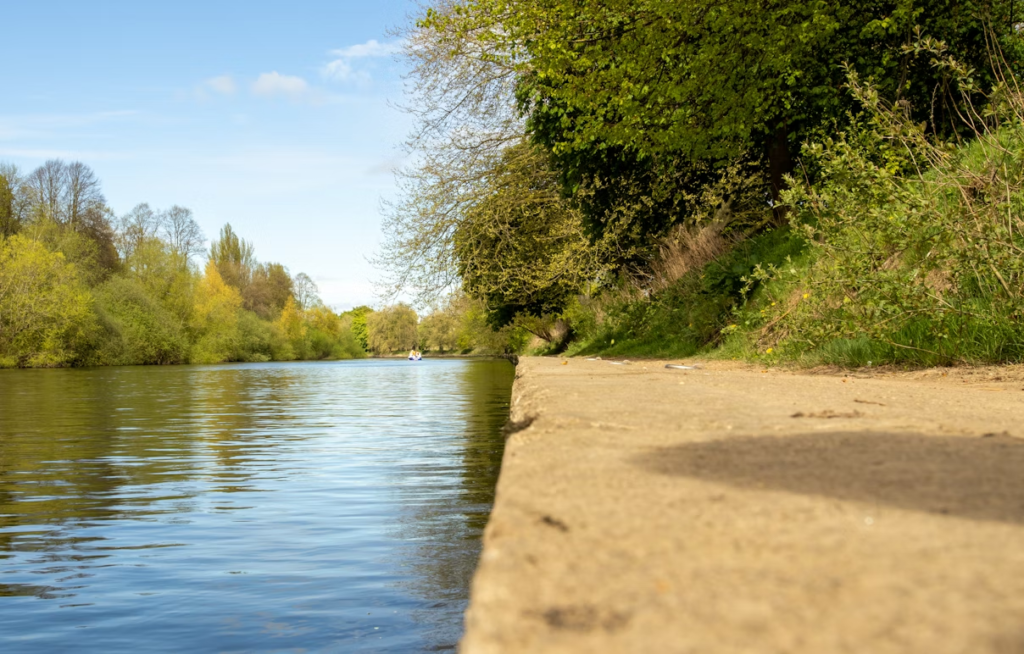
The United Kingdom is defined by its intricate network of rivers and aquatic ecosystems, that are increasingly overlooked by national legislation. These freshwater environments are under escalating threat, facing a “perfect storm of pressures” from climate change and anthropogenic pollution. Disturbingly, no English river has achieved good chemical status, and only 14% hold a good ecological status (Collins, 2023). Our rivers are crying out for protection, while government and regulatory bodies continue to fail both the British public and the natural environment that sustains it.
Most UK water companies are now privately owned by foreign investors, whose priorities lie in profit rather than ecological value. Through chronic neglect and exploitative practices, they have allowed water infrastructure to deteriorate, inflicting severe damage on Britain’s aquatic ecosystems (Ford et al., 2025). The fundamental human right of access to clean water reveals a profound ethical failing and an injustice to the ecosystems upon which life depends.
Comprehensive reform of the environmental regulation and justice system is now essential. I am suggesting this begins with the establishment of empowered, nationalised environmental authorities granted the credible authority to impose significant criminal penalties.
Part 5 of The Water Environment (Water Framework Directive) (England and Wales) Regulations 2017 remains ineffective, weakened by limited authority and poor accountability. The Office for Environmental Protection has found that Defra, the Environment Agency, and Ofwat breached environmental law in their regulation of Combined Sewer Overflows (Office for Environmental Protection, 2024). These systemic failures manifest in ecological decline across the nation. In partnership with Bangor University, Steve Backshall detected norovirus levels more than 3,900 times higher than the infectious threshold in the River Thames near his home (Campbell and Gudge, 2024). Such findings expose an escalating crisis on human health and the essential survival of Britain’s native ecosystems.
Campbell, J., and Gudge, E. (2024/16/April) Steve Backshall describes River Thames pollution as ‘toxic’. BBC News.
Collins, D. R. (/2023) The state of UK rivers: Confronting a perfect storm. The-Ies.org. The Institution of Environmental Sciences Accessed: <https://www.the-ies.org/analysis/state-uk-rivers-confronting. >.
Ford, A. T., Singer, A. C., Hammond, P., and Woodward, J. (2025) Water Industry Strategies to Manufacture Doubt and Deflect Blame for Sewage Pollution in England. Nature Water 3(1).
Office for Environmental Protection (16/12/2024) OEP Finds There Have Been Failures to Comply with Environmental Law in Relation to Regulatory Oversight of Untreated Sewage Discharges | Office for Environmental Protection. Theoep.org.uk. Accessed: <https://www.theoep.org.uk/news/oep-finds-there-have-been-failures-comply-environmental-law-relation-regulatory-oversight. >.
The Water Environment (Water Framework Directive) (England and Wales) Regulations 2017 (2017) SI 407.
Los Angeles Wildfires (Charlie Clubbe)

Wildfires throughout Los Angeles have become an increasingly severe environmental and social issue. Factors that contribute to this are climate change, prolonged and severe droughts often man made in nature, and urban sprawl into more fire prone regions. January 2025 is the most recent example of Los Angeles experiencing a severe wildfire. In this case, more than 60,000 acres of land were burned, over 16,000 structures and at least 30 people were killed (California Department of Forestry and Fire Protection [CAL FIRE], 2025). These fires, fuelled by extreme Santa Ana winds, exposed a lot of the vulnerabilities with California’s wildfire prevention and redress mechanisms. Beyond the immediate loss of life and property, wildfires have additional negative impacts, such as generating extensive air pollution, carbon emissions, degradation of soil fertility and water quality, and additionally biodiversity loss in surrounding ecosystems. (California Air Resources Board [CARB], 2023)
For the most part, California governs wildfire protection through state law, using the Public Resources Code and the California Environmental Quality Act (CEQA). The goal of the CEQA is to mandate environmental impact assessments for developments in high-risk zones, preventing construction and therefore removing any risk all together. Whilst effective in principle, urban sprawl and housing pressure have contributed to inconsistent local enforcement of these laws. This means houses often end up being built in these areas, anyway, as noted by Syphard and Keeley (2019).
At a national level, additional, more thorough ‘command and control’ regulation, including prescribed-burning programmes, stricter planning laws and large fines used against irresponsible action and mismanagement by utility companies would all significantly contribute to reducing the risk of additional wildfires. Through using ‘command and control’ mechanisms, Los Angeles may be able to better address the severe environmental harm caused by the wildfires and help reduce economic and social impacts alongside that.
References:
California Department of Forestry and Fire Protection. (2025). Palisades and Eaton Fires incident report. https://www.fire.ca.gov
California Air Resources Board. (2023). Wildfire emissions and air quality impacts in California. https://ww2.arb.ca.gov
Syphard, A. D., & Keeley, J. E. (2019). Factors associated with structure loss in the 2013–2018 California wildfires. Fire, 2(3), 49. https://doi.org/10.3390/fire2030049
Topic: deforestation for palm oil cultivation in the Amazon Rainforest (Ana Secan)

Jurisdiction: international
Palm oil is the most increasingly demanded oil in the world. Its cultivation is one of the main drivers for deforestation in the Amazon rainforest because of its diverse range of uses in the food, cosmetics and biofuels industries(de Barros and Chimeli, 2026). For this reason, expansions of oil palm plantations through deforestation are a threat to biodiversity within the Amazon rainforest (Fayle et al., 2010).
The following countries:Bolivia, Brazil, Ecuador, Guyana, Peru, Suriname, Venezuela, are all encompassed by the Amazon Rainforest, with the largest palm oil plantations residing in Peru and Brazil.
With oil palm plantations expected to expand in Peru, (Brizuela-Torres, Brown and Zinngrebe, 2025) discusses concern for palm oil products to be deforestation free, despite MIDAGRI’s (MINISTRY OF AGRICULTURAL DEVELOPMENT AND IRRIGATION) claim to be committed to sustainability (MIDGARI, 2025).
Although Brazil has legal policies and frameworks in place to protect the Amazon Rainforest from deforestation (Min et al., 2025), the current system is flawed as illegal deforestation continues to be a threat to the biodiversity of the rainforest ( Boekhout van Solinge, 2010).
This report aims to review and critique the legal mechanisms currently in place for protection of the Amazon rainforest from palm oil cultivation and suggest meaningful changes within regulations. There will be a focus on applying command and control, and market based regulation mechanisms to ensure the ‘polluter pays’ for the damage caused.
Furthermore, it will aim to suggest changes and adapt policies to account for other concerns such as deforestation for palm oil cultivation being ‘greenwashed’ ignoring the issues caused for biodiversity in favour of promoting the biofuel industry, as biodiesel is a better alternative to other more polluting fuels (Kuss et al., 2015).
References:
de Barros, P.H.B. and Chimeli, A.B. (2026) ‘The impacts of palm oil expansion on deforestation and economic activity in the eastern Amazon’, Ecological Economics, 239, p. 108739. Available at: https://doi.org/10.1016/j.ecolecon.2025.108739.
Boekhout van Solinge, T. (2010) ‘Deforestation Crimes and Conflicts in the Amazon’, Critical Criminology, 18(4), pp. 263–277. Available at: https://doi.org/10.1007/s10612-010-9120-x.
Brizuela-Torres, D., Brown, C. and Zinngrebe, Y. (2025) ‘Is oil palm a threat or opportunity for Peru’s forests?’, Journal of Environmental Management, 394, p. 127462. Available at: https://doi.org/10.1016/j.jenvman.2025.127462.
Fayle, T.M. et al. (2010) ‘Oil palm expansion into rain forest greatly reduces ant biodiversity in canopy, epiphytes and leaf-litter’, Basic and Applied Ecology, 11(4), pp. 337–345. Available at: https://doi.org/10.1016/j.baae.2009.12.009.
Kuss, V.V. et al. (2015) ‘Potential of biodiesel production from palm oil at Brazilian Amazon’, Renewable and Sustainable Energy Reviews, 50, pp. 1013–1020. Available at: https://doi.org/10.1016/j.rser.2015.05.055.
MIDAGRI coordinates actions with trade associations and the private sector to market deforestation-free agricultural products to the EU (no date). Available at: https://www.gob.pe/institucion/midagri/noticias/1182951-midagri-coordinates-actions-with-trade-associations-and-the-private-sector-to-market-deforestation-free-agricultural-products-to-the-eu (Accessed: 2 November 2025).
Min, Z. et al. (2025) ‘Brazil’s Legal and Policy Framework Aimed at Combating Amazon Deforestation’, Trees, Forests and People, p. 101065. Available at: https://doi.org/10.1016/j.tfp.2025.101065.
Commercial Food Waste in England (Lily Higgins)
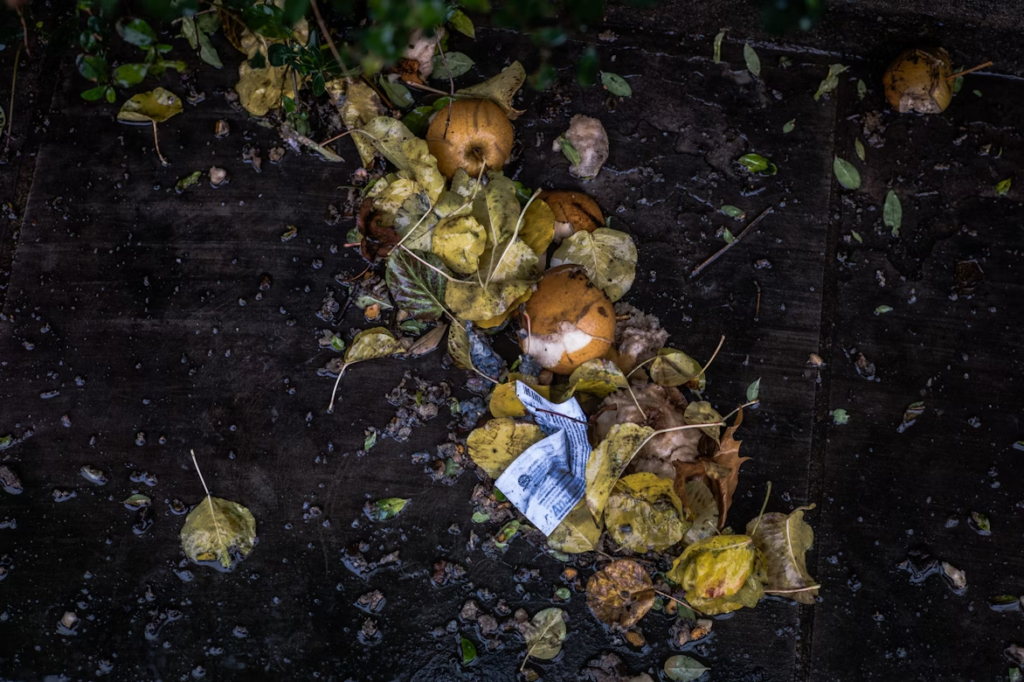
Annually 9.5 million tonnes of food waste is produced in the UK, making up 8% of domestic greenhouse gas emissions.[1] Food production requires substantial inputs—land, energy, fertilisers, water, and pesticides—all of which carry environmental costs.[2] These inputs create environmental impacts, such as biodiversity loss, water pollution, soil erosion and deforestation.[2] Consequently, food waste results in the loss of valuable resources and contributes to avoidable environmental harm. [2] Furthermore, discarded food in England is commonly sent to landfills, where greenhouse gases, such as carbon dioxide and methane, are released.[3] Overall, food waste has a substantial environmental footprint making it a critical issue in England, with commercial activities playing a large role in food waste production.[1][2][3]
The Environment Act (2021) includes the Polluter Pays Principle (PPP), which aims to deter polluters from causing harm and holds them accountable for environmental harms caused.[4] The PPP has weak links to food waste, but they are indirect and underdeveloped.[4] Hence, the weak enforcement of the PPP for food waste could be enhanced by implementing economic instruments, such as taxing food waste disposal to discourage excessive waste.[5] Additionally, economic incentives already exist for reducing food waste within commercial activities, such as grants issued by WRAP (Waste and Resource Action Programme) .[6] However, these positive economic incentives could be paired with taxes to heavily encourage reduced food waste practices commercially and increase compliance.{5][6]
New food waste guidelines for all non-domestic premises in England were introduced on 31 March 2025, whereby all food waste must be separated, collected and recycled.[7] This legislation is limited due to variations in enforcement across local authorities.[7] To improve consistency routine inspections of premises could be carried out and incentives for early compliance can be implemented, such as tax breaks.[5][7]
Legal Strategies for Preventing and Addressing Arctic Ice Melt (Milan Escarcega)

The rapid melting of Arctic sea-ice represents one of the most severe manifestations of human induced climate change, with huge implications for global sea-level rise, and the loss of biodiversity and human livelihoods. Average Arctic temperatures are increasing nearly four times faster than the global average (Tandon, 2022), accelerating permafrost thaw and disrupting ecological systems which are essential to polar species such as the polar bear and the walrus. Beyond regional impacts, Arctic ice melt weakens the planet’s albedo effect, exacerbating global warming (Khodri et al., 2005). Therefore, this environmental harm constitutes both a local ecological crisis and a global climate tipping point, requiring urgent legal intervention.
This report explores the potential for implementing environmental prevention and redress mechanisms within the international legal framework to curb Arctic ice melt. Existing mechanisms, such as the United Nations Framework Convention on Climate Change (UNFCCC), the Paris Agreement (2015), and the Arctic Council’s environmental protection mandates, provide a regulatory foundation with areas in great need of improvement (Nowlan, 2001). Strengthening prevention could involve creating binding emissions reductions specific to the Arctic region, and placing an economic value on existing ice to implement a polluter-pays principle for emissions which are responsible for ice melt. Redress mechanisms may include climate damage liability regimes, modelled after environmental liability policy which has already been implemented by the European Commission (Environmental Liability – Environment – European Commission, 2025).
Empirical evidence demonstrates that robust legal governance which integrates science-based targets and enforcement provisions, can significantly enhance environmental protection in polar regions. Specifically, command and control based mechanisms have proven to be effective in other international contexts, as long as the enforcing organisation has the support and influence to appropriately impose these measures. Thus, an enforceable legal framework emphasizing prevention, accountability, and compensation could offer the most viable pathway toward preventing the large scale loss of the Arctic cryosphere.
Reference List:
Environmental Liability – Environment – European Commission (no date). Available at: https://environment.ec.europa.eu/law-and-governance/environmental-compliance-assurance/environmental-liability_en (Accessed: 3 November 2025).
Khodri, M. et al. (2005) ‘The impact of precession changes on the Arctic climate during the last interglacial–glacial transition’, Earth and Planetary Science Letters, 236(1–2), pp. 285–304. Available at: https://doi.org/10.1016/j.epsl.2005.05.011.
Nowlan, L. (2001) Artic legal regime for environmental protection. Gland: IUCN (IUCN environmental policy and law paper, 44).
Tandon, A. (2022) ‘The Arctic has warmed “nearly four times faster” than the global average’, Carbon Brief, 11 August. Available at: https://www.carbonbrief.org/the-arctic-has-warmed-nearly-four-times-faster-than-the-global-average/ (Accessed: 3 November 2025).
Post-Brexit Gaps in Riparian Protection: Weakening Waterway Safeguards in England (Luke Clayton-Holland)
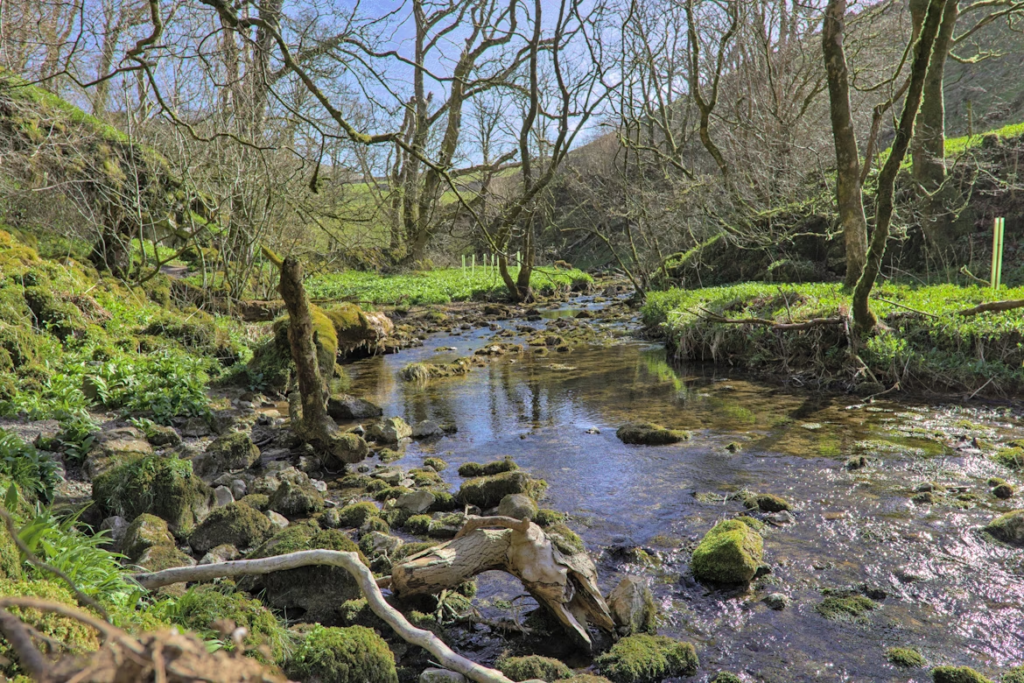
The UK’s withdrawal from the European Union brought an end to the Basic Payment Scheme (BPS) and its “cross-compliance” conditions, which required farmers to meet environmental standards to receive subsidies. Among these were two-metre buffer strips along hedgerows and watercourses, designed to reduce soil erosion, protect water quality, and support biodiversity. Following Brexit, cross-compliance ceased to apply in England, and although the government has introduced,
The Management of Hedgerows (England) Regulations 2024, equivalent safeguards for riparian zones remain absent (Legislation.gov.uk, 2024).
This regulatory gap undermines progress towards the Water Framework Directive (2000/60/EC), which commits the UK to achieving 78% of surface waters in good ecological condition by 2027 (Europa.eu, 2025). Currently, only 16% of English waterways meet this standard (DEFRA, 2024). It also conflicts with the UK’s legally binding target to halt species decline by 2030 and its 30×30 commitment to protect 30% of land and sea for nature of which only 6% of land is effectively protected (Wildlife and Countryside Link, 2025). Moreover, with 55% of England designated as Nitrate Vulnerable Zones (NVZs) under the Nitrates Directive, the loss of cross-compliance weakens controls on diffuse agricultural pollution (DEFRA, 2018).
Given that agriculture remains the UK’s largest source of water pollution and the low global commodity value of wheat is driving pressure to cultivate more land, reinstating protective mechanisms is vital (Wakeham, 2024; AHDB, 2024). Farmers should be incentivised or obliged to safeguard riparian zones through “public money for public goods” under ELMS/SFI, market-based tools such as nutrient neutrality and biodiversity net gain (BNG), and command-and-control regulation where necessary (Legislation.gov.uk, 2020). Without such measures, agricultural runoff could undermine the government’s goal to reduce sewage pollution by 50% by 2030 (Reed, 2025), obstructing progress under the Plan for Water (2023). Restoring statutory two-metre buffers would therefore advance the Environment Act 2021, contribute to 30×30, and secure cleaner, more resilient waterways (UK Government, 2021). Halting regression of environmental protections.
Reference list
AHDB (2024). Cereals and Oilseeds markets | AHDB. [online] Ahdb.org.uk. Available at: https://ahdb.org.uk/cereals-oilseeds-markets.
DEFRA (2018). Nitrate vulnerable zones. [online] GOV.UK. Available at: https://www.gov.uk/government/collections/nitrate-vulnerable-zones.
DEFRA (2023). Plan for Water: our integrated plan for delivering clean and plentiful water. [online] GOV.UK. Available at: https://www.gov.uk/government/publications/plan-for-water-our-integrated-plan-for-delivering-clean-and-plentiful-water/plan-for-water-our-integrated-plan-for-delivering-clean-and-plentiful-water.
DEFRA (2024). 21. Surface water status. [online] GOV.UK. Available at: https://www.gov.uk/government/statistics/england-biodiversity-indicators/21-surface-water-status.
Europa.eu. (2025). Directive – 2000/60 – EN – Water Framework Directive – EUR-Lex. [online] Available at: https://eur-lex.europa.eu/legal-content/EN/TXT/PDF/?uri=CELEX:32000L0060.
for, D. (2025). Reed: Government to cut sewage pollution in half by 2030. [online] GOV.UK. Available at: https://www.gov.uk/government/news/reed-government-to-cut-sewage-pollution-in-half-by-2030.
Legislation.gov.uk (2020). Agriculture Act 2020. [online] Legislation.gov.uk. Available at: https://www.legislation.gov.uk/ukpga/2020/21/contents.
Legislation.gov.uk. (2024). The Management of Hedgerows (England) Regulations 2024. [online] Available at: https://www.legislation.gov.uk/uksi/2024/680/made.
UK Government (2021). Environment Act 2021. [online] Legislation.gov.uk. Available at: https://www.legislation.gov.uk/ukpga/2021/30/contents.
Wakeham, H. (2024). World Rivers Day: What are the biggest causes of river pollution and what’s being done about them? – Creating a better place. [online] Blog.gov.uk. Available at: https://environmentagency.blog.gov.uk/2024/09/22/world-rivers-day-what-are-the-biggest-causes-of-river-pollution-and-whats-being-done-about-them/.
Wildlife and Countryside Link. (2025). 30by30 progress update 2025 – report and additional media quotes. [online] Available at: https://www.wcl.org.uk/30by30-update-2025.asp.
The crucial need for the reformation of Oil Production practices on an international scale (Klara King)
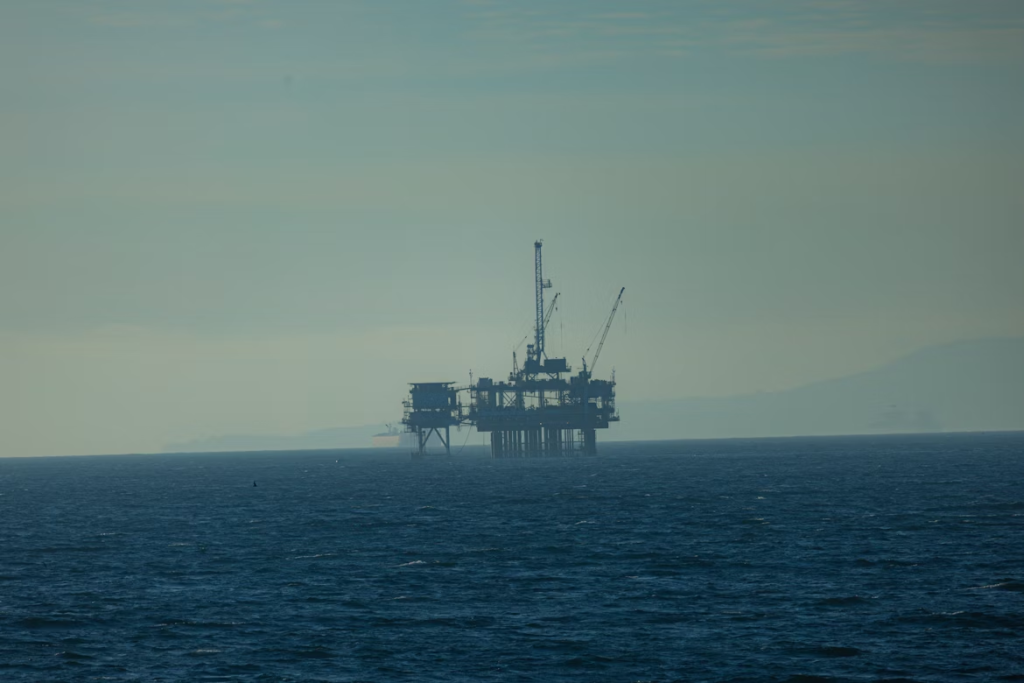
The phrase ‘Climate Change’ has been a ‘buzz phrase’ in recent course of the 21st century – and for good reason. It is a pressing issue causing insurmountable damage to our planet, and yet, despite the widespread recognition of this harm and the supposed acknowledged understanding of the detriment it is having to the environment, the action being taken to combat it has been shown to be inadequate, particularly in the context of Oil Production as a contributing factor to this issue.
Climate Change refers to “long-term shifts in temperatures and weather patterns.” [1]
Despite being a natural phenomenon, it is occurring at an abnormally fast rate. This is due to a plethora of factors – from deforestation to urbanisation and to the current pressing issue of oil production, which is occurring at an international scale.
Oil production refers to “a series of processes aimed at extracting, refining, and distributing crude oil and natural gas from subsurface reservoirs to consumers worldwide.” [2] It is a process that strains the planet of its finite, natural resources and produces a variety of greenhouse emissions that warm our planet abnormally, such as CO2-eq, of which 5.1 billion tonnes [3] were emitted in 2022 due to oil production, transportation and processing.
Unsurprisingly, this derogating process has recently made worrying headlines [4] due to first-of-their-kind studies which have quantified that dozens of “deadly heatwaves” can now be linked to oil production. One chilling statistic to emerge from these studies is that otherwise “virtually impossible” heatwaves can now be made possible by any single organisation in the top 14 of the largest fossil fuel companies and could, at a time, cause 50 of these previously impossible heatwaves. These are heatwaves that would kill not only people, but also eliminate biodiverse habitats and systems – particularly in countries such as Brazil [5], which, although is naturally plentiful in vast rainforest and is home to thousands of species and ecosystems, has and will continue to suffer due to prolonged dry seasons [6], biodiversity loss to temperature-sensitive Amazonian species [7], and relentless forest fires – caused by this extreme heat. Not only are animals and insects wiped out by this, but so is the flora and fauna, which is supposed to act as a sink for carbon emissions, absorbing the CO2 in the atmosphere that will otherwise build up in our atmosphere, enhancing the greenhouse effect [8] that will warm our planet and lead to climate change. The scale of this impact, therefore, doesn’t stop locally; it expands to have an international impact, environmentally degrading our planet globally.
To make a start in combating this issue, what is crucial is to enforce the correct legislation. The Paris Agreement is a step in the right direction for this, as it is a legally binding treaty that requires countries to submit Nationally Determined Contributions (NDCs) [9]. However, this is evidently not enough to combat this issue completely.
[1] United Nations. (n.d.). What is climate change? Https://www.un.org/en/climatechange/what-is-climate-change
[2] Moore, R. (2025, April 1). What is oil and gas production: Stages, methods & impact. Pheasant Energy. Https://www.pheasantenergy.com/oil-and-gas-production/
[3] Emissions from oil and gas operations in net zero transitions. (n.d.). IEA. Https://www.iea.org/reports/emissions-from-oil-and-gas-operations-in-net-zero-transitions
[4] Carbon emissions from oil giants directly linked to dozens of deadly heatwaves for first time. (2025, September 10). the Guardian. Https://www.theguardian.com/environment/2025/sep/10/link-oil-giants-heatwaves-research-legal-liability?
[5] Corrêa, M. de. P. (2025). Heatwaves, biodiversity and health in times of climate change. Jornal de Pediatria, 101(Suppl. 1), S27–S33. Https://doi.org/10.1016/j.jped.2024.10.002
[6] Drought leaves Amazon basin rivers at an all-time low. (2024, September 18). BBC News. Https://www.bbc.co.uk/news/articles/cd6qvpe0dxqo
[7] Campos, D. F., Braz-Mota, S., Val, A. L., & Almeida-Val, V. M. F. (2019). Predicting thermal sensitivity of three Amazon fishes exposed to climate change scenarios. Ecological Indicators, 101, 533–540. Https://doi.org/10.1016/j.ecolind.2019.01.051
[8] What is the greenhouse effect? (2024, October 23). NASA Science. https://science.nasa.gov/climate-change/faq/what-is-the-greenhouse-effect/
[9] United Nations. (n.d.). All about the NDCs. Https://www.un.org/en/climatechange/all-about-ndcs
Addressing Plastic Pollution and Waste Management Challenges in the Maldives (Jessie Wee)

The Maldives is a Small-Island Developing State with unique waste management difficulties, due to the fact that the region is 98% ocean and composed of 1,192 islands. Their overall waste has increased from a rise in tourism, population growth and a rise in demand for imported goods.
The Maldives generates 43,134 tonnes of plastic waste annually, of which an estimated 87% is mishandled. These leaked microplastics infiltrate the stomachs of oceanic life, polluting food sources and harming the coral reefs and maritime economy, whilst smoke from open waste-burning practices produces carbon emissions, posing health risks to half a million Maldivians. In addition, several smaller islands still lack proper waste disposal systems, with plastic waste and food scraps often being discarded directly into the ocean, amplifying the pollution problem.
Their government imposed a command-and-control nationwide ban on single-use plastics, such as plastic straws and cutlery, and refined previous import tariffs for plastic bags in March 2024. Four policy objectives are outlined in a section titled “Waste as a Resource”, including corresponding goals, plans, and initiatives that the Ministry of Environment, Climate Change, and Technology (MoECCT) is required to complete. Furthermore, many market-based tools were introduced under this ban, including high tariffs on specific polyethylene terephthalate raw materials.
Several non-profit organisations also work towards protecting the Maldives’ oceans from plastic pollution. For instance, Parley Maldives focuses on intercepting and recycling plastic waste, and educating the next generation, working closely with local organisations and island communities to enhance established conservation efforts and launch new initiatives when needed. However, plastic pollution in the Maldives still remains a serious threat.
To reinforce their legal mechanisms, a strengthened polluter-pays framework can be adapted for waste generated by the tourism industry to increase the sector’s accountability, requiring full waste audits and internalising waste processing costs from resorts.
The implementation of an environmental damage rehabilitation fund may also be considered, which can be funded from expanded green tax schemes and fines from polluter-pays policies.
The global environmental impact of Oil Spills and the international mechanisms for redress (Ella Woodcock)

Introduction
Oil spills are a form of marine pollution caused by human activity, andthey have disastrous effects on the global ecosystem. They devastate aquatic biodiversity, causing severe loss by disturbing the ecological framework of the oceans.[1] They occur in many ways, from releases of oil from tankers to offshore drilling failures[2].
Due to the severe damage caused by oil spills, international frameworks are in place to protect, manage and prevent them, including conventions and statutes. However, there are questions regarding the enforceability, jurisdictional limits and corporate accountability of these redress mechanisms. Similarly, oil spills are a complex challenge due to their occurrence across jurisdictions and involving multiple individuals from private companies to countries[3]. This reinforces the need for stricter international policies and increased preparedness to limit the environmental damage it causes.
Mechanism of redress and prevention
The main mechanism of prevention is primarily command and control, where there is international legislation to enforce compliance and set legal limits.
However, the main mechanism for redress is liability-based regulation, where they allocate financial responsibility for the harm caused.
Evidence to support
Within international redress of oil spills, there are many conventions used to impose liability. For example, the Civil Liability Convention (CLC, 1969) imposes strict liability on shipowners to adequately compensate for the harm they have suffered due to oil pollution, if the polluting oil was discharged from their ship.[4]
MARPOL 73/78 prohibits all ships from discharging wastes at sea which could result in pollution.[5] It was introduced to reduce the volume of harmful materials entering the global oceans. This, in theory, prevents oil spills from occurring as it is banned under international law.
[1] Harpreet Singh and others, ‘Environmental Impacts of Oil Spills and Their Remediation by Magnetic Nanomaterials’ (2020) 14 Environmental Nanotechnology, Monitoring & Management 100305 <https://www.sciencedirect.com/science/article/abs/pii/S2215153219302338> accessed 29 October 2025.
[2] NASA, ‘Oil Spills | NASA Applied Sciences’ (appliedsciences.nasa.gov2021) <https://appliedsciences.nasa.gov/what-we-do/disasters/oil-spills>.
[3] ‘Regulating Marine Pollution: Challenges and Best Practices for Compliance and Enforcement | Ocean News & Technology’ (oceannews.com2 March 2023) <https://oceannews.com/news/science-technology/regulating-marine-pollution-challenges-and-best-practices-for-compliance-and-enforcement/>.
[4] IMO, ‘International Convention on Civil Liability for Oil Pollution Damage (CLC)’ (www.imo.org2019) <https://www.imo.org/en/About/Conventions/Pages/International-Convention-on-Civil-Liability-for-Oil-Pollution-Damage-(CLC).aspx>.
[5] Lethbridge R John, ‘MARPOL 73/78 (International Convention for the Prevention of Pollution from Ships)’ (World Bank) <https://documents.worldbank.org/en/publication/documents-reports/documentdetail/860841468330898141/marpol-73-78-international-convention-for-the-prevention-of-pollution-from-ships>.
Coral Bleaching in the Great Barrier Reef (Bethany Sellers)
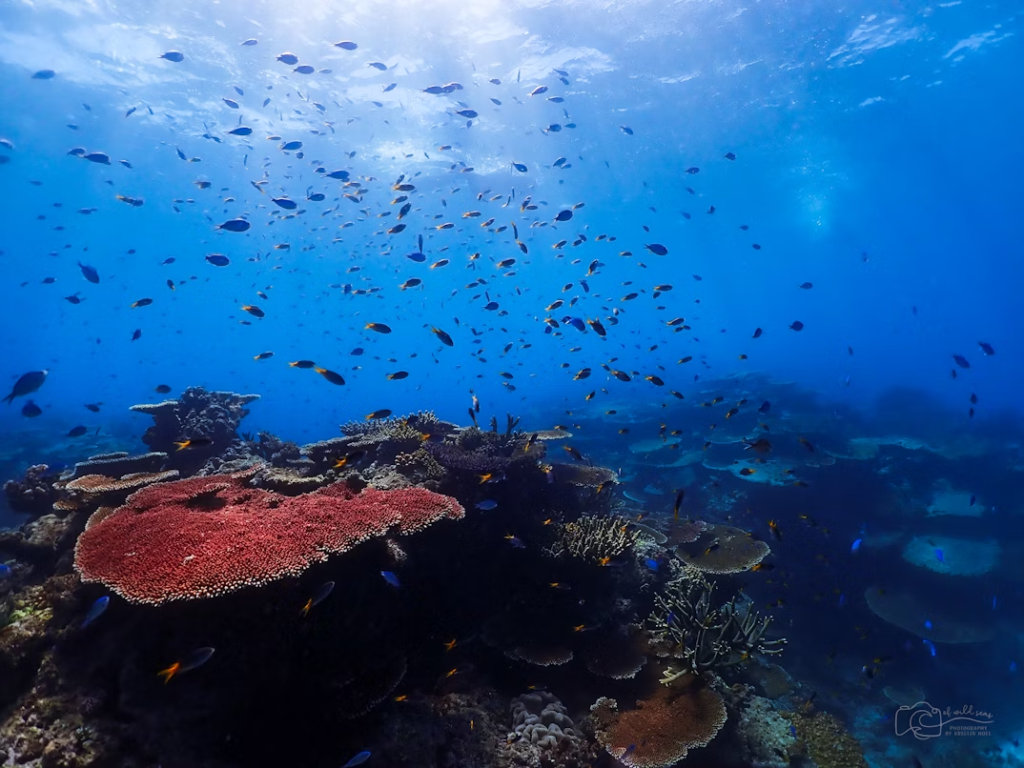
The Great Barrier Reef (GBR) stretches over 2,300 kilometres along Australia’s northeast coast. It’s home to thousands of species, from colourful fish to sea turtles and dolphins. But this world-famous ecosystem is under serious threat. Rising sea temperatures are causing repeated coral bleaching events, leaving large areas of reef pale and lifeless. Between 2016 and 2024, the GBR experienced five major bleaching events, which have disrupted marine life and damaged biodiversity. Local pressures like agricultural runoff and coastal development make the problem even worse. (Great Barrier Reef Marine Park Authority, 2024; Hughes et al., 2017)
Australia has several tools to prevent further damage. At the national level, the Great Barrier Reef Marine Park Act (1975) protects reef habitats and regulates human activities, the Environment Protection and Biodiversity Conservation Act (1999) safeguards biodiversity and World Heritage areas and the Reef 2050 Long-Term Sustainability Plan (2021-2050) coordinates restoration, monitoring, and conservation across the country.
Local initiatives are just as important. Programs such as Reef Guardians help farmers reduce runoff that harms water quality, Indigenous Ranger projects combine traditional ecological knowledge with modern science to monitor and manage reef areas and citizen science programs also contribute by tracking coral recovery and reporting threats (Wachenfeld et al., 2022).
Linking national laws with local, on-the-ground efforts helps the reef recover. While cleaner water and reduced local pressures give corals a much better chance of surviving rising ocean temperatures, making protecting the Great Barrier Reef about more than just saving coral – it’s about defending one of Australia’s most treasured ecosystems, supporting the communities that rely on it, and taking real environmental action.
References (Harvard style)
Illegal deforestation in the Amazon Rainforest and its effect on ecosystems (Phoebe Henson)
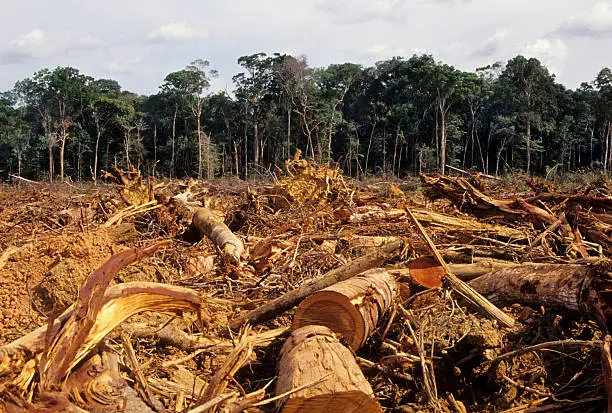
The Amazon rainforest is essential for global biodiversity, yet it still faces illegal deforestation. Brazil currently leads the world in the loss of primary tropical forest. [1] This has an exponential impact on the ecosystems in the rainforest and is extremely concerning for the environment. Recent data shows Brazil accounted for 42% of global primary rainforest loss in 2024. [2] Around 91% of forest lost in the Amazon is linked to illegal activity posing an enormous threat to ecosystems. [3]
Indication of possible mechanism of prevention and/ or redress:
Currently, the mechanisms in place in Brazil to deter the destruction of the Amazon are weak meaning the rainforest is severely unprotected. Brazil’s Forest Code was introduced in the 1930s and again in 2012. [4] It was designed to reduce levels of deforestation on private rural land in Brazil. Doing this through introducing Permanent Preservation areas and Legal Forest Reserve. A new tool was established called the Rural Environmental Registry which allows for monitoring and controlling deforestation in private landholdings. [5] Brazil has had legislation in place to protect forests since 1934 due to difficulties in monitoring such a vast dense region it has been unsuccessful as levels of deforestation are still on the rise.
Evidence to support:
Despite decades of legislative efforts the General Environmental licensing law was introduced and aimed to establish better licensing in Brazil. It replaces the current system and has been approved by Brazil’s National Congress. Its main aims include expansion of licensing types, restriction of authority for government agencies covering indigenous people and biodiversity, license by adhesion and commitment (LAC).[6] As of 2021 these laws have not been implemented. However, Brazil has vowed to become carbon neutral by 2050 moving its timeline forward by a decade which is promising news. Without bringing deforestation under control the country will struggle to reach carbon neutrality. [7] The hydro-logical cycle of the Amazon is fundamental to human well-being and the severity of droughts represent the first ecological typing point. This report draws upon the scale of illegal deforestation and will evaluate why existing mechanisms have failed. Also proposing newer monitoring systems, stricter penalties for illegal landholders and promoting sustainable land use on private lands. These are essential for protecting one of the world’s most important ecosystems. Current policies are not strong enough to tackle illegal deforestation; this could be due to the lack of resources and the density of the rainforest making it difficult to monitor.
References:
[7] Ana Ionova, ‘ Will Brazil really save the Amazon’, Towards Net Zero, (2021) < https://www.bbc.co.uk/future/article/20211028-how-much-action-is-brazil-taking-on-climate-change> [accessed 30/10/25]
[4,5] ‘Brazil’s new Forest Code’: ‘Input Policy Brief’ ? [accessed 26/10/25] <‘https://www.climatepolicyinitiative.org/wp-content/uploads/2015/11/Policy-Brief-Part-I-How-to-Navigate-the-Complexity-1.pdf>
[6] ‘General Environmental Licensing Law Bill 2159/2021’: ‘IEA’ (2025) [accessed 29/10/25] <https://www.iea. org/policies/27563-general-environmental-licensing-law-bill-21592021>
[1,2,3] ‘Organised Crime in The Amazon: A Growing Threat to the World’ s Greatest Tropical Rainforest’, ‘ World Resources Institute’ (2025) <https://www.wri.org/insights/nature-crime-amazon-deforestation> [accessed 25/10/25]
[8] Thomas Lovejoy and Carlos Nobre, ‘Amazon tipping point’, Science Advances (2018) DOI: <10.1126/sciadv.aat2340> [accessed 23/10/25]
Balancing Development and Environmental Protection in Cornwall’s National Landscapes (Charlotte Collier)

National Landscapes (previously Areas of Natural Beauty) are incredibly valuable spaces. Established in 1949, they encompass 14% of the UK’s landmass, and store nearly 20% of England’s soil carbon. They are important not only for conservation and protection from climate change threats, but also promote public access to nature, and majorly contribute to the economy through the tourist industry. They are protected and maintained under regularly updated acts and policies, with recent improvements such as 30 by 30, habitat restoration projects, and continuing the Farming in Protected Landscapes scheme(6).
The construction industry contributes to 40% of global carbon emission(1), through processes such as production of building materials, burning fuel, and use of machinery. This report will look at increasing number of developments, their environmental effects on National Landscapes, as well as current and potential policy to limit the impact on these areas. Focusing on Cornwall and the Isles of Scilly, due to the increasing developments, which is driving people to move to the area, especially amongst the older generations(2). Due to these population increases, the Labour government is looking to build 4,421 houses in Cornwall annually(4), following aims to ‘get Britain building again’. Over 27% of Cornwall is considered a National Landscape, covering 370 square miles. The environmental footprint of construction has a profound effect (9), silt pollution and chemical contamination of water through building materials causes health risks for humans and wildlife, eutrophication of rivers, soil acidification and increases the risks of disease from water left untreated.(8) The recent work on the A30 dual planning had a major risk of sediment runoff into the River Fal (and the River Allen further upstream, a habitat for trout and spawning point for salmon(7)), risking damaging the natural habitat for resident species. The National Planning Policy Framework states that it is ‘vital’ that building major developments in National Landscapes should be avoided, except for ‘in exceptional circumstances(5). Despite this, Cornwall faces huge increases of housing development, especially around cities and towns such as Truro, St Austell and Falmouth. Existing environmental policies, such as Biodiversity Net Gain or GEMPS, serve to decrease the environmental impact of construction, controlling contamination and ensuring the site is left in a better state than before. Future proposals may serve to decrease the environmental effect of construction, using methods such as BIM (building information models) and implementation of solar panels on new builds (future homes standard policy).
References
1 – UK Construction Blog (2025) Improving sustainability in the construction industry. 3 July 2025. Available at: https://ukconstructionblog.co.uk/2025/07/03/improving-sustainability-in-the-construction-industry/ (Accessed 2 November 2025).
2 – Office for National Statistics (ONS) (2023) How life has changed in Cornwall: Census 2021. Available at: https://www.ons.gov.uk/visualisations/censusareachanges/E06000052/ (Accessed 2 November 2025).
5 – National Landscapes Association (2025) Land Use Framework: our response. Available at: https://national-landscapes.org.uk/land-use-framework (Accessed 2 November 2025).
6 – Ministry of Housing, Communities & Local Government (2024) National Planning Policy Framework. Available at: https://www.gov.uk/government/publications/national-planning-policy-framework–2 (Accessed 2 November 2025).
7 – Highways England (2018) A30 Chiverton to Carland Cross Development: Environmental Statement – Geology and Geomorphology, Section 7.4.9.7 (Accessed 2 November 2025).
8 – Sustainability Directory, 5 May 2025, What Are the Health Impacts of Runoff Pollution? Available at: https://pollution.sustainability-directory.com/question/what-are-the-health-impacts-of-runoff-pollution/ [Accessed 2 November 2025].
9 – Yu, Z., Nurdiawati, A., Kanwal, Q., Al‑Humaiqani, M.M. & Al‑Ghamdi, S.G., December 1 2024. Assessing and mitigating environmental impacts of construction materials: Insights from environmental product declarations. Journal of Building Engineering, Volume 98, Article number, 10929. (Accessed 2 November 2025)
Addressing the Environmental Impacts of AI Data Centres in the United Kingdom: Legal Mechanisms for Prevention and Redress (Grace Gillespie)

AI requires large amounts of computational power to operate, in the form of data centres. The UK is now the largest AI sector in Europe,1 with infrastructures such as Microsoft’s AI supercomputer, to be completed in 2026 expected to use 50MW, expanding to 90MW, three times more than the world’s fastest supercomputer.2 Large amounts of energy create heat, heat that requires water for cooling. By 2027; AI data centres are projected to use more than half of the UKs total water usage3. Placing a huge demand for fresh water, threatening the national water security.4
The UK has several existing frameworks to try and reduce environmental harms. For example, the Environmental Protection Act 1990 controlling pollution, the Climate Change Act 2008 outlining carbon reduction targets, Town and Country Planning Act 1990 for planning permission for data centres and the Environmental Permitting Regulations 2016 focused on waste, water abstraction and emissions. While these may provide a starting point for reducing environmental harm, they lack data centre specific regulations, specifically concerning water consumption and carbon emissions.
Possible mechanisms for redress start with mandatory reporting, stricter planning for the use of resources and carbon offsetting plans in place. Specifically looking at the water consumption of AI data centres, the European union’s Energy Efficiency Directive (2023) implemented a mandatory disclosure of water consumption, a model the UK could introduce.5
My report will delve into the environmental harms of AI data centres to stress the need for stronger regulatory mechanisms. I will evaluate the current legal frameworks in place and propose practical legal reforms for prevention and redress.
References
Regulating scallop dredging in UK waters: legal mechanisms for environmental prevention and redress (Josh Cumberland)
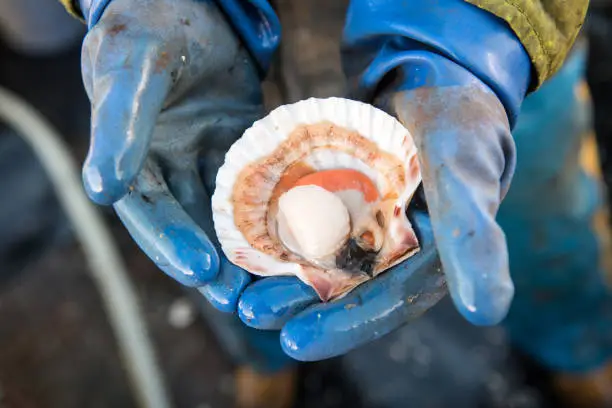
Scallop dredging presents one of the most acute forms of marine environmental harm in the UK. The King Scallop (Pecten maximus) supports the third most valuable fishery in the UK amassing over £50 million in first sales annually making it important to coastal communities throughout the UK. (Seafish, 2024; Mairi and Fenton, 2025). However, the metal dredges used to harvest scallops inflict severe damage to the seabed and the benthic communities that reside there. Benthic biodiversity can be reduced by up to 40% in one pass of a dredge and can take up to 6 and a half years to recover. (Hiddink et al., 2017). Damage often is inflicted to key ecosystems that underpin UK fisheries such as seagrass meadows and maerl beds.
The UK’s current legal framework does have tools to both prevent and repair the damages created by scallop dredging. The 2009 Marine and coastal access act, marine licencing and inshore fisheries and conservation authorities (IFCA’s) have the power to limit and ban destructive fishing gear where necessary within 6 nautical miles of land. Following from this the Fisheries Act 2020, introduced sustainability and precautionary principles and fisheries management plans that protect vulnerable areas by creating spatial closures or imposing gear restrictions within areas such as reducing the size of legal dredgers or reducing tow duration. (Legislation.gov.uk, 2020). This act also supported the management of marine protected areas (MPA’s), areas designed to protect vulnerable ecosystems from damaging practices.
Despite legal provisions being in place they often fall short, broad exemptions are common resulting in damaging practice to continue even in MPA’s. (Rees et al., 2020). If UK fisheries are going to provide genuine protection to the marine environment steps must be taken against scallop dredging. Enforceable rules regarding damaging practice to the seabed, enforce IFCA’s decisions with sanctions and create completely protected marine areas with no dredging to allow for effective stock management.
Oil Spills in the Niger Delta: Corporate control and environmental injustice (Jake Cox)
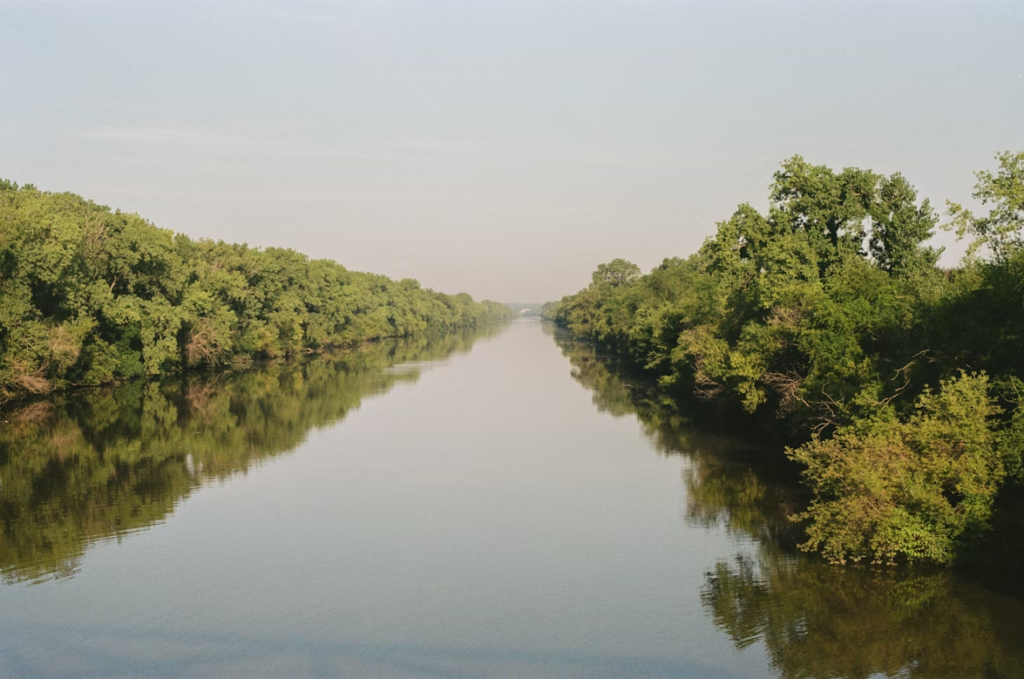
Nigeria is the world’s sixth largest oil exporter globally. While accounting for 90 percent of the nation’s foreign exchange, the immediate environment of extraction suffers over 90 percent of degradation in ecological and socio-economic terms (Albert et al., 2018). The Niger Delta, fanning over 70,000km2 and covering roughly 7.5% of Nigeria’s landmass, bears the environmental brunt of the industry’s contamination. The scale of this pollution is scary: while a European nation recorded 10 oil spills in 40 years, Nigeria has suffered over 9,000 in just a decade (Albert et al., 2018). Furthermore, the Niger Delta’s ecologically sensitive wetlands make the impacts of spills especially severe and far-reaching (Chinedu & Chukwuemeka, 2018).
For decades, oil spills have devastated local livelihoods forcing the affected communities to protest for recognition and justice. Prevention and redress mechanisms have since been implemented, however, enforcement of environmental protection remains weak. Agencies such as the Department of Petroleum Resources (DPR) and the National Oil Spill Detection and Response Agency (NOSDRA) often lack independence and logistical capacity, relying on the same multinational oil companies (MNOCs) for logistical support despite being whop they are meant to regulate (Agbonifo, 2016). Although frameworks like the Environmental Guidelines and Standards for the Petroleum Industry in Nigeria (EGASPIN) exist, they are poorly enforced.
Promising legal developments include landmark cases such as Okpabi v. Shell (UK Supreme Court, 2021), stating parent companies can be held liable for overseas environmental harm. Directly tackling corporate due diligence in the region. This report discusses how implementing such legal frameworks paired with the necessary support for national regulators, currently overpowered by MNOCs, could restore the Delta’s environment and mitigate future environmental injustices from economical imperialism.
References:
Legal Mechanisms for preventing Coral Bleaching in the Great Barrier Reef (Jamie Gent)

Coral bleaching in the Great Barrier Reef (GBR) represents one of the most significant contemporary environmental threats facing Australia (Henley et al., 2024). Driven primarily by rising sea temperatures linked to climate change, as well as by poor water quality and coastal development, mass bleaching events have caused extensive ecological degradation and biodiversity loss across this important ecosystem (Mentzel et al., 2023). According to the Australian Institute of Marine Science, 79% of the GBR experienced bleaching during the 2023-2024 Summer, making it the fifth mass bleaching event since 2016 (Cantin et al., 2024).
Within the Australian jurisdiction, several legislative and regulatory mechanisms aim to prevent further damage to the GBR. Some of the most important of which include the Environment Protection and Biodiversity Conservation Act 1999 (Cth), which provides national-level environmental assessment and approval processes, and the Great Barrier Reef Marine Park Act 1975 (Cth), which establishes zoning and management frameworks to mitigate anthropogenic impact (Australian Government, 2025). At the state level, Queensland’s Environmental Protection Act 1994 and associated Reef Water Quality Protection Plans target agricultural runoff and sediment pollution (Queensland Government, 2025).
Despite these legal mechanisms, the effectiveness of current preventive frameworks remains contested. Critics argue that climate related threats exceed the scope of existing national legislation, and that Australia’s continued support for fossil fuel industries undermines its international obligations under the World Heritage Convention as well as the Pairs Agreement (Walpole and Hadwen, 2022).
This report will assess the implementation and effectiveness of these legal instruments in preventing coral bleaching within the GBR. Drawing on scholarly analyses and official reports from the Great Barrier Reef Marine Park Authority and UNESCO, it will evaluate whether current environmental governance in Australia sufficiently addresses the underlying causes of reef degradation and propose potential reforms to strengthen legal prevention and redress mechanisms.
References:
Riverbank collapse from illegal mining on the Mekong River (Vietnam’s Delta) [Lily Wakelin]
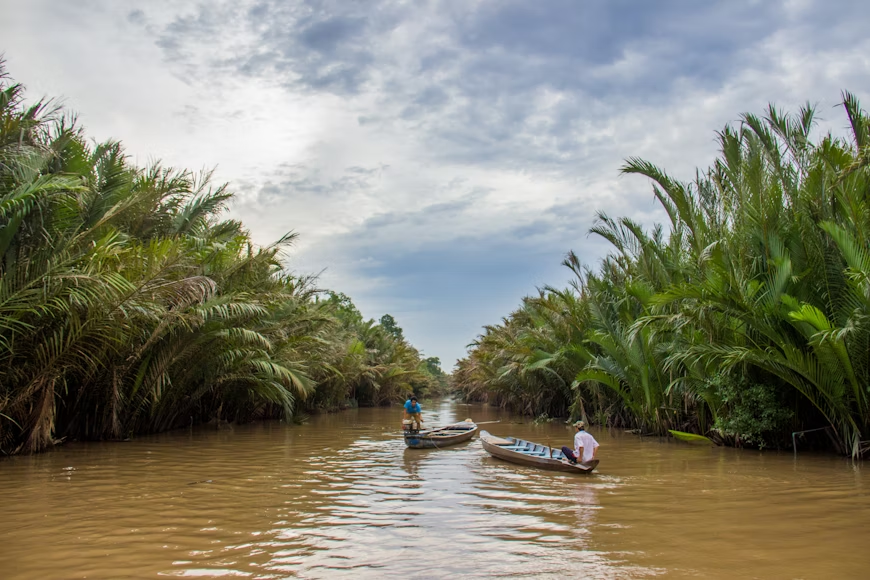
Illegal sand mining has been a long-term issue in the Mekong River in Southeast Asia. It is driven by inadequate regulation and a high demand for construction sand which yields a high profit. Vietnam’s Mekong Delta specifically has been exploited. A 2024 study shows that from 2013-2020 illegal extraction has only decreased from 16.7 m³/year to 15.5 m³/year with hotspots including Tan Chau and the Cho Moi district (Yuen et al., 2024). The consequences of illegal river mining are significant, causing riverbank erosion, damage to ecosystems and saline intrusion threatening agriculture, endangering local towns and drinking water and causing various health problems (Park, 2024). The Delta already has a sediment shortfall caused by upstream dams and reservoirs trapping the sediment which would normally rebuild the walls of the Delta. This is a huge incentive for illegal miners as the sediment deficit causes a scarcity of sand increasing the market price.
To limit the problem Vietnam has implemented several regulatory and legal measures. Legally, Vietnam has a ‘Law on Minerals’ prohibiting unlicensed extractions – Law No. 60/2010/QH12 (Mineral Law (Law No. 60/2010/QH12)). Anyone disobeying these laws will be criminally prosecuted or heavily fined under the penal code. Proof of this enforcement can be seen as in March 2025 44 people were taken to trial (Macau Business, 2025). On the regulatory side Vietnamese authorities have put in place ways to manage and control sand mining. One way is through using digital tools such as GPS and AIS to show records of what is being mined in real time, this however is very inconsistent in the Delta making it hard to enforce as strictly. Additionally, the government has introduced a “sand budget” developed by the WWF and Deltares to help prevent over mining. This ‘budget’ helps track where sand is supplied, moves and is removed. This can help the government stop over extraction of certain areas and help replenish areas which are in need. This budget will also help them collect information to set sustainable caps for mining licences (Macau Business, 2025).
Reference list
Macau Business. (2025). 44 people on trial in Vietnam over illegal sand mining | Macau Business. [online] Available at: https://www.macaubusiness.com/44-people-on-trial-in-vietnam-over-illegal-sand-mining/ [Accessed 2 Nov. 2025].
Mineral Law (Law No. 60/2010/QH12). Available at: https://vbpl.vn/TW/Pages/vbpqen-toanvan.aspx?ItemID=10501 [Accessed 2 Nov. 2025].
Park, E. (2024). Sand mining in the Mekong Delta: Extent and compounded impacts. Science of the total environment, 924, pp.171620–171620. doi:https://doi.org/10.1016/j.scitotenv.2024.171620.
WWF (2019). Sand Budget WWF. [online] Sand Budget WWF. Available at: https://www.sandbudget.net/ [Accessed 2 Nov. 2025].
Yuen, K.W., Park, E., Tran, D.D., Loc, H.H., Feng, L., Wang, J., Gruel, C.-R. and Switzer, A.D. (2024). Extent of illegal sand mining in the Mekong Delta. Communications Earth & Environment, [online] 5(1), pp.1–13. doi:https://doi.org/10.1038/s43247-023-01161-1.
Air pollution in Mexico City (Valeria Ochoa Galvis)

Air pollution in Mexico City has created serious environmental harm on both people and nature. In 1992, a United Nations study declared Mexico City the world’s most polluted city (Center For Public Impact, 2016), with ozone smog exceeding health standards on 90% of days and peak levels reaching three times the safe limit (Páramo Figueroa et al., 2009). Such pollution has dire consequences: it was responsible for about one in every 17 deaths in Mexico (Copenhagen Consensus Center, 2015). During the 1980s, high concentrations of ozone and other pollutants contributed to a mass die-off of trees in forests near the capital, leaving behind “dead zones” (Fenn, de Bauer and Hernández-Tejeda, 2022).
In response, Mexico has developed mechanisms to prevent and redress air pollution. The country passed Latin America’s first anti-pollution law in 1971 (Miljkovic, E., 2019), laying groundwork for environmental governance. Today, a comprehensive legal framework supported by the General Law of Ecological Equilibrium and Environmental Protection (1988), empowers authorities to regulate emissions and hold polluters accountable (Fischer, 2025). Policy initiatives have been implemented too. The metropolitan ProAire programmes, launched in the 1990s, introduced measures ranging from vehicle emissions testing and “Hoy No Circula” driving restrictions to cleaner fuels and expansion of public transport (Páramo Figueroa et al., 2009). These sustained efforts have yielded improvements: by 2012, the number of days with hazardous air quality in Mexico City dropped by two-thirds compared to the mid-1990s (Center For Public Impact , 2016). Furthermore, Mexico City’s air quality management now operates on a regional scale via the Environmental Commission of the Megalopolis, coordinating federal and local actions.
Community engagement and awareness have also been truly important. Grassroots pressure since the 1960s forced the issue into the public agenda (Miljkovic, E., 2019) and today citizen participation and education are part of clean-air programs (Center For Public Impact , 2016). While Mexico City’s air pollution levels still often exceed international standards (Páramo Figueroa et al., 2009), its trajectory shows how concerted legal, policy and community actions can mitigate environmental harm in a megacity.
References
Center For Public Impact (2016). Mexico City’s ProAire programme – Centre for Public Impact. [online] Centre for Public Impact. Available at: https://centreforpublicimpact.org/public-impact-fundamentals/mexico-citys-proaireprogramme/.
Copenhagen Consensus Center (2015).Mexico Perspective: Air Pollution. [online] Copenhagen Consensus. Available at: https://copenhagenconsensus.com/publication/mexico-perspective-air-pollution.
Fenn, M.E., de Bauer, L.I. and Hernández-Tejeda, T. (2022). Summary of air pollution impacts on forests in the Mexico City air basin. [online] In: Urban Air Pollution and Forests, pp. 337-355. Available at: https://research.fs.usda.gov/treesearch/25013.
Fischer, M. (2025). Mexican Environmental Laws: Compliance for Sustainable Operations. [online] NAPS Inc. Available at: https://napsintl.com/mexico-manufacturingnews/mexican-environmental-laws-compliance-for-sustainable-operations/.
Miljkovic, E. (2019). A Killer Air: Delineating Disaster in Mexico City. Arcadia, 45 (Autumn).
Páramo Figueroa, V.H., Vázquez Martínez, O., de Foy, B. and Molina, L.T. (2009). Air Quality, Weather and Climate in Mexico City. [online] World Meteorological Organization. Available at: https://wmo.int/media/magazine-article/air-quality-weather-and-climatemexico-city.
The Unseen Tide: Microfibres and the Future of Cornwall’s Coastal Waters (Arthur Steele)

Cornwall’s coastline, celebrated for its biodiversity and cultural heritage, faces an invisible but mounting threat: microfibre pollution. Microscopic strands, often less than 5mm in length, are shed primarily from synthetic textiles during domestic laundry. One wash can release up to one million fibres, many of which bypass modern wastewater treatment systems and flow into rivers, estuaries, and ultimately the sea (Suran, 2018; Hazlehurst et al., 2023). In the UK alone, an estimated 17.8 tonnes of microfibres enter the environment each year (Leeds, 2023).
Once released, these fibres persist indefinitely in the environment, bioaccumulating and magnifying up food webs. They have been detected in apex predators such as sharks, dolphins, and seals, and even in humans, with recent studies identifying microfibres embedded in brain tissue (Nihart et al., 2025). Their large surface-area-to-volume ratio increases their capacity to absorb and transport toxic compounds, making them one of the most harmful forms of microplastic (Hazlehurst et al., 2023). Emerging evidence links microfibre exposure to carcinogenic risks and higher concentrations have been found in the brains of individuals with dementia (Taptiklis et al., 2025).
While the full toxicity of microfibres is still under investigation, precautionary measures must be taken to reduce their release. This report will explore three pathways for prevention and redress. First, command‑and‑control regulation, such as mandating microfibre filters on all UK washing machines, following France’s 2025 precedent (Sustainability Directory, 2025). Second, market‑based mechanisms, including the polluter pays principle, which could incentivise textile innovation and fabrics that shed fewer fibres. Third, community governance and adaptive legal policy, recognising the role of local initiatives in Cornwall (such as the Cleaner Seas Group’s recycling hub in Bude) in pioneering circular economy solutions.
Cornwall’s case could illustrate how local action, supported by regulation and innovation, could address a global environmental harm with profound ecological and human consequences.
Reference list
Hazlehurst, A., Tiffin, L., Sumner, M. and M. Susan Taylor (2023). Quantification of microfibre release from textiles during domestic laundering. Environmental Science and Pollution Research, [online] 30(15), pp.43932–43949. doi:https://doi.org/10.1007/s11356-023-25246-8.
Leeds, U. of (2023). How much microfibre do we emit with our washing? | University of Leeds. [online] Leeds.ac.uk. Available at: https://www.leeds.ac.uk/news-working-business/news/article/5241/how-much-microfibre-do-we-emit-with-our-washing [Accessed 30 Oct. 2025].
Nihart, A.J., Garcia, M.A., El Hayek, E., Liu, R., Olewine, M., Kingston, J.D., Castillo, E.F., Gullapalli, R.R., Howard, T., Bleske, B., Scott, J., Gonzalez-Estrella, J., Gross, J.M., Spilde, M., Adolphi, N.L., Gallego, D.F., Jarrell, H.S., Dvorscak, G., Zuluaga-Ruiz, M.E. and West, A.B. (2025). Bioaccumulation of microplastics in decedent human brains. Nature Medicine, [online] 31(31). doi:https://doi.org/10.1038/s41591-024-03453-1.
Suran, M. (2018). A planet too rich in fibre. EMBO reports, 19(9). doi:https://doi.org/10.15252/embr.201846701.
Sustainability Directory (2025). France Mandates Washing Machine Filters to Curb Synthetic Microplastic Pollution → Fashion. [online] News → Sustainability Directory. Available at: https://news.sustainability-directory.com/fashion/france-mandates-washing-machine-filters-to-curb-synthetic-microplastic-pollution/ [Accessed 30 Oct. 2025].
Taptiklis, P., Boulic, M., Phipps, R., Van Heerden, H. and Shaw, C. (2025). Microfibres and health: State of the evidence and research gaps. Journal of Hazardous Materials Advances, [online] 19, p.100766. doi:https://doi.org/10.1016/j.hazadv.2025.100766.
Impact of Overfishing on Marine Ecosystems and Coastal Communities in Gibraltar, Morocco, and Spain (Scarlett Aernouts)
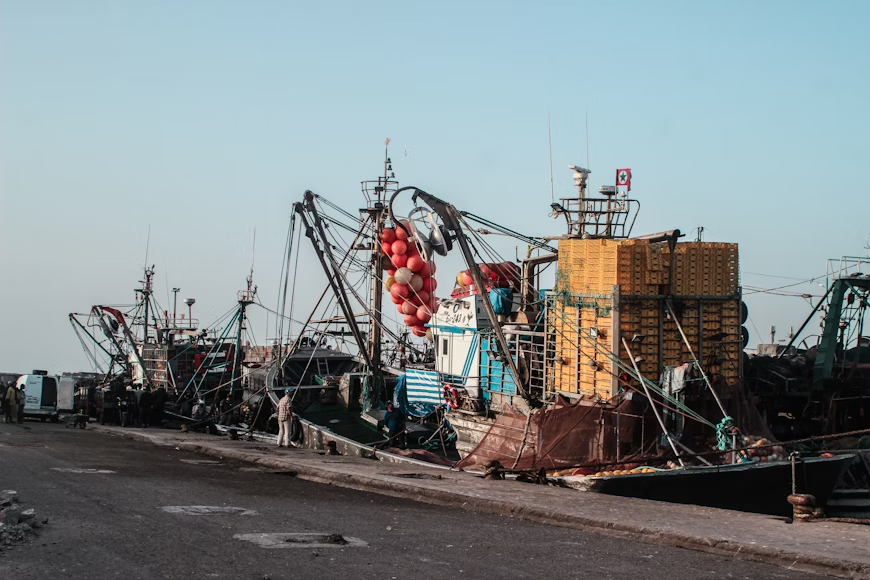
The health of a nation’s coastal waters is a strong indicator of the overall health of both natural and political state. Healthy seas are vital to marine ecosystems, human well being and economic stability, as they provide:
(a) Habitats for fish and other marine species, supporting complex trophic levels within food chains ;
(b) Protection of shorelines from erosion and storms;
(c) Opportunities for recreation, tourism, and cultural practices;
(d) A source of income through fisheries and related industries; and
(e) Support for the resilience of coastal communities.
Across the waters of Gibraltar, Morocco, and Spain, marine ecosystems are under severe pressure from overfishing. Fish populations are declining due to excessive extraction and unsustainable fishing practices, which disrupt ecological balance and threaten food security. For example:
(a) Certain commercially valuable species, such as tuna, sardines, and hake, are overexploited, with some stocks at critically low levels;
(b) Traditional fishing communities are facing economic instability as catches diminish; and
(c) Marine biodiversity is declining, affecting the health of the entire ecosystem.
The primary driver of this decline is overfishing, compounded by illegal, unreported, and unregulated (IUU) fishing, insufficient enforcement of quotas, and habitat degradation. Whilst international agreements and EU fisheries regulations are intended to protect stocks and restore marine health, enforcement is often inconsistent, and recovery targets are unlikely to be met without stronger governance and sustainable management practices.
Pesticide use and run-off: How wildlife and the greater environment is impacted in the UK
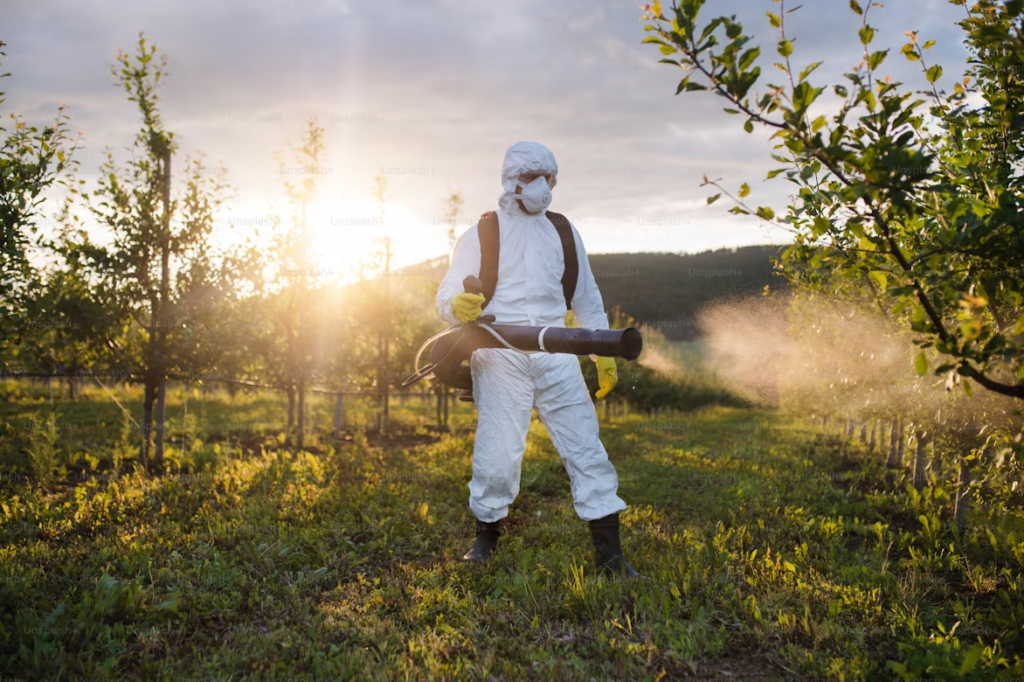
Pesticides in the UK and their impact:
Pesticides such as herbicides, fungicides, and insecticides are still commonly used to protect crops and green spaces from pests, insects, disease, and weeds. By using these harsh chemicals, high crop yields, cosmetic standards, and food safety are maintained, but at a risk to wildlife, humans, and important ecosystems such as streams and rivers. The possible issues associated with using them: chronic toxicity of pesticides to humans, domestic animals, and wildlife; their phytotoxicity to plants; the development of new pest species and potential for environmental contamination (C A Edwards, 1993).
Although pesticides are designed to target pests, unintended exposure to pesticides can be hazardous to living organisms as they naturally show a high degree of toxicity becasue they are designed to kill certain organisms and thus create some risk of harm (A Damalas, G Eleftherohorinos, 2011). It has been proven that even low traces of pesticide exposure use can be linked with various diseases including ‘cancer, hormone disruption, asthma, allergies, and hypersensitivity’ (Van Maele-Fabry et al, 2010, as cited in Kim et al, 2017).
Furthermore, pesticides compromise the well-being of wildlife and ecosystems. Insects and birds are arguably most affected by pesticide use. Partridges for example, birds which spend all their life on farmland, averaged at 100-150 pairs per farm each spring before mainstream pesticide use, however through the introduction of pesticides, that number has collapsed to around 12 pairs per spring due to the implementation to fungicides in the 1970s (P Melchett, 2017). Not only this, but plant species suffer. Organic farms which use no weedkillers, have on average 75% more species of plants than non-organic farms, encouraging abundance, diversity and rarity (ibid) which promotes a healthier ecosystem for vital insects that are relied upon by bird communities for survival.
Ecosystems are also negatively affected. Streams and rivers face the effects of surface run-off which results in the loss of biodiversity, and in turn: habitat alteration, climate change, invasive species and pollution (I.P Poyntz-Wright et al, 2023). In 2021, just 14% of English rivers passed the bar for good ecological health (The Rivers Trust, 2021) and 62% of river water bodies are substandard because of agriculture (Ibid). While fertiliser plays a role in this, pesticides such as insecticides, molluscicides, and acaricides have been widely used, with a 24% increase in hectares sprayed between 2000 and 2016 in the UK (Friends of the Earth Policy, 2019 as cited in I.P Poyntz-Wright et al, 2023), killing both freshwater invertebrates and terrestrial invertebrates, and compromising their ecosystems.
Mechanisms of prevention and evidence:
Currently, there is limited legislation relating to the use of pesticides and most legislature was generally introduced in the 1980s and early 2000s indicating a need for reform.
The Food and Environment Protection Act 1985 as well as the Control of Pesticides Regulations 1986 are both examples of Command-and-Control legislature as they feature segments on regulating the sale, supply, storage, and use of pesticides in the name of protecting ‘the health of human beings, creatures and plants’ (LexisNexis). Both are successful at controlling but do little to reduce the use of pesticides and are arguably outdated.
The Plant Protections Products Regulations 2003 and 2005 is improved as they stand for centralised government control over pesticide products, however this report will argue that they fall short in creating restrictions, arguing that market-based mechanisms could be introduced for more effectiveness.
Recently, campaigns have taken place to promote the reduction of pesticide use suggesting there is a gap in effective environmental legislature relating to pesticides. Greenpeace for example gathered a petition of 1.6 million urging the government to enforce a ban on bee-killing neonicotinoid pesticides (P Richards, 2025), while other charities and NGOs such as the Pesticide Action Network consistently release data to lobby for the reduction of pesticide use in urban areas. Campaigns like these have encouraged awareness and as of 2025, the UK government released a National Action Plan which strives to introduce a domestic reduction target for pesticides in the UK based off the UK Pesticide Load Indicator (PDI). The government intends to reduce each of the 20 metrics of the PLI by at least 10% by 2030 (Gov UK, 2025).
Due to increasing demands for food production (Schäfer et al, 2011), an obsession with creating pristine green spaces in our urban areas, and a lack of innovative measures to reduce pesticide use in the UK, pesticide use will not reduce to suitable measures. This report aims to outline the issues surrounding pesticide use, offering market-based alternatives to the current command-and-control mechanisms put in place which are failing our wildlife, ecosystems, and more importantly, our children’s health’s.
References:
Damalas, C.A. and Eleftherohorinos, I.G. (2011). Pesticide Exposure, Safety Issues, and Risk Assessment Indicators. International Journal of Environmental Research and Public Health, [online] 8(5), pp.1402–1419. doi:https://doi.org/10.3390/ijerph8051402.
Edwards, C.A. (1993). The Impact of Pesticides on the Environment. The Pesticide Question, [online] pp.13–46. doi:https://doi.org/10.1007/978-0-585-36973-0_2
for, D.(2025). UK Pesticides National Action Plan 2025: Working for a more sustainable future. [online] GOV.UK. Available at: https://www.gov.uk/government/publications/uk-pesticides-national-action-plan-2025/uk-pesticides-national-action-plan-2025-working-for-a-more-sustainable-future [Accessed 31 Oct. 2025].
Friends of the Earth (2019). There’s something wrong in the countryside: rising pesticide use in the UK | Policy and insight. [online] policy.friendsoftheearth.uk. Available at: https://policy.friendsoftheearth.uk/insight/theres-something-wrong-countryside-rising-pesticide-use-uk [Accessed 30 Oct. 2025].
Imogen Poyntz-Wright, Harrison, X.A., Johnson, A.C., Zappala, S. and Tyler, C.R. (2023). Pesticide pollution associations with riverine invertebrate communities in England. Science of The Total Environment, [online] 903, pp.166519–166519. doi:https://doi.org/10.1016/j.scitotenv.2023.166519.
Kim, K.-H., Kabir, E. and Jahan, S.A. (2017). Exposure to pesticides and the associated human health effects. Science of The Total Environment, [online] 575, pp.525–535. doi:https://doi.org/10.1016/j.scitotenv.2016.09.009.
LexisNexis (2023). 16 Control of pesticides etc. [online] @lexisnexis. Available at: https://www.lexisnexis.co.uk/legal/legislation/uk-parliament-acts/food-and-environment-protection-act-1985-c48/part-iii/section-16 [Accessed 31 Oct. 2025].
Melchett, P. (2017). Pesticides – experts ignore the most serious threat to UK wildlife. Biodiversity, [online] 18(2-3), pp.60–63. doi:https://doi.org/10.1080/14888386.2017.1342564.
Richards, P. (2025). ‘Pesticides buzz off’: More than 1.6 million people call for a ban on bee-killing pesticides – Greenpeace UK. [online] Greenpeace UK. Available at: https://www.greenpeace.org.uk/news/ban-bee-killing-pesticides-petition/ [Accessed 30 Oct. 2025].
The Rivers Trust (2021). State of Our Rivers. [online] ArcGIS StoryMaps. Available at: https://storymaps.arcgis.com/collections/6730f10b64184200b171a57750890643?item=1 [Accessed 31 Oct. 2025].
Van Maele-Fabry, G., Lantin, A.-C., Hoet, P. and Lison, D. (2010). Childhood leukaemia and parental occupational exposure to pesticides: a systematic review and meta-analysis. Cancer Causes & Control, [online] 21(6), pp.787–809. doi:https://doi.org/10.1007/s10552-010-9516-7.
Arctic Resource Exploitation and Environmental Risks (Nikki Zeli)

The Arctic circle is home to a wide variety of highly sought-after resources, 22% of the world’s natural gas and oil reserves1 . The exploitation of resources has grown recently due to climate change melting the ice caps, now there is greater accessibility than ever to the resources. In addition to the rapid growth population that has called for a greater need for these resources.
The Arctic National Wildlife refuge is a 8.9 million acres of protected land (in America) started in 1960 by President Eisenhower2 ; home to many tribes, endangered wildlife and ecosystems. On the 23rd of October 2025, President Donald Trump sold almost 2 million acres for commercial oil and gas drilling, the first time since 2019. The exploration of this resource haven has devastating impacts on the wildlife and ecosystems in this area, as well as displacing the tribes in the area. Oil exploration includes seismic surveys and drilling, which disturb marine mammals, causing changes in behaviour, communication and feeding patterns3 . Further damage can also occur from oil spills, deadly to wildlife and contaminates water and food resources for settlements. For example in 2020, 17,500 tonnes of oil leaked into the Russian Arctic zone and contaminated water sources for both wildlife and humans4 .
The arctic is not ‘owned’ by one country, but rather is an area of shared international jurisdiction solidified by the Antarctic Treaty System5 . Despite this treaty, little is done to protect the area as countries like America, Canada, Denmark and Russia all have land adjacent to the Arctic and therefore should have a larger responsibility to protect it. Despite this, each of these countries have fought amongst each other for the ownership of the arctic, with Russia even planting a Russia flag on the Antarctic seabed in 2007, as they all fight for access to the resources.
Command and control mechanisms are used for Antarctica already and easy to monitor, meaning it could be used more effectively to restrict companies and organisations, via the introduction of fines and permits. Further reforms must be introduced, such as a criminal law mechanism to hold offenders liable for damage to the Antarctic environment. In theory this idea is the best form of protection, but as it is internationally governed through the Antarctic treaty System6 it could be complicated.
References
1 Super User, ‘Natural Resources’ (Arctic Portal)
2 Allen J, ‘Ecological Disruption in the Arctic National Wildlife Refuge’ (2023) Ballard Brief Vol 2023 Iss 1 Art 13 https://scholarsarchive.byu.edu/ballardbrief/vol2023/iss1/13
3 Sunday Adewale Olaleye and others, ‘Impacts of Oil and Gas Exploration’ [2024] Arctic Marine Ecotoxicology 195
4 Mark Rowe, ‘Arctic Nations Are Squaring up to Exploit the Region’s Rich Natural Resources’ (Geographical12 August 2022)
5 Antarctic Treaty, opened for signature 1 December 1959, 402 UNTS 71 (entered into force 23 June 1961)
6 Antarctic Treaty, opened for signature 1 December 1959, 402 UNTS 71 (entered into force 23 June 1961)
Illegal Wildlife Trade in Hong Kong (Stephanie Coombes)

Illegal wildlife trade is the unlawful exploitation of species (often endangered) which are often captured from the wild and their long-term survival threatened. These species are sold, exchanged, or trafficked unlawfully. The activity is driven by the demand for exotic pets, medicines, collectables and luxury goods.
Illegal Wildlife trade in Hong Kong is a key driver for biodiversity loss, habitat loss, disrupts ecosystems and raises big concerns for animal welfare and human welfare (zoonotic disease). Illegal wildlife trade is a huge issue due to the difficulty of differentiating between illegal and legal trade. Hong Kong plays a critical role in the illegal wildlife trade due to its status as a major transport hub, handling over 20 million ship movements annually, alongside a busy international airport. This extensive maritime and air traffic network, combined with relatively relaxed laws and low penalties, makes Hong Kong a hotspot for trafficking activities. The city’s dense population, high levels of consumption, and well-developed port infrastructure facilitate the easy movement and distribution of illegal wildlife products. Moreover, socioeconomic factors such as poverty and limited alternative livelihoods drive many individuals to participate in the illegal wildlife trade, further complicating enforcement efforts and regulatory control.
The international trade of endangered wildlife is regulated by the command and control framework of the Convention on International Trade in Endangered Species of Wild Fauna and Flora (CITES), a binding treaty that classifies species into three appendices based on the threat posed by trade, with stricter controls for more at-risk animals and plants. In Hong Kong, CITES provisions are implemented through the Protection of Endangered Species of Animals and Plants Ordinance (Cap. 586), which requires traders to obtain licenses and permits for listed species. Violations can result in significant fines or imprisonment. However, enforcement remains difficult, particularly when proving illicit activities and monitoring complex trade routes.
References:
Admin, “The Law: CITES – SPCA” (SPCA, May 3, 2023) https://www.spca.org.hk/what-we-do/animal-welfare/animal-welfare-in-hong-kong/the-law-cites/
Britain G, The Control of Trade in Endangered Species (Miscellaneous Amendments) Regulations 2019 (2019)
Cooray A, Environmental Law in Hong Kong (Kluwer Law International BV 2022)
Department for Environment, Food & Rural Affairs, “CITES: Changing the Control of Trade in Endangered Species Regulations in UK” (GOV.UK, September 17, 2015) https://www.gov.uk/government/consultations/cites-changing-the-control-of-trade-in-endangered-species-regulations-in-uk
Financial Intelligence Unit of Trinidad and Tobago, “ILLEGAL WILDLIFE TRADE – a TRINIDAD AND TOBAGO PERSPECTIVE” (2023) https://fiu.gov.tt/wp-content/uploads/Illegal-Wildlife-Trade-Strat-Report_FINAL.pdf
“Organised and Serious Crime | HKU SVIS” (HKU SVIS) https://svis.law.hku.hk/organised-and-serious-crime
“Regulations on Trade in Endangered Animal Species” https://www.afcd.gov.hk/english/conservation/con_end/con_end_info/con_end_info_animal/animal_species.html
Richard Barrett / WWF-UK and others, ILLEGAL WILDLIFE TRADE: INVESTIGATIONS https://www.wwf.org.uk/sites/default/files/2019-04/KS3_WWF_IllegalWildlifeTradeInvestigations.pdf
Sales K, “The Illegal Wildlife Trade | NatureWatch Foundation” (Naturewatch Foundation, June 6, 2025) https://naturewatch.org/campaigns/wildlife-crime/illegal-wildlife-trade/#:~:text=The%20international%20illegal%20wildlife%20trade%20involves%20the%20exploitation,crocodiles%2C%20rhinos%2C%20elephants%2C%20reptiles%2C%20sharks%20and%20exotic%20birds.
“SWiPE – Describing Wildlife Crime: Illegal Wildlife Trade” (The Successful Wildlife Crime Prosecution in Europe – SWiPE, May 27, 2022) https://stopwildlifecrime.eu/wildlife-crime/wildlife-crime-illegal-wildlife-trade/
Tackling Littering in the UK: Environmental, Social, and Economic Perspectives (Madeleine Thathapudi)
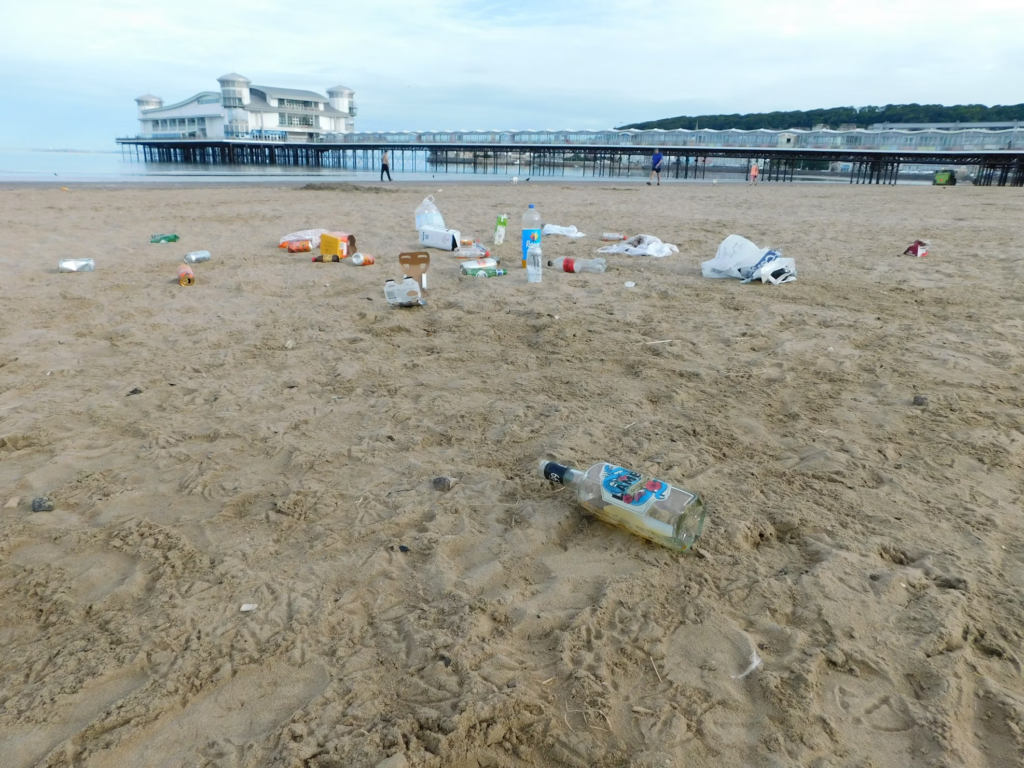
Although not jurisdictionally discriminatory, littering is evident at UK national scale; 48% of the population admitting to littering (Campbell, 2007). This catalyses long-term effects of ineffective waste disposal. It is detrimental to human health, causing injuries (Campbell et al., 2016), attracting disease-spreading pests (Drackner, 2005), exposing toxic materials (including heavy meatal and pollutant- leaching cigarettes (Farzadkia et al, 2024) making up 22.71% of waste across forty-five examined counties (Napper et al, 2025)) and releasing bacteria-spreading medical waste (Kolodko, Read, 2018). This affects nature further; waste degradation and leaching directly impacting environments and animals entangled in packaging – exacerbated for marine biota with an estimated 60%-80% of land debris reaching oceans. Socio-economic effects are evident; marine disruptions impacting shipping/fishing industries and branded waste deterring custom (Kolodko, Read, 2018). Litter management has an environmental and economic cost; councils spending around £1 billion annually (Napper et al, 2025). Legal action must target urban and coastal (0.023 more litter/m² than inland) behaviour. Anticipatory command and control mechanisms are the most effective approach, legislation enforcing set regulations, prohibiting littering whilst establishing a monetary retribution (Bell et al, 2024). However, this is difficult to enforce with current sanctions, up to £2,500, already implemented ( GOV.UK, 2023) rendering better monitoring or incentives necessary. To improve current legislation, initially a scale of penalties could be assigned, promoting immediate change, attributing a higher fine to larger items as Tehan et al (2017) proved more littering occurs in areas where larger, noticeable litter is already present. Community engagement (Totikidis et al, 2008) could aid enforcement with locals deterring defiance and potential increased compliance if individuals can influence decision-making. Whilst market-based incentives (Stavins, 2000) could encourage larger company adherence; effective short-term, enterprises could expect ongoing rewards for basic environmental practice that could even be transferred to responses to other environmental harms.
References:
Bell, S. et al. (2024) ‘7. The regulation of environmental protection’, in Environmental Law. Oxford University Press, pp. 174–210. Available at: https://www.oxfordlawtrove.com/display/10.1093/he/9780192847690.001.0001/he-9780192847690-chapter-7 (Accessed: 1 November 2025).
Campbell, F. (2007) People who litter. ENCAMS Wigan, UK. Available at: https://www.keepbritaintidy.org/sites/default/files/resources/KBT_London-Its-People-and-their-Litter_2009.pdf (Accessed: 31 October 2025).
Campbell, M.L. et al. (2016) ‘Human health impacts from litter on beaches and associated perceptions: A case study of “clean” Tasmanian beaches’, Ocean & Coastal Management, 126, pp. 22–30. Available at: https://doi.org/10.1016/j.ocecoaman.2016.04.002.
Drackner, M. (2005) ‘What is waste? To whom? – An anthropological perspective on garbage’, Waste Management & Research: The Journal for a Sustainable Circular Economy, 23(3), pp. 175–181. Available at: https://doi.org/10.1177/0734242X05054325.
Farzadkia, M. et al. (2024) ‘Reduction of the environmental and health consequences of cigarette butt recycling by removal of toxic and carcinogenic compounds from its leachate’, Environmental Science and Pollution Research, 31(16), pp. 23942–23950. Available at: https://doi.org/10.1007/s11356-024-32703-5.
GOV.UK. Litter and refuse: code of practice (2023). Available at: https://www.gov.uk/government/publications/code-of-practice-on-litter-and-refuse (Accessed: 1 November 2025).
Kolodko, J. and Read, D. (2018) ‘Using behavioural science to reduce littering : understanding, addressing and solving the problem of litter’, Journal of Litter and Environmental Quality, 2(1), pp. 21–36.
Napper, I.E. et al. (2025) ‘Citizen science reveals litter trends in the UK: Population density effects on coastal and inland regions’, Marine Pollution Bulletin, 214, p. 117634.
Stavins, R.N. (2000) ‘Market-Based Environmental Policies’, in Public Policies for Environmental Protection. 2nd edn. Routledge.
Totikidis, V., Armstrong, A. and Francis, R. (2008) ‘The concept of community governance: a preliminary review’, in GovNet Conference. Available at: https://vuir.vu.edu.au/955/1/The_Concept_of_Community_Governance.pdf (Accessed: 1 November 2025).
Bottom-towed fishing in the United Kingdom: Legal solutions to an environmental harm (Ollie Rooney)
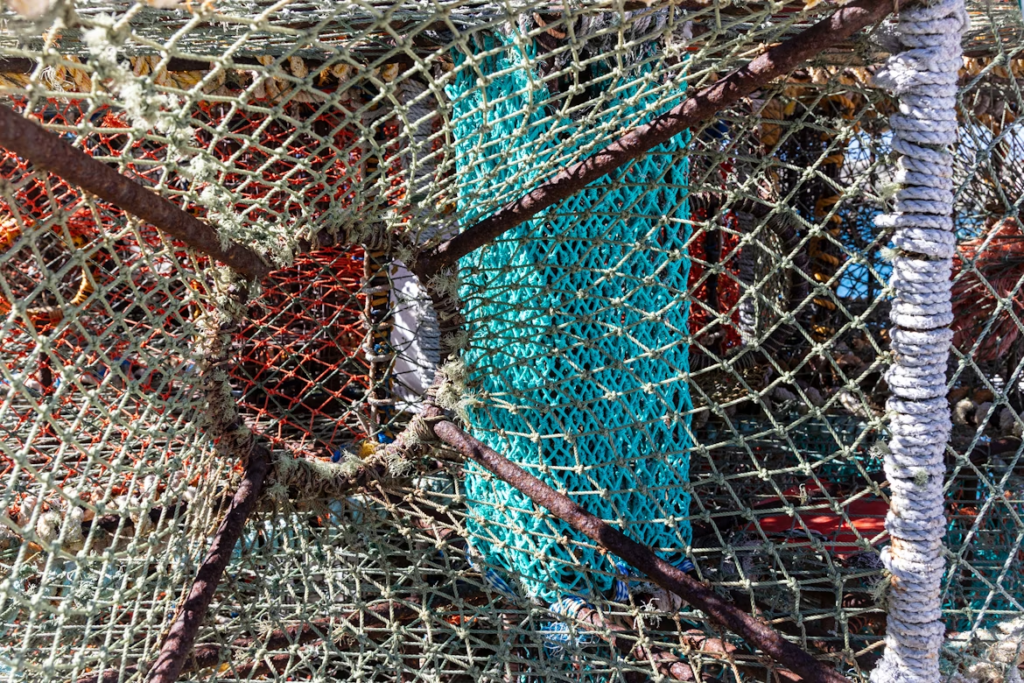
Bottom-towed fishing practices are a huge problem globally. The fishing gear used often ploughs over the same areas multiple times which destroys benthic communities, sometimes taking decades to recover (Hilborn et al., 2023). Known as the most wasteful method of fishing, it was estimated that around 10 million tonnes of marine life was discarded in the year 2014 (Zeller et al., 2018). As well as this, it may also contribute to greenhouse gas emissions through releasing stored organic carbon from the seabed (Black et al., 2022). Although these problems occur all over the world (Oberle et al., 2016), this report focuses on legal solutions only in the context of the UK.
There are three Highly Protected Marine Areas in the UK which are designated as Marine Conservation Zones (MCZ) by the Marine and Coastal Access Act 2009 (Department for Environment, Food & Rural Affairs, 2023). This protects them from bottom-towed fishing as well as other harmful practices (Department for Environment, Food & Rural Affairs, 2023). However, as of mid-2023 there were 377 Marine Protected Areas (MPAs) in total around the UK (Joint Nature Conservation Committee, 2023) and bottom trawling is not necessarily prohibited in these areas as they only prevent activities which harm the specific protected feature of the MPA (UK Parliament – Committees, 2025). Command and control legal mechanisms could provide a potential solution to this issue by implementing a ban on the use of bottom-towed fishing gear in all MPAs. Using an ecosystem-protection approach would be more effective than the specific feature-protection approach which is currently in use (Blampied et al., 2022).
Due to high seafood demands, a complete ban on bottom trawling may be unfeasible, a study by Hilborn et al. (2023) showed that when managed properly, trawling can occur in a sustainable manner. Adaptive legal mechanisms may provide a better solution to protecting fish stocks and biodiversity. Trawling could be limited or prohibited on a case-by-case basis in response to monitoring data which organisations such as the Marine Management Organisation, Marine Scotland and the Department of Agriculture, Environment and Rural Affairs collect (Marine Management Organisation, 2014). Through this flexible approach economic gain could continue whilst ensuring that overexploitation is avoided. Where these regulations are broken, legal redress through criminal sanctions and prosecution could bring the offender to justice and attempt to repair the damage caused (Bell et al., 2017).
Market-based mechanisms could also be used to influence the behaviour of organisations. They could be charged or fined for the environmental damage caused, in line with the polluter pays principle. Permits to place the costs of monitoring and regulation on the organisation could also be introduced (Bell et al., 2024).
Bell, S., McGillivray, D., Pedersen, O. W., Lees, E., & Stokes, E. (2017). 8. Environmental crime and enforcement. In Environmental Law. Oxford University Press. https://doi.org/10.1093/he/9780198748328.003.0008
Bell, S., McGillivray, D., Pedersen, O. W., Lees, E., & Stokes, E. (2024). 7. The regulation of environmental protection. In Environmental Law (pp. 174–210). Oxford University Press. https://doi.org/10.1093/he/9780192847690.003.0007
Black, K. E., Smeaton, C., Turrell, W. R., & Austin, W. E. N. (2022). Assessing the potential vulnerability of sedimentary carbon stores to bottom trawling disturbance within the UK EEZ. Frontiers in Marine Science, 9. https://doi.org/10.3389/fmars.2022.892892
Blampied, S. R., Rees, S. E., Attrill, M. J., Binney, F. C. T., & Sheehan, E. V. (2022). Removal of bottom-towed fishing from whole-site Marine Protected Areas promotes mobile species biodiversity. Estuarine, Coastal and Shelf Science, 276, 108033. https://doi.org/10.1016/j.ecss.2022.108033
Department for Environment, Food & Rural Affairs (2023) Highly Protected Marine Areas (HPMAs). Available at: https://www.gov.uk/government/publications/highly-protected-marine-areas/highly-protected-marine-areas-hpmas#how-we-will-manage-pilot-hpmas (Accessed: 30 October 2025).
Hilborn, R., Amoroso, R., Collie, J., Hiddink, J. G., Kaiser, M. J., Mazor, T., McConnaughey, R. A., Parma, A. M., Pitcher, C. R., Sciberras, M., & Suuronen, P. (2023). Evaluating the sustainability and environmental impacts of trawling compared to other food production systems. ICES Journal of Marine Science, 80(6), 1567–1579. https://doi.org/10.1093/icesjms/fsad115
Joint Nature Conservation Committee (2023) UK Marine Protected Area network statistics. Available at: https://jncc.gov.uk/our-work/uk-marine-protected-area-network-statistics/ (Accessed: 30 October 2025).
Marine and Coastal Access Act 2009, c. 1. Available at: https://www.legislation.gov.uk/ukpga/2009/23/part/5/chapter/1 (Accessed: 30 October 2025).
Marine Management Organisation (2014) Fishing data collection, coverage, processing and revisions. Available at: https://www.gov.uk/guidance/fishing-activity-and-landings-data-collection-and-processing#data-revisions-policy (Accessed: 1 November 2025).
Oberle, F. K. J., Storlazzi, C. D., & Hanebuth, T. J. J. (2016). What a drag: Quantifying the global impact of chronic bottom trawling on continental shelf sediment. Journal of Marine Systems, 159, 109–119. https://doi.org/10.1016/j.jmarsys.2015.12.007
UK Parliament – Committees. (2025, September 10). Government rejects outright bottom trawling ban despite pledge. https://committees.parliament.uk/committee/62/environmental-audit-committee/news/209231/government-rejects-outright-bottom-trawling-ban-despite-pledge/
Zeller, D., Cashion, T., Palomares, M., & Pauly, D. (2018). Global marine fisheries discards: A synthesis of reconstructed data. Fish and Fisheries, 19(1), 30–39. https://doi.org/10.1111/faf.12233
Wastewater Pollution in the Southwest of England (Alistair Sayer)
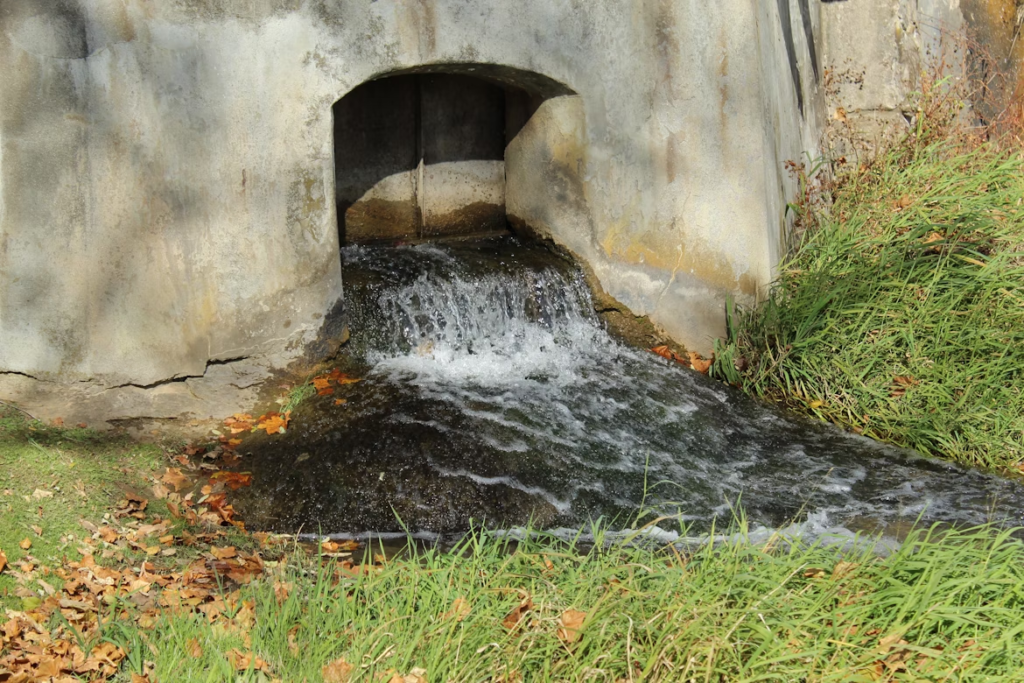
Wastewater pollution is a substantial issue in the Southwest of England, the water company Southwest Water has been dumping sewage / wastewater into the sea for decades (Hassell , 2025). Wastewater processing facilities often collect both rainwater and sewage, as a result of a storm these facilities experience considerably more liquid, to prevent flooding combined sewage overflows (CSOs) are opened to relieve pressure (Marine Conservation Society, 2025). This in turn results in the release of wastewater into the rivers and seas of Cornwall and Devon.
Sewage pollution often causes processes such as eutrophication to occur, this is where nutrients in the water such as phosphorus cause accelerated plant and algae growth (Wildlife Trust of South & West Wales, 2023). Increased concentrations of plant and algae in seas and waterways can lead to low oxygen levels, adversely affecting fish and other sea life (Bell et al., 2024).
Currently in the UK, wastewater treatment works must obtain a pollution permit from the environment agency in order to release sewage into waterways via CSOs. Under Schedule 21 of The Environmental Permitting (England and Wales) Regulations 2010 a waste water treatment work is allowed legally discharge sewage, trade effluent and other waste into water bodies providing the company holds the required environmental permits and follows liability rules (The Environmental Permitting (England and Wales) Regulations 2010, 2010).
However, the pollution permits issued by the Environment Agency do little to deter discharge of water waste by sewage companies, instead they appear to simply authorise these releases. With Southwest Water releasing sewage for 544,439 hours in 2024. A potential alternative could be tradeable pollution permits, limiting pollution permits would result in the market placing a high price on the ability to release waste. In turn this could lead to increased investment into expanding capacity of facilities across the country, reducing wastewater release exponentially.
References
Bell, S., Mcgillivray, D., Pedersen, O. W., Lees, E., & Stokes, E. (2024). Environmental Law (10th ed.). Oxford University Press. Copyright.
Hassell , C. (2025). Sewage treatment – what you should know. Greenspec; srcnet. https://www.greenspec.co.uk/building-design/sewage.treatment/
Marine Conservation Society. (2025). Sewage pollution. Marine Conservation Society. https://www.mcsuk.org/ocean-emergency/ocean-pollution/water-quality-and-sewage/sewage-pollution/
The Environmental Permitting (England and Wales) Regulations 2010, Schedule 21 (2010).
Wildlife Trust of South & West Wales. (2023, October 27). Sewage spills impact people and wildlife | The Wildlife Trust of South and West Wales. Www.welshwildlife.org. https://www.welshwildlife.org/news/sewage-spills-impact-people-and-wildlife
Implementation of Earthquake Preparedness and Redress Mechanisms in Japan (Lily Mellar)

The 2011 Tohoku earthquake in Japan is representative of one of the world’s most prevalent environmental harms: the earthquake. This event immediate environmental destruction, causing soil liquefaction, extreme coastal erosion, national water contamination, and ecosystem destruction. These harms compromised long term sustainability.
Prevention mechanisms such as The Disaster Countermeasures Basic Act (1961) 1 , aim to reduce risk by using EWS and implementing community preparedness initiatives.
The Act on Support for Reconstructing Livelihoods of Disaster Victims (1998)2 and the Environmental Impact Assessment Law (1997)3 are key redress mechanisms that focus on environmental rehabilitation after the fact. These policies directly align with Principles 15 and 16 in the United Nations General Assembly’s Rio Declaration on Environment and Development (1992)4 .
Japan’s vulnerable ‘Ring of Fire’ location mean that effective disaster prevention policies are extremely important. Shaw and Takeuchi (2012)5 argue that community engagement and legal frameworks are key reasons for Japan’s successful implementation of regulation and redress mechanisms.
References
1 Disaster Countermeasures Basic Act (Japan, 1997)
2 Act on Support for Reconstructing Livelihoods of Disaster Victims (Japan, Act No 66 of 1998, amended by Act No 69 of 2020)
3 Environmental Impact Assessment Act (Japan, Act No 81 of 1997, as amended by Act No 51 of 2014)
4 United Nations General Assembly, Rio Declaration on Environment and Development (adopted 14 June 1992, UN Doc A/CONF.151/26 (Vol I))
5 Shaw R and Takeuchi Y, East Japan Earthquake and Tsunami: Evacuation, Communication, Education and Voluntarism (Research Publishing Services 2012) accessed 31 October 2025.
Plastic Pollution on the Cornish Coast: Towards Localised Mechanisms of Redress (Finn Richards)
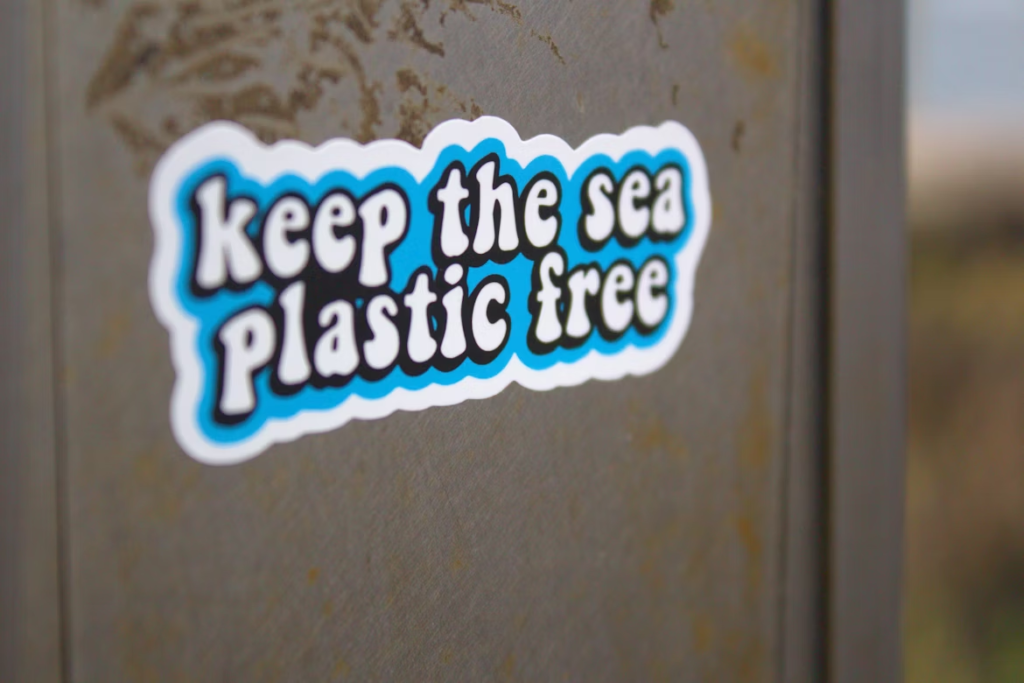
Plastic pollution remains one of the most persistent forms of environmental harm along the Cornish coastline. The beaches, coves and estuaries are routinely affected by plastic debris, ranging from microplastics embedded into the sand to discarded fishing gear and packaging waste. This pollution not only endangers marine biodiversity but also undermines Cornwall’s blue-economy sectors including tourism and sustainability fisheries.
A key mechanism for prevention lies in community-led clean-up programmes and strengthening the local circular-economy incentives. Organisations such as Surfers Against Sewage (SAS) have demonstrated how grassroots mobilisation can drive behavioural change and policy advocacy. (Plastic Pollution, n.d.) However long-term redress requires more robust regulatory intervention. Under the Environment Act 2021, local authorities and the Environment Agency are empowered to impose extended producer responsibility (EPR) schemes and restrict single-use plastics. (Environment Act 2021, n.d.) Yet enforcement remains inconsistent and local councils often lack resources to monitor compliance effectively.
Initial research supports a multi-layered governance approach. Previous studies have highlighted the importance of regional waste management infrastructure in reducing oceanbound plastic (Jambeck et al., 2015) and emphasises that coastal communities benefit most when economic incentives align with environmental objectives. (Oosterhuis et al., 2014) In Cornwall, integrating EPR revenues into local waste collection systems and regenerative coastal enterprises could enhance accountability and resilience.
Addressing plastic pollution in Cornwall thus requires combining community engagement, targeted regulation and local reinvestment mechanisms. By framing plastic reduction not only as an environmental imperative but as a driver of regional sustainability, Cornwall can position itself as a model for locally led marine protection within the UK’s post Brexit environmental governance framework.
Air Pollution and Public Health in Delhi: Regulatory Challenges and Mechanisms for Redress (Katie Dallas)
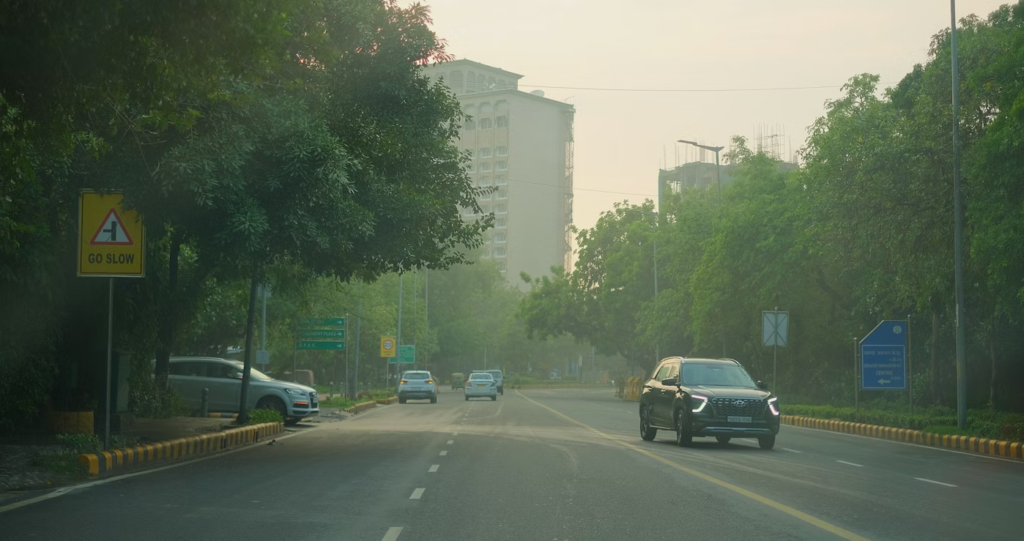
Air pollution in Delhi represents one of the most severe environmental and public health crises in the world. Rapid industrialisation, open waste burning, and seasonal crop residue fires have combined to create persistently hazardous air quality levels. In 2016, Delhi hit a peak of ‘481 μg/m³ of average concentrations of suspended particulate matter’ (Our World in Data, 2025) and this exceeds the World Health Organisation (2021) ‘upper boundary recommended limit of 10µm (PM10),’ by more than thirty two times, contributing to over ‘1.85million deaths with a 95% uncertainty level’ (Kumar Singh et al., 2023). This environmental harm disproportionately affects vulnerable populations, including children, the elderly, and low-income communities, raising issues of environmental justice and the right to a clean and healthy environment (United Nations, 2025a, 2025b).
Part of the problem is governed under India’s Environment (Protection) Act 1986, which provides a comprehensive framework for protecting and improving environmental quality in India. The Act (1986) gives an over-arching structure for central government, but it lacks clear mechanisms for enforcement. To combat the rising health concerns of this reactive legislation, the National Clean Air Programme (NCAP), launched in 2019, aims to reduce particulate pollution by ‘20–30% by 2024’ through monitoring emissions and enabling inter-state coordination (NCAP, 2019, p. 23).
Despite this new framework and others available, enforcement remains weak due to fragmented governance and a lack of implementation after the research is conducted. Furthermore, there’s an overlapping within all levels of the institutional authority. This is partially due to air pollution being transient and knowing no boarders, suggesting that a top-down approach from international law with a bottom-up municipal approach would be more effective. This is due to effective prevention and redress requiring integrated mechanisms on stricter emission enforcement, compensation for affected communities under the polluter pays principle (Bell et al., 2024, p. 135), and cross-sectoral coordination. Addressing Delhi’s air pollution therefore demands not only legal reform and technological solutions but also sustained political commitment to environmental justice and public health protection.
Bell , S., McGillivray, D., Pederson, O., Lees, E., & Stokes , E. (2024). Environmental Law (10th Edition, p. 135). Oxford University Press.
Dey, A. (2025, October 29). Cloud seeding: Why Delhi’s artificial rain experiment to tackle toxic air failed. BBC News. https://www.bbc.co.uk/news/articles/cglgn83g9xro
The Environment (Protection) Act 1986, Act No. 29 (1986). https://www.indiacode.nic.in/bitstream/123456789/4316/1/ep_act_1986.pdf
Government of Inia. (2019). The National Clean Air Programme (NCAP). In Dr. S. R. Bhardwaj & S. N. K. Sundaray (Eds.), Ministry of Environment Forest and Climate Change (pp. 1–23). https://mpcb.gov.in/sites/default/files/air-quality/National_Clean_Air_Programme09122019.pdf
Kumar Singh, A., Kumar Singh, A., & Saini, G. (2023). Premature Mortality Risk and Assosciated Economic Loss Assessment due to PM2.5 Exposure in Delhi, India during 2015-2019. In Springer Nature Link (p. 2). https://link.springer.com/article/10.1007/s11869-024-01550-1
Our World in Data. (2025). Air pollution, London vs. Delhi. Our World in Data. https://ourworldindata.org/grapher/air-pollution-london-vs-delhi
The World Health Organisation . (2021). WHO Global Air Quality Guidelines (p. 75). https://iris.who.int/server/api/core/bitstreams/551b515e-2a32-4e1a-a58c-cdaecd395b19/content
United Nations. (2025a). Goal 6 | department of economic and social affairs. Sdgs.un.org; United Nations. https://sdgs.un.org/goals/goal6
United Nations. (2025b). Goal 13 | Department of Economic and Social Affairs. United Nations. https://sdgs.un.org/goals/goal13
Reclaiming Resilience: Governance and Climate Failure in Pakistan’s 2025 Floods (Ayleen Sheikh)
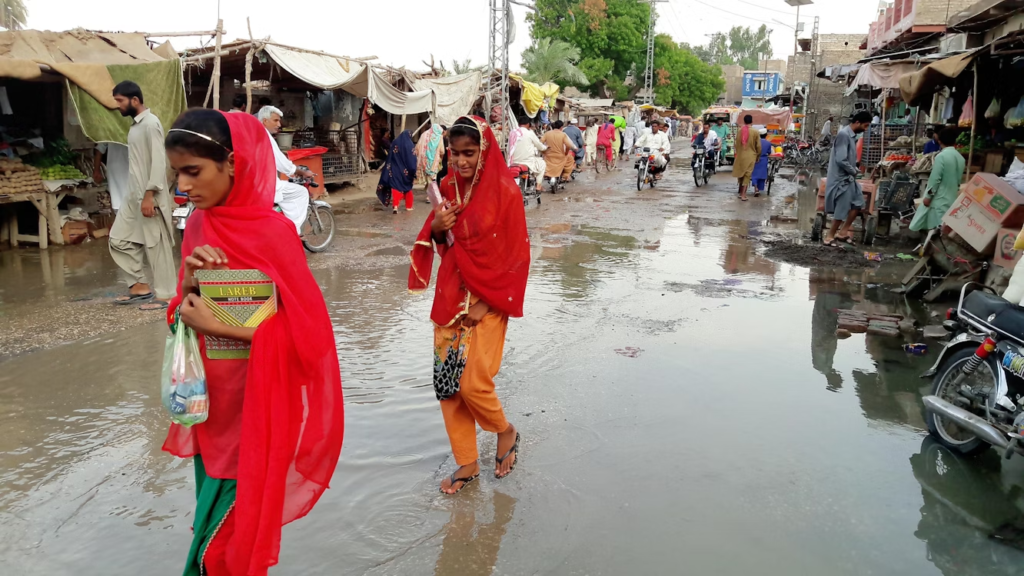
Pakistan’s 2025 monsoon floods have displaced more than 2 million people, inundated farmland – causing billions of dollars of damage to infrastructure and people. Listed as one of the most vulnerable countries to climate change, Pakistan’s experience shows how cracks in environmental governance and social inequality can exacerbate poverty and food insecurity. The floods expose structural failures in disaster management systems and development planning, intensifying climate disaster.
These floods highlight how policy paralysis and institutional neglect have magnified a natural hazard to a national crisis. In conjunction with rapid urbanization, aging dam infrastructures, and weakened structural systems. The Indus River basin (Hindu Kush-Karakoram-Himalayan region) has shown accelerated glacial retreat and unpredictable thunderstorm patterns due to global warming (Naqvi et al., 2025). Pakistan’s historical pattern of flooding is a direct result of its policy shortcomings.
Mechanisms of redress must move beyond reactive relief to proactively embed climate resilience into Pakistan’s infrastructure and land-use governance frameworks. The National Flood Protection Plan IV (2015–2025) (NDMP 2025, n.d.) outlines watershed management, flood forecasting, strengthening embankments, improving drainage systems, and establishing early warning systems. Though it was a 10-year plan, its implementation has been inconsistent and underfunded. A comparison of 2022 and 2025 floods highlighted the importance of community-based adaptation. Without translating past analysis into action, the affected will remain vulnerable to recurring climate impacts (Sheikh, 2025). Investments in flood-resistant housing, diversification of crops, and micro-insurance for smallholder farmers can build long-term resilience (Change, 2024).
However, policy mechanisms alone cannot address these failures. Embedding environmental rights within national legislation and investing in climate finance is essential for a nature-based solution. Empirical evidence (Otto et al., n.d.) and UNDP’s immediate response to Pakistan’s recurring floods (UNDP, 2025) suggest learning from 2022 and pushing for emergency flood relief in areas most affected. Finally, adopting a rights-based approach towards ecological integrity, human livelihoods, and access to environmental justice can ensure Pakistan’s most vulnerable communities are safeguarded amidst the next monsoon. This raises a question whether Pakistan’s climate governance is reactive – prioritizing post-disaster relief over preventive adaptation – reflecting broader challenges faced by Global South nations navigating climate injustice.
References
Change, C. (2024). Ministry of Climate Change and Environmental Coordination. [online] Mocc.gov.pk. Available at: https://mocc.gov.pk.
Dar, M. (2025). PAKISTAN LEGAL ANALYSIS OF MONSOON FLOODS TRIGGERED BY CLIMATE CHANGE IN PAKISTAN. [online] Canadian Legal Research Journal (CLRJ). Available at: https://www.academia.edu/143936983/PAKISTAN_LEGAL_ANALYSIS_OF_MONSOON_FLOODS_TRIGGERED_BY_CLIMATE_CHANGE_IN_PAKISTAN [Accessed 28 Oct. 2025].
Naqvi, M.H., Rehman, A., Maqsoom Rizvi, S.H. and Adeen, H. (2025). Governance, Infrastructure, and Climate Lessons from Pakistan’s 2025 Floods. doi:https://doi.org/10.2139/ssrn.5545601.
NDMP 2025. (n.d.). Available at: http://www.ndma.gov.pk [Accessed 30 Oct. 2025].
Otto, F., Zachariah, M., Saeed, F., Siddiqi, A., Shahzad, K., Mushtaq, H., Achutarao, K., Chaithra, Barnes, C., Philip, S., Kew, S., Vautard, R., Koren, G., Thalheimer, L., Raju, E., Li, S., Yang, W., Harrington, L. and Clarke, B. (n.d.). Final Climate change likely increased extreme monsoon rainfall, flooding highly vulnerable communities in Pakistan. [online] Available at: https://www.worldweatherattribution.org/wp-content/uploads/Pakistan-floods-scientific-report.pdf.
Sheikh, A.T. (2025). PDNA 2022 vs PDNA 2025. [online] DAWN. Available at: https://www.dawn.com/news/1950716 [Accessed 30 Oct. 2025].
UN News. (2025). ‘The needs are huge’: Pakistan reels from floods as millions left homeless. [online] Available at: https://news.un.org/en/story/2025/09/1165864.
UNDP. (2025). Building Resilience: UNDP’s Response to Pakistan’s Recurring Floods. [online] Available at: https://www.undp.org/pakistan/building-resilience-undps-response-pakistans-recurring-floods.
Threats to African Elephants: Conservation Challenges and the Fight Against Wildlife Crime (Evie Pyle)
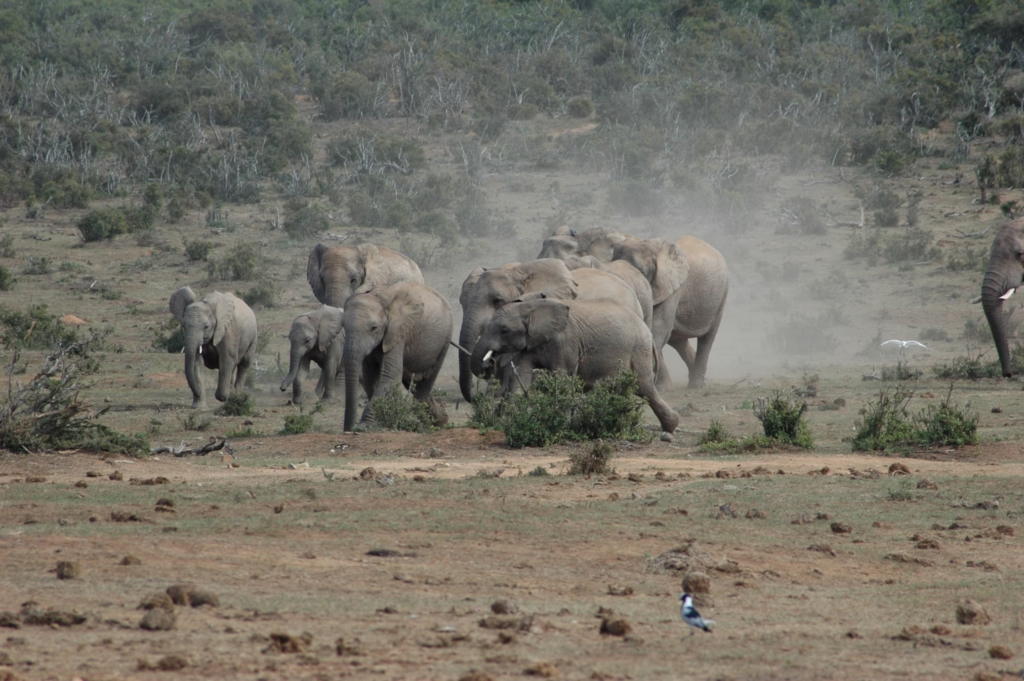
African Elephants are heavy, not just in weight but also in importance. As a keystone species, they regulate ecosystems, providing other species with access to water and nutrients, and maintaining biodiversity by dispersing seeds.1 In central African forests, at least a third of tree species rely on elephants.2 Furthermore, elephants have a mitigating effect on climate change, by opening up the forest canopy to enable large, carbon storing trees to grow.3 They also hold significance to humans, instantly recognisable by their uniquely large ears and long trunk, and admired for their familial bonds, incredible memory, and ability to show emotion and empathy – in many ways similar to humans. They feature in human culture and religion, and for many communities provide employment through tourism and conservation funding. And yet ironically it is due to humans that their numbers are rapidly declining. African Elephant populations have fallen from an estimated twelve million a hundred years ago to about 400,000 today, and much of this is due to wildlife crime.4
Elephant wildlife crime consists of poaching – illegally killing elephants – primarily to trade and traffic the ivory from their tusks.5 In 1989, the Convention on the International Trade of Endangered Species (CITES) banned the international commercial trade in elephant ivory, and in 2018, China banned domestic trade of elephant ivory.6 Furthermore, community and NGO initiatives work towards anti-poaching through training and education, not only to locals on how to monitor elephants, but also internationally to help identify illegally trafficked ivory products. TRAFFIC, the international wildlife trade monitoring network, also manages the Elephant Trade Information System (ETIS) to record and track trading routes.7 However, despite all this action, African elephant numbers still decline as market purchases of ivory increase. The fact that the CITES ban wasn’t effective demonstrates the need for further regulation, perhaps stepping away from command-and-control mechanisms such as these and moving towards community and market-based regulations.
Bibliography:
Nyumba, Tobias Ochieng, Nankini Elizabeth Kimongo, and Nigel Leader-Williams, ‘Measuring the conservation attitudes of local communities towards the African elephant Loxodonta Africana, a flagship species in the Mara ecosystem’ PLoS One, 16.6 (2021) <https://uoelibrary.idm.oclc.org/login?url=https://www.proquest.com/scholarly-journals/measuring-conservation-attitudes-local/docview/2544451196/se-2> (accessed 30 October 2025).
Van de Water, Antoinette., et al., ‘The value of elephants: A pluralist approach’, Ecosystem Services, 58 (2022) <https://www-sciencedirect-com.uoelibrary.idm.oclc.org/science/article/pii/S2212041622000845#kg005> [accessed 30 October 2025]
World Wildlife Fund, Elephants (2025) <https://www.worldwildlife.org/species/elephant/#:~:text=Elephants%20help%20maintain%20forest%20and,for%20tadpoles%20and%20other%20organisms.> [accessed 30 October 2025]
Legal Mechanisms of Redress for Illegal Fisheries Under English Law (Ellie Tresidder)
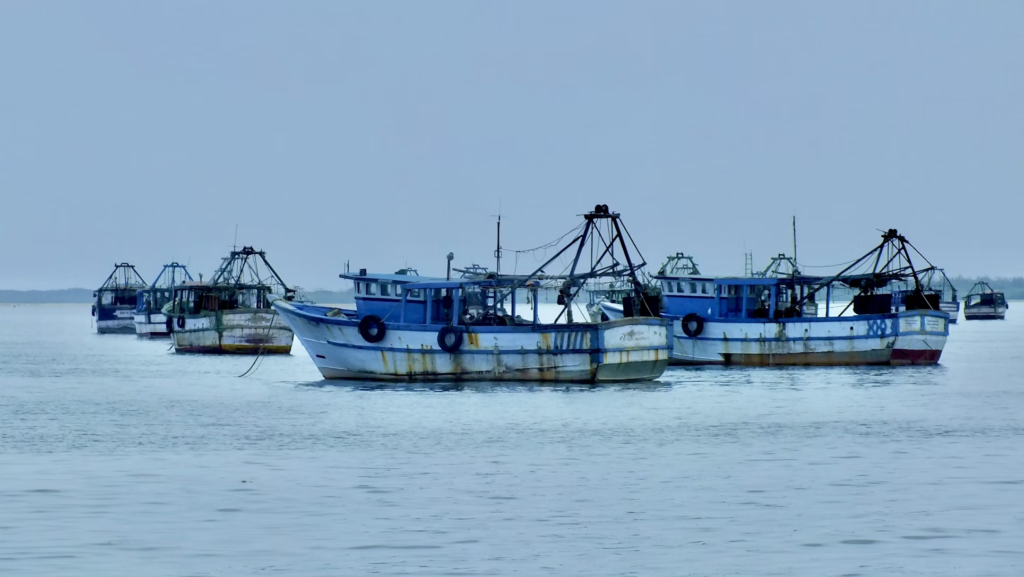
Introduction
One environmental harm within the jurisdiction of England and Wales is illegal fisheries. Harm to the environment is assessed using the impacts that it may have to both the environment and human health1. Furthermore, the degree of harm and time scale is also considered when determining the level of risk2. Illegal fisheries are often defined as IUU, which the European Council defines as ‘Illegal, unreported and unregulated fishing’3.Consequently, this practice causes ‘major threat to marine ecosystems’4.The seriousness of this eco- crime has recently been recognised internationally. For example, the United Nations’ sustainable development goals in 14(4) states that there should be a stop to ‘illegal’ and ‘destructive’ fishing 5.Therefore, this issue will be even more relevant in years to come.
Mechanisms for Prevention and Relevant Redress
There are various statutory instruments that restrict the were and how fish can be caught in the English Legal system. For example, in public law there are several statutes and by laws that can apply to this area of law. The Sea Fishing (Illegal, Unreported and Unregulated Fishing) Order 2009 under article 9 s.9 ss.5 makes it an offence to ‘tranship’ fish or be in ‘joint operations’ with an IUU vessel 6. Clearly, the UK government for many years has created legislation with the purpose of limiting the number of fish that are illegally caught. Moreover, IUU is extremely profitable as it is estimated to be worth ‘£10 to £20 billion a year’7. Resultingly, there needs to be greater methods of deterrence than those created by traditional command and control systems. The UK government has taken a proactive approach to this type of environmental harm as they have decided to take a pledge under ‘IUU Fishing Action Alliance’ to demonstrate this commitment8.
Bibliography
GOV.UK, ‘Illegal, Unreported and Unregulated Fishing Action Alliance Pledge’ (GOV.UK, 8 July 2024) <https://www.gov.uk/government/publications/illegal-unreported-and-unregulated-fishing-action-alliance-pledge/illegal-unreported-and-unregulated-fishing-action-alliance-pledge>
Lexis Nexis, ‘Significant Harm Definition’ (Lexis Nexis, 2025) <https://www.lexisnexis.co.uk/legal/glossary/significant-harm> accessed 30 October 2025
Popescu M and Popescu P, ‘Extended Curvatures and Lie Algebroids’ (2022) 14 Symmetry 1375
The Global Goals, ‘Goal 14: Life below Water’ (The Global Goals2024) <https://globalgoals.org/goals/14-life-below-water/>
United Nations, The 2030 Agenda for Sustainable Development,(27 September 2015), A/RES/70/1
Secondary Legislation
The Sea Fishing (Illegal, Unreported and Unregulated Fishing) Order 2009, SI 2009/No. 3391
Protecting Antarctica through improved regulation (Sophia O’Hagan)
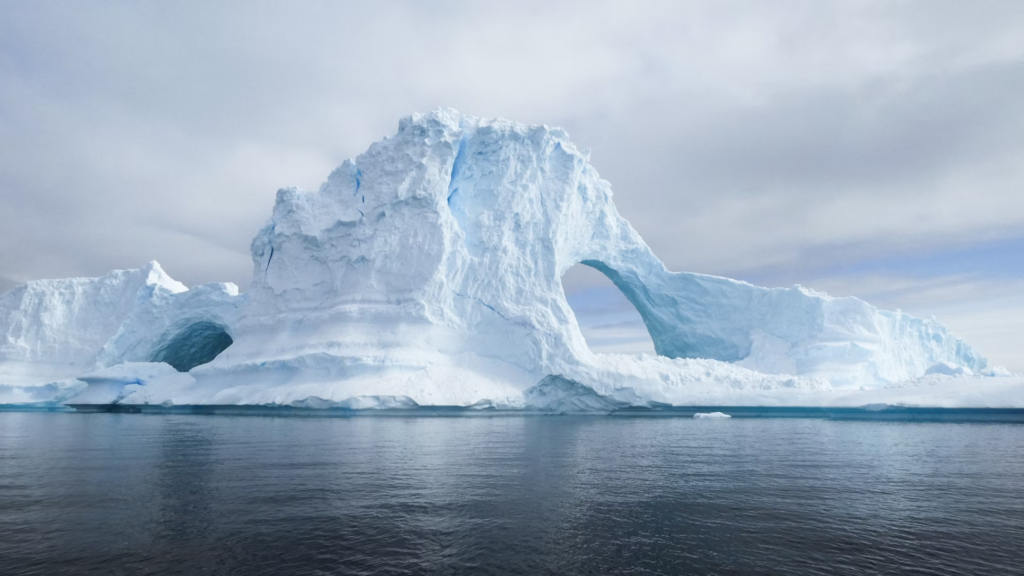
Antarctica is one of Earth’s few global commons, left untouched, where few people are permitted to set foot (authorised scientists are most commonly allowed). However, some of Antarctica’s most notable risks of harm happen without ever setting foot on land. These are climate change and overfishing. With Antarctica relying on international treaties, it is not developed enough, as vulnerabilities have grown, compared to how they would if it were one’s own country. Therefore, Antarctica has been made increasingly vulnerable.
Redressing climate change in Antarctica is complicated due to a variety of feedback loops, for example, the albedo effect and CO2 stored in ice sheets, as well as ice sheets melting, accompanied by a lack of regulatory authority. Not just Antarctica, but all surroundings require protection; the southern ocean takes up 40% of the global ocean uptake of carbon dioxide (Sabine, C.L, 2004 )1. Conveying how the Earth has natural mechanisms of protection, but legal/regulatory mechanisms are needed to limit human influence on the natural feedback loop. Current protection from climate change comes from the Antarctic Treaty System, significant as it bans exploitation for its natural resources (coal, oil and gas) under article 7 (Secretariat of the Antarctic Treaty, 2016)2. There is little climate change protection, just the same level as the rest of the world, the Conferences of the Parties (CoP) and the Paris Agreement. Moreover, climate change in Antarctica is a particularly vulnerable cause, and with further command and control regulation can be limited further.
Overfishing is a further vulnerability of Antarctica, but it is much better protected. The International Whaling Commission (IWC) have established the Southern Ocean surrounding Antarctica as a Whale sanctuary and prohibits commercial whaling (whale sanctuaries and marine protected areas, n.d)3 ; however, being able to identify those who breach this is difficult. As well as the overfishing of Krill has been a large vulnerability, as average density north of 60 degrees has decreased by around 70% (Kawaguchi et al, 2023)4. To combat this, stricter regulations on fishing have been put in place by the Convention for the Conservation of Antarctic Marine Life (Fisheries | CCAMLR, 2017)5.
References in order of appearance
Advertisements Drive Environmentally Destructive Behaviours (Georgie Brown)

Overconsumption is the lived reality of the 21st century. Although it properly took off a mere forty years ago, it has come to dominate every aspect of every continent in the modern day.[1] In the UK, consumer spending more than doubled in the years between 1985 to 2015 whereas the population only increased by 15%.[2] This drastic increase strongly indicates a shift in mindset that individuals hold, a mindset that is driven by the need for material goods in a way never seen before.
This is not to say that people have never prized their possessions. An excellent example of this can be seen on the Titanic. Third class passengers hesitated to leave their baggage behind on the ship – a heavy nod to how highly they viewed their belongings.[3] Yet, in the present, this relationship between human and object has completely overturned.
Advertising is the main driver of overconsumption and has been dubbed by the Ministry for the Climate Emergency Campaigns as “brain pollution”.[4] They argue that our perception of new goods and waste has become distorted by the normalisation of high carbon goods and services such as those of commodities and the transportation sector.[4] The answer to this problem has to balance two key factors: the protection of business and the economy whilst also changing the behaviours and attitudes of consumers and producers. I propose that: firstly, to implement a polluter pays system where companies which produce high carbon adverts pay for the consequential damage that is caused, which could be solved by charging a higher rate of VAT for those adverts and secondly, a government led public awareness campaign run on social media by relevant influencers to encourage viewers to question the way in which they consume.
[1] Alan Durning, ‘Limiting Consumption: Toward a Sustainable Culture’, The Futurist (Washington: World Future Society, 1991), 10
[2] Daniel Harai, ‘Consumer Spending: 10 ways it’s changed in 30 years’, House of Commons Library, 2016 <https://commonslibrary.parliament.uk/consumer-spending-10-ways-its-changed-in-30-years/> [accessed 28 October 2025]
[3] Tom Holland, and Dominic Sandbrook, ‘Titanic: Nightmare at Midnight’, The Rest is History, 19 March 2024, <https://podcasts.apple.com/gb/podcast/titanic-nightmare-at-midnight-part-5/id1537788786?i=1000648364434> [accessed 28 October 2024]
[4] ‘Brain Pollution Briefing’, Badvertising, (2021) <https://static1.squarespace.com/static/5ebd0080238e863d04911b51/t/6151da65c59ffa6574e58dc5/1632754278674/Brain_pollution_briefing_lower_res_final.pdf> [accessed 28 October 2025]
Further references:
Kasser, Tim, with Tricarico, Emilie, Boyle, David, and, Simms, Andrew, Advertising’s role in climate and ecological degradation (Badvertisements, 2020) <https://static1.squarespace.com/static/5ebd0080238e863d04911b51/t/5fbfcb1408845d09248d4e6e/1606404891491/Advertising%E2%80%99s+role+in+climate+and+ecological+degradation.pdf> [accessed 28 October 2025]
Simms, Andrew, ‘The advertising industry is fuelling climate disaster, and it’s getting away with it’, The Guardian, 11 October 2021
Addressing Water Pollution and Ecosystem Decline in Lake District, UK (Lucinda Norris)
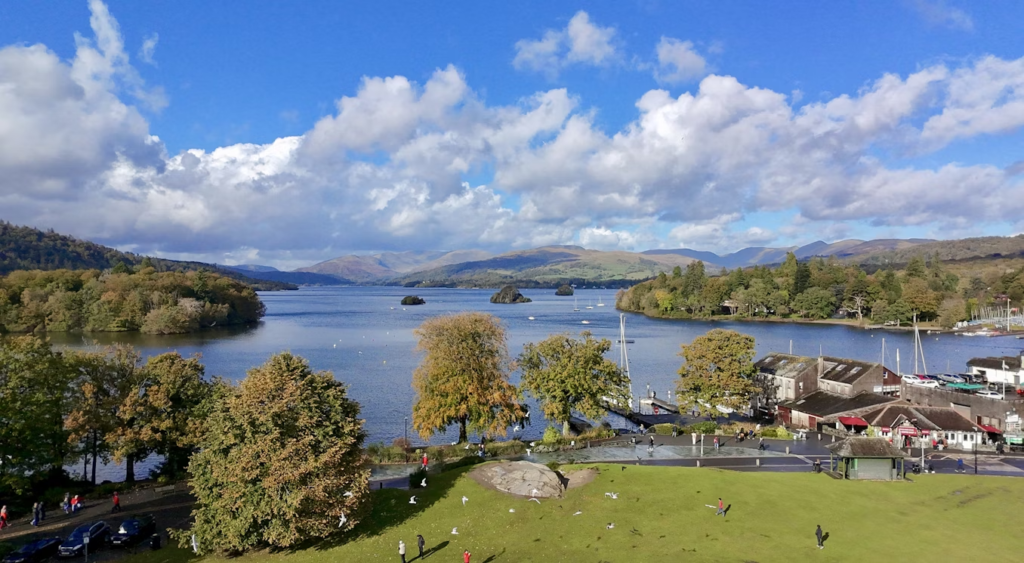
Water pollution is currently posing a significant environmental harm to glistening waters in the Lake District (Veisoglu, 2024). Scaife (2019) highlights that the three main factors contributing to this decrease in water quality are agricultural runoff, sewage treatment plants, and stormwater runoff. Resultingly, multiple journals draw on an increase in algal blooms in the Lake District waters due to an increase in water pollution entering the lakes (Veisoglu, 2024). Adverse impacts of algal blooms remove oxygen from water; a low water oxygen concentration results in the decline of aquatic ecosystems and biodiversity. Furthermore, high concentrations of cyanobacteria are fatal to people and pets (D’Anglada, 2015). The Lake’s largest pristine lake, “Lake Windermere”, is the greatest sufferer from the increase in water pollution (Moorhouse, 2018). Staniek, a spokesman for “Save Windermere”, displays its cultural and historical significance in his statement “, the jewel in the crown…is used as an open sewer” (Crowley, 2024). The juxtaposition of beauty and neglect creates an urgent need for immediate change to environmental policies. Veisoglu (2024) further highlighted that United Utilities has illegally dumped between 143 and 286 million litres of sewage into Windermere, of which a total of 118 hours were left unreported to the Environmental Regulator. To prevent repetition and long-term environmental damage from the water pollution in the Lakes, command and control and market-based incentives are proposed as legal mechanisms to counteract these environmental issues. Command and Control can enforce policy on illegal dumping under the Environmental Agency, Section 82, Part 5 (Environmental Agency, 2022). Market-based incentives complement command and control by fining offending companies (United Utilities) that violate legal policies written to protect the environment and heritage sites such as Lake Windermere (Porter, 2020). These fines go to water restoration schemes, returning damaged environmental habitats back to their natural beauty (Reed, 2025).
References:
Crowley, J. (2024). Sewage illegally dumped into Windermere repeatedly over 3 years, BBC finds. BBC News. [online] 17 Oct. Available at: https://www.bbc.co.uk/news/articles/cdrj70dynk1o [Accessed 27 Oct. 2025].
D’Anglada, L.V. (2015). Editorial on the special issue “harmful algal blooms (HABs) and public health: progress and current challenges”. Toxins, 7(11), pp.4437-4441.
Environmental Agency (2024). Review of Activities Regulated by the Environment Agency, 2022. [online] GOV.UK. Available at: https://www.gov.uk/government/publications/review-of-activities-regulated-by-the-environment-agency-2022/review-of-activities-regulated-by-the-environment-agency-2022 [Accessed 27 Oct. 2025].
Moorhouse, H.L., McGowan, S., Taranu, Z.E., Gregory‐Eaves, I., Leavitt, P.R., Jones, M.D., Barker, P. and Brayshaw, S.A. (2018). Regional versus local drivers of water quality in the Windermere catchment, Lake District, United Kingdom: The dominant influence of wastewater pollution over the past 200 years. Global Change Biology, 24(9), pp.4009-4022.
Porter, N. (2020). Strategic planning and place branding in a World Heritage cultural landscape: a case study of the English Lake District, UK. European Planning Studies, 28(7), pp.1291-1314.
Reed, S. (2025). Government Ambition to End Sewage Discharges into Windermere. [online] GOV.UK. Available at: https://www.gov.uk/government/news/government-ambition-to-end-sewage-discharges-into-windermere [Accessed 27 Oct. 2025].
Scaife, R. (2019). Extent of Water Pollution in Rivers and Lakes of the English Lake District. [online] Aqua Resources Centre. Available at: https://aquaresources.co.uk/extent-of-water-pollution-in-rivers-and-lakes-of-the-english-lake-district/ [Accessed 27 Oct. 2025].
Veisoglu, Z. (2024). Illegal Sewage Dumping in the Lake District Violates More than the Right to Clean Water – HRS. [online] HRS. Available at: https://www.hrsolidarity.org/illegal-sewage-dumping-in-the-lake-district-violates-more-than-the-right-to-clean-water/ [Accessed 27 Oct. 2025].
Water Pollution from Agricultural Runoff (Tesni Francis-Parker)
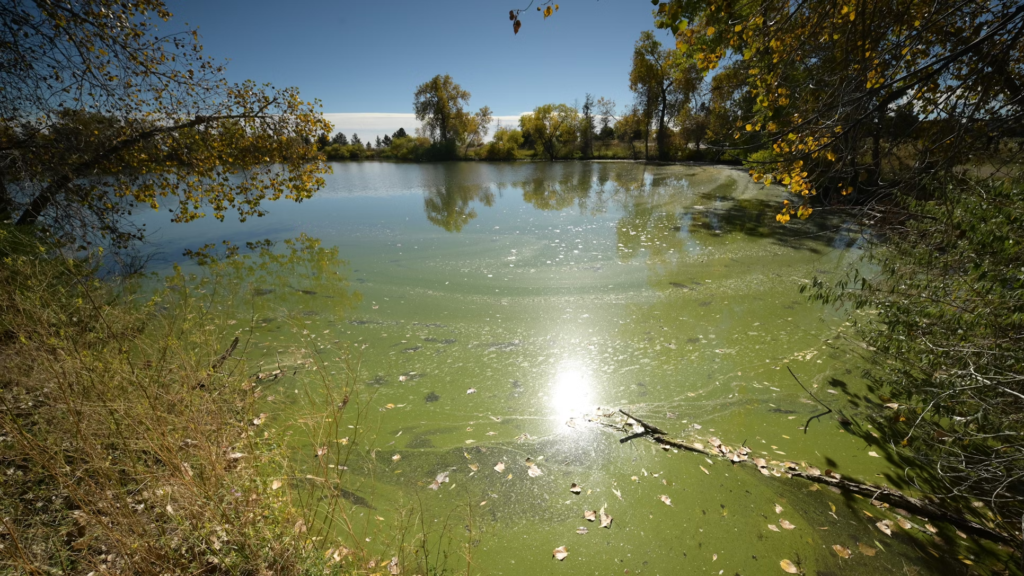
Agricultural runoff is a form of non-point source pollution where excess nutrients (nitrates and phosphates) from fertilisers, sediments, and pesticides wash off farm fields into waterways, primarily after rainfall. This environmental harm is of major concern due to its devastating effects, as it causes eutrophication. Eutrophication is the excessive growth of algae that depletes oxygen in water, killing fish and other aquatic life. Also, it creates “dead zones” in coastal areas, large bodies of water, due to the algae dying and consuming vast amounts of oxygen, which leads to anoxia, where fish and other aerobic aquatic organisms cannot survive, leading to large-scale fish kills. This severely harms biodiversity and leads to poor quality of drinking water. In addition to this, modern agricultural runoff is a significant source of “emerging contaminants” that are not yet widely regulated but pose potential health risks. Runoff from livestock operations can carry antibiotics, steroids, and hormones used in animal production. The presence of antibiotics in the environment contributes to the proliferation of antibiotic-resistant bacteria, a major global public health concern. This source of pollution must be more regulated. The pollution mechanism is diffuse, making legal regulation and enforcement challenging. This environmental harm focuses on the jurisdiction of the European Union (EU) and its member states. The best way to combat this harm is a policy mix of Legislation, Zoning and Best Management Practices. I think an effective regulation would be establishing mandatory limits on the application of fertilisers and manure, especially in areas designated as vulnerable zones. This would move BMPs from voluntary guidelines to mandatory requirements. Additionally, using Command and Control methods would be effective, as there is a clear distinction between legal and illegal behaviour, making it easy to prove violations and assign liability. I have used many academic papers to support my view such as “Employing Best Management Practices to Reduce Agricultural Water Pollution: Economics, Regulatory Institutions, and Policy Concerns” which discusses that due to the high costs of pollution abatement, achieving significant pollution reduction likely requires some type of government intervention, either through strong regulatory institutions such as Command and Control, or through well-designed financial incentives. Also, I used the paper “Implementing the Water Framework Directive and Tackling Diffuse Pollution from Agriculture: Lessons from England and Scotland”, which discusses how holistic, integrated governance, where governmental bodies mandate changes and ensure effective stakeholder cooperation, is a critical condition for adopting the necessary strict policy instruments required to tackle widespread agricultural diffuse pollution successfully.
Strengthening legal mechanisms to combat deforestation in the Peruvian Amazon; addressing mining and agricultural drivers (Finn Ashford)
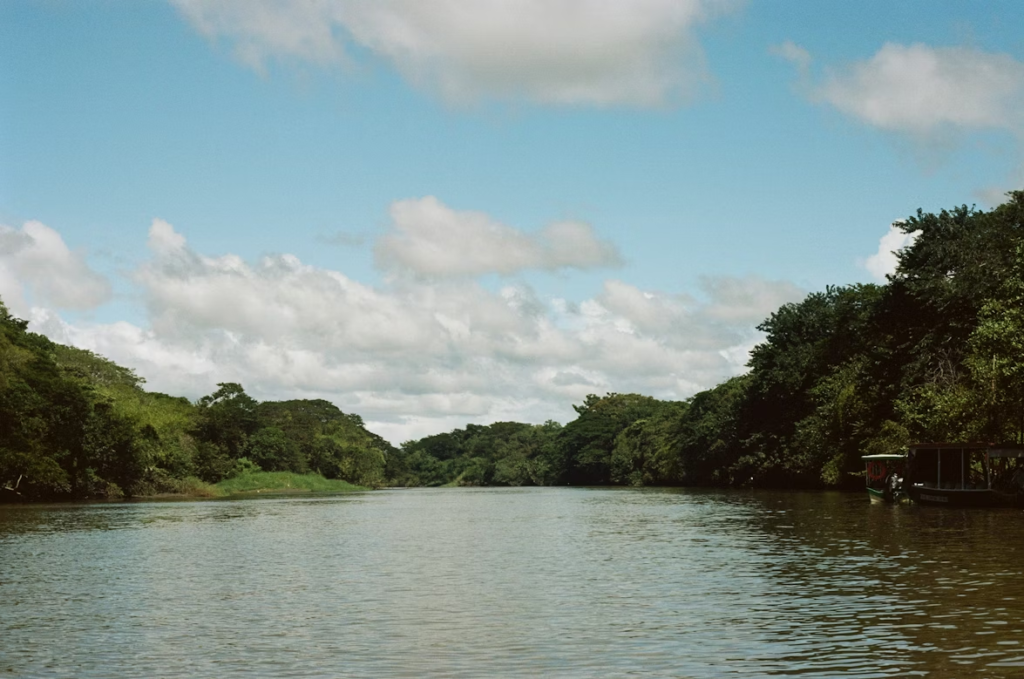
The Peruvian amazon is one of the most biodiverse ecosystems on Earth, but with ever escalating deforestation primarily driven by illegal mining and agriculture developments, this may cease to exist in the future. Between 2001 and 2014, Peru approximately lost 1.65 million hectares of forest, with a sustained rise in recent years (Finer and Novoa, 2015). In Madre de Dios, informal gold mining alone has caused forest losses exceeding 43,000 ha since 2000 (Finer and Novoa, 2015), accompanied by sever mercury contamination and biodiversity decline (Asner et al., 2013; Swenson et al., 2011). Similarly, agricultural expansion for palm oil and cattle ranching has accelerated forest clearing, with legal loopholes reclassifying forested land as “degraded” or “agricultural” (Environmental Investigation Agency [EIA], 2015). These activities erode ecosystems, emitting large quantities of chemicals and gasses into the environment, whilst simultaneously endangering indigenous territories.
To an existent, Peru has attempted to elevate these environmental issues through legal mechanism and policy frameworks. The Forestry and Wildlife Law (Law No.29763) and the Framework Law on Climate Change (Law No. 30754) establish legal foundations for sustainable forest management and climate governance. But the continuous deforestation highlights the need for further reformations and stronger enforcement. Future reforms could enable a National Anti-Deforestation statute specifically aimed at mining and agriculture through environmental zoning, helping prohibiting land use change in high value conservation areas. Furthermore, through the expansion of indigenous land titling there would be enhanced community participation and forest stewardship, aiding the enforcement of conservation laws. Additionally, a National Traceability Law for gold and other agricultural commodities would reduce the illegal extraction of materials and ensure transparency across the supply chain. Implementation of a model similar to the German Supply chain act (Norton Rose Fulbright, 2024) could reap benefits, creating legal responsibility whilst the improving public information of goods.
Asner, G.P., Llactayo, W., Tupayachi, R. and Luna, E.R., 2013. Elevated rates of gold mining in the Amazon revealed through high-resolution monitoring. Proceedings of the National Academy of Sciences, 110(46), pp.18454–18459.
Environmental Investigation Agency (EIA), 2015. Deforestation by Definition: The Peruvian Government Fails to Define Forests as Forests. Washington, D.C.: Environmental Investigation Agency.
Finer, M. and Novoa, S., 2015. MAAP: Patterns and Drivers of Deforestation in the Peruvian Amazon. Monitoring of the Andean Amazon Project (MAAP).
Swenson, J.J., Carter, C.E., Domec, J.C. and Delgado, C.I., 2011. Gold mining in the Peruvian Amazon: Global prices, deforestation, and mercury imports. Environmental Research Letters, 6(4), pp.1–7.
Envol Vert, 2023. Peru’s Battle for Amazonian Forests: Controversial Law Amendment Threatens Environmental Protection. [online] 8 June. Available at: https://envol-vert.org/en/news/2023/06/perus-battle-for-amazonian-forests-controversial-law-amendment-threatens-environmental-protection/ [Accessed 21 October 2025].
Climate Laws Organisation, 2018. Framework Law No. 30754 on Climate Change. [online] Available at: https://climate-laws.org/document/framework-law-no-30754-on-climate-change_688f [Accessed 21 October 2025]. Norton Rose Fulbright, 2024. The German Supply Chain Act: Overview and the Practical Challenges for Companies. [online] Available at: https://www.nortonrosefulbright.com/en/knowledge/publications/ff7c1d04/the-german-supply-chain-act [Accessed 21 October 2025].