
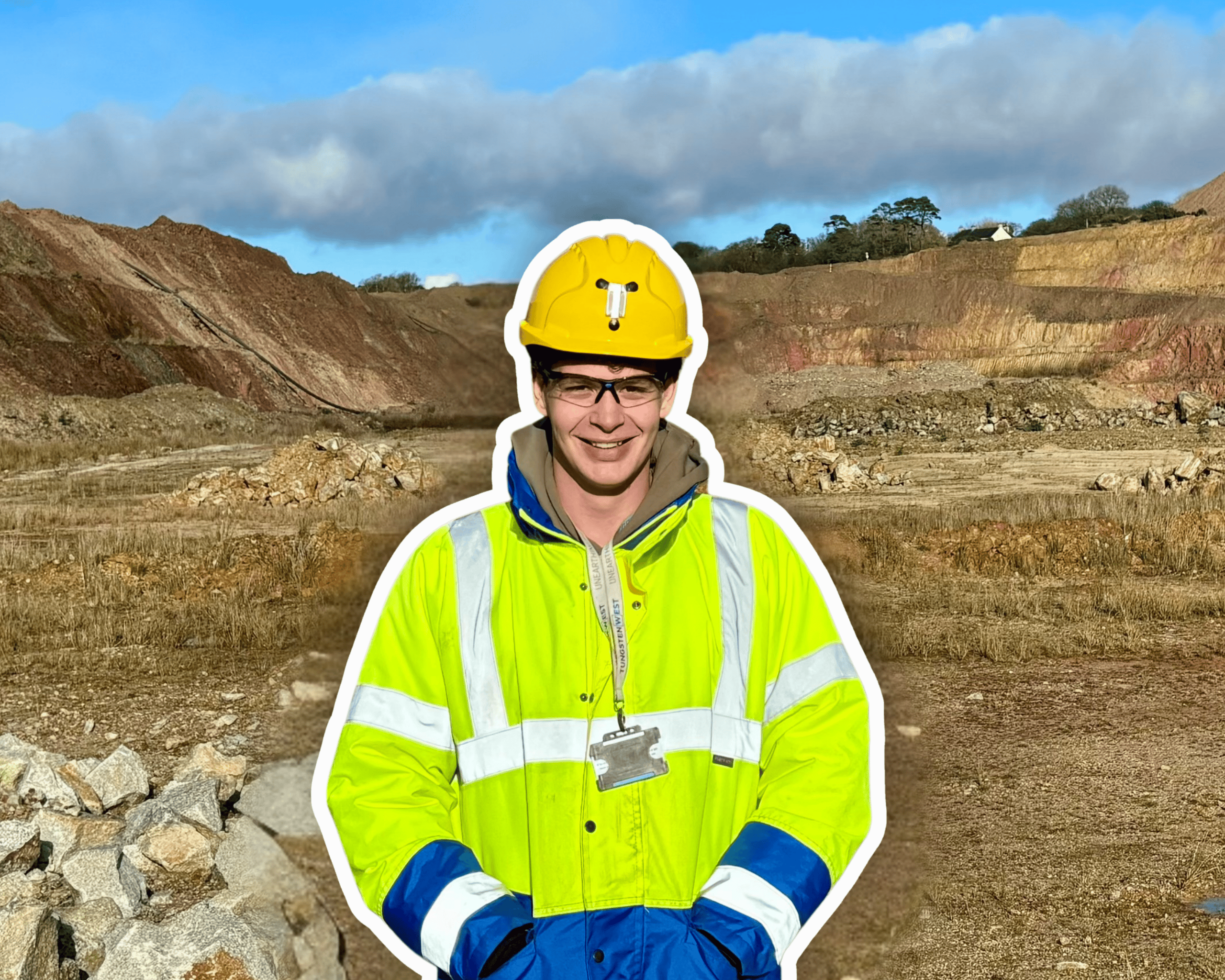
I’m studying an MSc in Mining Environmental Management, at the Camborne School of Mines (CSM), University of Exeter. I did my undergraduate degree in Ecology and Conservation here at the University’s Cornwall Campus. I had a lot of optional modules I could choose from, including one called ‘Mining, Sustainable Development and Politics’. I thought that mining and sustainable development seemed paradoxical, so I decided to see what it was all about. It was led by Aveen Hameed who is also the Director of Education for CSM. I enjoyed the topic so much that I decided to pursue a master’s in Mining Environmental Management, which is an internationally unique environmental mining course, which is pretty special.
Ecology has always been my interest, so I received some judgement from my peers about choosing a mining masters! However, I think it’s important to engage with environmentally harmful processes, because that is where the most positive change can be done. The mining industry is already doing a lot of positive but there is a lot of progress still to be made. With the transition to sustainable energy, we’re going to need a lot of critical minerals and so continued mining is crucial for our sustainable future.
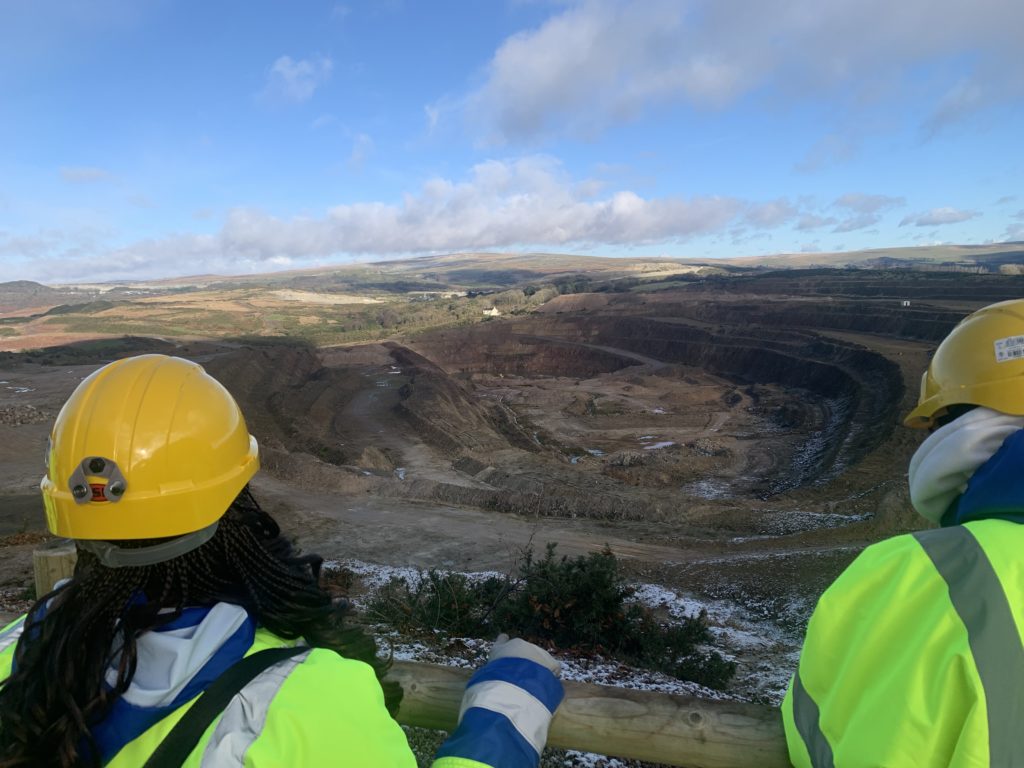
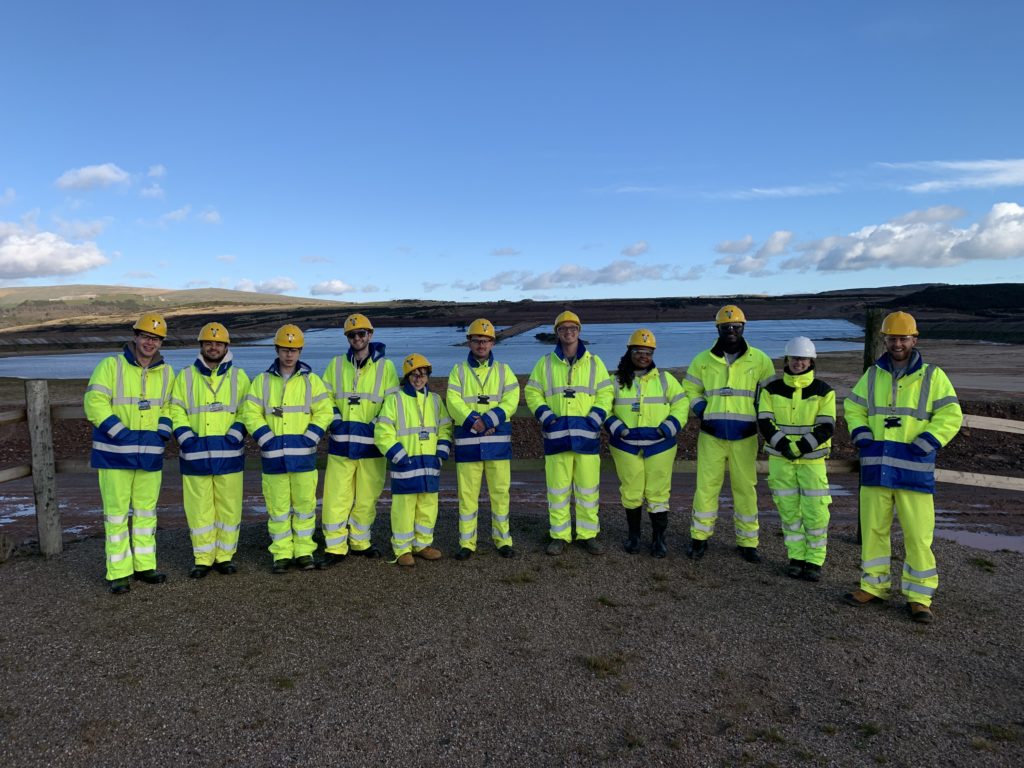
One highlight of the course so far was our visit to Tungsten West Mine. We have more field trips in the pipeline, but this one was particularly interesting, it’s the largest tungsten project in Europe and is just outside Plymouth. We went with the students on the Minerals Processing MSc and were able to see what a mine actually looks like which you’d never normally see without working there. The mine is preparing to scale up so we were able to see the whole processing plant, the pit itself and talk to their Environment Officer about how the permitting works to make sure everything runs okay. It really brought together the whole mining process that we’ve been learning about in the classroom, seeing the content from lecture slides right in front of us. My main takeaway from the trip was understanding that it takes a lot of different expertise to get a mining project off the ground. It pulls together people from engineers, environmental considerations, community engagement, geologists but also outside companies to drain water, transport logistics, you name it.
I’m embracing learning completely new things at a masters level. We cover a broad range of topics because that’s what is necessary to be an effective environmental manager in the mining industry. You get an understanding of what everyone in the mining process is doing and what the impacts of that are. When starting the masters, all the MSc students within CSM have ‘mining in a week’ where we have an intensive crash course on everything within the industry. I’m only in my first term but I’ve learned about minerals processing which is basically how to crush rocks to get what you want out of them. I’ve learned about geology which is completely new to me, and I’ve had to learn about the financing of mining projects and mineral life cycles. A lot of people on these courses are like me and don’t come from a mining background, but the course is designed to bring everyone up to speed. The academics are on hand to support, and I think even if the course size was much larger, they would still provide one on one support if you needed it.
One of my favourite things is that there is flexibility to take your studies in any direction, making it the master’s you want. The dissertation is a big proportion of our assessment, and you can choose what area you research. The other is that we get to study in pretty small classes with truly world class lecturers. I had a class with Karen Hudson-Edwards who studies mine waste and she mentioned one of her papers and it turns out she’s the sole author of paper in Science, it’s incredible to be able to ask academics who lead in their field questions and have small group discussions. I’m due to go to Resourcing Tomorrow which is a big mining industry conference where I can network with professionals, I was even able to get a bursary to go. This is just after the Minister for Industry in the Department for Energy Security and Net Zero launched a government strategy from campus. Studying Mining Environmental Management feels like a front row seat to the delivery of clean energy and sustainable development, which I think is a rare opportunity that I can’t imagine getting on any other course.
Alex Bonavero Chahri, MSc Mining Environmental Management
Alex studies within the University of Exeter’s Graduate School of Environment and Sustainability, which brings together experts from across the spectrum of earth and life sciences, engineering, humanities, social sciences and business. Our programmes are all designed with a focus on developing solutions to global challenges and creating a better future for our planet and its people.
Follow us! 👇