
The Centre for Magic and Esotericism
The Centre for Magic and Esotericism
Posted by vk290
21 January 2026This post starts off a brand new series on the Magic Centre blog. To read more as they come out see it’s homepage here! If you or someone you know in the centre would like to take part, please message Vic at vk290@exeter.ac.uk
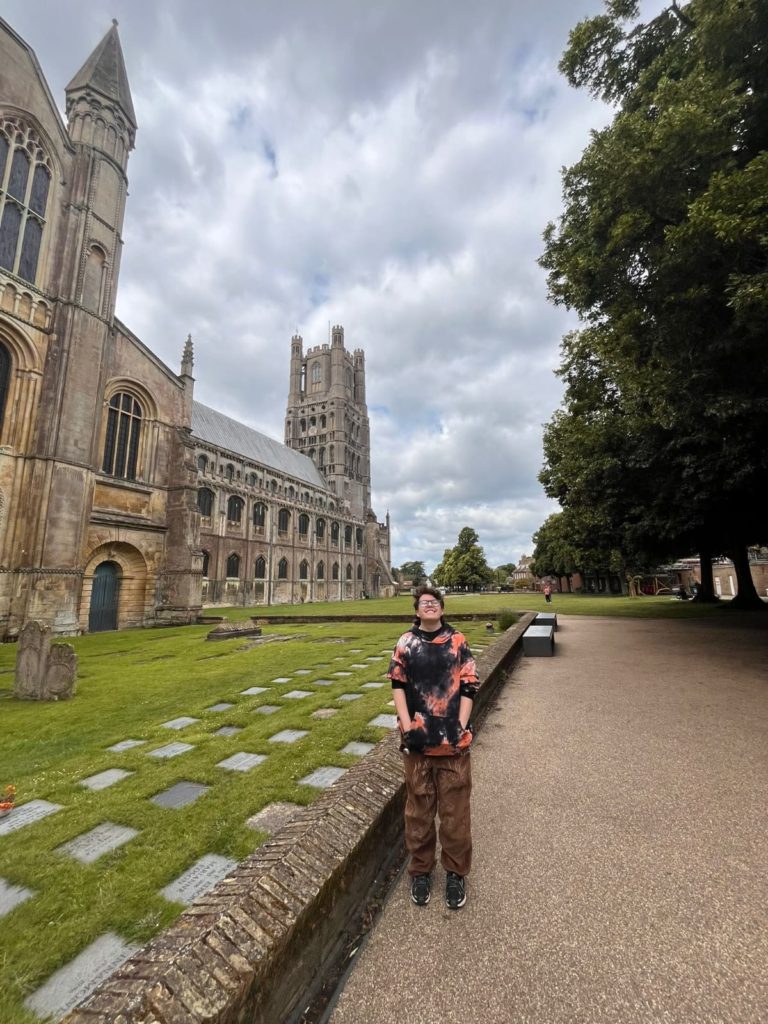
Recently, I sat down with Charlie Clark (they/he),a second-year PhD researcher at the IAIS Centre of Magic Studies, in the Ram Bar to talk all things Jewish magic, museums and what happens when you decide to follow the academic path that genuinely excites you—even when it raises a few eyebrows at home
(something that certainly a lot of us can probably relate to!)
Charlie’s research focuses on Jewish magic and everyday religion, particularly what their intersections reveal about the daily concerns and social interactions of specific cultural groups. What stands out immediately is how human their approach to magic is. Rather than treating it as something strange or marginal, Charlie examines magic as a tangible part of ordinary life; one that exposes anxieties, invites humour and addresses relatable problems, even from a modern perspective.
Alongside their doctoral research, Charlie is also deeply interested in museums and heritage. They’re particularly drawn to questions around who owns objects, how they move through museum spaces, and what those movements say about where heritage belongs. It’s an area they’ve found themselves increasingly pulled toward during their PhD, one they feel isn’t talked about nearly enough.
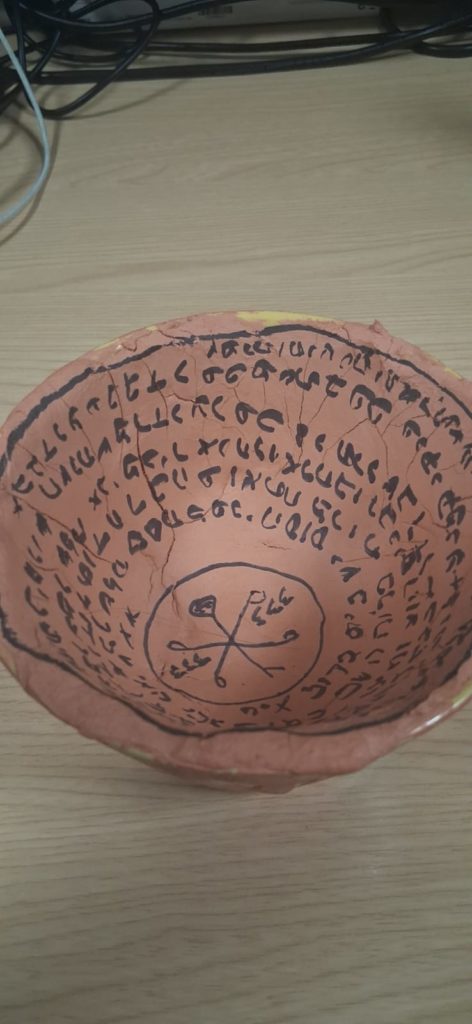
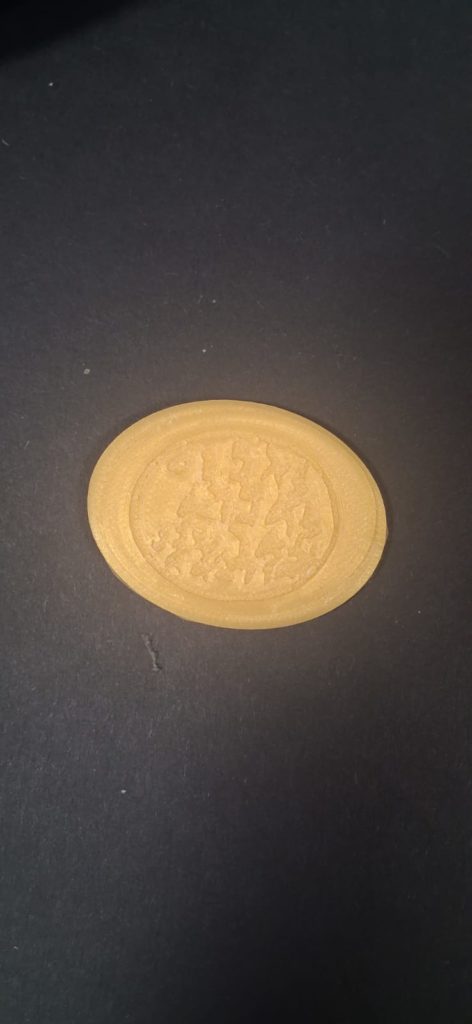
Charlie’s shares with me how their route into magic wasn’t planned from the start, but it also wasn’t entirely accidental. They came to the field through theology, with a strong interest in Abrahamic traditions and, especially, in hearing individual stories rather than subscribing to top-down religious narratives.
Things really clicked during their undergraduate degree at the University of Bristol, when Anne Burberry came to teach a course on magic and the Abrahamic religions.
“I fell in love,” Charlie says.
From there, magic became the focus of their undergraduate thesis and later their research master’s in religion. Although Charlie describes themselves as having taken a fairly orthodox academic route—having known they wanted to do a PhD from a young age—magic kept resurfacing (as it often does!)
“Magic appeared in my life and I thought, fuck it, let’s go.”
Within their research, Charlie works with Ancient Greek and is also currently learning Arabic, which they describe as “tough, but a beautiful language.” For them, languages aren’t just technical tools; they’re a way of opening up new worlds, texts, and perspectives that shape how magic and religion are understood. It’s wonderful to hear them describe a recent lesson they had where they revel in the small but meaningful details that make the magic centre, within the Islamic and Arabic Institute, a special place to be.
When I asked Charlie what advice they’d give to students interested in studying magic, they didn’t hesitate.
“Don’t be worried about what people think,” they said. They talked honestly about how some people in their family (particularly those erring on the more traditional side!) were initially concerned about what studying magic might mean. But, thankfully, those worries didn’t last.
“People will be enthusiastic and get on board,” Charlie explained. “My grandma got fully into it!”
For Charlie, the field is simply too interesting to avoid because of other people’s expectations. If it excites you, they think it’s worth taking seriously.
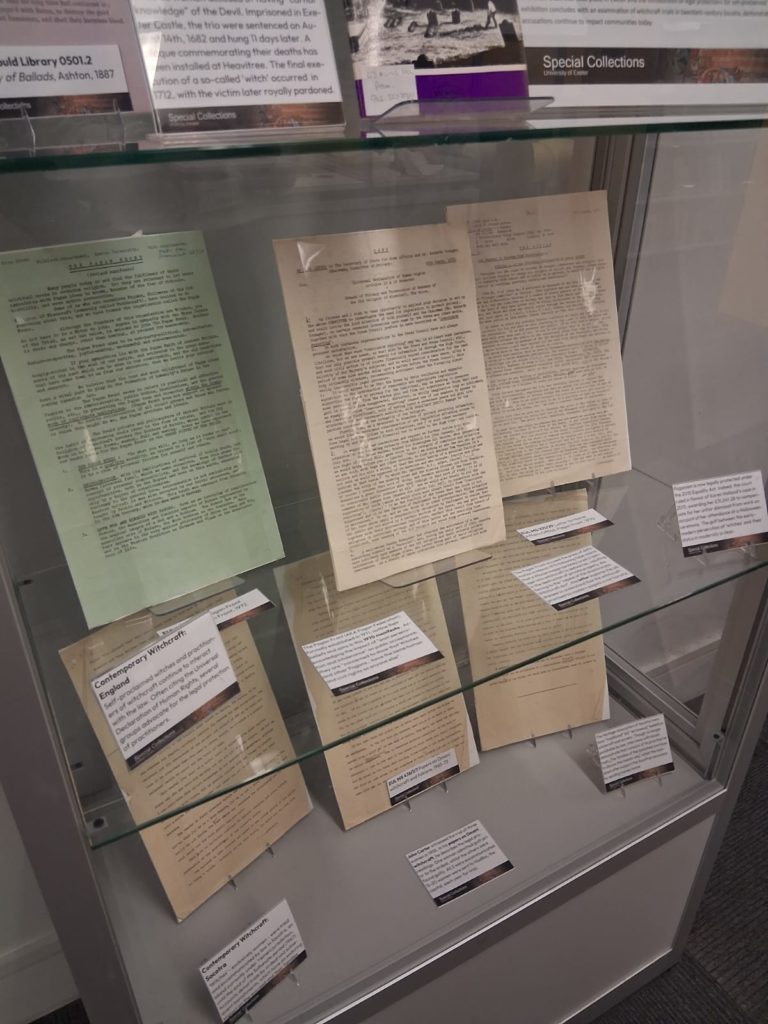
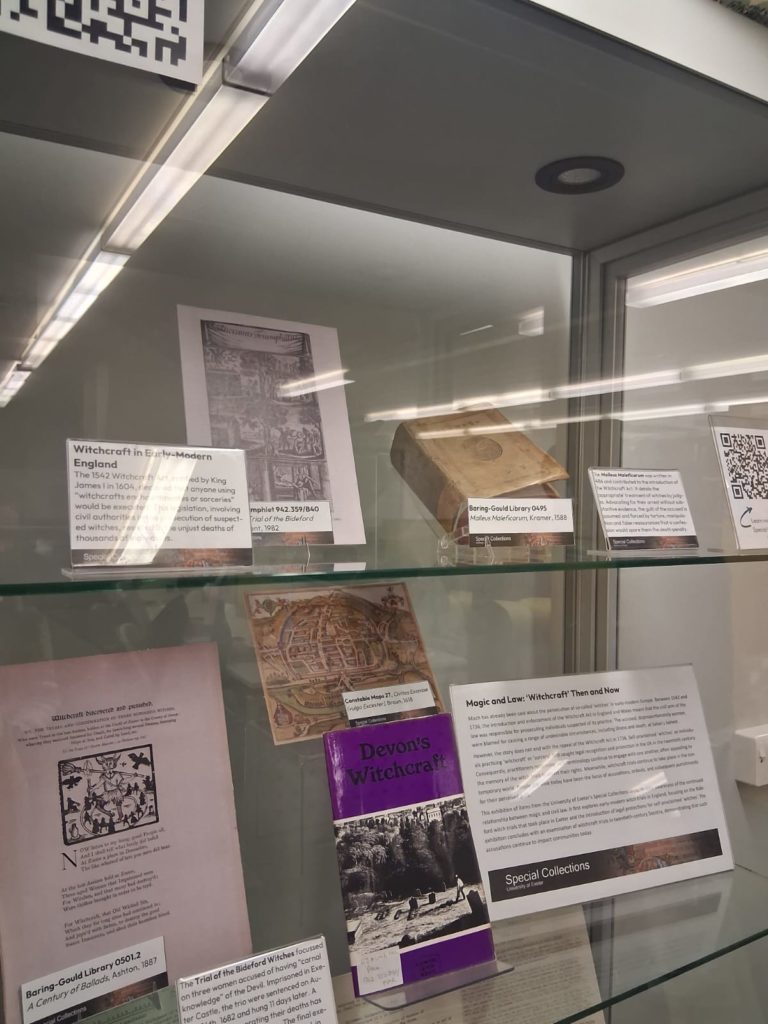
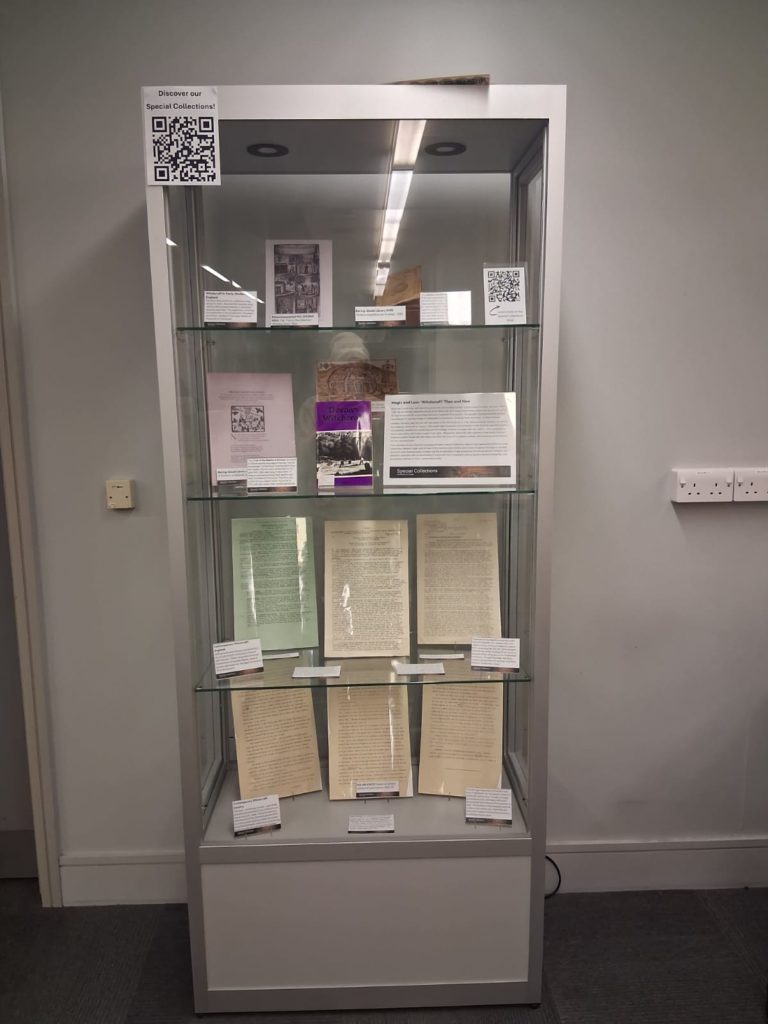
Now 2 years into their PhD journey, Charlie has found their interests expanding beyond texts alone. They’ve become increasingly drawn to heritage and object studies (see above), especially the movement of objects through museum spaces and the ethical questions that come with that movement.
It’s work that bridges scholarship and public engagement, and it’s where Charlie hopes to head next. In five years’ time, they see themselves either in a postdoctoral role or working within the museum sector, continuing to think critically about objects, heritage and the stories we tell about the past.
If you’d like to hear more about Charlie’s work, they’re happy to chat and can be contacted at cc1370@exeter.ac.uk.