
Posted by e.m.vine@exeter.ac.uk
24 February 2026For this blog we gratefully acknowledge the help of our Bluesky community, particularly Dr Helen Newsome-Chandler, Professor Laurie Johnson, and Professor Tracey Hill, who tackled our palaeography conundrum and identified our ‘Eyrye of Swannys’.
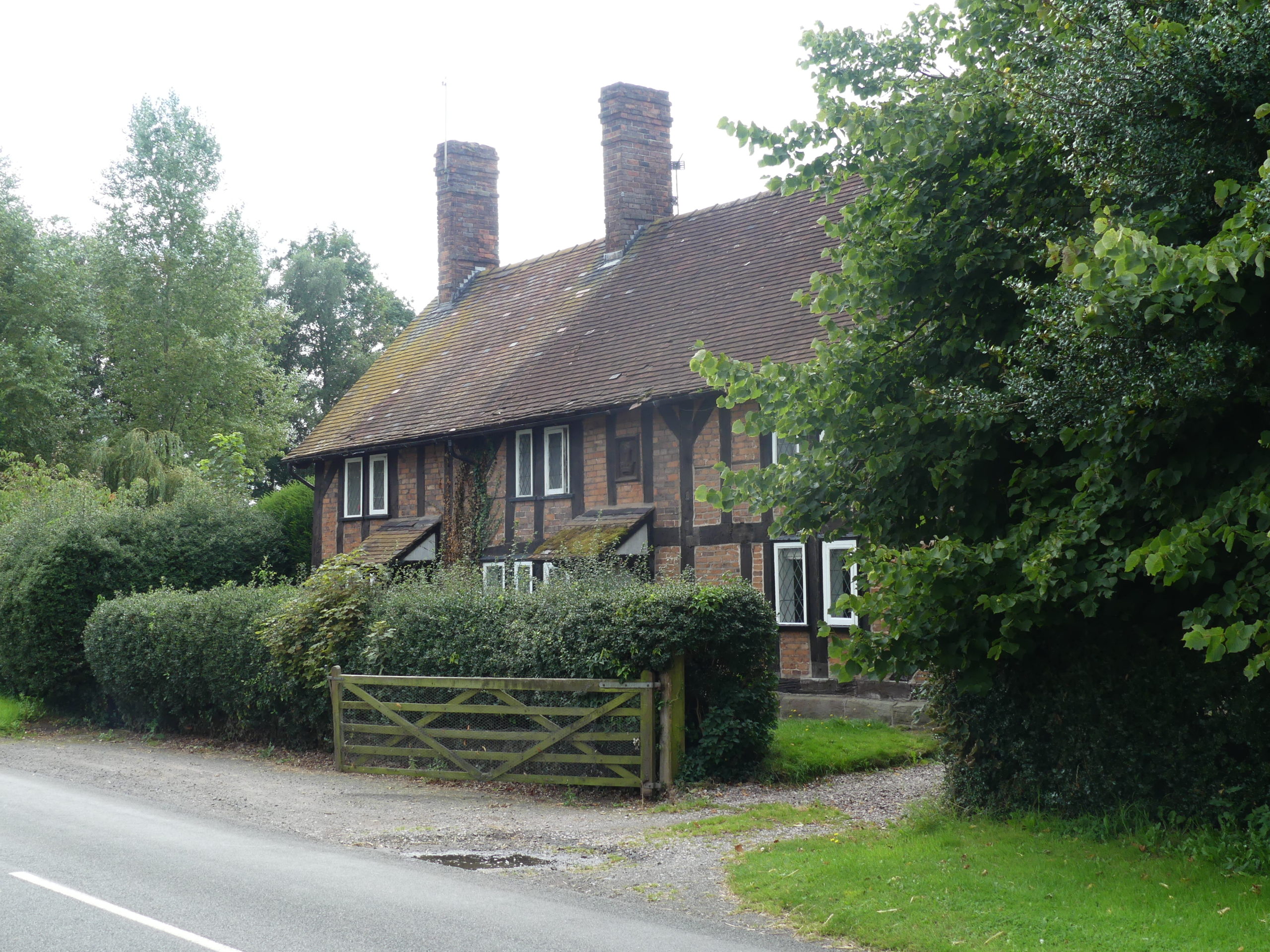
This month’s testator is John Spurstowe ‘esquier’, whose will was proved in 1540. This document provides an insight into the life of a Tudor landowner with many obligations, and a large amount of money, clothing, furniture, animals, and personal possessions to disperse. John lived in Spurstow, near the village of Bunbury in Cheshire. His family home was Spurstow Hall, the largest home in the area, which subsequently burnt down or was destroyed in 1757. Spurstow itself did not have a church, and John asked to be buried in the Bunbury church ‘in saincte Katernes Chappell ny unto my father and my wyves’. He set out his hopes for an elaborate funeral monument: ‘An Alaburstone bought with a pictur of me & my ij wyves and all my chyldern on yt.’[1]
‘gevyn unto them on my free wyll’
John Spurstowe’s will reveals that there were at least nine children to be included on the monument. He appeared to have a difficult relationship with his eldest son Randal. In his will he forgave the money Randal owed him, including £3 ‘I lent hym when he went to london’. Spurtstowe hinted at his fears that Randal ‘refuse and will not be bounde unto my executor’ – that he would obstruct or come into conflict with others trusted to execute the will, who included Spurtstowe’s cousins and son-in-law. A bequest towards the end of the will emphasised some of Spurstowe’s concerns: ‘I pray my Sonne Randull … wyll not hurt my poor tenantes whiche hath payd me ther income all redy’. He continued almost pleadingly: ‘& Also to remembr howe kynd I have byn to hym’. We get the sense of Spurstowe’s awareness that his will was his last opportunity to shape his son’s behaviour, and to instil in him the conduct and sense of duty befitting a local landowner.
While Randall appeared to be Spurtstowe’s only surviving son, the testator also named eight daughters. Spurtstowe suggested that if any of his daughters ‘be not content’ with the sums of money ‘gevyn unto them on my free wyll’, then her portion of the inheritance should be rescinded and divided amongst her sisters instead. Some of his daughters were married, whilst others were not, although it appeared that their future husbands had already been chosen. He referred to two of his daughters as ‘Marget Rutter and Elnore hase’, but suggested they were not yet married, and that payments would be given at the time of the ‘maryages of the said Margret and Elinore unto William rutter and thomas hase’.
‘my best bed save one’
The will provides an interesting insight into domestic arrangements. Spurstowe’s daughter Margery Cuny received ‘toward the brynginge up of hir Chyldern xxli markes and Also my best bed save one and all my flaxe hempe yern’. Margery and her husband apparently owed her father for meals eaten in his household, a debt that he was willing to forgive. They had not paid for meals from Michaelmas (September) to January (when the will was written), but he was willing to continue the arrangement, and allow them to ‘have breade drincke fleshe a parler at this howse other the grene parlor or the old parlour whether they will those frome Ester unto mydsomer’. The fact that he specified the parlour in which they would receive their meals suggests that they were entitled to eat in the household, but they could not lodge or live there.
‘my broken swerd whiche was his Graundfathers’
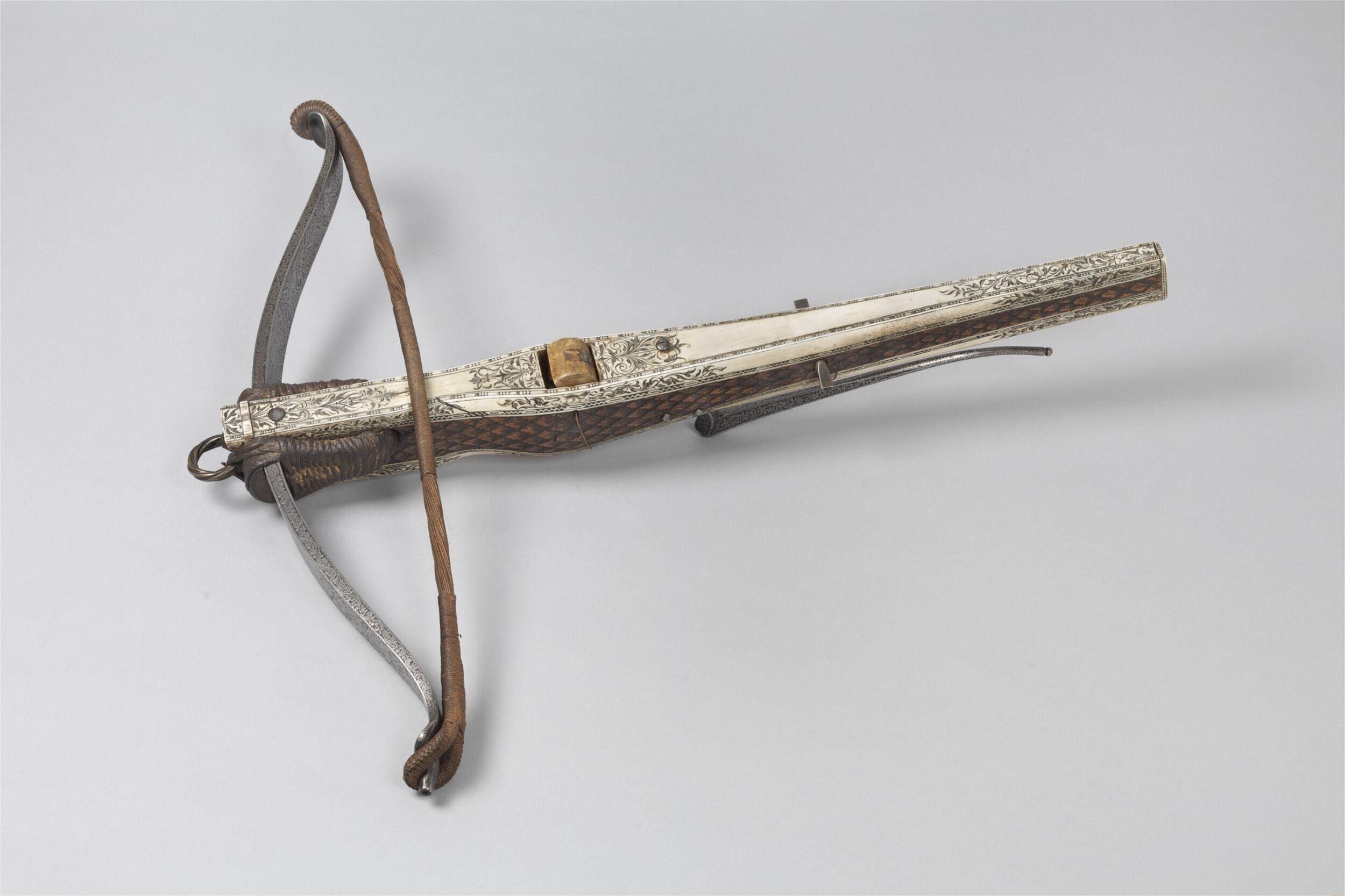
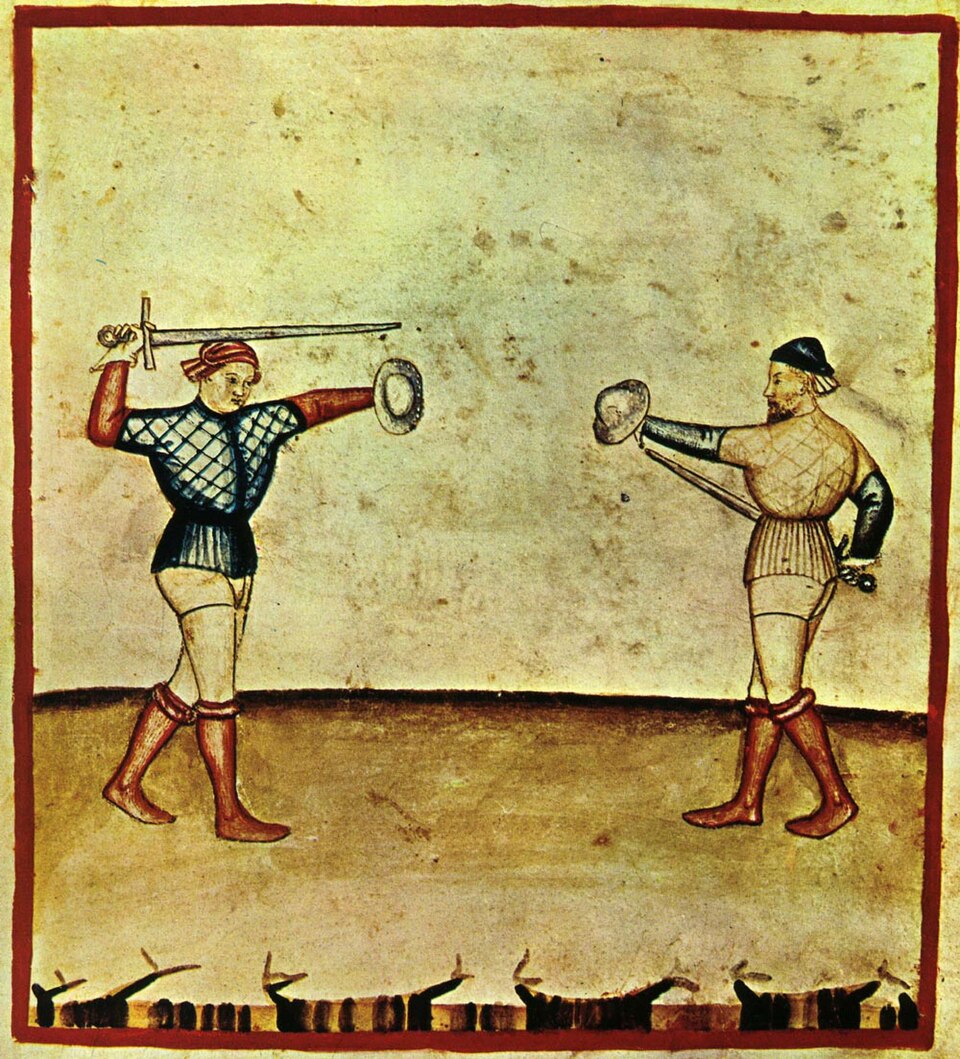
Spurstowe’s will mentioned several weapons that could have been used for both combat and for hunting, and which reinforced his standing as a gentleman engaged in martial pursuits.[2] To Thomas Spurstowe he left ‘my swerd and my bockler’, a sword and a small round shield, which would be held by a handle, and used in hand-to-hand combat as well as fencing.[3] Sir John Doone received ‘my Crosse bowe and all that longyth therto’. Crossbows were often used in hunting in the sixteenth century. ‘Rauf Doone’ received ‘my broken swerd whiche was his Graundfathers’, presumably a sword used in the fifteenth century, and to his son-in-law Thomas Hase he left ‘my wood knyf’. He left to his godson Richard Spurstowe his ‘best Cappe’, ‘all my ffurres of fox to furre him a gowne’, and ‘my Ruet horne’ – a small, early wind instrument, perhaps also used in hunting.[4]
If Spurstowe’s ownership of weapons reaffirmed the character of a gentleman landowner, then so did his dispersal of large numbers of animals. Some of these animals were given to children: ‘lytyll Aldersaye’ received a little cow, ‘A hayfor calf of twelve monythe olde’, and Edwarde Salysburye received ‘a wenynge Calf to be put to his use as hys mother thinkes best’. Some beneficiaries were left ‘half’ an animal. The ‘master warden of bunbury & John Aldersay the younger’ were left ‘my stonyd horse betwyxt them’, although Spurstowe conceded ‘yf John have not half the horse then I will that he have the welshe gelding’.
‘an Eyrye of Swannys’
Yet the most interesting animals mentioned were not livestock. Spurstowe left his cousin Hughe Aldersaye (a three-time mayor of Chester) ‘an Eyrye of Swannys’ (a nest or brood of swans). An ‘eyrar’ is an obsolete word for a brood of swans, and the reference in Spurstowe’s will predates the earliest example of this word referenced in the Oxford English Dictionary (also from a will) by eleven years.[5] Spurstowe specified the exact group of swans, which was in ‘prest lande poole’, presumably a pond owned by his wife Margaret Prestlonde’s family.
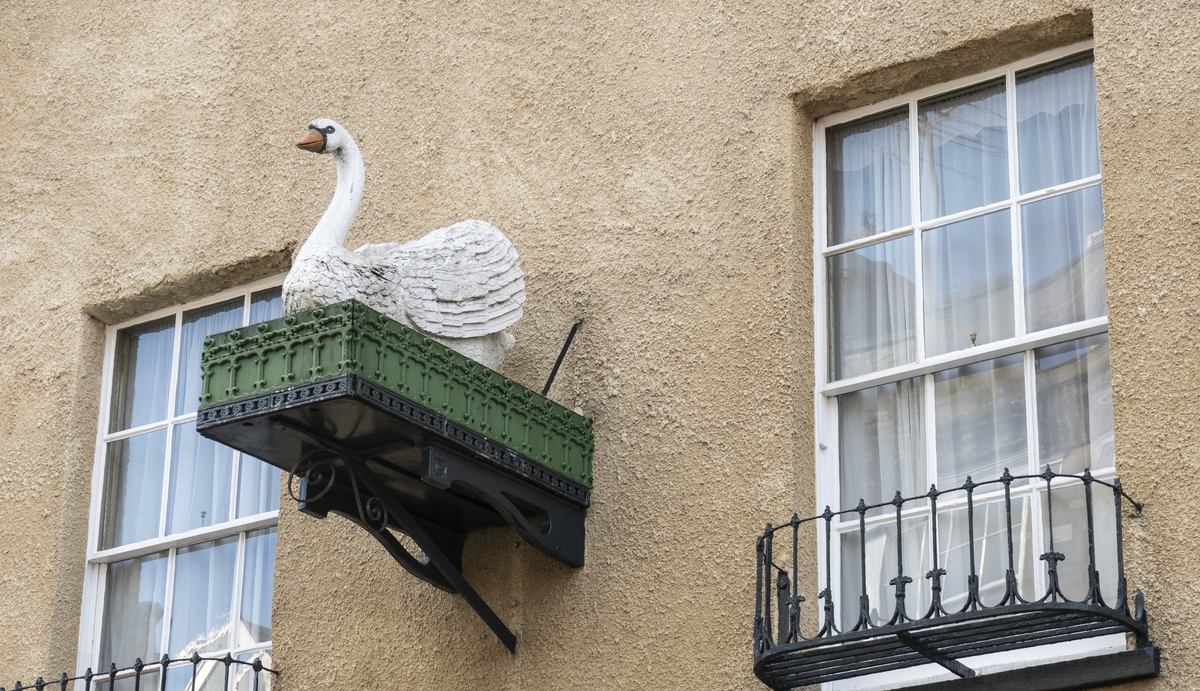
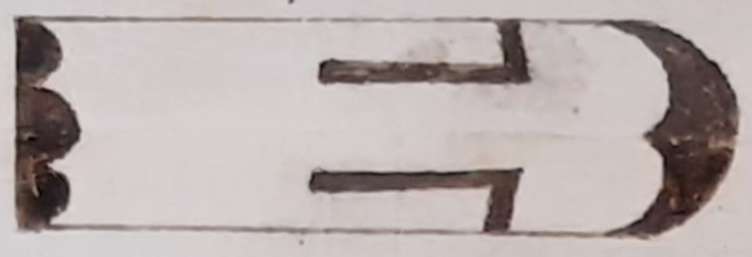
The law on swan ownership was more complex than for other animals.[6] Swans were high-status birds, prized for being graceful, occasionally eaten on special occasions, and their feathers used to make the highest quality quills. There were restrictions on disturbing nesting swans or stealing eggs, and the monarch had ownership rights to ‘unmarked’ mute swans.[7] ‘Marked’ swans would have distinctive notches carved into their beaks to signify they were owned by a particular individual. A 1483 Act of Parliament (22 Edw IV c.6) stated that swan-marks would have to be granted by the Crown, but that the owners could pass down swans, and the right to use a swan-mark, to their heirs.[8] This ensured that swan ownership remained exclusive, and that owning and indeed inheriting a swan would be a status symbol.
An English swan mark from 1638, granted to John Hobart of Weybread, Suffolk, indicating the design of notches to be etched or cut into the beaks of all swans owned by him. https://en.wikipedia.org/wiki/Swan_mark#/media/File:SwanMark_1638_Suffolk_England.png
‘I trust he shall Cheve the better’
John Spurstowe’s will is eclectic: second-best beds, broken swords, and fox furs feature alongside little cows and nests of swans. His will is ultimately about upholding status: the status of a landowner with connections to the mayors and aldermen of Chester, a gentleman who owned weapons, who hunted and sparred, and—the ultimate status symbol—who had a Royal grant to own and bequeath swans.
As befits a gentleman, there’s a sense of paternal obligation and duty to his local community: he forgave many debts or unpaid rents, he left bequests of clothing or individual horses and cows to large numbers of people, including to children, and he expressed concerns about his ‘poor tenants’. Many of the conditions or caveats mentioned in the will were also about the maintenance of status and indeed, attempts to determine the fitness of those who would inherit that status. ‘I trust he shall Cheve the better’, wrote Spurstowe about his son, a word which could mean ‘succeed’ ‘prosper’ or ‘to make one’s way’.[9] Several clauses in Spurstowe’s will therefore seem to mitigate his worries about his heirs – his many daughters to be married and provided for, and his only son, who was seemingly lacking in some of the qualities his father had hoped to instil, and which he had hoped would be carried forth along with the family name.
In the name of amen In the yere of our Lorde god a thousande fyve hundrethe xxx
[new page]
ye eight day of January I John Spurstowe of Spurstowe esquier seke yn bodye and hole yn mynde this do
maike my laste wyll and testament ffurst I bequeith my soule to almightie god to our lady saincte mary and to all the
holye companye of heven and my body to be buryed yn bunbury Churche in saincte Katernes Chappell ny unto my
father and my wyves Also I give and bequeithe my chamlet gowne and my Crymson velvet Doblet to make
a vestment to sainct Kateryns Aulter Also I will that I have An Alaburstone bought with a pictur of me &
my ij wyves and all my chyldern on yt. Also I will yt my executors do maike or cause to be maide unto my
sonne Roundull as good and suffycyent Assurans as shall be devisede by the Counsell lernyde of the said Rondull
for them for the sute of An obligacyon to be sayd in ther names whiche ys in sute betwixt me the said John spurstowe
and Robert lee of hye see and other and that my forsaid sonne shall sewe the said obligatyon on his proper costes
and Charges at all tymes in the lawe and other wise havinge the profyttes of the recover to his proper use Also I
will yt my sonne Raundull shall be bounden with in suffycyent suertyes with hym by yt scripe obligatory unto my
executors in the Some of ane hundred markes to content and pay unto them xl markes of good and Lawfull mony
of england to the prefermet of the mariage of my doughter Isabell or otherwise when my executours shall call for yt
of my said sone Rondull and she to be maryed by the oversight of my executors and my Cosyne Edward Chelwall
Rychard Chelwol and humfre owen and the said some of fortye markes to be paide on daye whe my cosyn Edward
Rycharde and Humfrey shall call for yt Also my will ys that yf the forsaid Rondull my do refuse and will not be
bounde unto my executor as ys aforsaide for the contentacion of the forsaid Some unto my executors as is
aforsaid then my full minde and will ys that all such goodes and cattalles as I the forsaid John gevye that my
executours shall have and take in to ther handes to Distrybute to performe my will his heires boundes only except
and them to have as my father and other of my aunsitres have had be for tyme Also I geve my sonne Rondell
xj li which he borowyde of me and iij li yt I lent hym when he went to london Also I geve and bequeth to
my Dought margery Cuny toward the brynginge up of hir Chyldern xxli markes and Also my best bed save
one and all my flaxe hempe yern & the lesse Coffer in my closer and all yt ys in it Also I geve and
bequeithe to my doughter Elnor Spurstowe of shrowysbyry xx markes toward the brynginge upe of hir Childern
Also I give and bequethe to my doughter alys stukeley xli Also I geve and bequeth to my doughter Sissell
Reydinge xli Also I geve and bequeth to my Dourter Anne xli Also I geve and bequeith to my Doughte
Jane Sparrowe Marget Rutter and Elnore hase & to every one of them x markes towerd the brynginge up
of ther Childern and the paymetes therof to begyn at such tyme as the paymentes of the maryages of the said Margret
and Elinore unto William rutter and thomas hase befully contentyd and payd onlese in the meane tyme they
have great neade which then I remytt unto the dyscretyon of my executours Also I geve and bequeith to my
doughter Isabell xl markes to hyr mariage so that ye said Isabell be well gydyde rulyd & maryed by the
oversight of my executours and the payment therof to be made by the discretyon of myne executours as they
shall thynke nedfull for hyr Also I will that yf ony of this my forsaid doughters be not content
of thes forsaid sommes gevyn unto them on my free wyll then I will yt hir portyon or parte be distributyd
amonge other my dowters aforesaid by the oversight of my executours / Also I geve and bequethe to my sonn yn lawe
John Cunye my hertes skynn in my closett and All my blacke furres Also I do pardone him for the table of him & his wyff
from Myghelmas to this daye or ony other dettes otherwyse Also I will that he and his wyfe A man and a mayde
have breade drincke fleshe a parler at this howse other the grene parlor or the old parlour whether they will
those frome Ester unto mydsomer of my proper goodes at the Delyverance of myn executours Also I geve
and bequeith to my godsonne Richard Spurstowe my blacke gowne my Say Coote my best Cappe my best
velvet Coyffe my tawny velvet Doblet all my ffurres of fox to furre him a gowne my Ruet horne
and half the gardes of my chamlet gowne to gard him a Jacket Also I geve and bequeithe to Richard Cuny
and John Cuny eche of them a Calf of twelve monthe olde And also I geve and bequeith to Richard
Cunye a heyford of ij yeres olde Also I geve and bequethe to Thomas Spurstowe phylyx and Anthon
and to eche of them a twelve month olde Calfe Also I give and bequeth to Thomas Spurstowe my swerd
and my bockler Also I geve and bequethe to Thomas Sparrowe a wenynge Calf Also I geve and
bequeithe to Edwarde salysburye a wenynge Calf to be put to his use as hys mother thinkes best
Also I geve and bequeth to lytyll Aldersaye A hayfor calf of twelve monythe olde Also I give
and bequeth to Sir John Doone my Crosse bowe and all that longyth therto and the lytyll mony yt he
ovithe me Also I give and bequethe to master warden of bunbury & John Aldersay the younger
my stonyd horse betwyxt them And yf John have not half the horse then I will that he have the
welshe gelding Also I will that my Cosyn Rauff Doone of flaxe yerdes chose wether he wyll have half
the stonyd horsse or the welshe geldinge or the nagge Also I give and bequethe to Sir John Capper my ghostly
father vijs vjd to pray for me Also I geve and bequeth to my Cosyn Hughe Aldersaye of chester
an Eyrye of Swannys yn prest lande poole Also I geve and bequeth to Rycharde Downe my sonne in
lawe my best bowe and all my marke arrowe and half the gardes of my chamlet gowne to garde hym
a jacket Also I gyve and bequeth to my Daughter Kateryn Doone an olde Ryall wyche I let
hyr Also I give and bequethe to Rauf Doone of Duddon my broken swerd whiche was his
Graundfathers Also I geve and bequeth to my Coson John Aldersay the elder one of my mares
whyche he will chuse Also I give and bequethe to my sonne in Lawe Thomas hase my wood knyf
Also I give and bequeth to olde James mason my olde tawnye gowne Also I will yt all my
rynges weyde and so to make them owt iiij markes & to be bystowyd at the oversight of my Coson Rauf Doon of
flaxeyardes and sir Rycharde pristlonde to make ane horse pament betwyxt tropley and Clotton and yf ony of hyt
be lest to bestowe yt on the way betwext Clotton and Daddon wher they thynke best Also I give and
bequeth to Rychard flede A kowe the best he wyll chose amonge all my kyne & my Dagg and my say doblet
and a payr of hosclothe of blacke Also I give and bequethe to my Godson John mason A Donne
fylly Also I geve and bequeth to John Johnsonne of Anerley one of my blacke Cappes Also
I give and bequethe to Roger Chalver all his Rent whych he is behinde unpaide with iij stages &
[new page]
And ijs iiijd for hey money & vijs A Coote Also I pray my Sonne Randull one my blissinge that
he wyll not hurt my poor tenantes whiche hath payd me ther income all redy & Also to remembr howe kynd
I have byn to hym And he fulfyllinge my wyll I trust he shall Cheve the better Also I geve and bequeth
to harry mulners a payr of hose clothe of whyte carsey Also I geve and bequeth to old John garnet my flegge Coath
Also I geve and bequethe to Thomas garnett xjs wch he ys behynde with me for his rent Also I give and bequethe
to Richarde bolton xvijs iiijd whyche he ys behynd with me for shepe & mydsomer rent wych he ys behynde with me at thys
daye a Tawny Coote a dere skyne & Also Rent that he hath gatheryd of myn whych he ys behinde with me unpayd
Also I geve and bequeth to wyllym herne a wenynge Calf and a deres skyn Also I give and bequethe to
Robert Orell my blacke Cloke in my Closet and my blacke button Cappe Also I geve and bequethe to Willyam
garnet my blacke slevelys coote Also I geve and bequethe old wyllyam hankocson a Tawny sleveles Coot that ys
furryd in my best shoys and a payr of whyte hose and to Kateryn hys wyf an old kyrtyll of my wyves Also
yt is my will that vj blacke gownes be gevyn to vj poore men And as brynginge me home and other thynges
that Longyth to my buryall to be at the discretyon of my executors Also I beinge browght home my dettes
paid my wyll fulfyllyd that then all the reste of my goodes unbequethyde Be devideyd amonge iiij of my dawghters
yt ys to wyse my doughter Margery Cunye Elinor Spurstowe off ShrowsByry Syslye redinge and
Alys stukeley Also yt ys my wyll that my executours do come hether and have my Casket delyverd to them
by the handes of Sir John Capper my Goostlye father whyche hathe the key therof Also I wyll yt all my
dettys be payd beynge trulye knowyn and ther with I charge my executours and discharge me Also I do
ordeyn and make my executours Sir John Woodward warden of bunbury my Coson Rauff Doon of
flaxeyerds my Sonne in Lawe John Cuny my Cosyn Hugh Aldersey of Chester Alderman
my Cosyns John Aldursaye ye elder and John Aldursaye the younger to see that this my Laste wyll
be fulfyllyd Also I do make ym Sir John doon and my sonne Randull overseers that this my Last
will be performyd Thes beinge wytnes Str John Capper my goostey father and Curat Rychard Bolton and Thomas Garnet wyth other moo
[1] PROB 11/26/288 Will of John Spurstowe of Spurstowe, Cheshire 04 February 1540.
[2] See for example Jonah Staurt Brundage, ‘The Pacification of Elite Lifestyles: State Formation, Elite Reproduction, and the Practice of Hunting in Early Modern England’, Comparative Studies in Society and History 59, no. 4 (2017): 786–817, and, for a later period, Ben Jackson Material masculinities: Men and goods in eighteenth-century England, (Manchester, 2025).
[3] Oxford English Dictionary, “buckler (n.2),” September 2025, https://doi.org/10.1093/OED/8672789405.
[4] Oxford English Dictionary, “ruet (n.),” September 2024, https://doi.org/10.1093/OED/1713173827.
[5] Oxford English Dictionary, “eyrar (n.),” June 2025, https://doi.org/10.1093/OED/4203131270; ‘The Eyriars of Swannes vsynge on the blacke poole ‘, TNA PROB 11/34/401, Will of Dame Constance Ferrers, 17 October 1551.
[6] https://legalhistorymiscellany.com/2020/05/18/does-the-queen-own-all-the-swans/
[7] Bridget Martin, ‘The Protection of Swans down the Ages’, Journal of Animal Welfare Law, Summer/Autumn (2010) pp1-7 at p.2 https://www.alaw.org.uk/wp-content/uploads/2023/12/The-Protection-Of-Swans-Down-The-Ages.pdf Thank you to Dr Rebecca Brackmann for sharing this link.
[8] Act for Swans,22 Edw IV c. 6: The Statutes of the Realm Volume 2 (1377–1504), 474.
[9] Oxford English Dictionary, “cheve | chieve (v.),” September 2025, https://doi.org/10.1093/OED/2596582707.


