
Posted by Laura Sangha
22 December 2025Laura Sangha
As a bit of Christmas fun I decided to search The National Archives wills catalogue for people with festive names. As usual, an idle browse through the catalogue actually sent me down some quite interesting avenues. Here is a little summary, offered in the spirit of the season!
Mr, Mrs and Master Christmas
A search for the surname Christmas turned up 69 wills from 1469 to 1798: 1 from the fifteenth century; 6 from the sixteenth century; 31 from the seventeenth century, and 32 from the eighteenth century. The earliest of these was the will of John Christemas or Christmas of Mistley, Essex, proved 21 October 1491 (PROB 11/9/34), the latest was the will of Richard Christmas, glazier and painter of St Paul, Covent Garden, Middlesex, proved 17 Jan 1798 (PROB 11/1300/147).
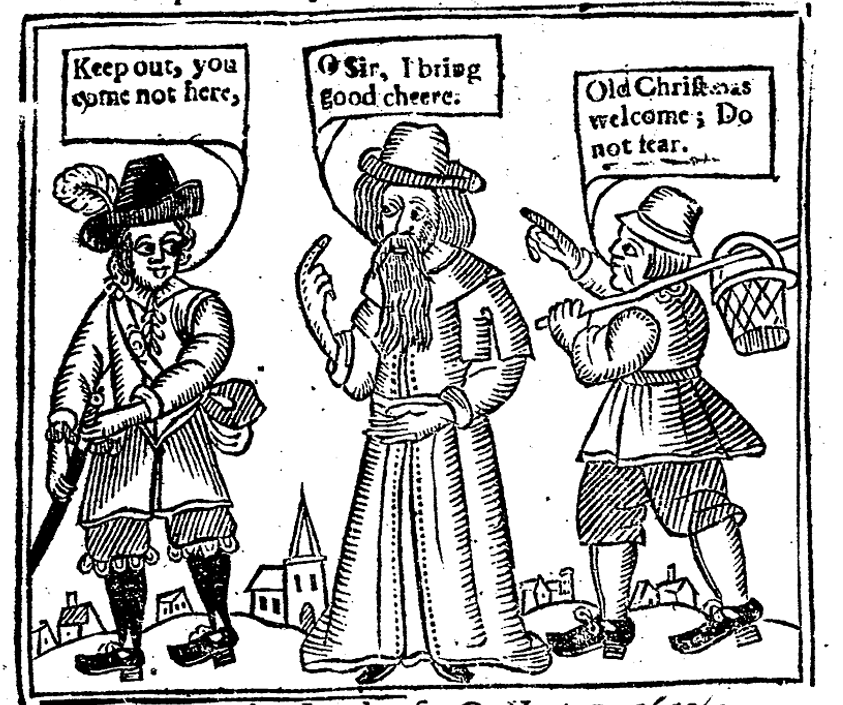
The Christmas clan were a very mixed bunch, their occupational identities included: husbandman, yeoman, servant, gentleman, singlewoman, clothier, merchant, joiner, innholder, cloth worker, white baker, widow, corn porter, wine cooper, haberdasher, mariner, boatwright, shopkeeper, weaver, gardener.
I sampled few of these wills but mostly they dealt with cash and property. One exception was that of Mathias Christmas, a joiner from Chatham in Kent (PROB 11/233/610). His will was proved on 1 November 1654 and contained some notable, if not very festive, material culture. He gave his brother ‘three of my best musketts one heade-peice and two payre of my best pistolls’, his brother’s son-in-law ‘one paire of pistolls and a Carbine’, another brother ‘one Fowling peece and my sett of silver buttons’ – perhaps the fact that his will was written not long after the end of the civil wars explains the presence of all this ordnance?
3 Turkeys
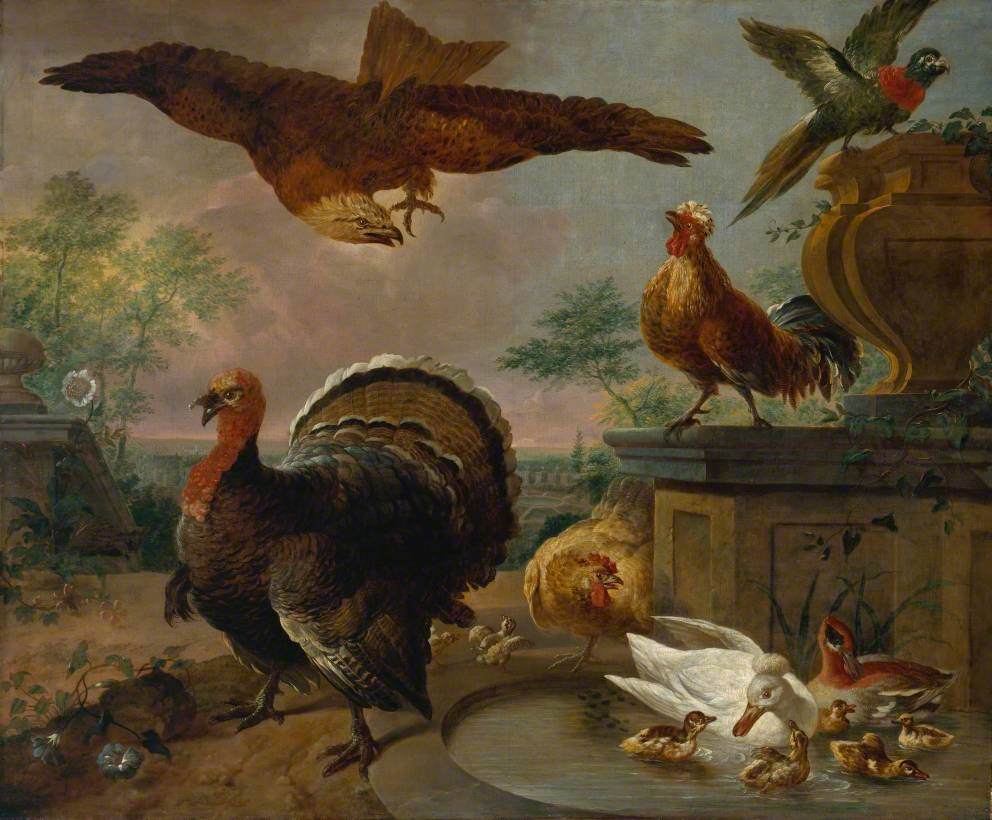
There are 3 people with the surname Turkey in the collection: Alexander Turkey, a London cook whose will was proved in 1671; John Turkey, a Cambridge fishmonger (1666) and the Cambridge widow Ann Turkey (PROB 11/335/561). In her 1671 will Ann bequeathed to her son Thomas her ‘best bedd bedstead bedding and furniture thereto belonging as it now stands in the chamber over the low roomes And alsoe one Table one cupboard one Trunke therein and one silver bowle in the said chamber’. Thomas Turkey was a minor at the time and it rather sounds like Ann was bequeathing him the contents of his bedroom.
3 Puddings
There are also 3 people with the surname Pudding: Christopher Pudding, a Suffolk yeoman (1582); Thomas Pudding, a Norfolk yeoman (1606); and William Pudding, a Norfolk gentleman (1658).
Gingerbread Johnson and the gingerbread bakers
That’s right, someone did indeed name their child after this delicious sweet treat – Gingerbread Johnson was a mariner of Wapping Stepney, Middlesex whose will was proved in 18 August 1720 (PROB 11/575/352).
Less surprisingly there are 36 wills by people with the occupation of gingerbread maker or bakers. The earliest will is from 1651, it is that of George Vergenson or Forgeson of Nightingale Lane in East Smithfield, Middlesex (PROB 11/217/277). George makes a cooper and victualler his executors suggesting the sorts of circles he moved in. The next will is from half a century later, and was made in Maidstone, Kent. The other bakers are almost all from London, Middlesex, Surrey and Kent, although there were a few in Bristol too. Four have a second occupation listed alongside gingerbread baker – there is a pastry cook, and a biscuit baker (naturally), a toy dealer (not children’s playthings but small ornaments, curiosities, trinkets especially those made of metal or alloy – buckles, snuffers, snuff boxes, fans etc) and … an armourer!
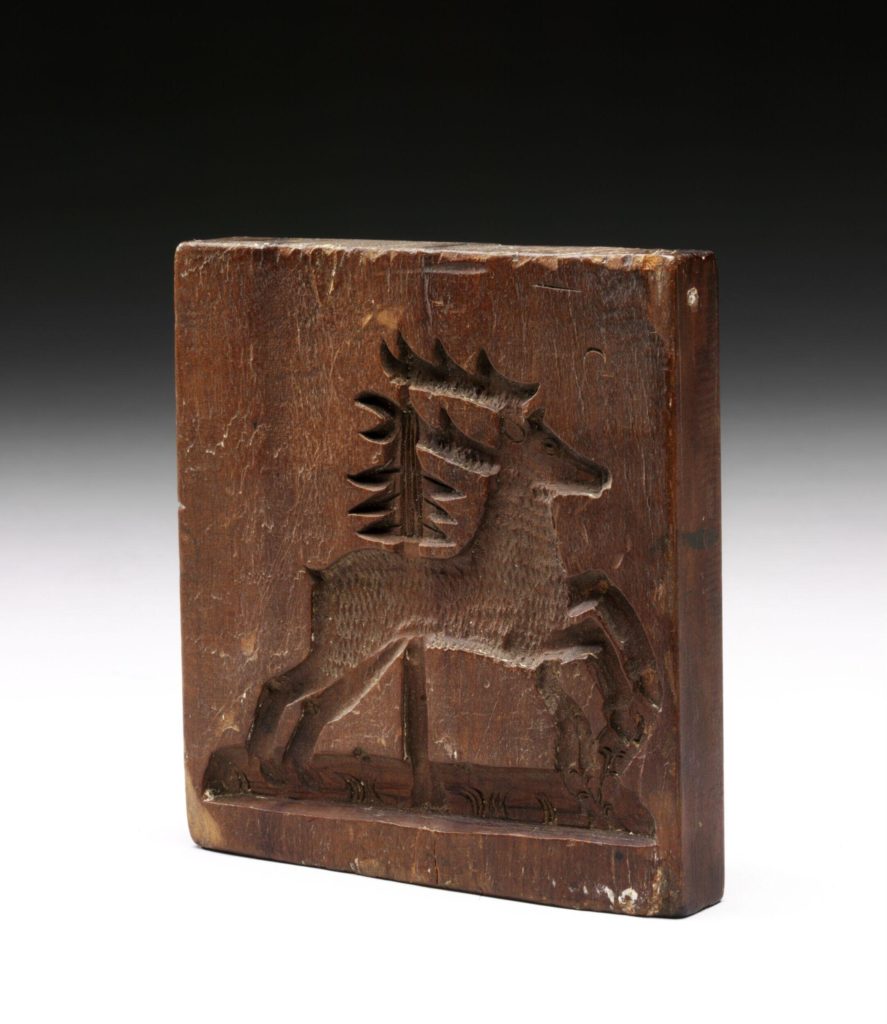
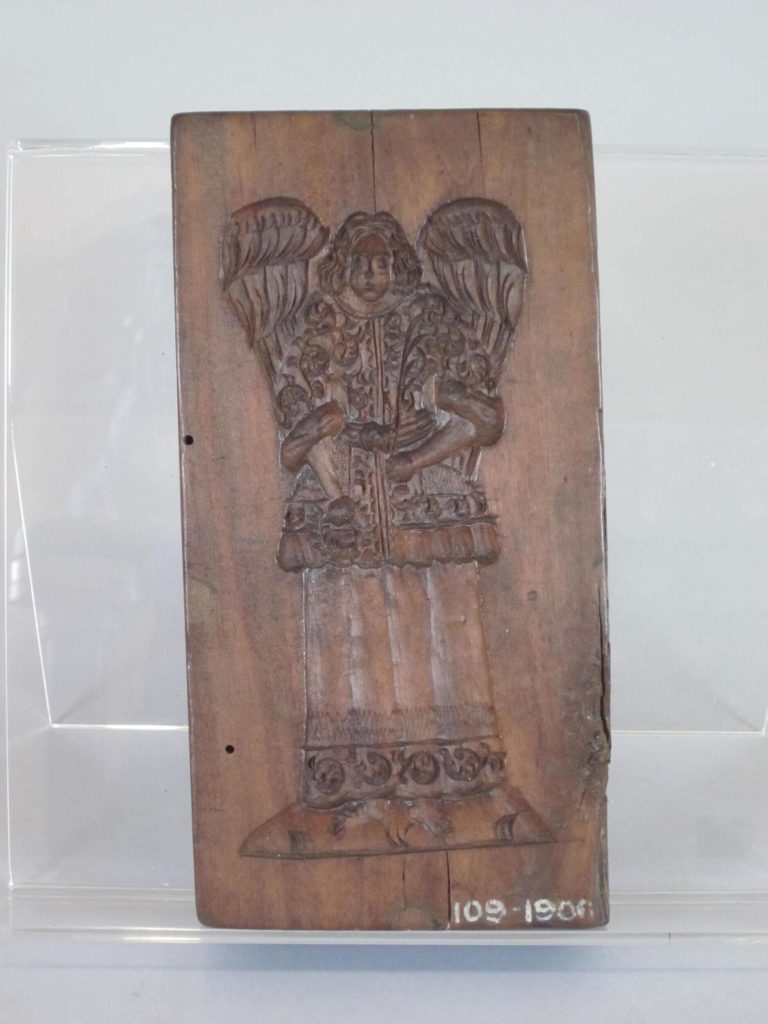
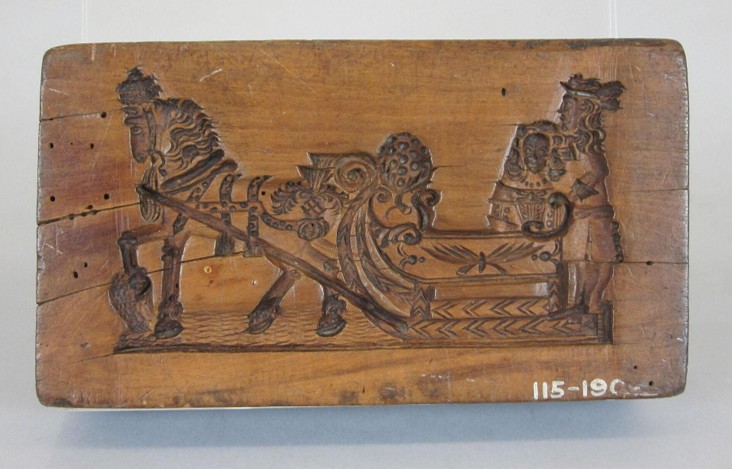
Many surviving gingerbread moulds have Christmas related motifs on them, such as this deer and angel. Wooden moulds, German. (L) c.1795-1850, V&A 112&A B-1906. (R) c. 1700-1800, V&A 109-1906.
The dutiful gingerbread daughter
The most interesting Christmas wills I found came up in this search: they belong to George Newton, a gingerbread baker of Saint Olave Southward, Surrey, will proved in April 1738 and Mary Newton, gingerbread baker also of Saint Olave, will proved March 1741 (PROB 11/689/19 and PROB 11/708/338). I assumed this would be an example of a widow taking over her husband’s trade after his decease (not that unusual), but George Newton’s will told another story. It says:
‘Whereas my two sons George Newton and John Newton have proved undutifull and profuse and have had of me several sums of money It is my will and mind and I direct and appoint that my Daughter Mary Newton shall have my Trade and Business of a Gingerbread Baker and exercise and Manage the same for her own account and benefit from and immediately after my decease’.
George’s decision to hand his business over to his daughter, rather than his two ne’er do well sons, is a very striking instance of the glimpses that wills can give into personal relationships and gendered dynamics, especially within kinship groups. Though George does divide the remainder of his estate between his three children, Mary’s father continues to single her out with gifts of a silver teapot and teaspoons, a gold chain and locket and ‘all my gold rings’ and he makes her sole executrix of his will.
Proved only three years later in 1741, Mary’s will is very brief, but it doesn’t seem that her profligate brothers have changed their ways. George is not mentioned at all (possibly because he would customarily inherit the family business), but Mary bequeaths to the other brother John just a token ‘one shilling’, before giving to her cousin Elizabeth Newton ‘all my wearing apparell and rings and all the residue and remainder of my Estate’. Her executor is one Simon Foster and her witnesses do not include either brother.
A Jolly Holly Yule
I came across a host of other wills with Christmas connections, including:
Lord of the Rings fans will be pleased to hear that there are 10 women and men with the given first name Merry, including some, er, unusual pairings by parents:
Merry Swan, 1639
Merry Cooke, 1655
Merry Martyr, 1656
Merry Man (a woman! 1684)
Merry Herring (a mariner! 1730)
Talking of poor naming choices, I found the will of Frost Green (1750), which sits well alongside the Wills Team personal favourite: Frostan Snow, a distiller of Westminster whose will was proved in 1787.
Wishing our readers all good health and plenty of plum porridge as we see out the year!