
Posted by e.m.vine@exeter.ac.uk
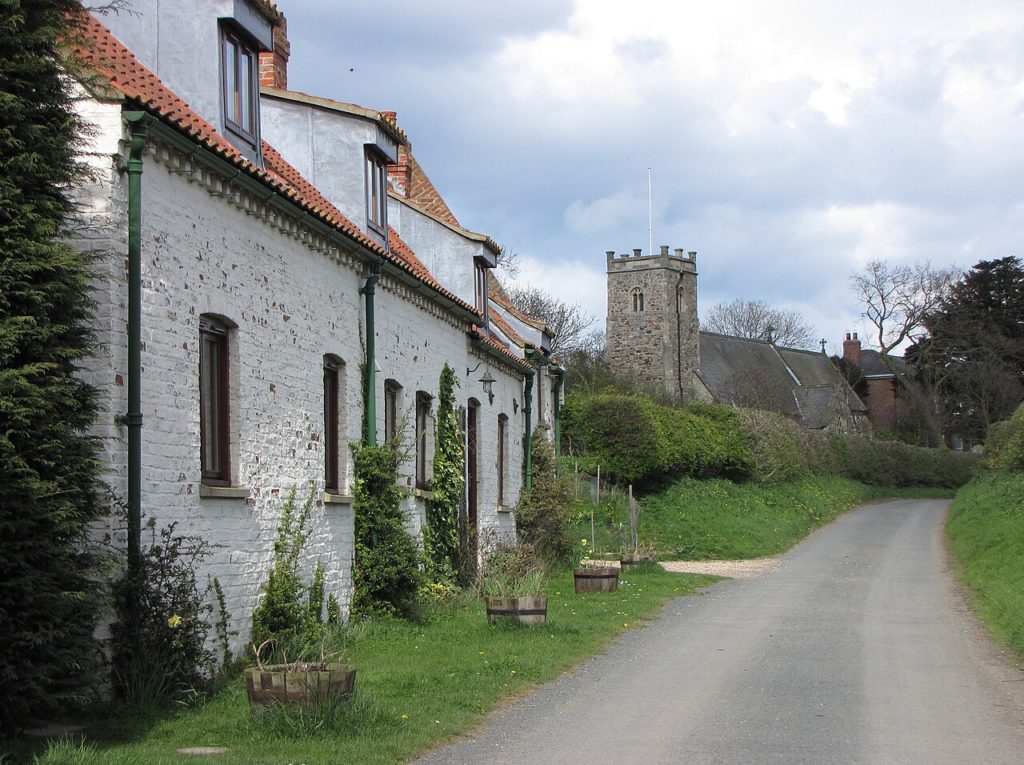
27 January 2026This month’s blog post takes us to Hornsea in the East Riding of Yorkshire, and to the will of a widow named Mary Young, who died in 1786.[1] Mary’s husband, the Reverend James Young, Rector of Catwick, had died in 1768, and the couple had no children. James had made his ‘dear Wife Mary’ the executrix of his own will, entrusting his funeral expenses to her and leaving her forty pounds a year in addition to the residue of his estate.[2] James was buried in the churchyard of Catwick, in the parish he had served.[3] When Mary made her own will some eighteen years later, she acknowledged that ‘it is very Probable that I shall dye here at Hornsea’ but wished for her body to be carried the five miles to Catwick to be laid to rest next to James. Indeed, she wished to be buried ‘so near to my late Husbands Grave that our Tomb Stones at the tops may touch each other’.[4] Today the inscriptions on James’s tombstone, and on those nearby it, are largely illegible, so it is unclear whether Mary is buried next to him or even in the same plot.[5]
‘if it shall please God to afflict me before my Death’
Mary’s desire to be buried as close as possible to her husband was poignantly described, but other aspects of her will are even more striking. Unusually, Mary did not only detail her wishes for after her death, but also for the remainder of her life: specifically, in the eventuality that she were to lose mental or physical capacity, require care, or be unable to live independently. Her will stated:
‘I desire further if it shall please
God to afflict me before my Death in the same manner
as my Uncle Henry Burrel was afflicted (viz) with the
Palsy that I may not be removed out of my
present Dwelling House nor even out of my present
Lodging Room whilst I live’.[6]
This clause suggests that her uncle Henry Barrell, a chapter clerk in Rochester, had been afflicted by a stroke or other debilitating condition in his final years. When Henry made his final will in 1745, he had been living with his nephew Francis. A codicil was added in 1746, but then his will was not updated again in the eight years before his death in 1754, perhaps suggesting, in line with Mary’s description of his affliction, that he lacked the capacity to do so.[7]
‘during my Supposed imperfect state of mind’
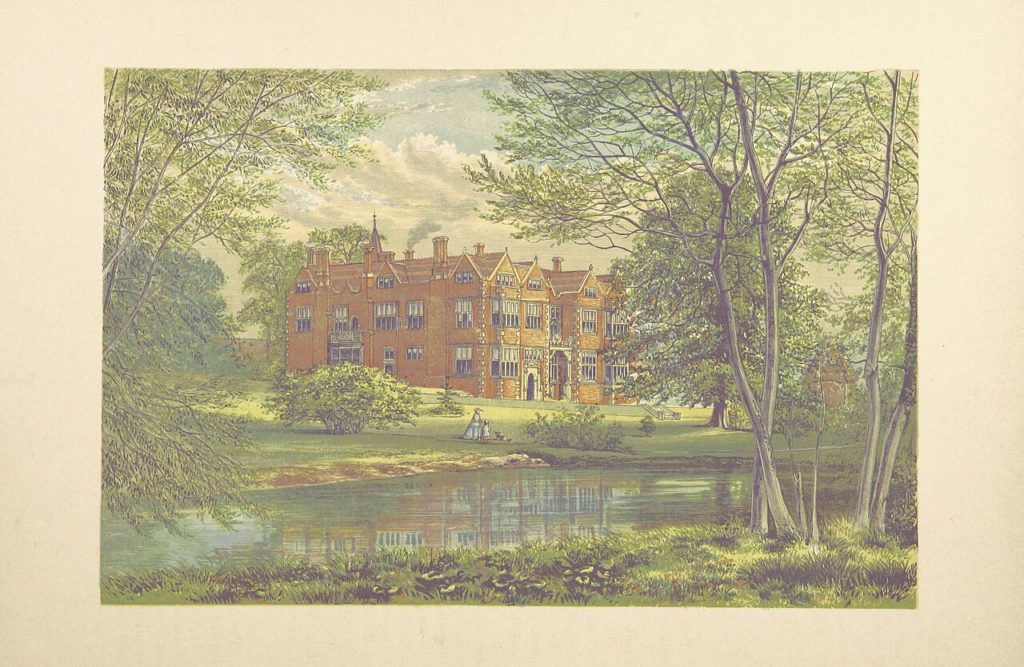
One reason why Mary included a formal record of her ‘living will’ is that she lived far away from her surviving family in the south of England. Unlike her uncle Henry, she may not have been able to—nor perhaps wished to—move to live with a nephew or niece to be cared for. Her executrix was her niece Ann Tasker, who lived in the large Elizabethan manor house of Franks Hall in Horton Kirby, Kent. Mary recognised that if she lost capacity, she would wish to stay in her own home, but that she would need to entrust oversight of her affairs to someone more geographically proximate. Accordingly, her will stated:
‘if my
Reason and understanding should fail or be much
impaired some time before my Death and I should
be thereby rendered incapable of Managing my own
Affairs my Will then is this that the aforesaid Mr
William Whittehead and his Wife shall have the
Direction of my House and Servant’.
While her servant would presumably provide daily care in this scenario, Reverend Whitehead, the vicar she had trusted to oversee her burial, would also be trusted with ‘the Support of myself and Household’ during ‘my Supposed imperfect state of mind’. Reverend Whitehead and his wife were granted Mary’s ‘Rents and Interest Money’ to pay for these outlays.
‘my silver Tumbler with the Barrels Crest on it’
In recognition of the Whiteheads’ anticipated work in managing Mary’s household and arranging her funeral, she made several other bequests to them, including ‘All my printed Books’, and ‘my largest Silver porringer’. Mary also made bequests to each of the Whiteheads’ four children, including ‘to their Youngest Daughter my Clock I give to their Eldest Son my silver Tumbler with the Barrels Crest on it’. The bequests of valuable items such as clocks and silverware were designed to recompense the Whiteheads’ work, but the gifts set aside for their children were perhaps also prompted by Mary’s own childlessness. Family heirlooms, such as the silver tumbler with the ‘Barrels Crest’, would normally be passed down to direct descendants, but Mary’s connection with younger generations was via her friends’ children.
‘five large Silver Table Spoons with her late Uncles Crest’
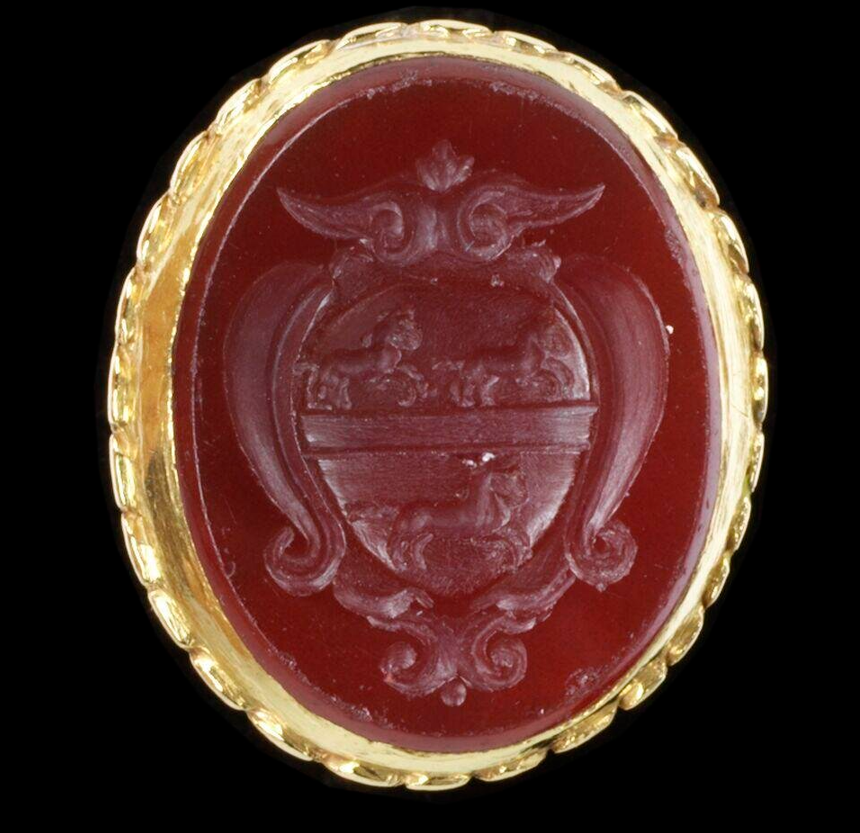
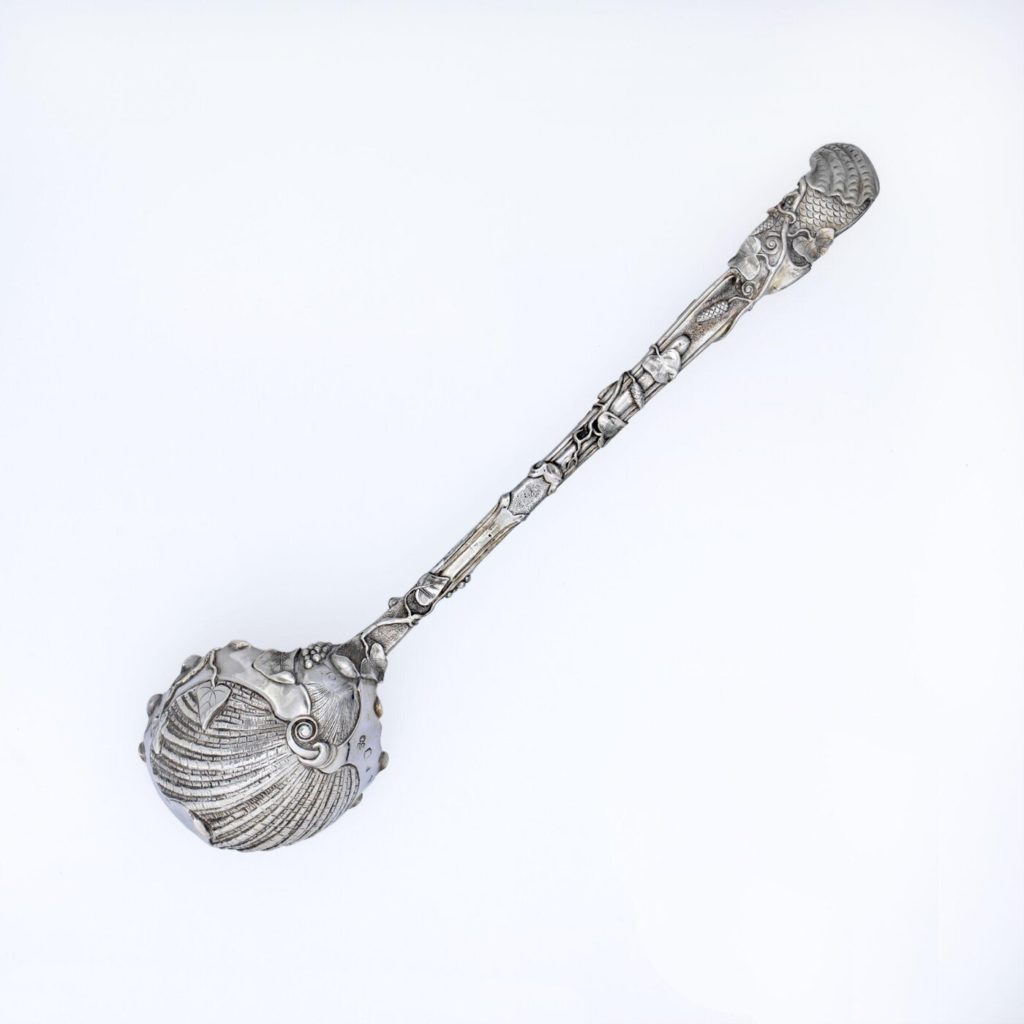
Other engraved items or family heirlooms were divided up amongst Mary’s nieces, nephews, and cousins. Her husband’s niece, Ann Ascough, was left ‘my Silver Coffee pot five large Silver Table Spoons with her late Uncles Crest on them Also four Tea Spoons and a Silver Strainer having the Initial Letters of her late Uncles Name upon them Also a pair of Silver Tea Tongs with these three Letters engraved on them IMY’. Ann’s brother, the Reverend Samuel Ascough, received ‘his late Uncles Silver Watch and a Studded Watch Case also a Cornelian Seal set in Gold a punch Laddle’. A cornelian or carnelian seal, like the one above, would be a red carnelian semi-precious stone with a design carved into it (often a family crest), which may have been pressed into sealing wax.
Many of the objects mentioned in Mary’s will demonstrate her and her family’s engagement with the consumption of global goods, some of which may have come into Mary’s possession via the port towns of Hull and Whitby. She listed coffee pots, punch ladles, (punch was made of imported ingredients including sugar, citrus fruit, and spices) and chinaware, and her ownership of tea strainers and tongs inscribed with the initials of her deceased uncle and husband shows that her family had owned these types of goods for several decades. The niece that Mary had appointed as her executrix, Ann Tasker, was also childless, and this perhaps explains why none of the engraved family silverware was left to her.
‘that I may not be removed out of my present Dwelling House’
Other than a servant, Mary ostensibly lived alone, and perhaps had done so for the entire eighteen-year period since her husband’s death. Her will exemplified her desire to carefully shut up her household and disperse of all her and her husband’s goods, with particular care taken to find a home for family heirlooms that would otherwise have passed directly to their children. It was perhaps her childlessness, and distance from living relatives, that prompted her to set down in writing her wishes for the end of her life, and to pre-empt any incapacity. As it was expected that wills were read and executed after death, it is unclear whether such ‘living wills’ would be considered before the probate process, but perhaps these wishes merely formalised hopes already discussed with friends and family.
Mary recorded her wishes for the end of her life, and for after her death, in May 1784, and she died around two years later. This was a much shorter time than had elapsed between the making of her uncle’s final will and his death, eight years later, afflicted by ‘palsy’. We can hope that Mary avoided falling into a long term ‘imperfect state of mind’—that she had planned for, and wished to mitigate the impacts of—and that she was able to stay in her own ‘Dwelling House’, and indeed her own ‘Lodging Room’, until the end.
In the Name of God Amen
I, Mary Young of Hornsea in the East Riding of the
County of York Widow of the late James Young Rector of
Catwick being of a disposing mind and memory do
make and appoint this my last Will and Testament
in manner and form following I desire to be Buried in
the Church Yard of Catwick aforesaid on the North
side of the Chancel so near to my late Husbands
Grave that our Tomb Stones at the tops may touch
each other after my Grave is filled up I desire that
some lose Bricks may be laid flat over the Top of
it and some wet Mortar to be poured over the
Bricks I would have my Tomb Stone of the same
kind as that of my late Husbands and erected in the
same manner I would have my Coffin to be made
of Oak or Elm Wood without any other Nails than what
will be necessary to make it Strong and also
without any Ornaments or Letters except the two
Initials of my Name M.Y. as it is very Probable that
I shall dye here at Hornsea I desire that a Hearse
may be procured and also one Coach to carry the
Reverend Mr Whitehead of Hornsea aforesaid and
his Wife to Catwick to see me laid in my Grave if
they will do me that ffavour and I desire that they
would give such Orders about my Corpse and time of
Burial as they shall think proper and whatever
they the aforesaid Mr and Mrs Whitehead shall
expend on this occasion shall be repaid them out of
my personal Estate I desire further if it shall please
God to afflict me before my Death in the same manner
as my Uncle Henry Burrel was afflicted (viz) with the
Palsy that I may not be removed out of my
present Dwelling House nor even out of my present
Lodging Room whilst I live and moreover if my
Reason and understanding should fail or be much
impaired some time before my Death and I should
be thereby rendered incapable of Managing my own
Affairs my Will then is this that the aforesaid Mr
William Whittehead and his Wife shall have the
Direction of my House and Servant especially as neither
my Executrix Mrs Tasker hereafter mentioned nor her
Husband can reside here at Hornsey to attend me or
to give proper Orders about me and my Will is that
the aforesaid Mr and Mrs Whitehead shall have power
and my Authority to receive my Rents and Interest
Money during such my Supposed imperfect state of mind
towards
[new page]
towards the Support of myself and Household they
being to make a proper Account of the Receipts and
Disbursements to my Executrix hereafter mentioned As to
my Worldly Goods ffirst I do give devise and direct to the
Reverend Samuel Ascough of the City of London my late
Husbands Nephew to him his Heirs and Assigns for ever
all my Copyhold Estate at Hornsea aforesaid (a
Surrender being passed to such uses as I should by my
Will direct) he paying thereout unto his Sister Ann
Ascough three pounds Yearly during her natural Life
and also the Sum of two pounds twelve shillings and
six pence yearly for ever to the Rector of Catwick
aforesaid in Holderness for the time being in Trust for
the use of the Honest poor People of Catwick aforesaid
and I do charge the said premises hereinbefore devised to
the said Samuel Ascough as aforesaid with the payments
thereof And my Will further is this that the said Samuel
Ascough shall not enter into the possession of that
part of the said Copyhold Estate which shall be in
my own Occupation until half a year after my death
I also give and bequeath to the said Samuel Ascough
all the ffixtures in my Dwelling House at Hornsey
aforesaid and his late Uncles Silver Watch and a
Studded Watch Case also a Cornelian Seal set in Gold a
punch Laddle a pair of Silver Candlesticks and three
Silver Castors with his Uncles Crest on them I give and
bequeath to the said Ann Ascough my Silver Coffee pot
five large Silver Table Spoons with her late Uncles
Crest on them Also four Tea Spoons and a Silver
Strainer having the Initial Letters of her late
Uncles Name upon them Also a pair of Silver Tea
Tongs with these three Letters engraved on them IMY
but in case the said Ann Ascough should dye before me
I then give and bequeath the aforesaid Silver
plate bequeathed to her as above to her Brother
the aforesaid Samuel Ascough I give and bequeath
to my Cousin Mrs Ann Dent the Wife of Mr William Dent
six large Silver Table Spoons with the Barrels
Crest on them also my two handled Silver Cup also
my Gold Watch with a Gold Seal and a Cornelian Seal
I likewise give and bequeath to the said Ann
Dent both my Cabanets and whatsoever shall be
contained in them Also my Chest of Drawers containing
only ffour Drawers with whatsoever shall be contained
in them at the time of my Death I likewise give
and bequeath to the said Ann Dent my two black
leather Trunks with whatsoever shall be contained
in them also all my Linen Tables Beds Looking Glasses
Table Glasses China and Earthen Ware and also
whatever Chairs she pleases to take I give and
bequeath to each of the Children of the late Ann
Rosindale of Hull (who was Daughter of the Reverend
Mr
[new page]
Mr Gowndril late Rector of Sproatley) when they attain
the age of twenty one years or when they are bound
apprentices if required at that time the Sum of ffive
pounds each I give and bequeath to the Reverend
William Whitehead of Hornsea All my printed Books I
give to his Wife my largest Silver porringer marked
AH I give to their Eldest Daughter my Silver Waiter
marked ID I give to their Youngest Daughter my Clock
I give to their Eldest Son my silver Tumbler with the
Barrels Crest on it and I also give their youngest Son
my Silver Tumbler marked HC I give and bequeath
to my Niece Ann Tasker the Wife of John Tasker
Esquire of ffranks in Horton Kerbe in the County of Kent
my ffive hundred and ffifty Pounds Bank Stock she being
to pay all my
just Debts and Legacies (excepting those laid upon my
Copyhold Estate) out of it with my ffuneral Expences and
the Expence of a Tomb Stone for me and I further give
and bequeath to the said Ann Tasker all the rest and
residue of my personal Estate Goods Chattels and Effects
whatsoever and hereby nominate and appoint her the
said Ann Tasker Sole Executrix of this my last Will and
Testament revoking all former Wills by me heretofore made
In Witness whereof I have hereunto set my hand and
Seal this twelfth day of May in the Year of our Lord one
thousand seven hundred and eighty four Mary Young (L.S)
Signed Sealed and declared by the Testatrix Mrs Mary
Young as and for her last Will and Testament in the
presence of us who in her presence at her request and
in the presence of each other have hereunto subscribed
our Names as Witnesses to the same John Banks Joseph
Whytehead Mary Webster
This Will was proved at London the thirtiethth day of
June in the Year of our Lord one thousand seven hundred
and eighty six before the Worshipful William Scott Doctor of
Laws Surrogate of the Right Worshipful Peter Calvert
Doctor of Laws Master Keeper or Commissary of the Prerogative
Court of Canterbury lawfully constituted by the Oath of Ann
Tasker (wife of John Tasker Esquire) the Niece and Sole
Executrix named in the said Will to whom Administration
was granted of all and singular the Goods Chattels and
Credits of the said deceased having been first Sworn duly to
Administer
[1] PROB 11/1143/398, Will of Mary Young, Widow of Hornsea, Yorkshire, 30 June 1786.
[2] PROB 11/941/266, Will of James Young of Catwick , Yorkshire, 10 August 1768.
[3] https://www.genuki.org.uk/big/eng/YKS/ERY/Catwick/Graveyard/Young0077
[4] PROB 11/1143/398, Will of Mary Young, Widow of Hornsea, Yorkshire, 30 June 1786.
[5] https://www.findagrave.com/memorial/275171394/james-young/photo
[6] PROB 11/1143/398, Will of Mary Young, Widow of Hornsea, Yorkshire, 30 June 1786.
[7] PROB 11/810/457, Will of Henry Barrell, Gentleman of Rochester, Kent, 24 September 1754.

