
Dr Phil McBride reflects on a recent project which explored lifestyle interventions to combat type 2 diabetes in the Muslim community, benefitting from direct collaboration with community members through informal discussions supported by our Patient and Public Involvement and Engagement (PPIE) Fund.
Amount of award: £650
The aim of my project was to explore early thoughts and feelings around a potential study investigating lifestyle interventions within the Muslim community. Because this work sits at the intersection of health, culture, and lived experience, it is essential to involve members of the community from the very beginning. This Patient and Public Involvement and Engagement (PPIE) work allowed me to understand not just whether the research idea was relevant, but how it might be received, what concerns or motivations people have, and how best to design a study that would feel respectful, accessible, and meaningful. The inclusion of members of the Muslim community in the UK ensured that the project is grounded in real perspectives and priorities rather than assumptions and academic interests.
The PPIE funding supported a series of informal discussion sessions with Muslim community members, including local faith leaders and individuals with an interest in improving health and wellbeing. These conversations explored attitudes towards specific lifestyle interventions, potential barriers to participation, and the cultural factors that shape health behaviours. The funding allowed me to organise the sessions and compensate participants for their time.
One significant challenge was creating a space where participants felt fully comfortable discussing sensitive topics such as health behaviours, weight, and cultural expectations. To address this, I worked closely with community leaders to help plan discussion points and allowed the attendees to guide the direction of conversations. This flexible, participant-led approach worked extremely well, and would definitely be beneficial in research moving forward. I also learned that investing time in relationship-building before any formal research activities is crucial, particularly when working with groups who may be under-represented in research, or cautious about participation.
For me, the greatest benefit was gaining honest, nuanced insights into how specific lifestyle interventions are perceived within the Muslim community – insights that would not have emerged without direct engagement. For the research, the PPIE work highlighted specific cultural considerations, preferred modes of engagement, and potential barriers that will meaningfully shape the design of any future study. For participants, I hope that the sessions provided an opportunity to voice their perspectives on health research, challenge assumptions, and influence work that could ultimately support their community’s wellbeing.
The next step is to incorporate this feedback into the development of a full research proposal, ensuring that the eventual study design aligns with community preferences and respects cultural practices. This initial engagement has positioned the project strongly by establishing trusted relationships and identifying clear priorities. In the longer term, I hope this collaboration will not only improve the quality and relevance of the research but also support ongoing dialogue and partnership with the communities involved.
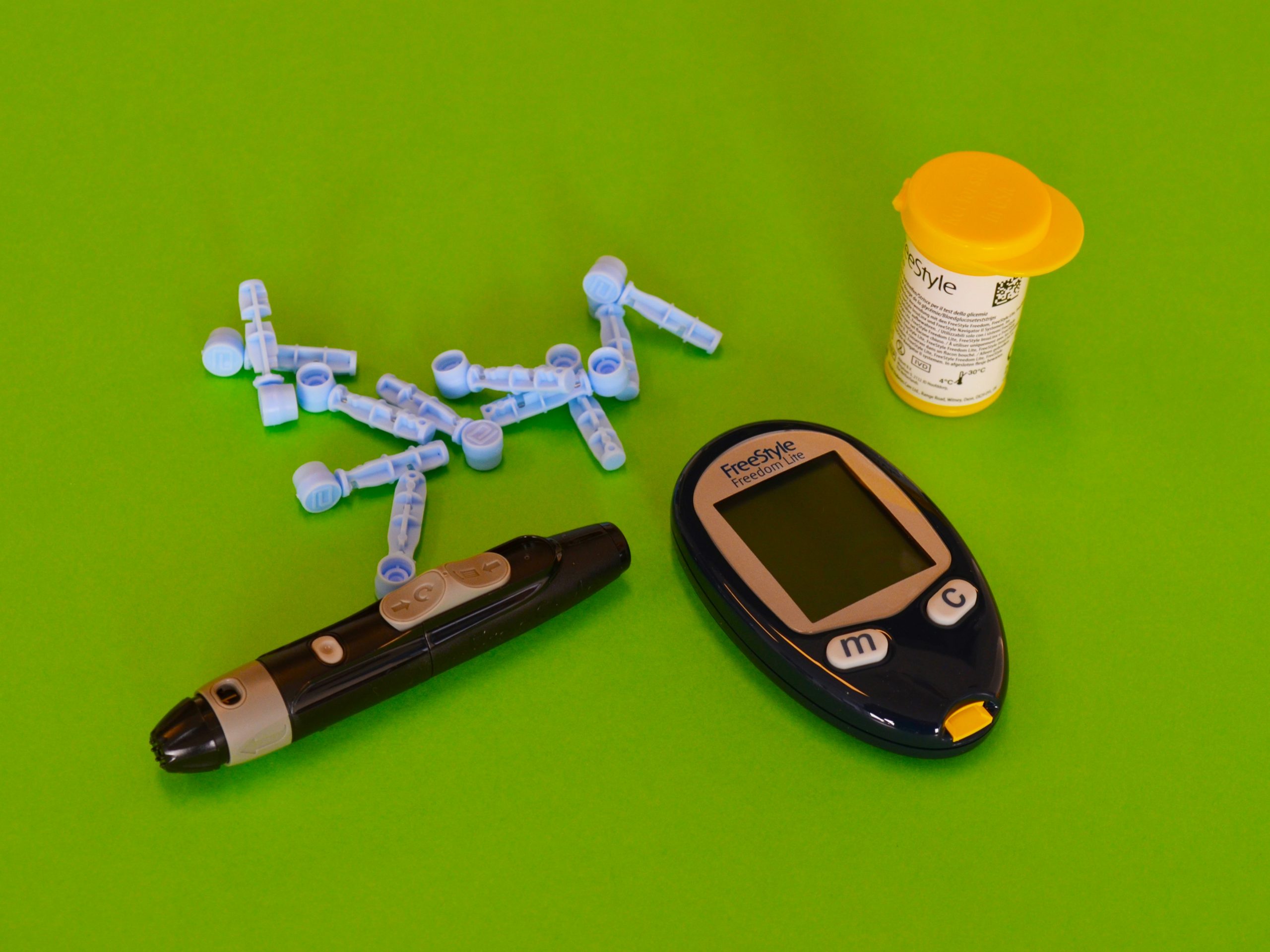
Photo by diabetesmagazijn.nl on Unsplash.