
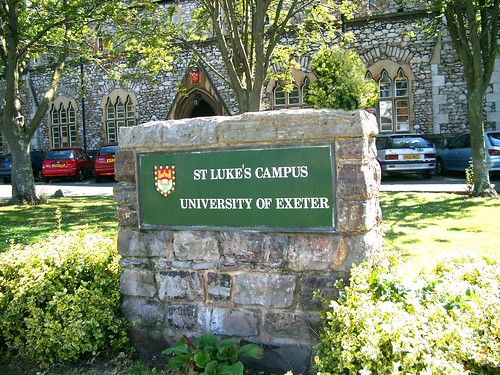
Our 24-25 international students have compiled a list of “what they wish they’d known” at the start of their time in Exeter. If you’re new to England – or even new to Exeter! – and want to get ahead of the game with their top tips, please read on!
1. Learn the supermarket hierarchy
Waitrose and M&S are considered ‘premium’ supermarkets (and Waitrose is very convenient for St Luke’s) but are expensive. Tesco, Morrisons and Sainsbury’s provide good mid-range options BUT their small city centre stores are more expensive than the big superstores that you’ll find a bit further out. Co-op local stores in the town centre are similarly more expensive than the large supermarkets. The Morrisons superstore on Prince Charles Road is one of the closest superstores to the town centre for ‘cheaper’ options.
Lidl and Aldi are excellent value, though can have fewer options and less consistent stock – it can be worth a short bus trip out to the stores on Pinhoe Road or Burnthouse Lane, and it’s a good idea to shop early as products do sell out and aren’t always restocked throughout the day.
The area around Sidwell Street has some brilliant independent grocery stores, including oriental supermarkets – check out this Students’ Guild blog.
2. Prepare for the psychological impact of winter darkness – and then embrace it!
Darkness falls as early as 4pm in December so you will be walking home after sunset some days. Dark mornings are normal throughout November-February. Invest in a good desk lamp for your room and consider vitamin D supplements to combat reduced daylight hours.
BUT enjoy the twinkling lights and coziness – especially the Christmas Market on Cathedral Green and the chocolate / hot chocolate cafes and shops in the city centre, such as Chococo and Knoops. The city is generally very safe and well-lit after dark.
3. Accept that British weather is unpredictable
Weather in Exeter is generally mild, but it can also be very unpredictable! Days in late autumn, winter and early spring can be bright and chill, mild and wet, or frozen and snowy – and this often changes day to day. Average highs in December and January range from 5-10 degrees celsius, but actually it could be anything from minus 9 to 15 degrees!
We can’t promise snow every year – though we did get enough to build a snowman on the quad in 2024.
Carry an umbrella and don’t trust a sunny morning to stay sunny. It’s a good idea to download the Met Office Weather app and keep an eye on it when planning what to do and what to wear!
4. Use the buses and trains (and maybe a bike?)
Buses in the city are generally very easy to use (there are card readers) and there’s useful information and links to bus routes and discounts on the university website here. Buses within the city are operated by Stagecoach – this site has their student ticket information.
The local train network is great for getting out of the city – particularly to some nearby beaches and harbours in Exmouth, Dawlish and Teignmouth. There are fast trains to Bristol and London from St David’s Station. You can find the local railway network map and timetables on the First Great Western website. The National Rail website has information and journey planners for all train travel in Great Britain – you should know that for longer journeys, advance ticket prices can vary massively depending on when you travel and how far in advance you book, so it’s worth doing a bit of research before you go.
Flixbus is another good way to travel between cities – takes a bit longer than the train but goes from the city centre and is usually much cheaper.
Bicycles can also be a good option, depending on how you feel about hills. If you get a bike, have a look at how to register it on the national bike database, get free safety checks, discounts on servicing and more.
5. Know about Black Friday sales
Black Friday originated in the USA but has been fully adopted by UK shops. Usually the last Friday in November, almost all shops have online and in-store ‘flash sales’ – sometimes continuing these over the weekend and into ‘cyber Monday’. This is a good time to get good clothes for winter (layering is crucial – see point 3!) and make a start on shopping if you celebrate Christmas.
6. Use the Students’ Guild information to help you to navigate your housing
If entering into private accommodation agreements, double check if you’re asked for anything that might sound suspicious or not unusual (e.g. it’s not normal to pay a year’s rental up front). The Students’ Guild has a brilliant set of resources to help – including how to check your housing contract, how Council Tax works, and advice from other students.
7. Use the International Student Support information to help you navigate visas, banking, employment, health and more
There’s a lot of administrative sorting to do when you live in another country, and the International Student Support team have comprehensive guidance which is essential to read.
So now you know what they wished they had known! Please share with us any more information for next year’s students – we’ll see how much longer the list can get!
With thanks to our 2024-5 School of Education Student Reps