
By Irene Casals-Farré (Green Consultant) & Robbie Connolly (Biodiversity Data Intern)
The University of Exeter’s campuses are more than a centre for learning — they contain dynamic ecosystems packed with biodiversity. From birds and pollinators to mosses, fungi, and flowering plants, these green spaces support many species that often go unnoticed. Through using the iNaturalist app, everyone on campus can actively protect our local wildlife. iNaturalist allows users to record observations of species through photographs and location data. These observations are then shared with a global community of experts and contribute to a valuable database used by researchers, conservationists, and policymakers.
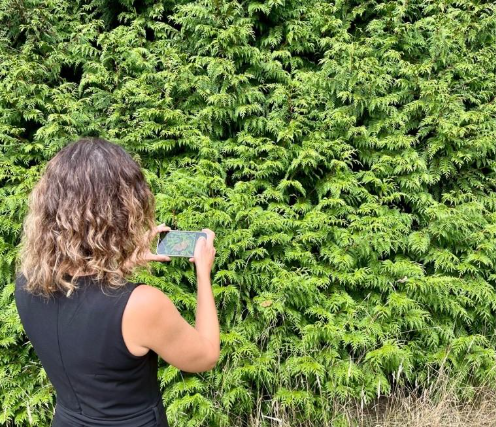
What is iNaturalist?
iNaturalist is a crowdsourced citizen science platform for recording observations of wildlife. Any observations made on University of Exeter sites (including Penryn, St Luke’s, Duryard and Duckes Meadow) will be added to our project page and be available for review and identification. This data can then be used by the Sustainability team to track species richness, changes over time and overall campus habitat health.
You don’t need to be an expert to take part, just a smartphone and plenty of curiosity! You just need to follow a few simple steps:
- Download iNaturalist on IOS or Android
- Create an account
- Click on the observe icon to identify creatures from your camera or a photo you’ve already taken
- Tag the location as University of Exeter, Penryn Campus or Falmouth Campus – Woodlane
- Visit the Campus Biodiversity project using either this link for Exeter sites or this link for Penryn and Falmouth to see your observation!
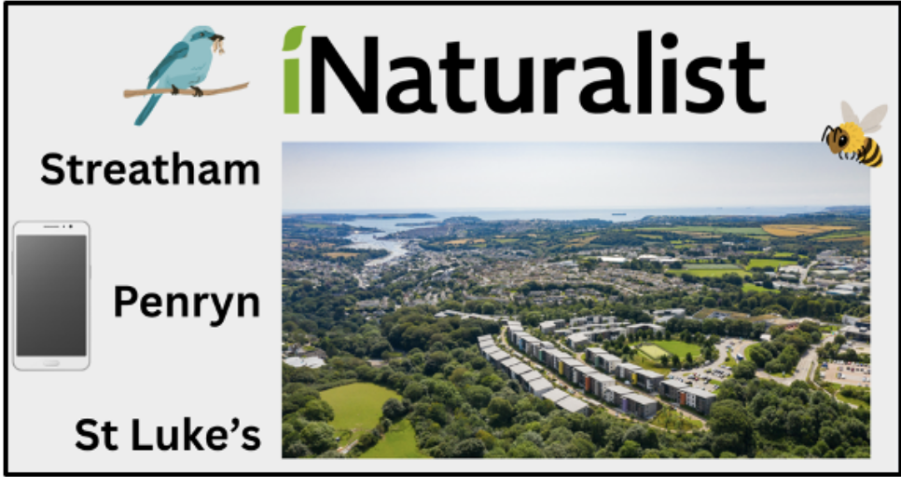
The data you and other citizens collect will help the Sustainability team monitor and understand the brilliant biodiversity on campus, keep track of how it changes over time and identify areas that could benefit from further action.
Taking part is a way to connect with nature, contribute to real science and help the University improve its green spaces. Your first photo could be a butterfly, a cool-looking mushroom or even a weed in the pavement. We’re really looking forwards to all the species people will find on campus, and the insights we’ll gain from everyone taking part.