
If you’ve spotted more birds around campus this winter, you weren’t imagining it!
The University of Exeter Winter Bird Survey 2025/26 has recorded a welcome increase in bird numbers across the Streatham and St Luke’s campuses, with 1,391 birds counted this winter – an 11% rise compared to last year. While numbers are still below historic highs, the results suggest campus green spaces continue to play an important role for wildlife during the colder months.
A positive uptick – with a long way to go
Surveyors visited campuses twice, once in late autumn and again in mid‑winter, recording birds across a range of habitats including woodland edges, ponds, hedgerows and open green space. This year’s total is the third highest winter count in the past ten years, which is encouraging given the national decline of many bird species.
That said, bird numbers still sit at around 80% of early‑2000s levels, showing that recovery remains fragile.
The usual stars of campus life
Some familiar faces dominated the counts once again. The Wood Pigeon topped the list, followed closely by Robins, Blue Tits, Herring Gulls, and Carrion Crows. These adaptable species thrive in mixed urban environments, and Exeter’s campuses clearly suit them well.
Birds of conservation concern
One striking finding is how many birds fall into conservation priority categories. Nearly four out of every ten species recorded were Red or Amber listed, meaning their populations are under pressure nationally.
Species like House Sparrows, Song Thrushes, Bullfinches, and Redwings were all recorded, reinforcing how important urban green spaces can be as winter refuges when food and shelter are scarce elsewhere.
Wrens and winter visitors
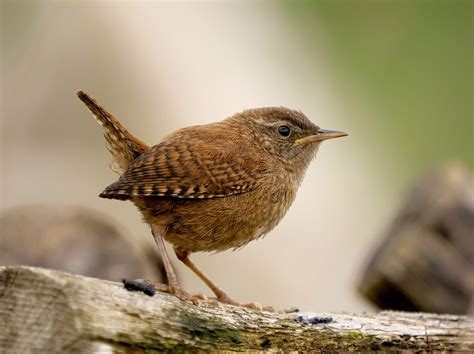
There was good news for fans of smaller birds too. The European Wren, an amber‑listed species vulnerable to harsh winters, showed a stable and healthy population on Streatham Campus.
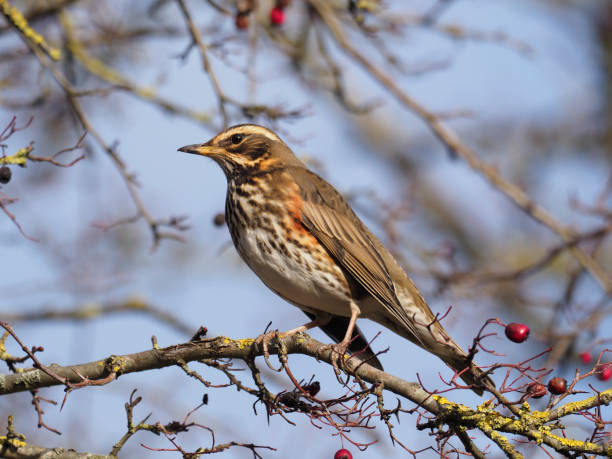
Meanwhile, winter visitors such as Redwings, which migrate from Scandinavia and Siberia, were again spotted taking advantage of Exeter’s mild climate and berry‑rich hedgerows – a seasonal reminder that our campuses are part of a much bigger ecological network.
Small campuses, big impact
At St Luke’s Campus, surveyors recorded 243 birds from 20 species, exceeding the campus’s baseline average. For a relatively compact urban site, this highlights just how valuable smaller green spaces can be when they’re well managed.
Why it matters
At a time when wildlife faces growing pressure from climate change, habitat loss and urban development, these findings show that everyday places like university campuses can still offer vital support for nature.
So next time you hear a robin singing near your office or spot a flock overhead on your way to a lecture, remember – those sightings are part of a bigger, hopeful picture.