We have a diverse programme, including plenary and keynote speakers, contributed talks and posters, excursions and conference dinner.
There will be two parallel sessions, covering a diversity of themes. For each theme (see below), we will have one or more invited keynote speakers and a range of contributed talks. There will also be an Open session for contributed talks that fall outside of these themes. You will be able to submit an abstract when registering.
| June 29 | June 30 | July 1 | July 2 | July 3 | |
|---|---|---|---|---|---|
| Morning | Scientific programme | Scientific programme | Scientific programme | Workshops | |
| Afternoon | Scientific programme | Excursions | Scientific programme | Workshops | |
| Evening | Welcome reception | Poster session | Conference dinner |
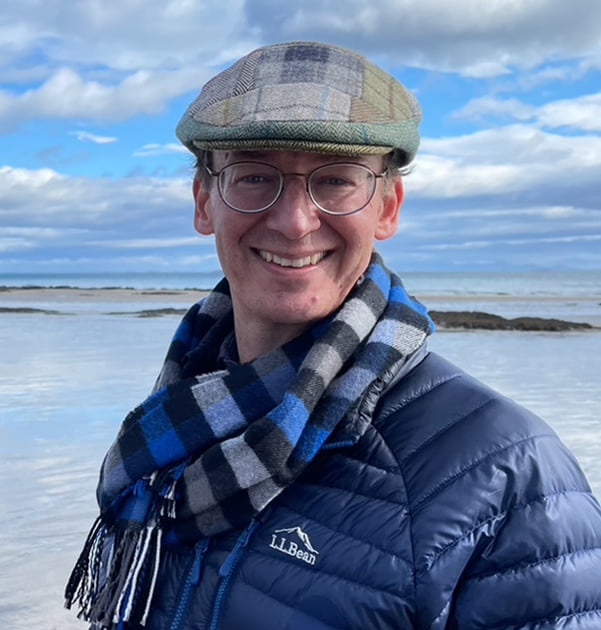
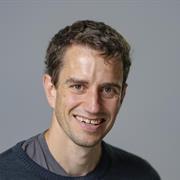
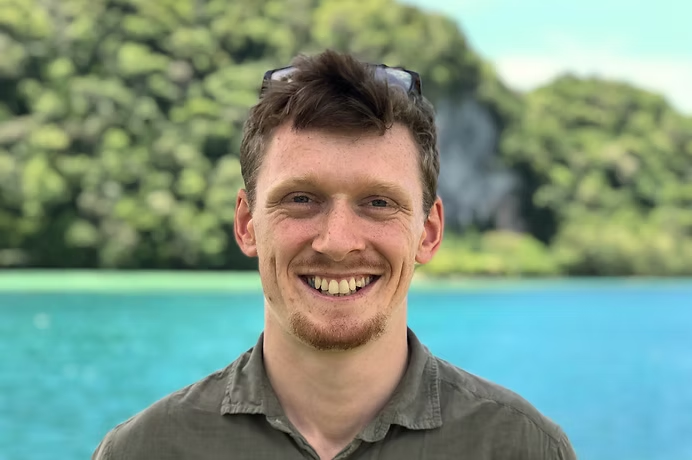
Dan’s research touches on a wide variety of species interactions, with an emphasis on host-parasite interactions. He combines the fields of evolution, genetics, immunology and ecology using methods that range from field and lab experiments, to observational studies in nature, meta-analysis, and theory.
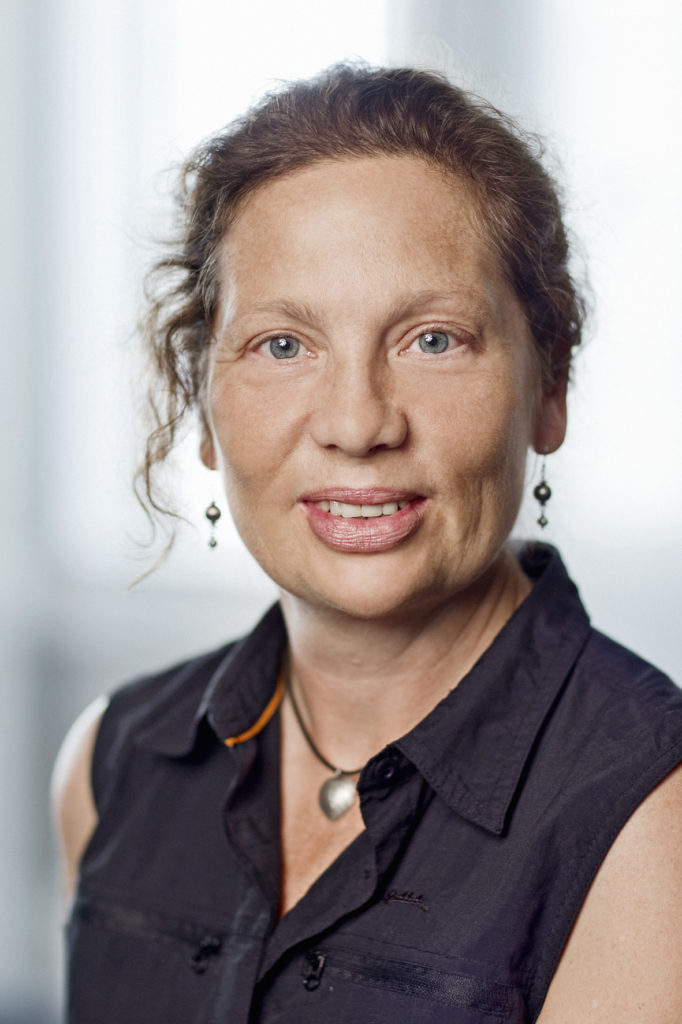
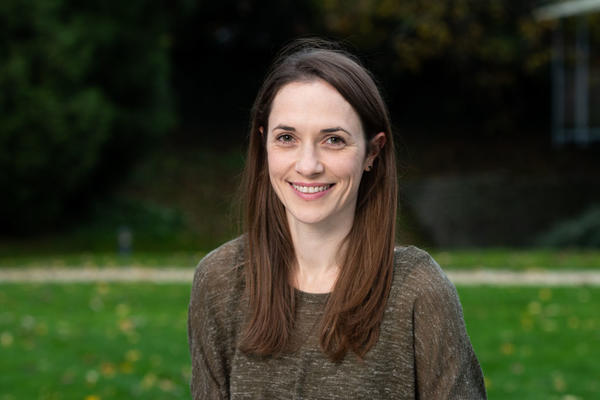
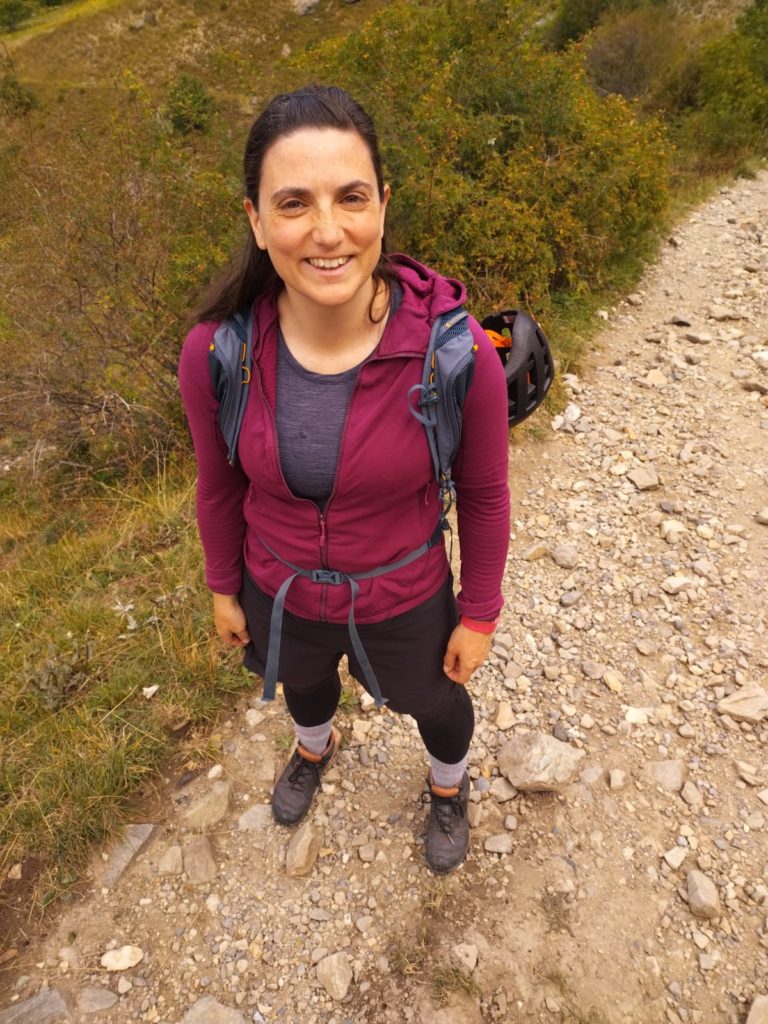
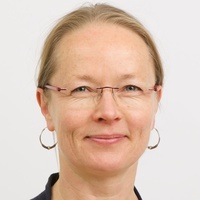
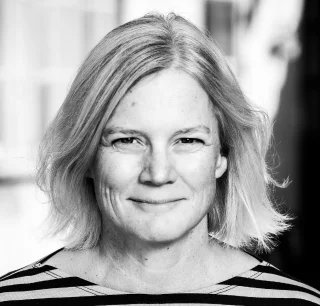
Trine is an evolutionary biologist interested in understanding how organisms adapt and respond to global change, and how population history and life history interact with environmental factors to shape the genetic diversity and structure of populations. She studies interactions between life history, demography and environment on phenotypic variation and the genetic composition of populations.
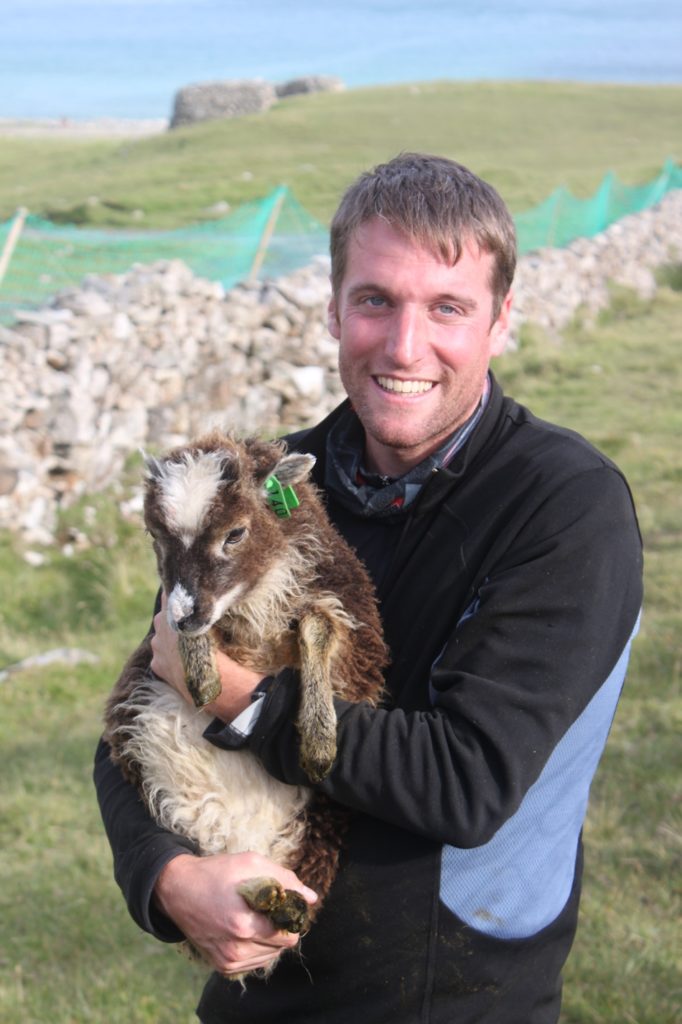
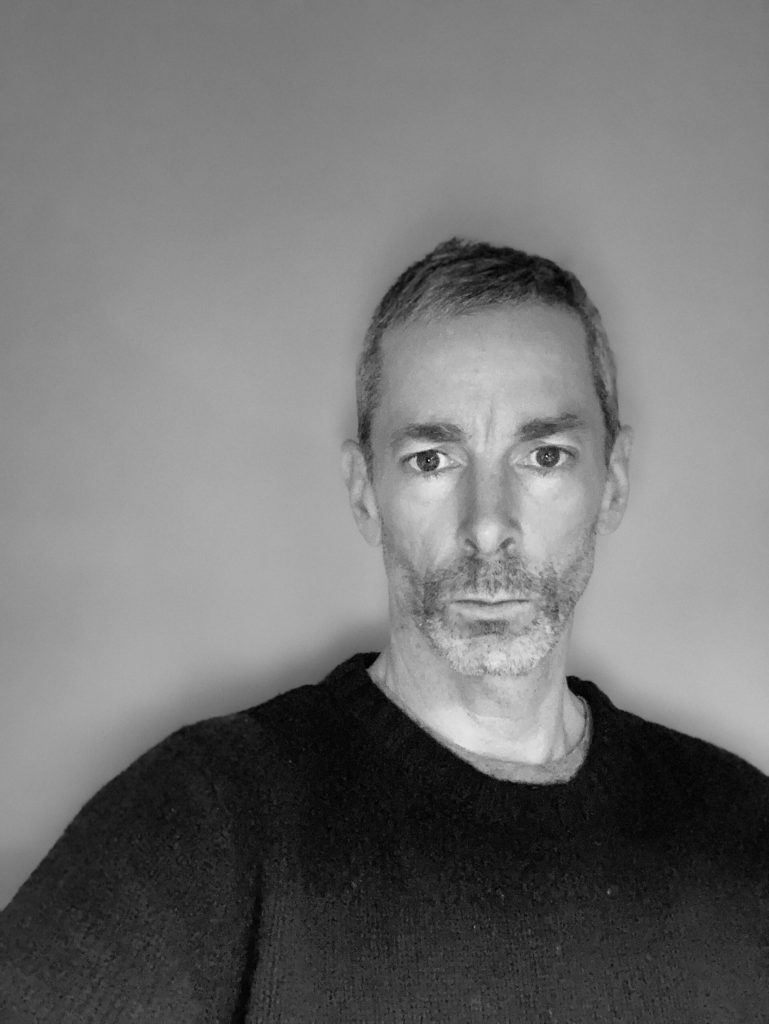
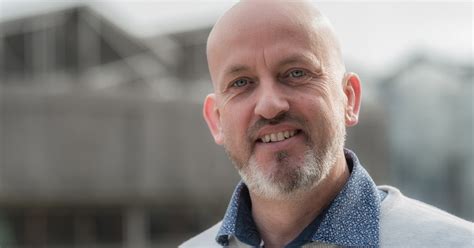
Dan’s research aims to understand the causes and consequences of among individual differences in the ageing process. The deterioration of physiological function with age (or senescence), although seemingly inevitable, is one of the most complex, variable and poorly understood of biological processes. Why do some individuals remain healthy and live to a ripe old age, whilst others deteriorate and die much sooner?