
Evidence Week is an annual showcase of research from institutions across the UK, inviting policymakers to hear about ground-breaking work, and the value this can bring to policy development. This year, two teams of University of Exeter researchers shared their work with MPs, peers, and a range of Parliamentary staff.
On the 5th November, University of Exeter researchers were invited to share their work with policymakers through curated policy briefs, and one-to-one discussion as part of Sense about Science’s Evidence Week.
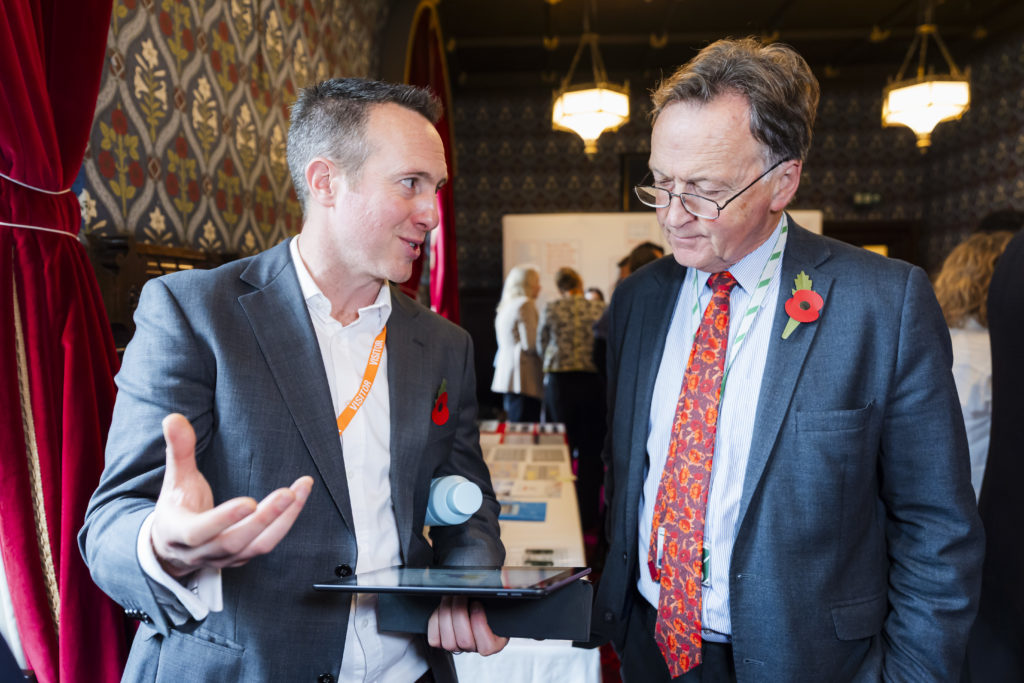
Now in its eighth year, this event is run by the campaigning charity Sense About Science in partnership with the Quadram Institute, the UK Statistics Authority, communities and research institutions from across the UK. Exeter researchers were in good company, presenting their briefs alongside researchers from the University of Bristol, University College London, and the University of Southampton to name a few.
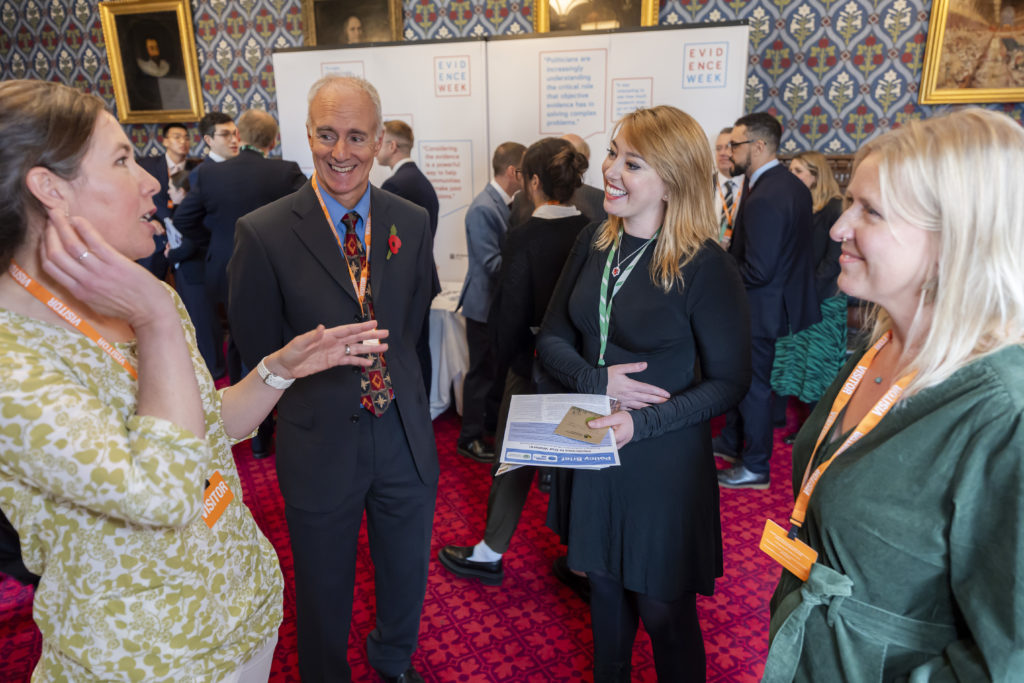
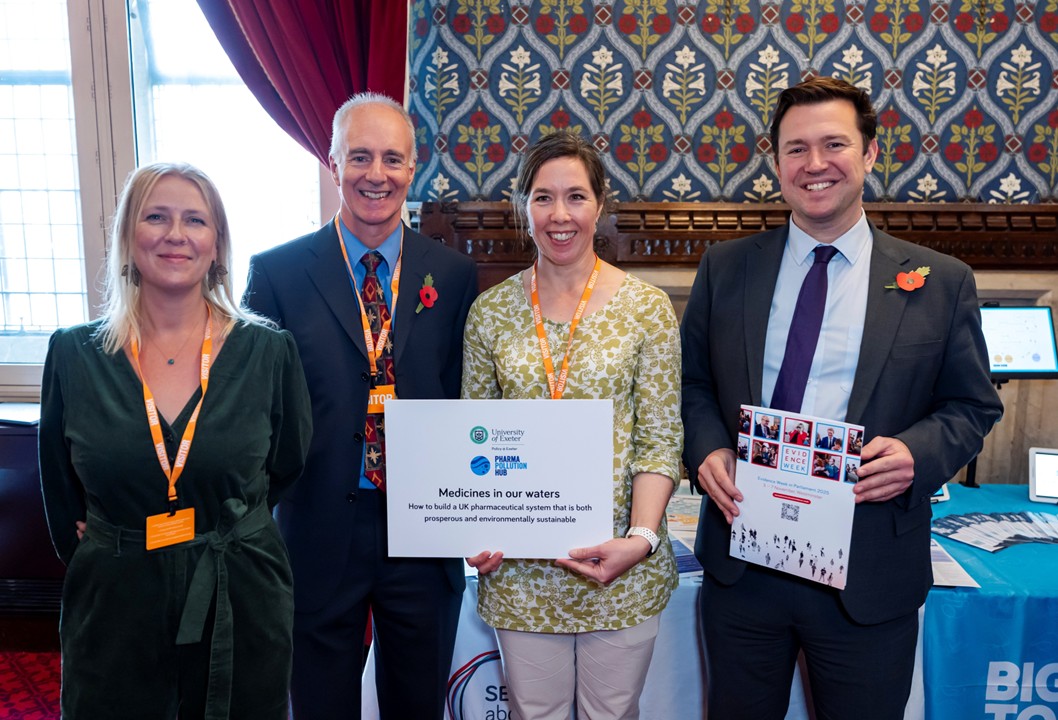
Associate of Exeter, Dr Kelly Thornber, and colleagues Dr Caroline Farmer and Dr Ross Brown, delivered ‘Medicines in Our Water’, which outlined possible next steps in developing a national strategy to reduce the ecological and health risks of pharmaceutical pollution in UK waters. The team spoke to notable Parliamentarians throughout the day, including Carla Denyer MP, Caroline Voaden MP, Helen Morgan MP, Sadik Al-Hassan MP, Sarah Bool MP and Steve Race, MP for Exeter. Each of these conversations offered a valuable opportunity to share insights that could inform future policies around pharmaceutical pollution. Dr Thornber, CEO of Pharma Pollution Hub, said “[our team was] thrilled by the response we got from the MPs and Peers we spoke to. Pharmaceutical pollution from UK healthcare is a cross-sectoral issue that doesn’t clearly sit in any one policy domain so has been slipping through the cracks between the health, environment and business sectors for far too long. The MPs we spoke to were really supportive of the need for a systems-based future UK sustainable pharmaceutical strategy, and we got both valuable advice and offers of support for taking this forward. So all in all a great experience!”
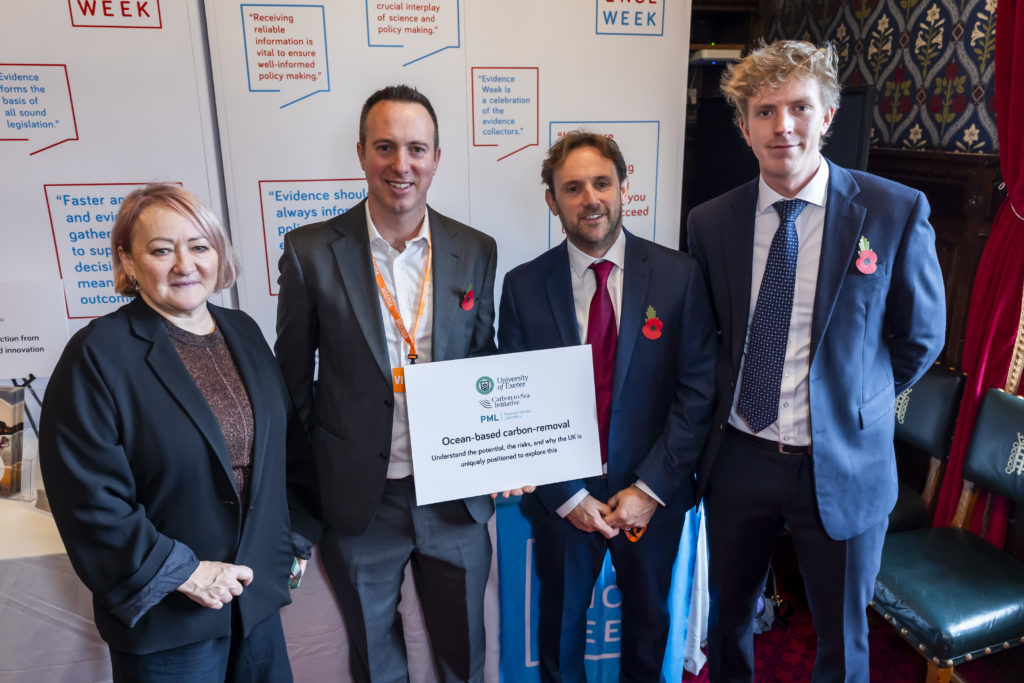
Working with colleagues from Plymouth Marine Laboratory, Professor Paul Halloran shared their research from the SeaCURE project, which piloted ocean-based carbon removal as a means of reaching the UK’s Net Zero goals. MPs such as Andrew George MP, Bayo Alaba MP, Emily Darlington MP, Jeff Smith MP, Kerry McCarthy MP, Sadik Al-Hassan MP, Sian Berry MP, Steve Race MP, and Tom Collins MP heard details of how this research could be employed in the UK. Professor Paul Halloran, who led the SeaCURE project has said: “It was a privilege to be able to take part in Evidence Week and speak to so many highly engaged MPs, Lords and their teams. The interest and enthusiasm for our research on marine Carbon Dioxide Removal was incredible. We now look forward to working with many of those we spoke to, to reinforce the UK’s role a global leader in this key aspect of our Net Zero future.”
This event is a prime example of how engagement with policy can benefit your research, encouraging future impact, and inviting interaction with new audiences. Both project teams will now have the opportunity to work more closely with Parliamentarians, and connect their research to key policymakers in order to maximise future impact. If you would like to learn about each of these projects in more detail, see the Pharma Pollution Hub and SeaCURE websites.
Photography credit: James Gifford Mead