
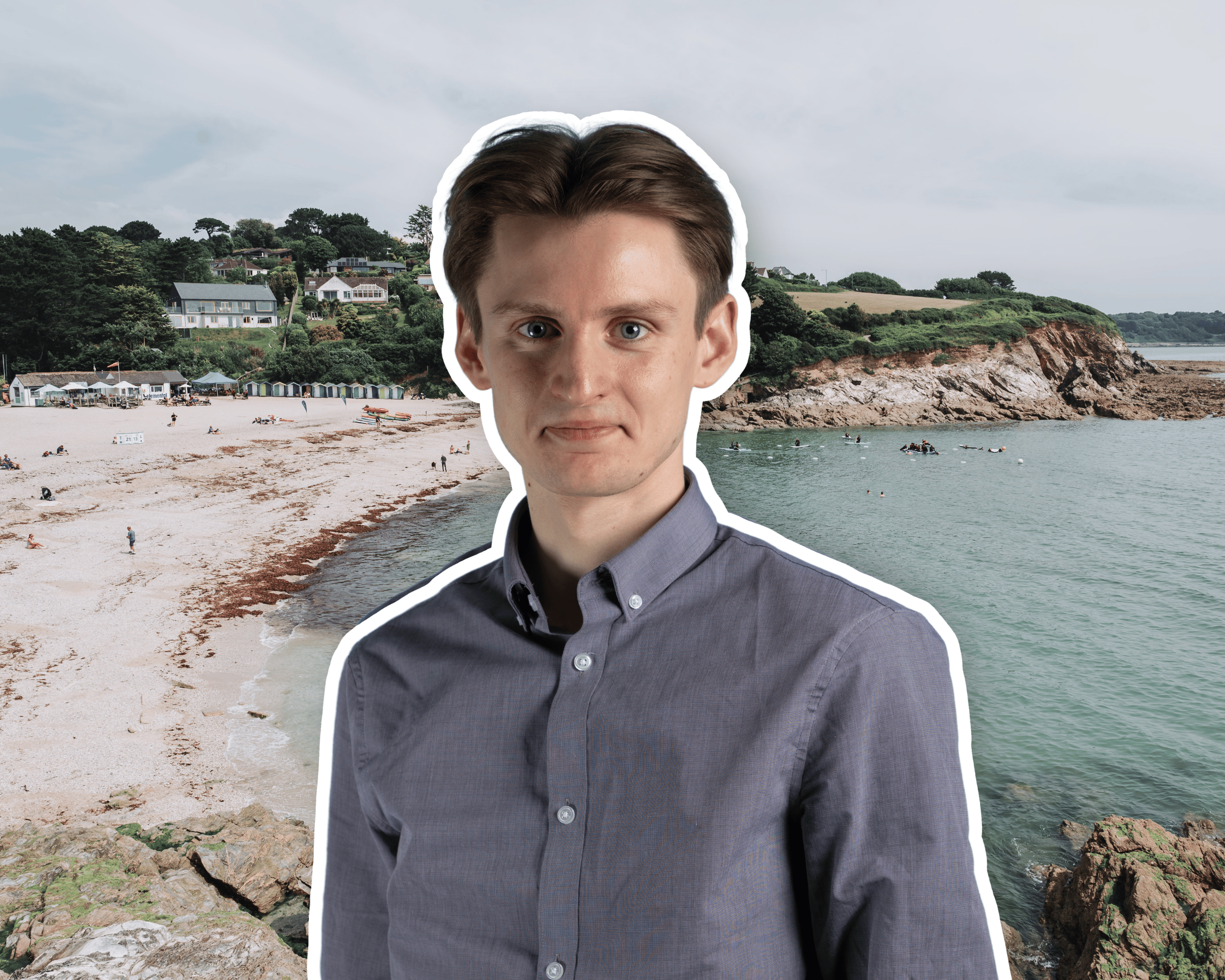
I studied Oceanography and Coastal Processes as an undergraduate degree and really enjoyed the coding and data science element and wanted to develop that further. That’s what led to me to broaden my skillset, and I found the Applied Data Science and Modelling MSc programme online. I was already aware of Exeter’s good reputation, so I went to the open day at the University’s Penryn Campus and talked to the lecturers about the course content. I found the applied focus of the course attractive, as I felt it would provide me with more experience and practical knowledge, I could use in my future career.
Having the opportunity to use real data was my favourite aspect of the programme. During one of the modules, every two weeks we’d work with different external partners who would bring data, explain the problem and then we were set off in groups to figure out how to answer a question and get meaningful results. I found solving problems and getting hands on experience very enjoyable. I also loved being in Penryn. It’s close to the coast which suited me, as I do quite a lot of water sports. It meant I could have a good balance between my studies and life outside that.
For my MSc research project, I developed a control system for a wave energy converter. It was more engineering based, using MATLAB for simulations to try and maximise the amount of energy output. There are different pathways with the Applied Data Science MSc, making it easy to introduce different topics, which is how I ended up working on something with such strong renewable energy focus. You were able to tailor your project to your interests.
Working as a Coastal Processes Scientist
Since graduating, I have started working as a Coastal Processes Scientist at South West Coastal Monitoring. We are based in Plymouth, and cover the entire South West England coastline. Knowledge of data science, along with the ability to handle and present data are very valuable skills to have when monitoring coastal areas. Coastlines are often very populated areas, especially in the South West of the UK, so it’s important to know how best to protect and manage these areas. South West Coastal Monitoring collect and process freely available, high quality, long-term data, which can be used by anyone. We collect a wide range of data types, from topographic and LIDAR surveys to hydrodynamics and meteorological data. It can be quite varied; there is always something different or something new to learn. There are always new ways of doing things, it’s an evolving space which means there is lots of opportunity for me to input. The role nicely combines my undergraduate and my master’s into one, it’s been the ideal thing for me. I feel like I’m having a really positive impact through my work.
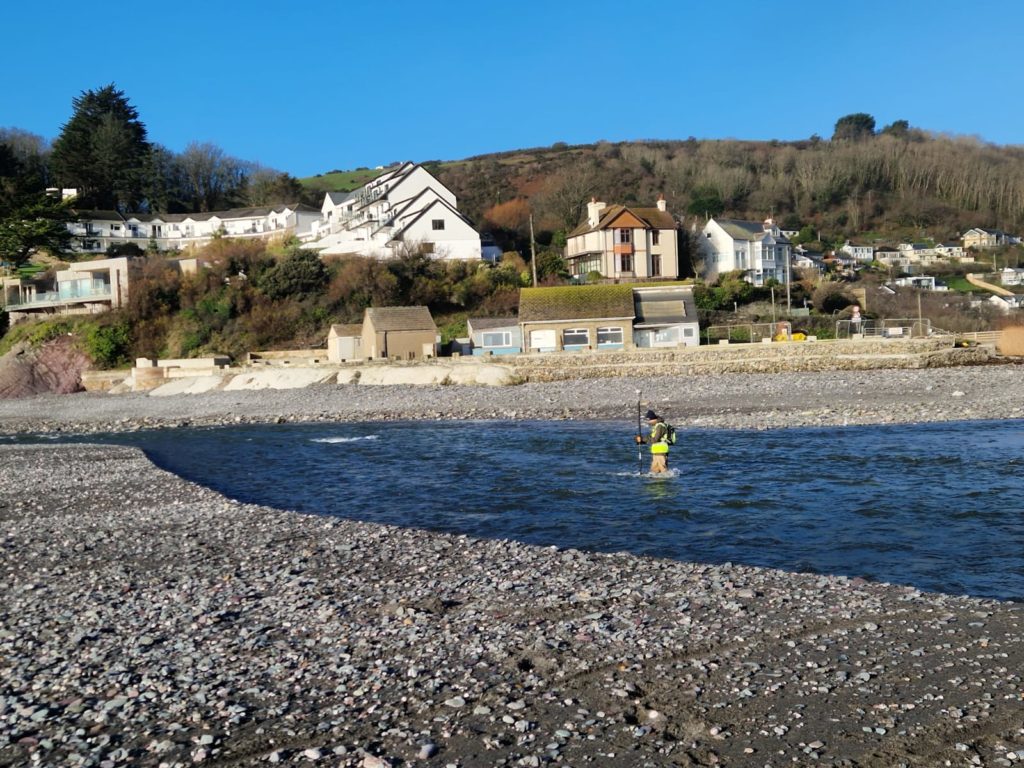
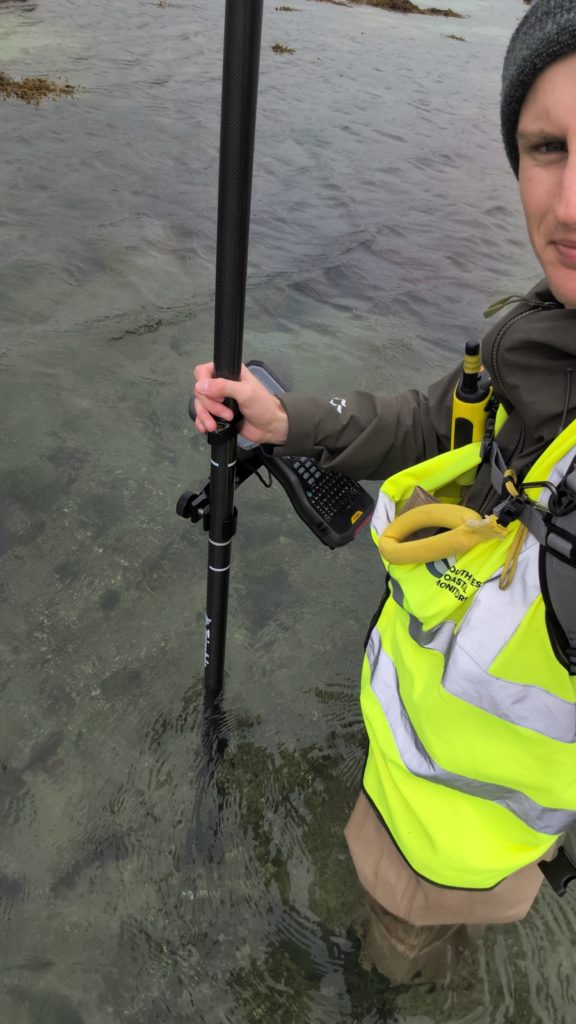
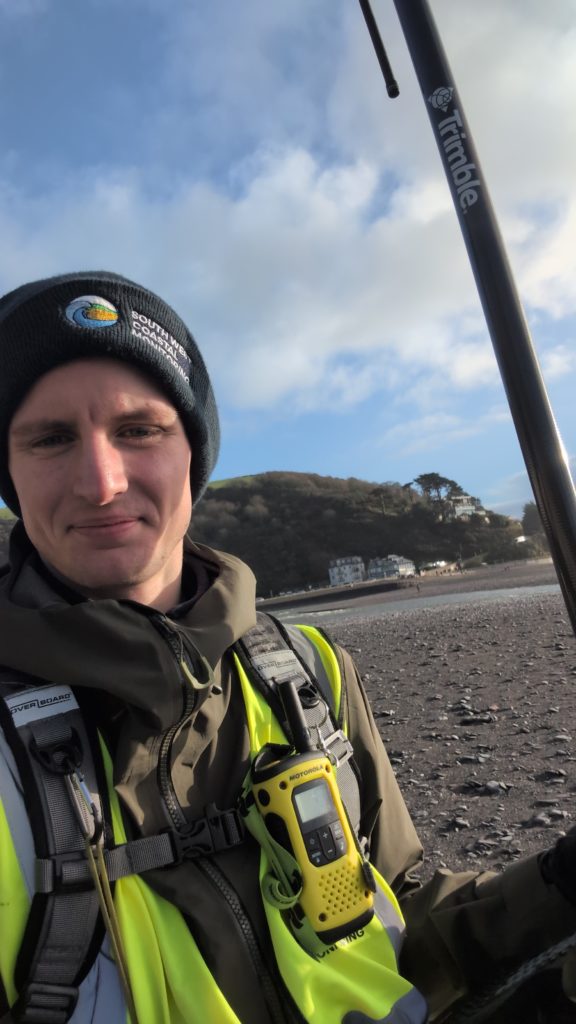
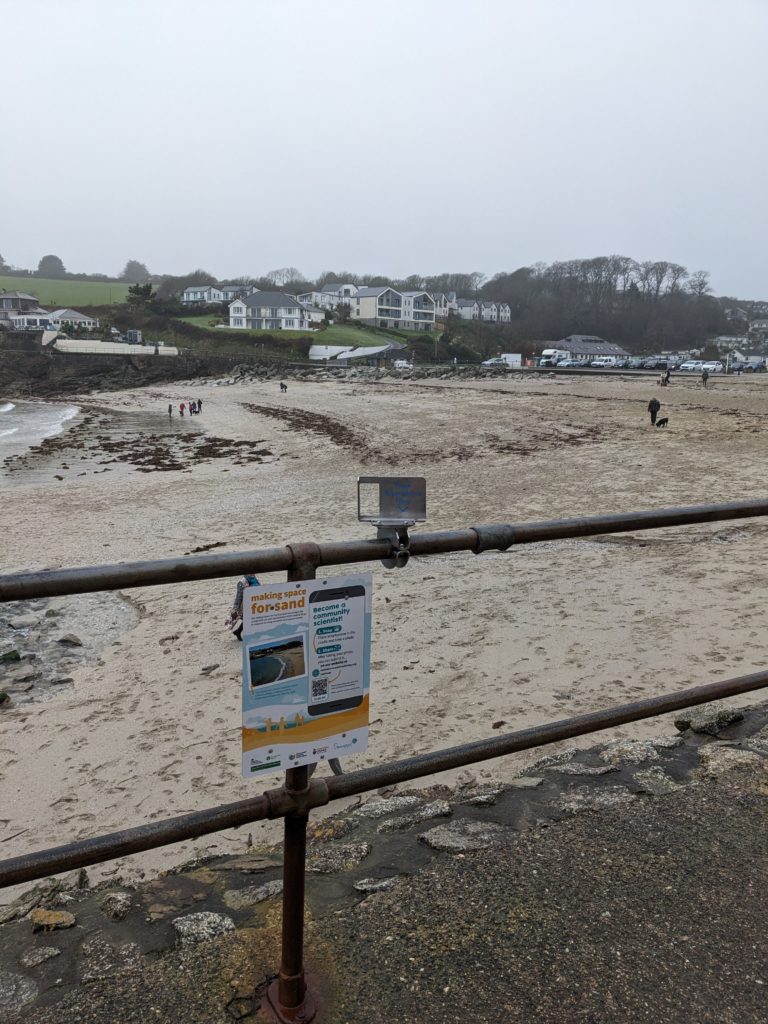
At the moment, we’re developing new techniques and visualisations through interactive dashboards. Southwest Coastal Monitoring are part of a project called CoastSnap, there are signs around the coast that you may have seen. There are cradles around the South West that you can put your phone in and take a picture of the beach. There is one at Swanpool in Falmouth. We’re analysing the photos taken and uploaded, to get data and help monitor our coasts for things like erosion, it’s exciting.
I really like working with data, especially the visualisation part of it. I turn raw data that you might look at and think ‘What is this?’ and don’t know how to make sense of, into a visual form that people start to understand and know how it can be used. A skill that I’ve taken from my master’s and into my job is being able to know where to start when interpreting and processing data. I had also only really coded in MATLAB before my master’s, but using Python during my degree was a very important skill I learnt, and I am now using it almost every day. Being exposed to lots of different datasets really helps, I can make connections to things i have done before in my degree and apply it in new ways to solve new problems.
My advice to any future students would be to make the most of the connections you make at the university. When I was looking for a job, I was in touch with my master’s and undergraduate dissertation supervisor who were both really helpful in sharing their connections too. I’d really recommend the course; data science is the backbone to so many industries. Graduates on my course have gone into lots of different industries such as environmental science, engineering and computer science, education and healthcare/medical fields. There is clearly a lot of flexibility to follow your interests and there are many avenues you can take and apply data science, that you might not have thought about before.
Jonathan Bailey, MSc Applied Data Science and Modelling
Jonathan studied within the University of Exeter’s Graduate School of Environment and Sustainability, which brings together experts from across the spectrum of earth and life sciences, engineering, humanities, social sciences and business. Our programmes are all designed with a focus on developing solutions to global challenges and creating a better future for our planet and its people.
Follow us! 👇