
Posted by e.m.vine@exeter.ac.uk
28 April 2026This month’s post explores the will of Sir Francis Cottington (c.1579-1652), described as ‘Ambassador extraordinary to His Catholic Majesty the King of Spain’. He made his will a few days before his death in Valladolid in 1652 ‘beeing sick of a sicknes which God my Saviour hath pleased to lay on mee’.[1] As was often the case with testators who died abroad, Cottington’s will was not proved before the Prerogative Court of Canterbury for several years, eventually being registered in 1666.
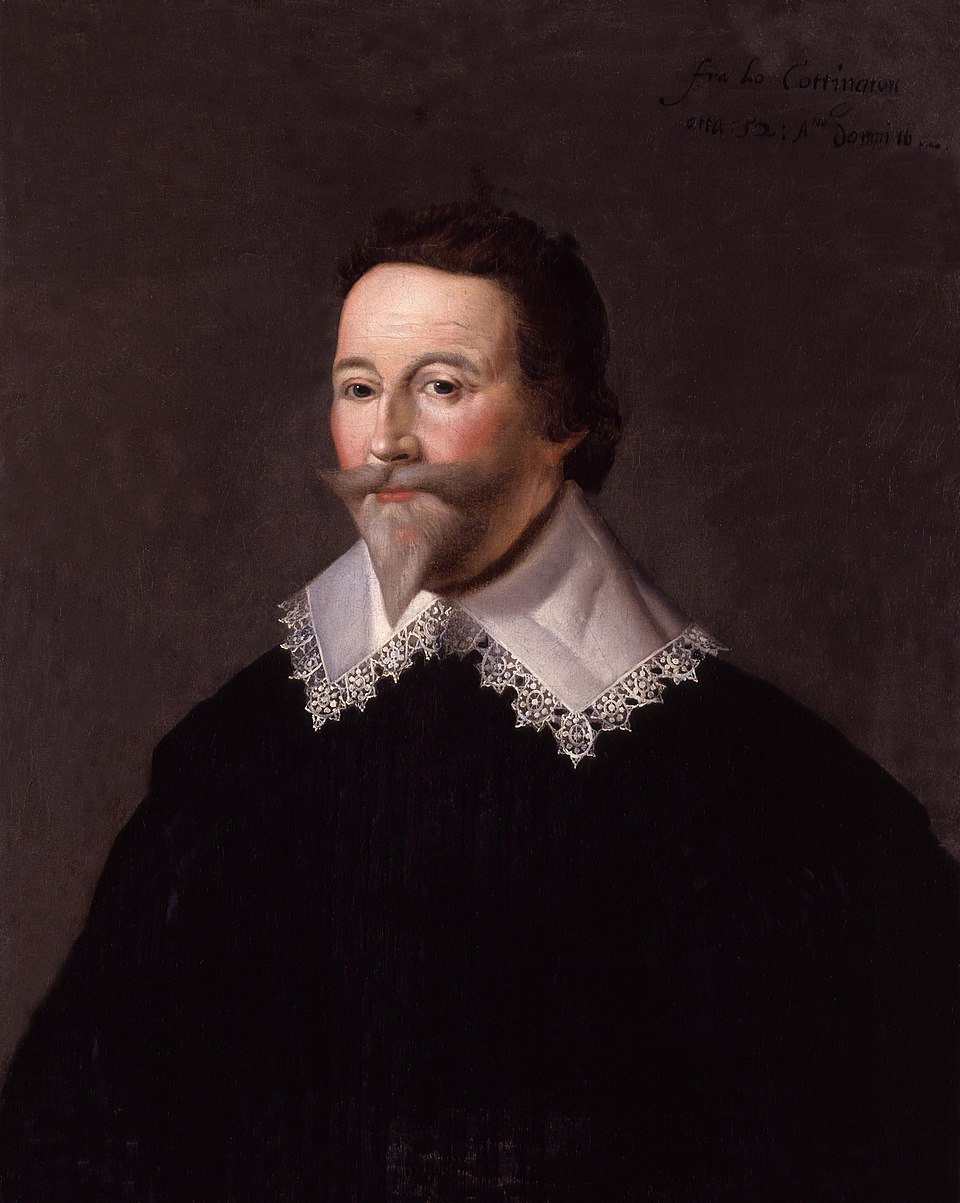
Cottington the diplomat
As a young man, Cottington was employed in the service of the English ambassador at Madrid, Sir Charles Cornwallis.[2] This set him up for a lifetime career of diplomacy and moving between England and Spain, and involvement in some high-profile foreign affairs, including, in the 1610s, discussions with the Spanish Ambassador Gondomar regarding a marriage between the infanta Maria Anna and Prince Charles (the future King Charles I). Some years later, when Cottington’s wife Anne died in 1634 aged just 33, he would express his displeasure that the now King Charles had failed to offer any form of condolence.[3] Anne was buried in Westminster Abbey, and Cottington arranged for her grave to be marked with an elaborate black marble monument, featuring a bronze bust. All their children, four daughters and a son, predeceased Cottington, and he did not remarry after Anne’s death.
Cottington the Catholic?
It was ostensibly later in life, and indeed, perhaps shortly before his death, that Cottington converted to Catholicism, although he had previously been targeted for conversion by Jesuits earlier in his Spanish career. While Edward Hyde had suggested that his conversion was more a matter of practicality than any great strength of devotion, the character of his will complicates this.[4] Evidently aware that his illness was serious, Cottington proclaimed that he was:
‘in my sound understanding
that the things in this world are perishable and that all the Catheliq
Christians ought to prepare their soules to discover the way of salvati=
=on beleiveing as I most firmely ^believe in the mistery of the Holy Trinity
Father sonne and Holy Ghost and in all I beleive and confesse in
the Holy and Romane Catholique Church under which beleife
and ffaith I professe to live and dye’.[5]
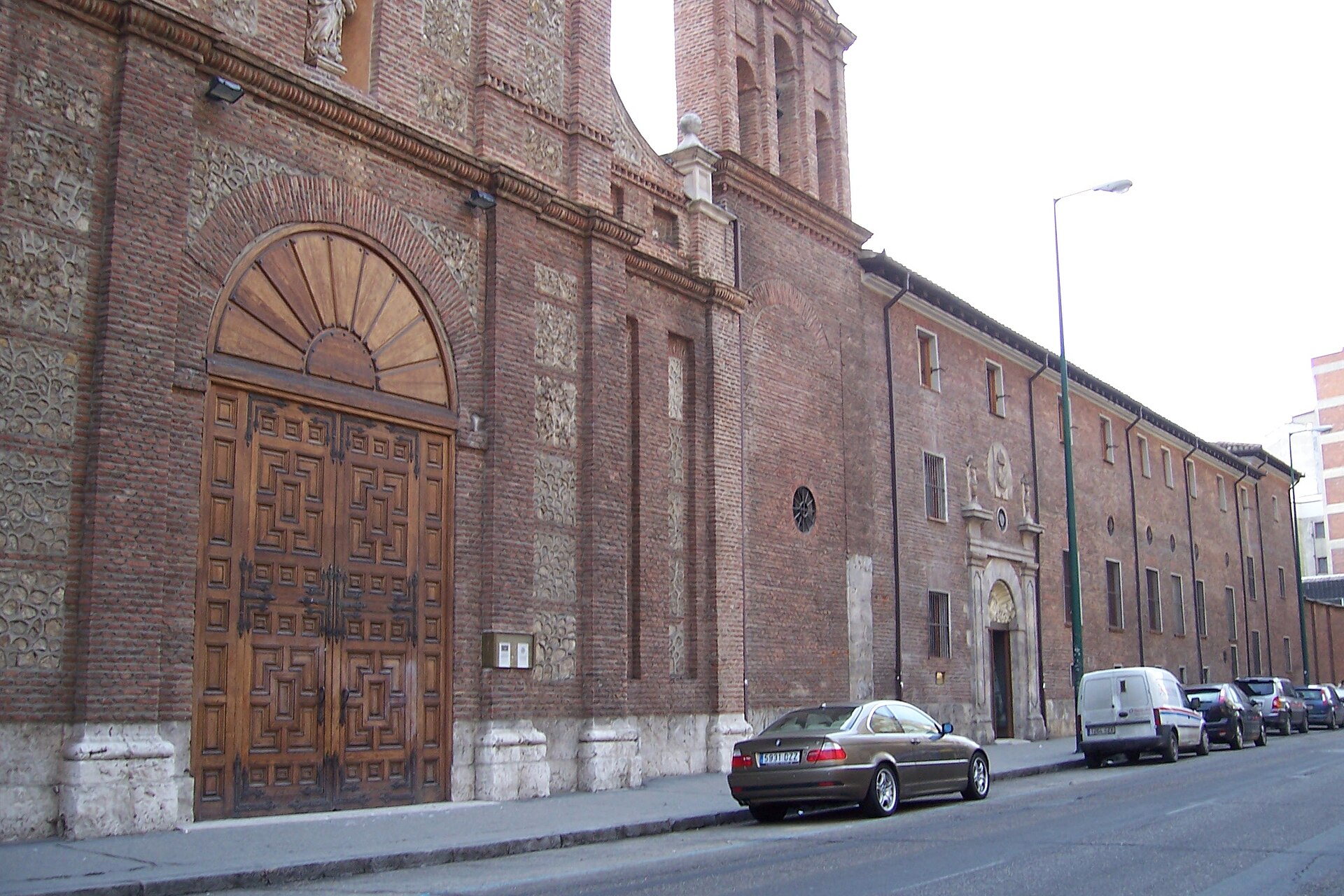
The bequests that followed this seemingly unequivocal statement also appear to speak to the strength of his faith. He referred to a piece of paper, made before he left England for the final time in 1649, in which he disposed of all his English estate ‘in favour of my Catholique Nephewe and [his] sonnes’. Regarding burial, he asked that ‘my body bee buryed and deposited in the English Colledge Churcts of this Citty in the Chappell and place where my Executors please to dispose it’. The English College in Valladolid is a Catholic seminary that was established for the training of English priests by the Jesuit Robert Persons in 1589. Cottington’s burial wishes were paired with his request for masses for his soul: ‘I order that my funerall day and the next day after be said for my Soule all the masses of my Soule in the privilidge Altars in the Church and Convents in the Citty’.
‘A Jewell of Diamonds’
Cottington also left money to four convents in Valladolid, as well as a ‘Jewell of Diamonds’ to the image of ‘our Blessed Lady’ in the English College. This probably refers to a statue of the ‘Virgen Vulnerata’, or ‘The Wounded One’, a ‘mutilated’ statue or Our Lady that was damaged by Sir Walter Raleigh’s troops during the sack of Cádiz in 1596.
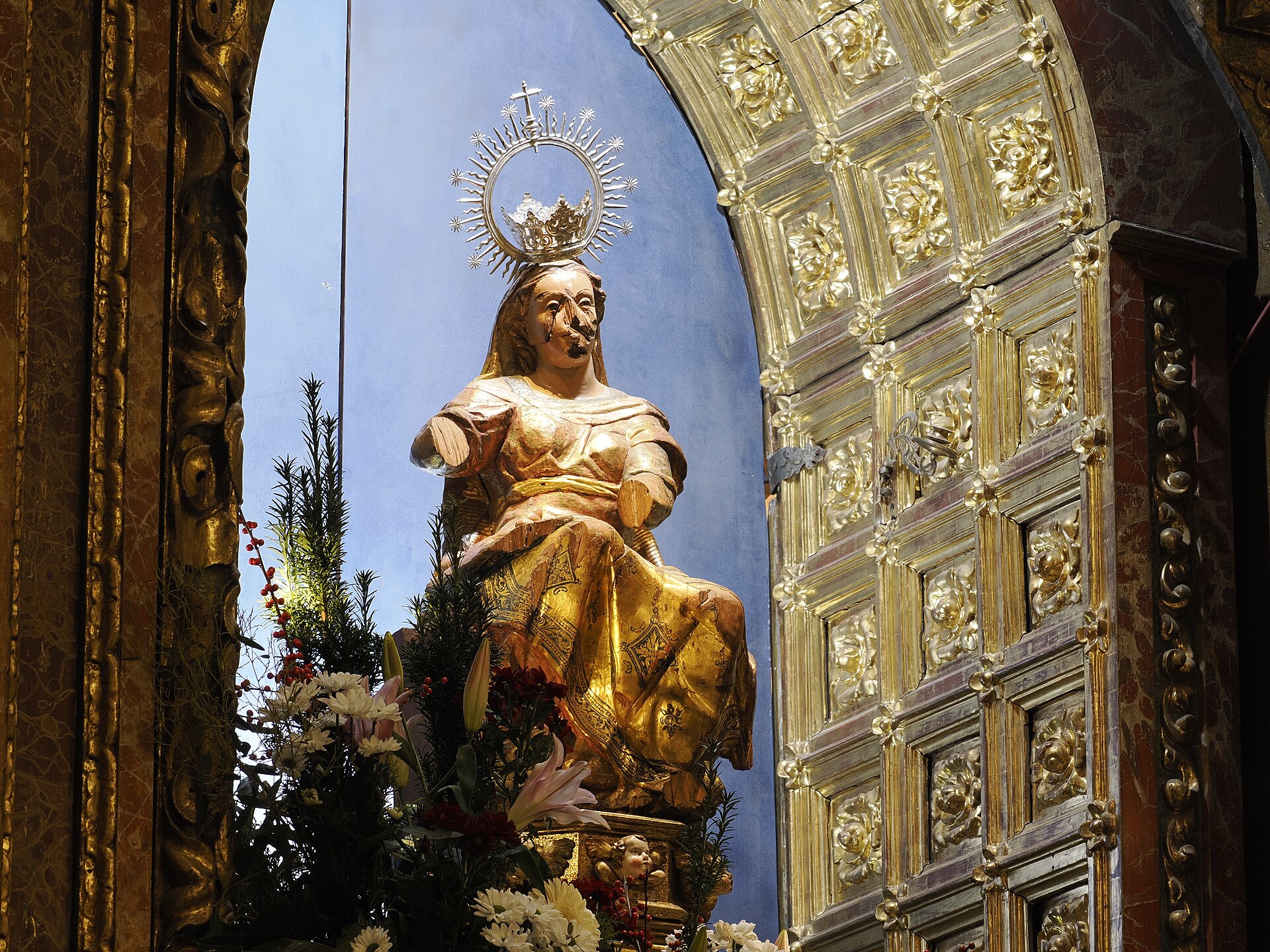
Cottington made bequests of other objects, but none quite so fine as the jewels bestowed upon the statue of the Virgin. Gabriel Sedgwicke, his servant, received ‘a paire of my best sheetes that I leave’. He gave to ‘John Wardner English Student which hath assisted mee in this Citty a silver bowle guilt with its Cover and of my cloathes what my Executors please’. This was probably the Jesuit John Warner, who was educated in Spain and ordained there in 1653, the year after Cottington’s death.[6] With no surviving close relatives, and far displaced from his nephews in England, his personal effects of clothing and silverware were instead left to those who ‘assisted’ him in his final months in Valladolid.
‘in due time may have [my body] remooved thither’
Although Cottington had requested to be buried in the English College, he also asked that his body would only stay ‘till it please the Almighty God to settle [?the dew] differences of the Kingdome of England that my Nephews and Executors in due time may have [my body] remooved thither’. By the ‘differences of the Kingdome of England’ Cottington referred to the turmoil of the Interregnum, which had followed the years marked by the Civil Wars. Cottington, a Royalist, and close advisor to Charles I while the Court was based in Oxford, had some of his English wealth and property confiscated by parliament before his final journey to Spain. He had hoped for his body to eventually be repatriated to England, but only once stability, and perhaps, monarchy, had been fully restored. His wishes were eventually realised after the Restoration: in 1678 his last living relative, his great-nephew Charles Cottington, also a Catholic, had his body removed from Valladolid, and re-buried in the elaborate tomb in Westminster Abbey, alongside his wife Anne.[7]
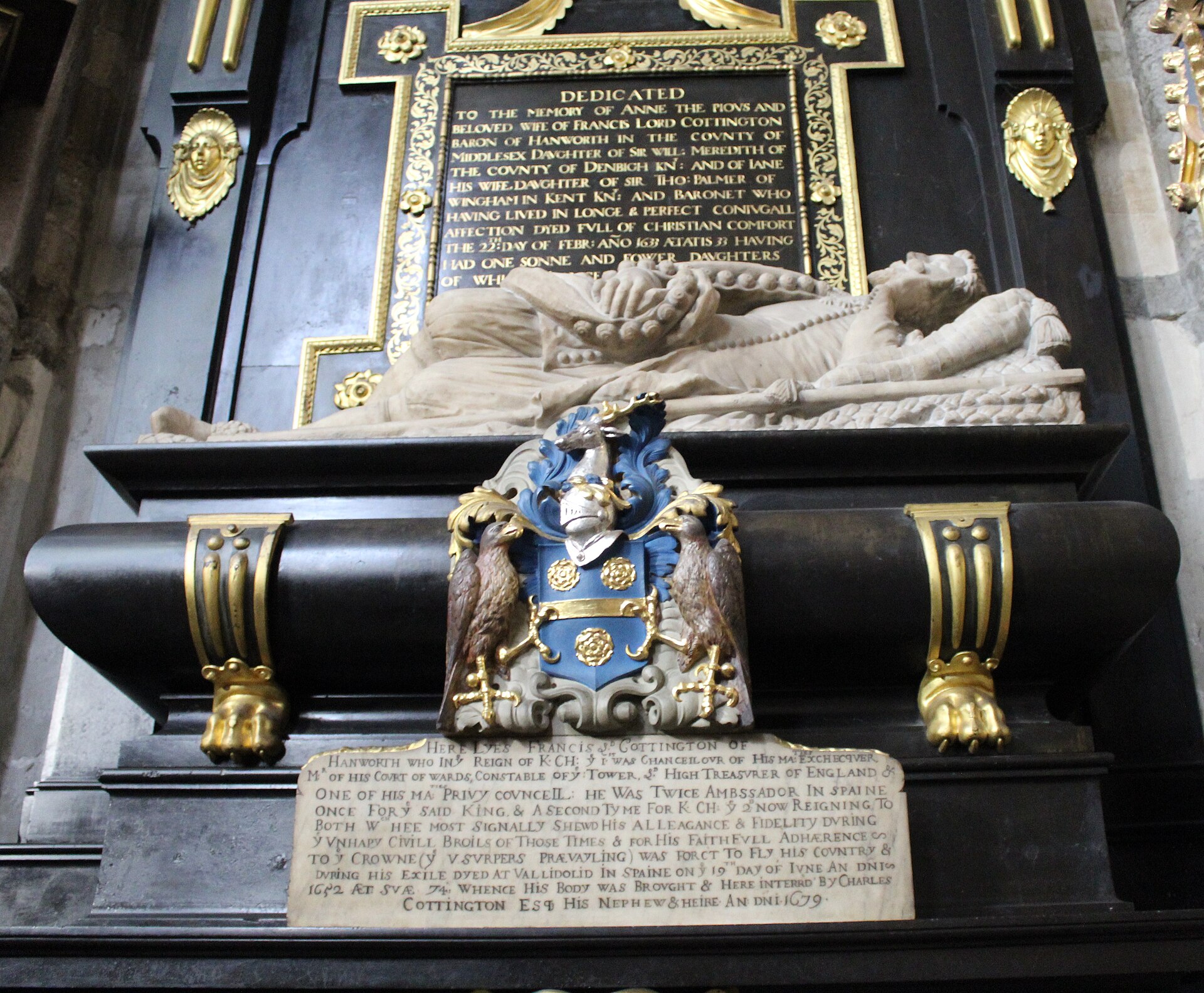
Cottington’s life and will encapsulates in many ways the political, social, and religious turmoil of the first half of the seventeenth century. Early in his career, Cottington had been well-regarded by King James, he had been granted a Baronetcy and had also made an advantageous marriage. Later in life he lost his family to childbirth and plague, he lost political favour during the Interregnum, and he ended his days in exile in Spain.
So what can we make of Cottington’s expressions of Catholic faith, articulated strongly, but only at the very end of his life? It had been alleged that Cottington had considered converting to Catholicism some years earlier in Spain, during a previous illness, but apparently only because he feared that the Spanish would deny Protestants a Christian burial.[8] His English contemporaries certainly denied that his conversion was dictated by his zeal for the Catholic faith, but this was perhaps an attempt to limit damage to his reputation after death, and perhaps also to increase the chances of his final wish—the return of his body to England—being realised.
Certainly, we could interpret Cottington’s written declaration of faith as an attempt to ‘hedge his bets’ and secure a Christian burial, and perhaps his awareness of the differing conventions of will-making in Spain. But the extent of his bequests—not only requesting masses for his soul, but singling out his English Catholic nephews as beneficiaries, leaving money and a ‘Jewell of Diamonds’ to the English College, and giving special mention to a young Jesuit student who had assisted him—this all seems to go beyond lip service, and to denote a deeper expression of piety. Cottington was a skilled and careful diplomat who found himself in exile at the end of his life. We cannot determine for certain whether his will reflected the true nature of his heart or his beliefs about the fate of the soul, or if it merely sought to steer to the most practical and safe course for both his body and his legacy.
PROB 11/321/416, Will of Sir Francis Cottington Baron of Hanworth, Councellor of State to His Majesty’s the King of England and Treasurer in His Kingdom and His Ambassador extraordinary to His Catholic Majesty the King of Spain. 15 August 1666
Tm. Dni Francisci
Cottington
In the name of God Almighty
and the holy Virgin his Mother I Sr Francis Cottington Baron
of Hanworth Councellor of State to his Maiestie the King of England
and Treasurer in his Kingdome and his Ambassadoure extraordinary to
his Catholique Maiestie the King of Spaine beeing in the Citty of Valla=
= dallid in the Kingdome of Castilla and beeing sick of a sicknes which God
my Saviour hath pleased to lay on mee but in my sound understanding
that the things in this world are perishable and that all the Catheliq
Christians ought to prepare their soules to discover the way of salvati=
=on beleiveing as I most firmely ^believe in the mistery of the Holy Trinity
Father sonne and Holy Ghost and in all I beleive and confesse in
the Holy and Romane Catholique Church under which beleife
and ffaith I professe to live and dye in desireing as I now doe desire
to putt my Soule in the way of salvation and takeing as I now doe for
my intercession the Holy Kingdome of Angells St John Baptist
and St John Evangelist and all the rest of the Saints of the Court
of Heaven to his Honour and Glory I make this my last Will and
Testament in the forme following first of all I comend my Soule
unto God Almighty who made it and redeemed it with his precious
blood and my body to the ground from whence it came I order that
when it pleaseth Almighty God to take mee out of this present
world that my body bee buryed and deposited in the English Colledge
Churcts of this Citty in the Chappell and place where my Executors
please to dispose it till it please the Almighty God to settle [?the dew]
differences of the Kingdome of England that my Nephews and Execu=
tors in due time may have it remooved thither I order that they
make
[new page]
[?Master] my funerall with decency not with pompe as my Execu=
tors shall order it to whome I wholly leave it As likewise for my anni=
=versary dayes I order that my funerall day and the next day after be
said for my Soule all the masses of my Soule in the privilidge Altars
in the Church and Convents in the Citty with their resposes accor
=ding as my Executors doe order and that they bee satisfied out of my
Estate I order that there bee said for my Soule an oblation of two
Thousand prayed masses the one fourth part in the Parish the rest
in the Convents by the Preists that my Executors doe order that they
bee satisfied out of my Estate I order and give towards the building of
the Parish Church of St Andrewes of the Citty of which I am a Parishion
one Hundred Ryalls for an almes given to the ffoure Recollect Convents
of Carmelitts Augustines Mercinaries and [?Trimburians] one hund=
=red Ryalls to each Convent for an Almes to recommend my Soule to
my Saviour I give to the Imagine of our Blessed Lady of the Injureds
of the English Colledge a Jewell of Diamonds I declare that at the time
I came from the Kingdome of England to Spaine I left the disposeing
of my Estate patrimoniall as well as grave given mee To Sr Francis
Seymour Baron and Brother to the Marquesse of Harford and I
left a paper made in which I disposed of all in favour of my Catholique
Nephewe and sonnes in true forme and manner Now it is my Will
that the said Baron Seymour beeing soe great a Cavalier disposeth of
my Estate according to the order I have given him and hee devide amongst
my said Nephews giveing every one of them the paper and power
requisite And I order by this my Will and Testament that Edward
Bryan Gabriell Sedgwick and Edward Knight my Servants they
give to each one Twenty pounds sterling dureing their lives for their
maintenance out of the best of my Estate which I have in England in
the first place before he disposed of my Estate as I have ordered him
And soe I desire the said Baron Seymour to see it effected as my soe high
and great friends I give to Edward Bryan Gabriell Sedwick and
Edward Knight my Servants to each of them One Thousand Two hun=
dred Ducketts in Bullion a peice besides the Twenty pounds a yeare for
the service and assistance which they have done for mee and out of this
money they make mourning and that it bee paid by my Executors out of
my Estate presently after my decease and they shall not demand any
thing else I give to John Wardner English Student which hath assisted
mee in this Citty a silver bowle guilt with its Cover and of my cloathes
what my Executors please Item I give to Gabriell Sedgwicke my Servant
a paire of my best sheetes that I leave I order and ordeine for Executors of
this my last Will and Testament Father Joseph de Agala Rector of the
said English Colledge of Valladalid and ffather John ffreeman Minister
of the Colledge to and for the use of all the english society in Generall And
I give them my full power and authority to sell and disposest all my
goods and Estate Jewells plate and household stuffe in this Kingdome of
Spaine and out of the vallue of it ^ I order that they pay and satisfy all my debts
and Legacies which I have given and bequeathed by this my last Will
and Testament and after my debts and Legacies soe satisfied and paid
the remainder and surplusage of my Estate goods Chattles plate Jewells
and Household stuffe to bee and remaine unto the said ffather Joseph de
Agata and ffather John ffreeman my sole and joynt Executors to have
and enioy to and for the ^ only use and behoofe of whole community and body of the English Society
[new page]
in generall with Gods blessing and mine with it they performing and
fullfilling this my said last Will and Testament I declare that I gave a
power to Peter Agnado Merchant and Inhabitant of the Citty of Recover
certaine sumes of money in Madrid by Bills of Exchange and of all that hee
hath Received hee hath given mee satisfaction onely hee remaines Debtor to
mee in the quaintity of one Bill which is in the power of the said ffather
ffreeman this is my last Will and Testament and I firme it and seale it upp
in three leaves in Valladalid the Sixteenth of June one Thousand sixe=
hundred ffiftie two Cottington Miguell Cassiero
[1] PROB 11/321/416, Will of Sir Francis Cottington Baron of Hanworth, Councellor of State to His Majesty’s the King of England and Treasurer in His Kingdom and His Ambassador extraordinary to His Catholic Majesty the King of Spain,15 August 1666.
[2] Fiona Pogson, Fiona. “Cottington, Francis, first Baron Cottington (1579?–1652), diplomat and politician.” Oxford Dictionary of National Biography. 23 Sep. 2004; https://doi-org.uoelibrary.idm.oclc.org/10.1093/ref:odnb/6404
[3] Fiona Pogson, “Cottington, Francis,” Oxford Dictionary of National Biography. https://doi-org.uoelibrary.idm.oclc.org/10.1093/ref:odnb/6404
[4] Fiona Pogson, “Cottington, Francis”, Oxford Dictionary of National Biography, https://doi-org.uoelibrary.idm.oclc.org/10.1093/ref:odnb/6404
[5] PROB 11/321/416, Will of Sir Francis Cottington.
[6] J.M. Rigg and Geoffrey Holt, ‘Warner, John (1628–1692), Jesuit’, Oxford Dictionary of National Biography. 23 Sep. 2004, https://doi-org.uoelibrary.idm.oclc.org/10.1093/ref:odnb/28759; https://jesuitarchives.ie/warner-john-1628-1692-jesuit-priest
[7] Caroline Dakers ed. Fonthill Recovered: A Cultural History, (London: UCL Press, 2018), p.39.
[8] https://www.historyofparliamentonline.org/volume/1604-1629/member/cottington-sir-francis-1579-1652

.jpg)
