
The Past Harvests Project
The Past Harvests Project
Posted by es970
14 July 2026Research on the estate archives for this project is always fascinating. However, it can also be frustrating. It is almost as if all those estate stewards, reeves, bailiffs, surveyors, mapmakers, and account-keepers didn’t know that 300 or 400 years later a bunch of researchers would come along wanting to know about outputs per acre, nutrient inputs or the area of uncropped margins in fields. Of course, they just recorded what was important at the time, in ways they understood, but did not always explain. So, much of our research forces us to extrapolate, re-interpret or re-think evidence that was collected for entirely different purposes.
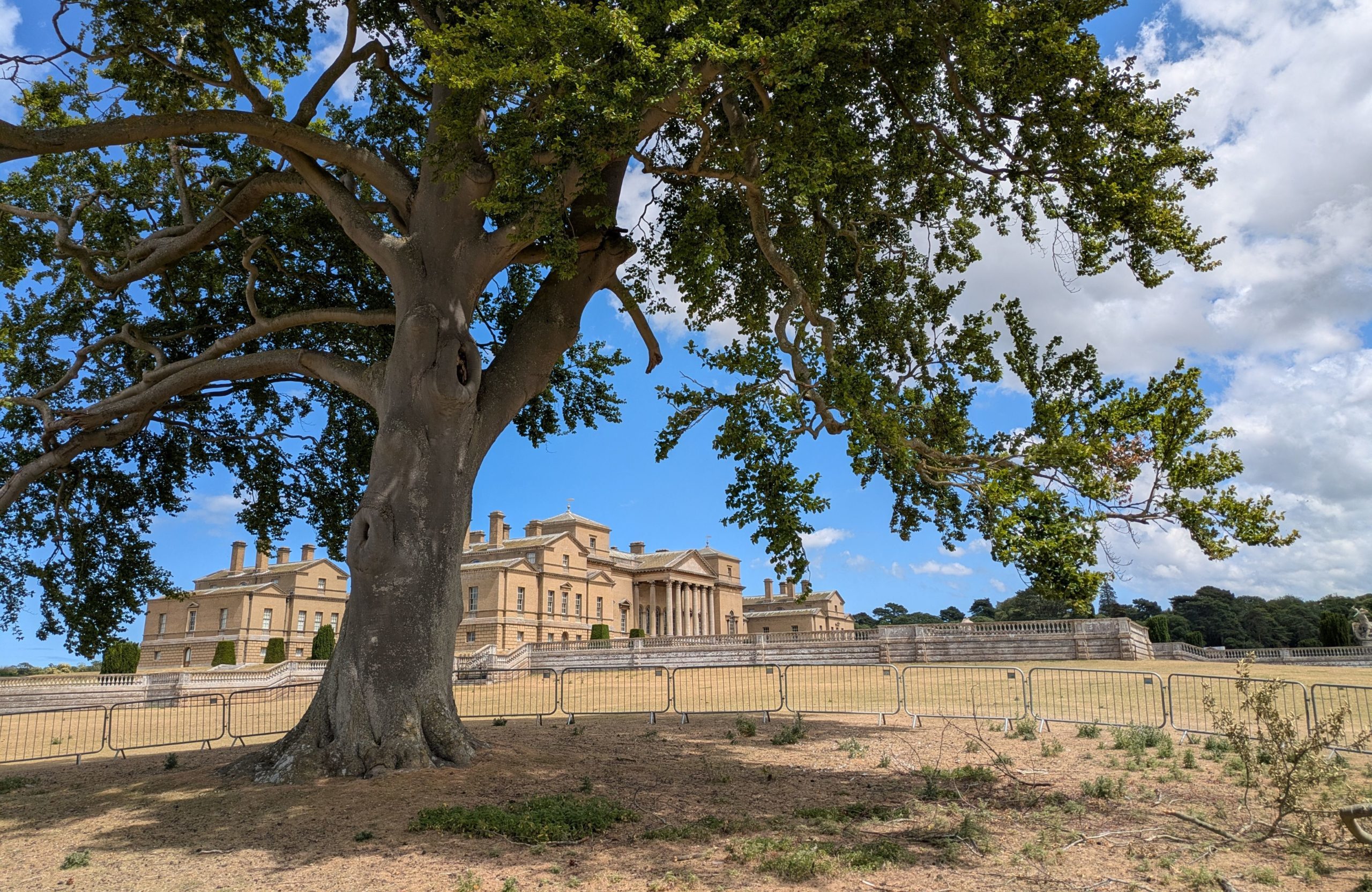
Then we went to Holkham Hall. We were expecting good things, because most of us dimly remember from school that Thomas William Coke, 1st earl of Leicester (1754-1842) was ‘Coke of Holkham’ agricultural improver par excellence. Coke was famous for improving sheep breeds, intensifying arable production through enclosure and greater use of fodder crops. However, this activity was also accompanied by a vast amount of ‘data gathering’ about the farms on his Norfolk estate. From the 1780s onwards, Coke and his stewards amassed an extraordinary record of farming practice. They drew maps of each parish in which the estate held land. They surveyed and mapped every farm on the estate. Between 1789 and 1803, they kept records of the crops grown in every field on every farm on the estate. They maintained very detailed accounts for the home farm at Holkham through the 1780s, and again from 1814-22 – when we say ‘detailed’ we mean down to the varieties of clover seed purchased. They also had a stock book recording every livestock transaction in the period, including a gift of two bulls from Patagonia.
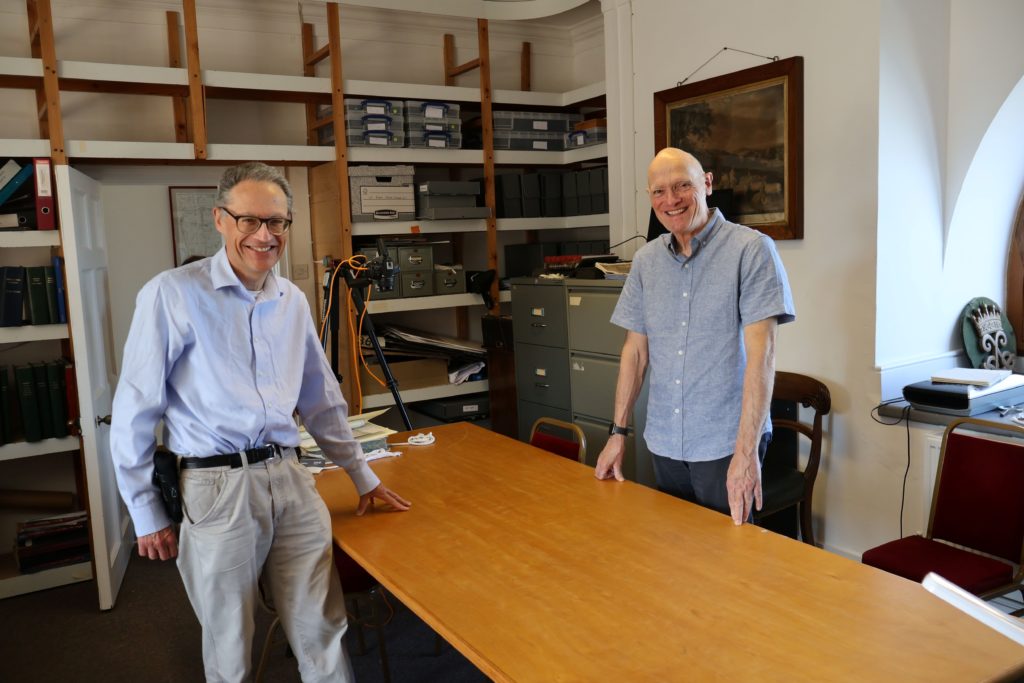
So, that is about as good as it is ever going to get for us, in terms of records that provide information about yields, crops, inputs and outputs, livestock numbers and even the profitability of farms. It doesn’t end there, though. A generation earlier, the managers of the home farm at Holkham also kept extremely detailed accounts, between 1731 and 1747. Forty years before that, a diligent estate steward combed the archives to explain to a young Robert Coke how his estate had been managed over the previous century. In the mid-seventeenth century, the gatherers of tithes for Holkham and some other parishes, provide a detailed record over a decade of crops grown, yields and prices. A century before that, in the 1530s and 1550s, their predecessors kept detailed records of the numbers of sheep in the communal flocks on the ‘fold-courses’ – sometimes wrapping their accounts in parchment fragments of medieval manuscripts from the area’s dissolved monasteries and priories. Two hundred years before that, assiduous reeves recorded the output of oats, rye and barley, and the numbers of livestock sold off the manor.
Was there something in the water in north Norfolk that made them compulsive record keepers? Probably not, but the combination of market-oriented agriculture and the careful preservation of evidence about title, rights and practices created a uniquely detailed illustration of farming in the region over six or seven centuries.
This blog was provided by Professor Henry French, Lecturer in Social and Early Modern History, at the University of Exeter and co-lead on the Past Harvests project.