
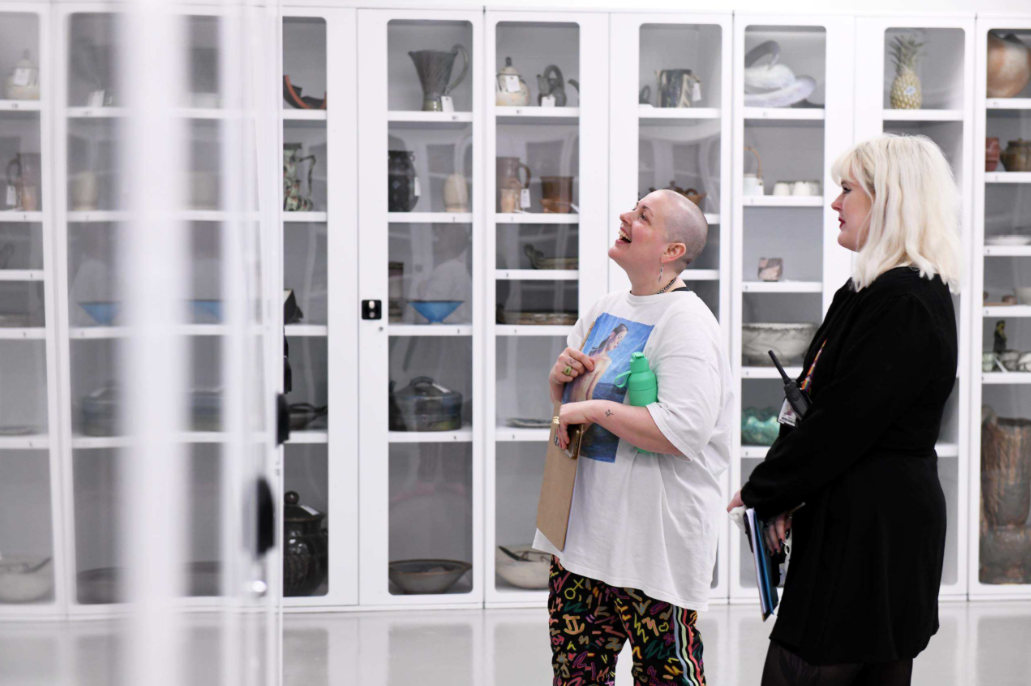
Dr Daniel Fountain tells us about the development of “Queerly Made”, which explores the legacy of craft in the LGBTQ+ communities, and looks at tackling the challenges of underrepresentation in national craft collections. Support from our Engaged and Participatory Research Fund has helped bring this subject to new audiences through workshops and exhibitions in the Tees Valley.
Amount of award: £4116
“Queerly Made” is the UK’s first major project investigating modern and contemporary queer craft, filling a critical gap in both research and curatorial practice. Particularly over the past seven decades, LGBTQ+ artists have increasingly used crafts to express identity and build community. Despite this, a recent Crafts Council (CC) evaluation report found equitable representation is lacking in national collections, leading to “isolation and a lack of provision” for LGBTQ+ audiences amidst rising anti-LGBTQ+ sentiment in the UK.
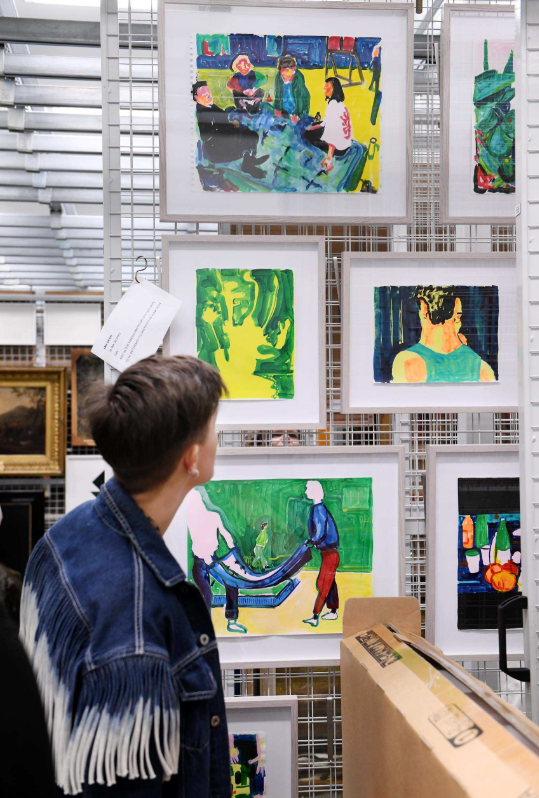
In partnership with CC and the Middlesbrough Institute of Modern Art (MIMA), this project acknowledged this gap by pioneering a collaborative approach, rooted in social action. Outputs have been co-produced at MIMA with local LGBTQ+ communities in the Tees Valley. The EPR funding has enabled a focus group where diverse groups could co-curate materials relating to objects from the Middlesbrough Collection. This co-created content has fed into an exhibition of the same name, ensuring a lasting community voice.
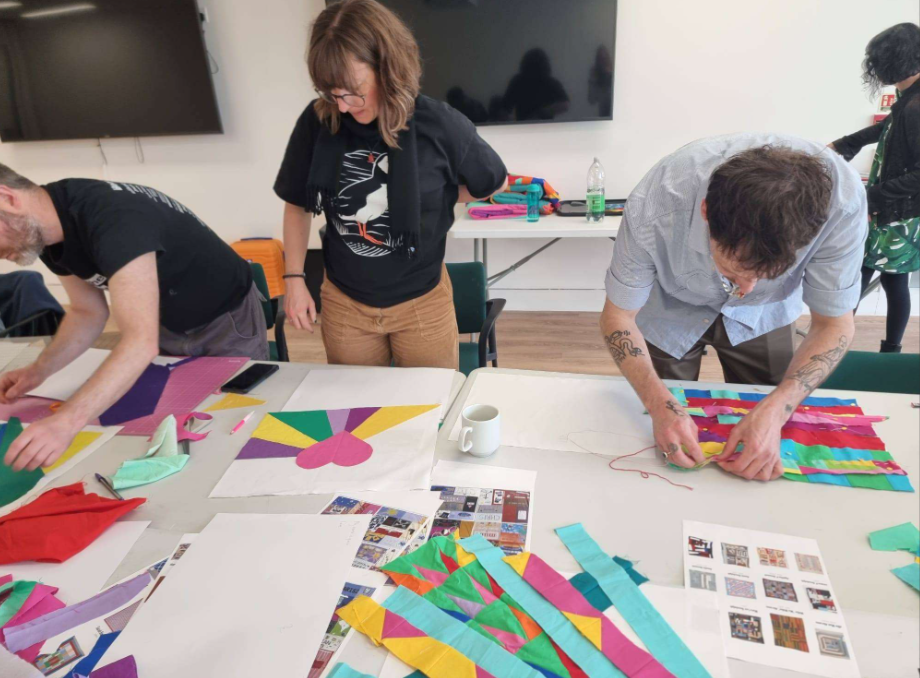
The Tees Valley has been identified as having the lowest opportunities for cultural engagement in the UK. In an effort to address this, we also supported LGBTQ+ makers to deliver three free, creative workshops, providing meaningful access to art. Each workshop used a different form of craft to engage with their audiences: the first was ‘Sunday Art Trolley’ session with Curious Arts, an LGBTQIA+ arts, youth and heritage charity. The second was a ‘Dancing with Paper’ workshop, in collaboration with artist and Drag King, Lady Kitt, and the final was a textile quilt-making workshop with artist Davey Powell.
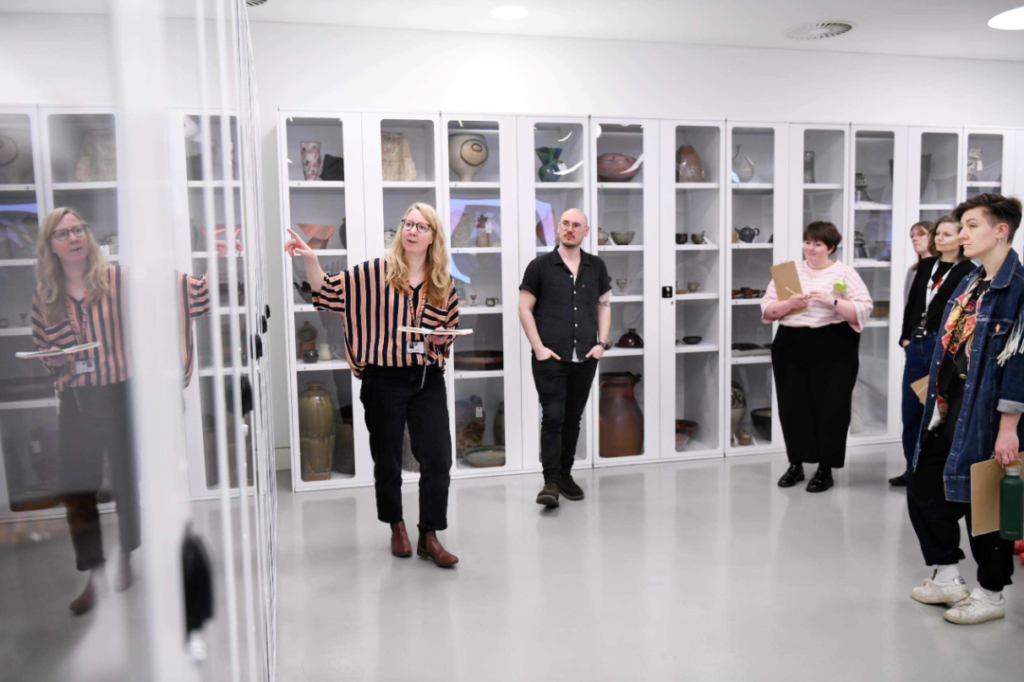
On a personal level, the project produced immediate benefits for both the communities and researchers involved. Through these activities, the local LBGTQ+ community in the Tees Valley could engage directly with the MIMA’s collection. From a research perspective, this work has enabled us to strengthen our relationship with our partners and the involved communities, as well as giving us insight into the shared themes across the collections. This has been invaluable in developing content for our upcoming exhibition. While there were undeniable challenges (particularly navigating the different schedules and time commitments of our partners), regular communication ensured a successful series of events, producing clear benefits for both the cultural sector, and local and national LGBTQ+ communities.
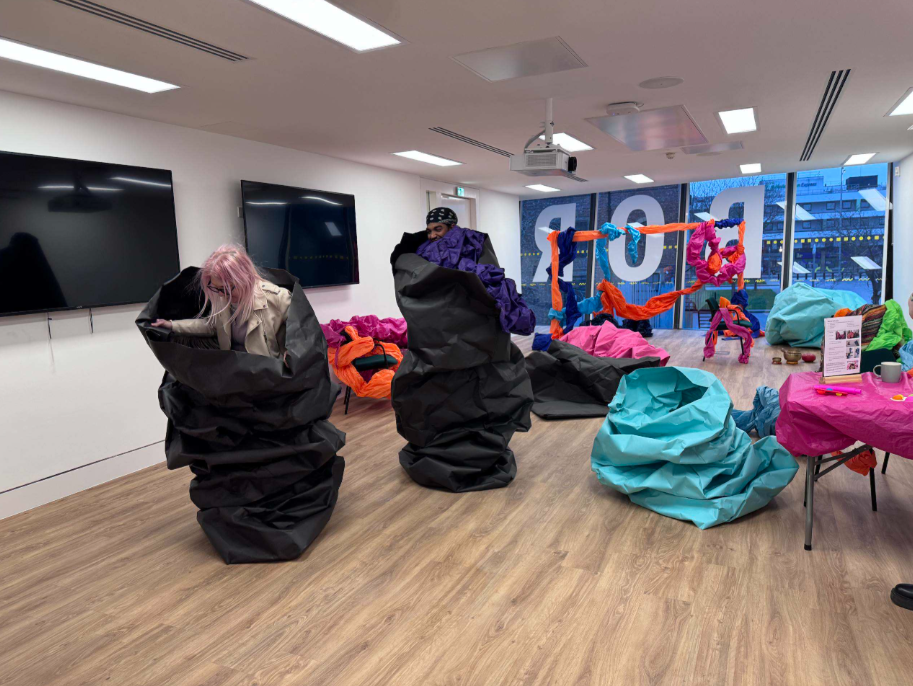
The project has continued to grow beyond its initial scope. Although we only proposed to run one ‘queering the collections session’, we ended up hosting two, inviting local LGBTQ+ participants to take a behind-the-scenes tour of the Middlesborough Collection, and use this experience to develop interpretation materials from their own personal perspectives. Crucially, the project has already secured a significant future outcome once this funding ends: a three-month exhibition at MIMA in Spring 2027. This exhibition will be the first time items from the Middlesborough Collection and the Crafts Council have been brought together, alongside contemporary LGBTQ+ artists. To support this exhibition, we have received £20,000 from the Kennedy Ting Foundation.
The project’s outputs have also demonstrated its scalability. In the future, I plan to secure an ACE Project Grant and AHRC Standard Grant to replicate these activities at different institutions across the UK, with potential for international partnerships. I was also made an independent member of Craft UK, a network of more than 150 organisations committed to the study, display, and preservation of craft. This has given me an opportunity to work more closely with Craft UK, and potentially deliver a workshop and policy report. ‘Queerly Made’ was designed to deliver lasting structural change, both within the MIMA and CC, and through the generation of tools and methodologies other organisations can similarly adopt. I hope that through these outputs, and in the future of this work, it will continue to encourage sustainable, sector-wide change in how cultural organisations can best engage with and represent queer craft.
Photography credit – Judy Hume