
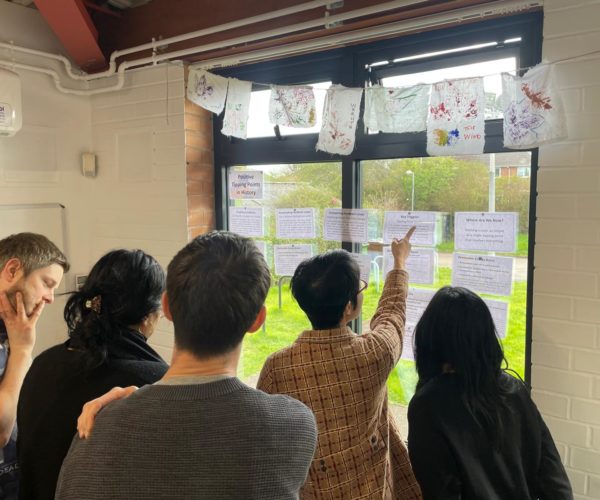
Peter Lefort of the University’s Green Futures Network offers the latest updates on the Positive Tipping Points Toolkit. Working with partners Shalyn Wilkins and Jo Crocker (Winchester Action on Climate Change), this project used Engaged and Participatory Research Funding to engage new and underrepresented communities with pivotal climate research.
Category: Case Study

Taking Part in Exeter’s First ‘First Thursdays’!
Hosted by InExeter, and brought to the city by a local resident, the First Thursdays scheme has been running on the first Thursday of every month this summer. Staff from across the University have been working with the Public Engagement with Research team to deliver pop-up talks, panels, and even a gameshow as part of this community-driven event.

Routes to Engaging Young People in Environment & Environmental Issues: A Partnership Project
Sally Palmer, Senior Lecturer and developmental psychologist in the School of Education, and Maria Clarke, Dorset Local Nature Partnership (DLNP) Manager, share experiences from their recent Engaged and Participatory Research funded project, investigating the driving factors in young people’s engagement with environmental issues.

Listening to Mothers: How Patient and Public Involvement Shaped the PINCS Study
Professor Emma Pitchforth, Dr Joanne Morrison, and Victoria Cullimore explain the process behind Patient and Public Involvement and Engagement (PPIE) on their recent study, Postnatal Intervention for Cervical Screening. This work was supported by our 2025-6 Engaged and Participatory Research Fund, to help the research team gain lived experience perspectives ahead of the next phase of the project.
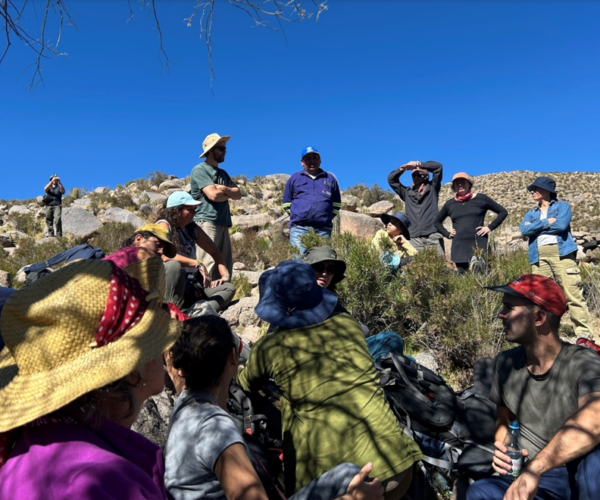
Andean Futures: Collaborative, Interdisciplinary and Intercultural Strategies for Sustainable Biocultural Policies in NW Argentina
Professors Marisa Lazzari and Ioana Oltean from the Department of Archaeology and History share insights into their longstanding collaboration with Fundación Tiempos, an Argentinian organisation dedicated to sustainable and future-focussed heritage preservation. With support from our Engaged and Participatory Research Fund, this project helped support inclusive approaches to heritage in northwestern Argentina.

Growing Belonging: Exploring Belonging and Wellbeing at Yourspace Sutton
Dr Jess Marshall talks about the Growing Belonging project, investigating the connection between belonging and community participation, and how research can begin to measure the outcomes of this. This work was supported by our Engaged and Participatory Research Fund for the 2025-6 academic year.
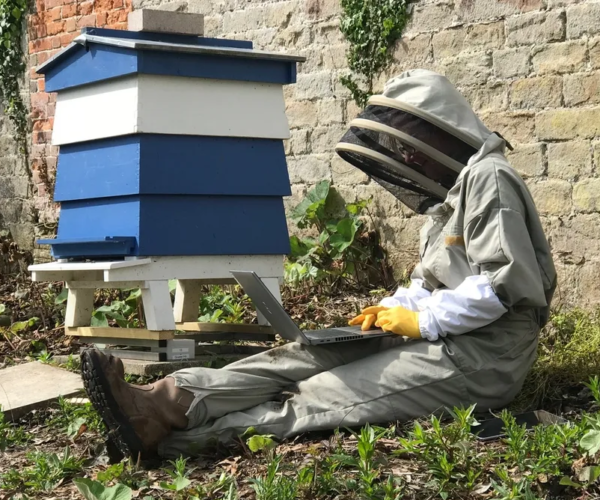
What is sustainable beekeeping and how can / should we do it?
Fay Kahane tells us how support from the Patient and Public Involvement and Engagement (PPIE) Fund helped develop her PhD research, working in collaboration with external partners to investigate the future of sustainable beekeeping.
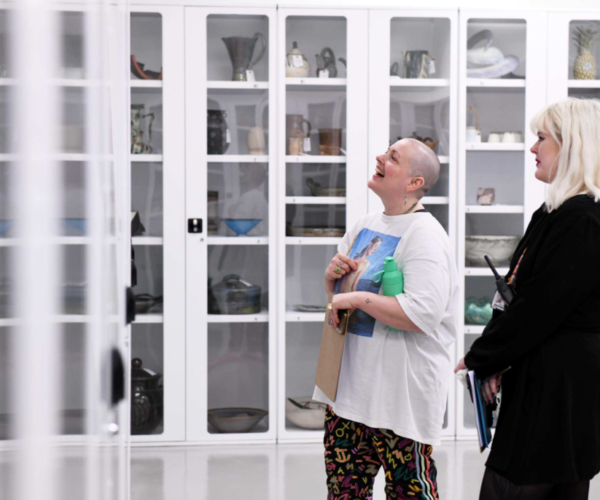
Queerly Made: Crafting LGBTQ+ Identity and Community
Dr Daniel Fountain tells us about the development of “Queerly Made”, which explores the legacy of craft in the LGBTQ+ communities, and looks at tackling the challenges of underrepresentation in national craft collections. Support from our Engaged and Participatory Research Fund has helped bring this subject to new audiences through workshops and exhibitions in the Tees Valley.
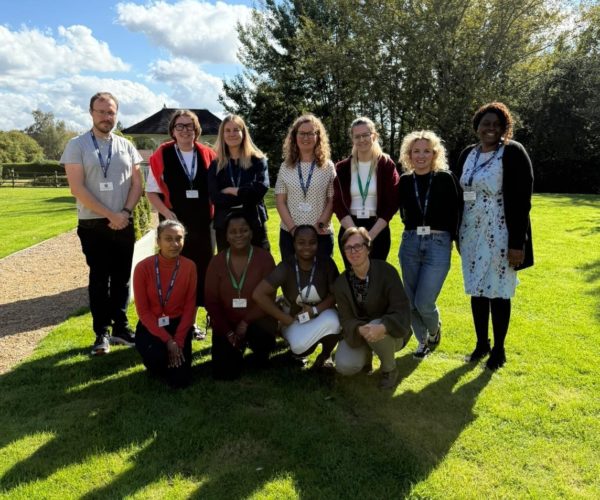
NIHR Team Science Award: Building Research On Climate-smart Care for Optimising Lifelong health Impacts for women (Team BROCCOLI)
The latest of our blog posts from this year’s funding cohort features Dr Dorothea Miranda Geddes-Barton who highlights the importance of Patient and Public Involvement and Engagement (PPIE) in her work, engaging with diverse perspectives in preparation for an NIHR Team Science Application.

Community Consultation for the Research Design of Practice-based, Participatory Action Research PhD Project
Yudi Wu, PhD student in the Department of Communications, Drama and Film gives an insight into their experience engaging with the public as part of their research project, establishing relationships with participants and navigating these to ensure those who contribute to a research project can be most effectively supported throughout.