
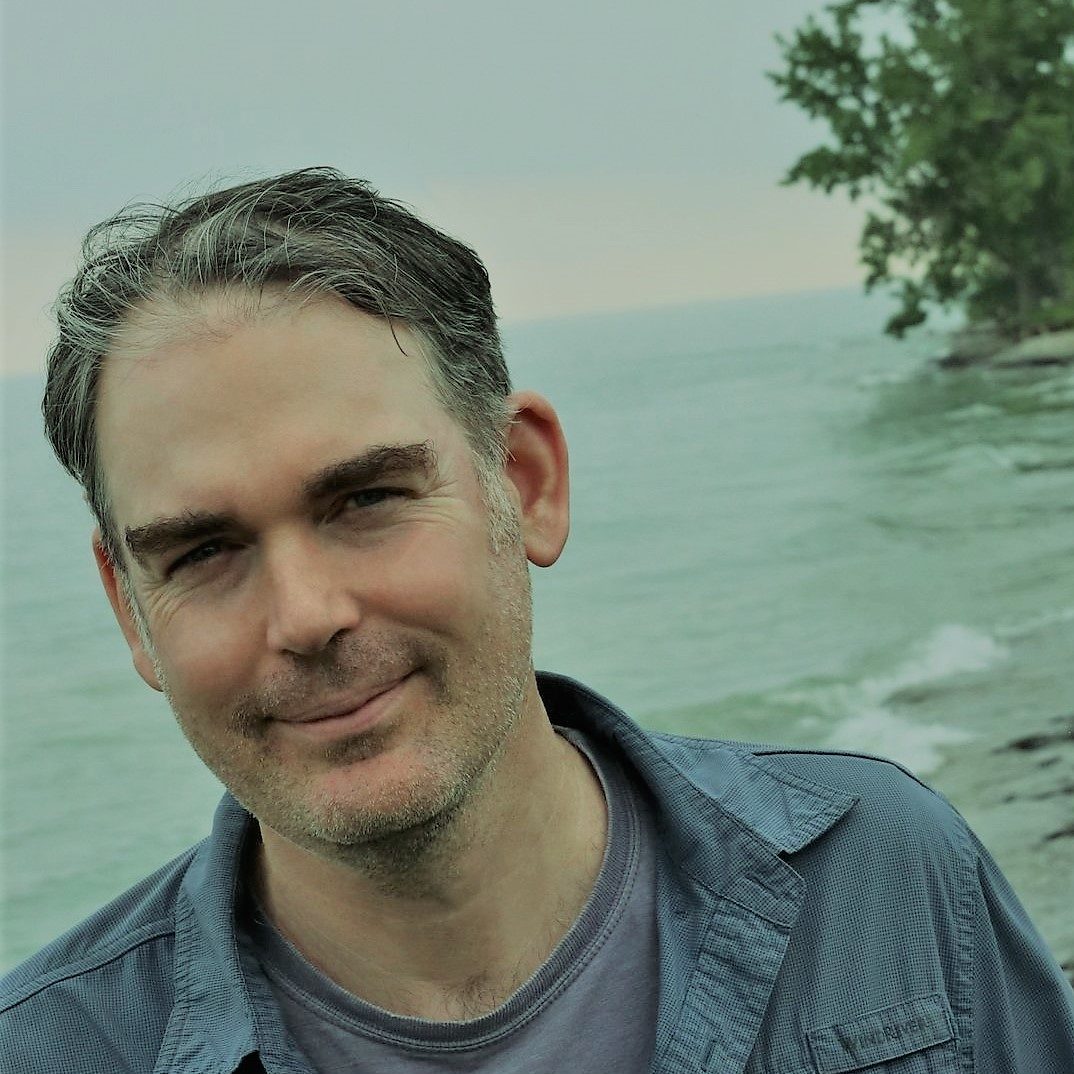
Keith Wiliams is an Assistant Professor in the Centre for Interdisciplinary Studies at Athabasca University. Keith gardens and swims in the powerful tidal environment of the Bay of Fundy in Mi’kma’ki, Nova Scotia. His work focuses on better understanding how to be good relations with our more-than-human kin. Keith draws heavily on posthuman and Indigenous thought as well as lived experiences with family members—human and otherwise.
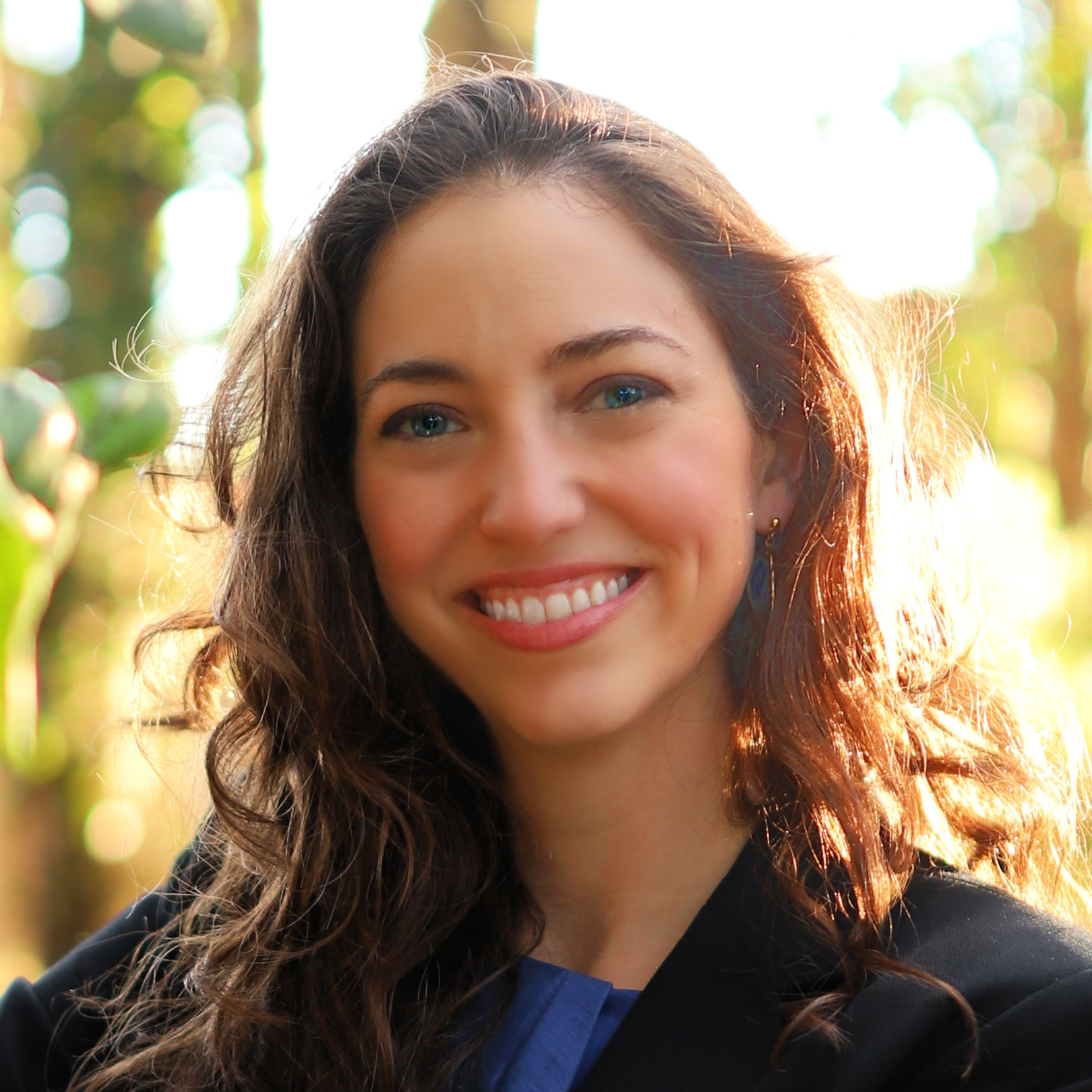
Laura Pustarfi is a lecturer in Philosophy and Religion and Director of the Psychedelic Certificate Program at CIIS. She teaches in both the Ecology, Spirituality, and Religion program as well as in the Philosophy, Cosmology, and Consciousness program. Her scholarly work examines trees and plants in Western thought with particular focus on an arboreal and vegetal ontology and ethics that respects plants themselves.
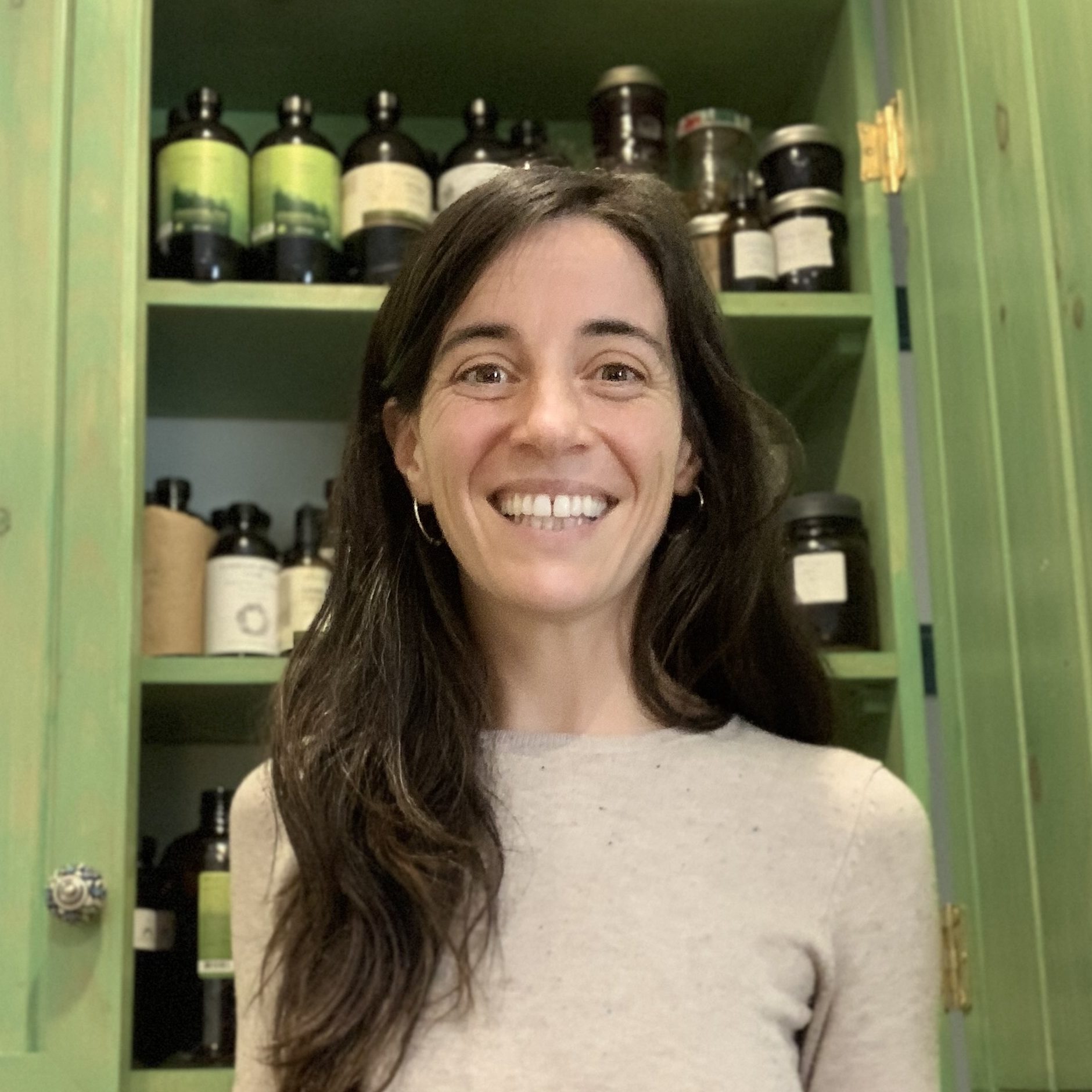
Andrée-Anne lives with her family in beautiful Mi’kma’ki, by the Northumberland Strait, in Nova Scotia. She is a traditional Western herbalist, clinician by training, and educator at heart. For several years, she operated a small herbal clinic within a doctor’s office, and has recently shifted her focus to managing the Indigenous midwifery program in development at FNTI, an Indigenous Institute located in Tyendinaga, Mohawk Territory.
Colloquium Presentation: 7 November 2025, 3:30-5pm (Room G17, Mood Disorder Centre, Sir Henry Wellcome Building)
“Skin contains land and birds”: Understanding inner healing intelligence through critical vitalism and Indigenous thought
Abstract
Inner healing intelligence (IHI) is a foundational orienting concept in the psychedelic-assisted therapy (PAT) field that refers to the innate tendency of living beings to move towards healing. In this paper, we introduce an expanded articulation of IHI, drawing largely on vitalism and Indigenous philosophy from the Americas. We conceptualize IHI as the innate capacity of an individual to move towards healing by engaging with the vital life force of existence specific to place and intrinsic to the myriad more-than- human relationships that constitute the extended self. Rather than presenting a prescriptive framework, our aim is to invite the PAT community to take IHI seriously and to imaginatively explore the im- plications of this expanded view. We offer this articulation not to define or delimit the concept, but to contribute to a broader, ongoing conversation about the relational and ecological dimensions of healing. By foregrounding the ontological and ethical consequences of IHI, we suggest that this perspective can enrich therapeutic practice and support the collective aspirations of the psychedelic renaissance. To this end, we propose several recommendations for how a more emplaced, embodied, and relational enactment of IHI might unfold in practice, while pointing to future directions for inquiry that resists closure.