
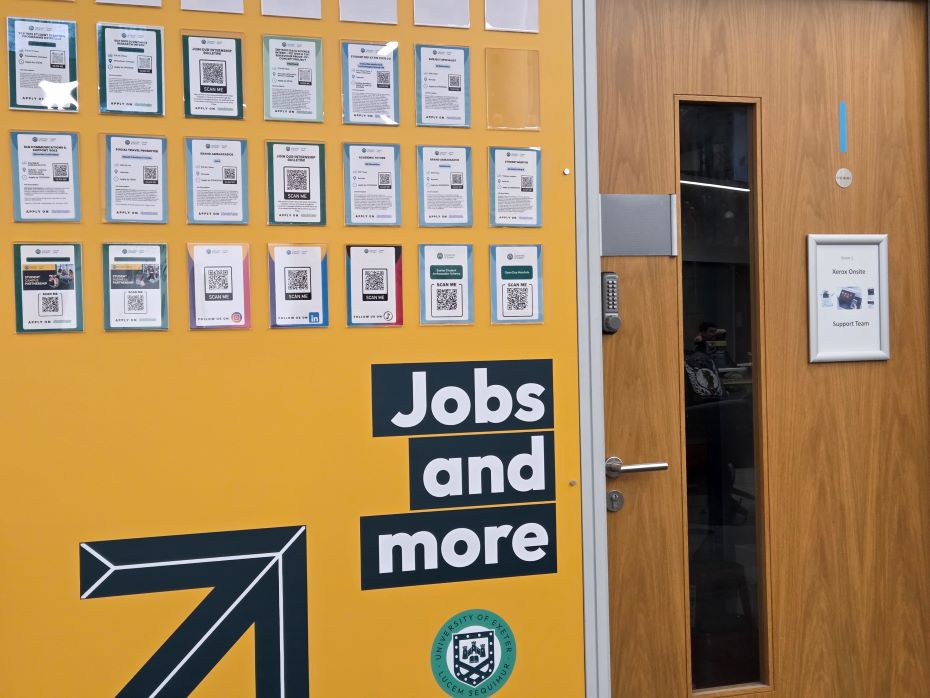
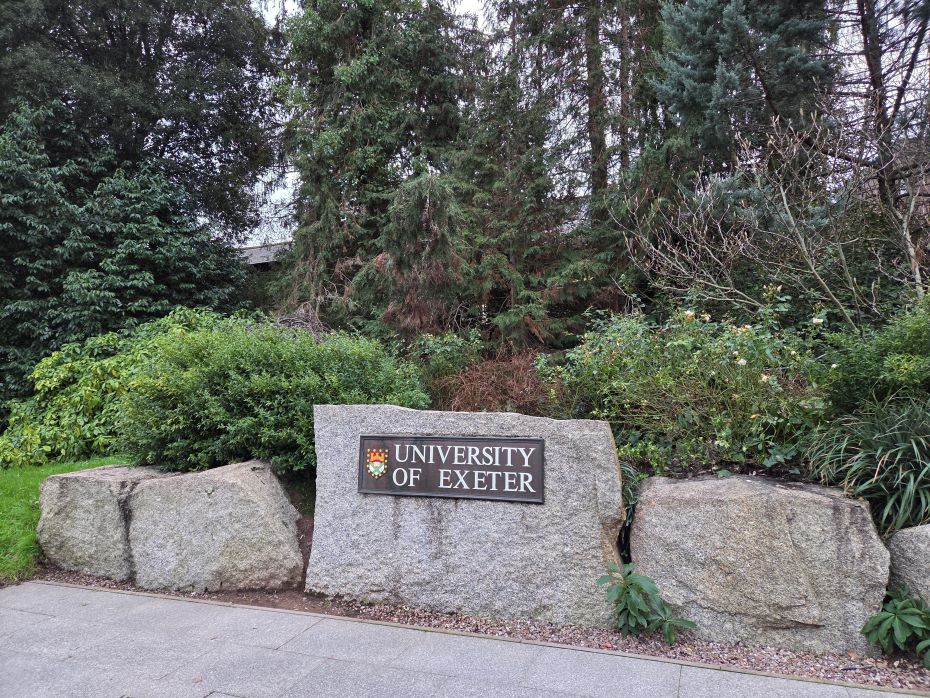
Hi, I’m Anugrahaa, currently pursuing MSc Clinical Psychology at the University of Exeter. I’m originally from Coimbatore, a vibrant city in the state of Tamilnadu down in the south of India, and moving to the UK for my postgraduate studies was both exciting and a little daunting. Everything felt new, the weather, the culture and even the people. I still remember my first day on Streatham Campus, walking up the hill surrounded by green trees, old stone buildings, and the sound of students chatting in every corner. It felt like stepping into a film scene, and for a moment I couldn’t believe I was really here.
As much as I was thrilled to start this new chapter, I was also a bit nervous about what came next. Psychology has always been something I deeply cared about. I am driven by the passion to understand people, their emotions, and behaviour. But figuring out how to turn that passion into an actual career, especially in a new country with a completely different job market felt pretty overwhelming. I didn’t know where to start or how my degree would translate here. Still, I told myself it was okay not to have all the answers right away. Slowly, with time and the right support, things began to make sense.
Before we go any further, let me be honest, when I chose Exeter I neither had a perfectly mapped out career plan nor a clear answer to the question “What do you want to do after graduation?”. What I did have was curiosity, ambition to succeed and a quiet hope that I would end up in a better place someday. Looking back now, I realise choosing Exeter wasn’t just about choosing a university. It was about choosing an environment that encourages growth, exploration and confidence. So if you are wondering what your future prospects look like in Exeter and whether the university really helps with your career and employability, this one’s for you.
First things first, you don’t always need to have a plan
It is not the case that every student who arrives at Exeter has their entire life planned out. People don’t know what they want to do and this is probably the most common worry among all students. One thing I really appreciate about this university is how normalised uncertainty is. No one makes you feel bad for not knowing where you want to be. Instead the focus is on exploration and experimentation of your experiences that slowly shape who you want to be.
Let’s get the facts straight!
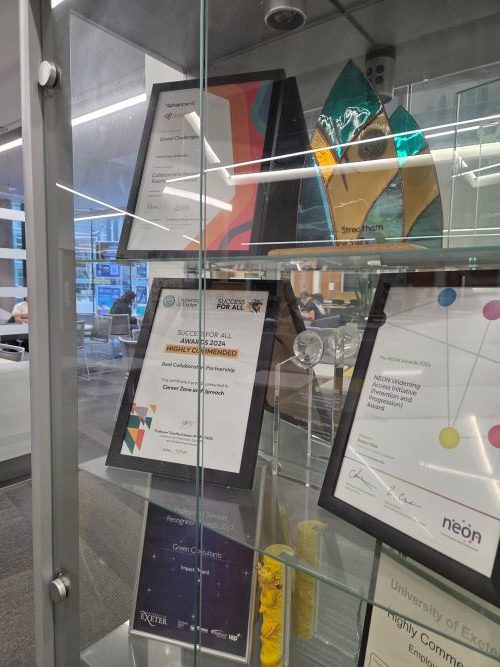
The University of Exeter has a strong reputation for careers and employability. It has secured 8th place in the UK for top employers targeting students in the Graduate job market. Also, the careers services scooped the 3rd place in the 2025 Student crowd awards. Well, these rankings and statistics sound impressive, but does all of this actually mean something for a student? Of course it does! It means the University has connections with employers from various sectors who show up at the university. Here, at the University of Exeter, career conversations aren’t reserved for the final year, they are part of the journey from the start.
CareerZone: Your go-to mate
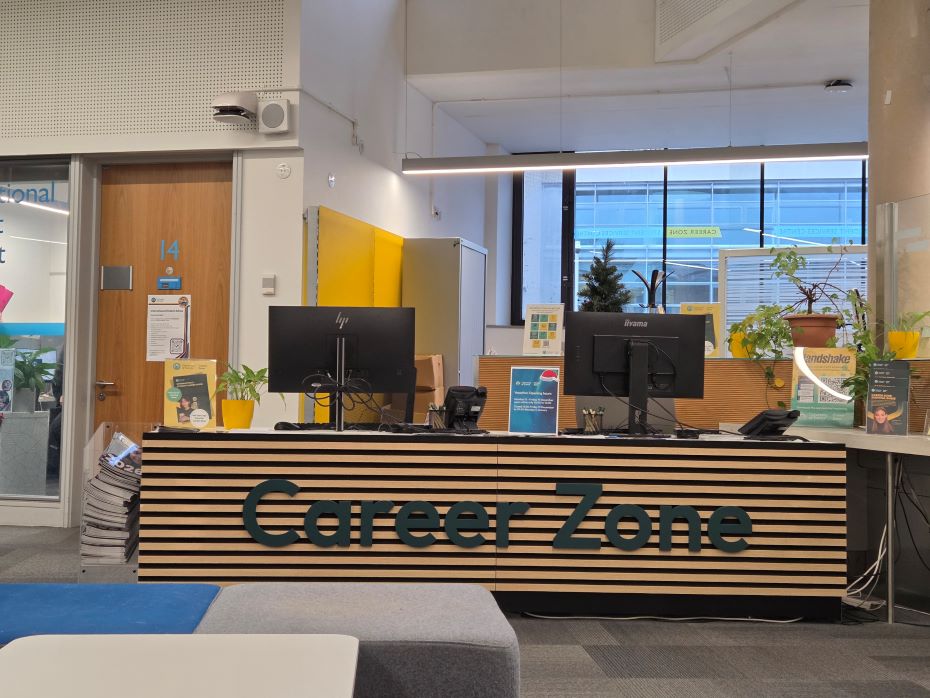
If our university had a superhero for careers it would be the CareerZone. Drop by the CareerZone in the Forum on Streatham Campus (or at The Exchange, Penryn campus) and you will realise that they are those buddies who have nailed every job hack. Since this one’s based right on campus it is accessible as well as less intimidating. Staff at the CareerZone help you right from the first step of career planning, starting from one-to-one career guidance, help with CVs and cover letters, mock interviews, alumni connections and much more.
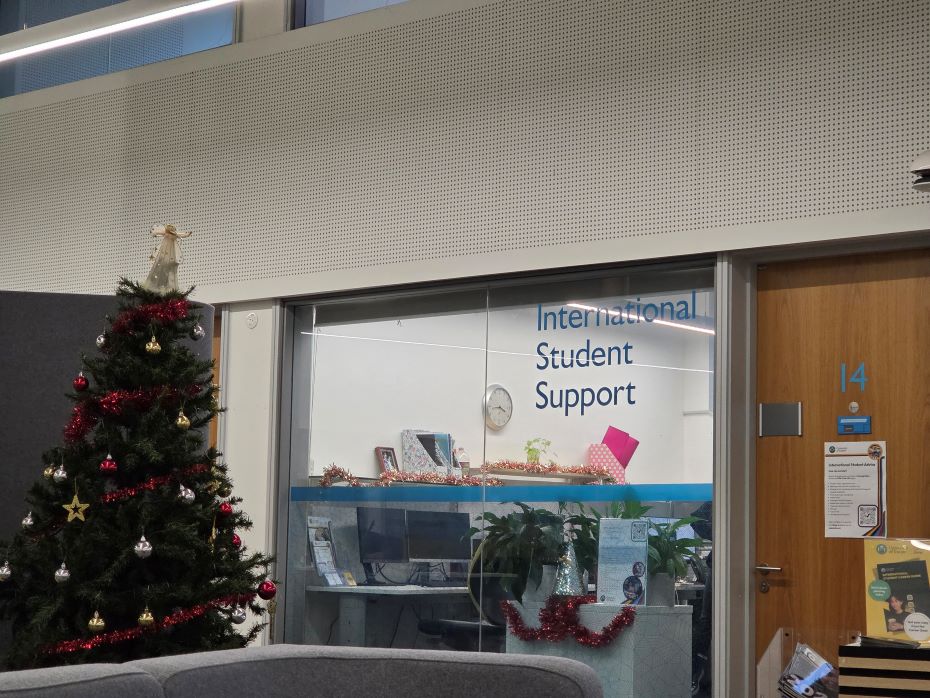
I found their support to be extremely invaluable in understanding the competitive job market and how to write a perfect CV. They also offer support in helping you find the right internships and part time jobs as well. Also, since I’m an international student myself, I know we face a few extra layers of stress when it comes to careers and visas. That’s why I really appreciate that the CareerZone offers extra support just for us. Each term, there are tailored Careers & Visas workshops for international students, where they go through key visa rules, explain what UK employers expect, and answer all those small but important questions you might feel scared to ask. I have heard from my friends who had the opportunity to attend the sessions that these sessions have made the whole process feel much clearer and less scary and helps you actually focus on career plans instead of constantly worrying about whether you are doing something wrong with the visa.
What I valued most about this is the fact that the staff in CareerZone make the entire process so engaging and interactive that it feels like you’re having a chat over a cup of coffee with your friend.
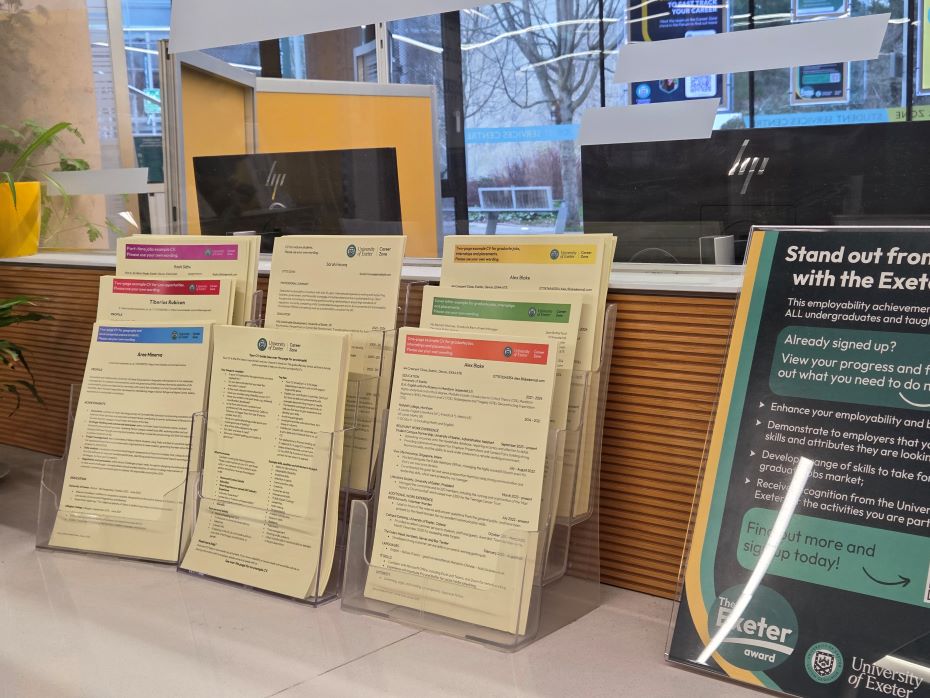
If you are an extreme introvert who refrains from having chat with new people, don’t worry, the CareerZone has made it easy for you as well. You can find an entire desk area at the CareerZone that has several printed CVs each labelled with different templates or guidance topics, brochures and leaflets all about different career opportunities and information about where to look for the right guidance.
The CareerZone has also partnered with platforms like Handshake, where you can find part-time jobs and internships that are tailored to your career path. It also helps students to network with various employers and find opportunities for career growth.
Employers on campus
One of the most reassuring parts of studying at Exeter is how accessible employers feel. Events like career fairs regularly happen at the university that help students network with employers and get to know different industries, various roles available and get comfortable talking to employers. The university also has connections with employers and organisations globally. So career fairs on campus aren’t just corporate stalls handing out flyers, rather they are a gateway to network with employers from various backgrounds. The best part is that these events aren’t just for final year students, you can attend early, explore options and slowly build confidence.
Mentors and Alumni: The best of all
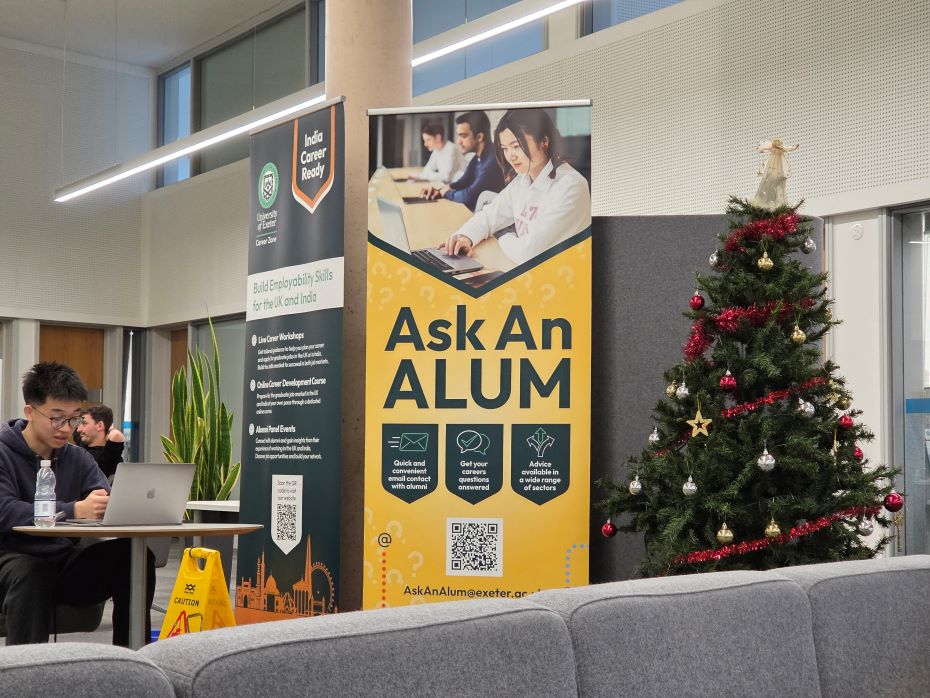
Sometimes the most helpful thing isn’t advice, it is reassurance. There is something comforting about talking to people who have already been where you are. The Career Mentor Scheme and alumni platforms like Ask an Alum are perfect ones that help you connect with mentors and alumni who once sat in the same lecture halls, asked the same questions and felt the same uncertainty. This way it makes the entire process linear and less intimidating. I had some really good conversations with my alumni about my career options and trust me they were the actual eye-openers.
The department of Psychology also conducts sessions called the Inclusion Cafe and mature student meet ups, where you get to talk about your experiences and challenges as an international student. These were really helpful in navigating challenges that are faced by almost every student who comes to Exeter to study and build their career.
Modules designed to suit your needs
Here at the University of Exeter every course module is designed in a way that makes sure the students get both theoretical and practical exposure about the subject. Many modules focus on developing skills like critical thinking and encourage independent research, group discussions and presentations, and real world application of theories. When it comes to psychology, developing the transferable skills, such as the ability to communicate effectively, analytical skills and the ability to reflect on your experiences as a psychologist as well as a human will be as equally important to an employer as having a diploma or the title of “psychologist”. Modules in psychology at Master’s level are focused on either research or placements, which is perfect as the ones interested in doing research can find opportunities to connect with researchers during the seminars that are conducted every week. Whereas for placements, you will be encouraged to pursue work while studying through internships and volunteering services. Being able to shape your degree around your interests helps you build a skill set that prepares you for the job market.
Support that continues even after graduation
The most surprising factor about the University of Exeter is that they support your career even after you graduate. The conversations I had with my fellow alumni enlightened me on the fact that career services remain available all the time, which means you are not suddenly left to figure everything out on your own once the degree ends. This ongoing support makes the transition into working life feel a lot less stressful.
So why does the University of Exeter work?
I didn’t choose Exeter because I had all the answers, but because it felt like a place that would support me while I navigate my career choices. This place never rushes you or expects perfection. It offers you guidance and opportunities when you are ready and unsure about what to do next. If you are wondering whether the University of Exeter will help you prepare for life after graduation, my honest reply is yes. But more importantly, it will support you as you grow into that future.
Surrounded by green hills, a caring community and genuine career guidance, the University of Exeter has been the perfect place for new beginnings and I am excited to see where it leads next.