
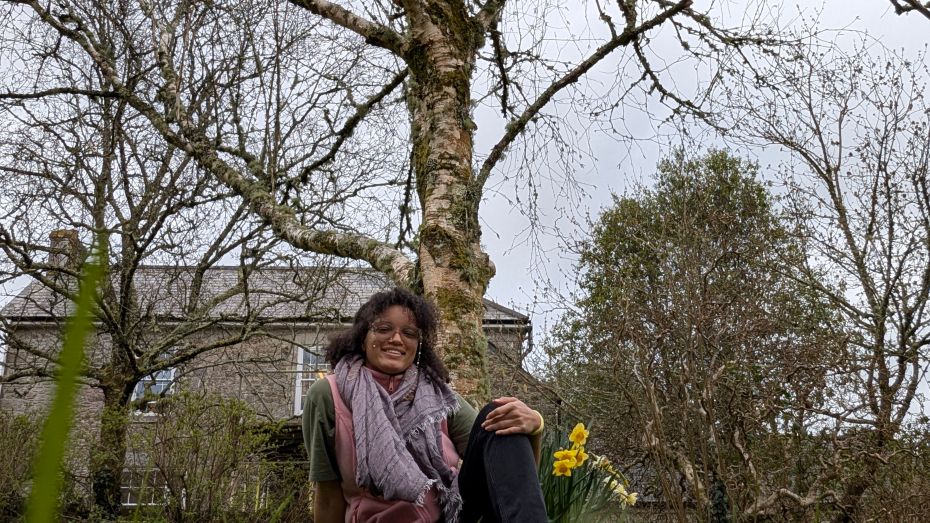
Hi, my name is Jeejee. I am an international student from Saudi Arabia studying BSc Environmental Science here at Penryn, Cornwall. Now, I am going to walk you through my blog, in which I’ll be talking about the sense of community at the University of Exeter’s Cornwall campus. Let’s get into it.
So, there is an article online that might resonate with every student or traveller. It is called “The Four Stages of Cultural Shock” by Allannah Harris. Within these stages, psychologists could describe human beings as having phases of evolving into unknown places. That’s what I experienced when I came to campus. First was the honeymoon phase. I went through cultural shock and homesickness – those are guarantees – then moved into the adoption and acceptance phase. These phases do not follow a strict order; you can experience them all mixed. I am grateful for all the support I’ve gotten from the University of Exeter, FXPlus staff, the Penryn and Falmouth community, and my friends and family – I wouldn’t be here otherwise!
The Honeymoon Phase: Falling in love with Penryn
When I first arrived at university, like many of you, I was preparing for a new adventure in a country I had never been to before. Excitement mixed with shock – England itself was overwhelming. Half the time, I kid you not; I was just in shock. I remember arriving at Heathrow Airport, looking around bewildered, thinking to myself, “Oh, this is real, I made it,” with a confused yet awestruck expression before then taking the train from London to Exeter (Streatham Campus).
Let me tell you about the day I arrived. I was in luck; the sun was shining for a week! My mom told me, “England welcomes you” as I began my foundation year, part of a contextual offer to my undergraduate studies at Penryn Campus. To be honest, I recommend anyone who has a choice to take a foundation year, take it! It may feel like a drag, but in my opinion, it helped prepare me for what university’s academic life would be and feel like. (I was not prepared enough, good thing I had first year to give me extra support haha.)
When I arrived at Penryn Campus, that’s when my first-year undergraduate degree officially began. I was not mentally prepared, but I actually fell in love with the place. Despite visiting this place on a rainy day previously, it was a sunny day; the place was gorgeous. I threw myself into university life – joining societies, getting to know my neighbours, and falling in love with the small-community feel of Penryn and Falmouth. Coming from the large city of Jeddah, this tight-knit environment felt like a new home that resonated with my hometown culture – the sense of community.
During the honeymoon phase, I joined a dance society and tried water sports (though I realised I am not much of a water person!). I also engaged in debates in societies or about personal opinions and even joined a bookbinding club. This phase was all about the excitement of meeting new people in a new place. Looking back, I wish I’d put myself out there more, even when I felt reluctant. But realising it now, I learned to allow myself to ease into it, rather than rushing it. Rather than forcing myself to socialise, as my friend describes it, I’d sometimes take a ‘Me Day’, where I can take a day off and be with myself, watching Ice Age and drinking hot cocoa.

Coming from a large city, Jeddah, where everything stayed open until midnight, to a place where most shops closed at 5 PM was a cultural shock, but supermarkets and convenient stores tend to stay open longer than this. It did change how I managed groceries and social activities. Cornwall isn’t London; it’s more natural, and in some respects a bit tucked away from the rest of the UK, which gives a hidden perk. Sometimes, finding familiar ingredients requires trips to Truro’s international store. Another cultural shock was how moody the weather was! Unlike Exeter or London, where people expected rain or weather, Cornish weather is on another level. Always wear a rain jacket, and an umbrella is not durable for Cornwall’s climate. For a moment there was sunshine, then 2 hours later, it rained throughout the day, but in between the rain, we got 5 mins of sunshine. I created four going-out rules whenever I leave the house after arriving in Cornwall: phone, wallet, key, and rain jacket. I can’t live without it (also because I get cold easily). But as the initial excitement wore off, the reality of being so far from home began to set in.
Cultural Shock: Missing Home and Finding Support
Then came cultural shock and homesickness. This stage is the toughest because I dealt with imposter syndrome, an identity crisis, and feeling lost, which can make you want to isolate yourself socially.
When I started my first year, my family always emphasised to me to seek academic support, especially in English writing and language, as English is my second language. I searched online “Academic support or writing support in University of Exeter.” and I saw “English Language Skills Development” with different options to choose. I clicked on “English language skills development in Cornwall” and was able to book a session with Academic skills team (ASK) team.
At first, I resisted the idea of seeking academic support. I thought to myself, “I am fairly confident in my English skills, and I don’t need it for the time being.” Oh boy, big mistake! When I got my first feedback on formative report was both excited and thrilled; it was a 55, and at the time, I was devastated. My family, again, recommended me to seek academic support. I booked a session with the language team. Isabella, who was very supportive, reassured me that it’s a great mark. I was confused at first, then she explained to me about the UK Metric system in grading compared to the global one (that a 55 would be considered B in an American matric); with which I am very much familiar with. In that sense not only was I academically shocked, but also began to re-evaluate my sense of belonging in university. Ever since then, I decided to keep rebooking sessions with them.
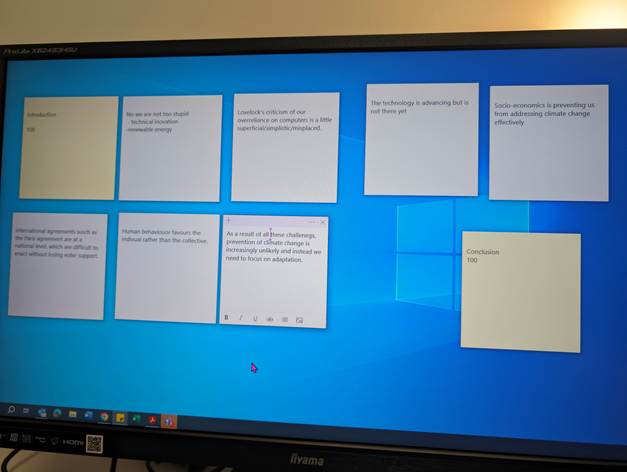
My meeting with The ASK team had helped me to discover things about myself, and how to access more support like that offered by the Wellbeing Team. In my meeting with Wellbeing adviser Sally, she helped me realise I have imposter syndrome and reassured me it’s a good mark and my skills are not the problem. It took me a while to realise that it can be much harder to get same comparative grade, so don’t be too hard on yourself too! It’s normal to feel doubtful of your abilities despite evidence of success – that’s classic imposter syndrome. In contrast, there is the Dunning-Kruger effect, when someone is overconfident in simple abilities, which is what I was experiencing in my first report. So, that means before my grade I was in D-K. After receiving my grades, I felt like an imposter. I was, subconsciously, comparing myself to home students without fully understanding the different grading context for in first year.
Beyond academic support, I also went through a process of familiarisation: getting to know a new environment or space. I say this because if we look back at the honeymoon phase, when we go to university, we try to find our sense of familiarity with people, society or space. For example, when I got to the University of Exeter, the first thing I did was sign up for the gaming society (gamer at heart), search for my friends, and join the MENA society (Middle East, North African Society) because it made sense at the time to find a sense of home in a foreign place. But one thing I also tried was going outside my comfort zone.
This leads to the second process, which is defamiliarisation; actively deconstructing self-belief or values and familiarity. This process can be difficult because it challenges who you are and rethinks the values you uphold, but the rewards are amazing; you get to discover who you authentically are. For one, I discovered in my second year I enjoy theology and dancing – I did not know until I put myself out there, with, of course, support from the university, encouragement from family members, and the Penryn-Falmouth community. The University offers substantial support not only in wellbeing but also in Careerzone opportunities. I am busy with my time as a finalist, doing my dissertation alongside managing my health and projects. The constant question I always receive is “what are you going to do after university?”. I still haven’t planned on what is next in terms of a career, but I knew that wanted to build my confidence and networking skills. So, I went to the one of Careerzone’s networking workshops offered in Penryn. Two things I gained from that workshop: firstly, it helped me reframe what networking is and how fun it is, second is they are very keen on building confidence in your soft skills, like time management, teamwork & leadership etc. Despite not knowing what to do next, my career advisor at Penryn once told me, “Then we can help you discover your qualities.” From that moment, I discovered one thing about university is that it’s all about self-discovery. P.S. this never really ends, even after you graduate!
These effects are not well spoken about in the space of academia among peers. I learned about them the hard way (2 weeks ago), and suddenly, my YouTube recommendation feed is showing me PhD’s students talk about their journey through it. I gained appreciation for the University of Exeter of how keen they are on sharing awareness about these topics, whether imposter syndrome, loneliness, or peer pressure. These feelings lingered through my first year and still hit me now and then, even as a final year student. But it’s important to access support when you need it, and to know that it is available and free.
Adaptation Phase: Building My sense of Community
Eventually comes the adaptation phase, where you embrace your new routine and culture after processing cultural shock. By my final year, I’d gotten the hang of things but still felt uncertain sometimes. Venturing out of your bubble is crucial – inviting people into your space or creating new ones helps build community. Imagine, every day going to campus feels warm and welcoming; you meet townsfolk, students, staff, your barista becomes a friend, and there is always someone familiar around despite feeling unmotivated at times. The Penryn Campus fosters this sense of community; it’s beautiful, with its combination of creatives/art students from Falmouth University and Exeter students, like me, who feel connected despite our different backgrounds.
Penryn Campus is special because it brings together art students from Falmouth University (and other subjects), making it a lively place. Meeting different groups lets me get creative – even though I was mostly into studying – like the bookbinding society, dancing society, drawing or birdwatching society! Remember to explore your creative side; it really helps improve mental health and discover self-identity.
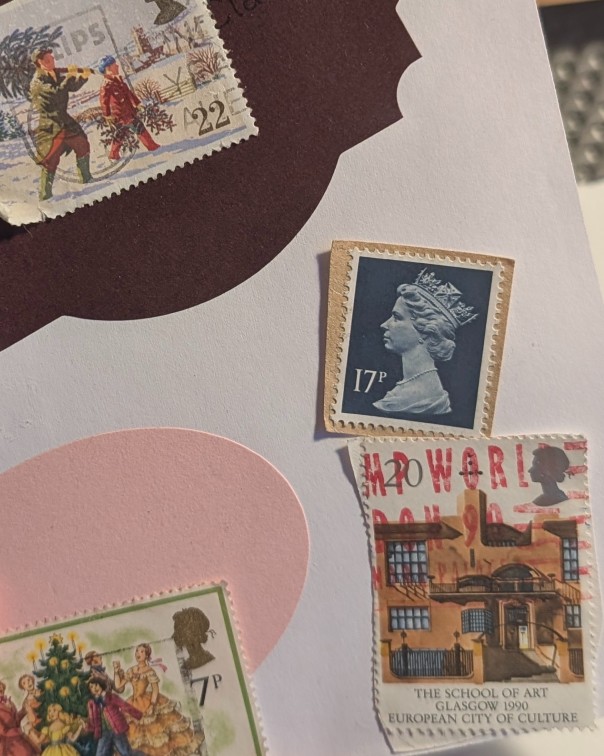
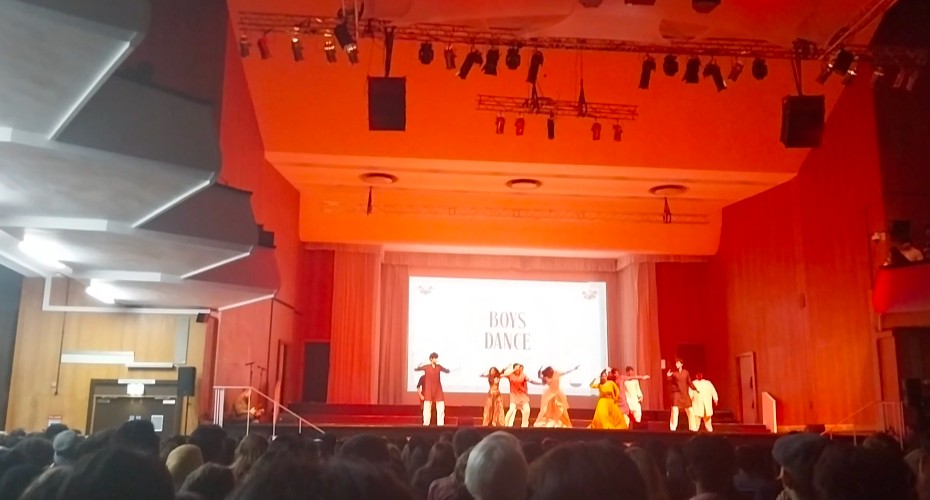
Also, what I love about the University of Exeter is the inclusion of different cultural and religious holidays. Like celebrating Diwali in 2025 at Penryn, even though it’s a small campus and community, they held a special occasion for it, for example by having the Asian Society bring their food and serve it at the lower Stannary (the campus cafeteria) for everyone to experience. They also had a fireworks show in Falmouth. Unfortunately, I couldn’t attend this last year’s Diwali. My friend Arrun did; he is also an international student, from Southern India. He celebrated Diwali at both Penryn and Streatham campuses. I asked him why he went on a journey up to Exeter. He told me he missed home and wanted to experience “hominess” again. Of course, he loved it and sent me a video of it, they were able perform traditional food and dances that he really missed.
That’s why in my first year, I explored the campus and found the Chaplaincy, a hidden cottage, next to the Renewable Energy Engineering Facility, where it offers teas, comfy seats and spiritual books, and Bailey, a golden retriever mascot. Since then, the Chaplaincy has become a sanctuary for me, a place where I could connect with others over hot cocoa while discussing our struggles and shared experiences. As a Muslim, having a spiritual space was comforting and essential for my well-being. The Chaplaincy in return allowed me to feel more confident in navigating my spiritual growth, social growth and forming my own community around the University. Whenever I meet someone who is feeling down or looking for a safe place to breathe from all the external pressure, I always guide them to the Chaplaincy. To be honest, even with the growth of confidence, I still feel uncertainty exist within me. As Pete – a volunteer at the chaplaincy – would often say to me, “This too, shall pass.” So, I realise building a sense of community became crucial; it wasn’t about leaving my comfort zone entirely but expanding it to include new people and experiences.
Acceptance: Holding Space for Two Worlds
The acceptance stage is an intentional one. When I reflect on the acceptance phase, I realise it takes me a long time to accept things. Even now I still have trouble accepting things, like my communication skills, or accepting that it’s normal to be imperfect when doing a task or submitting a mediocre report occasionally (not encouraging it, but I was sick at the time). My skills tutor always reminded me of self-compassion, and I wasn’t really taught that previously. I was raised believing success meant working hard and being the best, but that’s my parent’s beliefs and it worked for them. For me it was the opposite, which made me stressed and burned out until I got to university and challenged that perception.

The acceptance phase came gradually as I learned to hold space for both worlds within me: my life in Falmouth and roots back home. Truthfully, this duality enriched my identity and helped me grow into who I am today as you can see a picture of me enjoying the tree, hehe. Choosing Exeter was part of that journey, one that I do not regret because it led me to discover parts of myself, like a sense of choice over who I want to be or what community I want to be in, exploration of my spirituality and reaffirming my values, and what my true values are (outside of my family and home-town community) in ways that staying at home could not offer.
Looking back at what I have learned
To recap my long blog, there are four phases when someone goes to a new place: the honeymoon phase, where you meet new people, culture, and place, like my time arriving from Heathrow to Penryn. Then, the person feels a culture shock or homesickness. People may face self-isolation because norms in Penryn can differ from their hometown. That’s when they seek support, well-being, or talk to friends and family, but also build a community in a new place. The third phase is adaptation, when you get the hang of things with (of course) the support from the community. Last is acceptance, where you embrace yourself for having different mini worlds within you.
These phases are neither linear, a one-time thing nor listed in order, but they’re a human process when someone goes out of their comfort zone. So, here’s to embracing change, finding community wherever you are, and holding space for all parts of your journey, like I am still doing with mine. That’s my story – a journey filled with ups-and-downs but ultimately leading me towards self-discovery within an incredible Exeter/ Penryn community that feels like a home away from home.