
Isaac Saunders (BSc Business and Environment, 2025)
Group Commercial Graduate, Babcock International Group (Babcock)
When I first started thinking about university, part of what impacted my decision was future graduate employment. That’s actually what drew me to BSc Business and Environment in the first place. Business felt broad and versatile but the environmental aspect added this extra dimension that really caught my attention. Coming from a STEM background at A-level, the environmental modules felt familiar, but also exciting. They offered something applied, something relevant, something forward-looking.
And honestly, I could see where the world was heading. Sustainability is no longer an optional extra in business, it’s at the core of strategy. Even now, working where I do, we’re constantly thinking about climate impacts, rising sea levels, new environmental legislation, and what all that means for operations. So choosing a programme that combined business with a deep dive into environmental issues just made sense.
Before joining the course at the Penryn Campus, I spent some time studying in London at UCL. It didn’t take me long to realise that big-city living really wasn’t for me. I grew up in a smaller city but London was another world, and I decided I actually wanted to experience something completely different. That’s when I moved to Cornwall.
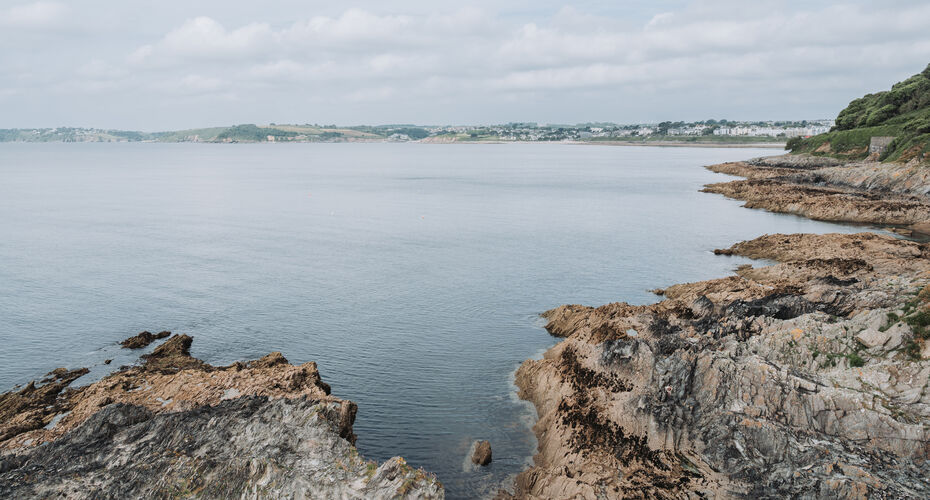
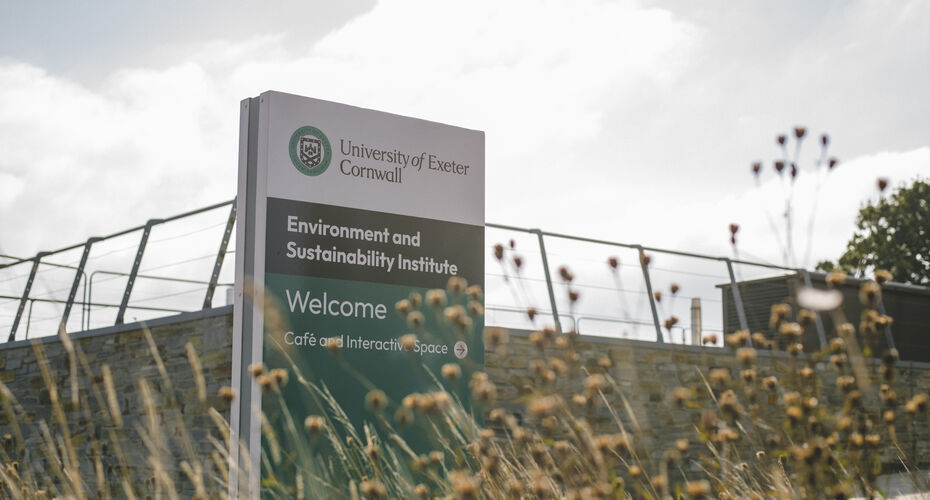
Being on a small campus you actually get to know your lecturers, properly know them. I still remember how easy it felt to build relationships, to ask questions, to contribute. It didn’t matter whether it was Laura, the Programme Director, or anyone else, you were treated like someone whose ideas and questions mattered. And then there’s the place itself. I’ve always loved the sea – fishing, surfing, being outdoors – so studying somewhere that felt so connected to the coast was incredible.
One of the biggest strengths of Business and Environment is the flexibility. The module choices let you shape the degree in a direction that genuinely suits you. I chose proficiency in law, which turned out to be one of the most beneficial decisions I’ve made. I now work in contract management, so spending those hours learning to read legislation, policy documents and legal language gave me a massive head start.
I also loved the mix of sustainability-focused modules – biodiversity, climate science, new technologies, biomimicry – and more traditional business content. The combination makes the degree quite unique: you leave with a genuinely mixed skill set.
The practical experiences helped massively too. We had modules that included placements, networking sessions and real-world business challenges. I got to go to JP Morgan, meet people working there, and present sustainability ideas for their Bournemouth campus. Presenting isn’t something you magically become good at – you get better by doing it, and this programme gives you loads of chances.
My internship with a startup called Climate Eye was another standout experience. They work on reducing Fgas emissions (pretty potent greenhouse gases) and I ended up doing everything from analysing reports across Europe to helping them secure funding. It even led to paid work over the summer.
When I applied to Babcock International Group’s graduate scheme, I knew I’d be competing with hundreds of great applicants. I really feel like what set me apart was the variety of experience my degree had given me. I could talk confidently about sustainability because I understood it, not just in theory but in practice. I had experience analysing environmental legislation, presenting business cases, handling policy documents, and working within a company focused on green innovation. I’d done interviews before, worked in teams, and taken on placements that genuinely taught me something. And I think that made all the difference.
Now I work in commercial contract management on a huge project, rotating through different areas of the business every six months. It’s varied, it’s collaborative, and it genuinely feels like I’m part of something really impactful. And the communication, analysis and problem-solving skills I learned at university get used every single day.
Studying Business and Environment at the Penryn Campus gave me opportunities I don’t think I would have found anywhere else. The community, the location, the small classes, the access to lecturers who genuinely support you, it all creates this environment where you can get so much out of your degree.
You get the benefits of being part of a top university, but with the personal, human side of a small campus. And, honestly, if you love the outdoors even a little bit, living in Cornwall is just unbeatable.