
By Dr Lance Peng (Cornwall-based researcher)
When I first arrived in Cornwall in early 2025, I didn’t know the names of the plants. I barely knew the weather. What I did know was that everything seemed to grow at an angle and the wind off the coast has a way of persuading trees to lean slightly inland, as if even they are negotiating with it.
I arrived with suitcases, a slightly overstuffed inbox and that familiar academic cocktail of excitement and uncertainty: new place, new rhythms, new questions about what comes next. Universities are brilliant at movement (new terms, new projects, new strategies) and they’re also very good at reminding you that time is always ticking and deadlines don’t care if you’ve just moved across the country.
Cornwall I quickly realised, was operating on a different clock.
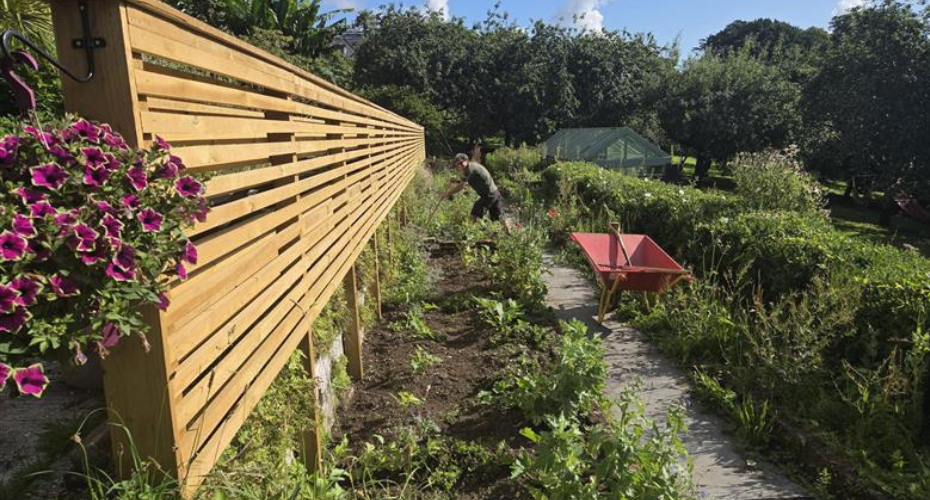
The first few weeks I mostly hurried across campus, head down, thinking about meetings. Then one morning I noticed a neighbour crouched in a small front garden in a steady drizzle, calmly replanting something I couldn’t name. Another time it was someone further down the street, sweeping leaves into piles as if it were the most natural thing in the world. No rush. No drama. Just quiet, steady work. It struck me that while I was thinking in weeks and deliverables, the plants and the people tending them were thinking in seasons.
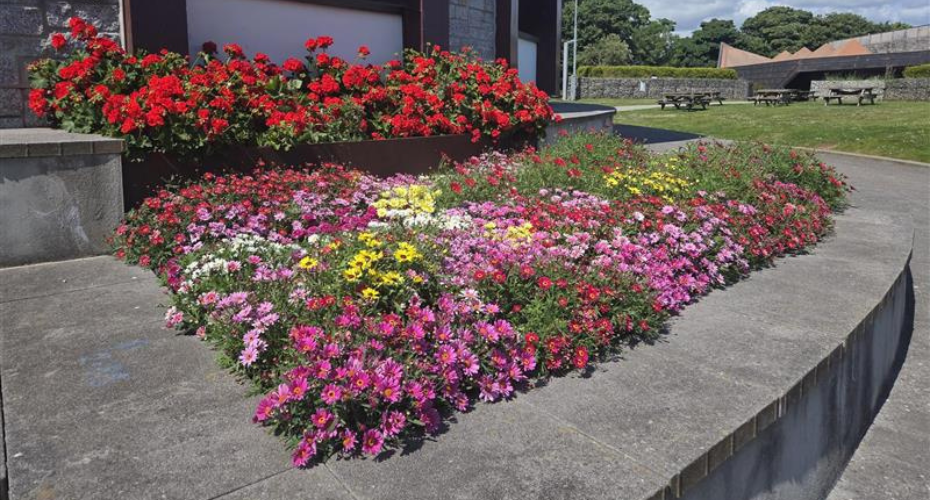
Henri Lefebvre, in Rhythmanalysis (2004), writes about the difference between cyclical rhythms and linear ones. Linear time is the time of institutions (calendars, contracts, progression charts) and cyclical time is the time of seasons (return, repetition, growth, decay, growth again). Universities run on the linear. Gardens insist on the cyclical. Over the past year I’ve found myself somewhere between the two.
There’s something quite steadying about watching the same patch of ground change slowly. Bulbs that were invisible in January appear almost shyly in February. A hedge cut right back in autumn comes in thick and unapologetic by late spring. Nothing about it feels urgent. And yet, everything is happening.
I didn’t notice at first but I was slowly reorienting myself. Sara Ahmed, in Queer Phenomenology (2006), talks about orientation: how we find our way in space, how we face certain things and not others and how our bodies take shape in relation to what’s around us. Orientation isn’t just about direction, it’s about what we come to feel at home with.
When I arrived, campus was a workplace. Buildings, offices, email hotspots. A year on, I navigate by trees. I know which path gets muddy first after heavy rain. I know where the camellias will appear, slightly out of sync with the rest of the country and I’ve caught myself slowing down and taking the longer route just to see what’s changed. It turns out that orientation can shift quietly; you don’t always notice it happening.
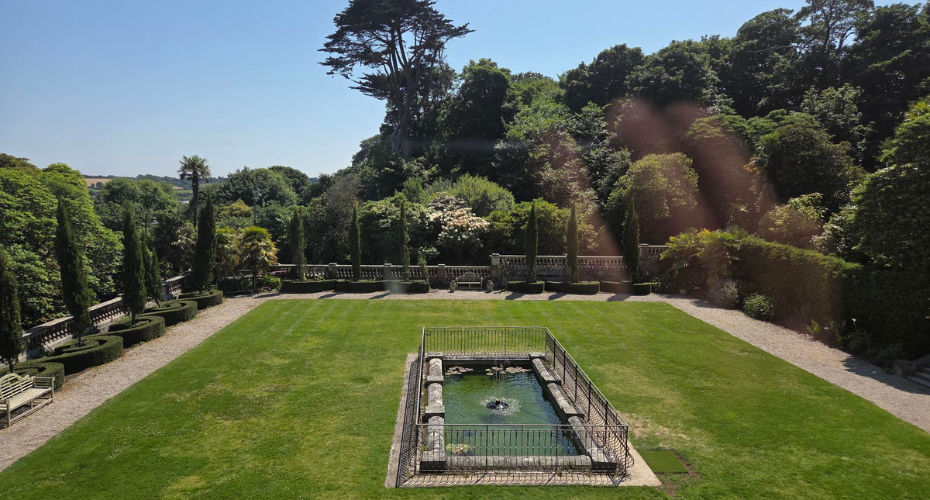
Wind, sideways rain, brief bursts of Cornish sunshine. Growth I’ve learned, is rarely accidental. Beds are planned, soil is nourished sustainably, plants are moved when they’re not thriving and organic matter is returned to the earth. Things are cut back not to diminish them but to make space for stronger return. Toby Nenning, Head Gardener at Penryn and the Grounds and Gardens team approach the campus landscape with an understanding that sustainable care is also care for the future. Their work is aesthetic and it is also ecological.
Robin Wall Kimmerer, in Braiding Sweetgrass (2013), writes about reciprocity: the idea that our relationship with the natural world shouldn’t be extractive but mutual. We receive and we give back. Watching the care that goes into campus landscapes has made that idea feel tangible. The grounds don’t just “happen” to be beautiful. They are tended. They are paid attention to and they are in relationship with the people who look after them. And in return, they look after us.
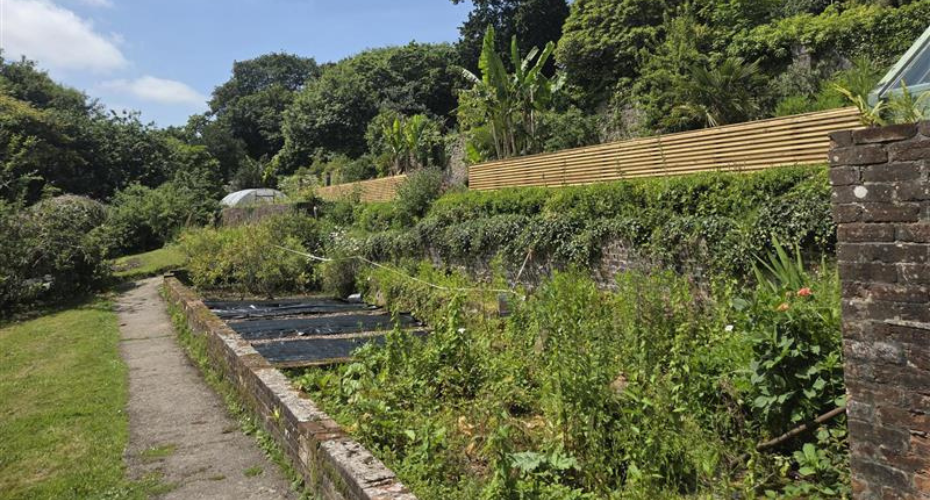
There have been days this year when I’ve felt untethered. Academic life can be precarious and the future has a habit of remaining politely vague. During my first winter here, the storms were dramatic enough to rattle the windows and branches bent in ways that looked, briefly, alarming. I remember walking across campus after one particularly wild night of wind and expecting to see devastation.
Mostly, I saw leaves. The trees were still there. Slightly rearranged, perhaps. A few casualties. But standing. There’s a lesson in that which I’m still figuring out: endurance isn’t about rigidity. It’s about flexibility. About bending without uprooting. And roots, as it happens, form invisibly. You don’t see them knitting themselves into the soil and you only notice their work when something resists the storm.
Over time, I’ve started to appreciate the repetition of it all. The way the academic year loops back on itself (welcome week, assessment season, the quiet of summer….) alongside the slower, steadier loop of the seasons. Lefebvre would probably say I’m becoming a better rhythmanalyst. I’m learning to hear the overlap between the linear and the cyclical. The email ping and the birdsong. The committee meeting and the hedge trimming. Neither rhythm is wrong but one of them is far older.
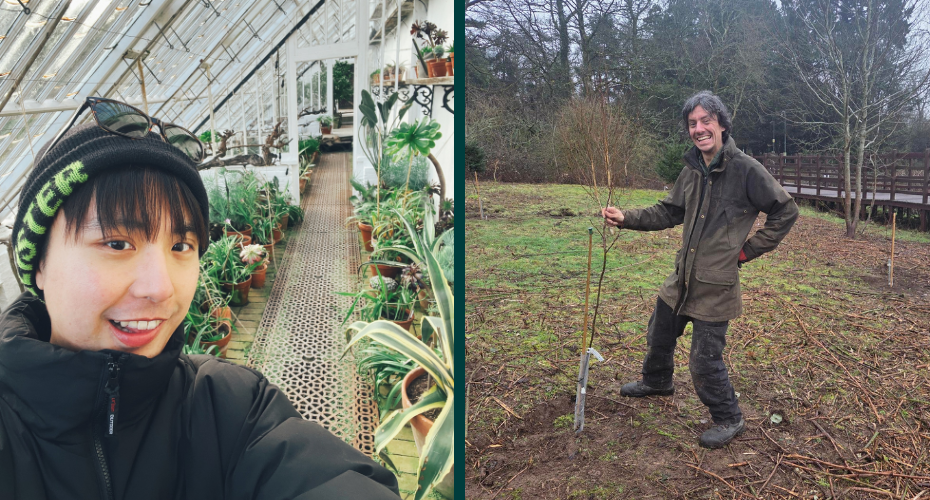
What’s moved me most this year isn’t just the landscape, though it’s hard not to be moved by coastal light and stubborn greenery. It’s the people who notice. The ones who can tell when a plant is struggling before anyone else would see it. The ones who know that cutting back isn’t failure, it’s preparation. The ones who understand that growth takes time and that time cannot always be hurried. And the ones who do it in ways that support biodiversity, nurture soil health and reduce waste.
There’s a quiet generosity in that kind of work. It asks for patience. It trusts return.
A year on, I still don’t know the name of every plant. I still occasionally underestimate the wind. But I’ve learned something about growth. It’s rarely dramatic. It’s mostly repetition. It’s showing up in the rain and tending the soil even when nothing is visible yet. Watching things grow has changed how I think about my own place here. Belonging I suspect, is less about instant rootedness and more about orientation, about turning slowly towards a place until it begins to turn back towards you.
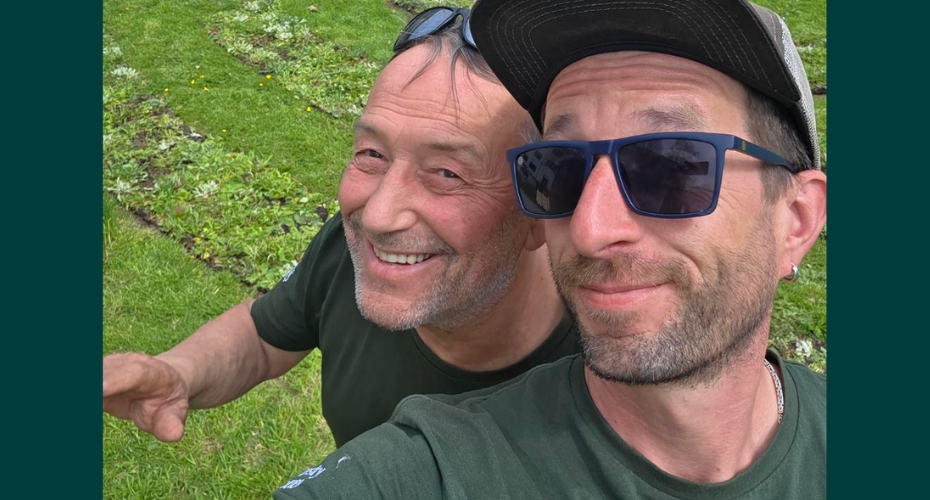
Spring will come round again soon. The same beds will bloom, slightly differently. The hedges will thicken. New students will arrive, full of their own linear timelines. And beneath it all, roots will continue their quiet work. A year of watching things grow has taught me that not everything important announces itself. Some things simply return, quietly, sustainably and resiliently.