
The THRAC3E team is made up of renowned experts with complementary competences to deliver the project to the highest standard.
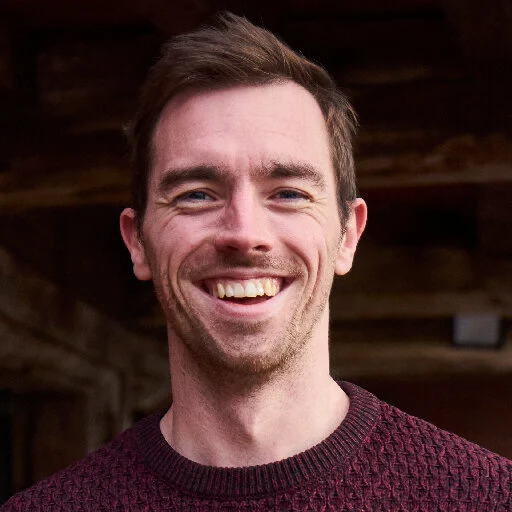
Mike is a Lecturer at the University of Exeter. His research focuses on developing a deeper understanding of the terrestrial carbon cycle and its coupling with environmental change. Mike studies the cycling of carbon between atmosphere, plants, and soils from local to global scales. He uses process-based models along with earth observations to investigate feedback mechanisms between the biosphere and atmosphere.
Task 4: Regional Carbon Budget Simulations
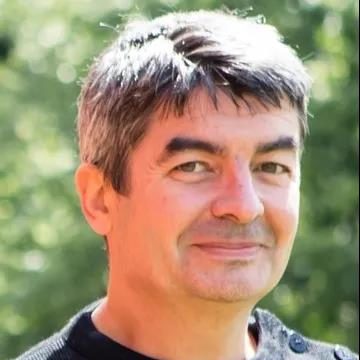
Philippe Ciais is a researcher in the field of the global carbon cycle and other biogeochemical cycles, and their interactions with climate change and society. Philippe’s research activity during the last twenty years has enabled significant step forwards to understand the relationships between terrestrial greenhouse gas fluxes and climate, combining ecosystem models with satellite and eddy-covariance observations.
Task 1: Scientific Foundation & Task 5: Near-Real-Time Carbon Monitoring Framework
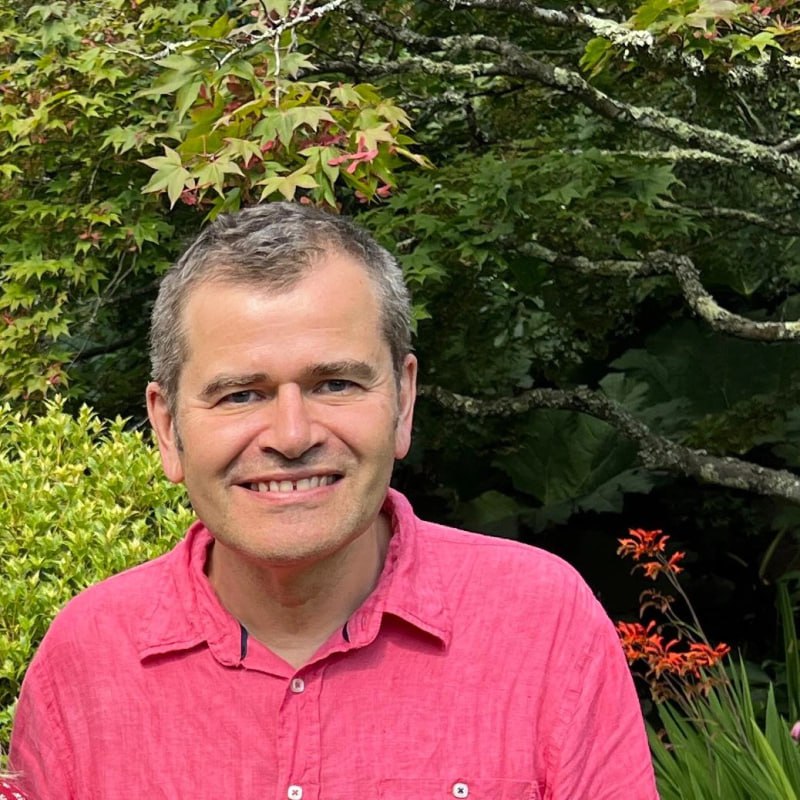
Stephen is a Professor in Physical Geography at the University of Exeter, with over 20 years research experience in Earth System Science. His research focuses on the role of vegetation in the climate system. Stephen understands the vital importance of field-based and experimental science in underpinning modelling activities, i.e. for functional understanding and model evaluation, and to grasp issues of uncertainty relating to temporal and spatial variability and heterogeneity in ecology. These issues remain major challenges for the global modeling community. A close collaboration between field and experimental scientists, modelers and Earth Observation scientists is the key.
Task 6: Scientific Roadmap
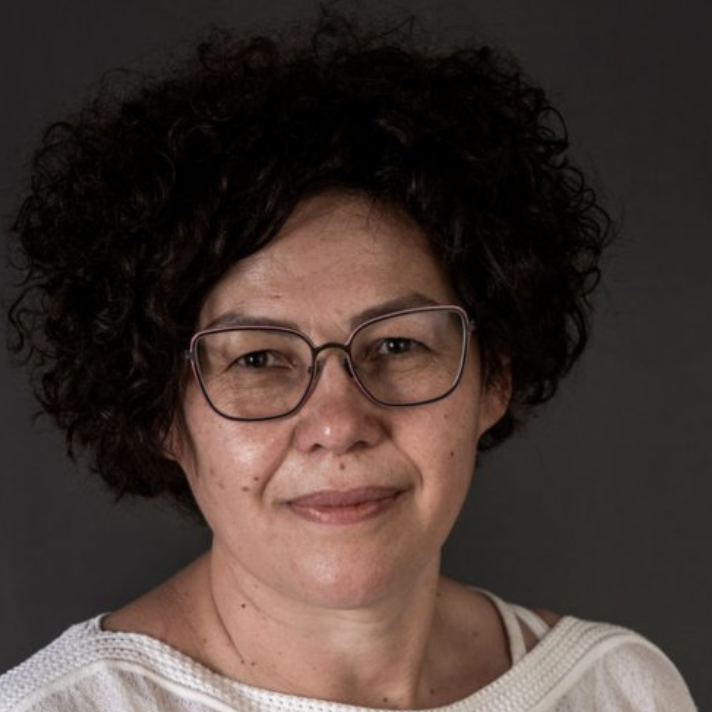
Manuela Balzarolo is a senior scientist of the Division on Impacts on Agriculture, Forests and Ecosystem Services at the Institute for Climate Resilience of the Euro-Mediterranean Center on Climate Change Foundation. She has more than 15 years of expertise in remote sensing applications for terrestrial ecosystem monitoring, with a focus on modelling the impact of climate change and extremes on ecosystem functions and carbon cycle. She obtained a master’s degree in environmental sciences from the University of Milano-Bicocca in Italy and a PhD in Forest Ecology at the University of Viterbo in Italy. Manuela works as a scientist in international research groups in Belgium and Spain for more than 10 years during which she led projects as Principal Investigator (PI) and contributed to the assessment of ecosystem services at different scales (e.g., plant and ecosystem, seasonal and annual level) and adopting fieldworks, data analysis and modelling.
Task 7: Global Coordination
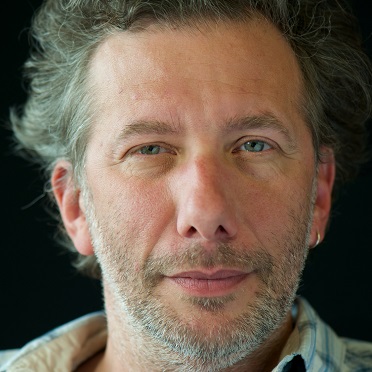
Professor Pierre Friedlingstein FRS is an internationally recognised leader in the understanding of the global carbon cycle and the feedbacks between the carbon cycle and the climate system. He holds a Chair in Mathematical Modelling of the Climate System at the University of Exeter. With nearly 30 years of research experience, Professor Friedlingstein specialises in the field of global carbon cycle modelling, global biogeochemical cycles, and global climate change. He has published articles in high profile journals such as Nature publishing, Science, and PNAS.
Task 8: Outreach and Communication
Since 2019, Matthias has held the professorship for environmental remote sensing at TU Dresden. His research focuses on the development of methods and the analysis of optical and microwave satellite observations for the monitoring, understanding, quantification, and modelling of changes in land ecosystems and landscapes, in particular interactions between the atmosphere, vegetation, water and carbon cycles, and forest fires, and the associated feedbacks in the Earth system. He has a strong interest in combining globally oriented basic Earth system research with the practical requirements of regional climate change adaptation.
Task 2: Earth Observation Datasets
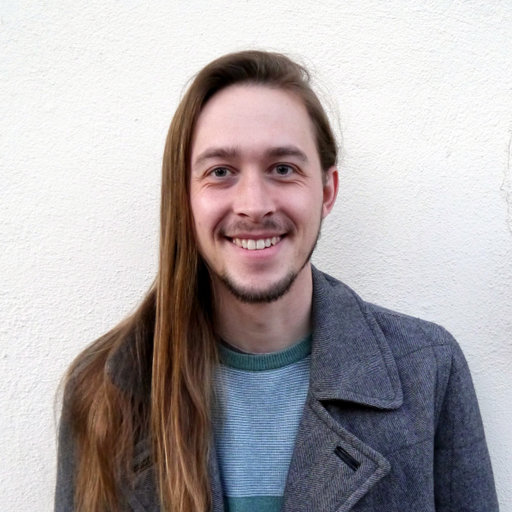
Jake’s work has focused on how plants use water, including investigating how carbon and water cycles interact, as well as estimating transpiration across a wide variety of ecosystems. He primarily uses a data driven approach which utilizes machine learning, but is also guided by physiological understanding. Currently, Jake is working with the FLUXCOM team to produce the next generation of global data driven estimates of terrestrial carbon, energy, and water fluxes.
Task 3: Carbon Benchmarking Dataset (CBD)
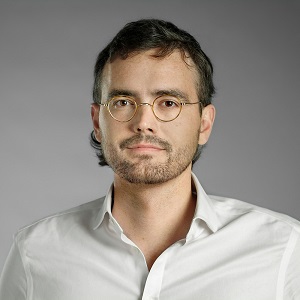
Daniel is a researcher investigating the links between carbon & nutrient cycles and how we can apply this knowledge for sustainable land use. His main tools are computer models which valorize ecological theory, machine learning, and observations from various sources. Daniel’s main focus areas are the tropics, enhanced rock weathering, phosphorus cycling & plant-soil interactions. Currently, he is the leader of the BIOGEO Team & member of the scientific steering committee of the CLAND convergence institute.
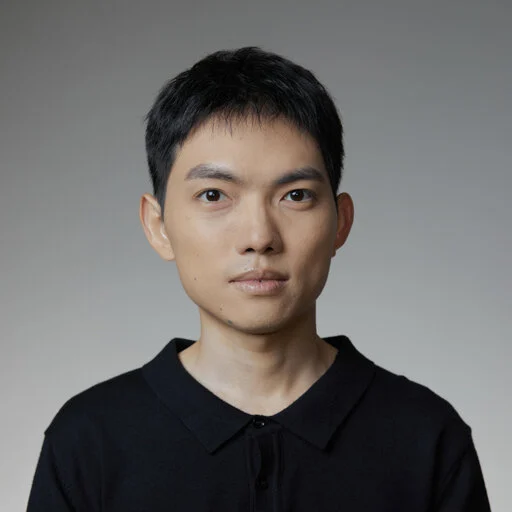
Piyu Ke is a PhD student of Ecology from Department of Earth System Science, Tsinghua University. His research interests include carbon budget, real-time carbon data, CO2 utilization and removal by human activities. He’s now working with Prof. Zhu Liu to explore the carbon budget of natural systems in China. Before joining Tsinghua University, Piyu obtained his BS in Applied Meteorology in Sun Yat-sen University, where he engaged in global soil respiration research based on Random Forest.
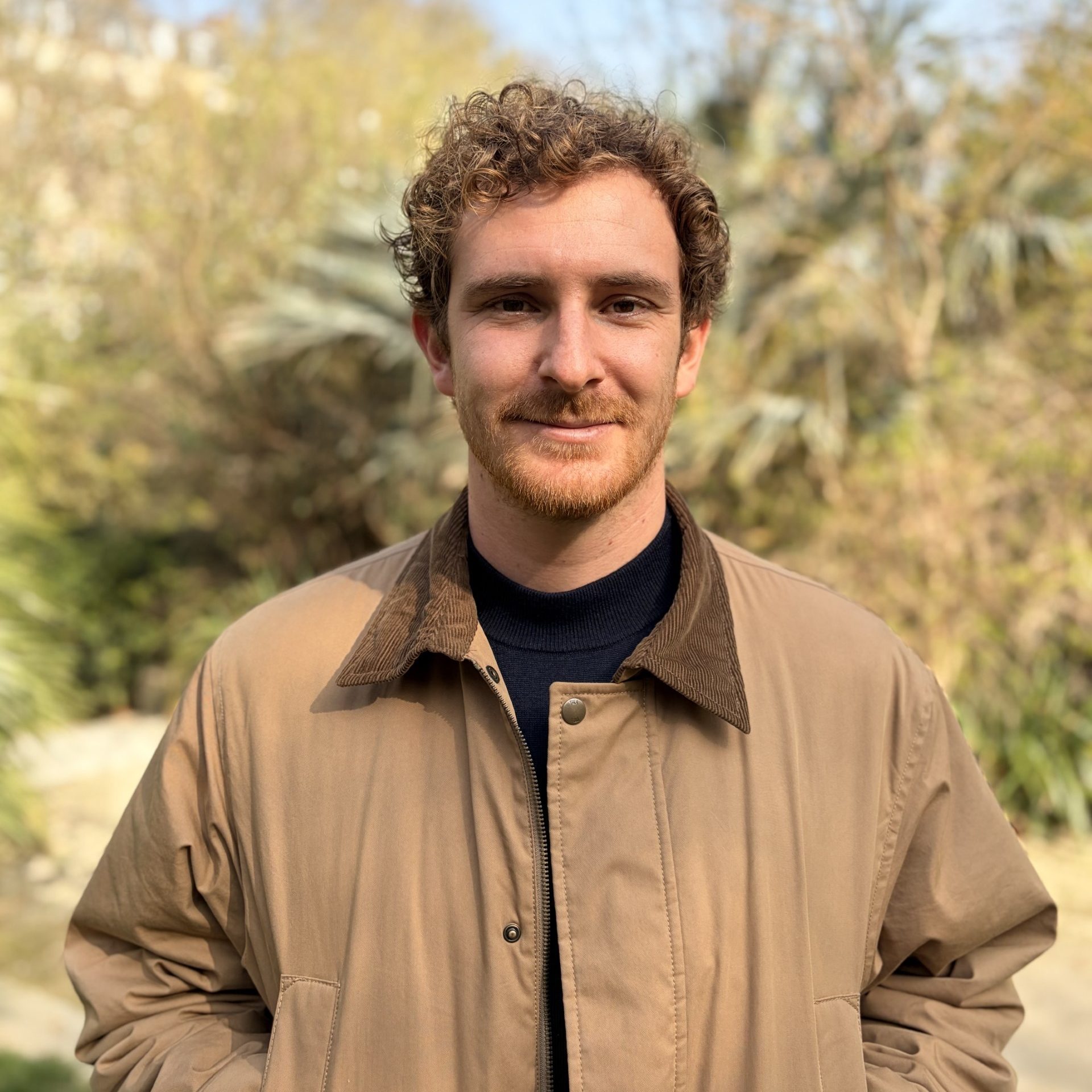
Julien is a researcher interested in surface-atmosphere exchanges of heat, water and carbon and how to model those exchanges in Earth system models.
Julien has expertise in the representations of land-atmosphere coupling and forest microclimate and its impacts on forest functioning in land surface models. He is more generally involved in the development of the ORCHIDEE land surface model.
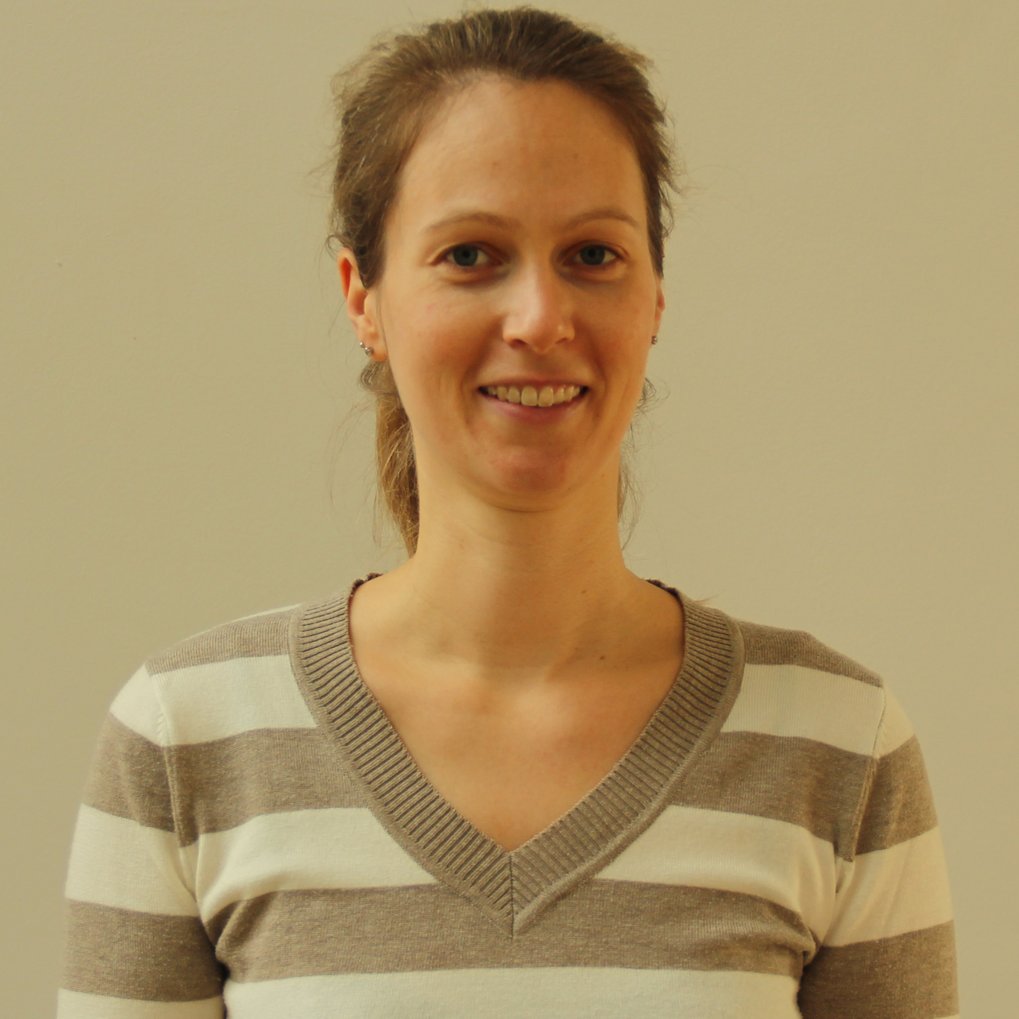
Sophia Walther is a PostDoc Project Group Leader of the project group STELLAin the Global Diagnostic Modelling Group at the Max Planck Institute. Her main research focuses are the dynamics of the terrestrial carbon cycle and effects of vegetation on it, satellite-based remote sensing of vegetation and data-driven modelling of biogenic land-atmosphere fluxes combining eddy-covariance measurements with Earth observations through machine learning.
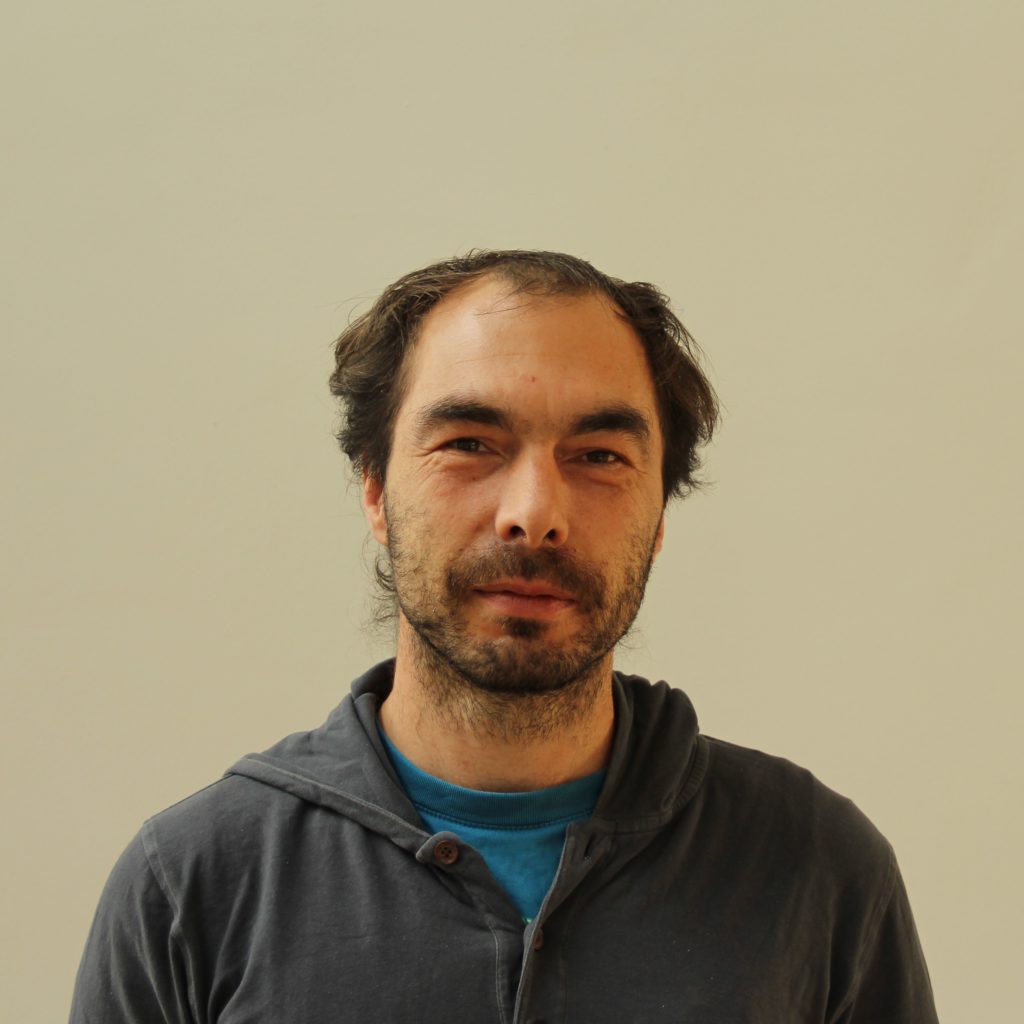
Martin Jung is the Leader of the Global Diagnostics Ecohydrological and Biogeochemical Modelling group at the Max Planck Institute for Biogeochemistry.
Enrica Quartini is the Scientific Program Manager for the Integration of Planetary & Industrial Carbon Cycles (ICC) program. Her work focuses on developing and managing interdisciplinary research projects and fostering cross-institute alignment to translate scientific research into actionable strategies for climate and decarbonization. She holds a Ph.D. in Geological Sciences from the University of Texas at Austin, with a concentration in geophysics, and has extensive experience in project management of international and multi-institutional scientific research efforts.
Xiao Liu is a postdoctoral researcher at the Dresden University of Technology. His main research focuses are radar remote sensing, SAR Tomography, space-borne Lidar, and biomass.
Daniel is a Research Associate and doctoral candidate at Dresden University of Technology. His main research focuses are time series analysis, statistical modeling, remote sensing of wildfires, remote sensing data management and programming.
Sara holds a degree in Pharmaceutical Chemistry and Technology, a postgraduate qualification in Forensic Sciences, and a PhD in Chemistry. Throughout her academic journey, she gained extensive expertise in instrumental analysis techniques and statistical methods. In January 2025, Sara joined the CMCC as a Senior Project Manager, working on the CONCERTO project, where she drives strategic planning, stakeholder engagement, and project execution.
Dr. Daniele Peano is a Scientist at CMCC in the “Earth System Modelling and Data Assimilation” (ESYDA) Division. He has experience in ice sheet, land surface and climate modelling. He has contributed to the development of the land component of the CMCC global coupled model with a specific focus on the land biogeochemical cycle, high-resolution configurations, and he is working on the development of the new CMCC coupled model.
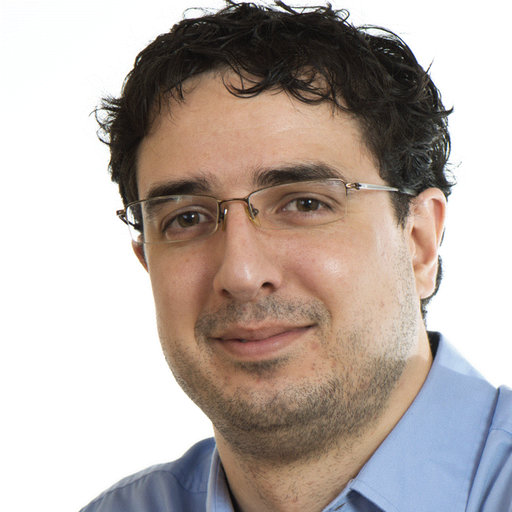
Rubén Valbuena has been a professor of forest remote sensing at the Swedish University of Agricultural Sciences since 2022. Rubén Valbuena explores the state of ecosystems, and how they change, using data from sensors on satellites, aircrafts and drones. His focus is on forest landscapes and airborne laser scanning, which he uses to analyse carbon sequestration, biodiversity and other ecosystem services. He also works on monitoring progress in international policies tackling climate change and biodiversity loss, by developing methods that can be used worldwide.
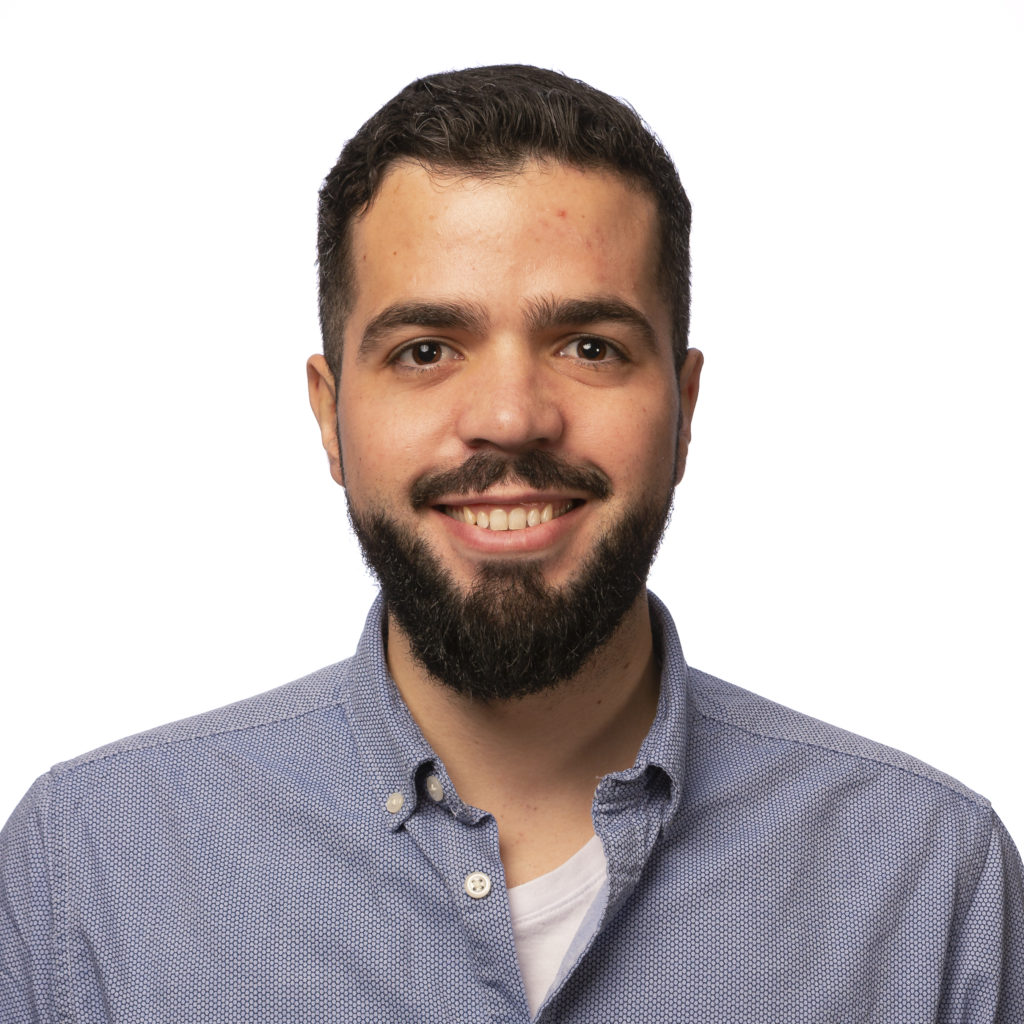
Raul de Paula Pires is a Researcher at the Swedish University of Agricultural Sciences within the Division of Forest Remote Sensing. Raul’s research focuses on integrating innovative technologies, such as forest inventory data, close-range laser scanning, machinery data and simulations into environmental assessments to enhance precision and efficiency in estimating forest attributes.