
Women in Climate (WiC) network
Women in Climate (WiC) network
Posted by Bryony Hobden
18 January 2026For our December event, we had the pleasure of hosting Amy Shapiro, who is the Journal Manager for Frontiers in Climate and Frontiers in Sustainability. Amy shared her insights into the academic publishing industry, careers in publishing, and provided a wealth of tips around publishing and reviewing articles!
Publishing Industry
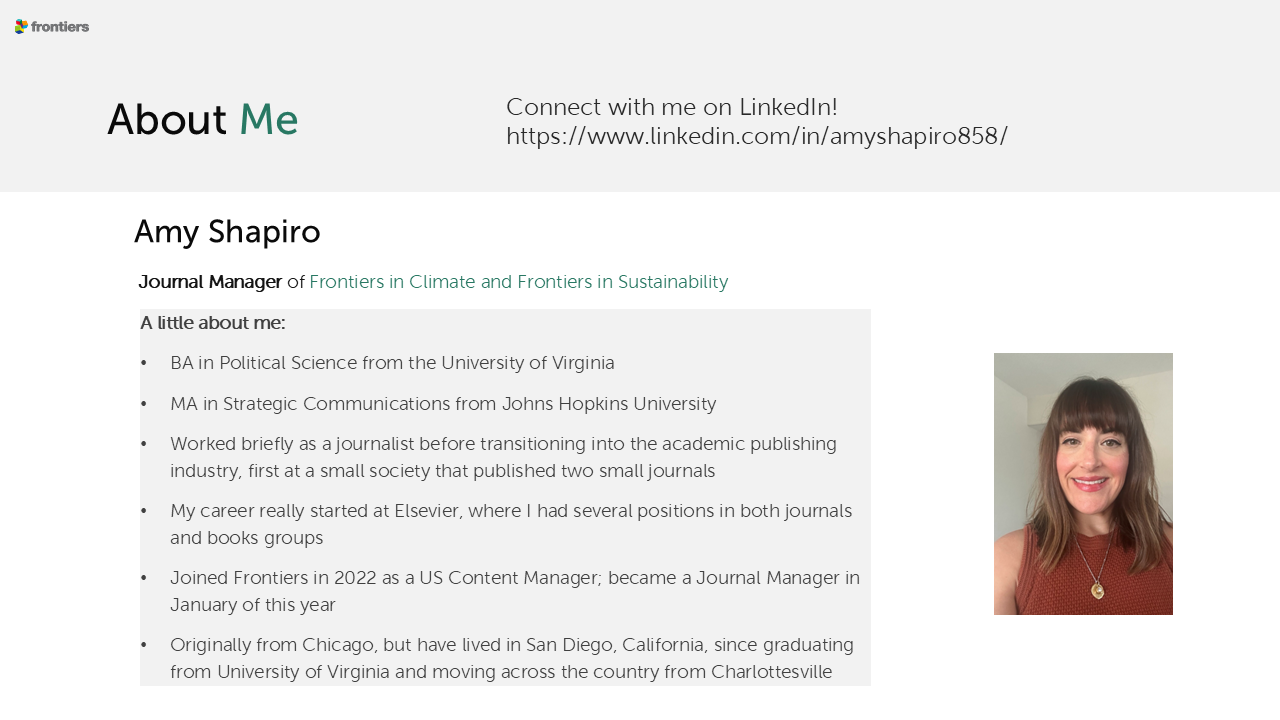
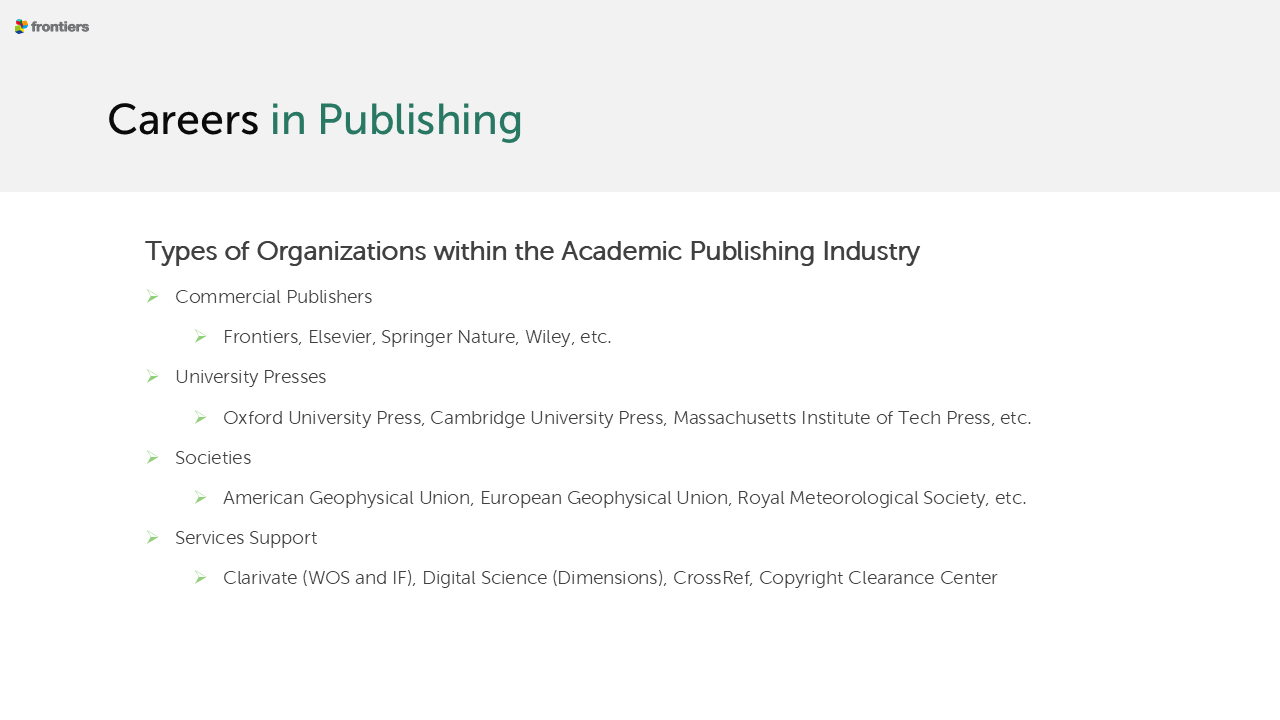
Amy’s background is in Political Science and Strategic Communication. She briefly worked as a journalist, then moved into academic publishing. The academic publishing industry includes different types of organisations: Commercial Publishers (for profit, e.g. Elsevier, Frontiers), University Presses (e.g. Oxford University Press), and Societies (e.g. EGU, AGU), as well as services support (such as Clarivate).
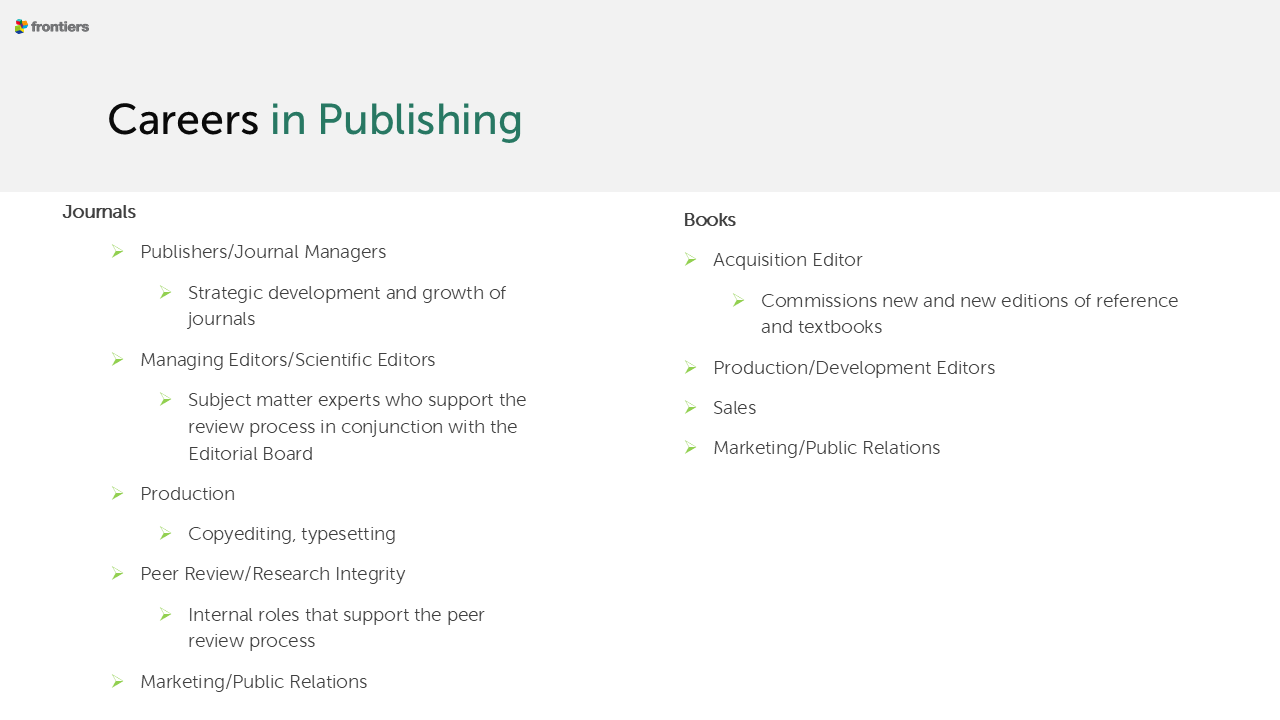
During her time at Elsevier, Amy worked in both journal and book publishing, which offer different careers in publishing. For journals, there are Publishers or Journal Managers who are responsible for the strategic development of the journal. Managing/Scientific Editors manage a specific area and support the peer-review process. Roles in peer review and research integrity are vital for managing the review process and catching red flags before the manuscripts are sent out to reviewers, e.g. detecting AI-generated content. For publishing books, there are the equivalent roles of Acquisition Editor for the strategic decision, who commissions reference and textbooks and finds editors for emerging areas, and Production/Development Editors. Additional roles in publishing include Sales and/or Marketing.
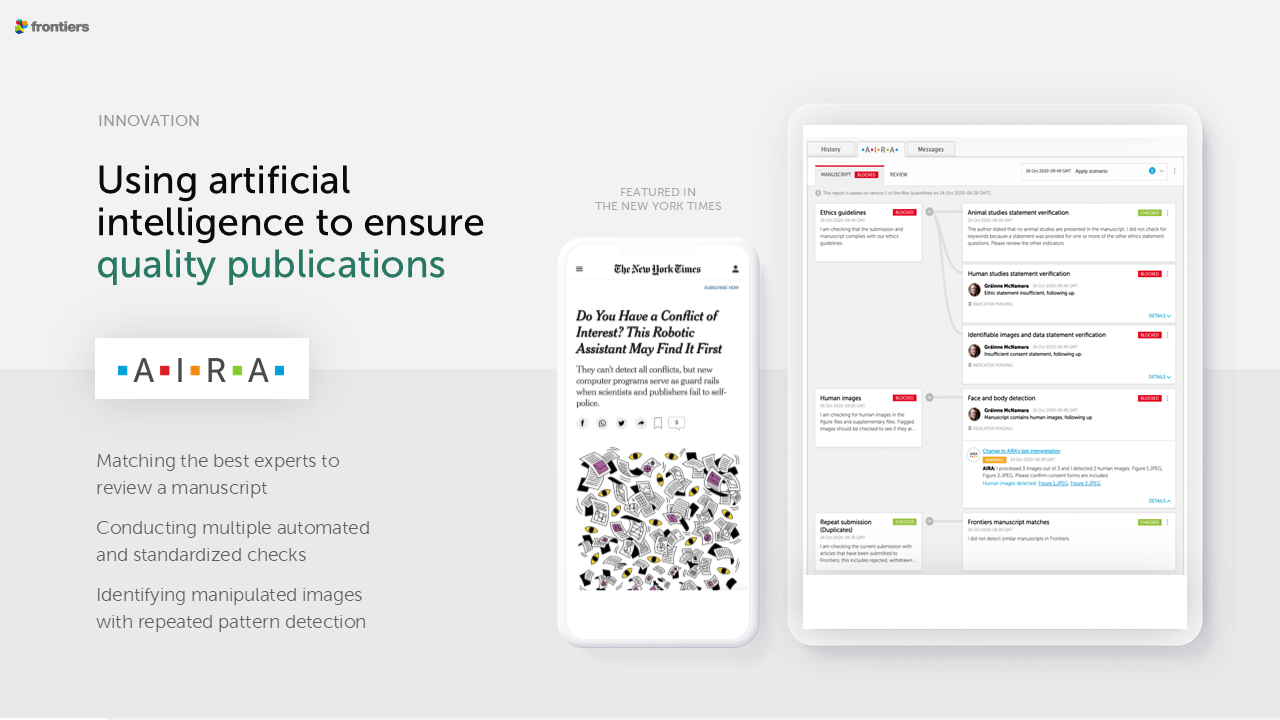
Our discussion around the publishing industry included a deeper dive into research integrity. Having a diverse group of editors is needed to catch biases in publishing. AI may be an additional reviewing tool for detecting and avoiding biases, but keeping its inherent biases in mind that arise from training on biased data. Another issue with using AI in the reviewing process could be that unpublished manuscripts and results would be given to the AI, which it would then have access to for further training unless data protection agreements are in place. We also discussed that it is important for for-profit journals to balance their business model with research integrity, since publishing more papers would mean more revenue, but publishing lower quality research would harm the reputation of the journal.
We further discussed essential and/or transferrable skills for working in publishing, for example as scientific editors. Being on top of current research areas is key. Having a broad network helps for finding the right reviewers for a manuscript. A certain level of persuasive skills can help convince researchers to publish in this particular journal. Other useful skills include multi-tasking and balancing priorities, project management, courage, and being open to change such as new trends in the industry (e.g. open access).
Practical tips and tricks for publishing and reviewing scientific articles
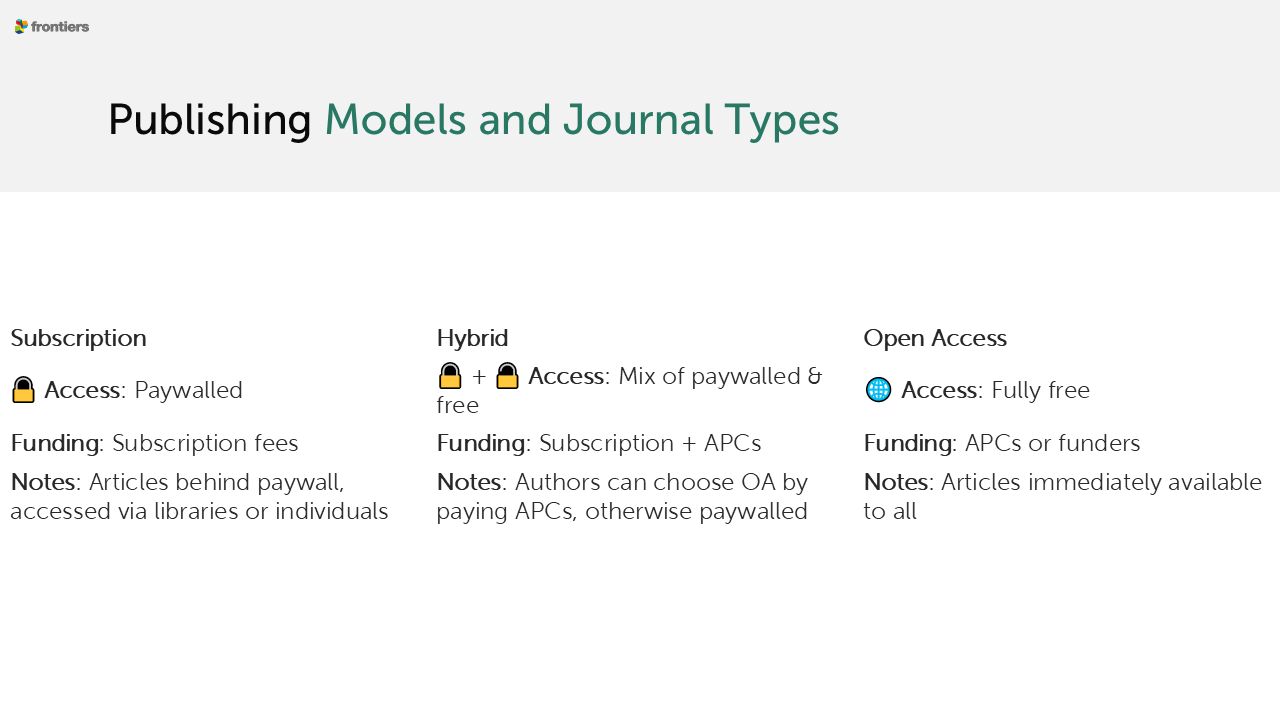
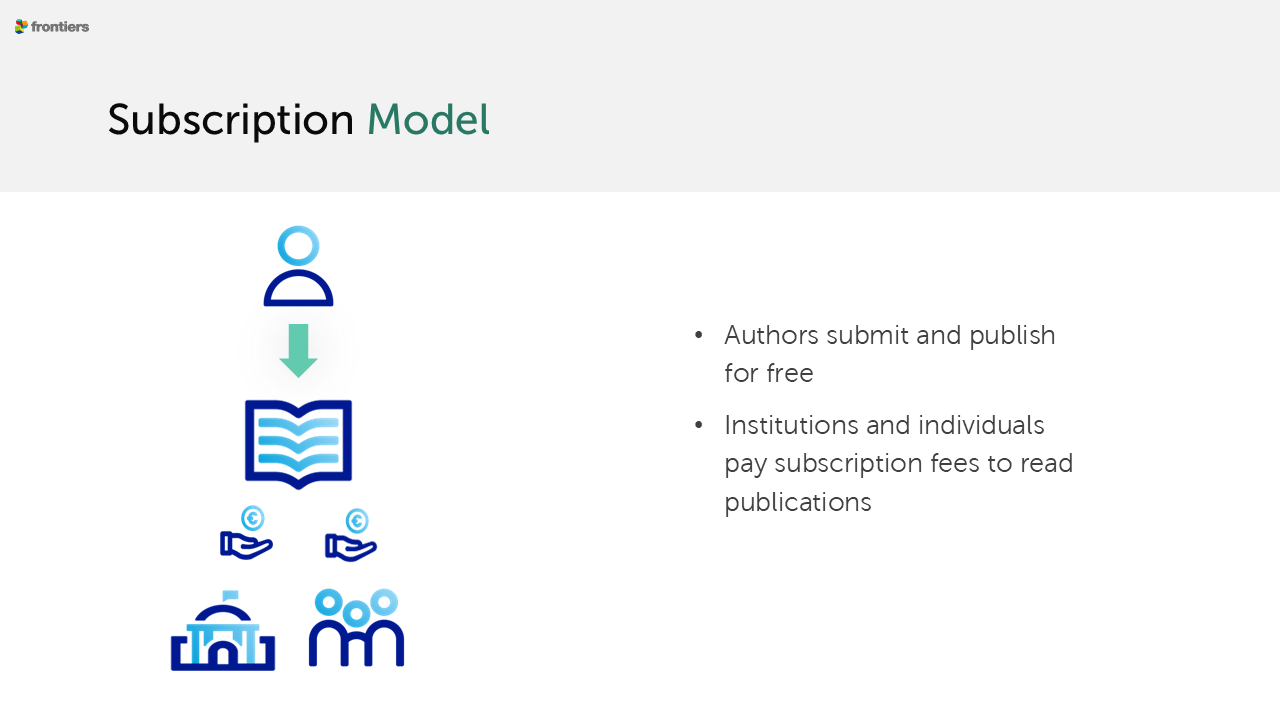
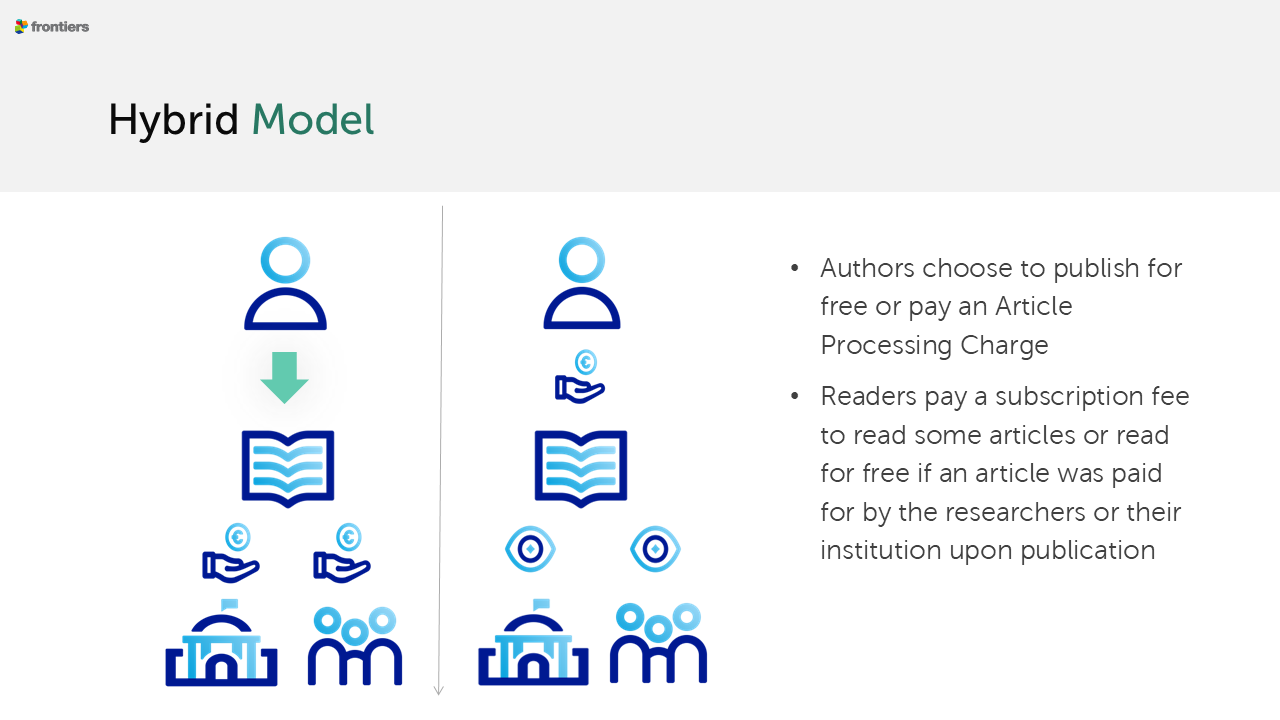
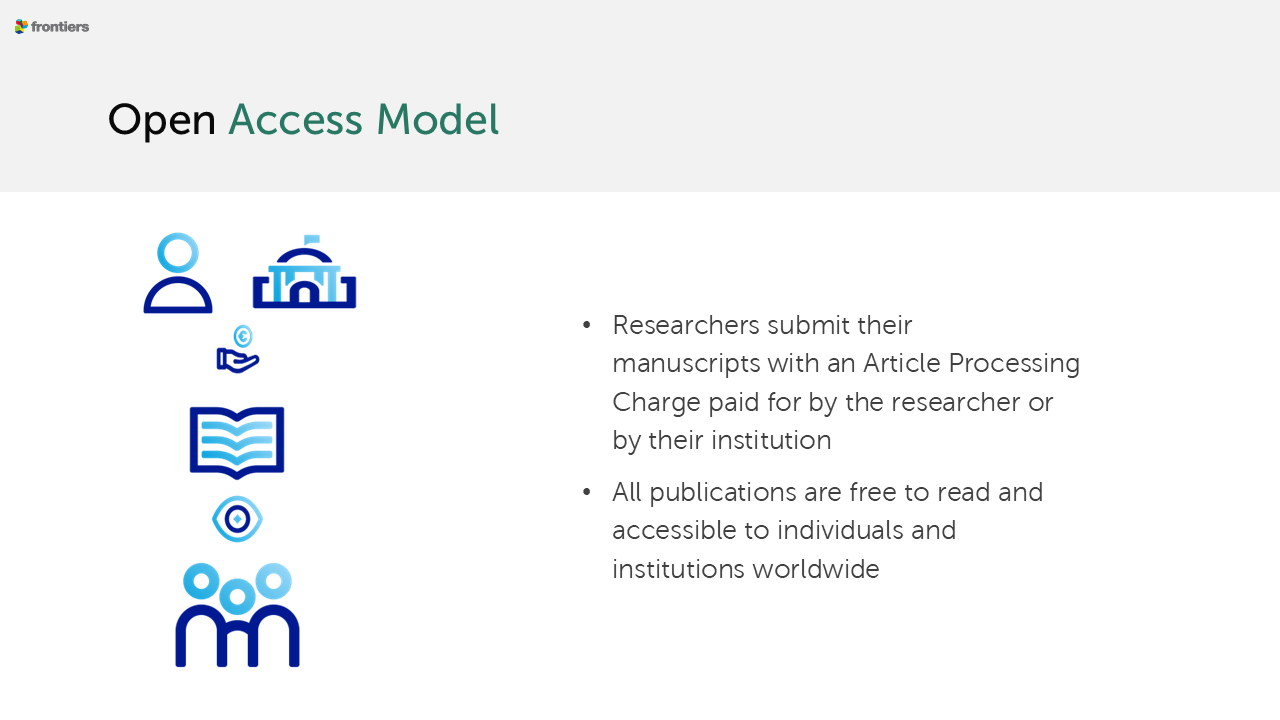
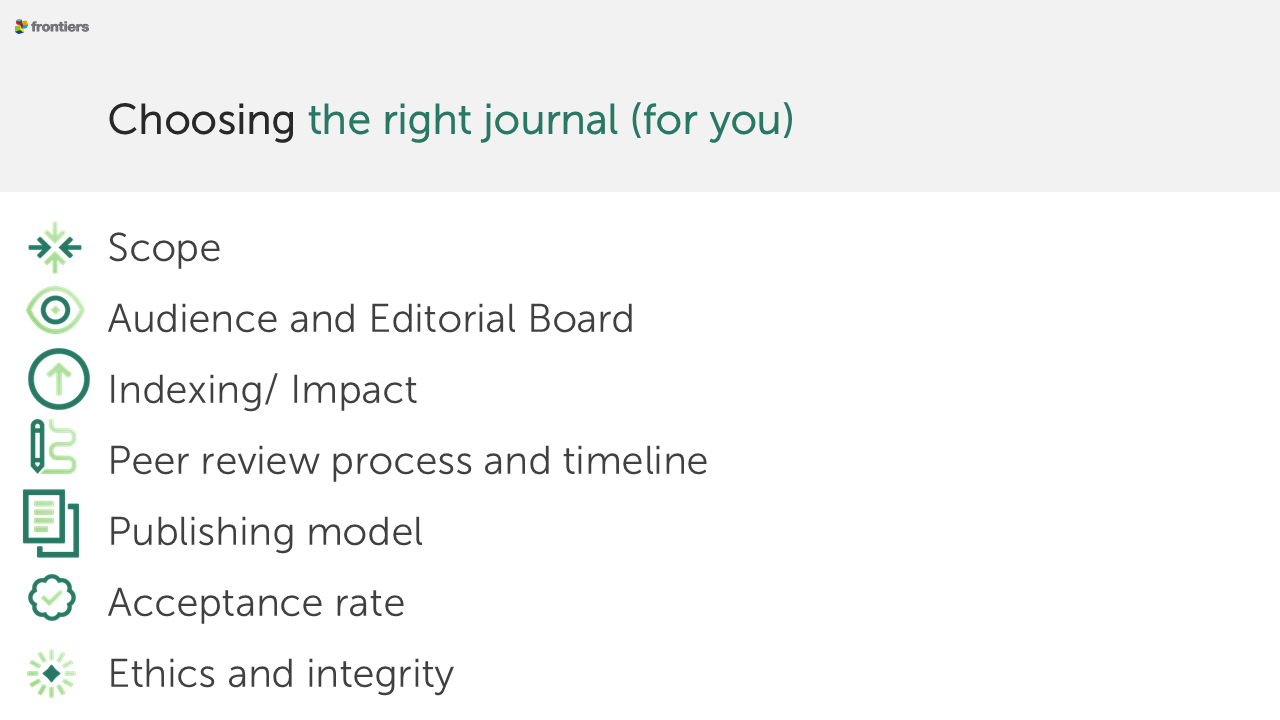
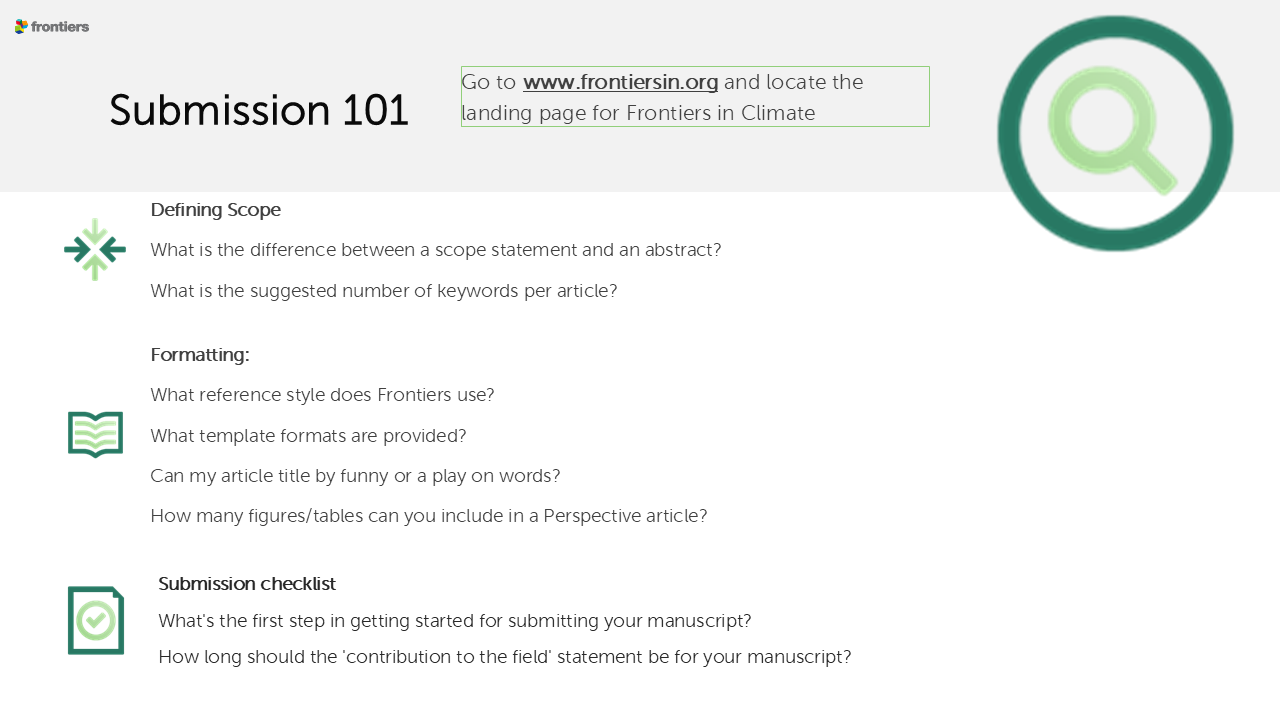
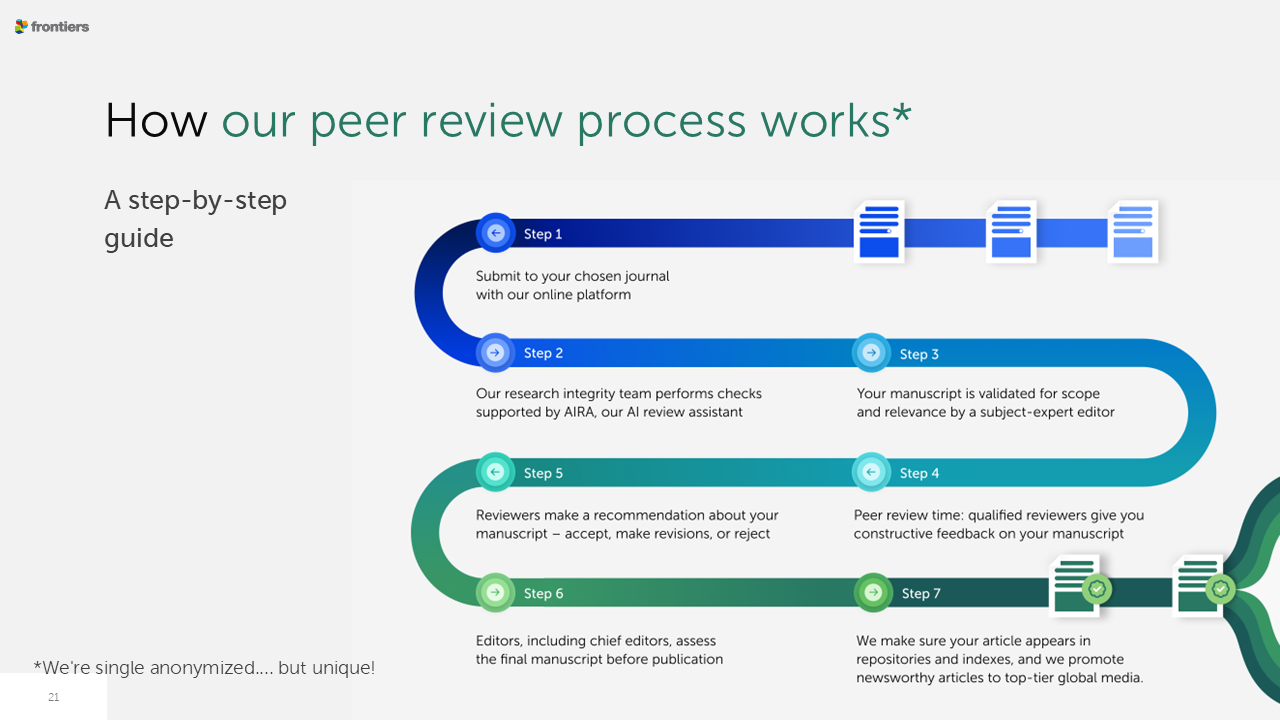
In the second part of our discussion, we covered models for publishing (subscription, hybrid, open access), the submission process, and the reviewing process. For submitting a paper, it is important to choose the right journal for your research. Things to consider may be the scope, impact, publishing model, or ethics. Once submitted, there is a journal-internal process including checks for research integrity, scope and relevance for the journal, before it is sent out for peer review.
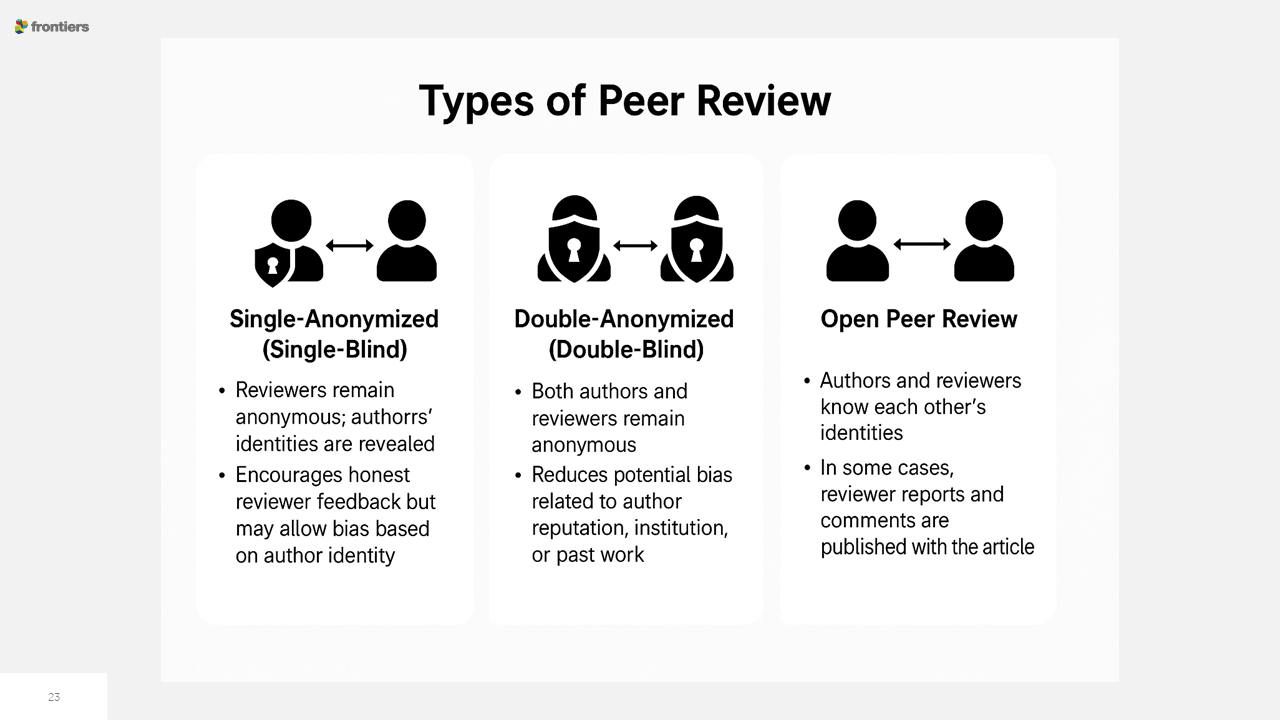
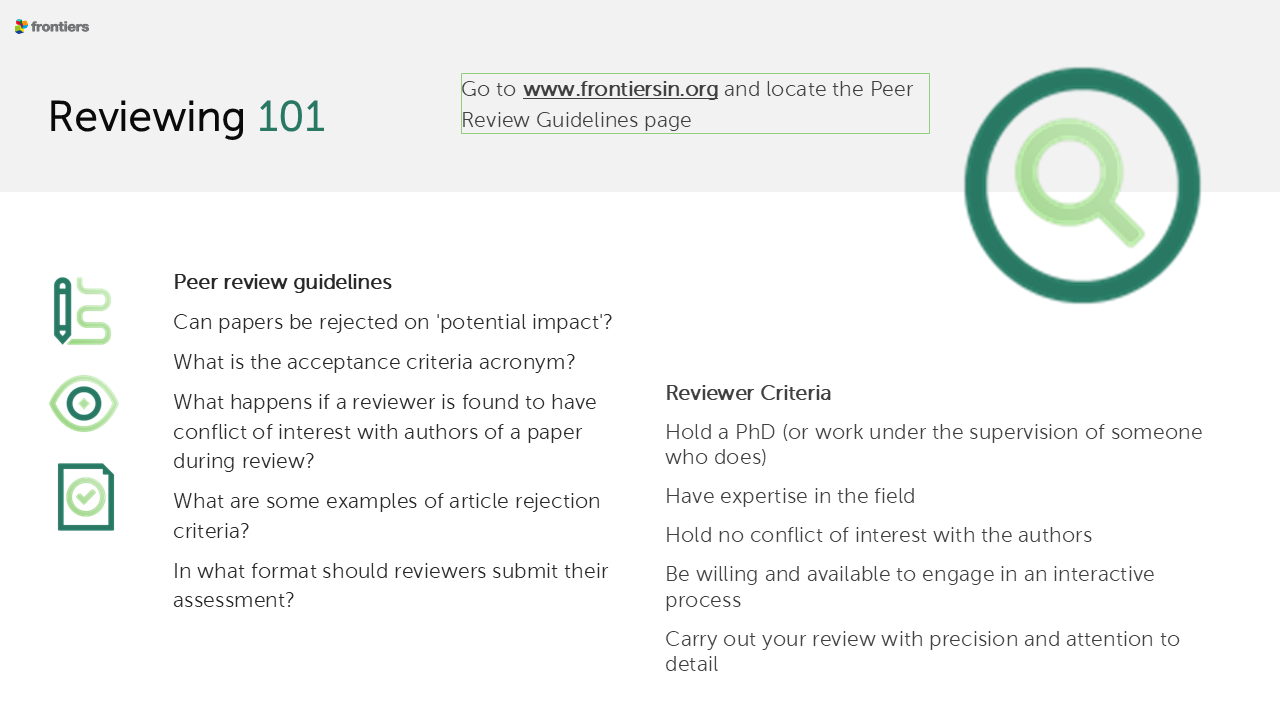
Regarding peer reviews, we discussed helpful tips for researchers, especially for those early in their career who are new to the process. It was clarified that language and grammar only need to be commented on if they hinder the scientific understanding, as the editing/typesetting team should do a language check. However, if the authors use scientifically controversial language do point this out as the editor or typesetter may miss this. We discussed with Amy how the peer-review process may change; for example, could reviewers be paid or receive credits with the journal. Another option would be reviewers working for the journal, which may however introduce a conflict of interest, as for-profit journals benefit from more publications and this might negatively affect the rigor of in-house reviewers.
At the end, we discussed questions related to the future of academic publishing. In a time with publishing societies, is there a need for for-profit publishing? Amy suggested that one of the benefits of for-profit publishers is that they provide an infrastructure and a workflow for publishing scientific papers, which other publishers can learn from. In addition, there is still pressure in academia to publish in high-impact journals, which the publishing industry responds to. Over the last years, slow changes in academia have occurred, for example away from a linear research career. More incentives and impulses from within academia should aim for better and more inclusive ways for publishing and sharing knowledge.
Presentation slides