Amazon Forest to Field
Investigating post-deforestation soil carbon persistence under changing climate and land-use in the Amazon Basin
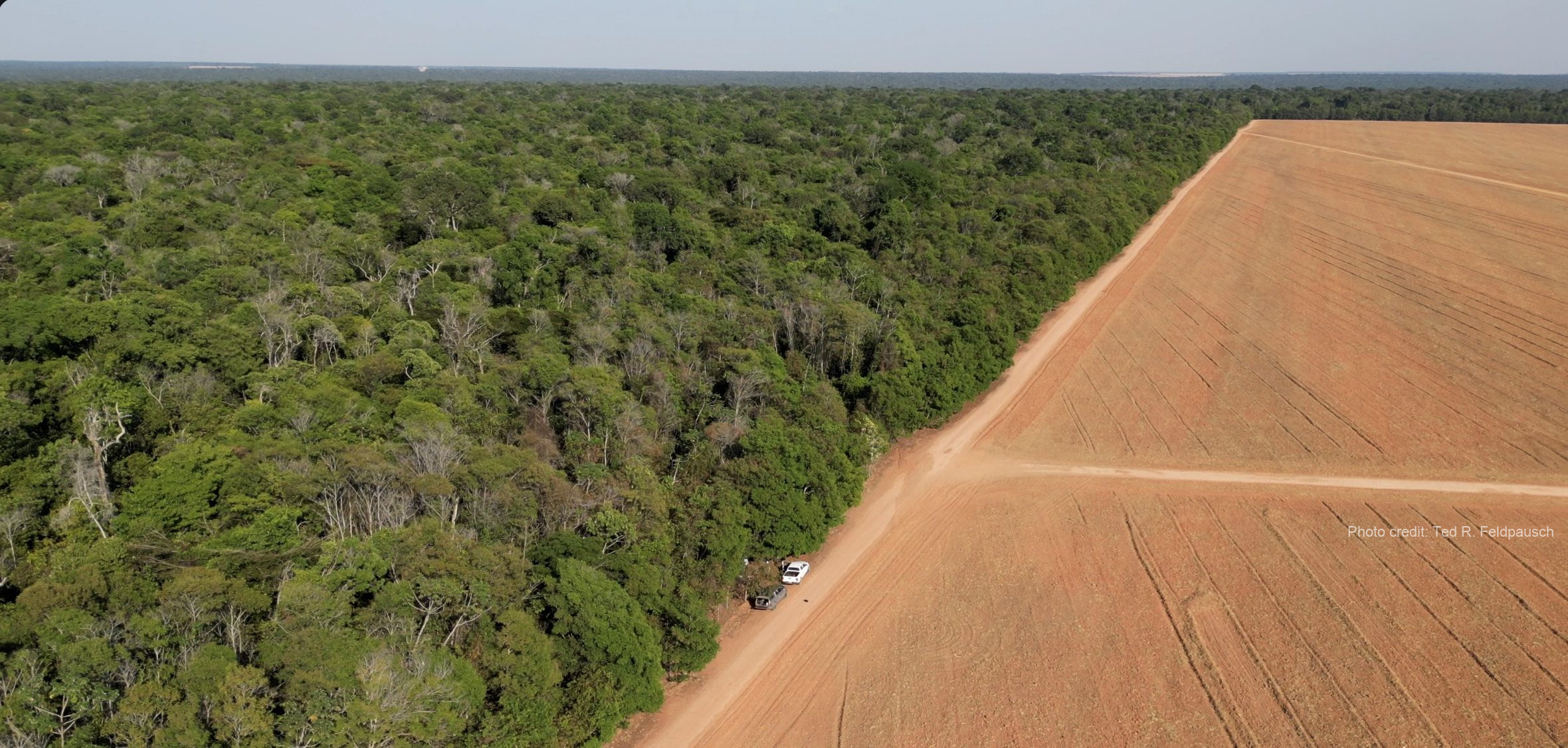
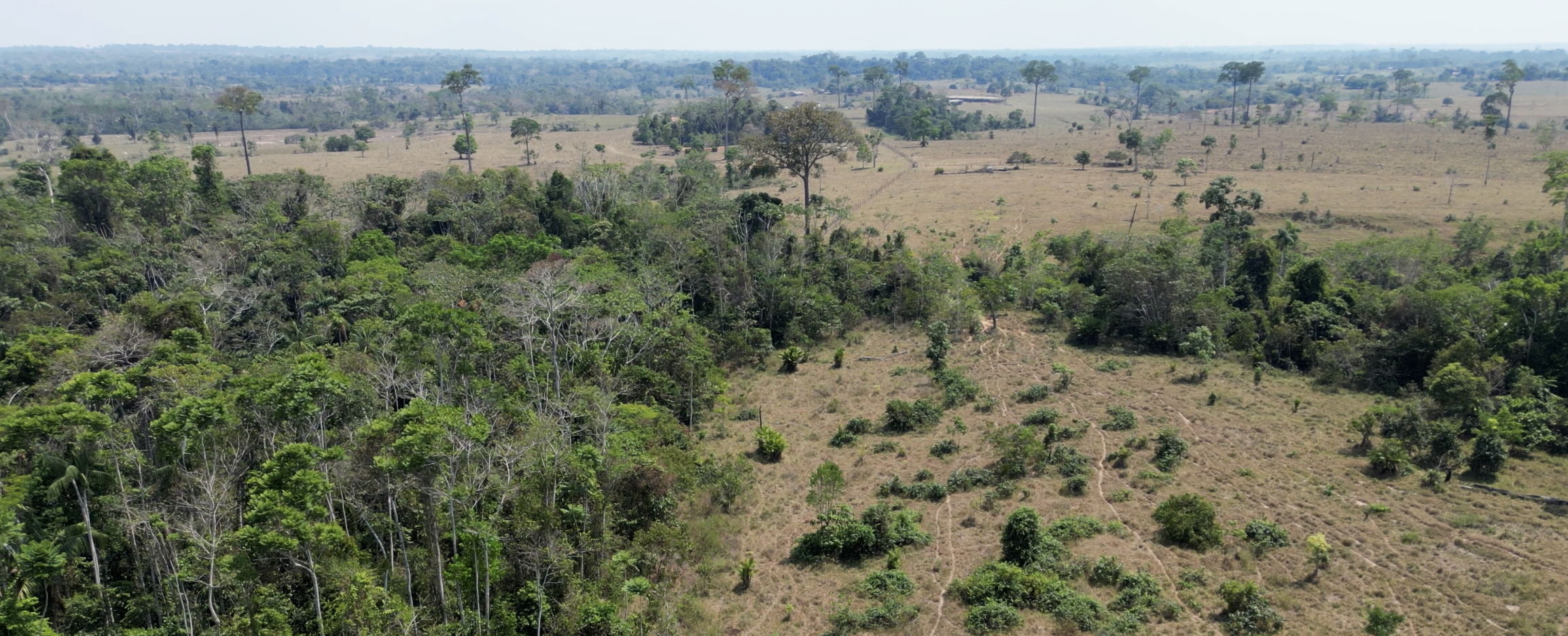
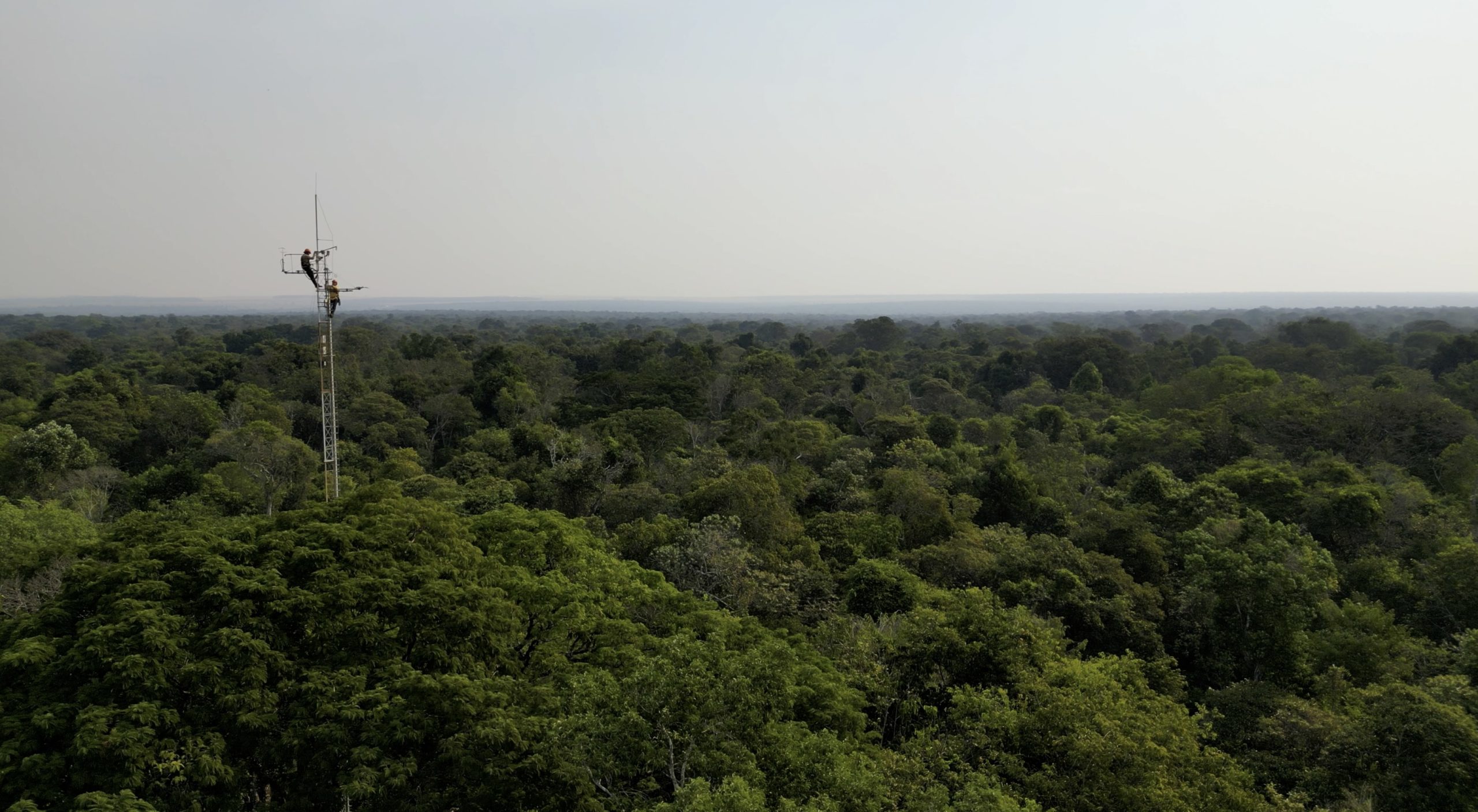
Every year, the Amazon frontier loses forest to farmland, but while the trees disappear from satellite images, a hidden transformation unfolds in the soil beneath.
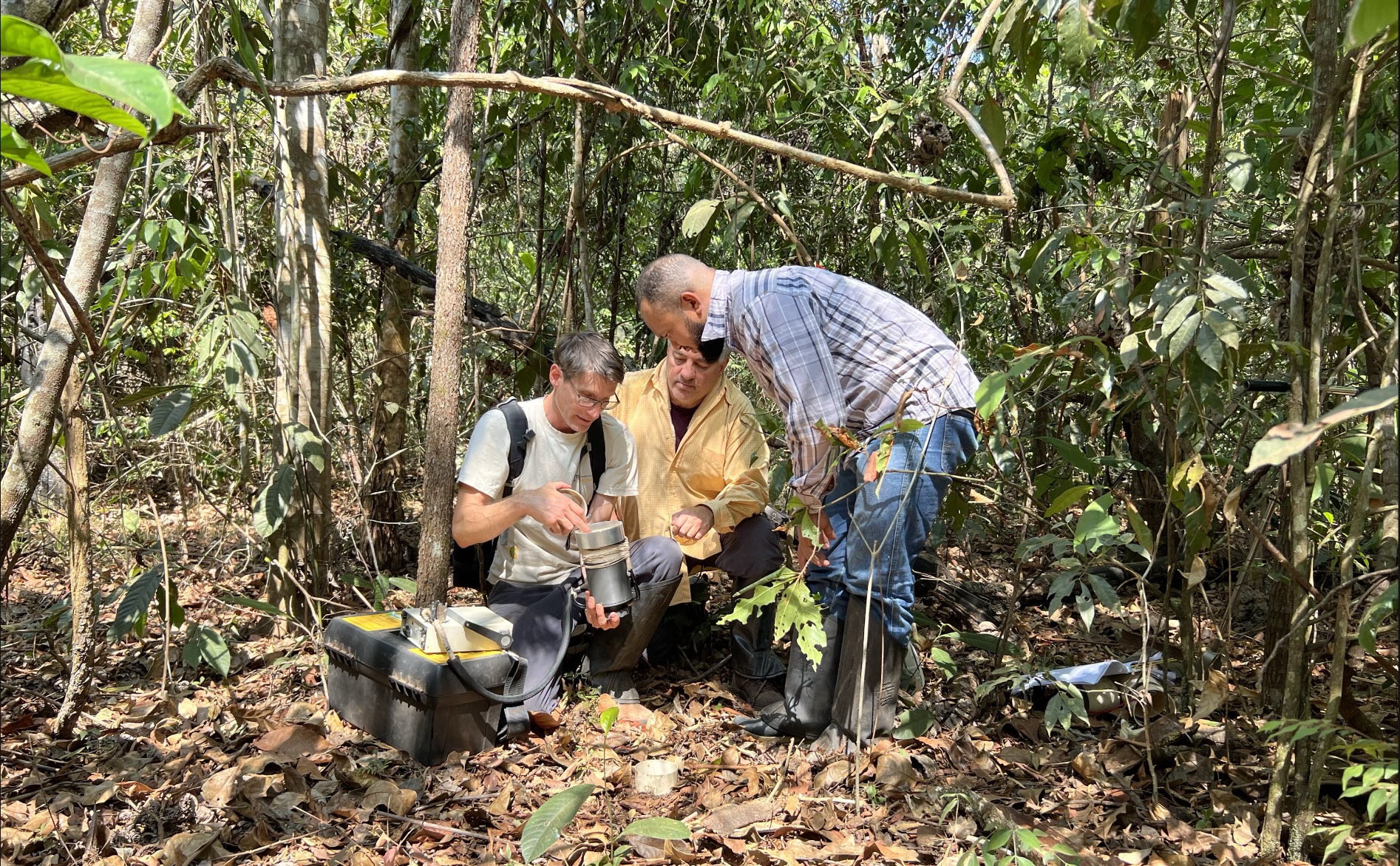
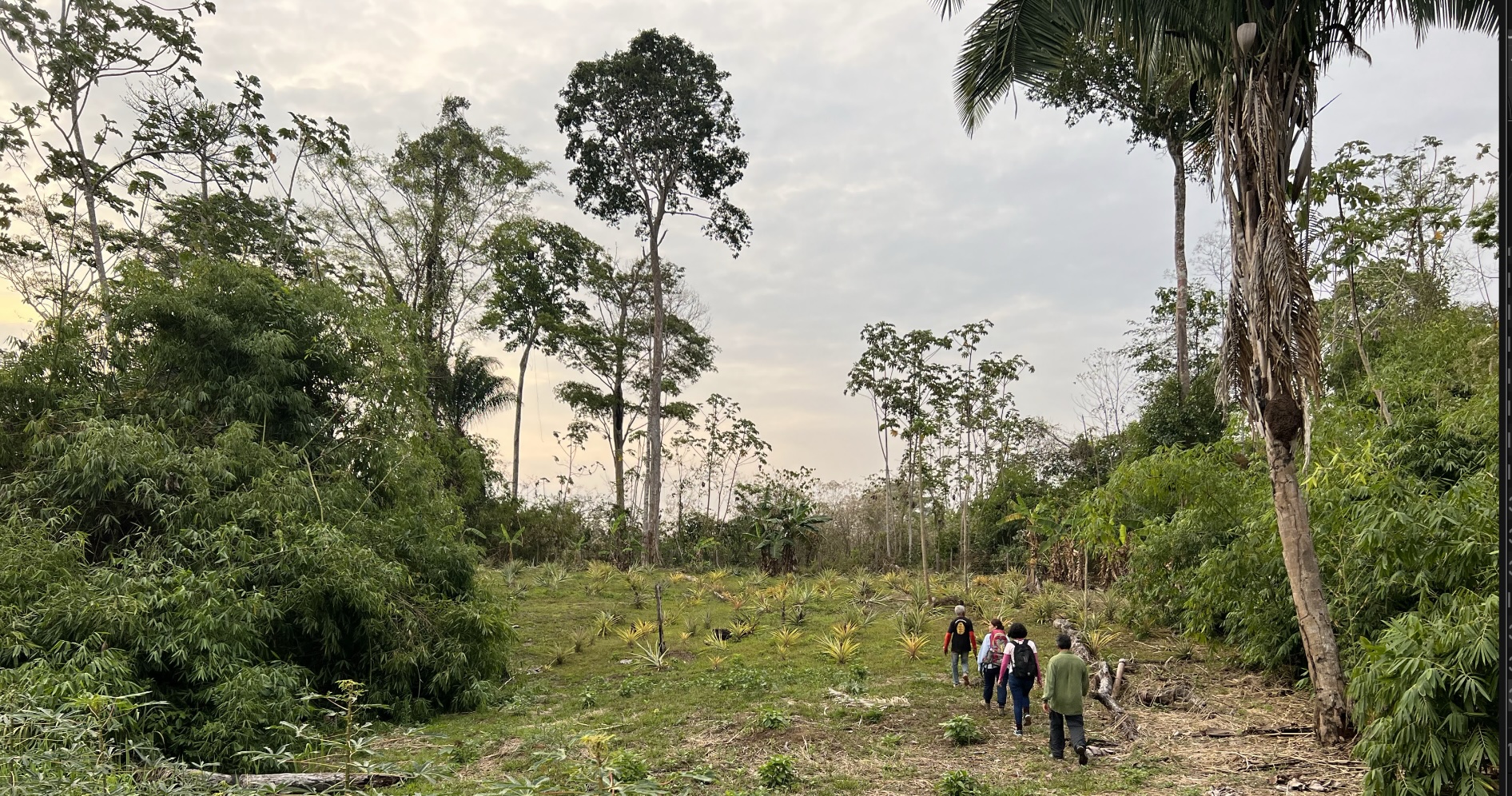
The Amazon Forest to Field project investigates the mechanistic controls of soil organic carbon (SOC) persistence after deforestation, tracing how fire, clay mineralogy, land-use management, and climate determine whether centuries of stored carbon stays locked underground or returns to the atmosphere as CO₂. By combining continent-scale field sampling across the Arc of Deforestation with process-based modelling, we identify the pathways toward carbon-negative agriculture in the Brazilian Amazon.
Explore the project
4
Regional sites across Amazonia
(Acre, Amazonas, Pará, Mato Grosso)
10
Partner institutions
18
Researchers from five countries
3
Years of measurements
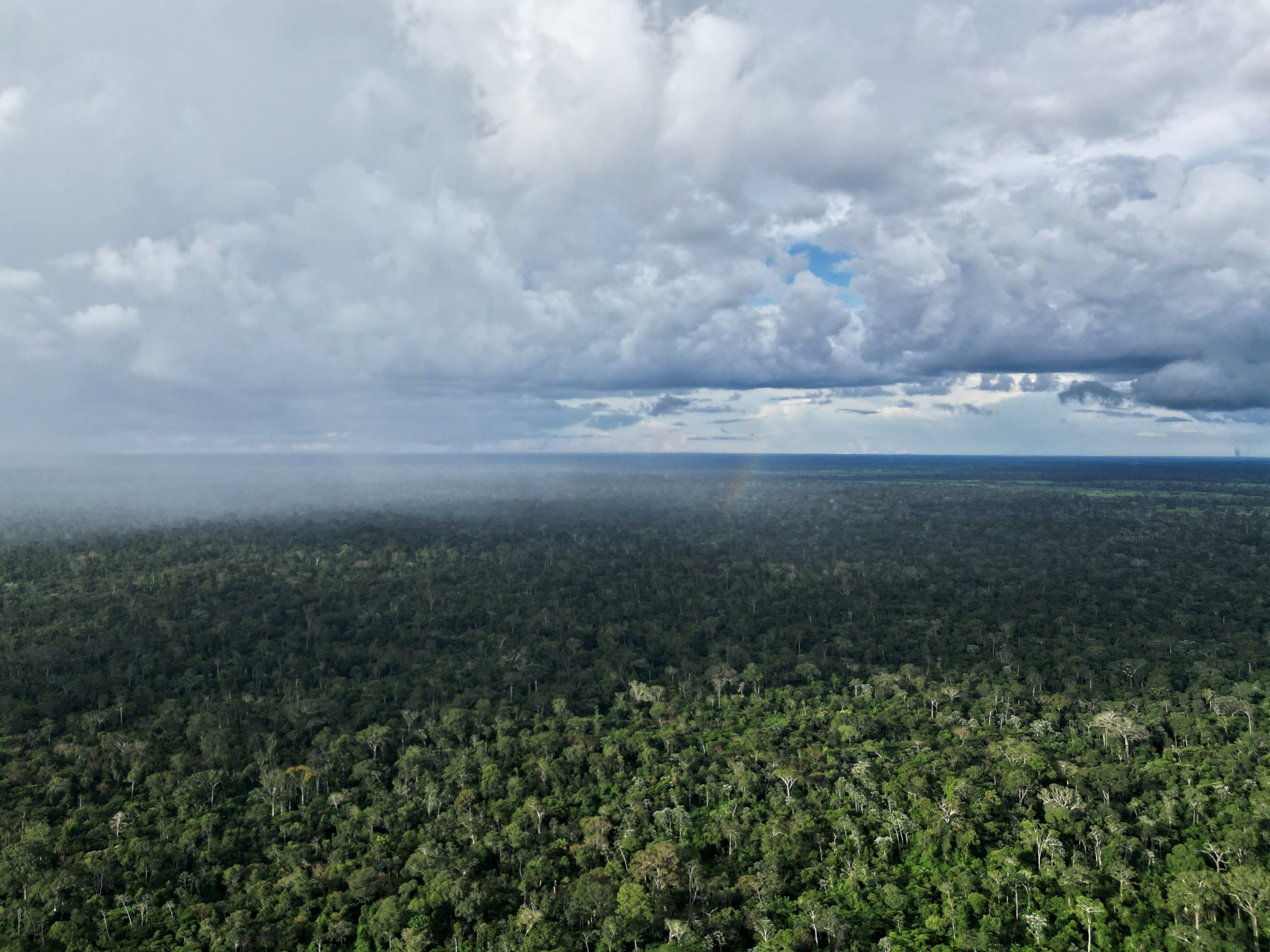
Across the Arc of Deforestation, the carbon beneath our feet is being rewritten.
Latest news
-
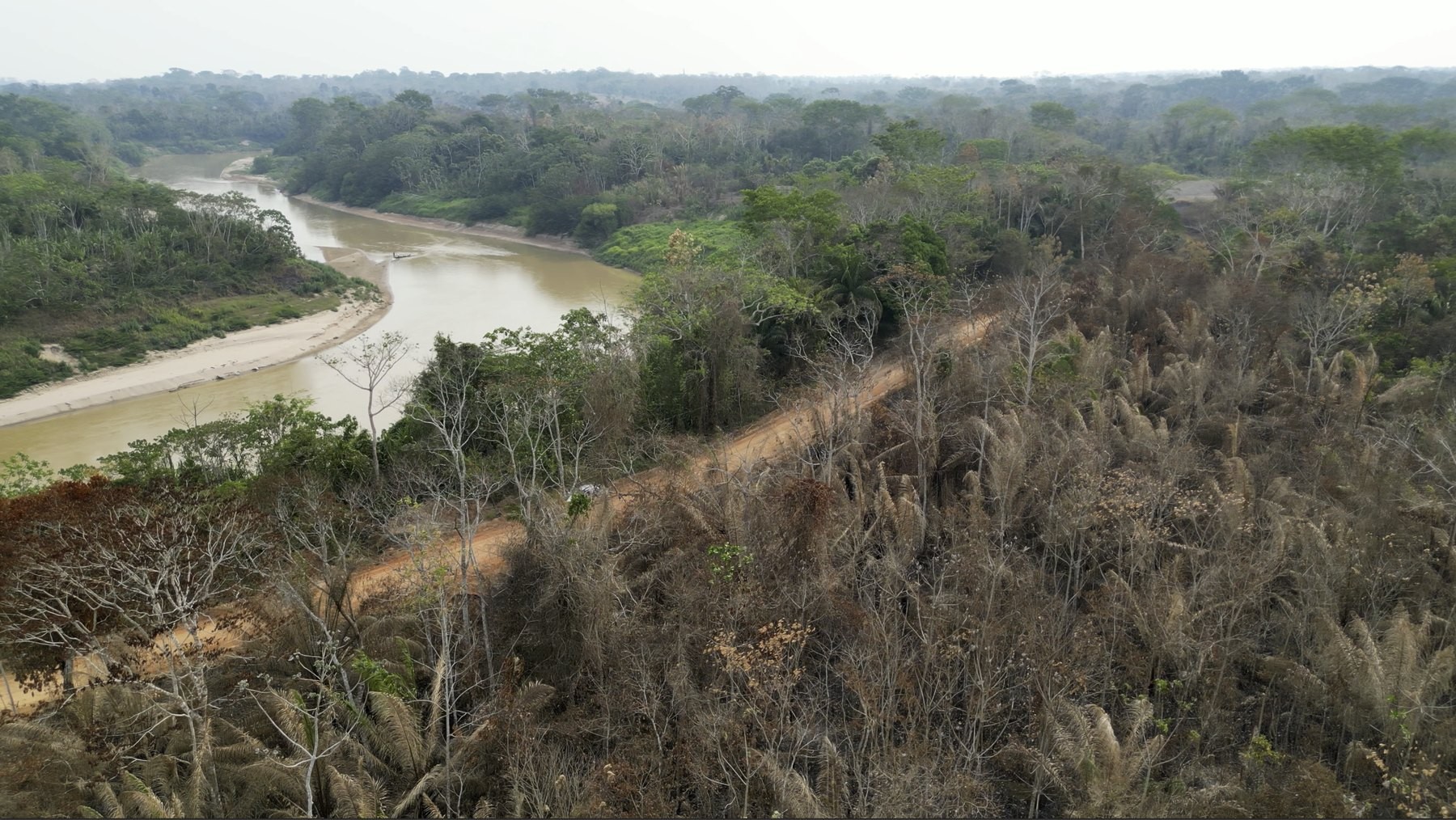
The Amazon’s hottest days are warming more than twice as fast as its average
A new study in Communications Earth & Environment, co-authored at Exeter, shows that Amazonia’s climate extremes are changing…
-
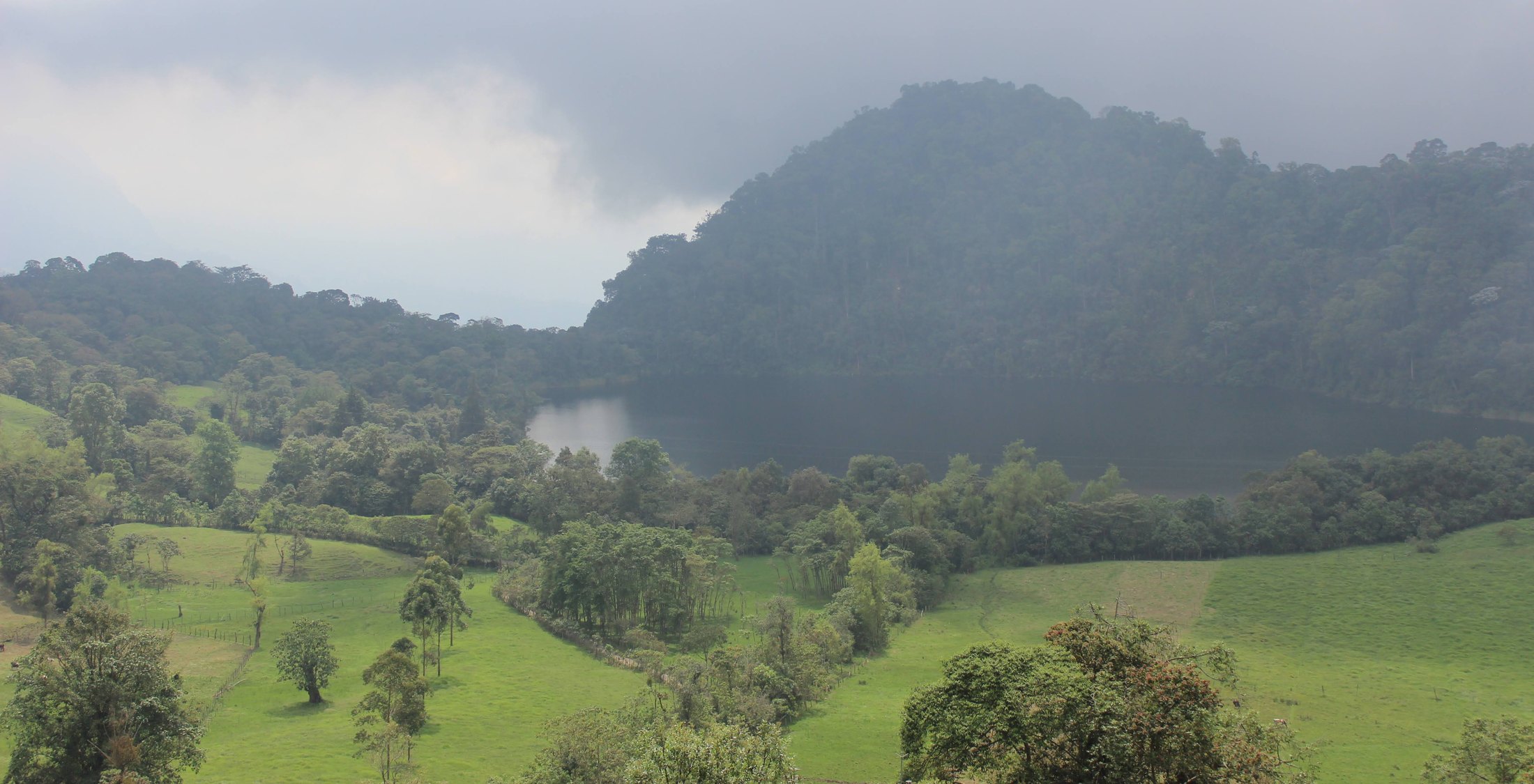
Andean Soil Carbon: The Deep Pool, Still Uncredited
A new policy brief distils our Global Change Biology study of 36 plots across the Colombian Andes: soil…
-
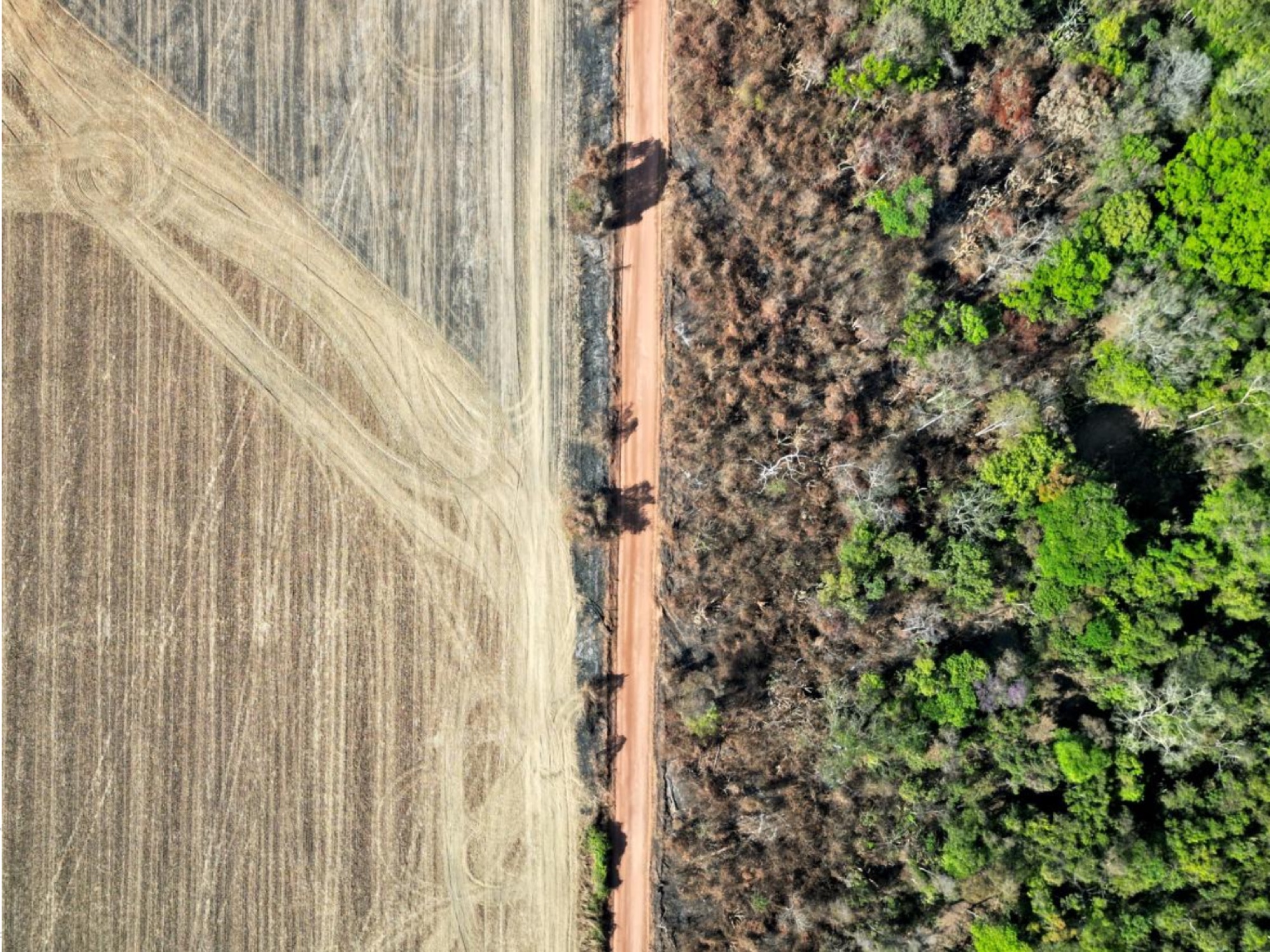
Burned Amazonian forests stay altered for at least 40 years, new lidar study shows
New spaceborne-lidar work presented at ATBC 2026 shows Amazonian forests in Acre remain measurably shorter, simpler and lower…
Project partners











Securing the future of tropical soil carbon
Header image credit: Ted Feldpausch