Amazon PyroCarbon
Quantifying pyrogenic carbon stocks, soil carbon responses to fire, and climate-change feedbacks in Amazonian forests
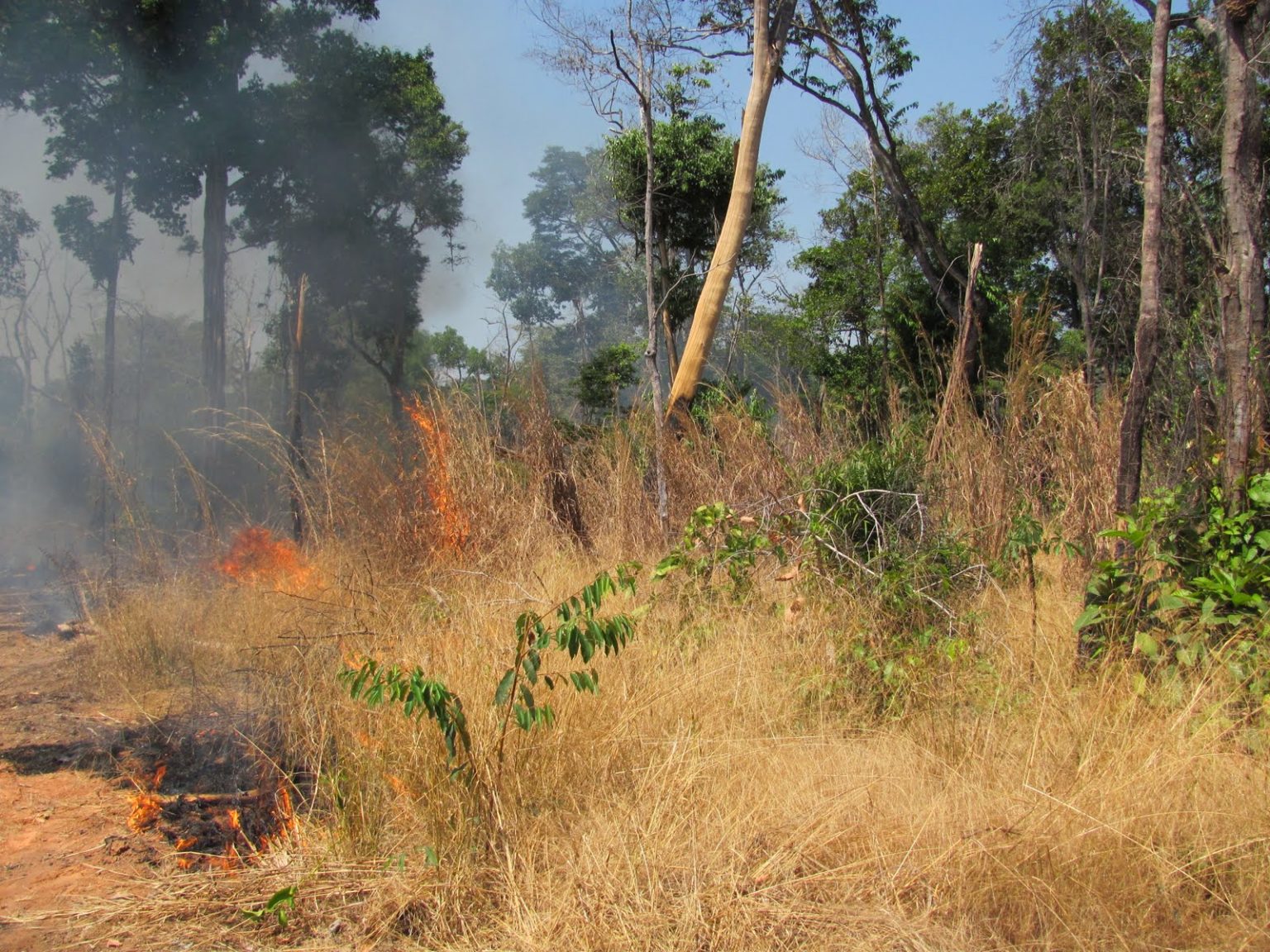
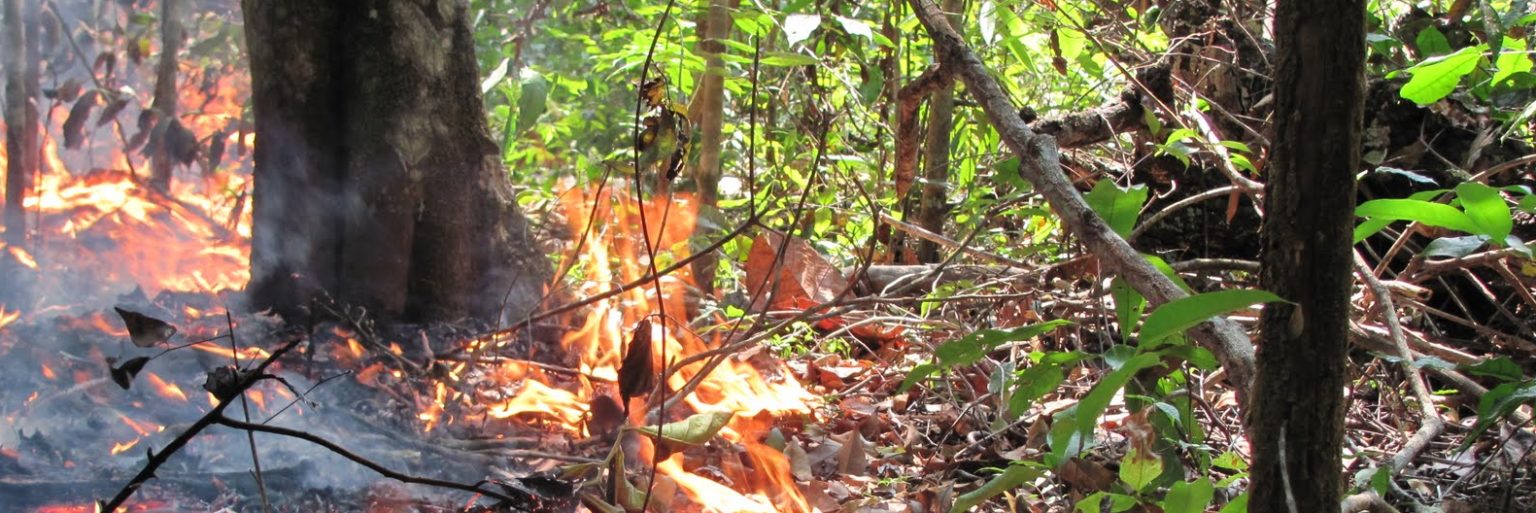
Fire is reshaping Amazonia — and the pyrogenic carbon accumulating in burned soils may be the most underestimated player in the global carbon cycle.
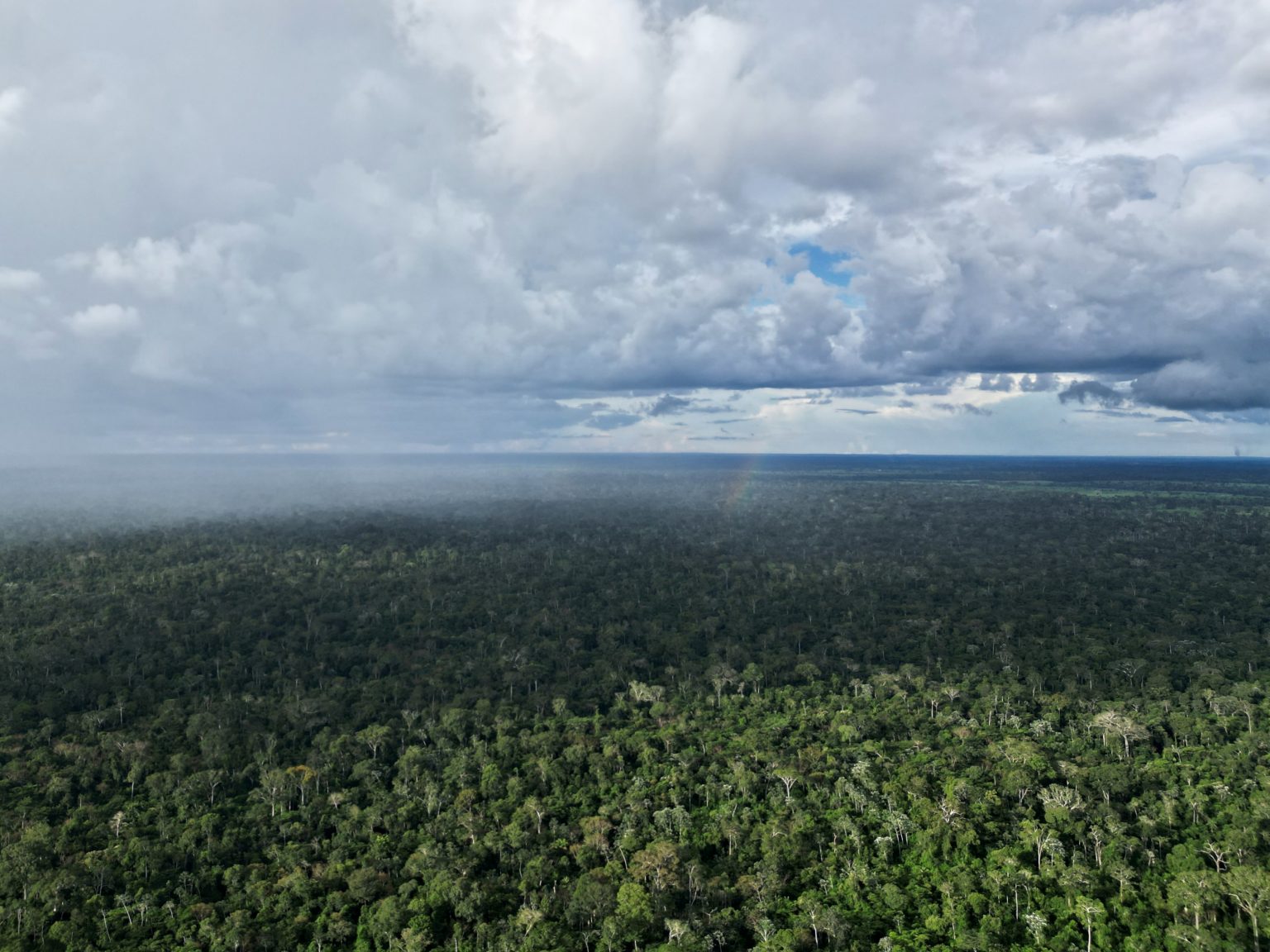
Amazon PyroCarbon is a NERC-FAPESP project delivering the first pan-Amazonian quantification of how fire alters soil organic carbon stocks, stability, and the accumulation of pyrogenic carbon (charcoal and black carbon) in forest soils. Combining systematic field campaigns, laboratory analyses, and ecosystem modelling across fire gradients in Amazonian forests, we investigate what Amazon burning means for the global carbon cycle — now and under future climate warming and drought.
Explore the project

4
Regional sites across
the Arc of Deforestation
12
Partner institutions
26
Researchers from
four countries
4
Years of field
measurements
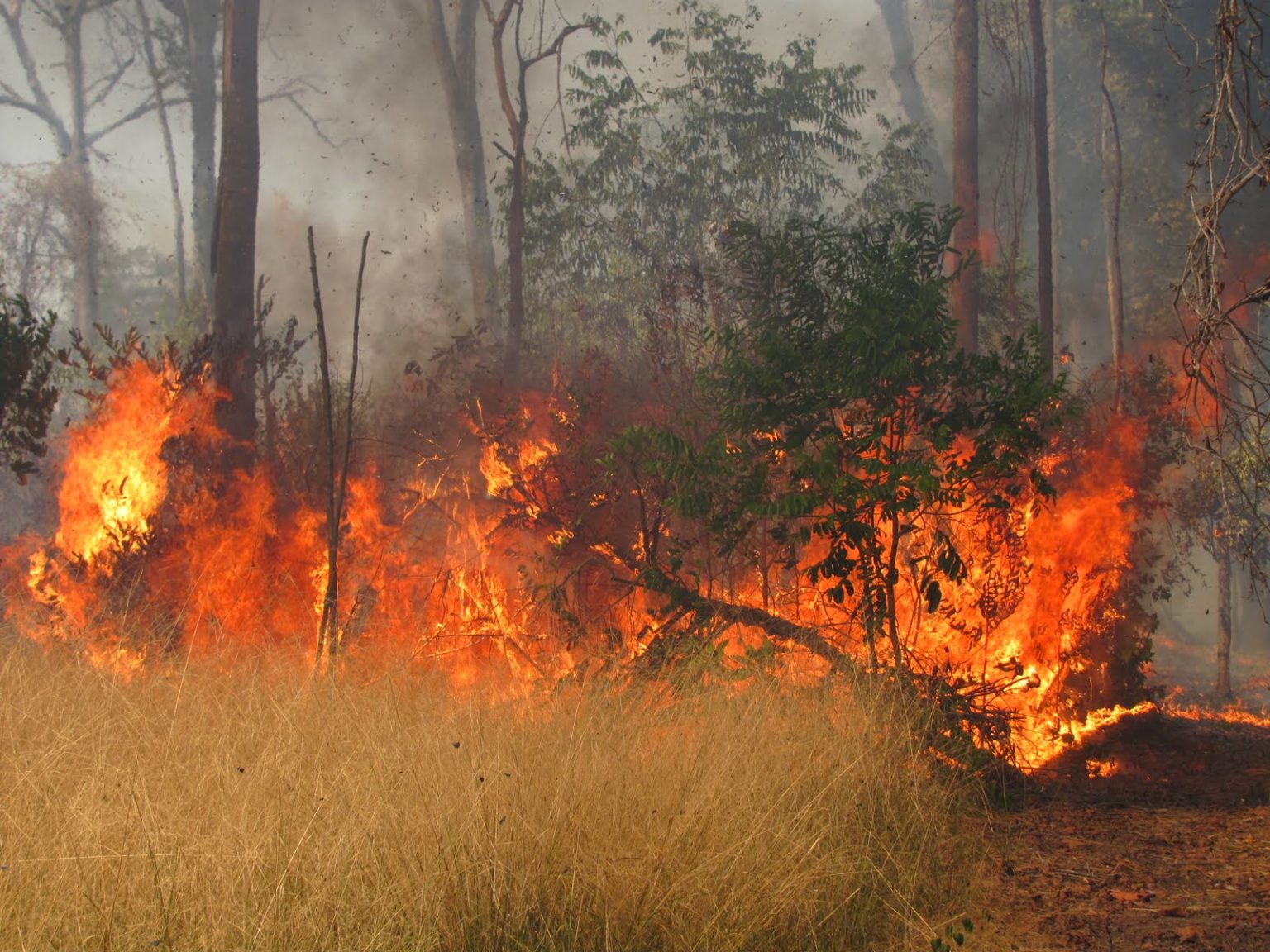
As fire spreads across Amazonia, the carbon beneath the ashes may determine the region’s climate future.
Latest news
-
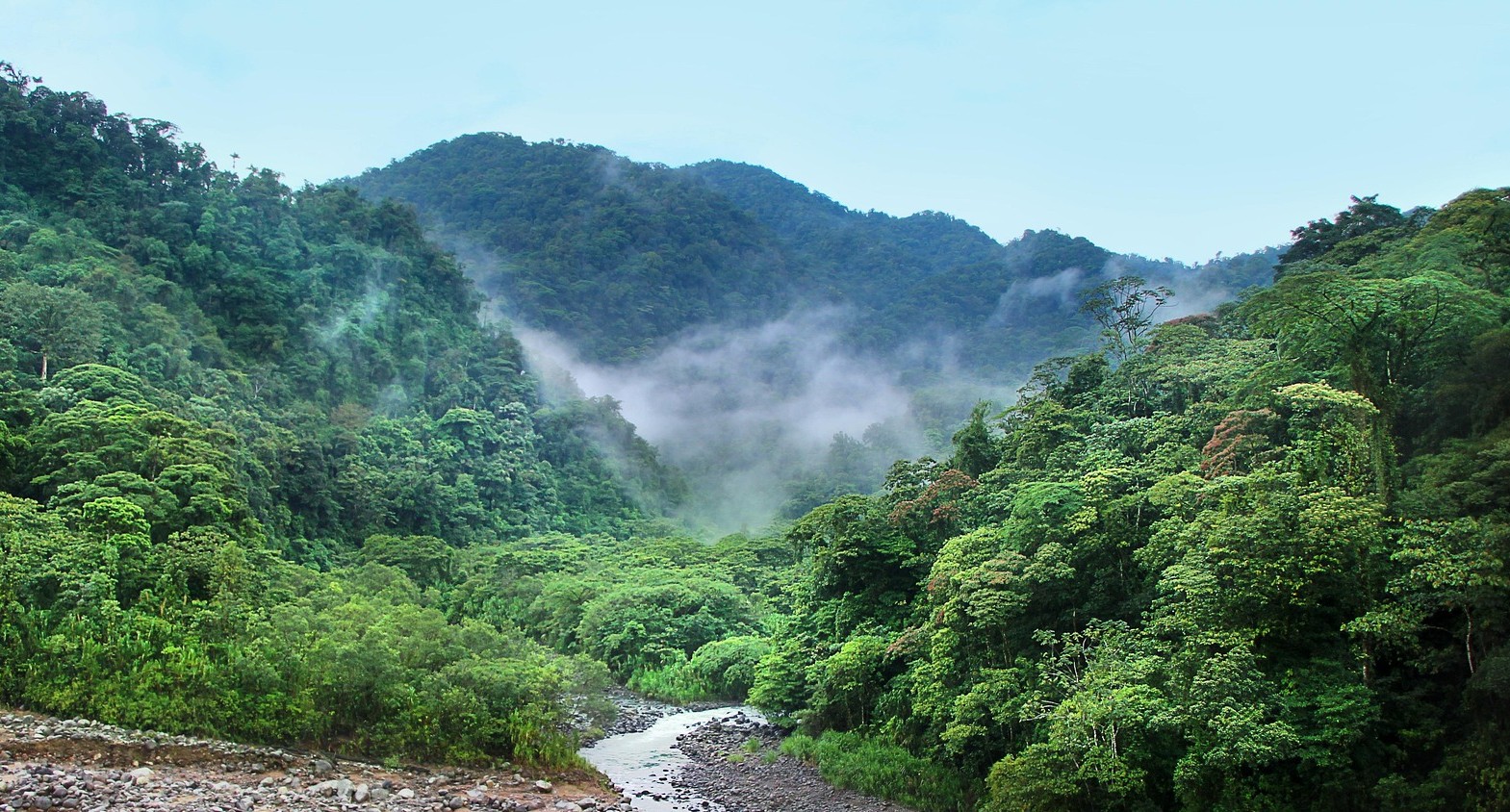
Tropical forests in the Americas are struggling to keep pace with climate change
Long-term forest monitoring shows that tropical forests in the Americas are shifting in composition in response to climate…
-
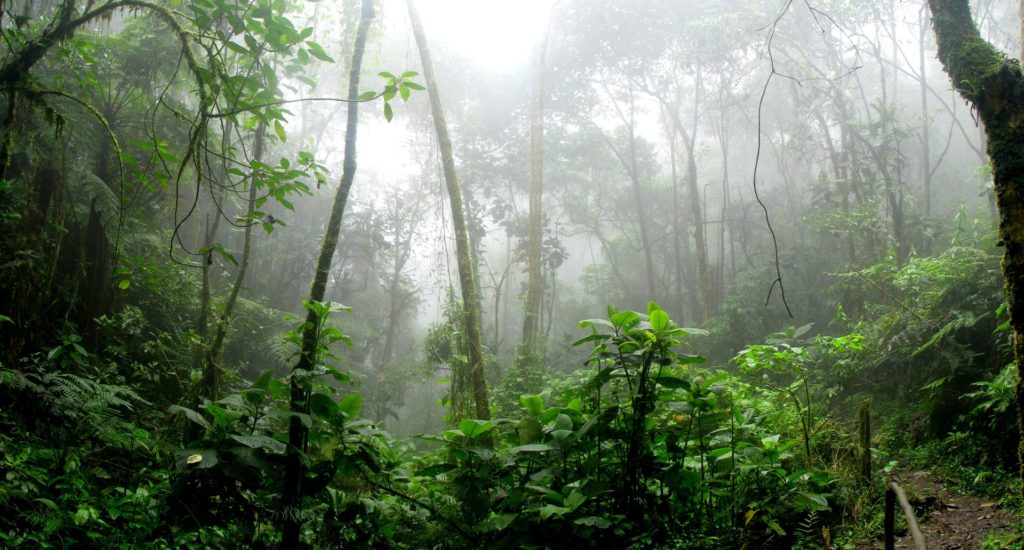
Extreme El Niño weather saw South America’s forest carbon sink switch off
A major study in Science shows that the 2015–16 El Niño switched South America’s tropical forests from a…
-
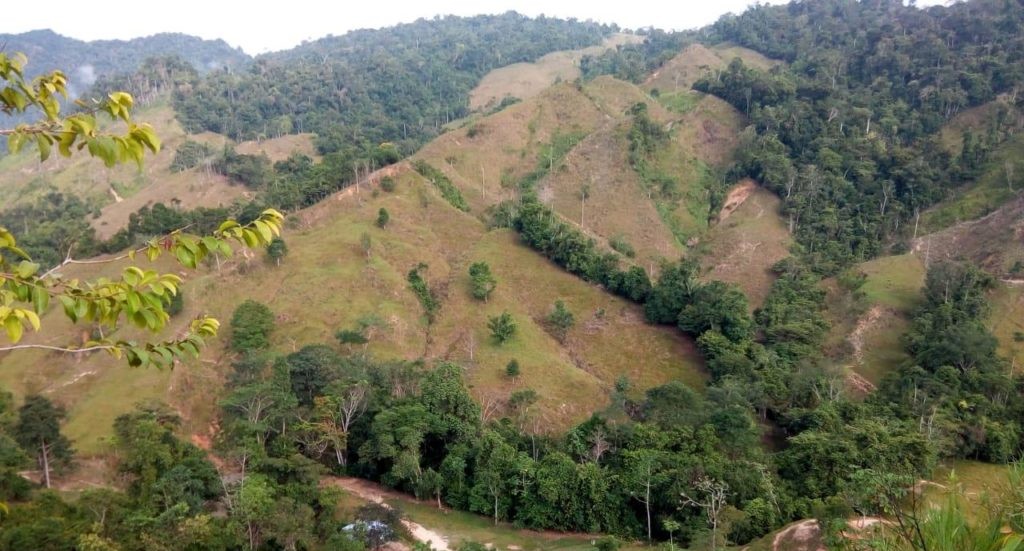
High-elevation tropical forest soils in Colombian Andes are rich in carbon from past fires
New research reveals that high-elevation tropical forest soils in the Colombian Andes store large stocks of pyrogenic and…
Project partners