
Posted by e.m.vine@exeter.ac.uk
1 July 2026Emily Vine
This month’s post explores the will of John Adeson, a curate of Caldbeck in Cumbria, who died in 1540. Adeson was directly involved in the turmoil of the Henrician Reformation, and known primarily today for his link to the case of Elizabeth Barton, the ‘Holy Maid of Kent’. Barton was executed for treason in 1534, after prophesying against Henry VIII’s divorce from Katherine of Aragon, and predicting the king’s death were he to marry Anne Boleyn.[1] Our testator, John Adeson, was accused, along with Bishop John Fisher, of ‘misprision’, or concealing Barton’s crimes.[2] Following a Bill of Attainder, Fisher, Adeson, and others were forced to forfeit their personal estate, but Adeson’s subsequent hasty conformity to the Royal Supremacy ensured he avoided Fisher and Barton’s fate of execution. In his will, made shortly before his death from natural causes some six years later, he referred to this period as ‘the tyme of my trowbles… when I lost my goodes’ referring to property ‘taken away by the kinges officers’.[3]
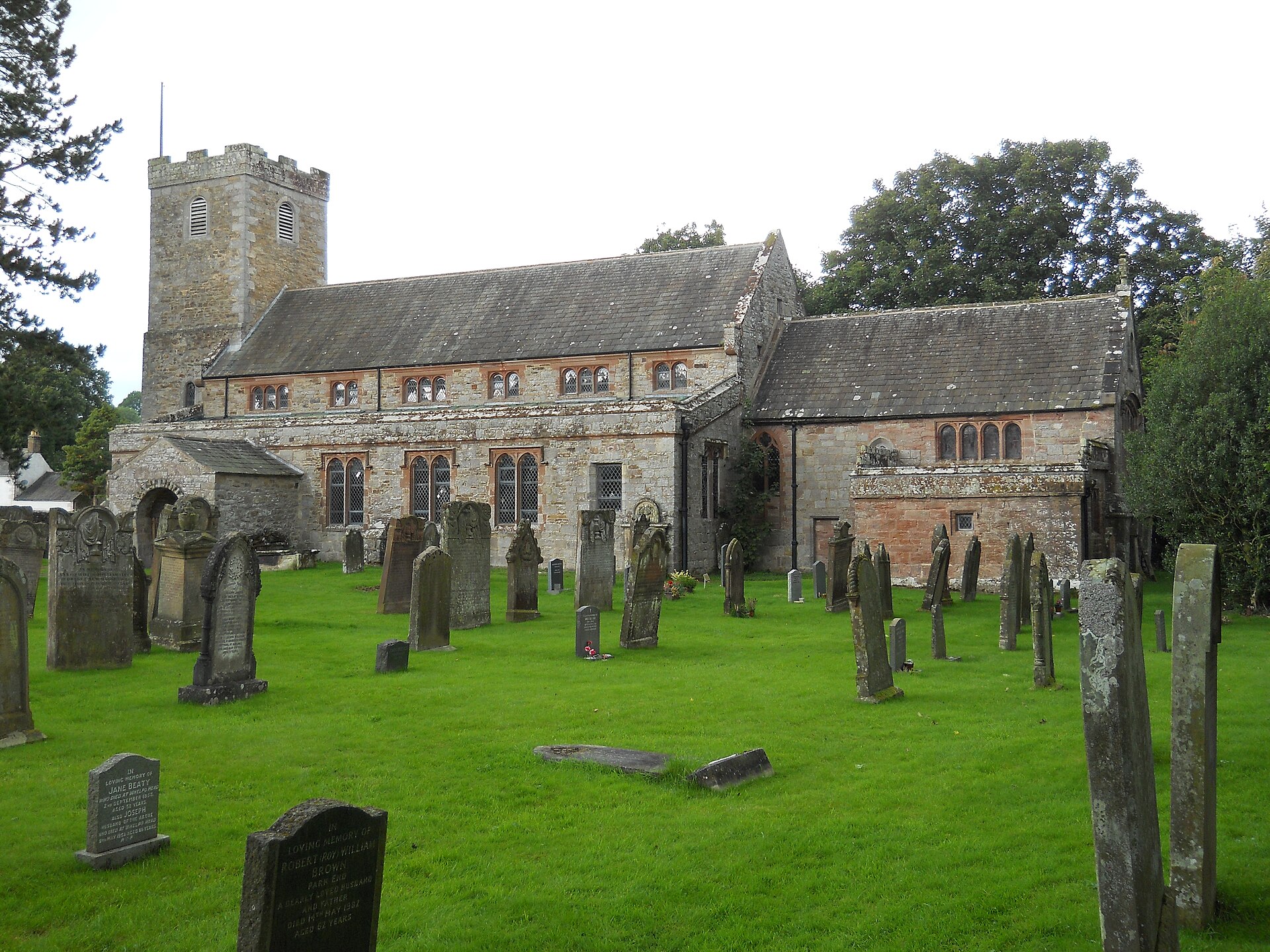
Despite having forfeited many goods to the ‘kinges officers’, Adeson’s will is that of a man whose fortunes had rapidly improved in a short period of time. In his later years, he regained favour, and was rewarded with comfortable clerical positions at Loughborough and Caldbeck, whilst retaining a residence in London. His will is evidence that he owned large numbers of richly described material possessions: it contains 38 bequests in total.
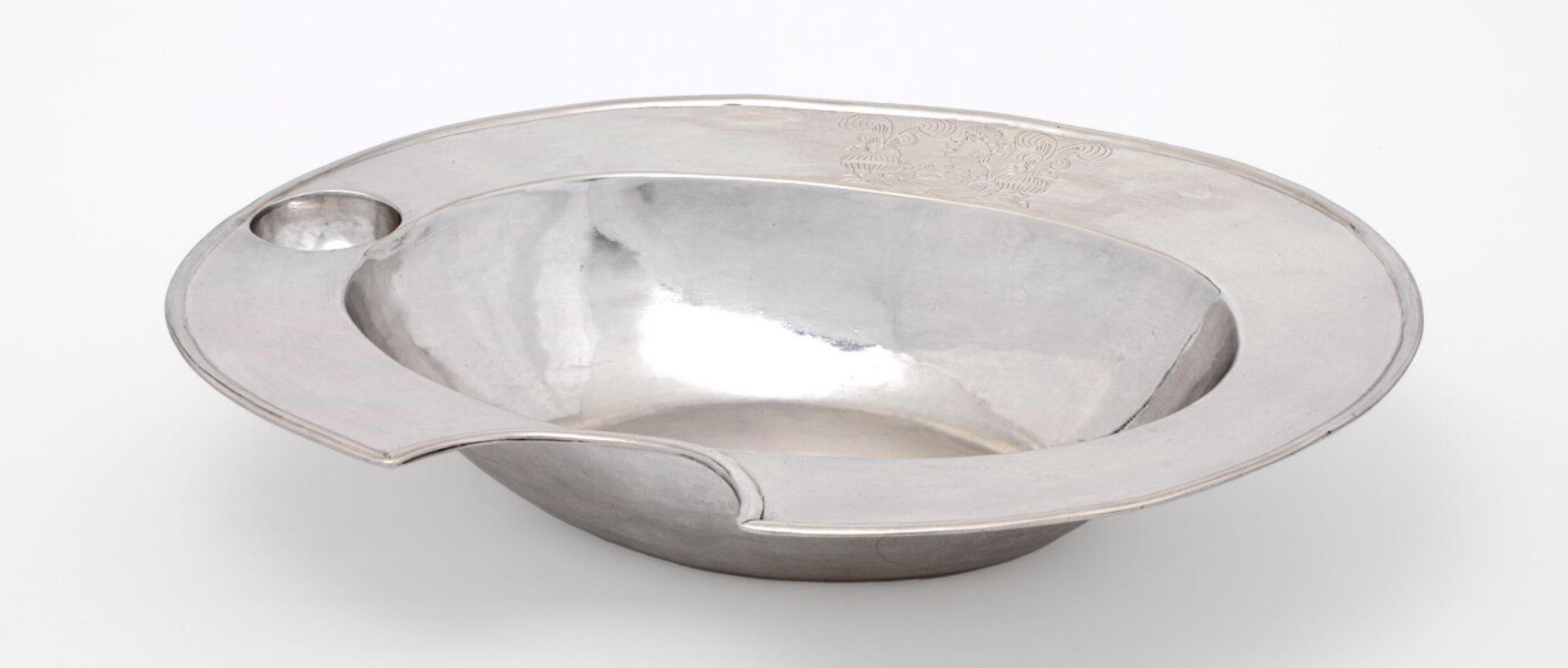
‘my Shaving basyn at Caldbecke and an other Shaving basyn at Lughborowe’
While described as the curate of the small village of Caldbeck, and dying there, Adeson’s goods and furniture were divided between Caldbeck, London, and Loughborough; Caldbeck and London are 300 miles apart, Caldbeck and Loughborough 200. Adeson referred to ‘my great byble at London’, ‘one pair of blanckettes and all the Shetes that are at london and the best cheest there’, but also ‘a violet Gowne and a beedde which is at Caldbecke’, as well as ‘my Shaving basyn at Caldbecke and an other Shaving basyn at Lughborowe’. Having personal and everyday items like shaving basins at different residences suggests that Adeson moved between these three locations fairly frequently: it is unclear how ‘present’ he was in either of the geographically disparate parishes he served.
Adeson did use his will to make charitable bequests to his parishes: ‘every poore house in lughborowe’ would receive ‘4 quarters of Rye and 4 quarters of barlye’ as well as ‘4 quarters of pese’ (marrowfat or yellow split peas, used to make pease pottage). Yet regarding the fabric of the church buildings themselves, he claimed ‘in my conscience’ that he was not liable to pay for any repairs to the churches at either Caldbeck or Loughborough, because the ‘the parishe knowith howe I found it and what Reparacions I have made upon’ and ‘neither of them hath decaid in my tyme’.
All the new pewter and brass ‘which came from london’
In his rich descriptions of his material possessions, Adeson carefully accounted for where many had come from, describing how he and another priest bought and chose things from both London and Loughborough markets. Adeson’s nieces received ‘all the newe pewder vessell and newe brasse vessell which came from london to be devided betwixt them’, as well as ‘one paire of newe shetes of the [next] best that I have… and to either of them a course coverlet which I bought at london’. Several of Adeson’s possessions had been bought by one Sir Richard Grene, described as a parish priest of Loughborough. Grene had purchased ‘a coveryng for a bedd which was bought at Lughborowe’, while Adeson also mentioned ‘a brasse pott the best which ^ Sir Richard bought’, and ‘a salt seller with a cover which Sir Richard Chosith’. The will shows that these priests had the means to buy multiple new objects, and to exercise choice in what they bought: the mention of the ‘best’ brass pot implies that several had been purchased.
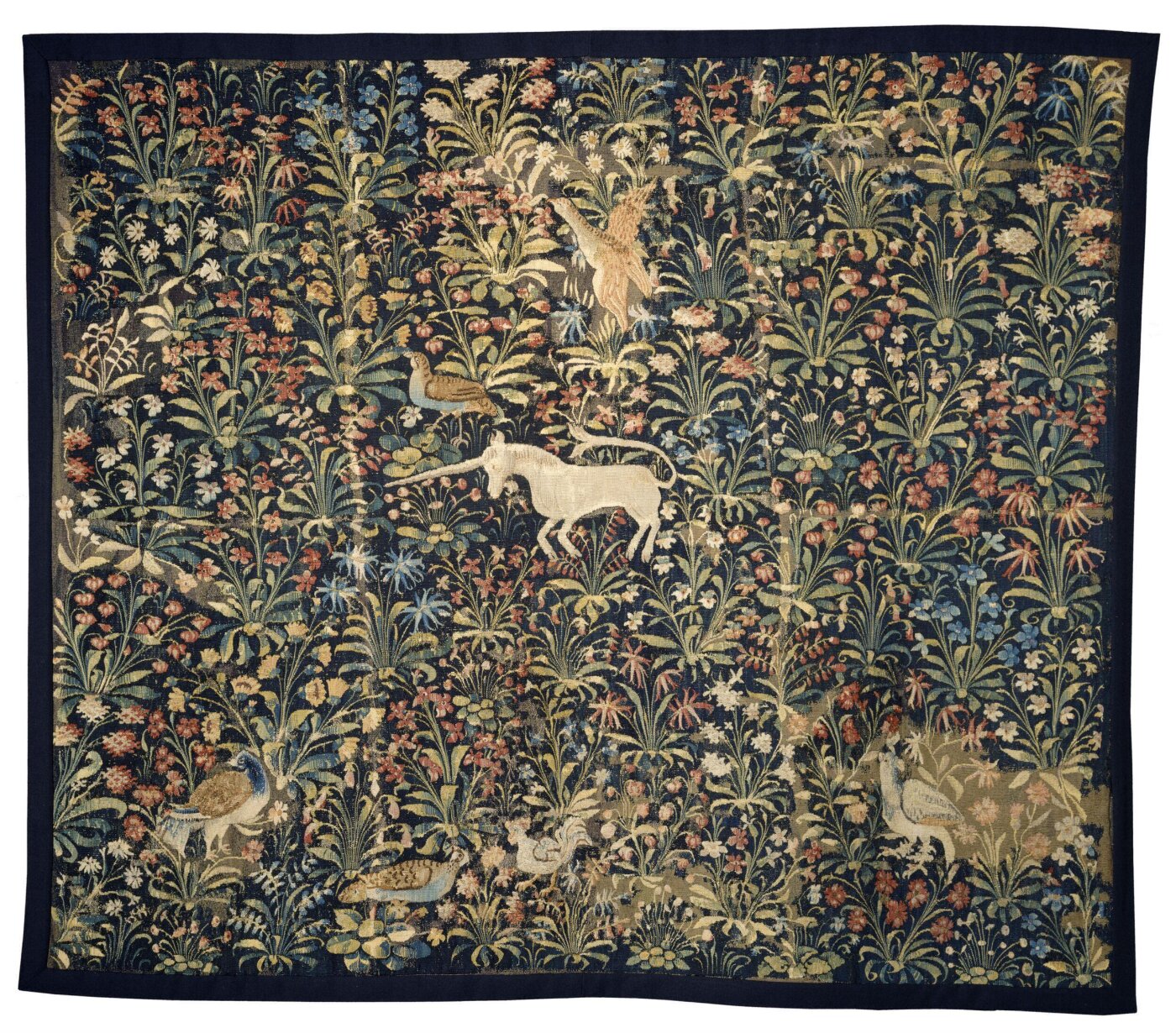
As well as new, or ‘best’ items, there were also old. Adeson’s sister Janet would receive ‘haulf my oulde pewter vessell and brasse at Caldbeck and the old cheare’. Yet in general, his living quarters were well furnished and decorated: he referred to coverings of ‘Tapesterie worke’, ‘hangynges of redde and Grene say’, and a less expensive ‘testour paynted which hangith in the best chamber’ (implying of course that there were several chambers). Large items of furniture were found in each of his three residences, including several featherbeds, as well as ‘a newe cheyre’, ‘the spruse chest’, ‘the best cheest [in London] and a litle lectern with a Coffer and a lock upon it the table and trestells’. He also bequeathed several fine-sounding items of clothing, including ‘my violet gowne withe the hoode’, ‘a long blacke gowne faced with saten’, and ‘a Jacket of saint Thomas worsted furryd with ffox and lambe’.
‘what boke that he will chose in my chamber of one or twoo volumes’
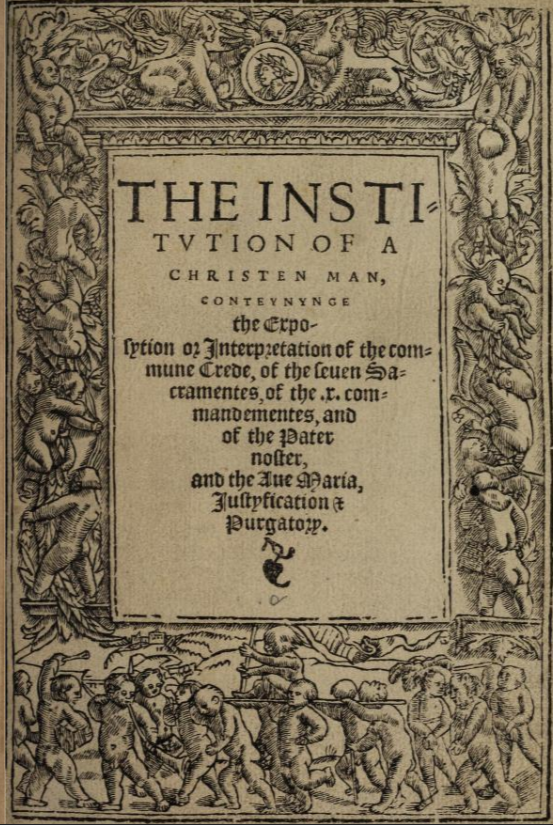
As befitting a clergyman, Adeson distributed multiple books, many of which were theological in nature. William Clercke, parish priest of St Margaret’s, New Fish Street in the City of London, was allowed to take ‘what boke that he will chose in my chamber of one or twoo volumes’. Adeson’s nephew at London could have all ‘suche bokes as he will chose there’ (in the London residence) as well as ‘twentie pounde in money to fynd hym at his lernyng’. These bequests imply that Adeson kept a substantial collection of books in his London lodgings. Henry Fletcher, vicar of Malling in Kent, would have ‘all the bokes that he hath of myne and all my Quars of simons writen that I have’, referring to ‘quires’ or pamphlets of sermons that Adeson had drafted himself in his role as preacher. Adeson’s conformity to evangelical reform was further evidenced by his ownership of ‘the text of the bibill in a great volume’, ‘the newe Testament in Englishe’ and ‘the bishops boke callyd the Institucion of a christian man’. The latter was the output of a 1537 synod of bishops – Henry VIII had ordered select extracts from it to be read out to church congregations.
As a man who had previously had many of his goods ‘taken away by the kinges officers’, it is perhaps unsurprising that John Adeson so carefully itemised his possessions in his will. His careful description of what things looked like or were made of, who bought them and from where, shows the care of someone who knew what it was like to have very little. His later life and material wealth perhaps provides a striking contrast to those martyred for their conscience around this time: Adeson chose prompt conformity, and was rewarded not only with his life but also with a comfortable living. Ironically, two central aspects of his life after 1534 which are most prominent in his will could both be criticised by proponents of evangelical reform. In moving frequently between Caldbeck, Loughborough, and London, he was perhaps guilty of being an ‘absentee’ priest – one of the accusations levelled against the pre-Reformation clergy. It was this ‘absenteeism’, combined with the ‘pluralism’ of holding more than one clerical position, which would have contributed to Adeson’s amassing of wealth, allowing him to rapidly replace the goods previously forfeited. In his descriptions of fine clothing, and three households furnished with large numbers of goods decorative, new, and recently bought, Adeson did not appear to adhere to the modest lifestyle most befitting the rural parish clergyman.
PROB 11/28/252 Will of John Adeson, Clerk, Curate of Caldbeck, Cumberland, 20 October 1540
T Johannis Adeson
In the name of god Amen the xxxth day of the moneth of July the yere of our lord god a thousand
fyve hundreth and fourtie and the xxxij yere of the Reigne of our souveraine lord king henry the eight Supreme hede of the
church of Englond I John Adeson Clerck Curate of Caldbeke beyng of hole mynde and in good and perfite remembraunce
laude and prayse be unto Almyghtie god make and ordeyne this my present testament conteynyng herin my last will in
manner and forme following That is to say ffurst and principally I commende my soule unto almyghtie god my maker
and redemer Jesu Crist by whome and by the merites of whose blessed blode and passion is all my hole trust and confidence to be savid
and to have remission of my synnes and trespaces commyttid against his goodnes and my full hope and trust is that lykewise
and he of his tender mercie and goodnes redemyd me with his precious blode and bitter deth so he of his inestimable and infinite
goodenes will take me and make me a partiner of his glorie in the kingdome of his ffather and my body to be buried in Criften
mans buriall at the disposicion and order of myne Executours Item I bequeith to every poore house in lughborowe iiijd and
iiij quarters of Rye and iiij quarters of barlye to be disposed amongest theym at the Discretion of Richard Grene And Sr
Willim fyshpicke and iiij quarters of pese I bequeith to my Suster Jenet Seron a violet Gowne and a beedde which is at
Caldbecke and a redde mantell a ffether bedde with a boulster and a pillowe and a Coveryng of Tapstery worke and haulf
my oulde pewter vessell and brasse at Caldbeck and the old cheare Item I bequeith to my Suster Annes Rudde my best
Shorte gowne and a long blacke gowne faced with saten of Cipres a federbedd a boulster a pillowe a coveryng of
Tapstery worke and the other haulf of my oulde Pewter vessell and brasse at Caldbecke and my cloke and a testour paynted
which hangith in the best chamber and a newe cheyre and the spruse chest which is in my litle chamber Item I bequeith to henry
Seron my servant a ffetherbedde a boulster a Coveryng of Tapesterie worke a Standyng beed with testour and curteyns of Redde
and grene say which is in my litle chamber and all the hangynges of redde and Grene say according to the same and a brasse
morter with a pestell and a sylver spone and the cupbord standing in the parlor so that his ffather and mother have thuse therof
for the tyme of the lenger lyver of them Item I bequeith to Richard Reed scolar at Cambridge all my bokes not hereafter
bequeithed and all my Rayment a Lughborowe not hereafter bequeithed and all the lynen Geare at Lughborowe not
hereafter bequeithed and a litte Sparver of Dornix at Lughborowe and a coveryng for a bedde of kinrd Alexander of Grene
silcke and an other coveryng for a bedd which was bought at Lughborowe by Sir Richard Greyn and a pair of Blankettes and
ij pillowes at lughborowe and a Jaket of chamblet and a Doublet of Chamblet at Lughborowe and my gowne of pewke
lynyd with blacke Cotton without a hoode and my violet gowne withe the hoode I bequeith also also to Richard Rud ij pair
of the best Shetes that I have at Caldbecke and a bason and Ewer which is at lughborowe and my Skarlet gowne and
my Murray Gowne and vj sylver spones being at lughborowe Item I bequeith to Richard Rood also ten pound in money
to fynde hym at scole over and above that money which I hadde of his in kepyng and delyverenered unto me for his
howve by Mster Goostwicke by the handes of Mser John Wilbor and over and above all such money as I received of William
Goldocke of Woldham in Kent upon an obligacion by the delyverie of the said Master Gostwicke to Richard Reddes
use which money I have all received of the said Willm Goldocke to the use of Richard Rudd and Sir Willam Goldecke
is therof clerely acquyted and over and above fyve pound which Sir Willim Hogeson parson of Woldham had of
the said Richard Rood in keping for his Exhibicion and is not yet paid of the executours of the said parson which at
the day of his dethe comaunded it to be paid I bequeith to John Rudd my nephe at london a fether bed with a bolster
a Matres a pillowe twoo Coverlettes one pair of blanckettes and all the Shetes that are at london and the
best cheest there and a litle lettron with a Coffer and a loke upon it the table and trestells ij Sheares a litle stole
a paire of Anndyrons and suche bokes as he will chose there ij formes Item I bequeith also to John Rudde twentie
pounde in money to fynd hym at his lernyng I bequeith to iche one of Syster Jenet ferous doughters a sylver
spone of those spones which are at Caldbecke and twentye shillinges and to twoo of my syster Annes doughters
iche of them a sylver spone and to thair mariages iche of them iijli vjs viijd and if either of them dye or
they be maried the survyvent and longerlyver to have the hole bequest and if they bothe dye before they be
maried then thair mother to have the hole and if all thre dye before they be maried then John Rudde to have it
to his fyndyng and this money to be taken of suche debtes and dueities as are owing to tyme at Caldbecke for
[new page]
my tithe corne lambes and rentes and other dueties Item I bequeith to the said twoo maides my suster Annes doughters all
the newe pewder vessell and newe brasse vessell which came from london to be devided betwixt them and to iche oone of
them them a fetherbedde with a boulster a pillowe and one paire of blanckettes and one paire of newe shetes
of the best that I have next those bequeithed to Richard Rudde and to either of them a course coverlet which I bought
at london and to the yonger a coverlet of blewe myxed with other colours and to either of them a mylke cowe
and a calf Item I bequeith to my godson John Chalaner a Cowe Item I bequeith to my twoo systers Jenet and Agnes
all my pewder pottes great and small and pewder botelles to be devyded betwixt them egally Item I bequeith to henry
bollan my servant fourty shillinges and which of my horses he will chose with a bridill and a saddill and a
yong Stott which he will chose and his lyverey or els ten shillinges for it Item I bequeith to James Snawden
my servant fourty shillinges and which of my horses he will chose after henry Bollan have chosen with Bridell
and saddell and his lyverey orels ten shillinges for it and my Shaving basyn at Caldbecke and an other Shaving
basyn at Lughborowe with my Shavyng clothes I bequeith to every poore house in the paroche of Caldbecke iiijd I bequeith
to Sir Robert Stockes my Cousyn in london Sima Anthonim with is at london and to his mother a silver spone and
to his father an other of those spones which are at Caldbecke Item bequeith to Sir Richard Grene perochprest at
lughborowe my blacke furryd gowne with the hode and a Jacket of saint Thomas worsted furryd with ffox and lambe
and my great chest and the testor in the parlour and a great coverlett of white and greyn Sumna Anthonin Simones
Richardi one part of Saint Ambrose workes Athanasins upon pooles epistels Theophilnctus of the gospells sima
angelica Imones Jamensis and a chaffyngdishe the better of twayne one salt seller and the best three platers
three disshes three sawcers and a wasshing basyn and a spitt and a paire of Cobyrons and a chayer I bequeith
to Sir William ffishpoll saint Thomas super episcolas Pauli and the bible in foure volumes I bequeith to every prest in the
churche of Lughborowe xijd to praye for my soule I bequeith to the beidfolke xijd I bequeith to the churche stocke at
lughborowe twentie shillinges I bequeith to the reparacions of the church at Caldbecke ten shillinges I bequeith myne
hostes umfray Coostes wif if she be lyving a cheest that I bought of [illeg] and a quysshion that I bought of
hym Item I forgive to umffrey twentie shillinges of the money that he owith me which is fourtie shillinges that I lent
hym and the other half I will he paye to Richard Rudde which is twentye shillinges I bequeith to Margaret Cutler a
soder beed which Sir Richard bought and the boulster therwith and a coverlet and a brasse pott the best which ^ Sir Richard bought and three
platters three disshes three Sawcers and a salt seller with a cover which Sir Richard Chosith not I bequeith to
Martyn Gouldocke my godsonne twentie shillinges and to Edward Goldocke to pray for the Sowle of his godfather
Mr Doctore Sharpe twentie shillinges and to Robert Goldocke vjs viijd in recompence of a Cowe of his goodes
which was taken away by the kinges officers when I lost my goodes I bequeith to Willm Goldocke of Woldham
in kent in recompence of suche losses and troubles as he and his wif Susteynyd for me the tyme of my trowbles
I bequeith to Thomas Barnyngham Symon de Cassia super evangelia and my great byble at London I bequeith to
Willim Clercke parishe prest of saint Margarettes in newfishe strete what boke that he will chose in my chamber of one
or twoo volumes and a great cheire I bequeith to Jesus comons Destrinotrum vitiorum which I lent to the parson of
woldham and vjs viijd to bye then table clothes I bequeth unto Mr Henry Fletcher vicar of Towne mallying in kent
all the bokes that he hath of myne and all my Quars of simons writen that I have I bequeith to Sir John bothe my
cousyn the text of the bibill in a great volume and the newe Testament in Englishe and the bishops boke callyd the
Institucion of a xpen man and my great portas in twoo partes I bequeith to henry ffletcher of Cokermouth the Stunding
bedd in the parlor with the testour and Curteyns of the same trustyng he wolbe a good advitour and helper unto myne
executours and so I hertily desire hym to be The Residue of all my goodes not bequeithed I give unto Jenet heron and
Annes Rudde my susters egally to be devided betwixt them by me executours And the executours of this my testament
and last will I ordeyne and make henry heron thelder and henry ffletcher and I give unto henry fferon for his paine
and labours fourty shillinges and to henry fletcher in lyke manor fourty shillinges and to either of them a furryd
Gowne whichare at Caldbecke Henry fferon to have chose of them I give also to henry feron thelder the best horse
that I have not bequeithed before and my furryd Jirkyn and partlett and furryd Jakett of Saint Thomas
worstet with a paier of furryd sleves of the same and my Winter bootes with a newe chest with Saunder Innar
mayde As concernyng delapidacions for lughborowe I thincke in my conscience I am bond to pay none for the
parishe knowith howe I found it and what Reparacions I have made upon and in lyke manner at Caldbecke neither
of them hath decaid in my tyme therfore if any delapidacions be demaunded of me I wilbe Judged by certain
men elect of the paroches to determyne the mater without any further sute to be hadd in the lawe if my Successours
will so be contentid as I suppose every reasonable man wilbe if not then my Executours must make aunswer to the lawe
and all thair costes and charges to be borne of my Gooddes per me Iohannem Adeson propria mannr
[1] Diane Watt, ‘Barton, Elizabeth [called the Holy Maid of Kent, the Nun of Kent] (c. 1506–1534), Benedictine nun and visionary’, Oxford Dictionary of National Biography. 23 Sep. 2004, https://doi-org.uoelibrary.idm.oclc.org/10.1093/ref:odnb/1598
[2] Richard Rex, “Addison, John (d. 1540), clergyman.” Oxford Dictionary of National Biography. 23 Sep. 2004
[3] PROB 11/28/252 Will of John Adeson, Clerk, Curate of Caldbeck, Cumberland, 20 October 1540; Richard Rex, “Addison, John (d. 1540), clergyman.” ODNB. https://doi-org.uoelibrary.idm.oclc.org/10.1093/ref:odnb/1598
