
Posted by e.m.vine@exeter.ac.uk
27 May 2026This month’s post explores the 1725 will of Mary Skelton, a widow of East Greenwich who appeared to have clear ‘favourites’ within her family and divided up her assets accordingly.[1] It’s a document that shows how wills were both deeply reflective of, and sometime the drivers of, familial conflicts.
Mary’s scrupulous approach to dividing up her possessions was reflected in her careful and cautious plans for her funeral, which were set out at the beginning of her will. Regarding her body, she wanted to be ‘decently buryed’ but ‘not untill eight dayes att least after my Death’. This request for a delayed burial may have been influenced by a (relatively early) fear of either body-snatching or being buried alive: this latter concern gained much more widespread cultural traction later in the eighteenth century, and particularly after the publication of the English edition of The Uncertainty of the Signs of Death, and the Danger of Precipitate Interments and Dissections, Demonstrated (1746). Meanwhile early cases of body-snatching, the removal of recently buried, un-decomposed bodies from graveyards for medical dissection, were being reported in London in the 1710s and 1720s, and may have fuelled Mary’s concerns.[2]
‘Two East India Companys bonds’
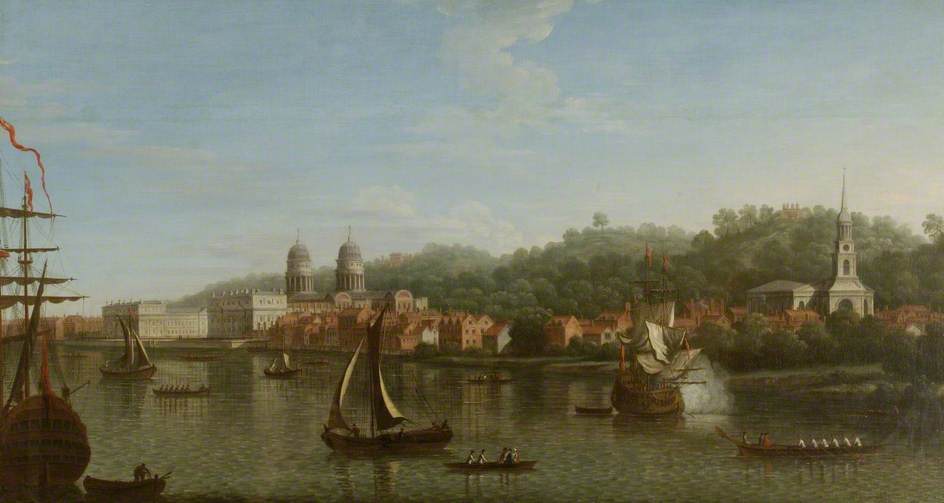
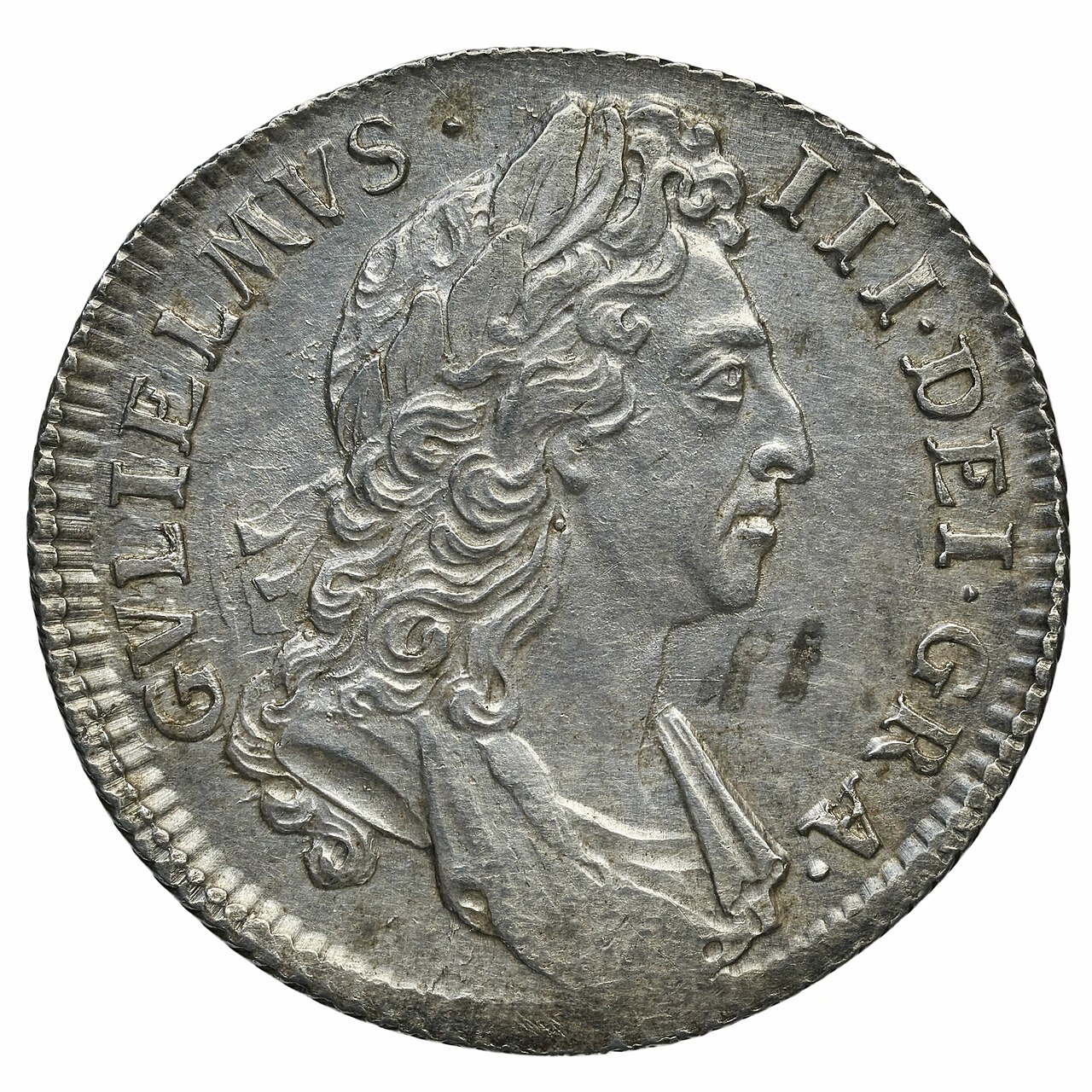
Regarding her ‘Worldly Estate’, Mary left significant bequests to her granddaughter, also Mary Skelton, the daughter of favoured son Abraham. Abraham was named executor of the will, and would inherit four dwelling houses with ‘their outhouses Yards Gardens’ on London Street in East Greenwich, as well as the residue of his mother’s real and personal estate. Granddaughter Mary was still a child when the will was made: she would receive ‘two hundred pounds to be paid to her att her age of one and Twenty Years or day of Marriage first happening’. In the intervening years, the interest from this £200 would be laid out ‘from time to time’ to pay for her clothes. To secure the £200, and to ensure that ‘the same may not be Embezled’, Mary asked that her executors deliver ‘Two East India Companys bonds’, worth £200 in total, to ‘some Substantiall honest person’. East India Company bonds were considered a reliable financial device in the eighteenth century.[3] Skelton may have been drawn to this investment because of Greenwich’s links to global trade, and her personal connections with those who worked in local maritime industries.
‘one Silver Pepper Box marked MS’
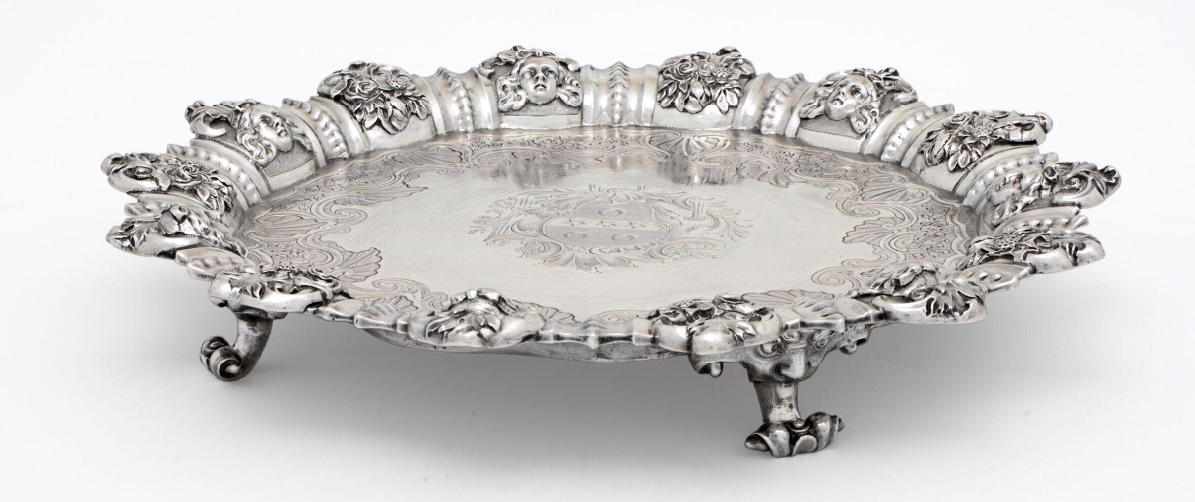
As well as this substantial sum of money, (£200 would be worth approximately £32,000-£36,000 today[4]), Mary left the same granddaughter several of her personal and household possessions. These included ‘two Small Silver Salvers and one Silver Pepper Box marked MS’ (it was perhaps fitting that they shared a name and initials) as well as ‘One Silver Mugg One Silver porringer and four large Silver Spoons marked IMS’ (probably the initials of her late husband, Isaac). This silverware was bequeathed alongside ‘one halfe of all my wearing Cloths and apparel Silk Woollen Linnen’.
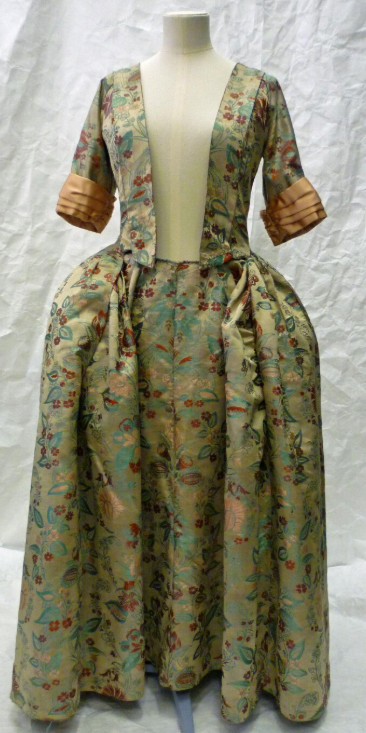
Another granddaughter, Sarah Dobbins, received only £10. Instead, Mary’s servant, Rebecca, would receive ‘the other half of all my Wearing cloaths and apparrel Silk Woollen Linnen’ that had not been given to granddaughter Mary, as well as a ‘Two Eared Silver Cupp marked IMS’ but only if Rebecca ‘Shall be liveing with me att the time of my Decease’. While it was not unusual for a servant to be left personal items such as clothing, it is somewhat curious that Rebecca was bequeathed engraved family silverware, and that she had been prioritised over Sarah, the only other granddaughter mentioned. Equally, we might have assumed that Rebecca was not only a servant but a close friend and companion of the testator – but this is complicated by the fact that the bequest would be void if Rebecca ceased to work for her, and perhaps would even be transferred to the servant who took her place.
It is intriguing that granddaughter Mary should be favoured—in terms of money and material bequests—so clearly over Sarah. It is possible that Sarah was already an adult, and perhaps married and established in life, and therefore less in need of money or the goods needed to set up a household. But this doesn’t entirely explain why she was passed over for the family silverware.
‘one Shilling and no more’
While Mary’s different treatment of her two granddaughters is stark, her treatment of her two sons is even more dramatic. Abraham, the executor of the will, inherited the bulk of his mother’s property and the residue of her estate, which would in turn be divided amongst his own sons. By contrast, her other son Isaac was left ‘one Shilling and no more because of his undutifull behaviour to me’. ‘Cutting off with a shilling’ was an informal means of disinheriting someone by leaving them a deliberately meagre legacy. Having been named in the will, the theory was that the beneficiary could not then claim to have been accidentally overlooked. This is a pointed act, but one that leaves us asking more questions than it answers. We are left with no explanation of what Isaac had done to be so ‘undutifull’, or why Mary so clearly favoured his brother Abraham, and Abraham’s children. We can only assume that those who did read the will, and Abraham, charged with executing it, would be privy to the subtext.
Indeed, in the will of Mary’s husband Isaac, who died some sixteen years earlier in 1709, there is no evidence of a family rift. Isaac Senior left all his properties ‘neare a wharfe called Billingsgate wharfe in East Greenwich aforesaid unto my loveing Wife Mary Skelton’ and ‘after her decease… unto my son Isaac Skelton and his heires for ever’.[5] This was similar to the inheritance given to Mary’s favoured son Abraham, who was left property in Heathgate Street in East Greenwich. Perhaps Isaac Junior had had a very different relationship with his father than with his mother, or perhaps something had happened in the intervening years to irrevocably damage the family bond.
Wills like Mary Skelton’s are tantalising in terms of what they reveal, and what they obscure. She had her own reasons for wishing to delay burial for eight days, for giving only one of her granddaughters large sums of money and silverware, for leaving valuable family heirlooms to a servant, and for giving the bulk of her estate to one son, and a token, and pointed, bequest of a shilling to the other. The extent to which wills can be seen as a true reflection of an individual’s beliefs or wishes has been debated, and many testators were bound by convention, and their intentions shaped by the lawyers or scriveners who drafted these documents. Nonetheless, wills such as Mary Skelton’s provide evidence of the level of personal choice and discretion that could be displayed; the agency to make unapologetic decisions that could shape the course of a life, and the fortunes of entire branches of a family.
In the Name of God Amen
I Mary Skelton of East Greenwich in the County of Kent Widdow being in
good health of Body and of Sound and well disposing mind Memory and
understanding (praised be Almighty God for the Same but calling to
mind the cerainty of Death and the incertainty of the time thereof) do
hereby revoke and make void all former and other Wills Devises and
Bequests by me att any time heretofore made And do make publish and
declare this to be my last Will and Testament as followeth ffirst I
recommend my Soul to God my Creator and Redeemer hoping by and
through the Merritts and intercession of my Saviour Jesus Christ to
obtain everlasting happiness my Body I Committ to the Earth to be
decently buryed but not untill eight dayes att least after my Death by
my Executors hereinafter named And as for the Worldy Estate that it
hath pleased Almighty God of his great Goodness to bestow upon me I
give ^ will devise and bequeath the same in manner following ffirst I Will and Order
all my Debts to be well and truely paid by my Executor out of my
[new page]
personall Estate Item I ^give Will and Bequeath unto my Grandaughter Mary
Skelton Daughter of my Son Abraham two hundred pounds to be paid to
her att her age of one and Twenty Years or day of Marriage first
happening and I Will and Bequeath the Interest of the said Two
hundred pounds to be paid and Laid out from time to time untill the said
principal be paid for cloaths for my said Grandaughter and for the
better securing the payment of the said Two hundred pounds and Interest
to and for my said Grandaughter and that the same may not be Embezled I
Will and Desire my Executor and Executrix hereafter named to Assigne and
deliver the Two East India Companys bonds of One hundred pounds Each to
some Substantiall honest person that they shall think fitt in trust to keep
preserve and pay the same to and for my said Grandaughter as
aforesaid Item I give Will and bequeath to my said Grandaughter
Mary Skelton two Small Silver Salvers and one Silver Pepper Box
marked MS One Silver Mugg One Silver porringer and four large Silver
Spoons marked IMS
^ Item I give will and bequeath
unto my said Grandaughter
Mary Skelton one halfe of
all my wearing Cloths and
apparel Silk Woollen Linnen
and other whatsoever
Item I give
Item I give Will and Bequeath unto my Grandaughter
Sarah Dobbins Tenn pounds to be paid to her within one month after my
Decease Item if my Servant Rebecca Jupp Shall be liveing with me att
the time of my Decease Then I Give Will and Bequeath to her Twenty
pounds to be paid to her within three months after my Decease And also
I Give Will and Bequeath to the said Rebecca Jupp the other half of all
my Wearing cloaths and apparrel Silk Woollen Linnen and other
whatsoever But if the said Rebecca Jupp Shall not live with me att
the time of my Death then the said Legacys or guifts of Twenty pounds
and of half my wearing cloaths Shall be void Item I Give Will and
Bequeath unto the said Rebecca Jupp a Two Eared Silver Cupp marked
IMS Item I Give Will and Bequeath unto the said Rebecca Jupp all the
Goods furniture and things belonging to the Green Chamber one pair of
Stairs backwards Item I Give Will and Bequeath to my Sister in Law
Margarett Everenden fforty Shillings Item I Give and Bequeath to my
Godaughte Mary Hodgkins half a Guinea Item I Give Will and
Bequeath unto my Grandson Isaac Skelton Son of my Son Abraham my
Great Silver Salver Item I Give and Bequeath unto Sarah Boke Wife
of John Boke of Deptford Shipwright half a Guinea to buy her a Ring
I Give and Bequeath unto Hannah Bynes wife of George Bynes
half a Guinea to buy her a Ring Item I Give and Bequeath unto
Thomas Akerman of East Greenwich aforesaid Hatter half a Guinea
to buy him a Ring Item I Will and Bequeath unto my Son Isaac Skelton
one Shilling and no more because of his undutifull behaviour to me
Item I Give Will and Devise All those my four Messuages Tenements or
Dwelling houses with their and every of their outhouses Yards Gardens
Backsides and appurtenances whatsoever Scituate Standing lyeing
and being in or near London Street in East Greenwich aforesaid and
now or late in the Severall tenures or occupations of Joseph Reynolds
Marriner Ann Staines widdow Thomas Young Carpenter and
Thomas Allen their or some of their Assignes or undertenants unto
my Son Abraham Skelton for and during his naturall Life and from
and after his Decease unto my Grandsons Isaac Skelton Abraham
Skelton and Roger Skelton Sons of my Said Son Abraham and to their
Heirs and Assignes for ever to be equally Divided between my said
Grandsons and their heirs and Assignes for ever Share and Share alike
Item I Give Will and bequeath All the Rest Residue and Remainder
[new page]
of my Messuages Lands Tenements and Hereditaments and of any
ready money place rings Leases Debts houshold Stuffe Goods and
Chattells and of All my Reall and Personall Estate whatsoever and
wheresoever after the payment of all my Debts Legacies and ffunerall
charges unto my Son Abraham Skelton his Heirs Executors Administrators
and Assignes And I do nominate declare and appoint my Said Son
Abraham Skelton and Sarah his Wife Executor and Executrix of this
my Last Will and Testament In Witness whereof I have sett my
hand to the Topp of the ffirst Sheet and my hand and Seal to the Second
and last Sheet of this my Will the five and Twentieth Day of August
in the eleventh Year of the Reign of our Soverigne Lord George by
the Grace of God of Great Britain ffrance and Ireland King
Defender of the ffaith &c Annoq Dmi 1724 Mary Skelton Signed
Sealed Published and Declared by the said Mary Skelton the Testatrix
to be her last Will and Testament in the presence of Us who Subscribed
our names hereto in the presence of the said Testatrix Shad. Blundell
Shad Blundell Junr George farrin
[1] PROB 11/601/56, Will of Mary Skelton, Widow of East Greenwich, Kent, 07 January 1725.
[2] Robert Hartle, “The Corporation of Corpse-stealers’ Archaeological and historical evidence of bodysnatching in early eighteenth-century London”, in Elizabeth Craig-Atkins and Karen Harvey (eds.), The Material Body: Embodiment, history and archaeology in industrialising England, 1700-1850 (Manchester University Press, 2024), pp. 100–132.
[3] Pilar Nogues-Marco, C. Vam Malle-Sabouret, ‘East India bonds, 1718-1763: early exotic derivatives and London market efficiency’, in European review of economic history, 11 (2007), pp. 367–394.
[4] Calculation used both the Bank of England’s ‘Inflation Calculator’ and The National Archives’ ‘Currency Converter: 1270-2017’ https://www.bankofengland.co.uk/monetary-policy/inflation/inflation-calculator; https://www.nationalarchives.gov.uk/currency-converter/#currency-result .
[5] PROB 11/510/90, Will of Isaac Skelton, Joiner of Greenwich, Kent, 29 July 1709.
.jpg)