
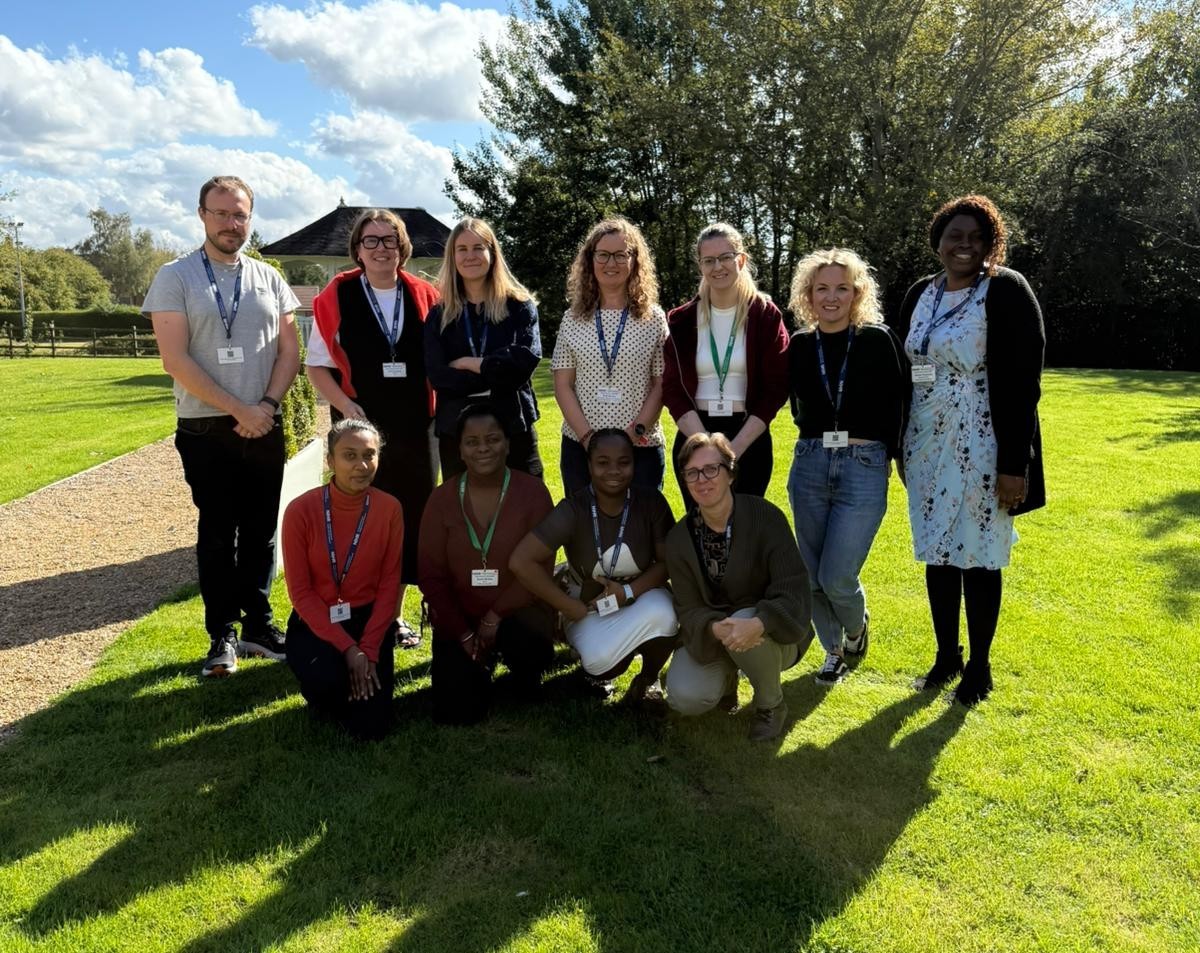
The latest of our blog posts from this year’s funding cohort features Dr Dorothea Miranda Geddes-Barton who highlights the importance of Patient and Public Involvement and Engagement (PPIE) in her work, engaging with diverse perspectives in preparation for an NIHR Team Science Application.
Including patient and public involvement and engagement (PPIE) was central to our research from the outset. Considering our work’s focus on nature-based interventions for women’s health, an area where acceptability, accessibility and lived experience are key to impact, PPIE was crucial. The aim of our funded work was to develop a strong team science application for a £100,000 grant to explore this topic through a scoping review, PPIE activities, and future grant development. Without early input from women themselves, particularly those with diverse experiences, there was a real risk that the research would lack relevance or fail to resonate with the very groups it seeks to support.
The PPIE Participant Payment Fund from the University of Exeter allowed us to involve public contributors at the earliest stage, during idea development and grant writing. We worked with three PPIE members with lived experience in mental health and in supporting women facing multiple disadvantages, including individuals from minority ethnic backgrounds. They were compensated for their time across a range of activities, including participating in online meetings, reviewing draft applications, and co-writing the PPIE section of the proposal. Importantly, we began with an in-person meeting, which helped establish trust and shared understanding. Together, we developed clear principles for team working, including how we would reach a consensus in the decision-making process. Based on their advice, we also embedded dedicated PPIE training into the grant to support ongoing meaningful involvement.
One of the key learnings from this process was the importance of creating space for genuine collaboration rather than tokenistic involvement. We wanted to ensure that all voices, academic and public, were equally valued in what can often be a fast-paced and technical process. We addressed this by setting expectations early, co-developing ways of working, and allowing time for discussion and reflection. What worked particularly well was involving PPIE members before any writing had begun; this ensured that their perspectives shaped the direction of the research, rather than simply refining it at a later stage. This is something we would prioritise in all future projects.
The benefits of this approach were substantial. For me personally, it provided valuable experience in inclusive grant writing and strengthened my understanding of how to meaningfully embed PPIE. Having this PPIE integrated from the beginning has undoubtedly improved the quality, relevance and potential impact of the project. For our PPIE members, early involvement meant they felt their contributions were valued and influential, rather than superficial. They were able to actively shape the research questions, design, and future direction, which fostered a sense of both ownership and partnership.
We are currently awaiting the outcome of the £100,000 grant application. If successful, we plan to expand our PPIE activities, with our current contributors taking on leadership roles to involve a wider group of women. This would not only strengthen the current project but also lay the groundwork for a larger future funding application. Regardless of the outcome, this work has positioned us strongly to continue building inclusive, team-based research that centres lived experience. In the longer term, we anticipate that these early relationships and approaches will lead to more impactful research and create meaningful opportunities for ongoing public involvement in women’s health research.