

Jess Marshall talks about the Growing Belonging project, investigating the connection between belonging and community participation, and how research can begin to measure the outcomes of this. This work was supported by our Engaged and Participatory Research Fund for the 2025-6 academic year.
Amount of award: £6450
The Growing Belonging project is a participatory mixed-methods study delivered in partnership with Yourspace Sutton, a volunteer-led charity community garden based in South West London. The study explores how volunteering and community participation help people develop a sense of belonging, and how that belonging is reflected in wellbeing outcomes.

Community organisations are increasingly recognised as important for preventing loneliness and improving health, yet belonging itself is rarely measured directly. This pilot study aimed to address that gap, while testing practical methods that could be scaled up in future community research.
The fund enabled us to work alongside Yourspace from the outset. It meant we could co-design the research project, which included creating recruitment materials, developing accessible participant information, and training a Yourspace peer researcher. The peer researcher helped recruit participants, kept in touch with volunteers throughout the study, and joined in with discussions as we worked through the analysis. Having someone who knew the community well meant we could chat through different ways of interpreting the data and sense-check whether the themes felt true to people’s experiences. The final interpretations were still made by the research team, but these conversations helped keep the analysis grounded in what participants had shared and the wider community context. We also delivered surveys, interviews and a creative identity mapping workshop.
Working alongside the Yourspace community has been a key part of the project. We’ve engaged with new and regular volunteers, service users, a trained peer researcher, and Yourspace staff throughout, and their input has helped shape recruitment, data collection, and dissemination of the findings. This has ensuredthe research accurately reflects the experiences of the community. In early September, these findings will be shared with the wider Sutton community through accessible reports and a celebration event.
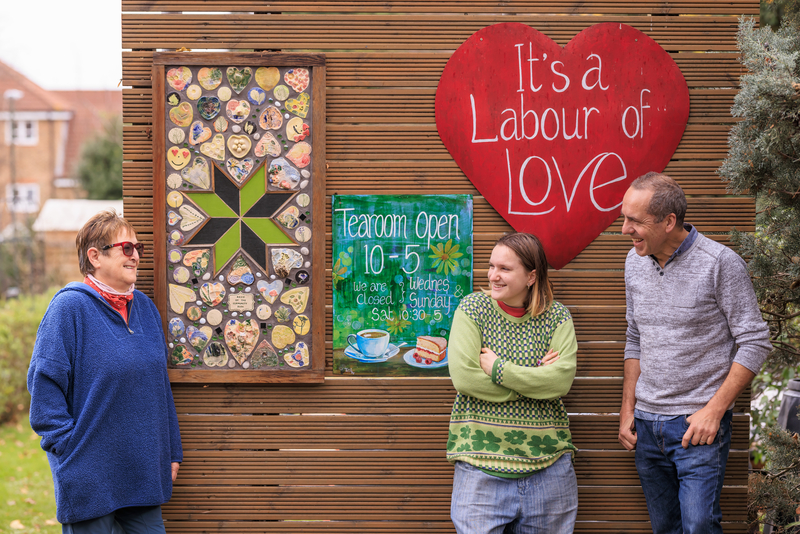
One of the biggest lessons from this project has been the importance of taking the time to build genuine partnerships. Working closely with Yourspace has made the research more meaningful and accessible for everyone involved, and we plan to continue this collaborative approach in the future.
Already, this project has demonstrated the value of conducting research in genuine partnership with a community organisation. Working alongside Yourspace from the project’s early stages, we have been able to design research that draws on the realities of community life and captures experiences that might otherwise have been overlooked. Involving a trained peer researcher has been particularly valuable for this, helping to build trust with participants, strengthen recruitment, and provide an important community perspective during data collection and analysis.
For Yourspace, the project will provide robust evidence of how volunteering and community participation contribute to belonging and wellbeing. This evidence can support future funding applications, demonstrate impact to stakeholders, and help inform the ongoing development of activities and services. By training a peer researcher, the project has also helped to build Yourspace’s research capacity, creating new possibilities for later work.
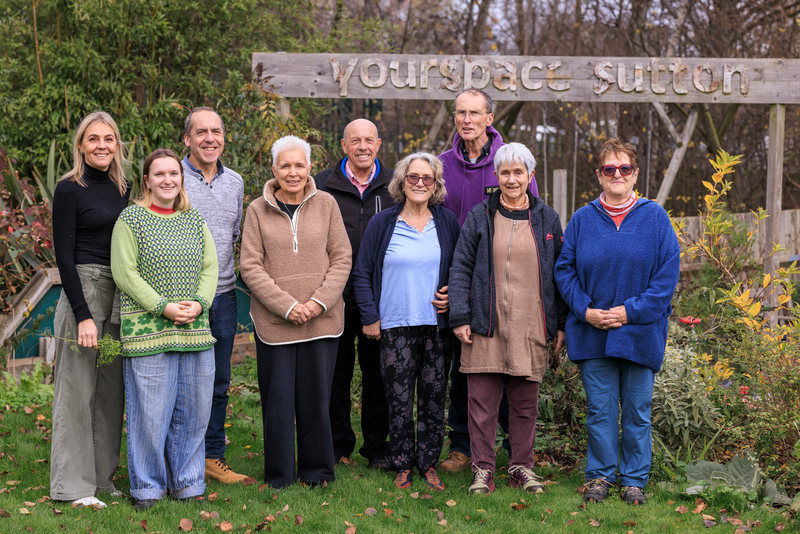
More broadly, the study contributes to an emerging area of research which explores the role of belonging as a pathway to health and wellbeing. While community organisations are widely recognised for their positive impact, belonging itself is rarely measured directly. By combining established wellbeing measures with qualitative accounts of volunteers’ experiences, this pilot study has aimed to generate valuable insights into how belonging develops and why it matters. The findings will be useful not only for Yourspace, but also for other voluntary organisations, local authorities, and researchers interested in community wellbeing, social prescribing, and prevention.
Now that data collection is complete, we are finishing our analysis of the findings. We’ll be sharing the results with volunteers, staff and the wider community through accessible reports, events and a presentation at our September community event as well as publishing the work in an academic journal. We hope this pilot study is just the beginning and provides the foundations for a larger programme of research exploring belonging across community organisations and helping to strengthen the evidence for community-led approaches to improving health and wellbeing.
Photography credit – Ollie Dixon