
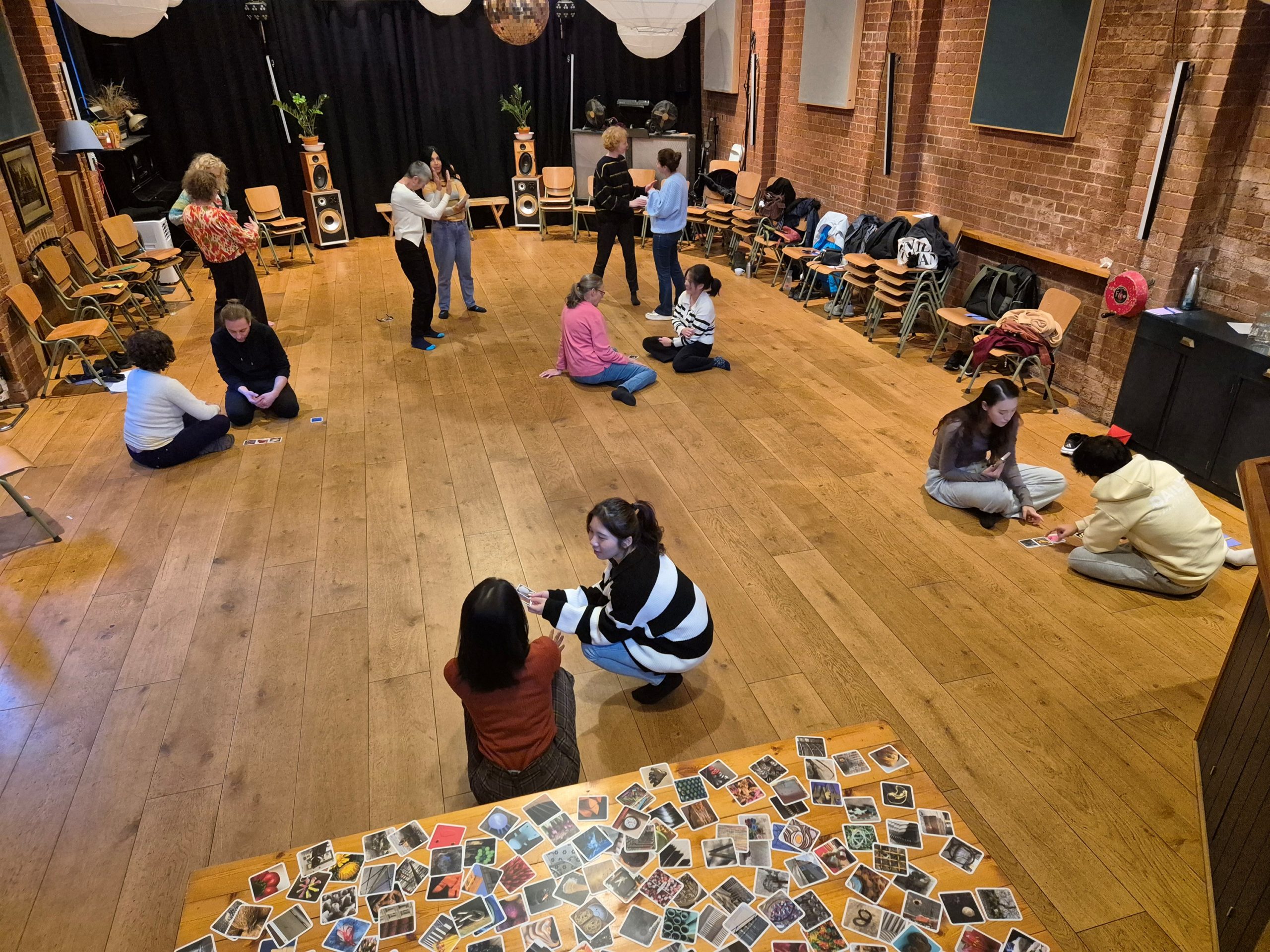
Each year, the Festival of Social Science invites researchers in the social sciences to test out small-scale events that help to bring their work to new audiences, and showcase the importance of social science research to the world in which we live. Read on to hear more about past activities, and how people can get involved in the festival.
This festival, led by the Economic and Social Research Council (ESRC), has been running for more than 20 years, across Universities in every corner of the country. It encourages social science researchers at all career stages to bring their work to those in their local communities, exploring topics from economics, to politics, to human geography.
In 2024 and 2025, project teams from the University of Exeter took their research outside of the University, working with external partners at a range of locations around the city. Below are just a few of the projects which took place across two years of this festival, showcasing our researchers’ wide-reaching expertise:
A New History of Women’s Work: Bringing the Tudor Household to Life
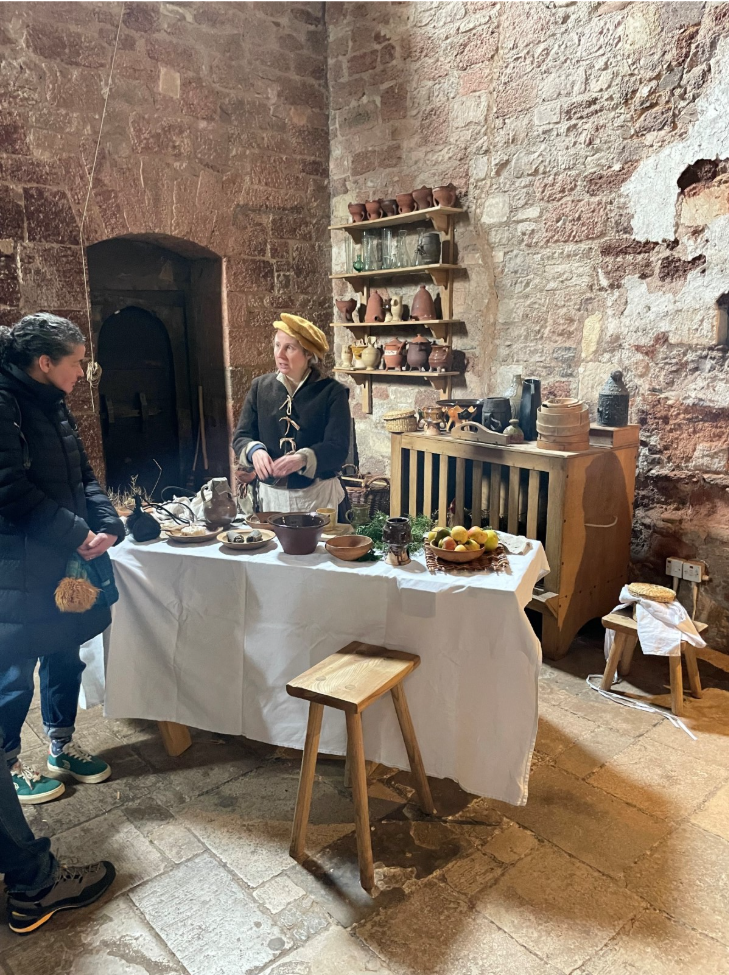
This one-day only event formed part of an ongoing project investigating the history of women in the workforce. Led by Professor Jane Whittle, from the Department of History and Archaeology, this took place during the 2025 festival, under the theme of “Our Working Lives”. Professor Whittle worked with local historical site, St Nicholas Priory, to give public audiences a chance to peer through the window of the past, and the role that women played in day-to-day life. Historical reenactors took centre stage in the Priory’s beautiful historic setting, and highlighted the lesser-known histories of the Tudor working classes.
Greens & Gains: A Fun Dive into Plant Power!
In 2024’s festival, “Our Digital Lives” saw Professor Natalia Lawrence, and Love Food CIC collaborate to address the environmental impact of our food systems, and the positive impact of a plant-based diet. Crafts were combined with a chance to test out AI-assisted technology, to envision a future in which the digital world supports the environment around us.
We Are, We Belong
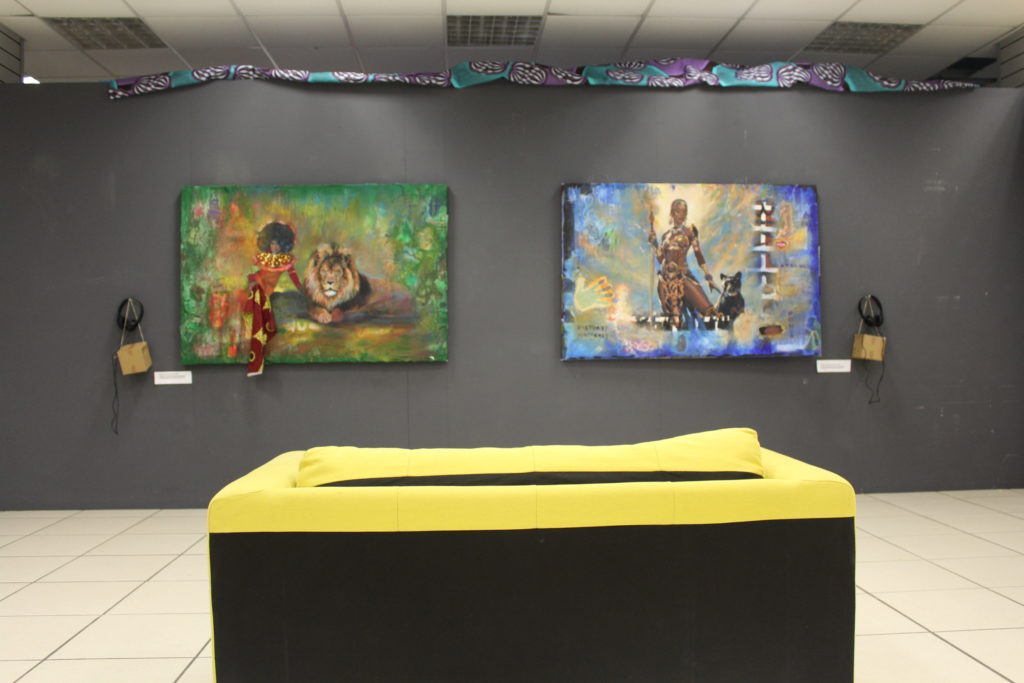
Another highlight from the 2025 festival came from Dr Safi Darden, from the Department of Psychology, and her work with local school-aged artists as part of the B-HUGS project. Exeter’s city centre played host to an exhibition of the young people’s work, celebrating Black heritage, and the importance of representation for young people in our city. Much of the artwork used in this exhibition has gone on to showcase the legacy and impact of the project, including featuring at our recent Engaged and Participatory Fund awardee celebration.
Letting the Light In
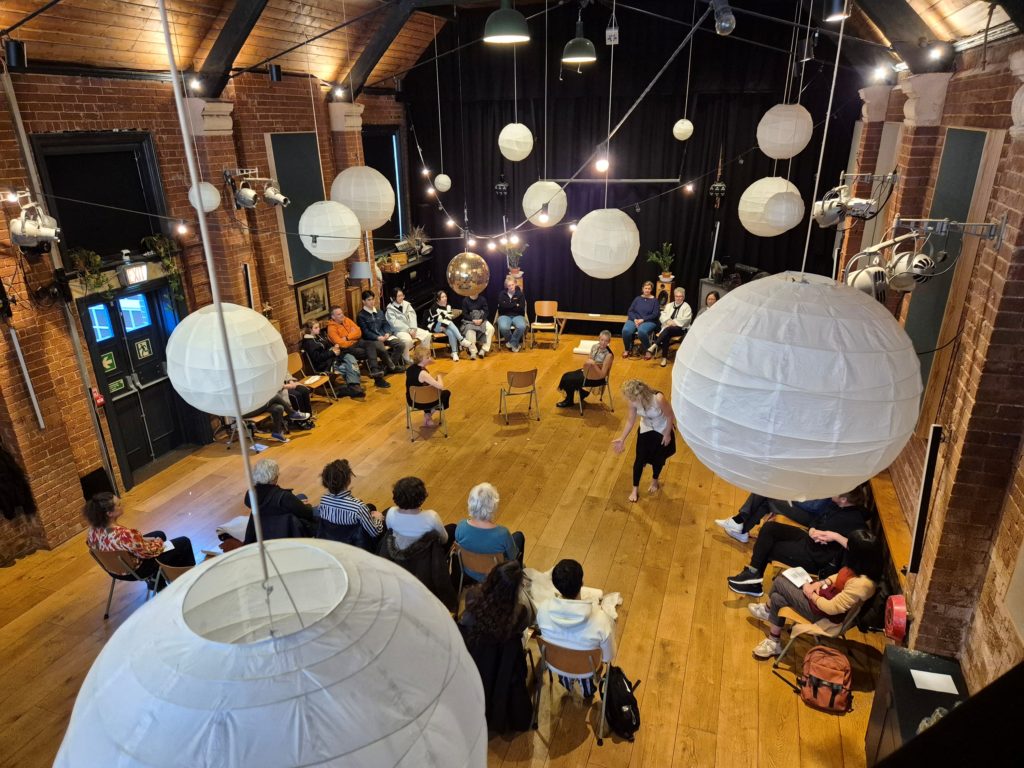
Dr Caitlin Kight from the School of Education showed how embodied methods – more specifically, the medium of dance – can be used to explore complicated topics, such as loss and grief. Produced with Dance Lab Collective, this 2025 event invited audiences to engage with these themes, through both a performance and subsequent workshop. Through movement and dance, audiences were given space to reflect, whether they wanted to participate themselves, or simply watch.
The legacy of these projects, and the impact they have had on their audiences, is, if anything, more important than the events themselves. Even a small-scale public engagement activity can help bring research out into the community, and encourage participants to consider new ideas, and reflect on the role of social sciences in their own lives. Researchers themselves, particularly those starting out on their academic journey, can gain insights into external perspectives, and see their work develop beyond the scope of traditional academia.
To take part in the 2026 ESRC Festival of Social Science, researchers can find out more information on the Translational Funding website. This year’s festival welcomes applications from researchers and their partners across the ESRC’s remit, with a deadline of 5pm, Monday 20th July.