
Siyu Wang, from the Department of Public Health and Sports Sciences, shares insights into how Patient and Public Involvement and Engagement funding supported research into indoor air quality, and its affect on older people and their home environment.
Amount of award: £360
The project aimed to explore older residents’ perceptions and experiences of indoor air quality in Cornwall and identify practical, household-level actions to improve their home environment. Participants’ lived experiences provided important context for interpreting monitoring data and ensured that the research addressed issues that genuinely mattered to residents.
Daily routines, indoor activities, ventilation practices, and housing circumstances can all influence indoor air quality. Participants were therefore invited to share their “air stories”, describing moments when they noticed smells, stuffiness, freshness or other changes in their home environment. These experiences were then considered alongside findings from a one-hour “Data Walk at Home” to provide a more meaningful and comprehensive understanding of indoor air quality.
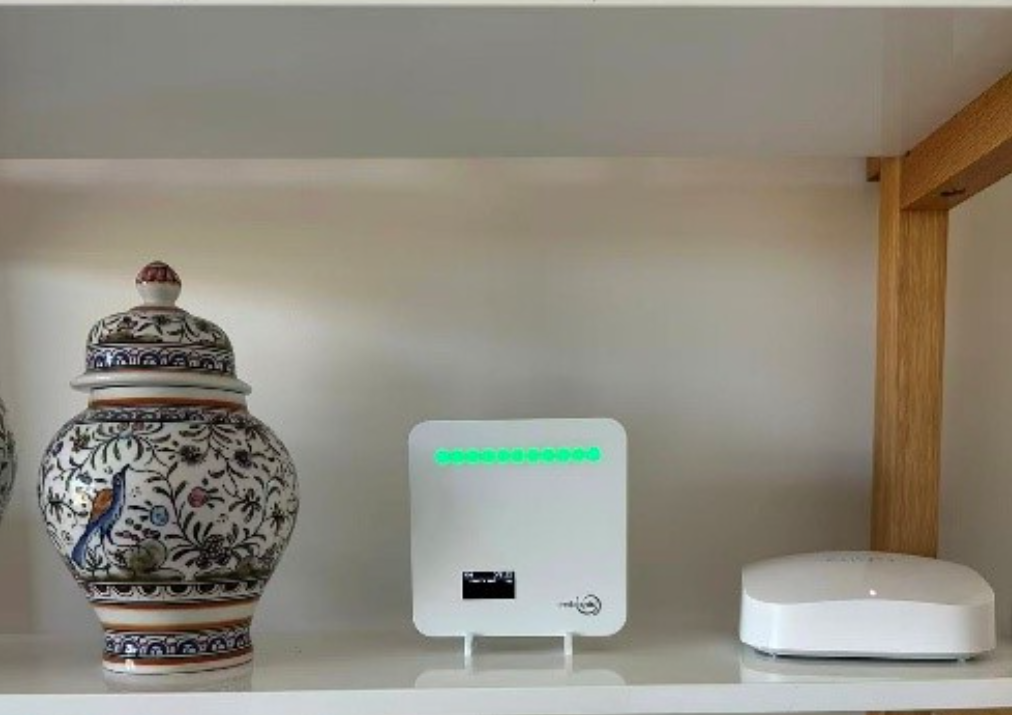
The funding supported older residents to participate in these “Data Walks”. During each visit, participants discussed their experiences, and were introduced to the indoor air quality monitor. They were supported in understanding their own monitoring results, which were presented in an accessible visual format with individual feedback. A short questionnaire also explored their concerns and perceptions of potential indoor air pollution.
We chose particularly to work with older residents because they may spend a greater proportion of their time indoors and therefore can be particularly affected by their home environment. Their experiences were especially valuable in understanding how indoor air quality relates to everyday life.
One of the main challenges was engaging participants. Some prospective participants were initially hesitant because they were unfamiliar with the activities. To address this, we combined informal “Air-Story Voice” conversations with flexible home visits, allowing participants to engage in ways that suited their circumstances. Recruitment was also broadened through door-to-door engagement, promotion in community spaces such as supermarkets, cafés and parks, and existing community networks. These approaches helped build trust and reach residents who might otherwise have been less likely to participate. A key learning was that flexible, informal and community-based approaches can improve accessibility and engagement.
The study obtained direct insight into older residents’ concerns about indoor air quality and how everyday household behaviours may relate to changes in monitored conditions. This will help inform the design of future monitoring and engagement activities. For the research, combining participants’ experiences with monitoring data provided valuable information for interpretation, reducing the risk of drawing conclusions without understanding household circumstances. The home-based approach also enabled residents with mobility difficulties or those who were more socially isolated to participate. The activities provided participants an opportunity to understand their own data, recognise potential sources of indoor pollution and consider practical actions to improve their home environment and support healthier everyday behaviours.
A key next step arising directly from participant feedback is to explore seasonal differences in indoor air quality. As the current project focused mainly on summer, participants expressed an interest in understanding how conditions in their homes might change during winter. The current work has provided a strong foundation by building relationships with residents, identifying their priorities and testing effective approaches to engagement and data communication. In the longer term, continued engagement could provide a more comprehensive understanding of year-round indoor air quality and support the development of practical, evidence-based recommendations for healthier homes.