

Florence Rodgers discusses her work leading the ‘Team Green Birth’ project, bringing in perspectives from those with lived experience of childbirth to inform the next phrase of the project. With support from our Patient and Public Involvement and Engagement (PPIE) Fund, the project recruited for online focus groups to ensure their research was grounded in community interests and needs.
Category: PPIE Fund
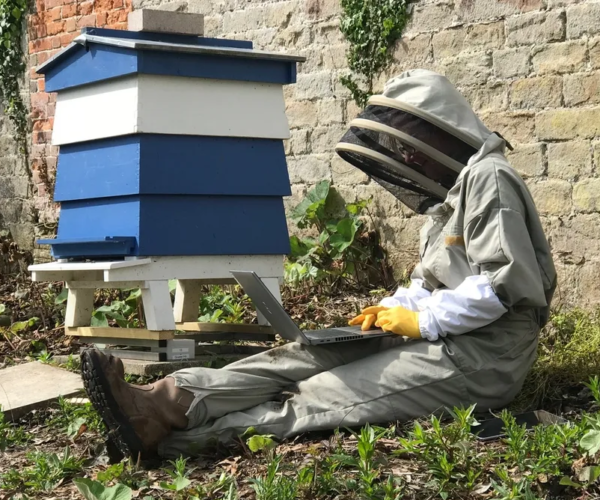
What is sustainable beekeeping and how can / should we do it?
Fay Kahane tells us how support from the Patient and Public Involvement and Engagement (PPIE) Fund helped develop her PhD research, working in collaboration with external partners to investigate the future of sustainable beekeeping.
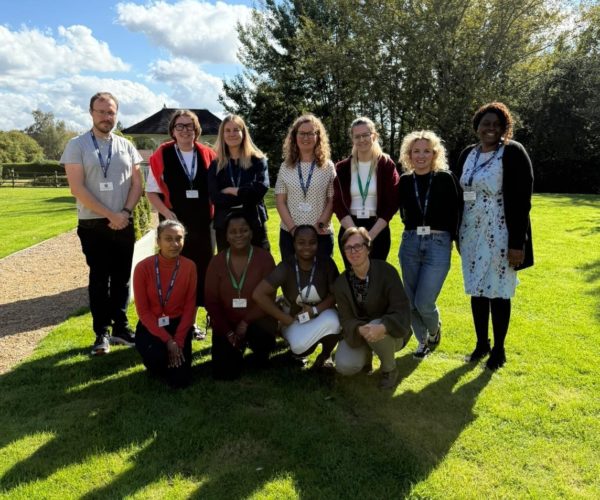
NIHR Team Science Award: Building Research On Climate-smart Care for Optimising Lifelong health Impacts for women (Team BROCCOLI)
The latest of our blog posts from this year’s funding cohort features Dr Dorothea Miranda Geddes-Barton who highlights the importance of Patient and Public Involvement and Engagement (PPIE) in her work, engaging with diverse perspectives in preparation for an NIHR Team Science Application.

Community Consultation for the Research Design of Practice-based, Participatory Action Research PhD Project
Yudi Wu, PhD student in the Department of Communications, Drama and Film gives an insight into their experience engaging with the public as part of their research project, establishing relationships with participants and navigating these to ensure those who contribute to a research project can be most effectively supported throughout.
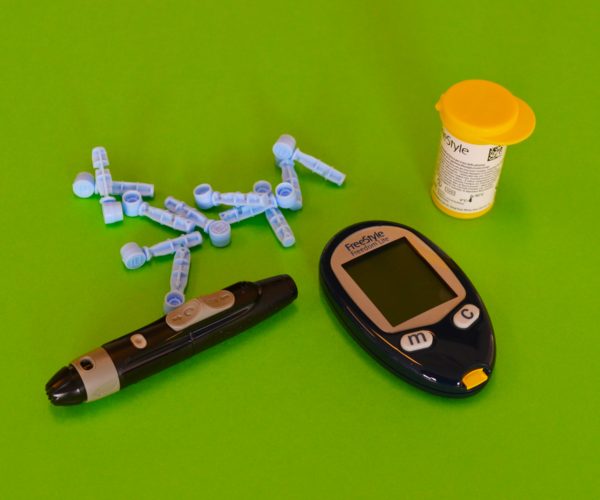
Lifestyle interventions in the Muslim community to help prevent type 2 diabetes.
Dr Phil McBride reflects on a recent project which explored lifestyle interventions to combat type 2 diabetes in the Muslim community, benefitting from direct collaboration with community members through informal discussions supported by our Patient and Public Involvement and Engagement (PPIE) Fund.

Understanding Uncertainty – Involving People with Lived Experience in Research into Medical Communication and Decision Making
In her blog piece, Amy Chinner-Evans draws on recent Patient and Public Involvement and Engagement, which aimed to address uncertainty in medical decision-making. Working with patients with multiple long-term health conditions (MLTCs), her collaboration will inform ongoing research as part of her wider PhD programme.
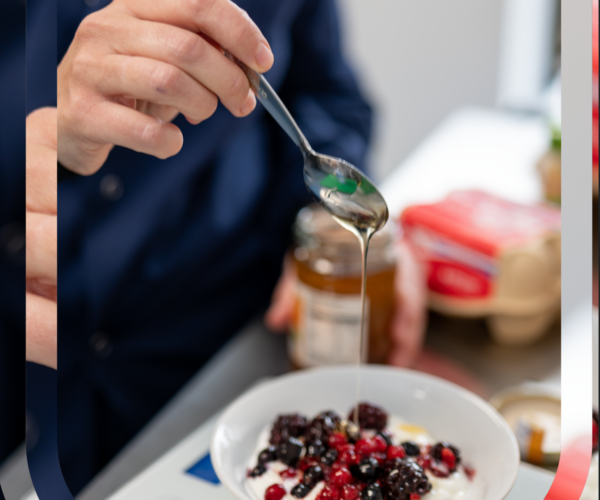
PPIE Support for Parkinson’s UK Non-Drug Approaches Application
Dr Mary O’Leary shares the work behind her recent application to Parkinson’s UK, exploring how nutritional interventions can support aspects of Parkinson’s symptom management. Patient and Public Involvement and Engagement (PPIE) Funding helped ensure lived experience could be brought into this work, inviting collaboration throughout the research process.
How Lived Experience is Shaping Our Team Science Approach to Inclusive Research
Dr Darren Hudson highlights the importance of Public and Patient Involvement and Engagement (PPIE) funding in supporting his team’s application for the NIHR Team Science Award. By working with PPIE representatives from conception of the work, the team’s proposal could be grounded in the needs of those with lived experience, and encourage meaningful change.

Cerebrovascular Health and Exercise in Stroke Survivors – a Feasibility Study
Ellie Scott and Dr Owen Tomlinson offer insights into their recent Patient and Public Involvement and Engagement (PPIE) project, using the PPIE Participant Payment Fund. As part of ongoing research into brain blood flow and vascular health, the project invited stroke survivors to engage with research investigating feasible interventions to improve patient health.
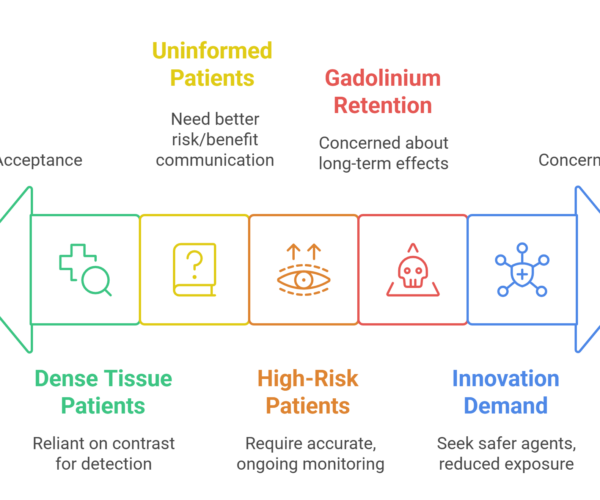
Involving Patients in Shaping Research on MRI Contrast Agents
Dr Darren Hudson tells us about his recent project, using Patient and Public Involvement and Engagement (PPIE) Participant Payment Funding to inform studies into the effectiveness of a new MRI contrast agent. Working alongside people with lived experience, the project used public engagement to inform the future shape of this research.