
All the presentations by University of Cardiff, University Bristol, University of Bath, and University of Exeter were recorded. Please see the link below to view these recordings – the timings for each section is in the description of the video. CC and transcript available.
Please visit the Padlet link below which hosts captured thoughts/reflections/comments throughout the conference. It has a link to the conference slides and will continue to be made available to all to keep and refer to.
This event follows the highly successful GW4 Universal Design for Learning Conference in September 2024. It offers an opportunity for educators from South-West universities to come together to discuss UDL progress, celebrating successes, identifying challenges, and pledging continuing commitment to teaching and supervision approaches that recognise and celebrate diversity.
Date: Thurs 30th April 2026
Time: 10am-1pm
Location: Online
Reserve your ticket: Eventbrite
This page is where you will find all the details for this event.

10:00-10:20 – Opening remarks: (Prof Vrinda Nayak and Rachel Griffiths, University of Exeter)
10:20-10:50 – A University case study on inclusive programme design using the principles of UDL (Dr Ceri Morris, University of Cardiff)
In this presentation, Dr Ceri Morris will briefly explore inclusive education principles for programme design, illustrating the application of Universal Design for Learning to aspects of constructive alignment, such as learning outcomes, teaching approaches and assessments, with concrete examples from practice. You will then share and reflect on your own practice to enhance student belonging, learning and experience.
10:50-11:20 – Designing for all: Using research findings to make University of Bristol assessment more inclusive (Research by Assoc. Prof Nicola Rooney, Dr Sally Dowling, Tirion Cobby, Dr Bogdan Florea, Assoc. Prof Christophe Fricker and Dr Craig Gunn, University of Bristol)
The University of Bristol assessment strategy, like that of many institutions, highlights that assessments should be integrated, inclusive, and authentic. We have conducted a scoping review and a large-scale survey of university students to explore the perceived inclusivity of a range of assessments currently used within the university, formative and summative, UG and PG, as well as students’ views on which University of Bristol assessments best enable them to demonstrate their learning, and which they view as most authentic. We have also conducted focus groups with students and conducted thematic and linguistic analysis of their outcomes. We have also used focus groups to consider practicality, feasibility, and staff experiences of assessment. Using all these results we have produced university guidance on inclusive assessments. This session will include opportunities to discuss how our results apply to attendees’ own institutions and to consider how our draft guidance can best be applied.
Break
11:25-11:55 – Inclusive Education Project @ Bath (Prof Momna Hejmadi, Abby Osborne and Dr Rob Eaton, University of Bath)
Colleagues from the University of Bath will share how institutional thinking and practice over the last year has progressed in pursuit of an enhanced approach to inclusive education, with a particular focus on embedding anticipatory adjustments to teaching, learning, and assessment. We will reflect on lessons learned and share ongoing questions and challenges, where we will welcome contributions from participants on their insights and perspectives.
11:55-12:25 – 3 years on from ‘social stories for inclusion’: intervention or structural improvement? (Assoc. Prof Deborah Johnson and Assoc. Prof Caroline Keenan, University of Exeter)
In this talk, Caroline and Deborah will reflect on the design and implementation of a pioneering inclusion project (completed in partnership with Rachel Griffiths and Jo Suthurst from the Success for All team) using social stories to support students transitioning to Higher Education and to help establish broader cultures and practices of inclusion among students and academics. The project has proven to be sustainable and has scaffolded further inclusion work in the department, but we have also faced significant challenges to genuinely transforming structures and practices. We think our experience speaks to ongoing challenges around the design and implementation of universal design for learning, we hope participants will be able to reflect on their own, similar experiences and to encourage wider reflection on how to keep on keeping on, in solidarity!
12:25-12:45 – Plenary
12:45-12:55 – Closing remarks
Details of the presenters:
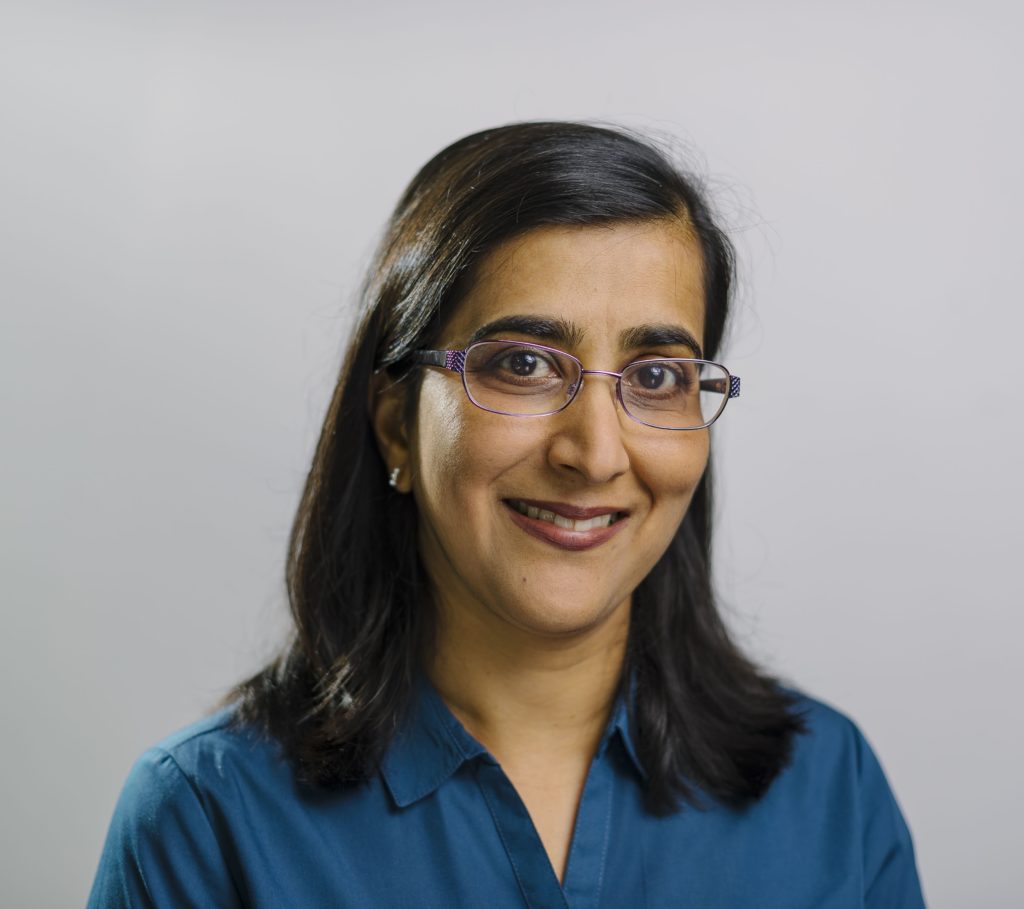
Professor Vrinda Nayak, University of Exeter
Prof Vrinda Nayak is an Associate Professor in Medical Education and the Associate Dean for Taught Students (Racial Equality and
Inclusion) at the University of Exeter. She is part of the University`s Senior Education Leadership Team and supports the Success for All strand of the University’s Education Strategy which aims to widen participation, eliminate degree awarding gaps and support a diverse and inclusive learning environment.
She launched the education initiative “Transformative Education Framework”
to support embedding the principles of Inclusive Education, Racial and Social Justice and Sustainability in our education and student support activities. She
obtained PFHEA in June 2024.
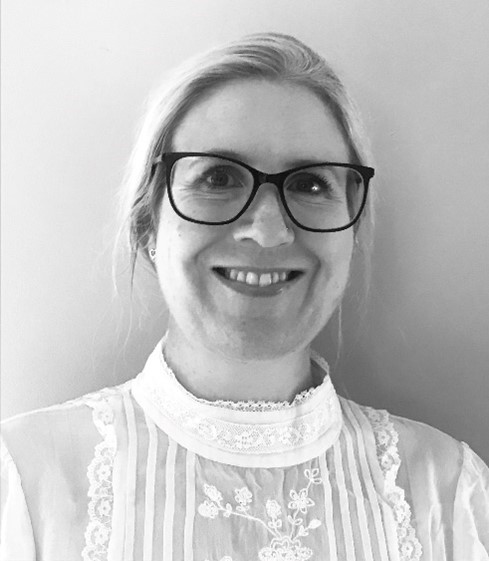
Rachel Griffiths, University of Exeter
Rachel Griffiths is a Senior Academic Developer at University of Exeter and leads the inclusive education project as part of the University’s Transformative Education strategy. A psychotherapeutic counsellor and former DSA-funded Specialist Mentor with specialisms in autism and mental health, she previously worked in one-to-one support roles with disabled students. She is also a doctoral researcher looking at creative methodologies and the stigma faced by neurodivergent learners at university. She regularly lectures and delivers training for staff and students on a variety of topics, including embedding Universal Design for Learning principles in teaching practice.
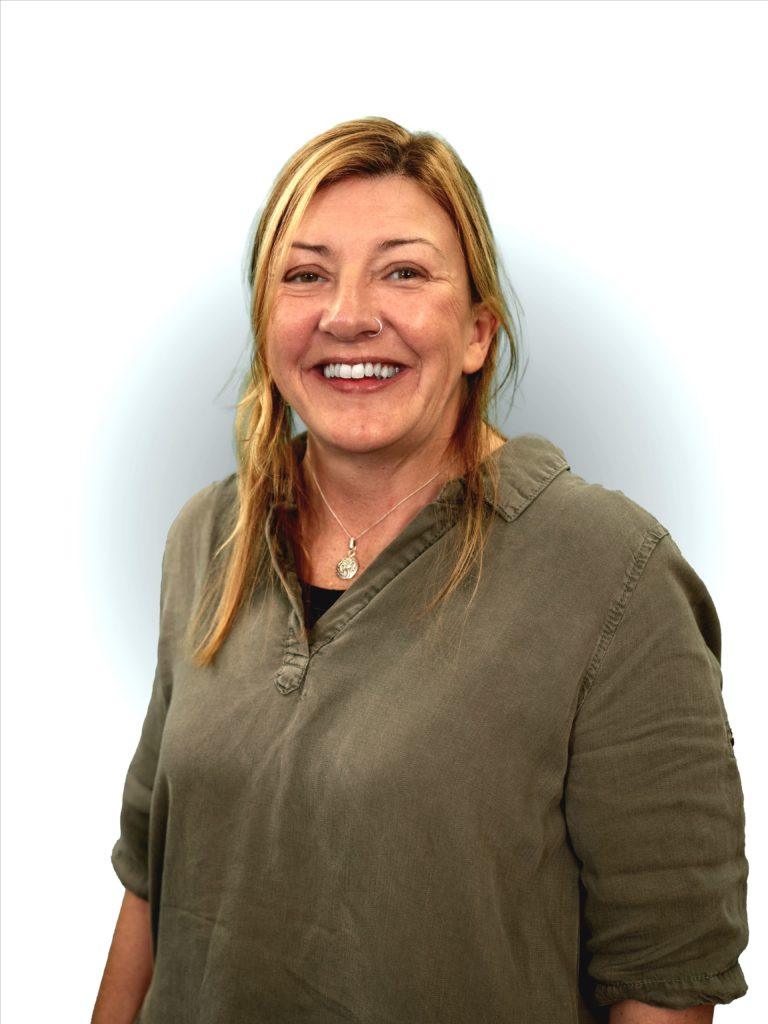
Dr Ceri Morris, Cardiff University
Dr Ceri Morris is the Lead for the Cardiff University Senior Fellowship Programme, and leads the Inclusive Education spiral curriculum on the Associate Fellowship, Fellowship and Senior Fellowship programmes.
She is also a member of the Cardiff University Inclusive Education team for learning and teaching in the Learning and Teaching Academy. She draws on her years of professional experience, research and teaching to lead in disability, and has specialist interest in inclusive assessment.
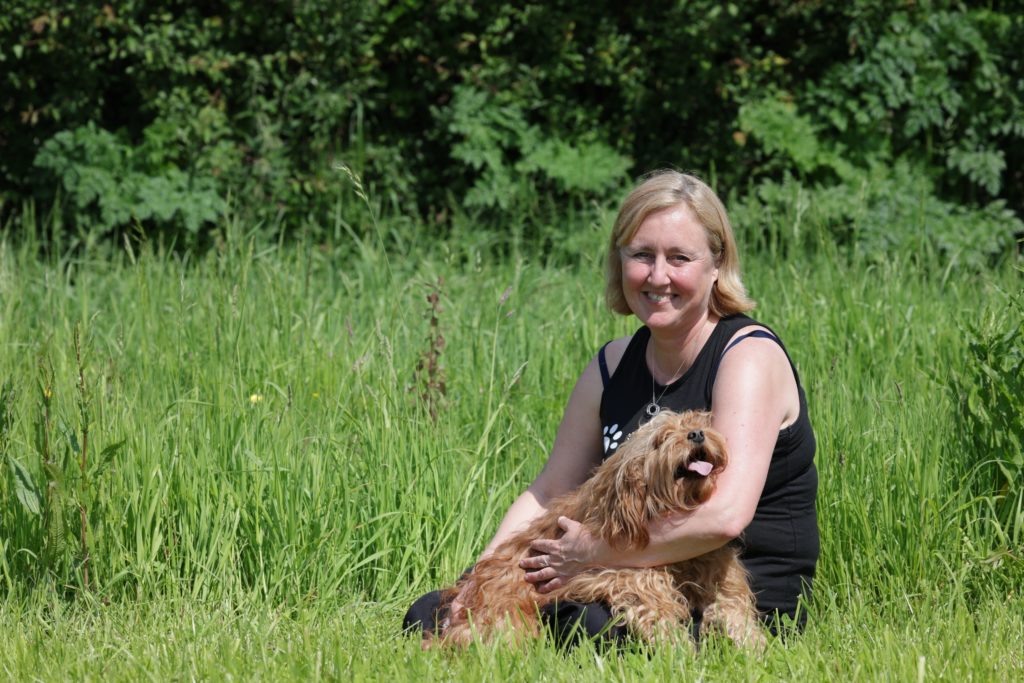
Assoc. Prof. Nicola Rooney
Nicola is an Associate Professor and MSc Programme Director in Bristol Vet School. Nicola is a Mental Health Champion and with a background in primary school education is passionate about a compassionate inclusive approach to education and assessment.
Tirion Cobby
Tirion completed a BVSc in Veterinary Science and an intercalated BSc in Zoology followed by an MSc in Global Wildlife Health and Conservation. She has recently started a PhD in Bristol Veterinary School. She has a strong interest in research which led to her joining the inclusive assessment project as a research assistant.
Assoc. Prof Christophe Fricker
Christophe is an Associate Professor in German and Translation. His interest in inclusive assessment stems from his work in Resonance Pedagogy, an approach to teaching and learning that sees relationships as a basis for attainment.
Professor Momna Hejmadi, University of Bath
Professor Momna Hejmadi is currently the Associate Pro Vice Chancellor (Education), University of Bath. She reports to the Pro-VC (Education) on the strategic educational priorities, initiatives, regulations, quality assurance and pedagogy at the University. She chairs and is a member of several committees at Bath and nationally. She is a National Teaching Fellow (2015) and was Editor in Chief of Bioscience Horizons (OUP) from 2014 – 2020.

Abby Osborne, University of Bath
Abby has a background in curriculum and assessment design, curriculum transformation and inclusive teaching and learning. She currently works at the Centre for Learning and Teaching at the University of Bath as their Assessment and Feedback Development Lead.
Abby also works as an Inclusive Education Consultant, working with schools and education providers internationally to provide impactful guidance, resources and workshops for busy teachers. She has extensive experience of supporting students who are neurodivergent and has recently published two books on facilitating inclusive practice and student wellbeing within the classroom.
Dr Robert Eaton, University of Bath
Robert is Head of Curriculum and Academic Development in the Centre for Learning and Teaching where he oversees support for curriculum and assessment enhancement, learning design, and professional development and recognition for staff who teach and support learning. He has been heavily involved in work to implement a new framework for reasonable adjustments at Bath. Robert is a member of the International Centre for Higher Education Management and the Decolonisng Knowledge in Teaching, Research and Practice research hub (DECkNO)where he coordinates the Teaching and Learning strand. He is a Senior Fellow of the Higher Education Academy and his academic background is in education policy and teaching.

Assoc. Prof Deborah Johnson, University of Exeter
Deborah is a Associate Professor of Conflict Geographies and
Social Earth Sciences (Deborah Johnson| About | University of Exeter). She works on the University of Exeter’s Cornwall campus, in the Politics and International Relations subject group. Deborah is Director of Education and Student Experience for the Department of Humanities and Social Sciences, Cornwall. She is a member of the Steering Group for the Societies and Culture Institute and a core team member of the People and Mining network.
Assoc. Prof Caroline Keenan, University of Exeter
Caroline is Associate Professor of Law and Legal Education at the University of Exeter (Caroline Keenan | About | University of Exeter). She absolutely loves enabling people to learn law, especially to create learning which is active, inclusive, and collaborative. She was responsible for the design and launch of the inter-disciplinary Law and Business programmes, University of Exeter Cornwall. Her teaching philosophy is grounded in the belief that there is no “typical” or “a-typical” student. She designs learning environments that allow every student to make choices that work for them, fostering autonomy, confidence, and engagement.
This one-day hybrid staff development conference aimed to support educators from universities in the South-West to improve their understanding of inclusive education and Universal Design for Learning (UDL). There will be keynote speakers on the importance of UDL, presentations and workshops led by the University of Bath, University of Bristol, Cardiff University, and University of Exeter, as well as a poster display on projects following the themes of the conference.
Below you will find all the resources created as part of the 2024 event, including event recordings, slides, posters and speaker details.
The keynote presentations by Prof Nicola Martin and Dr Heather Sears, as well as the presentations by University of Bristol, University of Bath, and University of Exeter were recorded. Please see the link below to view these recordings – the timings for each section is in the description of the video. CC and transcript available.
This conference was hosted by the University of Exeter on Thursday 12th September 2024 and organised by the following staff members from GW4 institutions:
Assessing Whether Regular In-Person Testing is Inclusive for Students with Disabilities – Anca Dobrescu & Jess Fielding (University of Bristol)
Breaking the Ice to Build Inclusion: Creating Inclusive Icebreakers – Learning Design Team (University of Exeter)
Designing Assessment Activities for All: Presenting the Perspectives of ‘Historically Excluded’ Students at the Faculty of Social Sciences and Law – Robynne Grant-Jepps (University of Bristol)
Embedding Inclusive Learning Design in a Fully Online Postgraduate Health Related Course – Dr Kerry Gilbert and Dr Amanda Wallace (University of Exeter)
Enriching Career Perspectives in Behavioural Science: A Case Study Approach – Janina Hoffmann, Joshua Tenn, Kai Wang, Neal Hinvest (University of Bath)
Inclusive Classrooms in Economics: Understanding Student Engagement using Mentimeter – Arpita Ghosh (University of Exeter)
Inclusive Module Participation Assessment in English & Creative Writing at Exeter – Dr Jo Freer (University of Exeter)
Patterns Beyond Labels: Supporting the Diverse Needs of all Learners – Abby Osborne, Robert Eaton, Lynn Cheong-White (University of Bath)
Reimagining Biosciences: Diversifying, Decolonising and Integrating Global Perspectives through Inclusive Curriculum Planning – Dr Yusra Siddiqui (University of Exeter)
Reintegrating the Human into the Dissertation Writing Process – Dr Joel Lazarus (University of Bath)
Supporting a Sense of Belonging: Exeter’s Journey of Offering Peer-Peer Mentoring for Underrepresented Students – Emma Norman (University of Exeter)
Facilitating Inclusive Learning Environments: The Use of Focus/Writing Retreats at a Programme Level – Sian Robinson (University of Exeter)
RISE: Researching the International Student Experience – Maxine Gilway, Kevin Haines, Maria Tsapali, Sue Horseman, Catriona Johnson, Maggie Boswell (University of Bristol)
Social Stories for Transitions – Deborah Johnson, Caroline Keenan, Rachel Griffiths, Jo Sutherst (University of Exeter)
Queer Science Competition and Encouraging a Sense of Belonging for LGBTQ+ people in STEMM – Andrew Griffiths (University of Exeter)
This conference aims to support educators from South-West universities in improving their understanding of inclusive education and universal design for learning, leading to improved teaching and supervision approaches that recognise and celebrate diversity.
The conference will open with talks from keynote speakers, Professor Nicola Martin and Dr Heather Sears. There will be presentations throughout the day from each GW4 institution, showcasing examples of case studies and practical tips about how they have introduced the principles of Universal Design for Learning into their learning and teaching practice. Workshops, as well as refreshment & lunch breaks, will provide networking opportunities and ways for educators to share their best practices and projects related to the topic of Universal Design for Learning.
Presenters and delegates will also have the opportunity to contribute to a conference Padlet, building up an online bank of presentation slides, helpful websites, and other resources they would recommend. The final session of the day will be a plenary reviewing the Padlet, drawing conference threads together and discussing future partnership and how to develop a community of practice to promote a shared resource for all to benefit from.
Professor of Social Justice and Inclusive Education LSBU
Nicola has held various academic and leadership roles in the sector, including leading professional services functions and research centres. She has developed the successful EdD in Social Justice and Inclusive Education, MA Education /Autism and the Critical Autism and Disability Studies (CADS) Research Group at LSBU. CADS participatory, interdisciplinary research focusses on inclusive education across the age range, through Universal Design for Learning; equity in employment; mentoring; wellbeing and fulfilment. Currently Nicola leads the Building Future Communities Research Centre.
Fair employment of autistic and disabled researchers is a key principle of CADS engagement with funded research. The Participatory Autism Research Collective (PARC) originated within CADS and (although unfunded) provides networking and peer support opportunities for autistic scholars.
Nicola is a National Teaching Fellow, RSA Fellow, Senior Fellow of the HEA and an Accredited Speaker for the CPD Standards Office, and holds various visiting professorships and fellowships and external examiner posts. She is an advisor to The National Association of Disability Practitioners.
During 23-24, Nicola is co-editing three books, two focussing on aspects of Universal Design for Learning and the third on Autism Wellbeing and Fulfilment across the life course.
She has 15 doctoral completions and currently supervises 8 students.
Deputy Director, Design and Delivery Lead Researcher on the Next Generative Research SuperVision Project (RSVP) and Head of Researcher Development at Coventry University
Dr Heather Sears is Head of Researcher Development at Coventry University, UK. Heather has been immersed in researcher development since 2005. In her current role, she leads a team delivering an extensive programme of high quality, innovative developmental initiatives for researchers from ‘PhD to Professor’ including induction, research ethics and integrity, research methods, supervisor development and targeted development for middle-career researchers and research leaders.
Alongside her institutional role, Heather is the Deputy Director, Design and Delivery Lead Researcher on the Next Generation Research SuperVision Project (RSVP), a £4.6million, Research England funded project designed to transform the culture and practice of research supervision.
The GW4 Alliance is one of the project’s practitioner partners who will work with the six core member (York, Coventry, KCL, Sheffield Hallam, Nottingham, UK Council for Graduate Education) to pilot and evaluate professional development for research supervisors at all career stages.