

Hi, I’m Parakh, a BSc Accounting and Finance with Industrial Experience student at the University of Exeter Business School, originally from Dubai but Indian by nationality.
When people talk about starting university, Freshers’ Week is usually the first thing that comes up. The nights out, the clubs, the idea that this is where everything begins. It is often described as the most social, most chaotic, and most memorable part of university.
There is almost an expectation that this is where you find your people, create your first memories, and settle in straight away. But my experience started slightly differently.
I was 17.
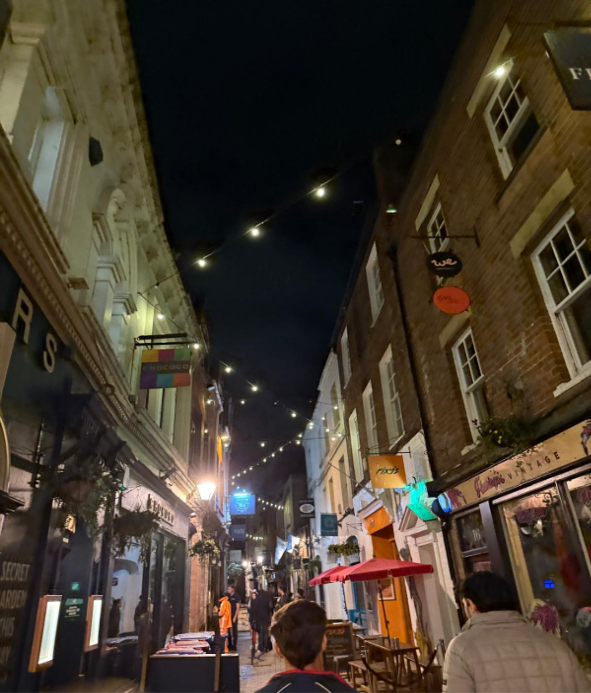
The First Reaction
It came up almost immediately.
The first night I properly went out with my flat mates, we ended up on the top floor of our accommodation block. There was a massive block party going on. Music, people everywhere, everyone meeting each other for the first time. At some point, someone offered me a drink, and I politely turned him down. When asked why, I broke the news about me being 17.
When I said 17, the reaction was always the same. A pause. Then surprise. Then curiosity. People assumed I must be of some kind of high-achieving, academic prodigy to be at university early. The reality was much simpler. I had just come from a different education system where starting earlier was normal.
It became one of the first things people noticed about me. At first, I thought that might make things awkward. That it would create some kind of distance between me and everyone else.
But it never really did. If anything, it became a conversation starter. Something that made interactions easier rather than harder.
Being the Only One Who Couldn’t Go Out
In the UK, being 17 means you cannot legally enter clubs or pubs.
So, while a lot of people around me were planning nights out, buying tickets, and talking about where they were going, I knew that part of Freshers’ Week was not really an option for me.
On paper, that sounds like a big limitation. It is easy to assume that missing out on that part of university life would automatically make you feel left out. But in reality, it did not feel like that at all. That is probably the part that surprised me the most.
There is a common assumption that university social life revolves around drinking. And while it is a part of the university culture (for those who want to drink), it is absolutely not the only way people connect.
Even during Freshers’ Week, when everything is at its most social, I still had a genuinely good time. I was fully present. Fully aware of everything around me. And still enjoying it. If anything, being sober changed the way I experienced those moments.
I noticed more. Conversations lasted longer. I remembered everything clearly the next day. And that made the experience feel more real.

A Different Way of Socialising
Since I could not go to clubs, I naturally found other ways to meet people. A lot of it started with simple things.
Sitting in the kitchen. Spending time in friends’ rooms. Walking around campus. Saying yes to plans even if they seemed small or unimportant at the time.
Those moments might not sound like much, but they are where most connections actually begin. Without the distraction of loud environments or crowded spaces, conversations felt more genuine.
I also went to Indian Society events, which made a big difference. It was a space where things felt familiar.
Where conversations flowed more easily. Where I did not have to think too much about how I fit in.
Finding People with shared Interests
One of the most memorable moments from that time was watching the India vs Pakistan cricket match with a group of people.
It was loud, intense, and full of energy. Everyone was reacting to every moment, celebrating, debating, and completely involved in what was happening.
But what stood out was how natural everything felt. There was no pressure to introduce yourself perfectly or make an impression. There was already something shared in that space.
I think that is one of the best things about university. You can find people through something as simple as a sport, society, hobby, culture, or shared interest. At Exeter, there are societies for all kinds of interests and communities.
You can find out which society is best for you by checking out the Exeter Students Guild Page ( https://my.exeterguild.com ) You meet one person, then another, and suddenly you are part of a much bigger group without even realising when it happened.

The Assumption About Drinking
One thing I realised early on is that a lot of people assume you need to drink to enjoy university. But that was not my experience.
There were nights where I was completely sober, surrounded by people who were not, and I still had a genuinely good time. At some point, you realise that it is not really about alcohol.
It is about the people you are with.
If the people are right, the environment matters less. You can be in a crowded room, a quiet kitchen, or just sitting somewhere talking, and still feel like you are exactly where you are supposed to be.
And once you realise this, the pressure to follow a certain version of university life starts to disappear.
Life Outside the Typical Freshers’ Scene
Instead of nightlife, I found other ways to enjoy my time.
I went to the Quay, especially in the evening. It has a completely different atmosphere compared to the busy parts of campus. It is quieter, more relaxed, and gives you space to just slow down and think.
I also played football with friends, which became one of the easiest ways to stay connected.
There was no pressure, no expectations, just a shared activity and a good way to spend time together.
I even went bowling at Tenpin a couple of times. None of these things were particularly big or memorable on their own. But together, they made up a large part of my experience.
And that is something I realised over time.
A lot of university life is not made up of big moments. It is made up of small ones that add up.

When Things Started to Settle
For me, things became more structured once my course properly began around the end of September.
When lectures, seminars, and assignments started, everything shifted slightly. Free time became more limited. Routines started to form.
And suddenly, university was not just about socialising anymore. It became about balance.
That actually made things easier.
At that point, everyone becomes more focused, and the expectation to constantly be out socialising starts to reduce. People begin to prioritise differently.
Time becomes more valuable.
And in a way, that brings everyone onto a more level ground.
Learning to Be Comfortable with Being Different
Being 17 did make my experience slightly different.
But instead of trying to hide it or work around it, I just accepted it.
I never felt the need to lie about my age or pretend to fit into something that was not available to me yet, and over time, that became something I was comfortable with.
It made me realise that standing out is not always a disadvantage.
Sometimes, it just means your experience will look slightly different, and that is not a bad thing.
Finding Your Own Balance
That does not mean I rejected that side of university completely.
I never saw it as something negative. It was not accessible to me at the time.
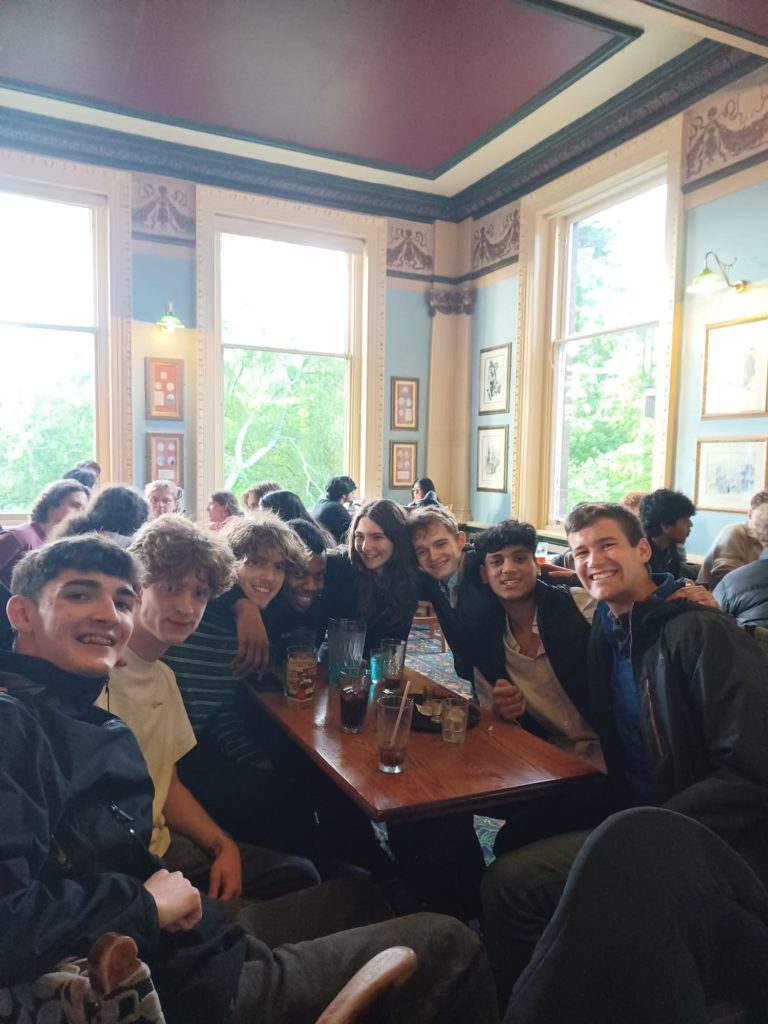
And honestly, I had a great time experiencing drinking for the first time when I turned 18. Even if it was just having a few light drinks at the Wetherspoons pub.
But the key thing I realised is that there is no requirement and that you shouldn’t feel pressured to do anything you don’t want to.
University is not defined by a single moment. It is built over time, through small experiences that gradually come together.
And once you understand that, things become a lot easier.
What Starting at 17 Taught Me
Starting university at 17 forced me to adapt quickly.
Not just socially, but personally.
Moving countries at that age already pushes you to grow. Adding university into that makes you more independent almost immediately.
I became more confident in how I carry myself around people. More comfortable starting conversations.
More aware that fitting in does not always mean doing exactly what everyone else is doing.
It taught me that your experience does not have to look like everyone else’s to be meaningful.
For Anyone Starting Under 18 or Not into Drinking
If you are coming to university and feel like you will not relate to the typical Freshers’ experience, here is something important.
You are not behind.
You are not missing out.
And you do not need to change yourself to fit in.
There are so many ways to meet people and build connections.
Sometimes it is through societies. Sometimes it is through your course. Sometimes it is just sitting in a room and having a conversation that lasts longer than you expected.
What matters is showing up and being open and that is enough.

Final Thought
Starting university at 17 meant my Freshers’ experience looked a little different.
But different did not mean worse.
If anything, it made me realise early on that there is no single way to experience university.
You do not have to follow what everyone else is doing to feel like you belong.
You just have to find what works for you.
And in the end, it was never about what I couldn’t do, it was about everything I still could.