
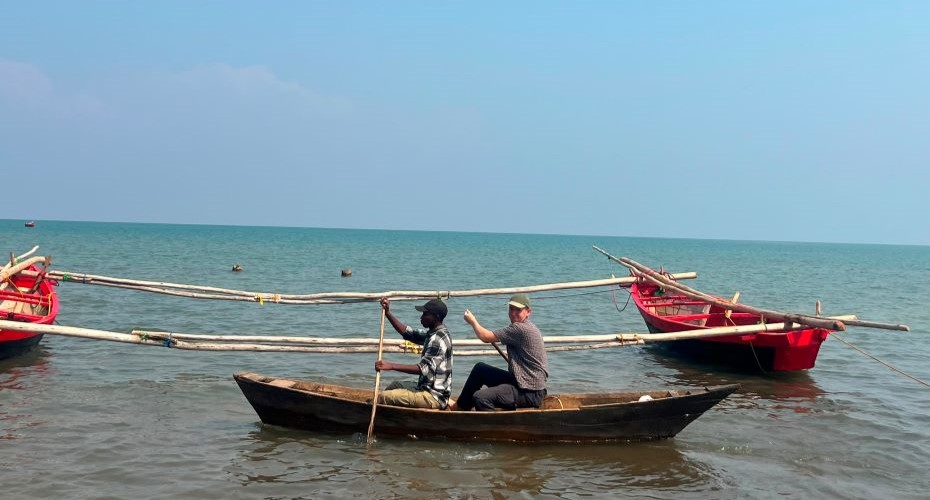
Josh Manning (MEng Renewable Energy Engineering with Industrial Experience, 2025)
Graduate scheme employee, National Grid
I chose to study in Cornwall for the location – being near the sea, the small campus. I didn’t go to university for the nightlife or big cities, I like the outdoor lifestyle. I got up to lots of surfing and climbing, going to the beach and being outdoors, basically. I really enjoyed my time at university and the location was a very big part of that.
SoleX – a practical project, and the best part of my degree
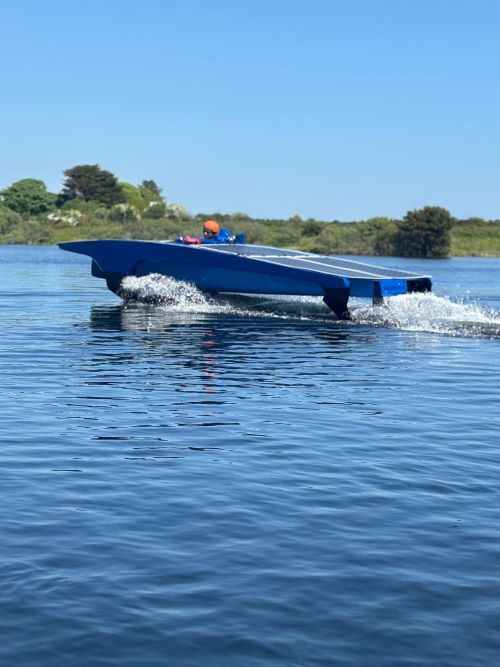
The best things about my studies were the practical projects, particularly the SoleX project, which I led alongside a few of the other renewable energy students. SoleX is a solar-powered, hydro-foiling boat, it races all over the world. It’s been to Monaco to race in the Energy Boat Challenge, and the Ultimate Solar Boat Challenge in Holland last year. It was an amazing experience to learn loads of practical skills and apply what we had learned in lectures to something real-life. It was also a really good experience in leadership and teamwork as well as the technical skills. Last year I oversaw the refurbishment of the electrical system and new solar panels. The boat has been at the university for a long time as a student project and gets worked on and improved year on year. We got it hydro foiling last year, it’s amazing to see it when it’s in the water and foiling. Alongside that, for me personally, it’s where I learned loads of skills (sometimes through making mistakes) and it gave me confidence, that was hands down the best bit of my degree.
My career since graduating (including starting a charity)
Since I graduated last year, I’ve been working at National Grid on their graduate scheme, rotating around the company. Currently I’m working in the power systems engineering team, planning the future electricity network required to meet increasing energy demand. My full-time role will be as a project manager for a large offshore HVDC (high voltage direct current) cable.
Alongside that, in my long summer after finishing my degree, I started a charity called Leapfrog Energy. This was something I had been wanting to do for a while and now felt I had the experience and confidence to start. Our aim is to equip engineering students with practical skills while benefitting rural communities through renewable energy projects which have a positive impact for the end user.
It started just after I went out to Burundi with someone I met through church, an architect who builds homes for the homeless. While I was there, I was invited to give a lecture at Olivia University. I shared the potential for locally manufactured renewable energy, as this was my dissertation topic. That’s how I got to meet the students there and then a few weeks later we got in touch and started discussing some ideas about innovative projects that would be beneficial for rural communities.
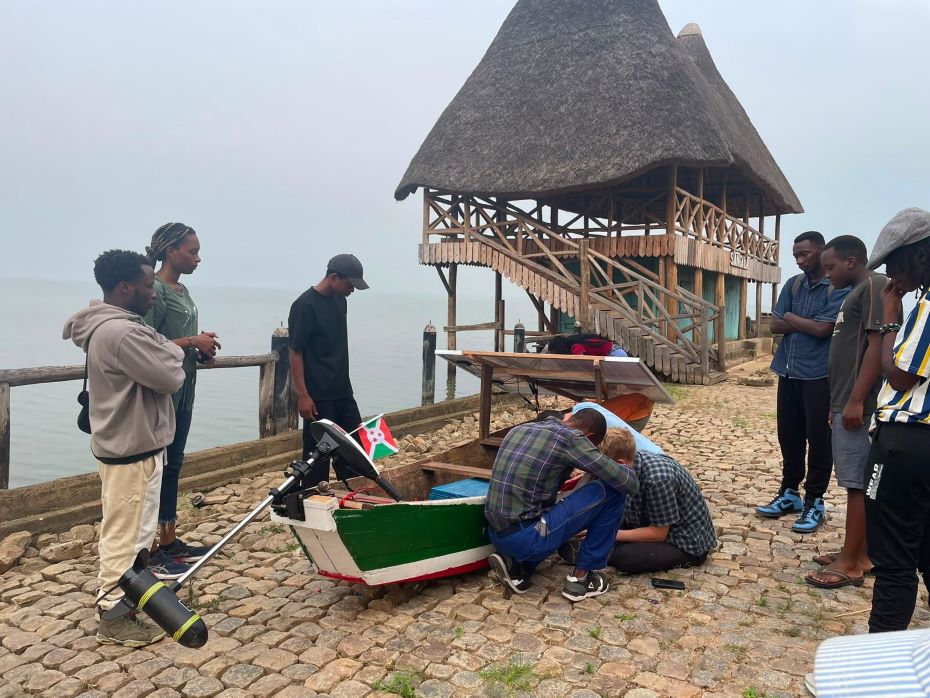
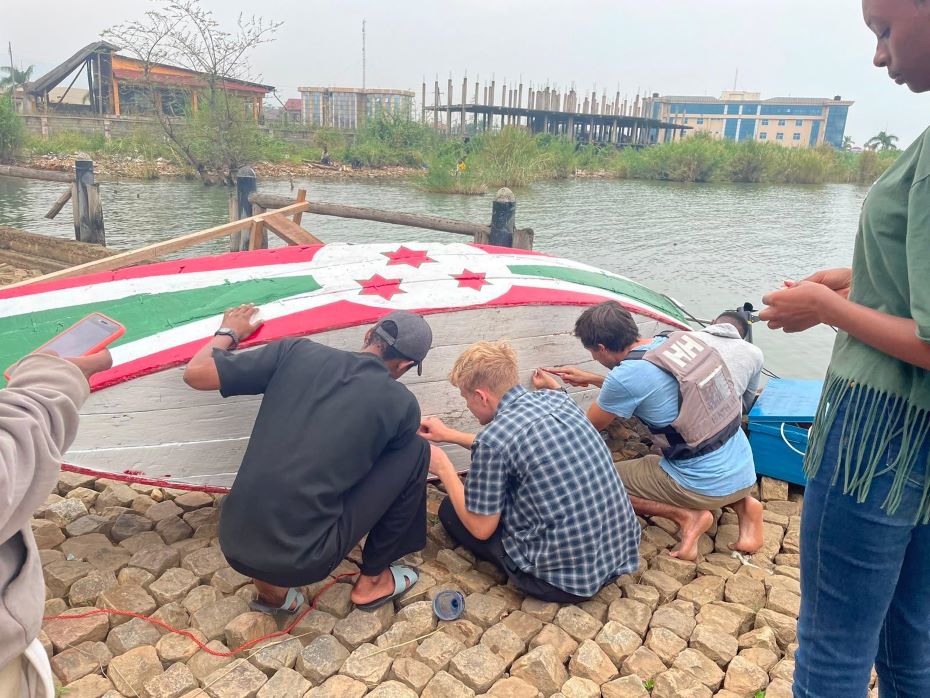
One of our main projects has been building a solar powered fishing boat for Lake Tanganyika “Solar Boat Burundi”. It’s an opportunity to share the practical skills I learned at SoleX while working with some talented engineering students to solve real-world problems. The idea is that solar-powered boats could reduce running costs for local fishermen by removing their dependence on fuel, leaving them less exposed to supply disruptions, price volatility, and geopolitical events. We’re applying the exact same technology as SoleX in a local context. Who would have known that this fun project we made at university could have a positive impact for rural fishing communities? The team went from buying a boat to fitting solar panels, attaching the electric motor, building and installing a battery box in one week. I helped and supervised and people learned a whole load of new skills along the way.
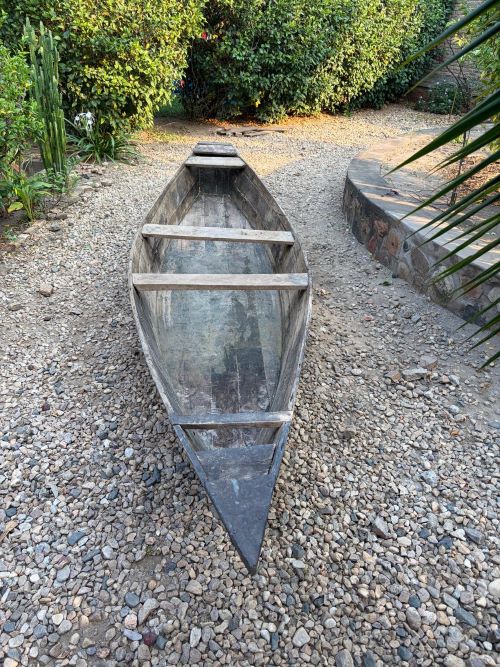
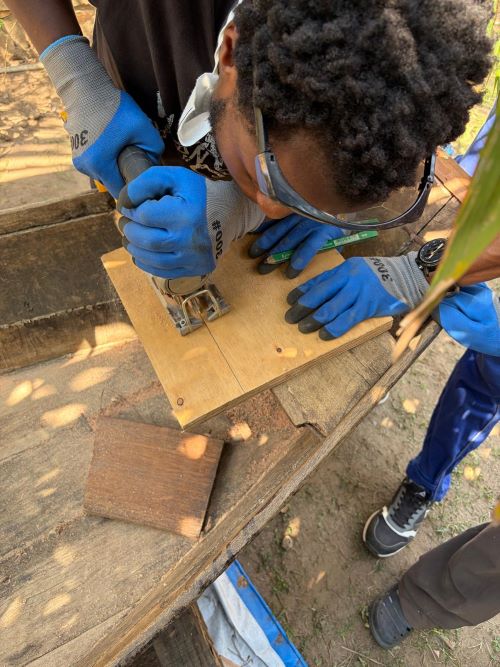
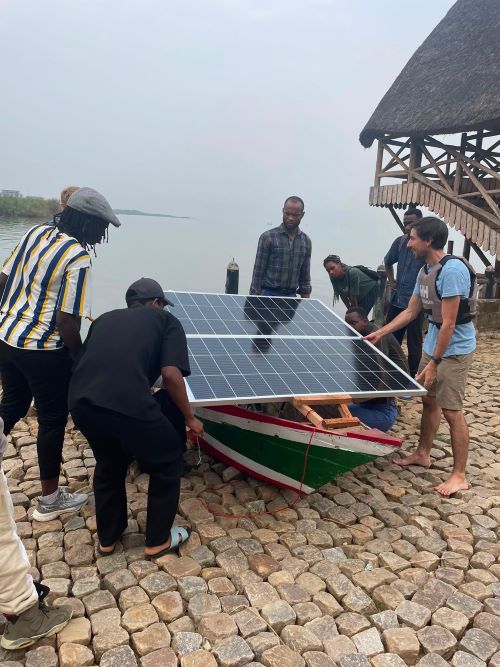
We retrofitted a traditional wooden fishing boat, blending the familiarity of handmade vessels with modern propulsion. This is a standard wooden boat that you can find on the shores of Lake Tanganyika. We’re pleasantly surprised by the range so far, but we need to do some more testing. We’ve run it for about an hour and a half and used only 30% of the battery. That was in the morning, outside of peak sun. We have a 12-volt motor and 12-volt battery in the middle of the boat which are connected into solar panels through a charge controller – the exact same thing as the solar boat in Penryn.
This is the first boat of its kind built in Burundi, however many fishermen are already using solar panels and batteries for charging powerful LED lights. They have two-thirds of the material already. They have the batteries and the solar panels; all we’re adding to the equation is an electric motor. A lot of the responses are ‘I’ll believe it when I see it’ which I completely understand because it’s an emerging technology. There are lots of questions about range, about speed, about how it works, but because not many people have heard about it, there aren’t really any huge misconceptions about the technology, as there’s no concept of it yet, similar to the UK.
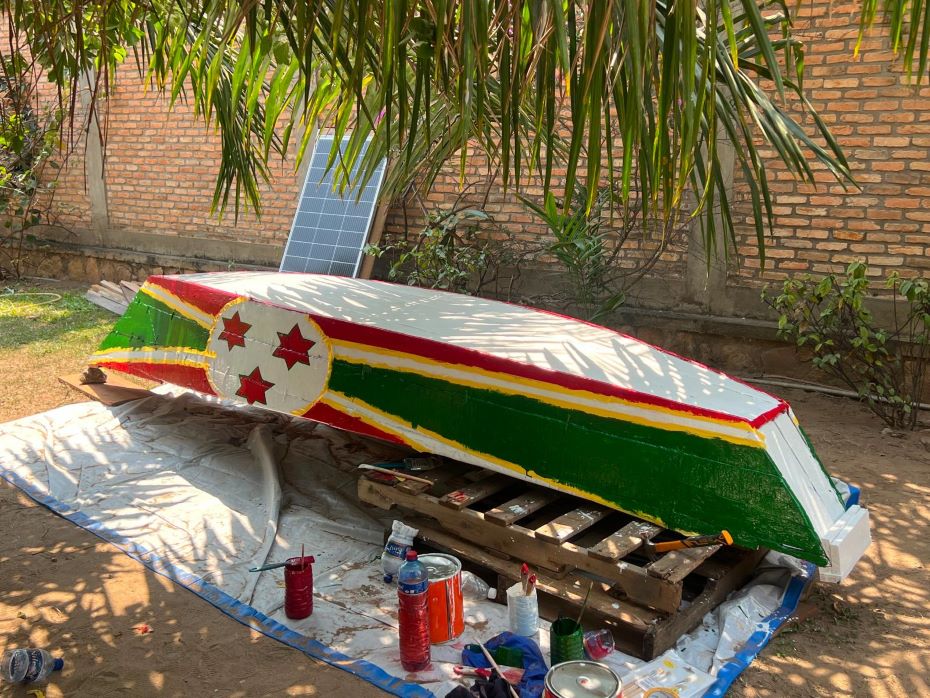
I think it’s really satisfying to share what I’ve learned at university with other students. Especially the practical side of things I learned in the REEF engineering workshop in Penryn. I enjoy teaching and I quite like talking as well, so I think it comes naturally to me. My favourite part is the construction management, where you’ve got lots of progress on different sub-components happening at once all towards a single goal. You’ve got the boat that’s being sanded down to be painted, the wiring of the batteries, the building of the solar panel rack all going on at one time. It’s a hive of activity and skill development. It’s a busy, fast paced environment and that’s what I really enjoy. I particularly enjoy solving problems on the spot, so you can go from wiring batteries, to building a motor mount, or painting and waterproofing all within an hour. It can switch around quite quickly. It’s the same environment that we had in REEF, with lots of people working on lots of different things and I enjoy managing it and making sure that I can help remove blockers. I enjoy looking after a team as well, making sure everyone’s having a good time, laughing and learning lots too.
My advice for current and future students
When I was at uni I always thought ‘networking’ was a bit of a cliche, but I now understand it – connections are really important. When you’re studying, you can be in a little bubble. But since graduating, I’ve realised the importance of meeting people and realising you can’t do it all yourself. Connections, whether business, friendship or experts that you can call up and talk to about questions, challenges, or just to understand a topic more. That is the big takeaway that I would use more if I were to go back to working on SoleX in Cornwall.
I think studying Renewable Energy Engineering in Penryn gives you a lot of freedom to explore your interests. My advice to current or future students would be to take advantage of that. Utilise the facilities as much as you can, spend time in the workshop and apply the things learned in the lectures. Directly apply them to real world stuff, have your own personal projects, you have so much opportunity. It’s an amazing place. There are loads and loads of resources around, so take advantage of them.