
Posted by Ted Feldpausch
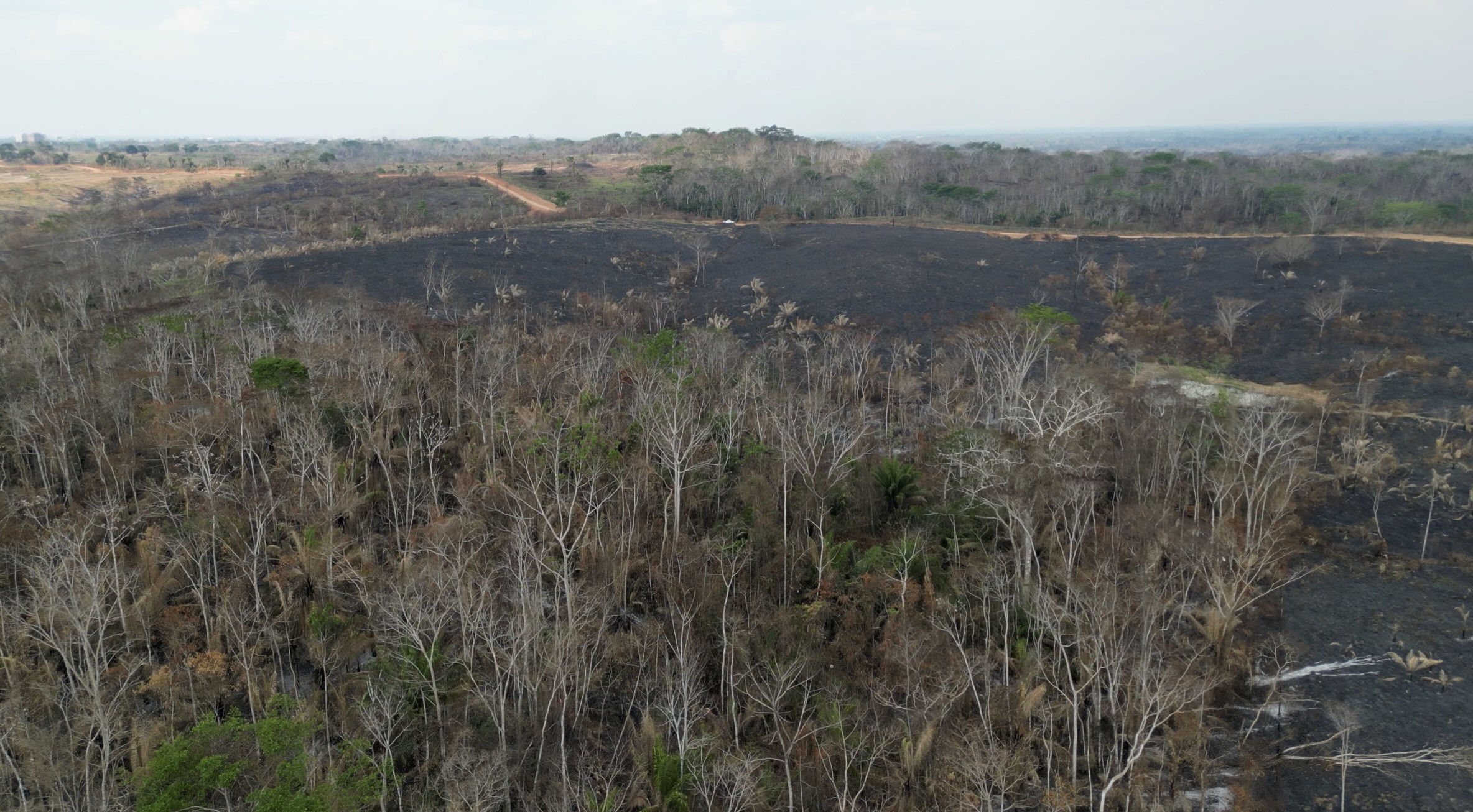
27 March 2026The conversion of forest to agriculture in the Amazon triggers a “deforestation multiplier,” resulting in a total carbon loss equivalent to approximately 1.2 times the original forest’s aboveground biomass. While current carbon credit standards like VERRA/VCS focus on standing timber, new evidence highlights the significant, unprotected carbon stocks remaining in the soil of burned forests.
Learn more in the policy brief below:
Learn more:
Naval, M. L. M., Bieluczyk, W., Alvarez, F., Carvalho, L. C. da S., Maracahipes-Santos, L., Oliveira, E. A. de, Silva, K. G. da, Pereira, M. B., Brando, P. M., Marimon Junior, B. H., Camargo, P. B. de, & Feldpausch, T. R. (2025). Impacts of repeated forest fires and agriculture on soil organic matter and health in southern Amazonia. CATENA, 254, 108924. https://doi.org/10.1016/j.catena.2025.108924