

中国国家留学基金委和英国埃克塞特大学合作奖学金(博士生项目) Prof Ted Feldpausch is recruiting students for the China Scholarship Council and University of Exeter PhD Scholarships. Full-time PhD scholarships are available in collaboration with the China Scholarship Council (CSC), for September...
Continue reading...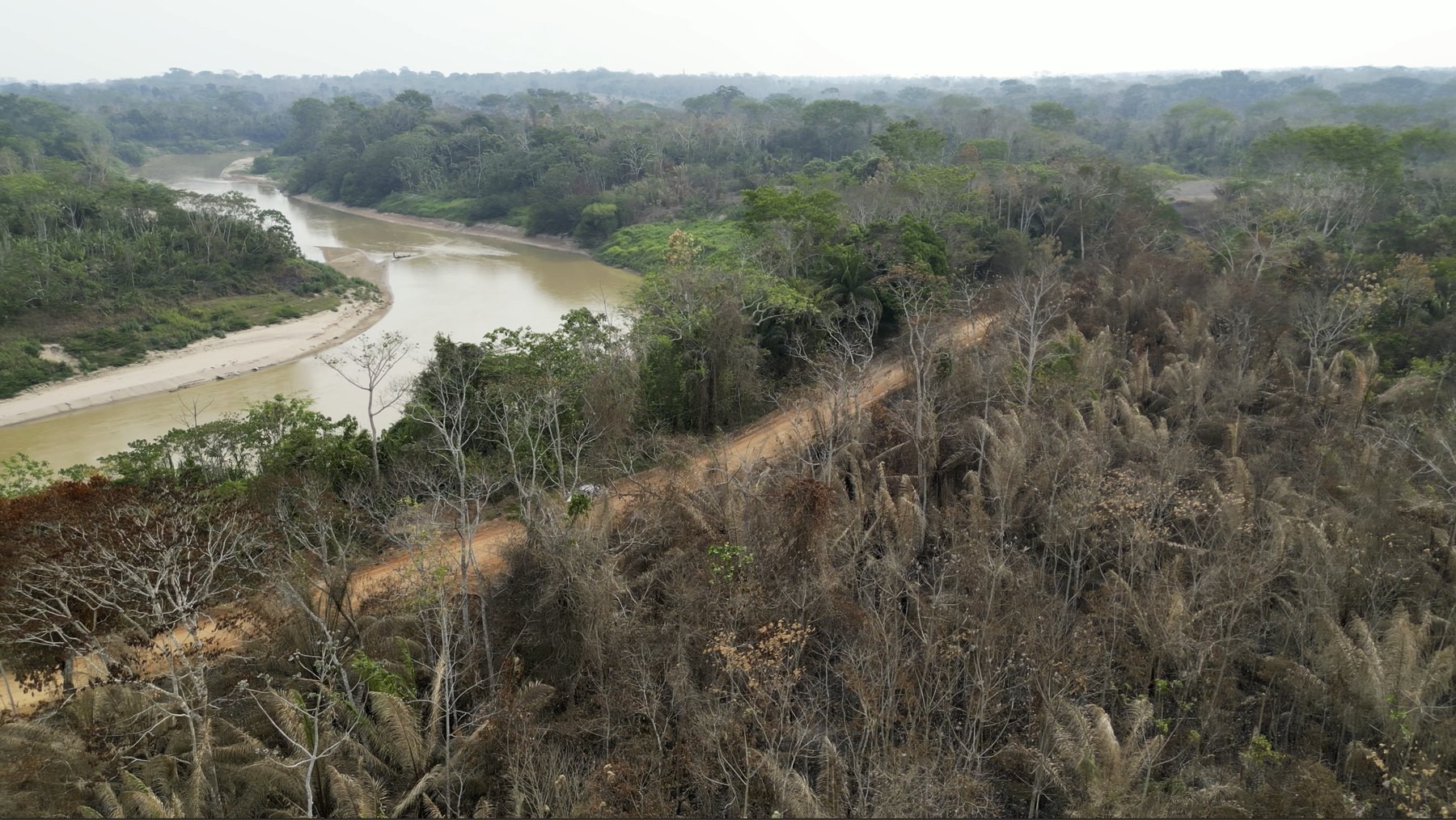
A new study in Communications Earth & Environment, co-authored at Exeter, shows that Amazonia's climate extremes are changing far faster than its averages, and that the fastest-changing region is the...
Continue reading...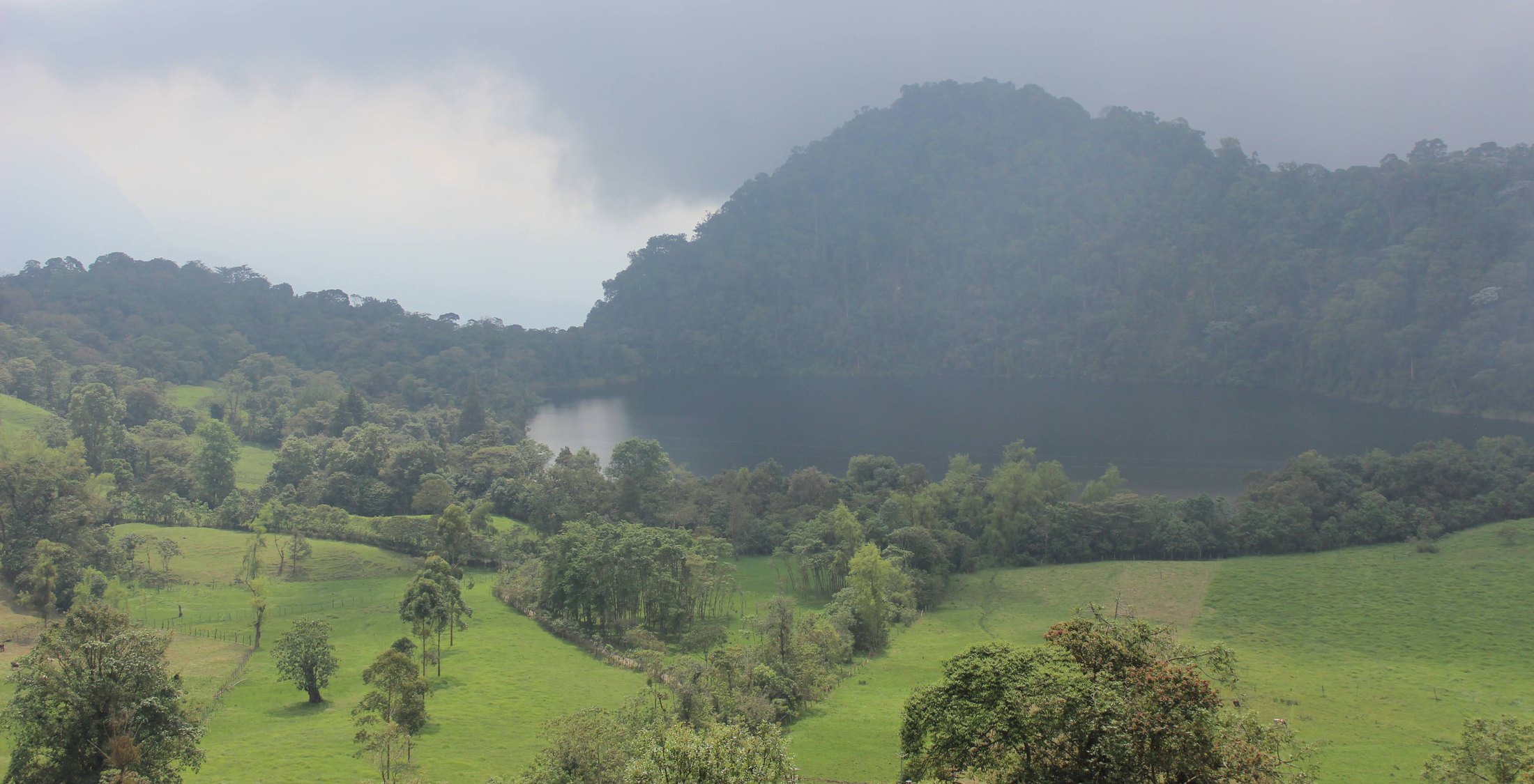
A new policy brief distils our Global Change Biology study of 36 plots across the Colombian Andes: soil carbon rises six-fold from lowland to high-elevation forest, and a fire-derived fraction...
Continue reading...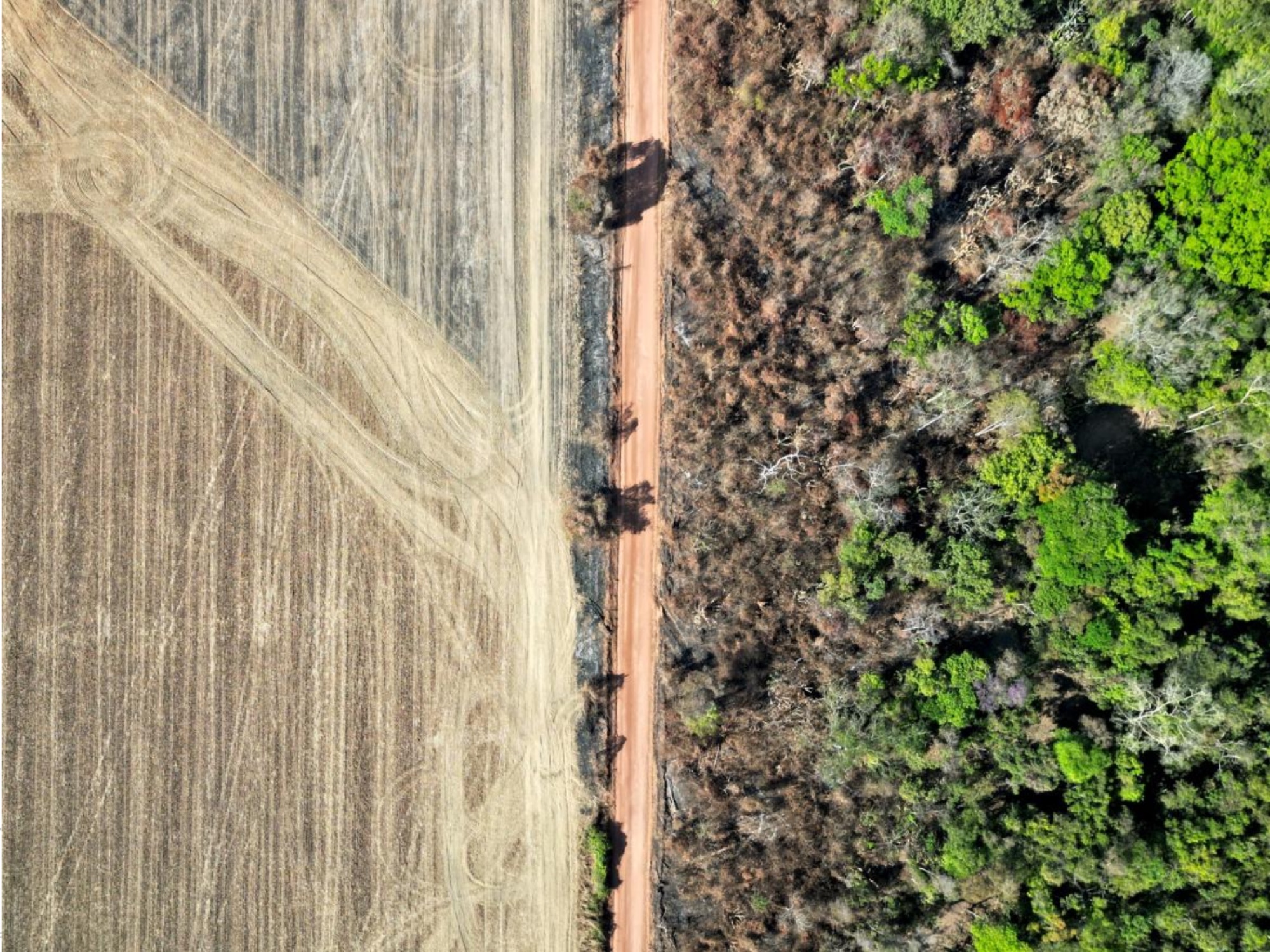
New spaceborne-lidar work presented at ATBC 2026 shows Amazonian forests in Acre remain measurably shorter, simpler and lower in biomass for at least 40 years after wildfire, recovering to only...
Continue reading...
Lorena de Souza Fleury's MSc at INPA finds that forest age, not fertiliser, drove carbon recovery in Amazonian secondary forests after 25 years, with soil holding most of the carbon.
Continue reading...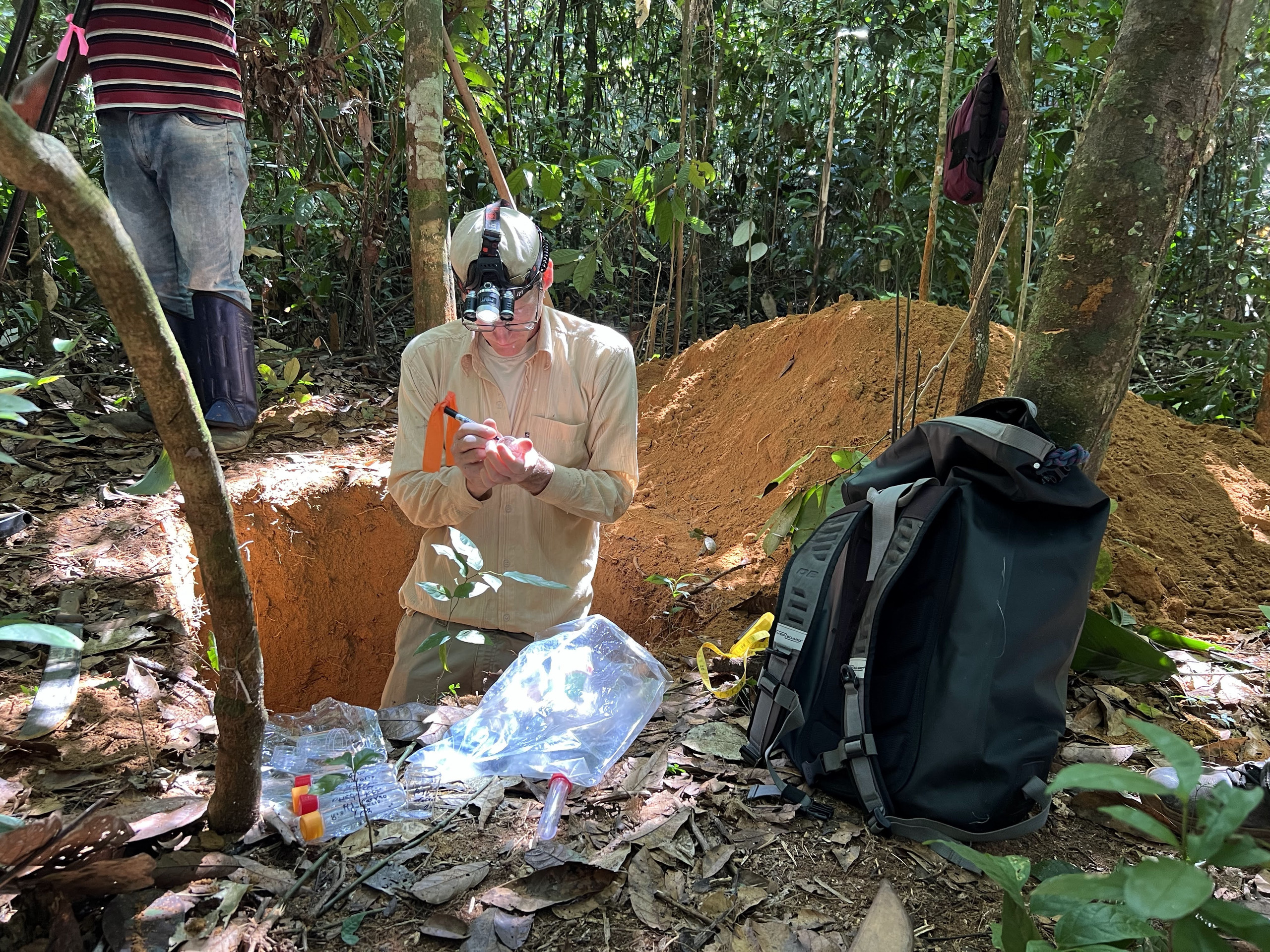
Amazon Soil Carbon: Policy Brief Summary The conversion of forest to agriculture in the Amazon triggers a “deforestation multiplier”: the ecosystem loses carbon equivalent to about 1.2 times the original...
Continue reading...
A new study reveals an unprecedented increase in wildfires in tropical peatlands during the 20th century. Peatlands store vast quantities of carbon below the Earth’s surface – more than all the world’s forest biomass combined – but when they catch fire large amounts of the...
Continue reading...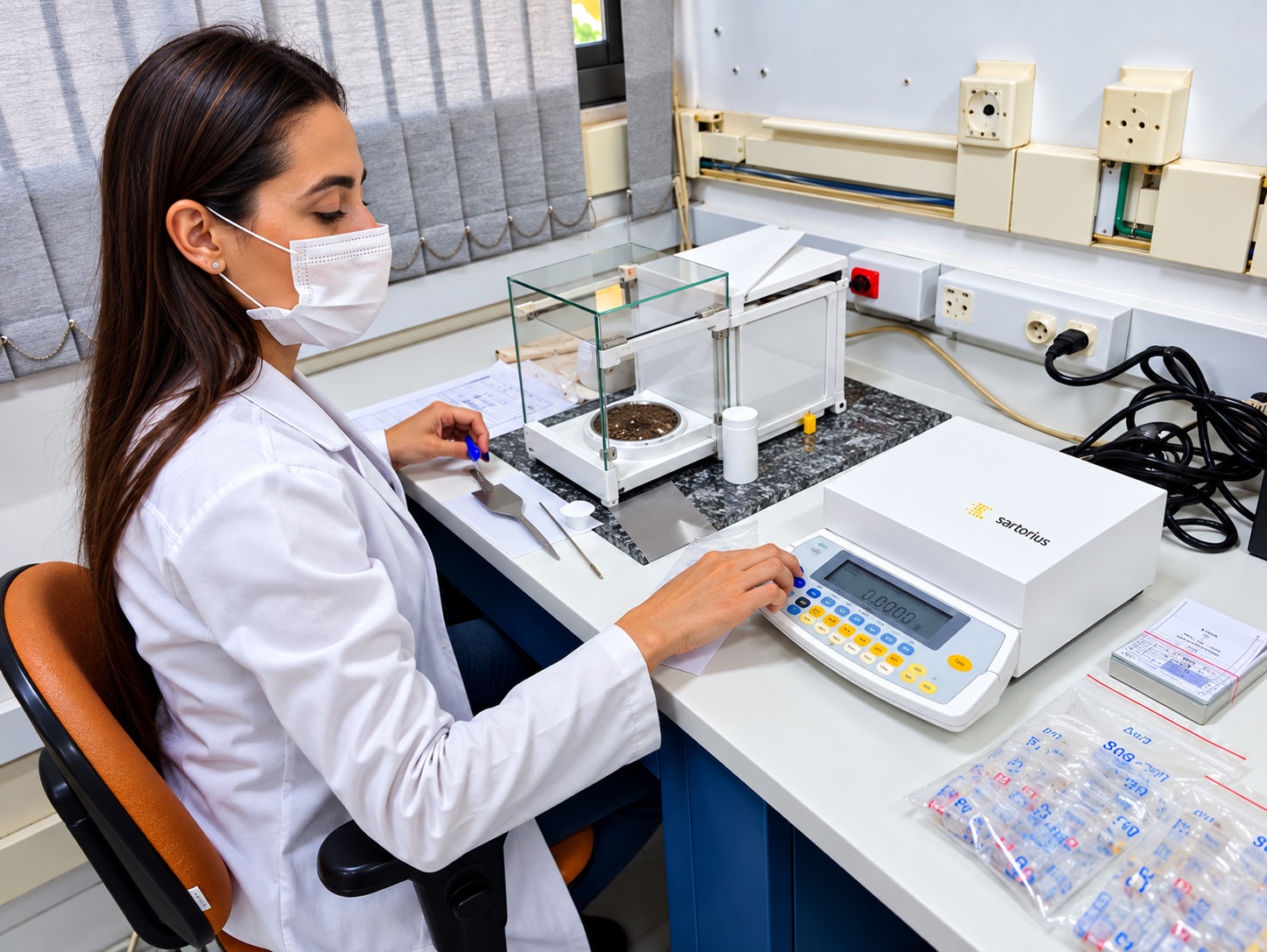
After thousands of kilometres of fieldwork across the Amazon, around two thousand soil samples have passed through the CENA laboratory in Piracicaba. This is the story of how they are...
Continue reading...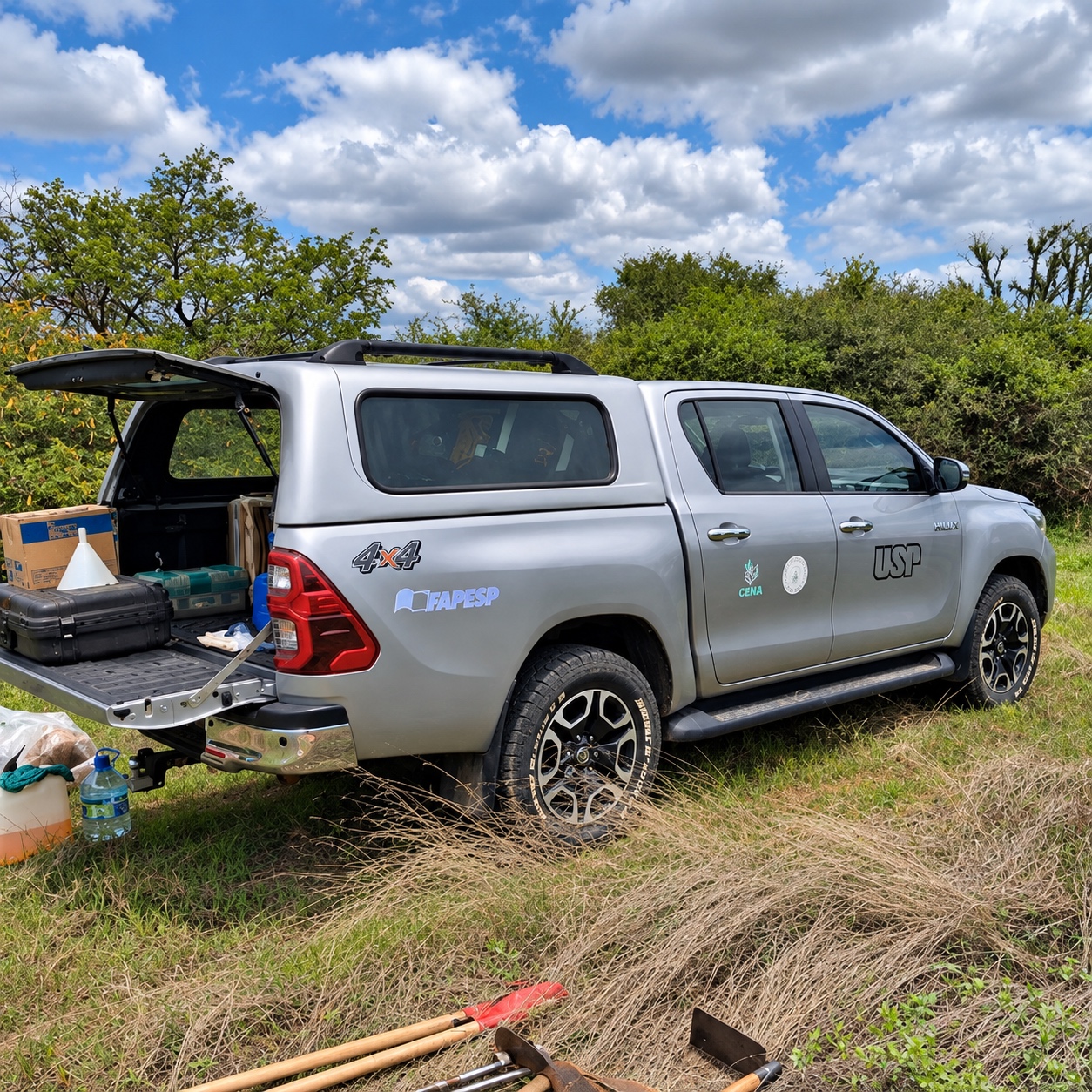
The Amazon PyroCarbon project has covered thousands of kilometres across Mato Grosso, Rondônia, Amazonas, Acre, and Pará over the past three years. This is the story of the road trips,...
Continue reading...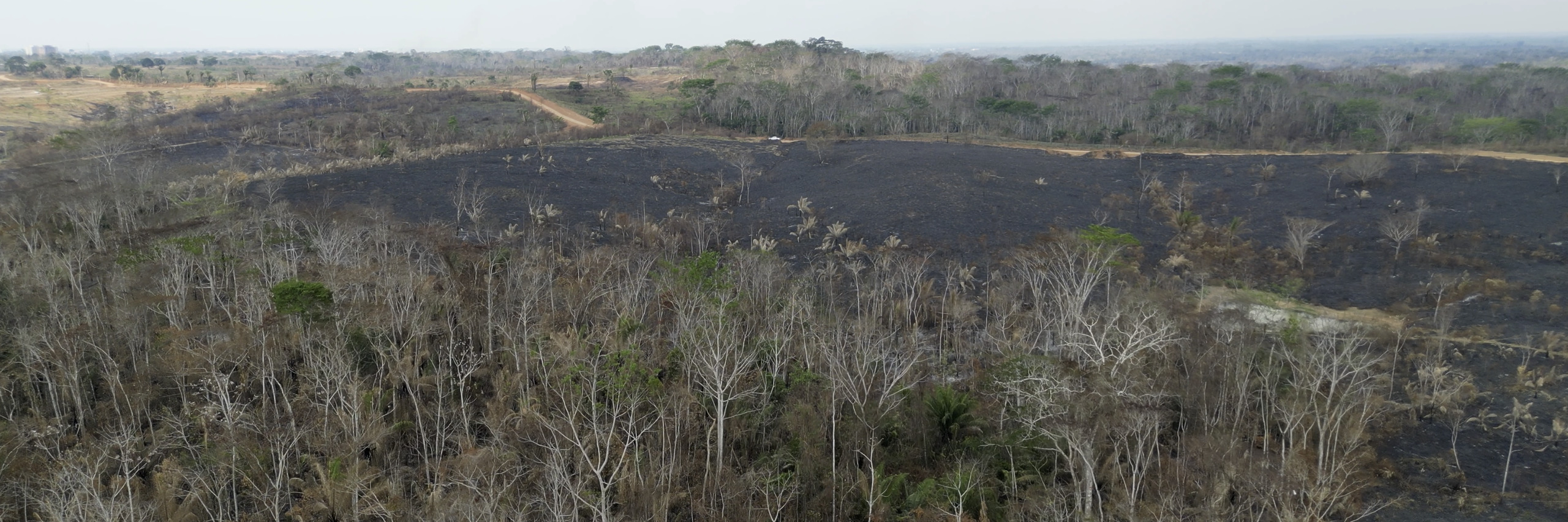
This opportunity has closed. For current PhD and postdoctoral opportunities in the Feldpausch group, see Research opportunities. Pyrogenic Carbon in the Amazon: quantifying soil carbon responses to the effect of...
Continue reading...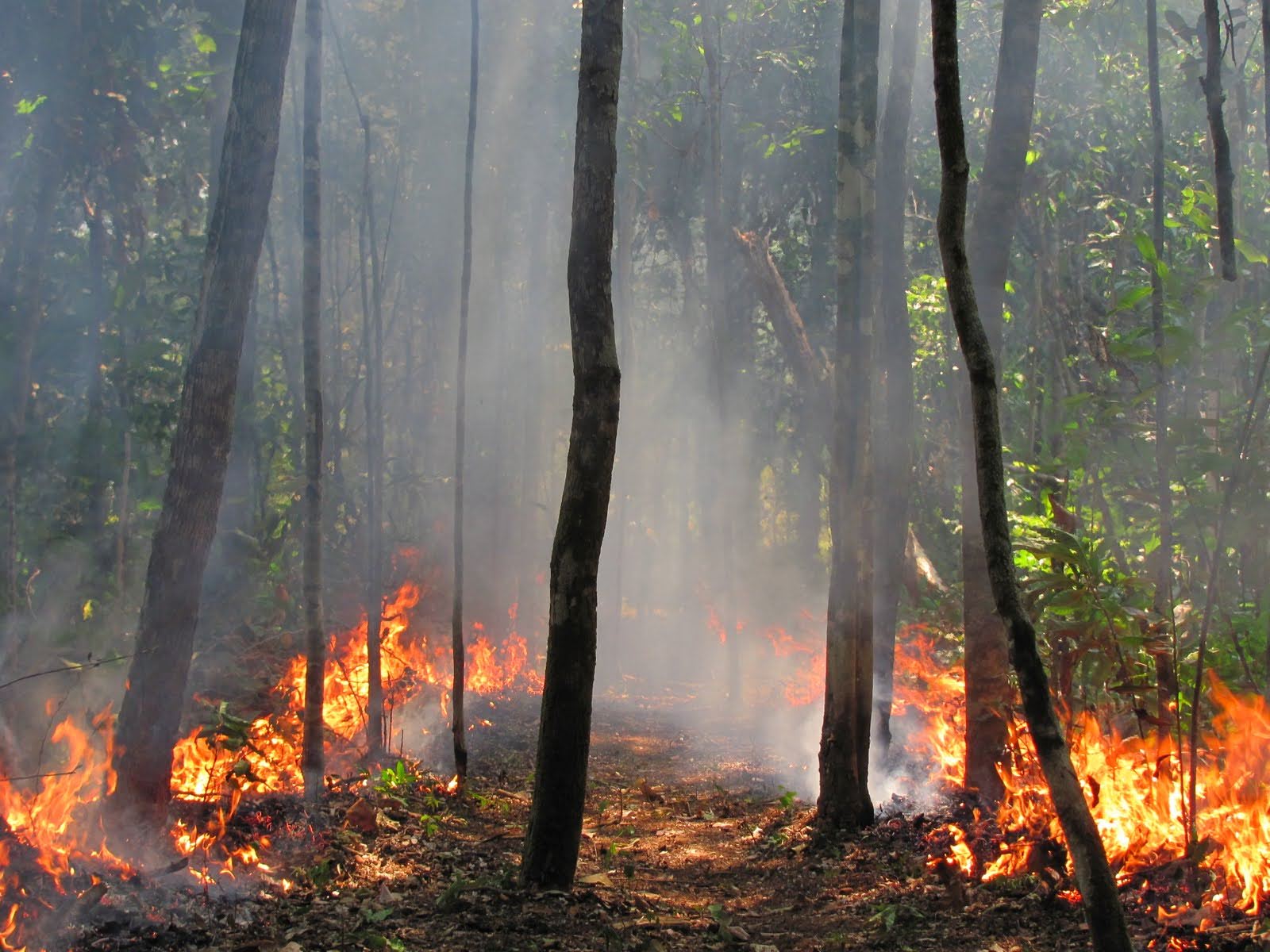
This opportunity has closed. For current PhD and postdoctoral opportunities in the Feldpausch group, see Research opportunities. A fully-funded PhD scholarship is available at the University of Exeter: Soil carbon...
Continue reading...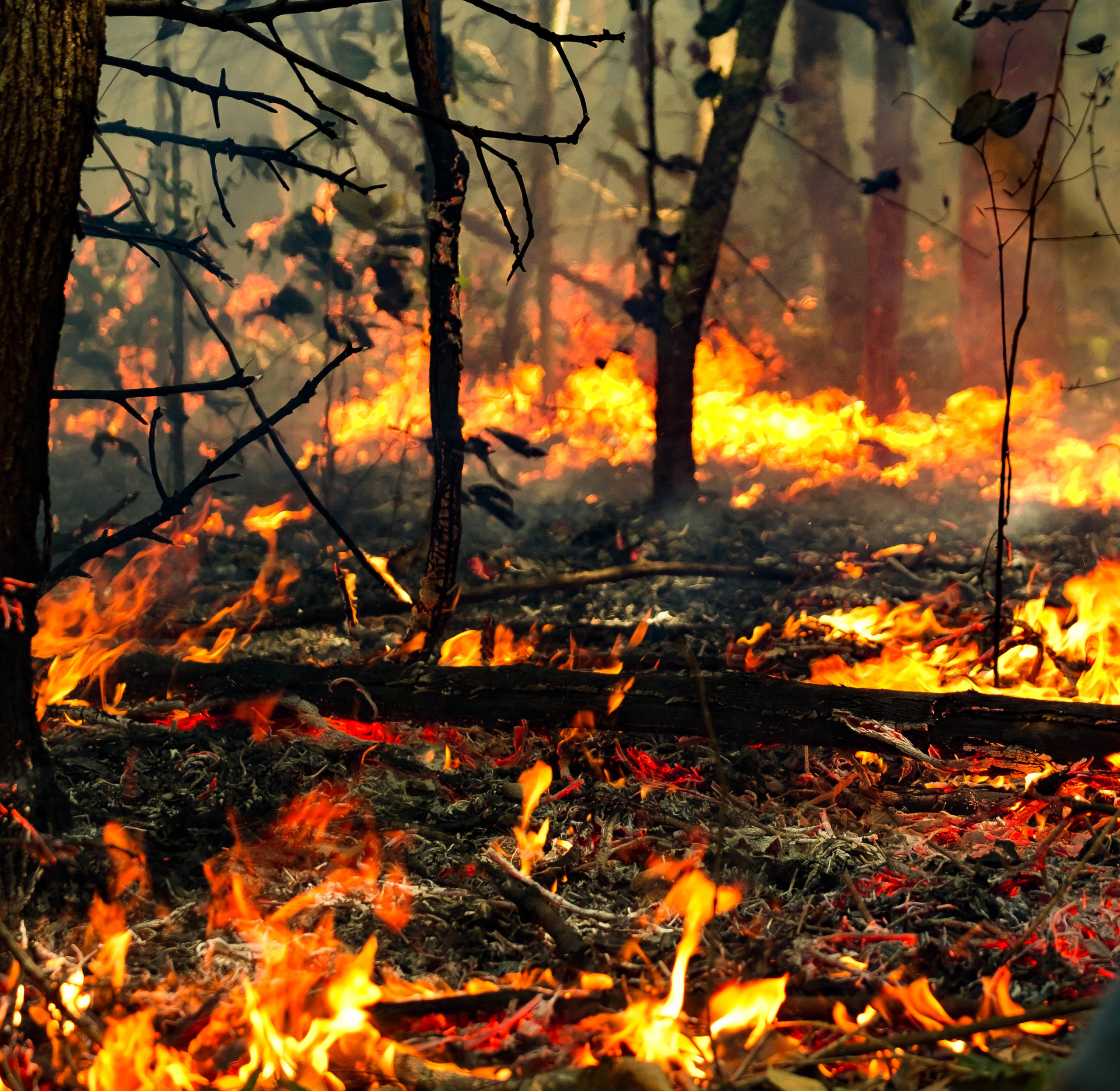
This opportunity has closed. For current PhD and postdoctoral opportunities in the Feldpausch group, see Research opportunities. A fully-funded PhD scholarship is available at the University of Exeter: Integrating sensing,...
Continue reading...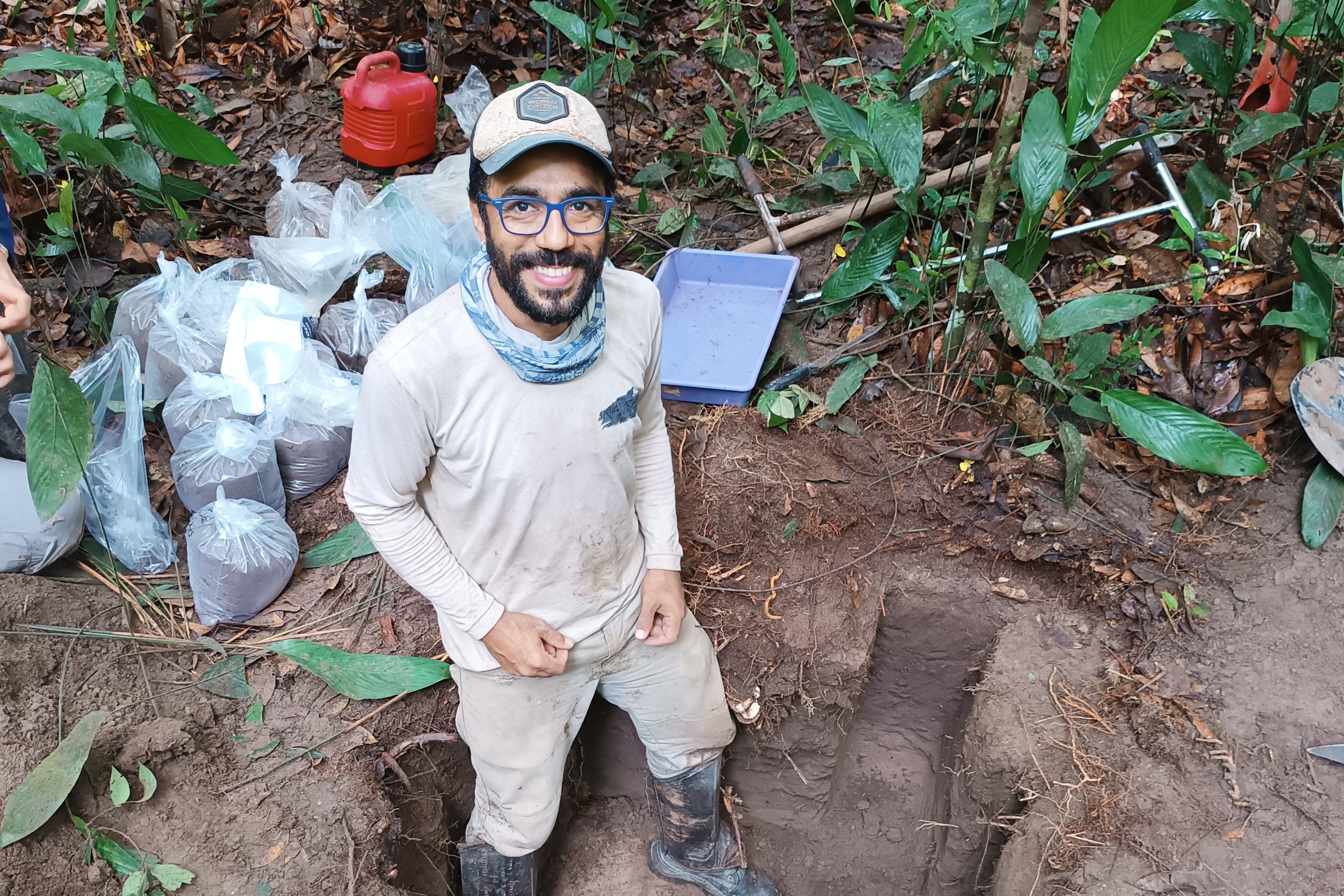
Amazonian rainforests play an important global role in maintaining biodiversity, regulating climate, generating rainfall, and storing carbon. Yet, despite their importance, these forests continue to face multiple forms of degradation.
Continue reading...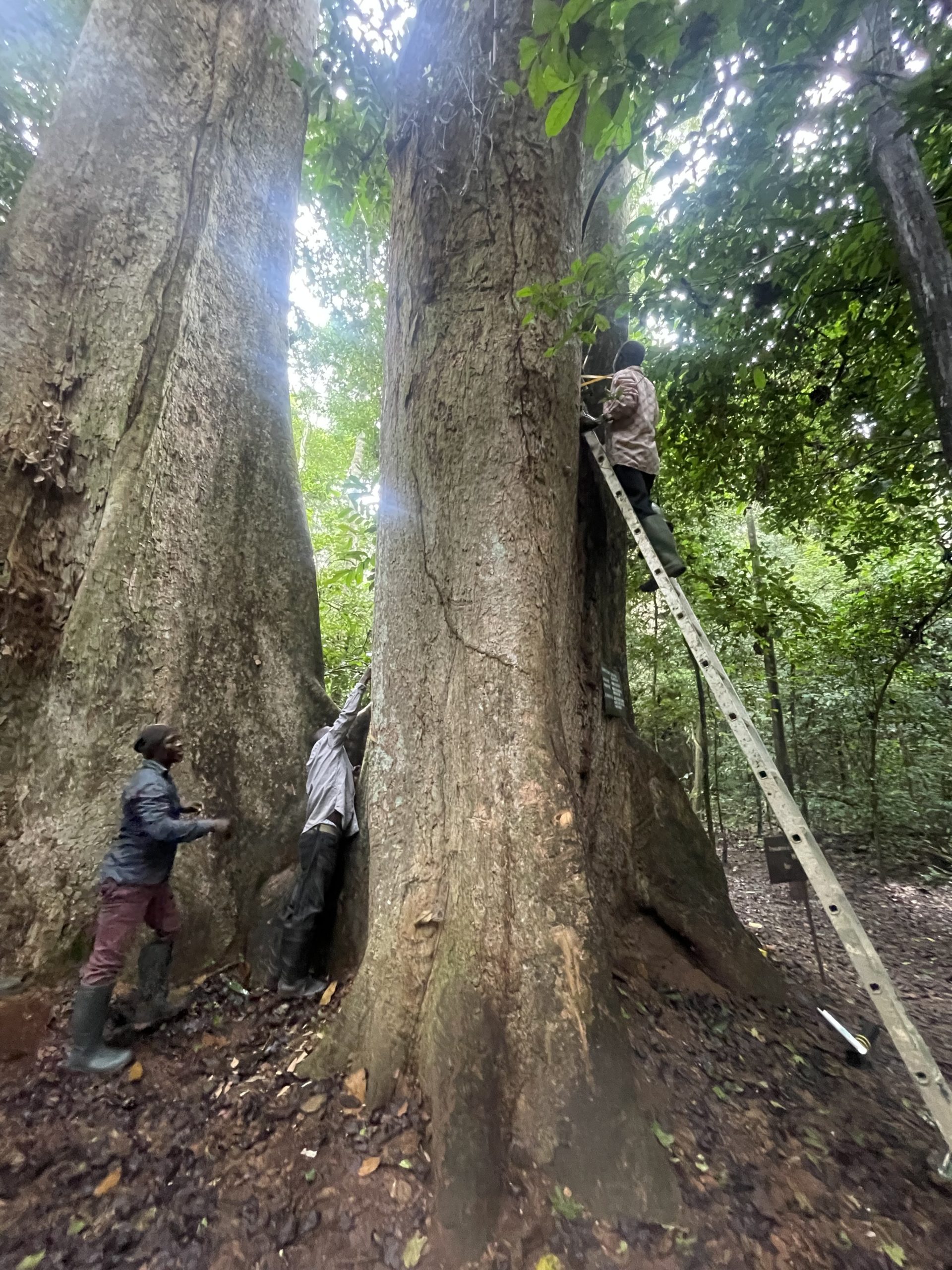
PhD student Gavyn Mewett has returned from a month of fieldwork in Ghana, where he surveyed lightning-struck trees across Bobiri Forest Reserve and Ankasa Game Reserve as part of the...
Continue reading...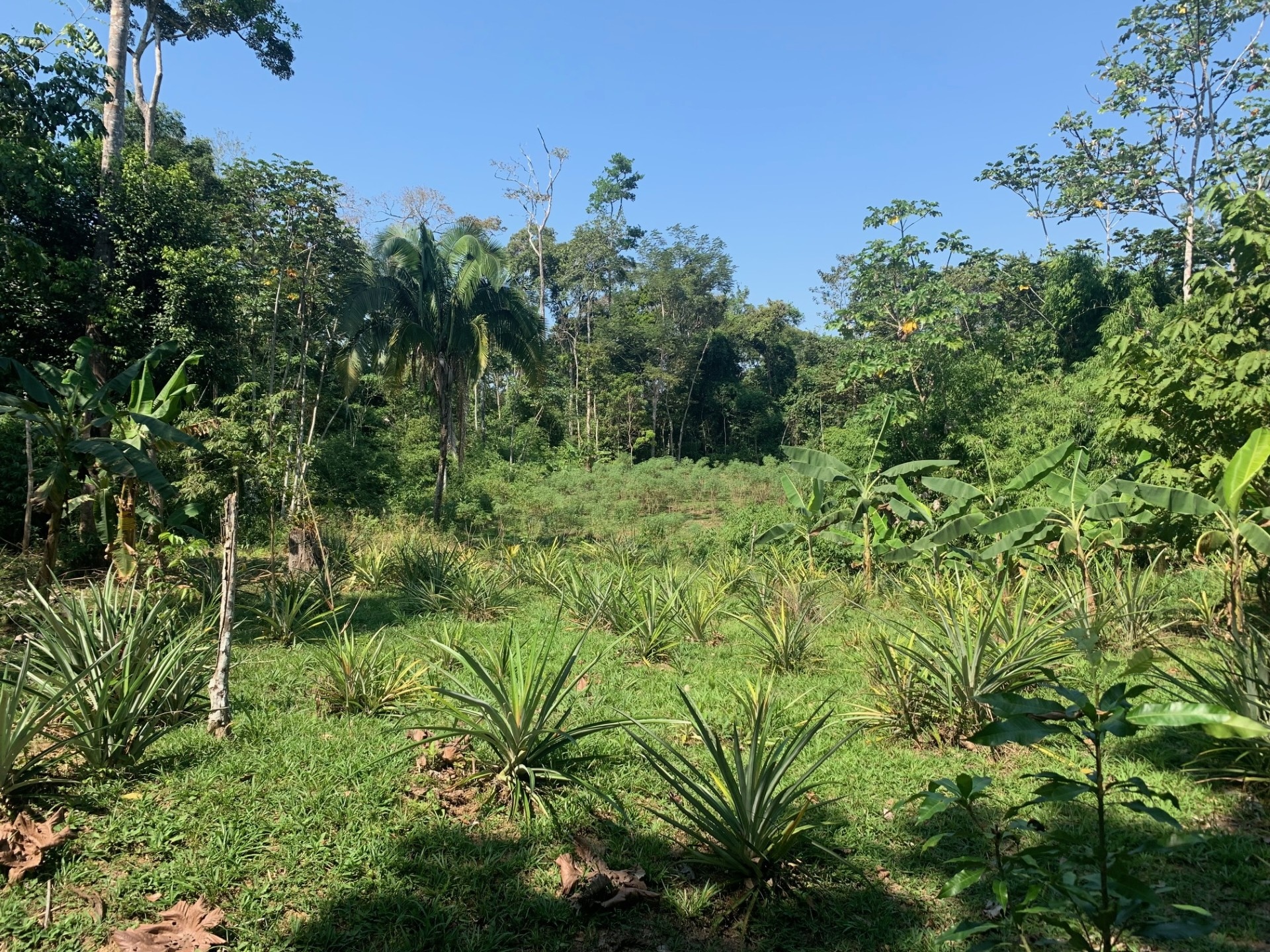
By Oscar Kennedy-Blundell | Postdoctoral Research Associate I am currently working as a postdoctoral research associate focusing on black carbon, or pyrogenic carbon (PyC), in the Amazon Basin. My primary...
Continue reading...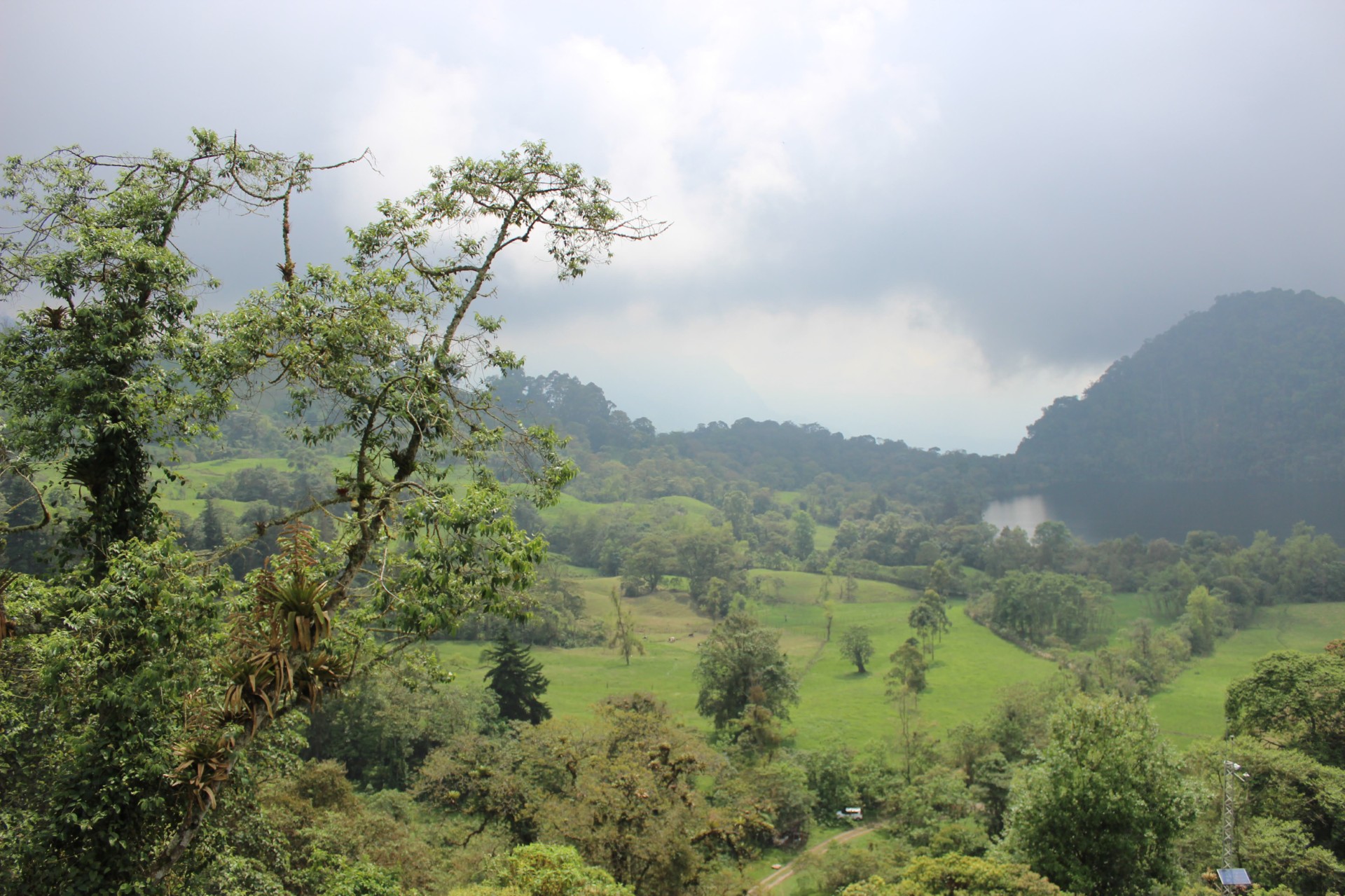
The soil in high-elevation, cooler, drier tropical forests in the Colombian Andes stores more carbon from fires than lower, warmer regions, new research shows.
Continue reading...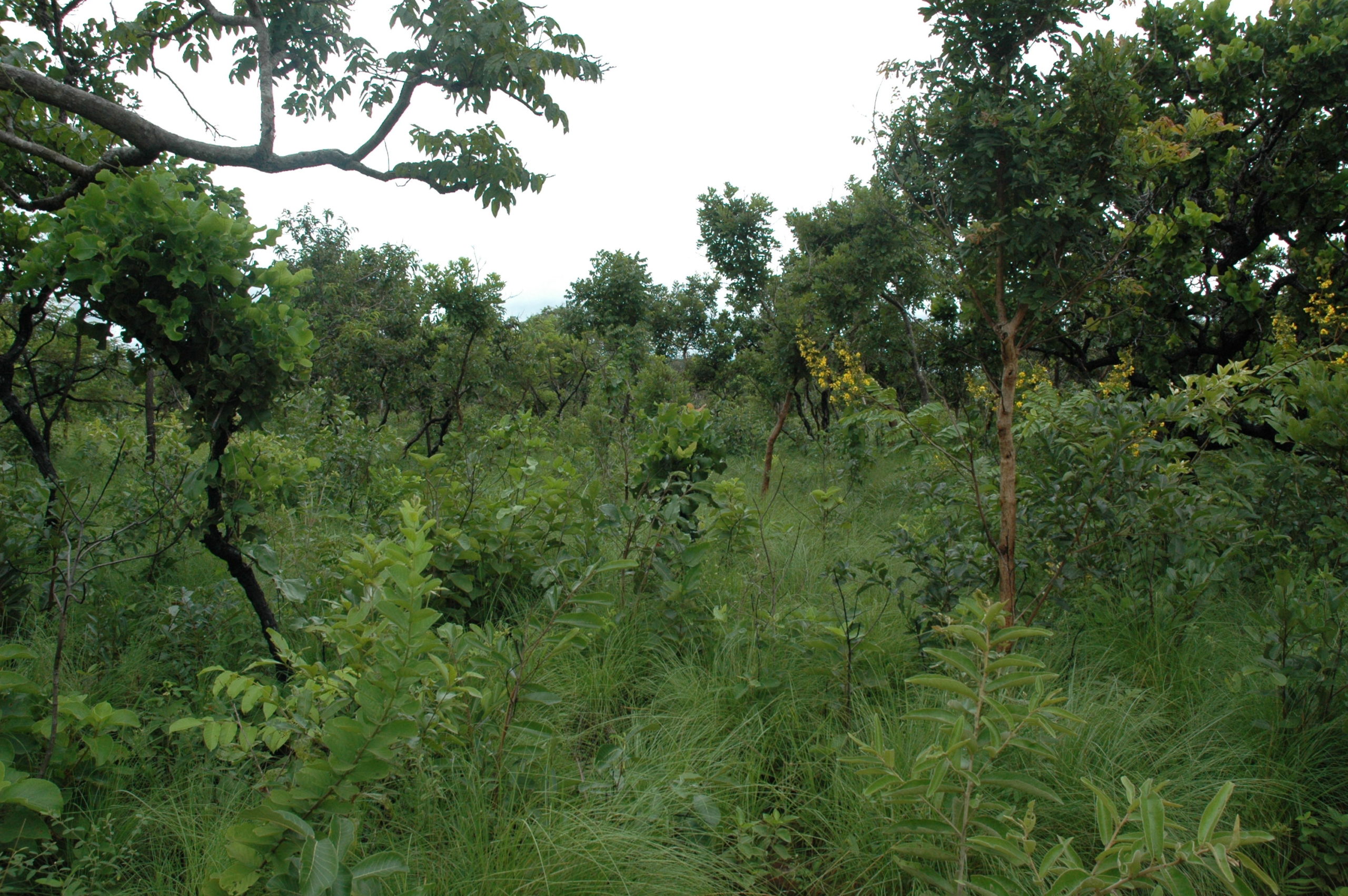
A new study published in Communications Biology (Nature Portfolio) found a surprising pattern in the world’s largest and most floristically tree diverse tropical savanna, the Cerrado. The research shows that...
Continue reading...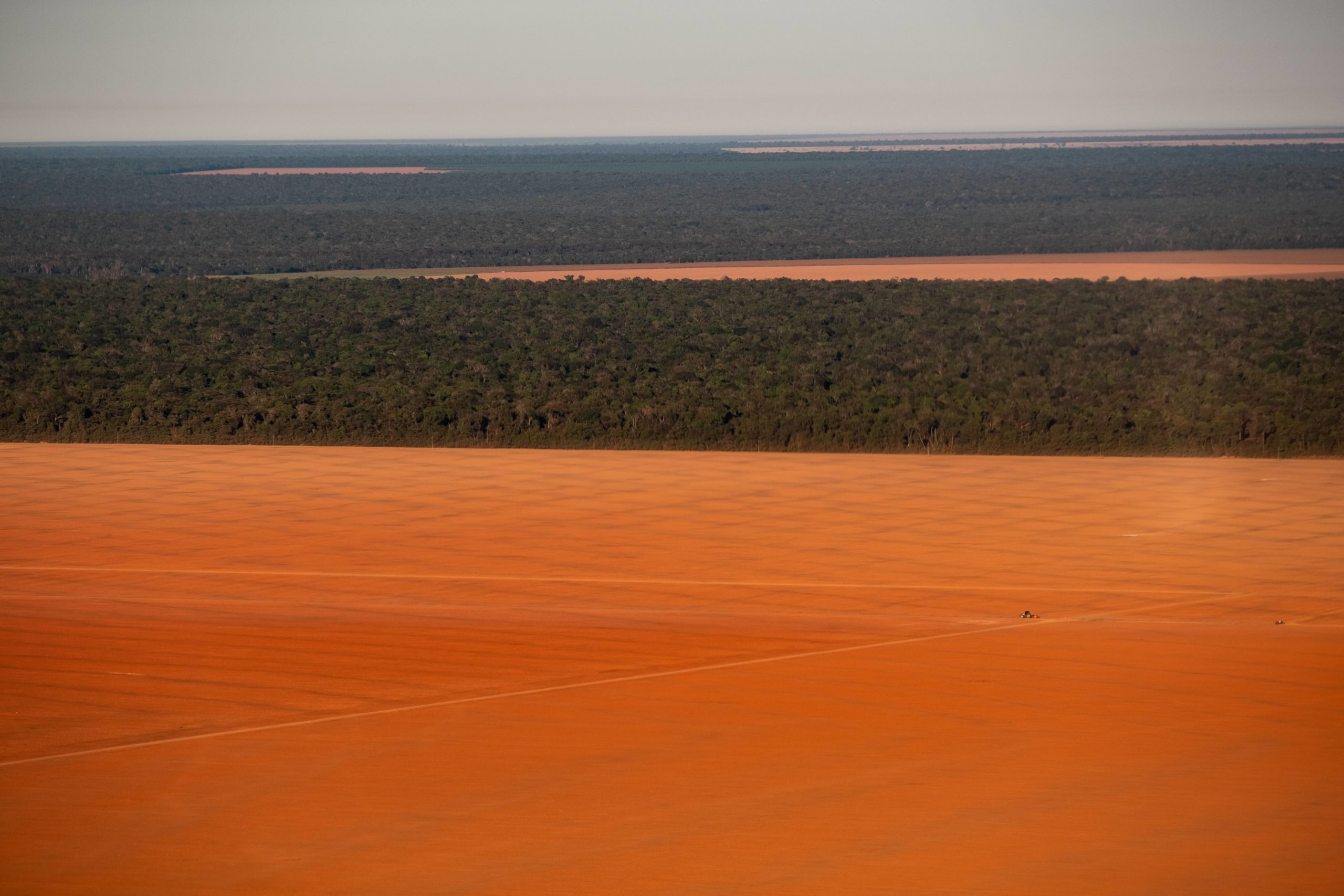
A new study shows the significant impact of recurring fires and agricultural conversion on soil carbon storage in the Amazon rainforest. The research, a collaboration between the University of Exeter...
Continue reading...
The Amazon rainforest, an important carbon sink, faces increasing threats from deforestation and wildfires. But what happens to the soil carbon after these disturbances? MSc student, Lorena Fleury, in the...
Continue reading...
Our new study published in the journal Science reveals a concerning trend, that tropical forests across the Americas are changing their composition and function too slowly to keep up with...
Continue reading...
We recently published a paper led by PhD student Maurivan Barros Pereira (State University of Mato Grosso (UNEMAT)), supervised by Prof. Ted Feldpausch and co-supervised by Drs Ben Hur Marimon...
Continue reading...
Funding is available for Brazilian students with the Feldpausch Research Group at the University of Exeter through the CAPES and CPNq Doctoral Programme for study abroad (PDSE). Options include a...
Continue reading...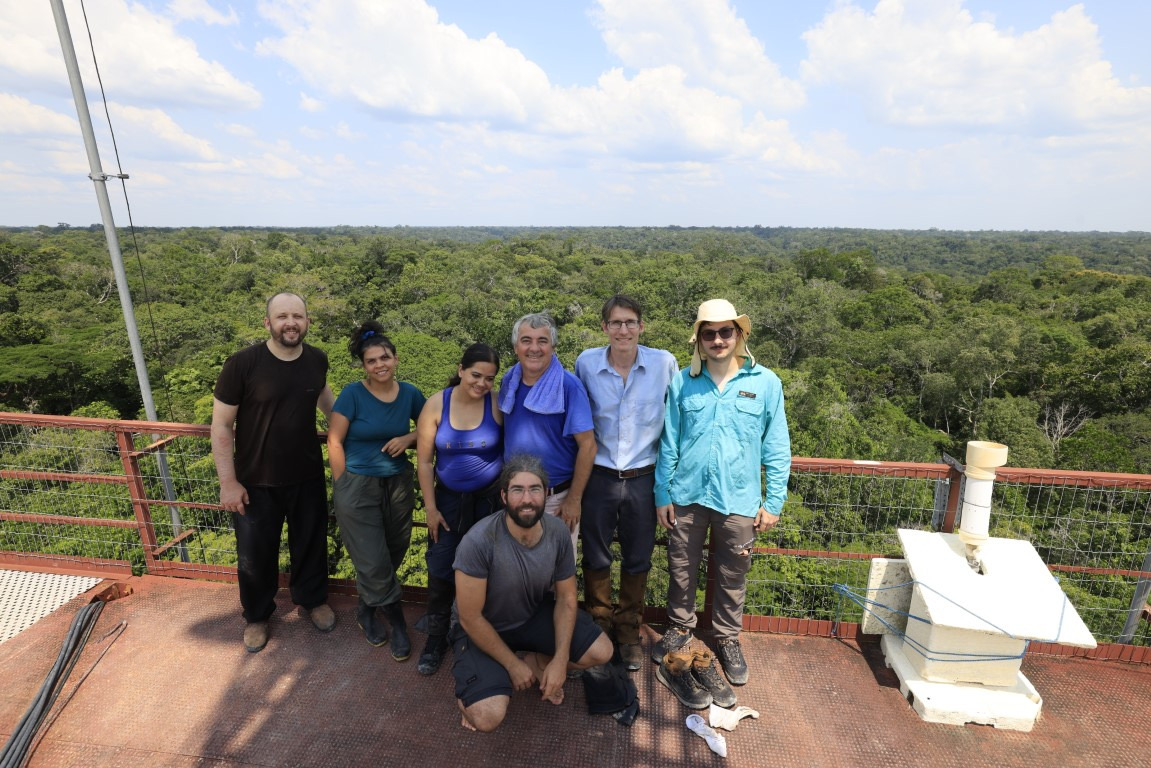
In November–December 2024, a seven-member Amazon PyroCarbon Project team established 22 soil plots across contrasting fire histories in the Manaus region, central Amazonia, advancing understanding of fire impacts on soil...
Continue reading...
Artwork developed by our Amazon Past Fire and Amazon PyroCarbon Projects, funded by UK NERC and ODA grants, was shown at a new artwork exhibit to highlight deforestation and wildfire....
Continue reading...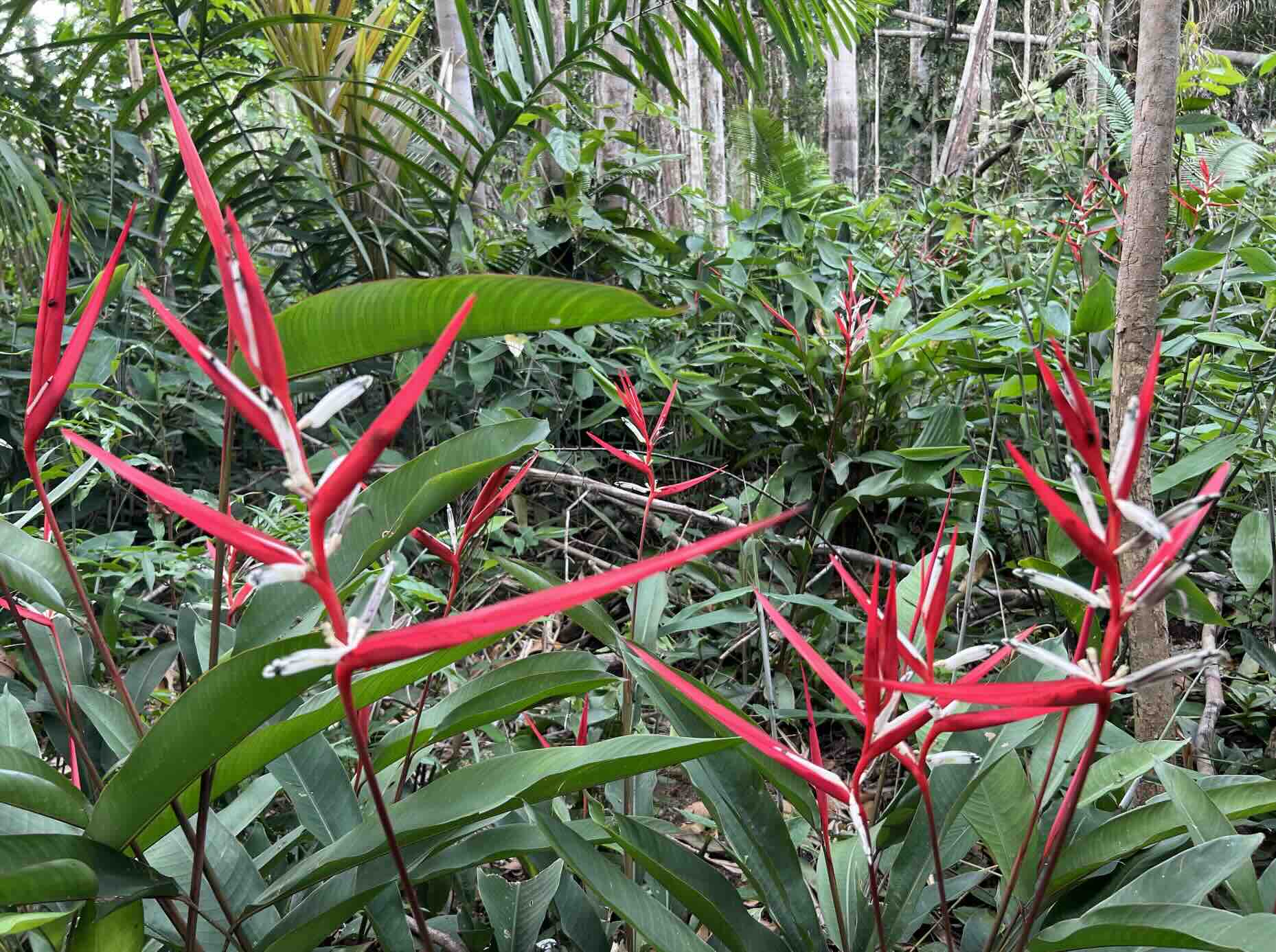
It is with great sadness that we share the loss of Luciana Pereira, a talented Geography PhD student at the University of Exeter, whose research focused on the effects of...
Continue reading...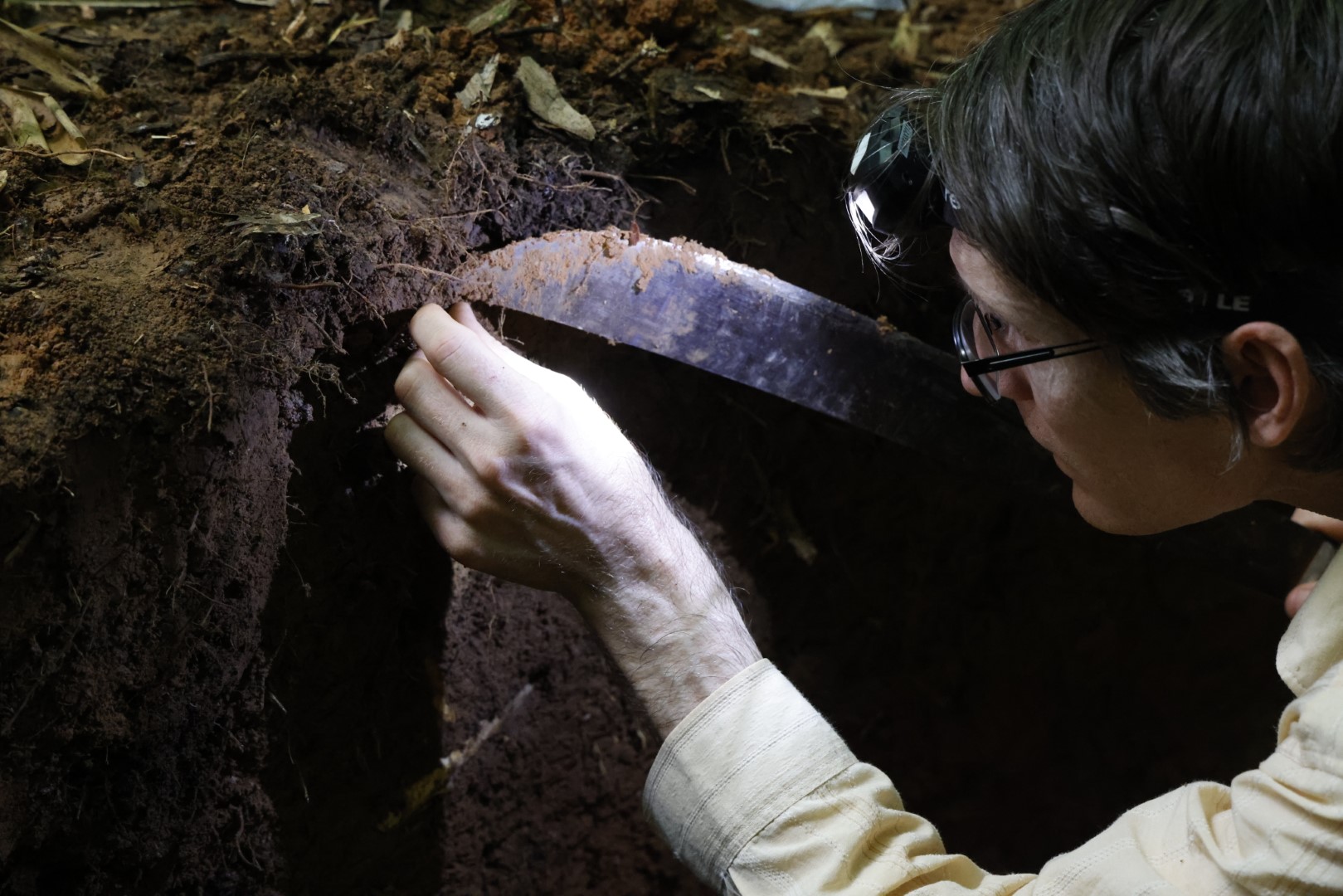
Between 19 and 30 April 2024, the Amazon PyroCarbon Project team travelled to Acre, Brazil, to revisit permanent burned-forest plots, collect soils and charcoal for ancient fire dating, and install...
Continue reading...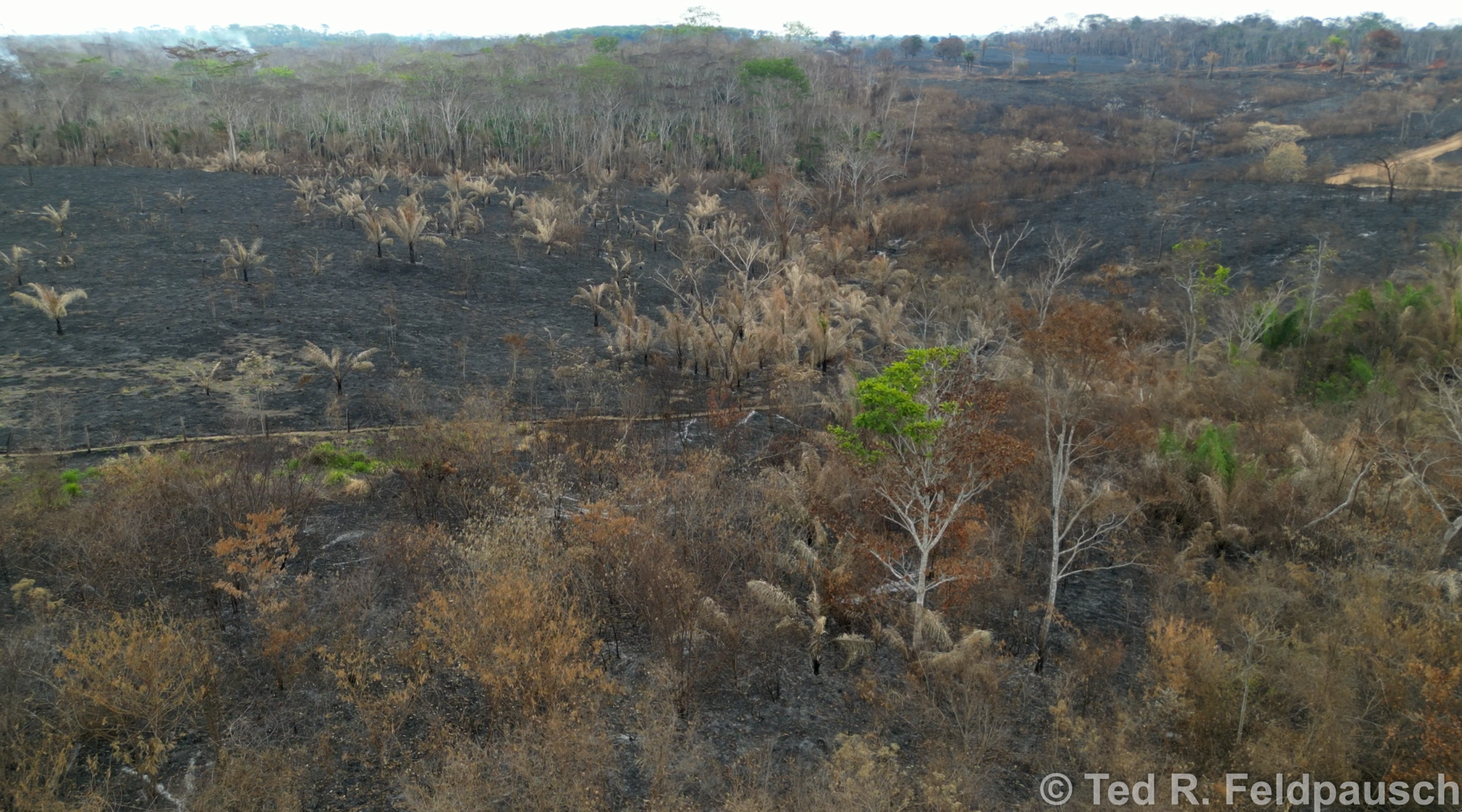
This opportunity has closed. For current PhD and postdoctoral opportunities in the Feldpausch group, see Opportunities. FAPESP Opportunity Postdoctoral Opportunity to Quantifying Soil Organic Carbon Responses to Landscape-Scale Fire in...
Continue reading...
This opportunity has closed. For current PhD and postdoctoral opportunities in the Feldpausch group, see Opportunities. We are recruiting for a Postdoctoral Research Associate to model soil carbon and fire...
Continue reading...
Tropical forests in South America lose their ability to absorb carbon from the atmosphere when conditions become exceptionally hot and dry, according to new research. For a long time, tropical forests...
Continue reading...
Prof Ted Feldpausch and Prof Jose Iriarte developed a new display with the Eden Project to communicate to the public research findings about historical land-use and fire use by pre-Columbian...
Continue reading...
Expert talk – ‘The history of people and fire in the Amazon rainforest’ Where: The Core Film Room (1st floor), The Eden Project, Cornwall, UK When: 2pm, 11-Sept-2023 People have been living in the Amazon rainforest for...
Continue reading...
Phytolith analysis is a well-established archaeobotanical tool, having provided important insights into pre-Columbian crop cultivation and domestication across Amazonia through the Holocene. Yet, its use as a palaeoecological tool is...
Continue reading...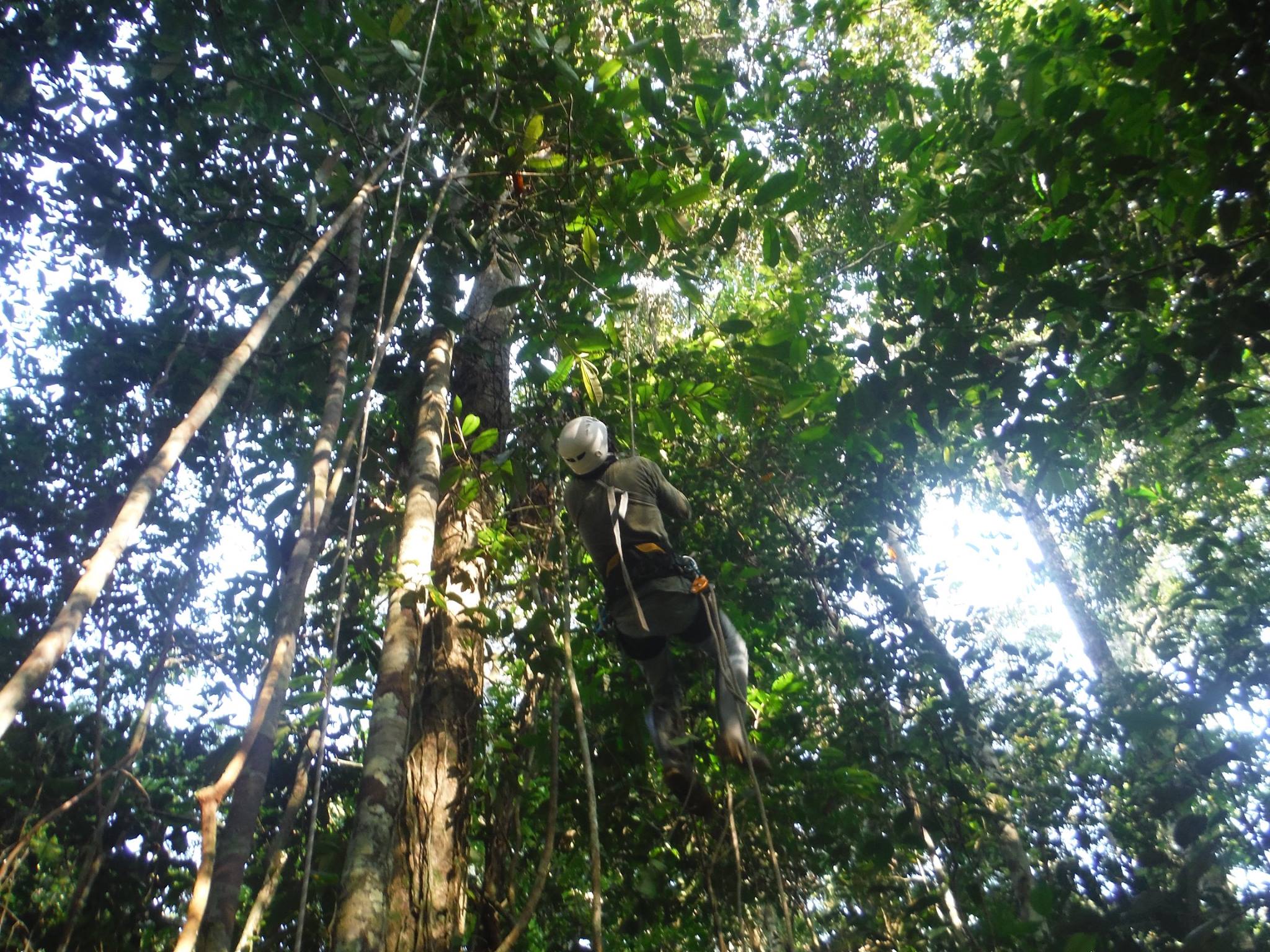
In a major collaboration involving 80 scientists from Europe and South America, our research identified the regions of the Amazon rainforest where trees are most likely to face the greatest...
Continue reading...
As part of the NERC-funded Amazon Past Fire project, we coordinated a training session with university students in the secondary education teaching programme at the Federal Universidade de Acre, Brazil,...
Continue reading...
This opportunity has closed. For current PhD and postdoctoral opportunities in the Feldpausch group, see Opportunities. There is a post-doctoral opportunity at INPE to study forest degradation, fire, and soil...
Continue reading...
A project in partnership between the University of Exeter and UFAC-Brazil held the 2nd Workshop: Exchange of Knowledge and Teaching on Burning in the Amazon, taught by biologist Yara Araújo...
Continue reading...
The Municipal Secretary of Education of Confresa offered the event “I Workshop Exchange of Knowledge and Teaching on Burning in the Amazon”, which took place on February 22, 23 and...
Continue reading...
In our recent paper, “Ancient fires enhance Amazon forest drought resistance” published in Frontiers in Forests and Global Change, we studied if ancient fires can alter the response of Amazonian...
Continue reading...
Researchers at the University of Exeter describe some of the globally important research that they lead on tropical forests and peatlands.
Continue reading...
Congratulations to all of the students graduating from the University of Exeter this week. Those completing included a PhD student I supervised, Dr Laura Vedovato, with her PhD on “From...
Continue reading...
This opportunity has closed. For current PhD and postdoctoral opportunities in the Feldpausch group, see Opportunities. This project is one of a number that are in competition for funding from...
Continue reading...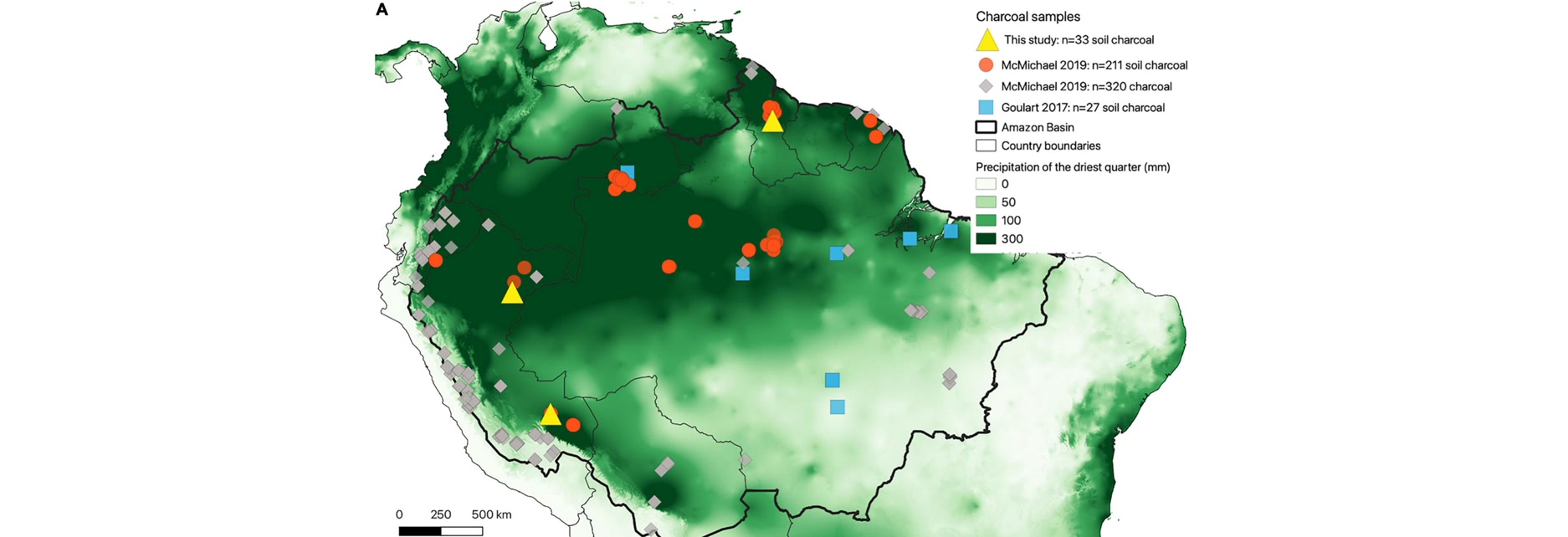
In our recent paper, “Forest Fire History in Amazonia Inferred From Intensive Soil Charcoal Sampling and Radiocarbon Dating” published in Frontiers in Forests and Global Change, we examined the history...
Continue reading...
A two-day hybrid workshop (both online and in-person) was held on 25th and 26th November 2021 that included 20 participants from different institutions in the United Kingdom, Australia, Colombia, Spain, and Brazil.
Continue reading...
The four-day workshop “Science and Practices of Fire in Amazonia: past, present and future”, organized by the University of Exeter, with Brazilian institutions (Cemaden, INPE and UNEMAT), was held between...
Continue reading...
This workshop took place on 8–11 November 2021. Read the report: Nearly 300 people join online workshop on fire in Amazonia. The Workshop held by the University of Exeter, National...
Continue reading...
This video and paper highlight the work we are doing through ForestPlots.net to take the pulse of Earth’s tropical forests. Research and activities through Forestplots.net for the past decade and...
Continue reading...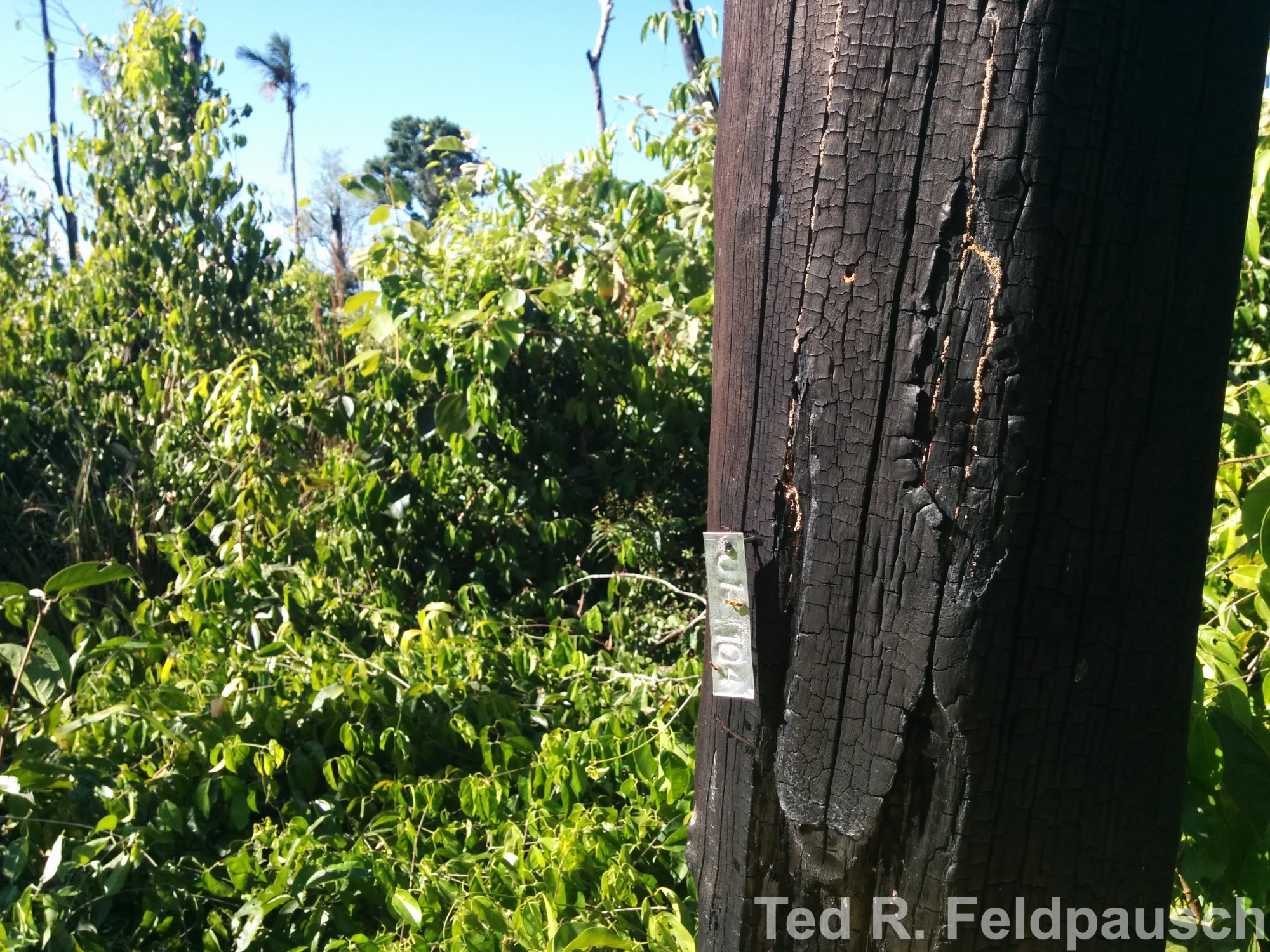
Research at the University of Exeter examines how measurements of charcoal reflectance can be used to understand fire regimes and carbon dynamics in tropical forests in South America.
Continue reading...
A new study by Pontes-Lopes et al. 2021 examining the impacts of the record-breaking drought and fires caused by the 2015/2016 El Niño has found that even the wet forests of...
Continue reading...
This opportunity has closed. For current PhD and postdoctoral opportunities in the Feldpausch group, see Opportunities. The public selection process is now open for assessing and selecting candidates for admission...
Continue reading...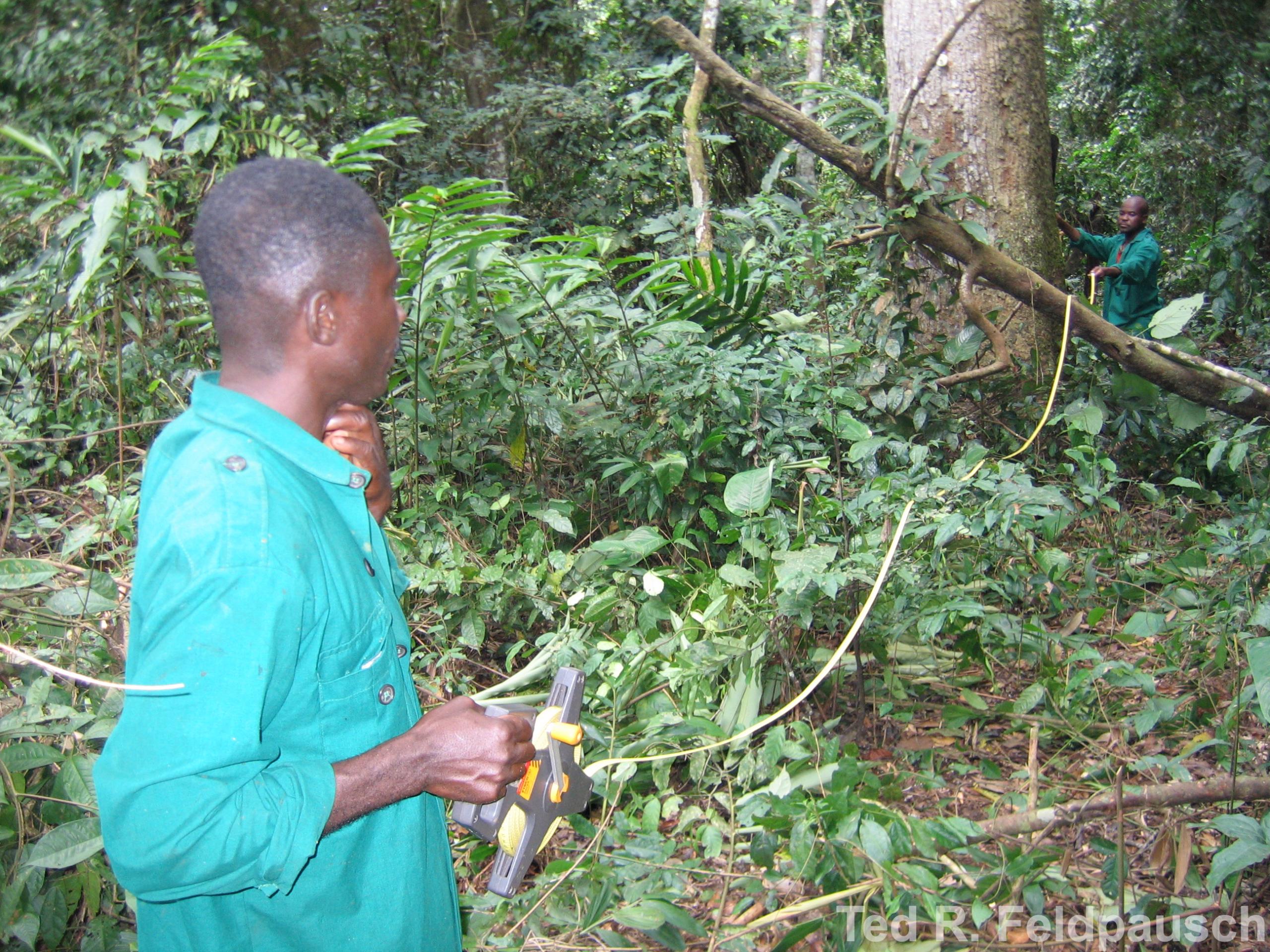
In our recent work studying the impact of record heat and drought on intact African tropical rainforests there was surprising resilience to the extreme conditions during the last major 2015/2016...
Continue reading...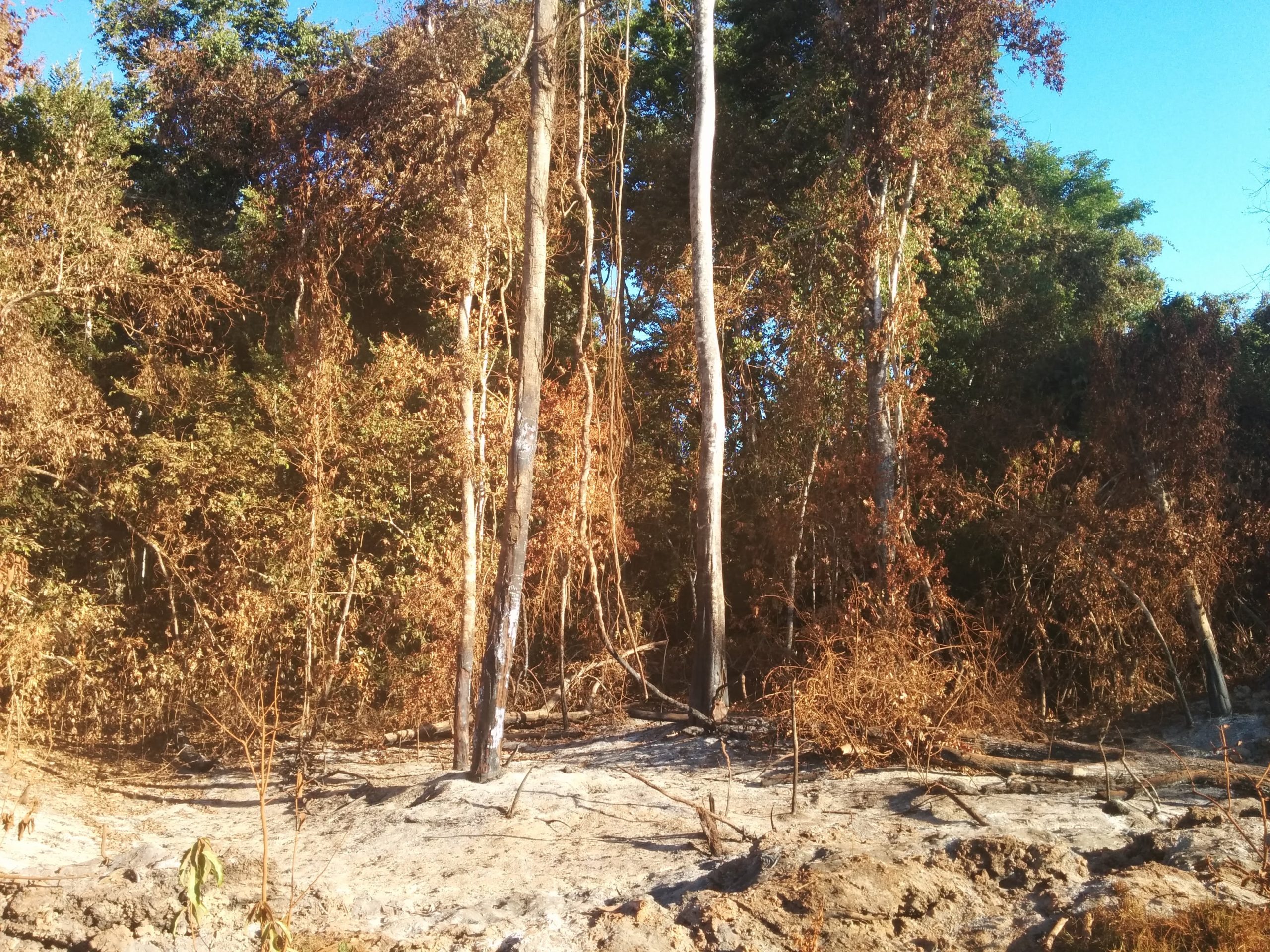
This opportunity has closed. For current PhD and postdoctoral opportunities in the Feldpausch group, see Research opportunities. Two complementary PhD studentships have been funded thanks to donations from long-term University...
Continue reading...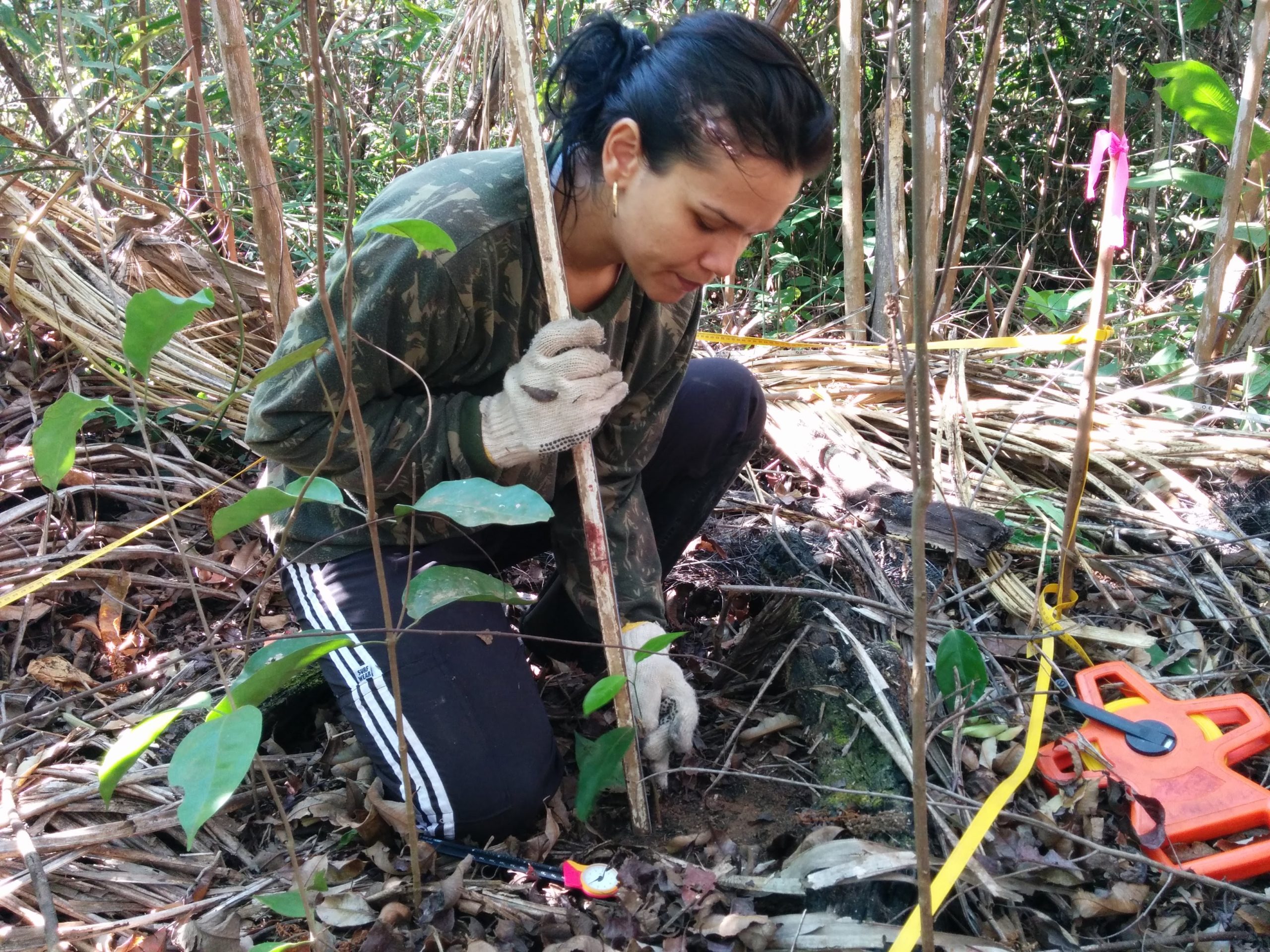
Fire is an important cause of disturbance in terrestrial ecosystems and can has a major impact on biodiversity. We evaluated the effect of fire regime on species richness and tree...
Continue reading...
A huge new study has unravelled what factors control tree mortality rates in Amazon forests and helps to explain why tree mortality is increasing across the Amazon basin. The capacity...
Continue reading...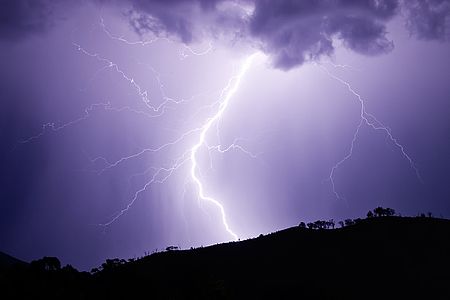
This opportunity has closed. For current PhD and postdoctoral opportunities in the Feldpausch group, see Opportunities. We are seeking qualified and motivated candidates to pursue a PhD studying how lighting...
Continue reading...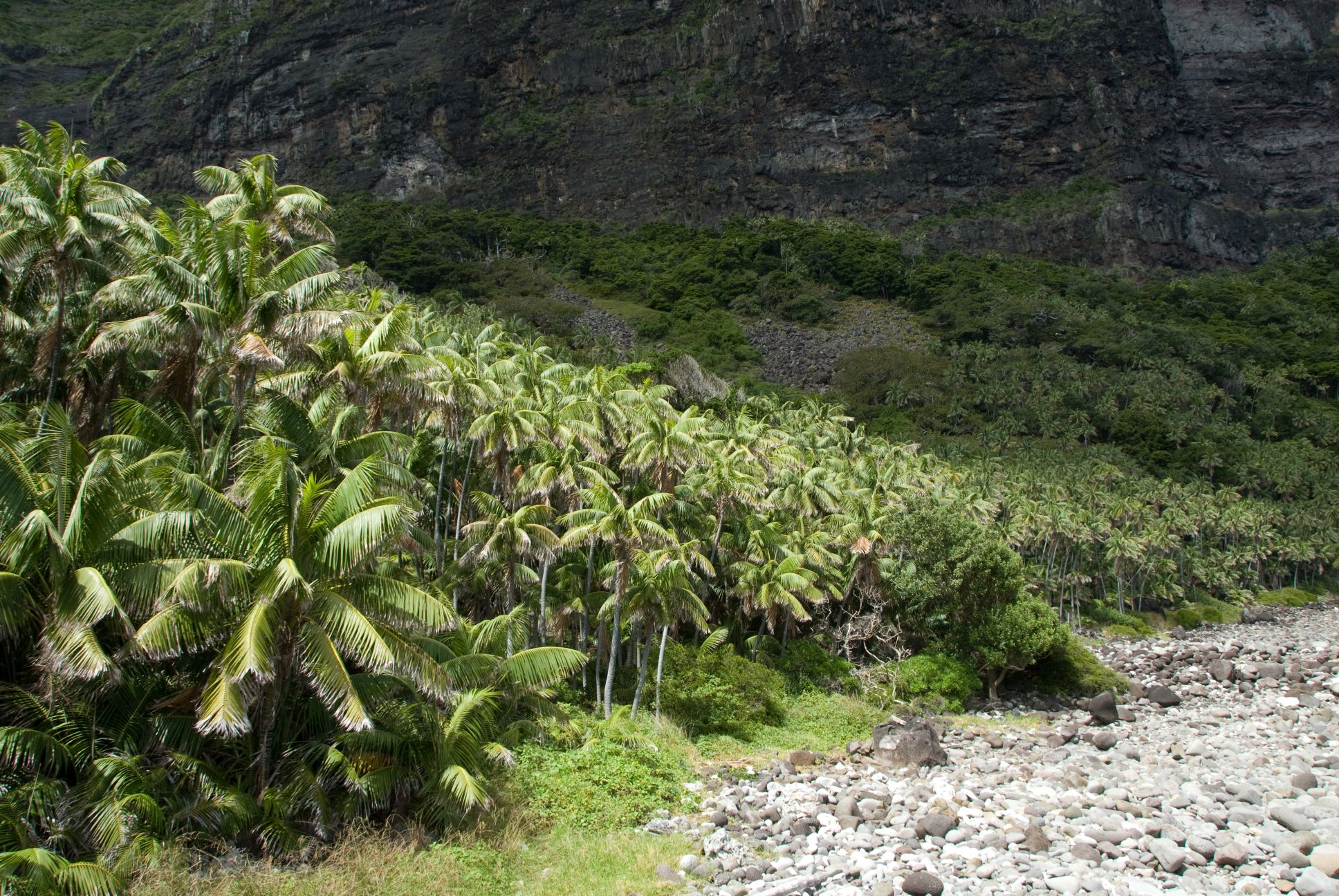
A major study in forests across the tropics is the first global assessment of palm tree numbers to better understand forest composition, diversity, and to reduce uncertainty about the role...
Continue reading...
Innovation by ancient farmers to improve soil fertility continue to have an impact on the biodiversity of the Amazon, a major new study shows.
Continue reading...
Tropical forests face an uncertain future under climate change, but new research published in Science suggests they can continue to store large amounts of carbon in a warmer world if...
Continue reading...
Competition among trees is an important driver of community structure and dynamics in tropical forests. Neighboring trees may impact an individual tree’s growth rate and probability of mortality, but large-scale...
Continue reading...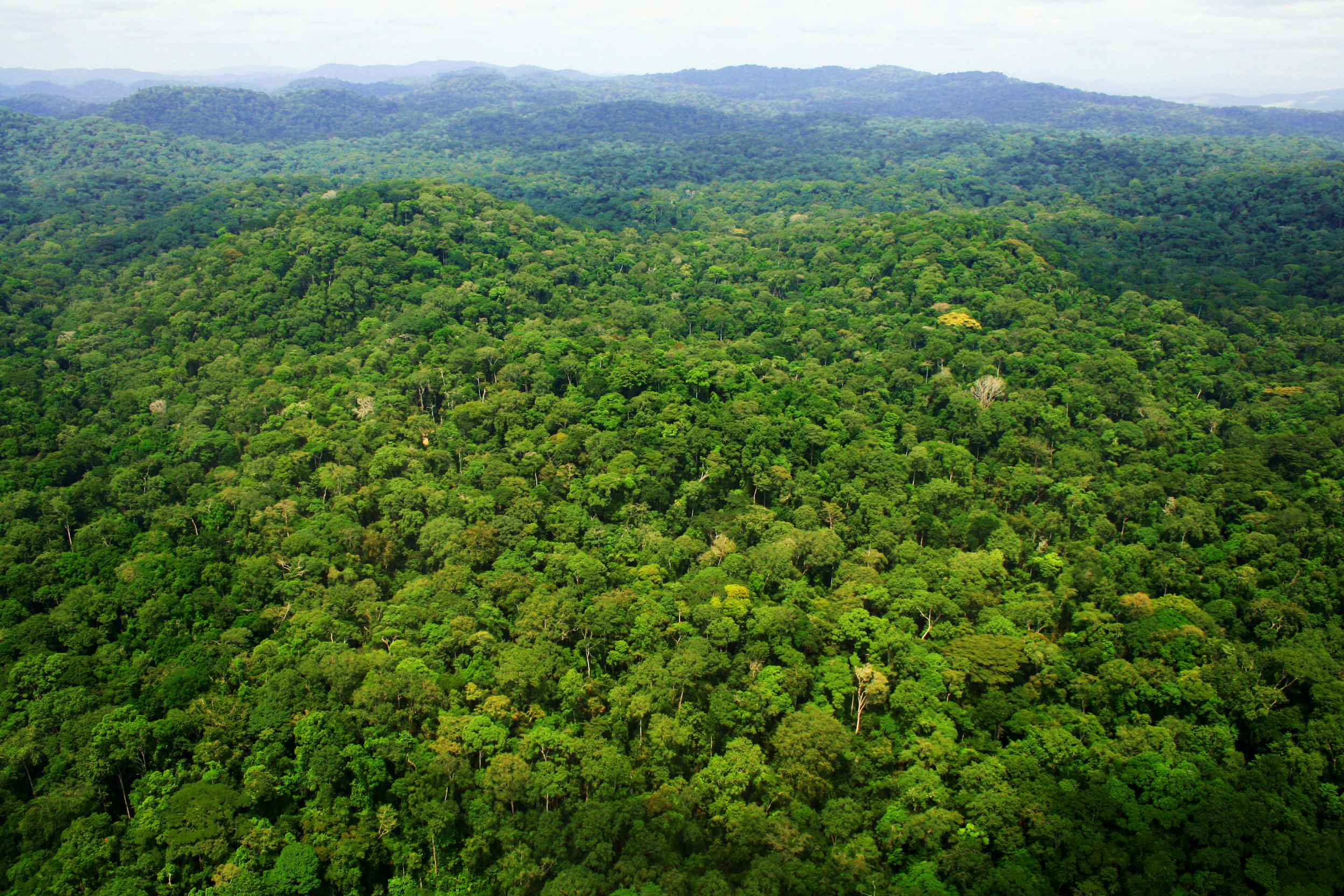
The ability of the world’s tropical forests to remove carbon from the atmosphere is decreasing, according to a study tracking 300,000 trees over 30 years, published today in Nature.
Continue reading...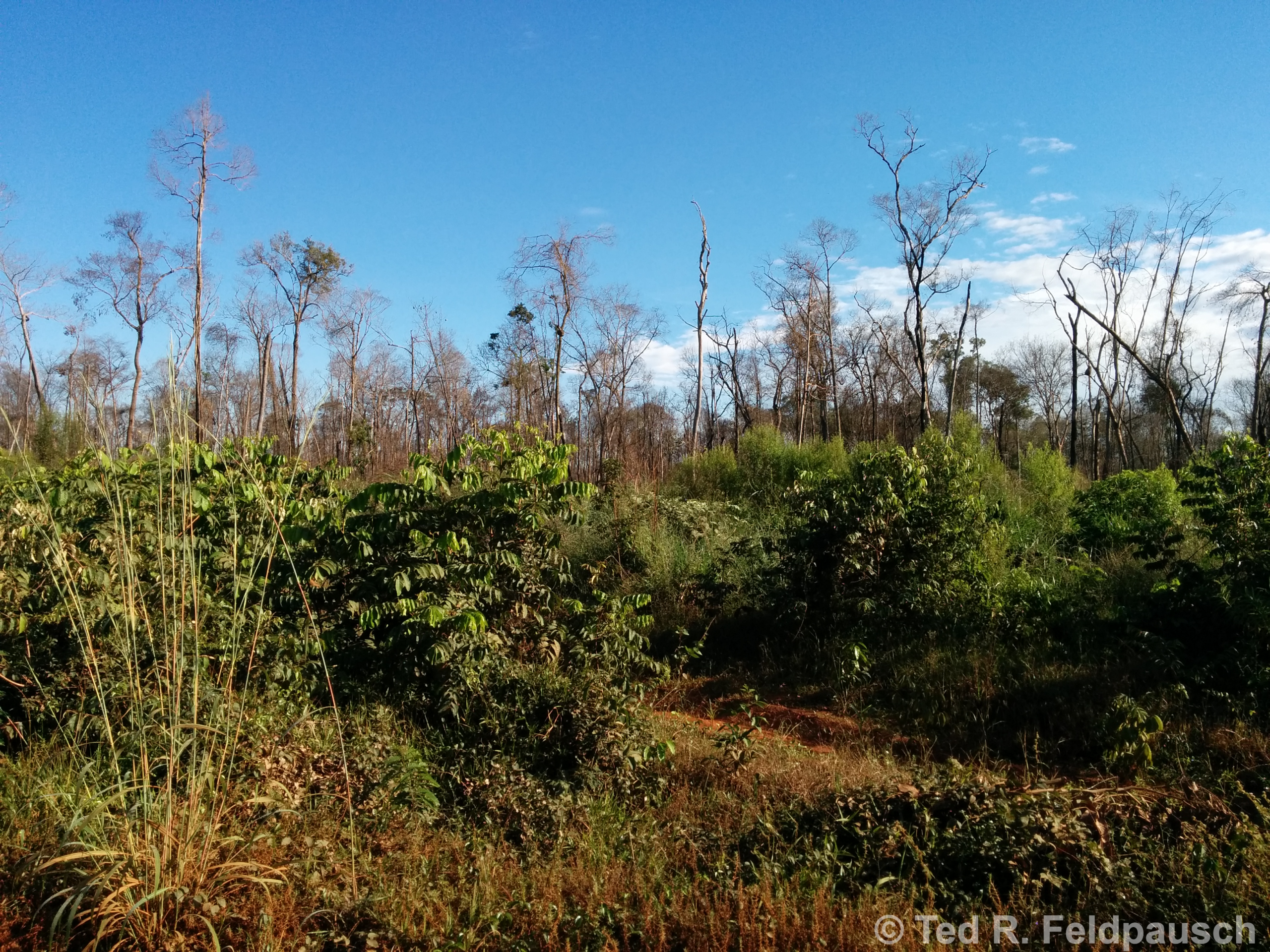
There has been a large increase in deforestation and wildfire in Amazonia over recent years. Fire in tropical forests increases tree mortality, degrades forest structure, and reduces carbon stocks (Figure...
Continue reading...
New research in Geography at the University of Exeter is developing a charcoal reflectance methodology into a novel metric with which to assess fire severity and the amount of energy...
Continue reading...
Fire is an important disturbance factor on the land surface, and effects carbon, nitrogen and water cycles, and it is therefore important to be able to represent this process in...
Continue reading...
This opportunity has closed. This studentship was re-advertised in 2020: see the 2020 advert. For current opportunities in the Feldpausch group, see Opportunities.
Continue reading...
This opportunity has closed. For current PhD and postdoctoral opportunities in the Feldpausch group, see Opportunities. We are seeking qualified and motivated candidates to pursue a PhD in forest degradation...
Continue reading...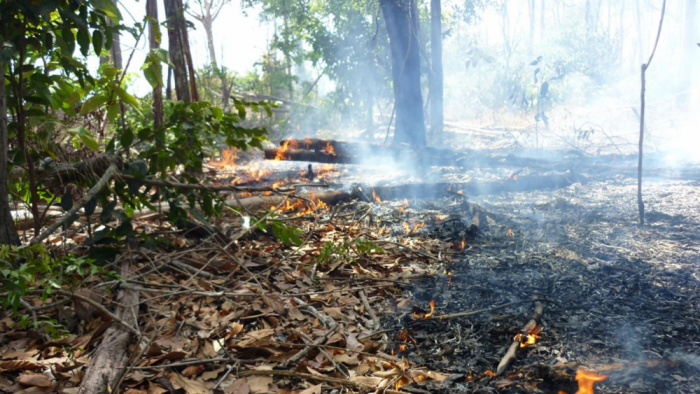
Our recent research highlights the negative effects of fire on the forest carbon sink in seasonally flooded forests in southern Amazonia, an area rich in diversity at the forest-savanna transition, including...
Continue reading...
Previous research (Feldpausch et al. 2007) by my group showed the variation in rates of carbon uptake by regrowing secondary forests. Our new research published this month refines IPCC default rates...
Continue reading...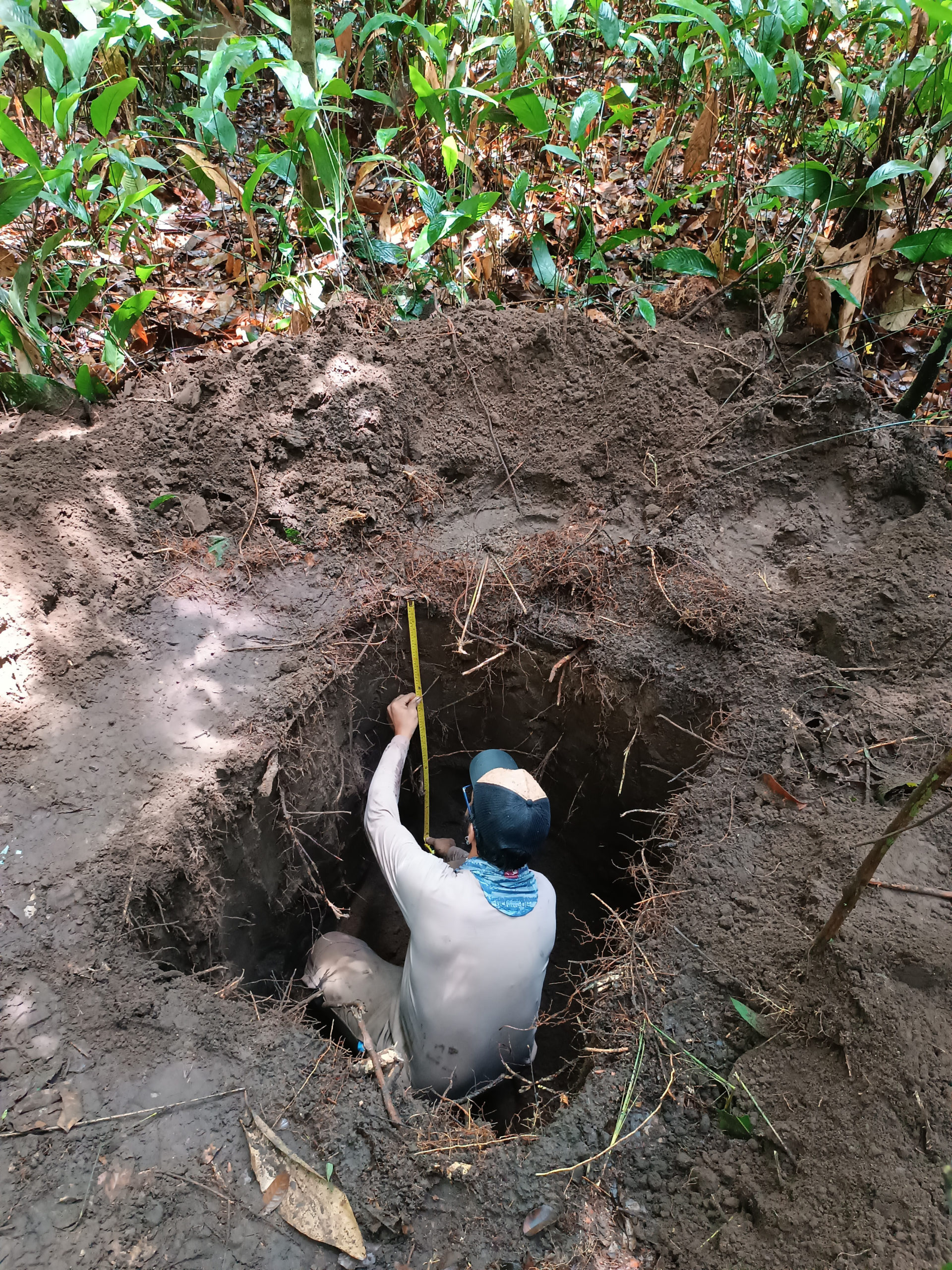
Charcoal-derived carbon makes up a tenth of the soil carbon under Amazon forests with no known fire history, and half of it lies deeper than most soil surveys ever sample.
Continue reading...
Visitors to the Eden Project can now trek across an aerial rope bridge, shelter from tropical rain and travel through clouds thanks to the opening of a thrilling new rainforest...
Continue reading...
A recent drought completely shut down the Amazon Basin’s carbon sink, by killing trees and slowing their growth, a ground-breaking study led by researchers at the Universities of Exeter and...
Continue reading...
For the first time, an international research team, including Dr Ted Feldpausch, a tropical forest ecologist from the University of Exeter, has provided direct evidence of the rate at which...
Continue reading...