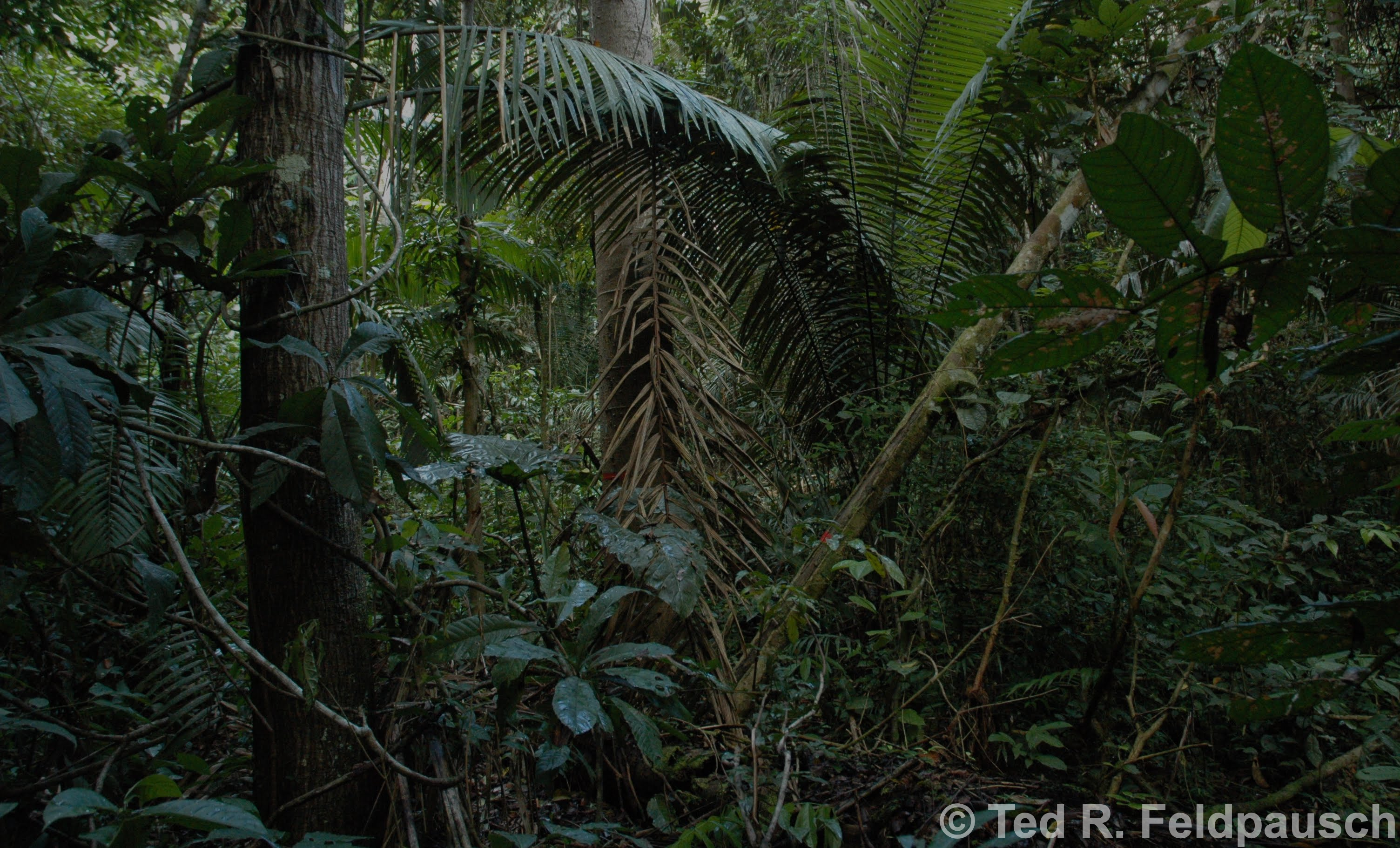
We study how fire, deforestation, drought, logging, and climate change shape tropical forests and savannas across Amazonia and Africa — from individual trees to entire biomes. Our research combines long-term forest plots, remote sensing, and ecosystem modelling to understand carbon stocks, nutrient cycling, and biodiversity resilience in the face of accelerating environmental change.
Professor Ted Feldpausch · Professor of Terrestrial Ecology and Global Change · University of Exeter
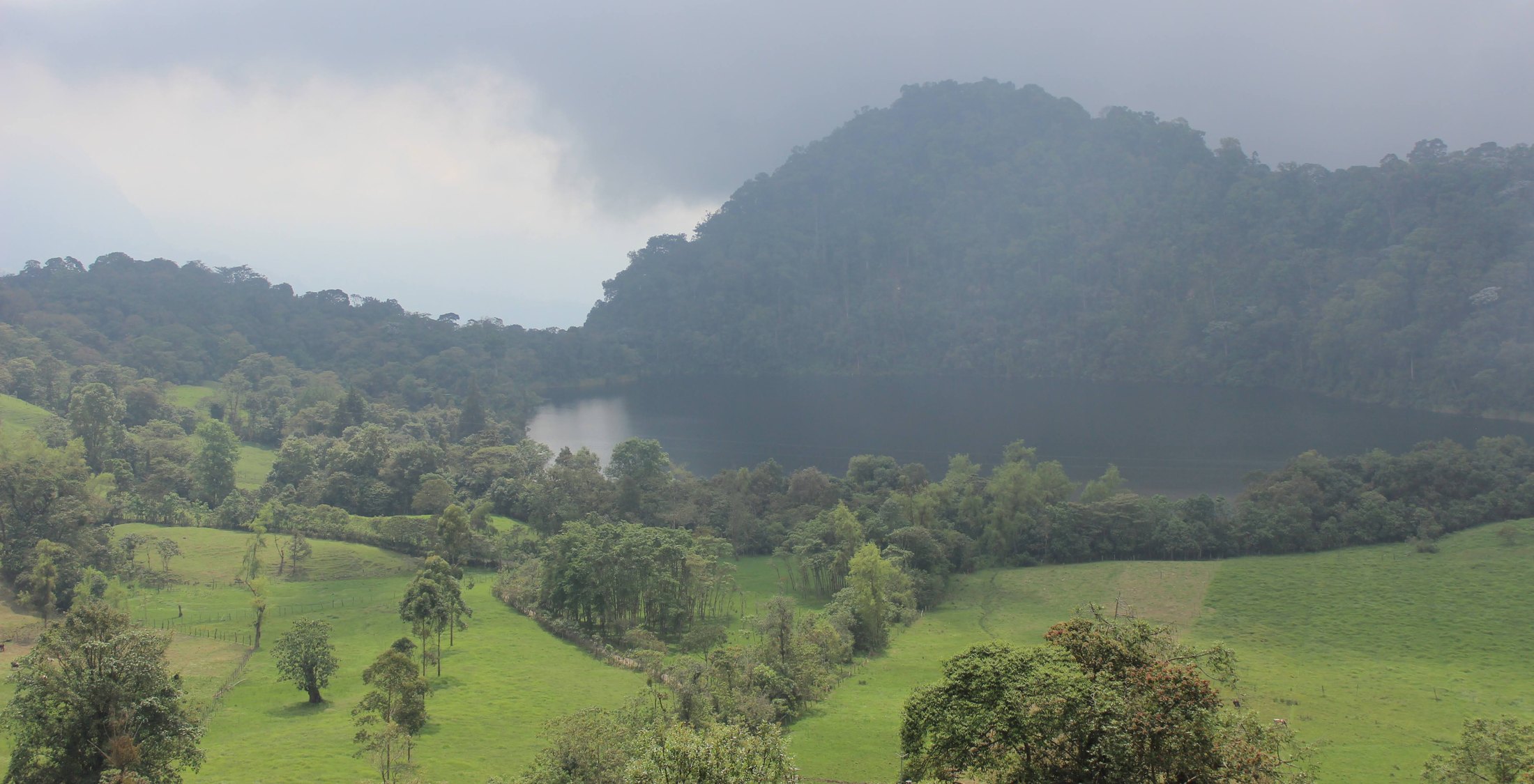
A new policy brief distils our Global Change Biology study of 36 plots across the Colombian Andes: soil…
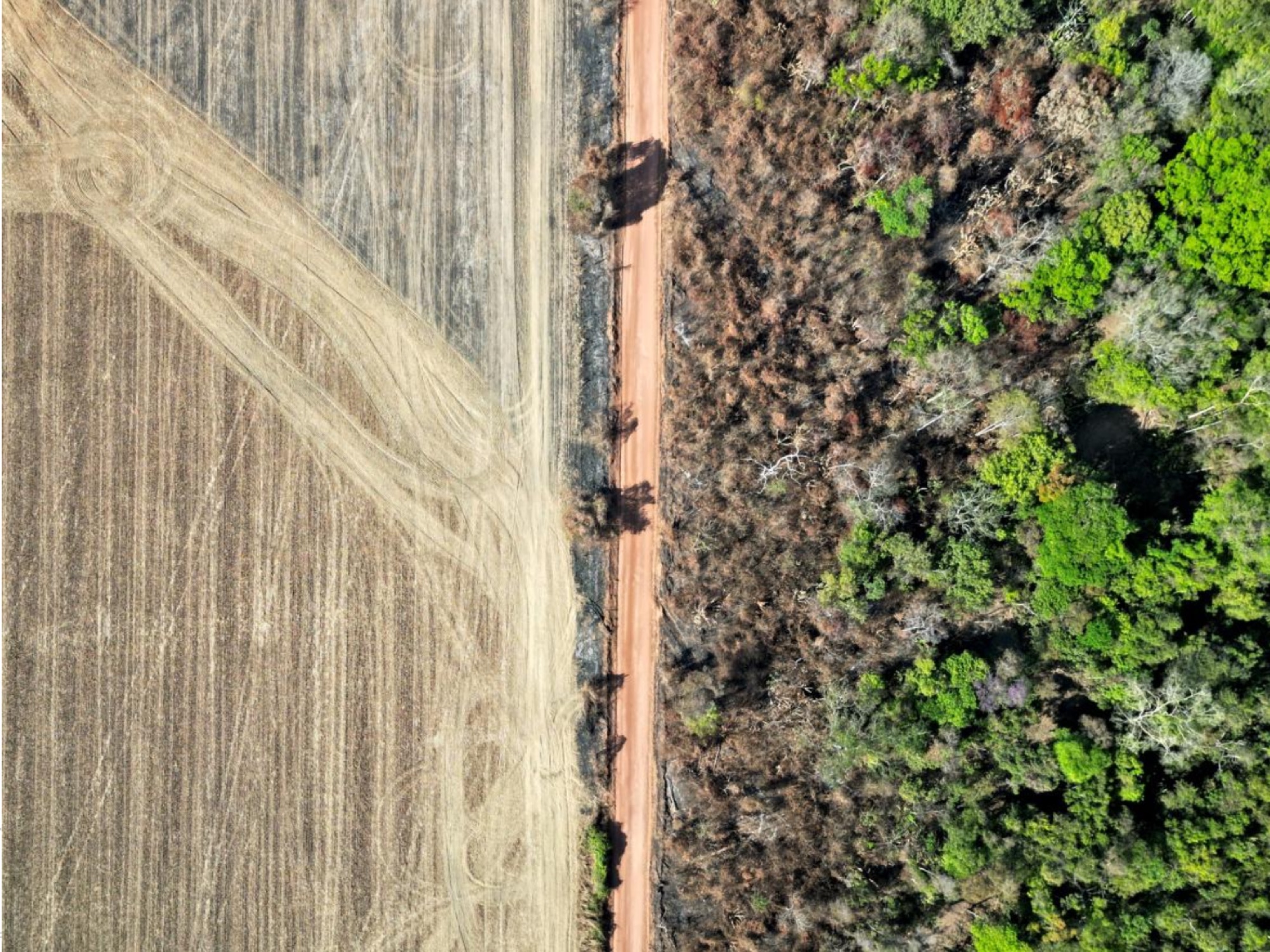
New spaceborne-lidar work presented at ATBC 2026 shows Amazonian forests in Acre remain measurably shorter, simpler and lower…
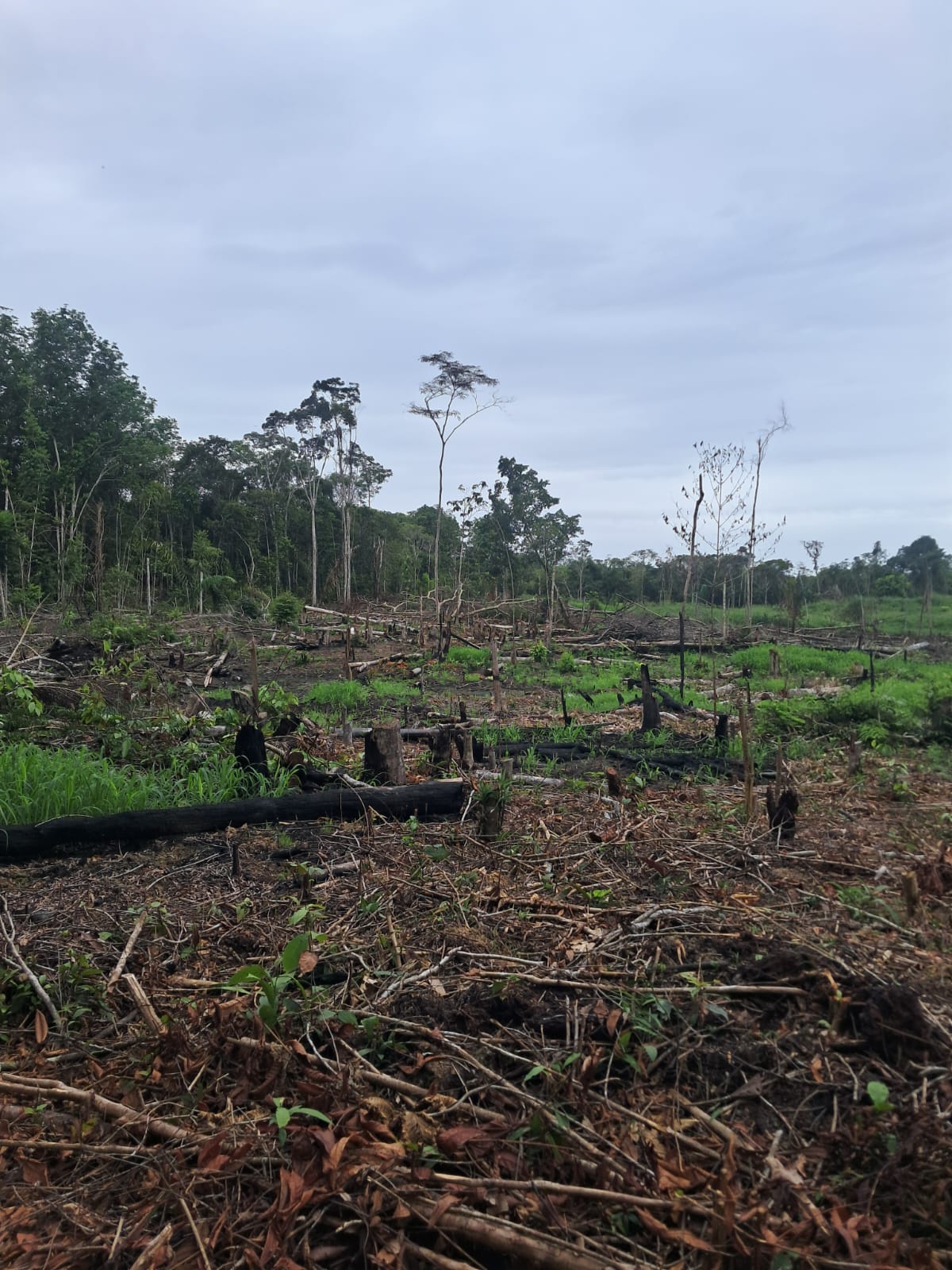
Lorena de Souza Fleury’s MSc at INPA finds that forest age, not fertiliser, drove carbon recovery in Amazonian…