
Posted by Ted Feldpausch
16 March 2026After all the hard work in the field for the Amazon PyroCarbon Project (thousands of kilometres of road travel across five Brazilian states), a new journey begins when the samples arrive at the laboratory at CENA (Centro de Energia Nuclear na Agricultura), part of the University of São Paulo in Piracicaba. This is the journey of turning soil into data. You can read about the fieldwork and road trips that bring these samples to the laboratory in our previous post: On the Road: Thousands of Kilometres in Service of Amazon Wildfire Science.
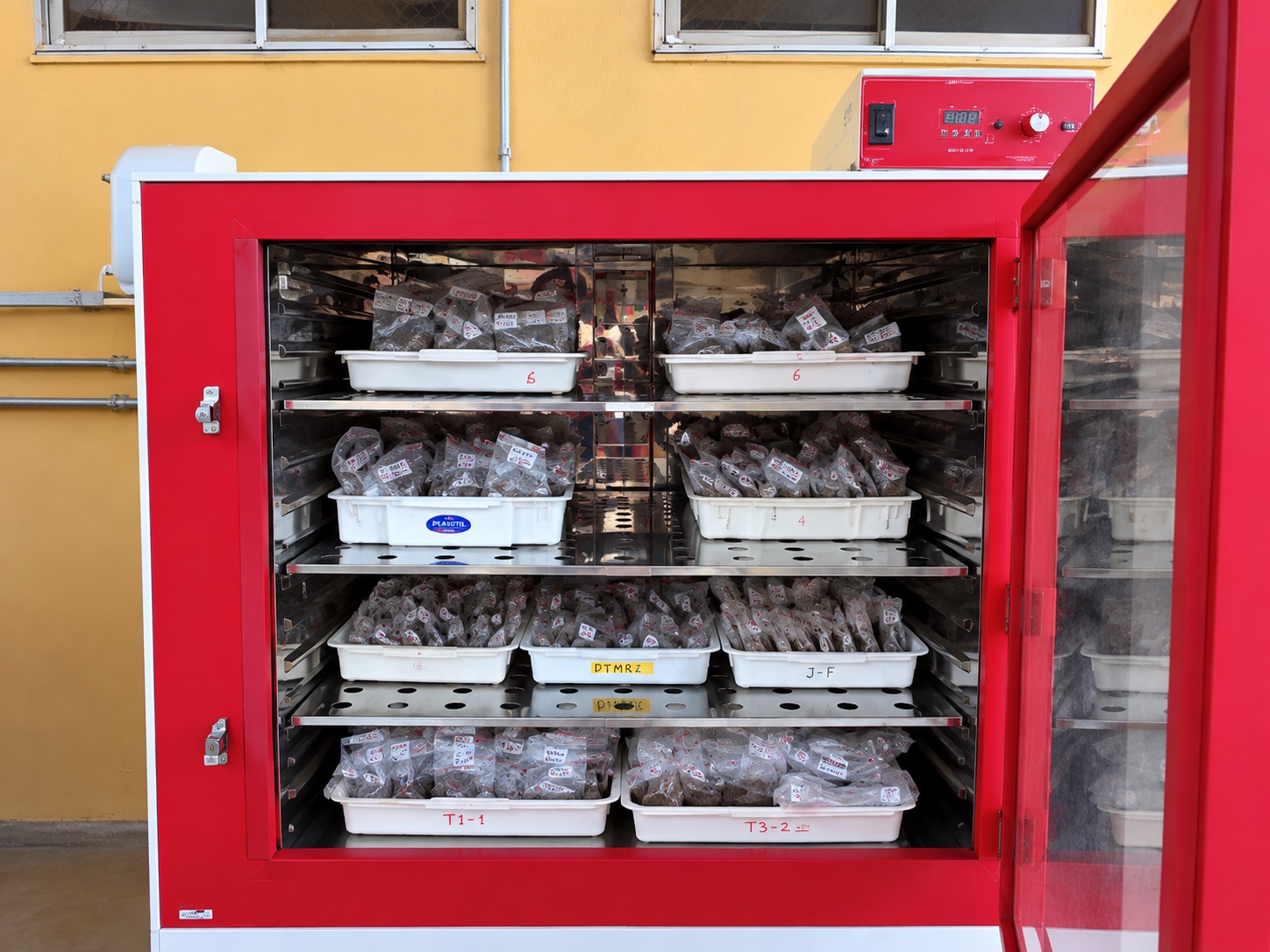
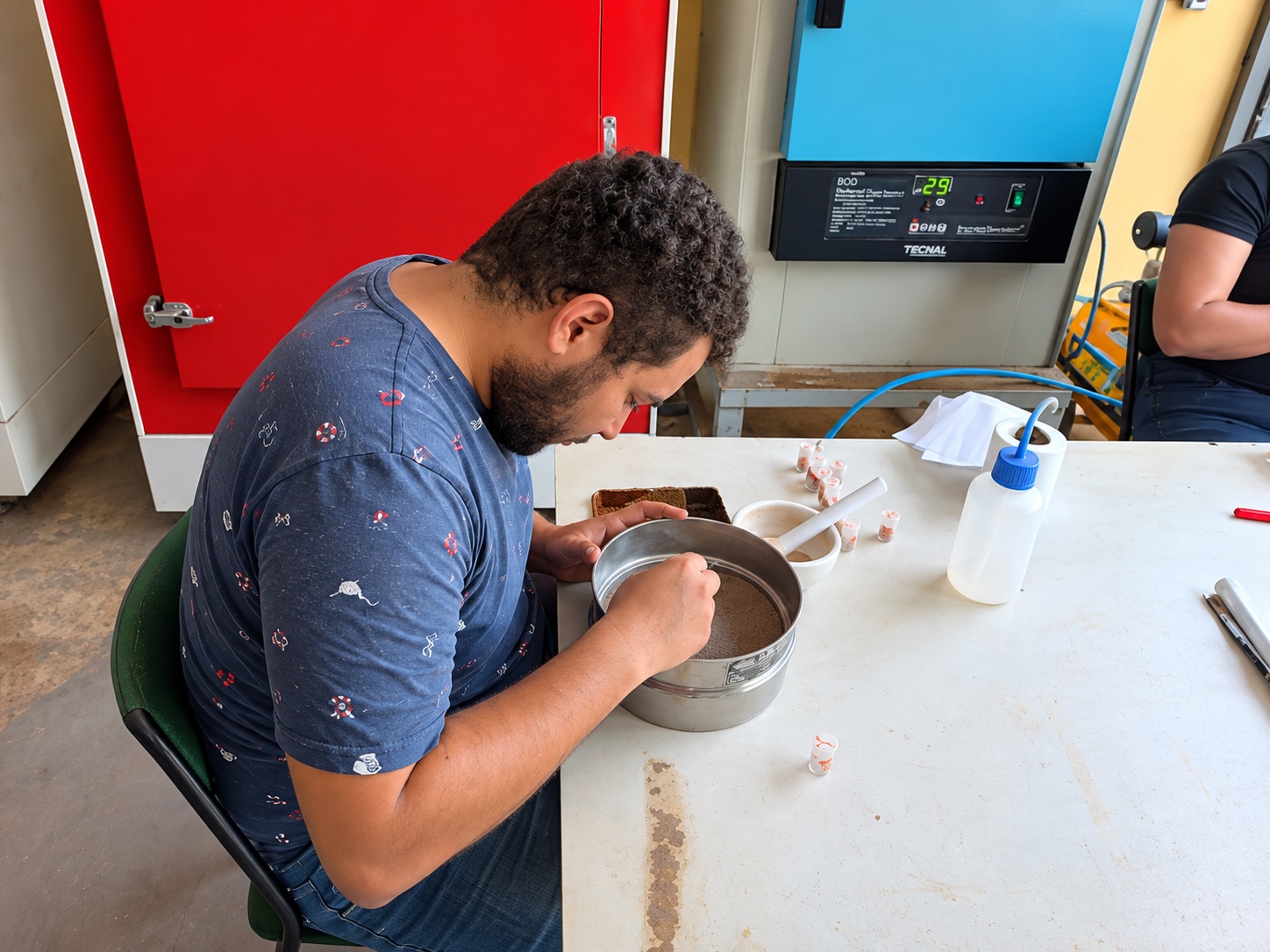
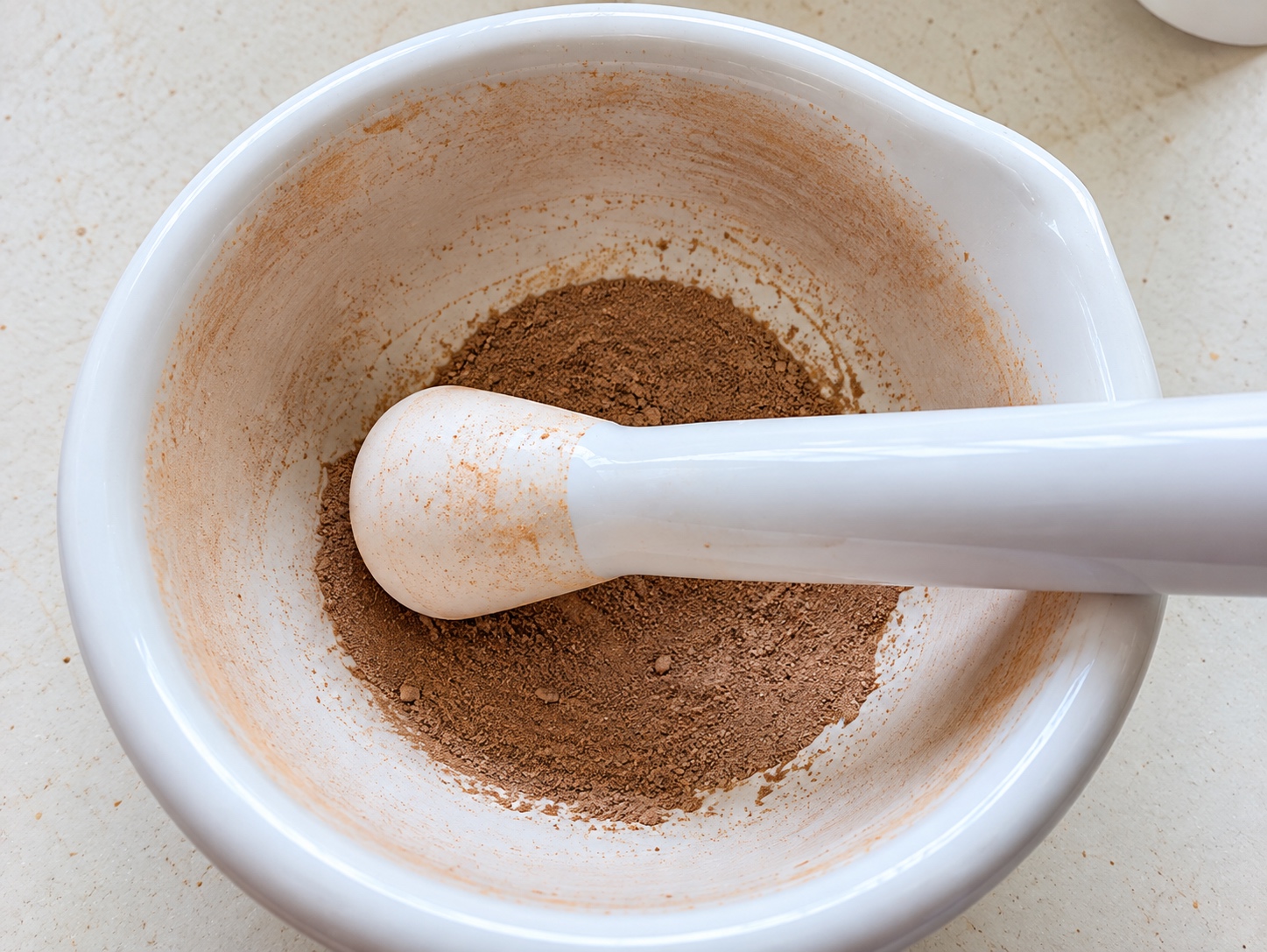
Each sample goes through a sequence of essential procedures that demand organisation, effort, and dedication from the team. The process starts with sorting the samples, which are placed in forced-air drying ovens for about five days, until all moisture has been removed. Once dried, they are gently broken apart, ground, and sieved until they become a fine, uniform powder.
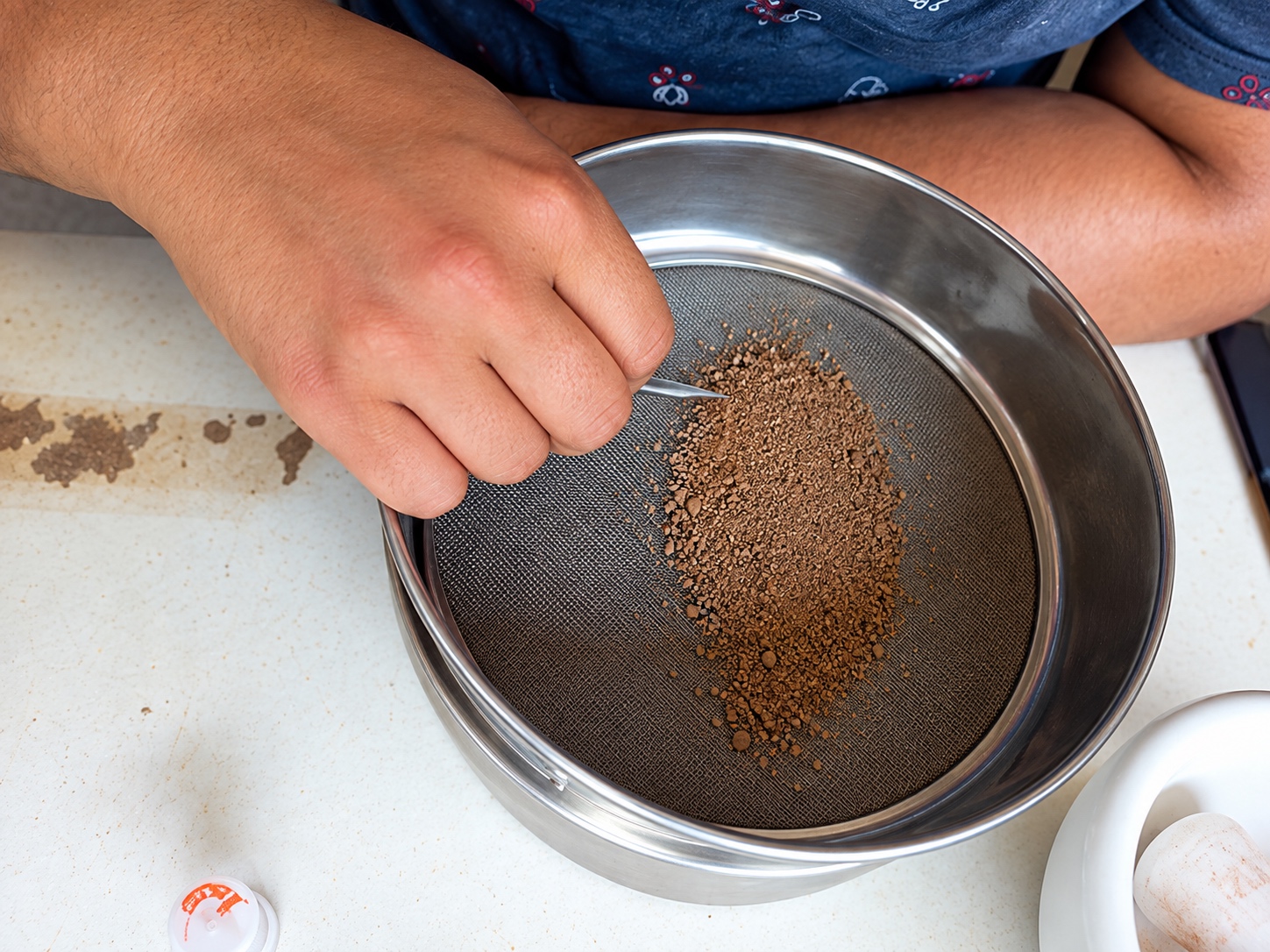
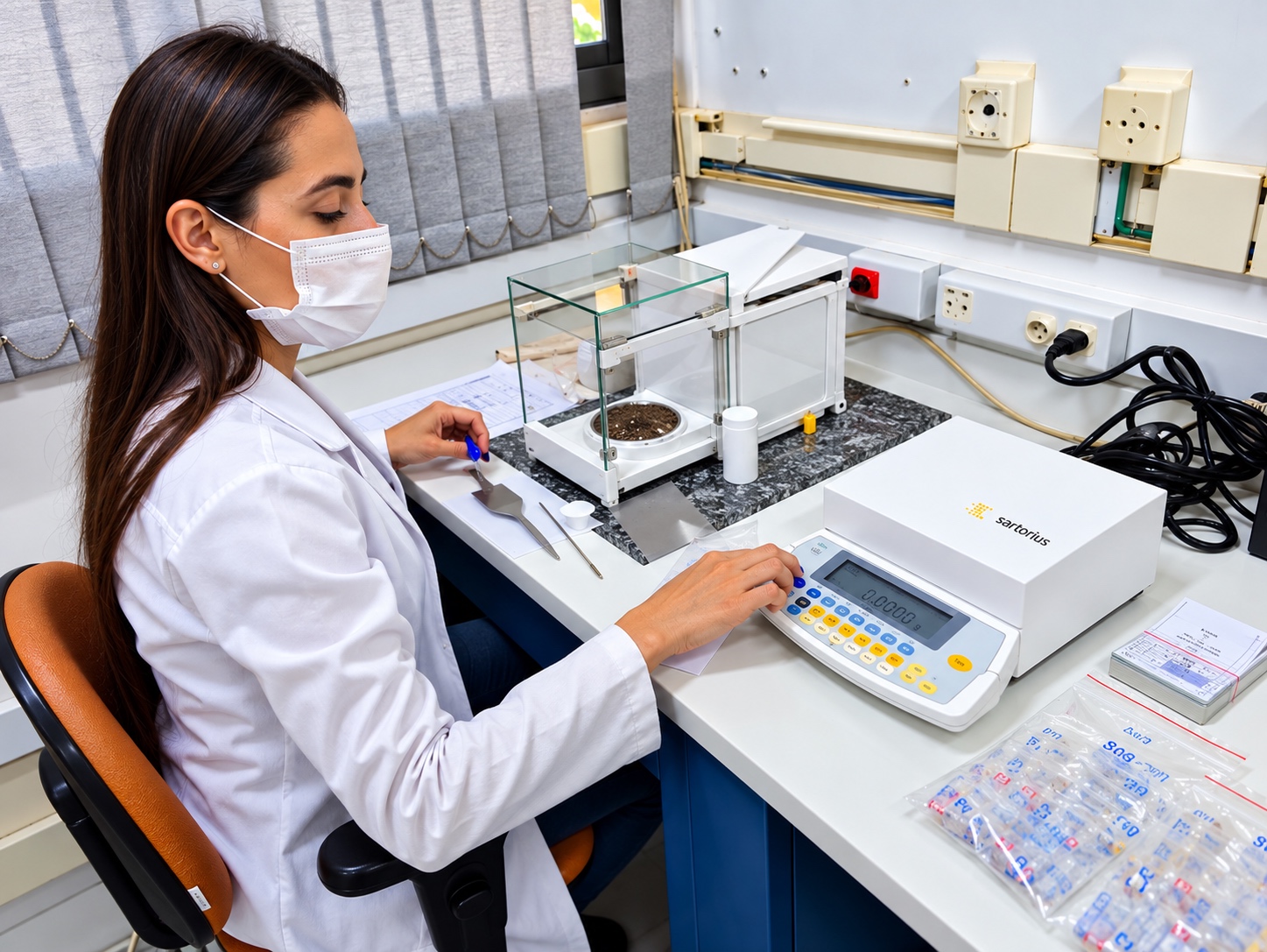
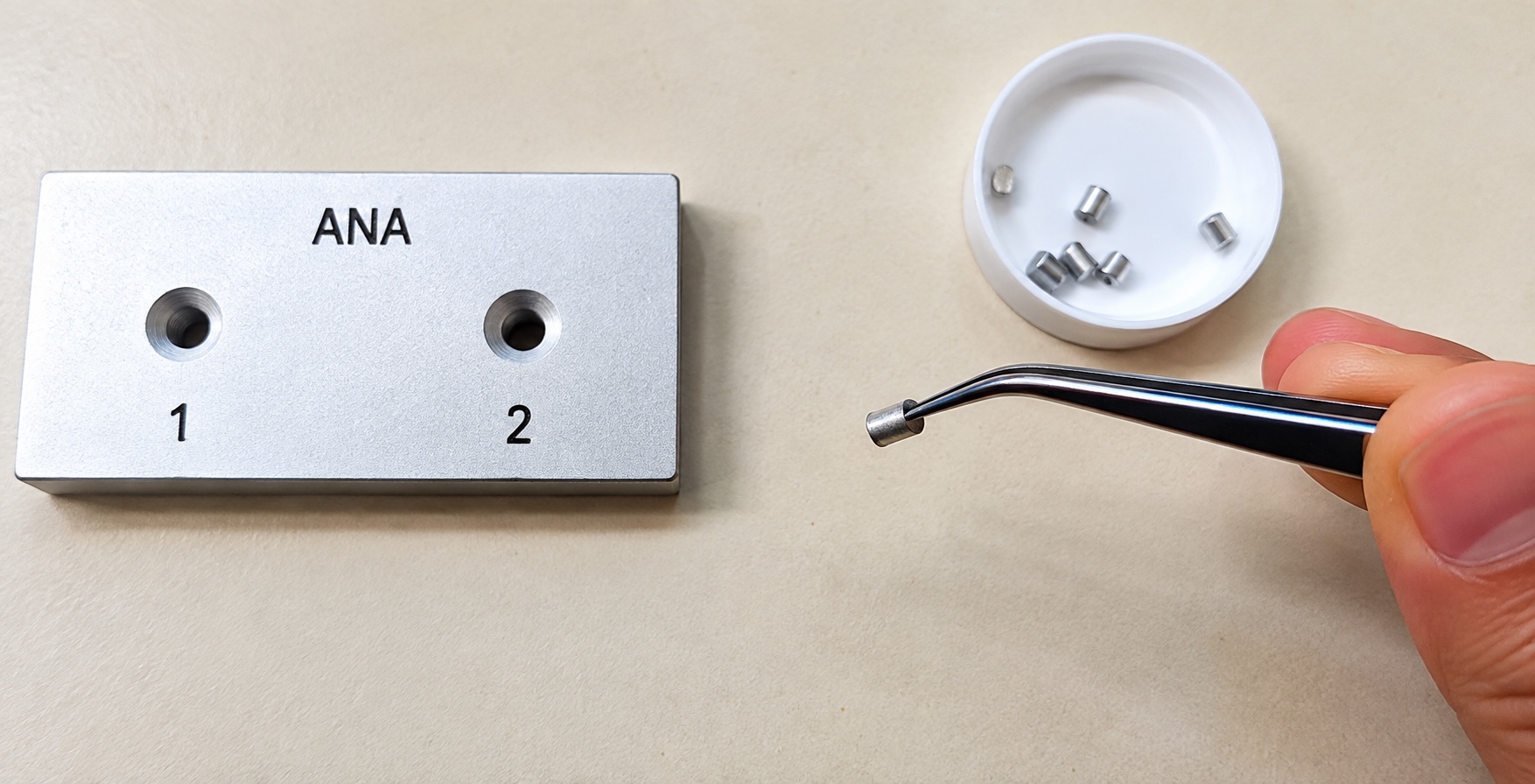
After these steps, the samples are ready for weighing. Approximately 20 milligrams are carefully placed into small tin capsules, which are then sent to the mass spectrometer. This instrument analyses carbon and nitrogen concentrations, as well as the isotopic ratios of these elements. Part of the material is also used for soil texture and fertility analyses.
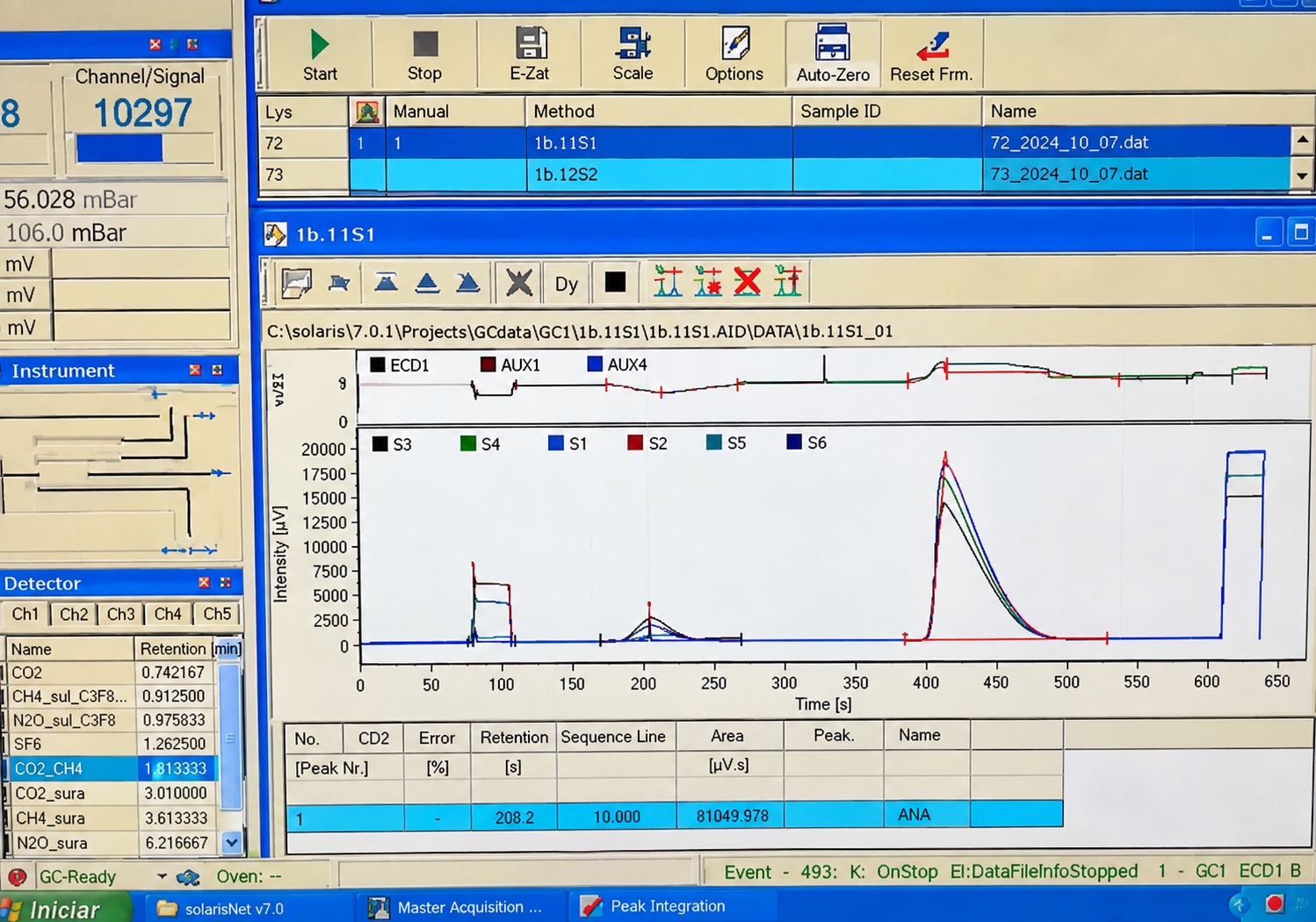
By the end of these procedures, the samples have been transformed into data containing information on multiple parameters. With the data in hand, a new phase of statistical analysis and processing begins, which helps reveal patterns, trends, and insights about the complex dynamics of the Amazon. So far, around two thousand samples have undergone this entire process, steadily providing the project team with the tools needed to deepen their understanding of how wildfires impact the soils of this ecosystem.
Text: Karina Gonçalves & Plinio Camargo. Photos: Karina Gonçalves.