
Posted by Ted Feldpausch
5 December 2024In late 2024, a seven-member team from the Amazon PyroCarbon Project conducted a ten-day soil sampling campaign across the Manaus region of Amazonas state, Brazil, advancing the project’s understanding of how fire shapes soil carbon dynamics in the central Amazon.
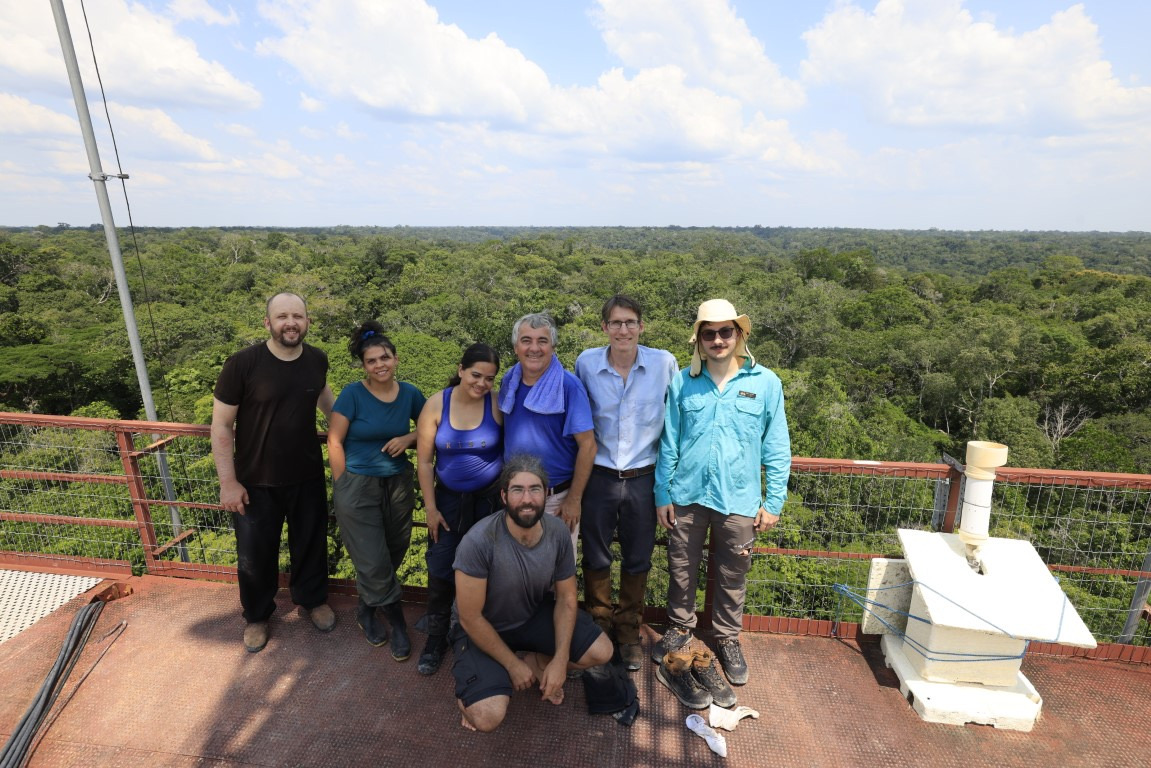
The expedition ran from 22 November to 2 December 2024 and brought together researchers from three institutions: the University of Exeter, the Center for Nuclear Energy in Agriculture of the University of São Paulo (CENA-USP), and the National Institute for Amazonian Research (INPA). The team included project PIs Prof. Ted R. Feldpausch and Prof. Plínio Barbosa de Camargo, alongside Dr. Wanderlei Bieluczyk, Dr. João Pompeu, Dr. Karina Silva, Mário Naval, and Lorena Fleury.
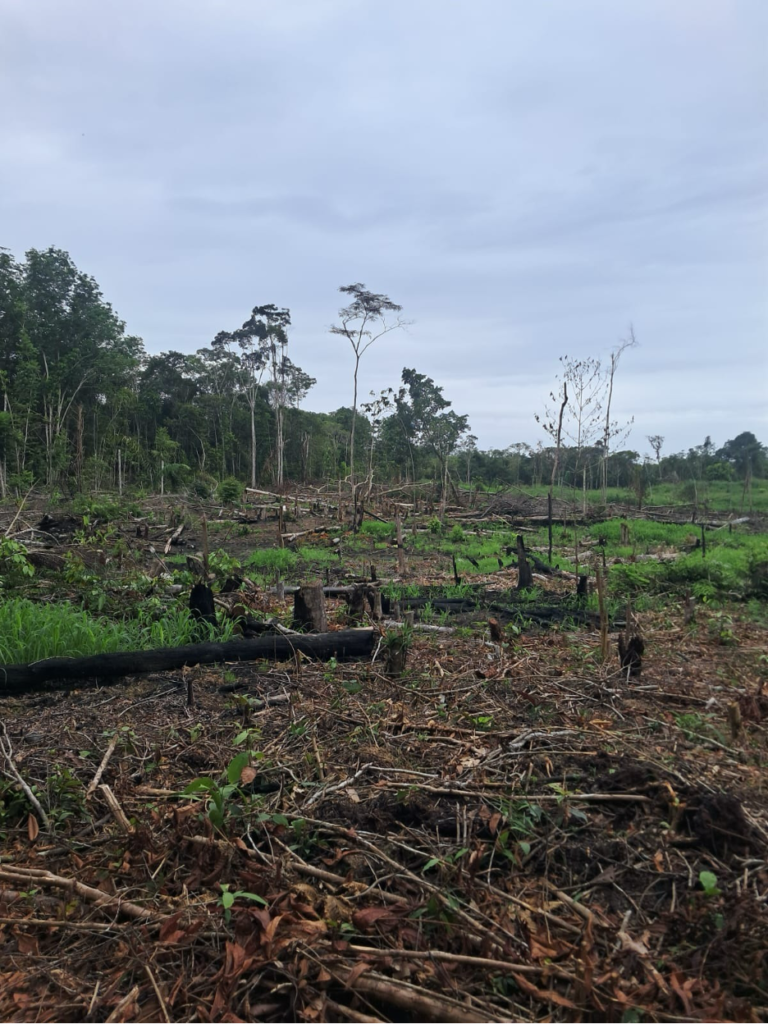
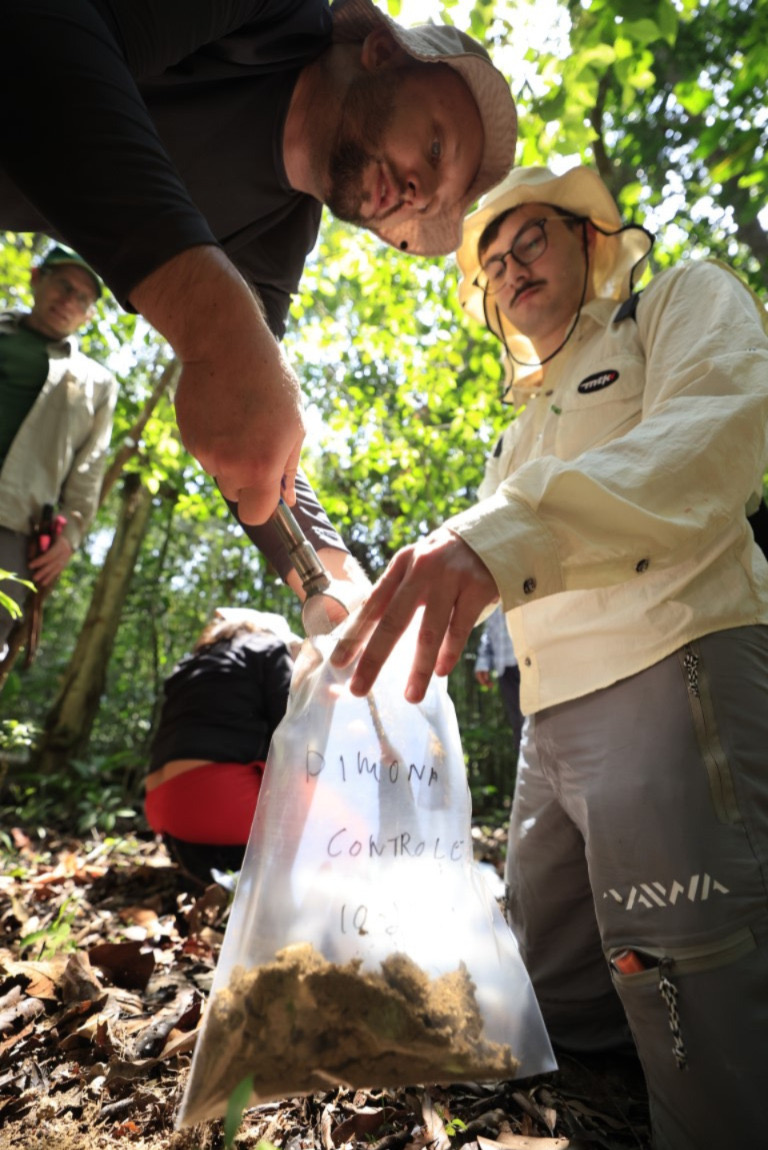
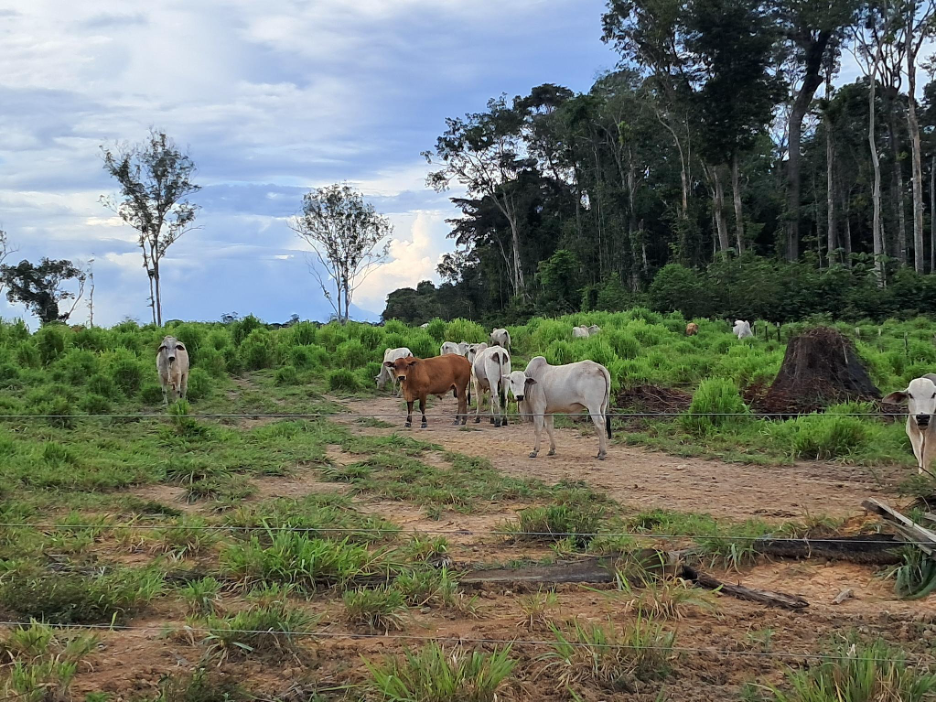
Fieldwork covered a wide range of landscapes and municipalities across Amazonas state. Sampling routes included Novo Céu Village in Autazes, Presidente Figueiredo, ZF2, ZF3, and the city of Manaus. Sites were chosen to capture the region’s diverse fire histories: from recent and older burn scars to recurrently burned forests, secondary burned forests, pastures, primary forests, and agroforestry systems. This range of environments enabled collection of the comparative data essential for understanding how different fire regimes influence soil processes in tropical ecosystems.
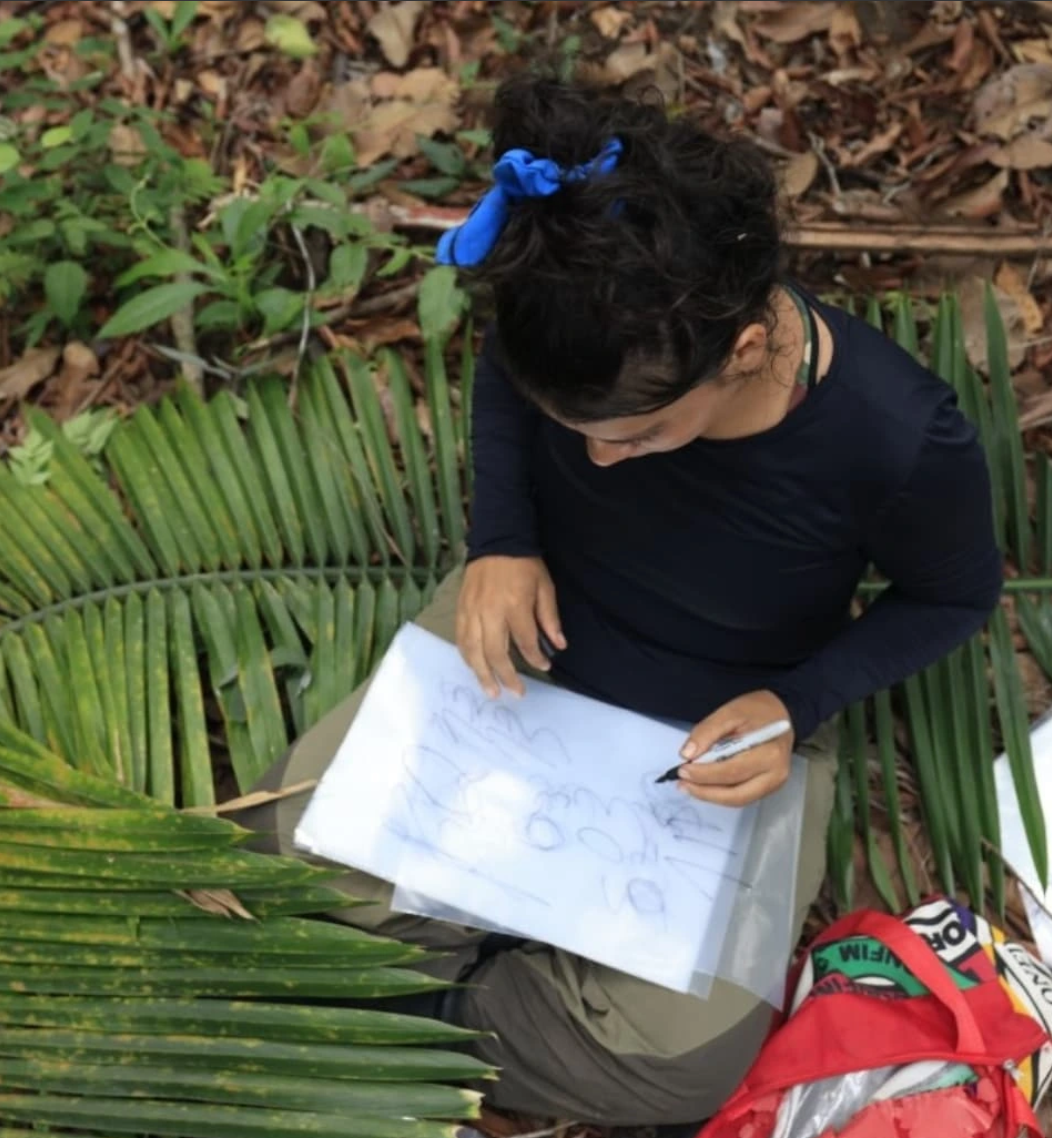
Over the course of the expedition, the team established and sampled 22 plots. The campaign marks a significant milestone for the Amazon PyroCarbon Project, substantially strengthening its dataset in one of the most ecologically important and fire-affected regions of Amazonia. Analyses of fire-driven changes in soil properties, pyrogenic carbon stocks, and ecosystem resilience will follow from this central Amazonian field campaign.