
Have you been on a ‘Wild Wednesday’ walk? Postgraduate researcher Clara Kleininger-Wanik tells us the story behind this fascinating venture from the HASS Sustainability Nature Cluster.
Hi Clara – can you introduce us to yourself and your research at Exeter?
I’m a visual anthropologist and documentary filmmaker and currently a PhD candidate in Film by Practice at the Drama, Communications and Film department. I research multispecies relations, conservation practices and Afro-Indigenous ontologies in one of Mexico’s oldest national parks, the Chacahua – Pastoría lagoons, on Oaxaca’s Pacific coast. I work through ethnographic and collaborative filmmaking and by looking for film strategies which can represent these relationships well.
You have become involved in something called ‘Wild Wednesdays’ – what is this project and how did it begin?
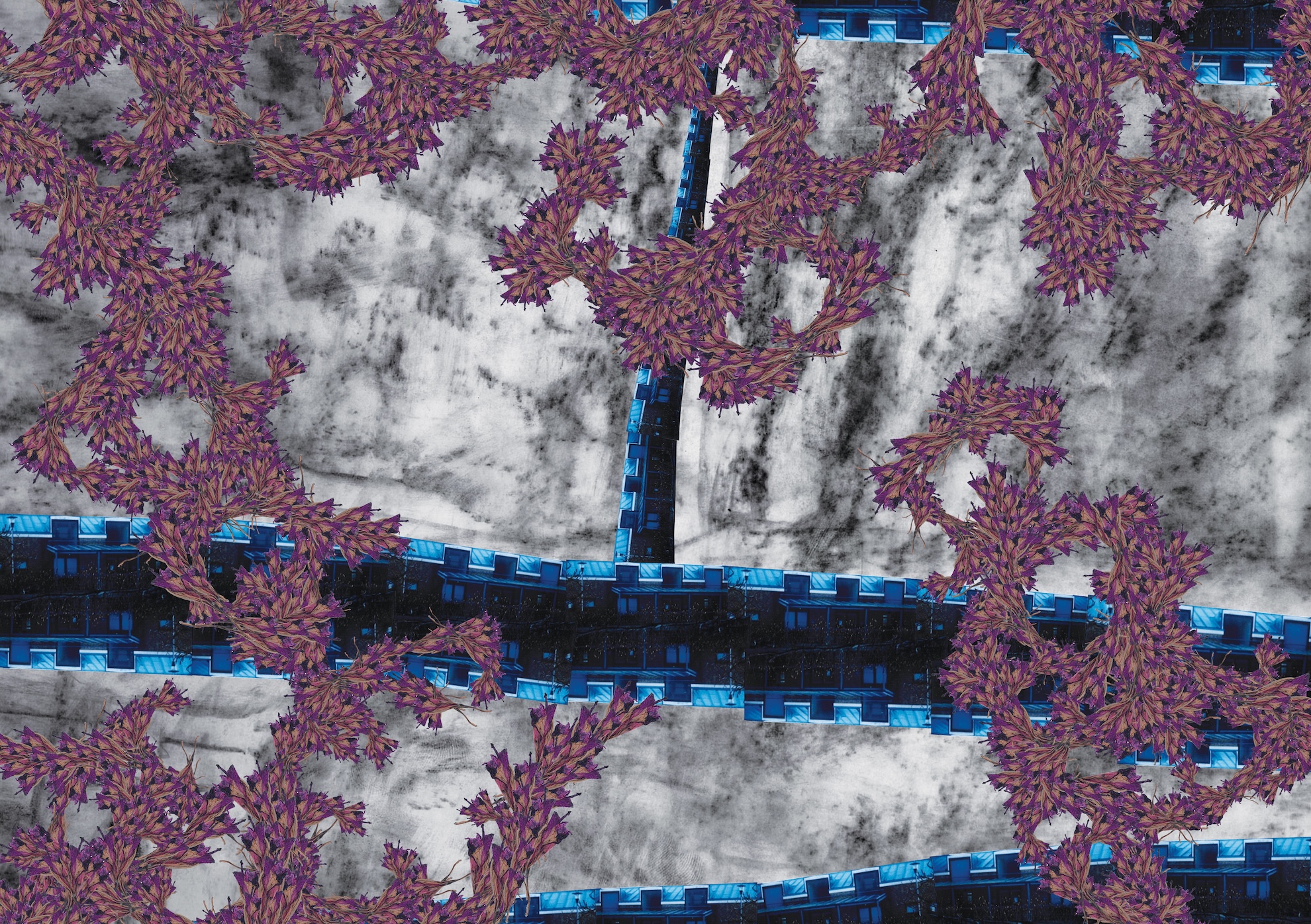
Wild Wednesdays is a series of seven walks through Streatham campus, each led by a different person. The trail is explored and produced together with the group that gathers on the particular day and reworked into a map/ illustration of each walk by two great visual artists, fellow practice-based researcher and currently PGR in Art History and Visual Culture Sam Godfrey and painter Rebecca Lockyear.
The project is a group effort, born from the HASS Sustainability Nature Cluster, which aims to tighten the ties to our environment as researchers and members of the university community. Rosalie Jones-McVey proposed to set up the walks as wayfinding exercises, not necessarily expert-led but a collective exploration to be entered with curiosity to notice and explore.
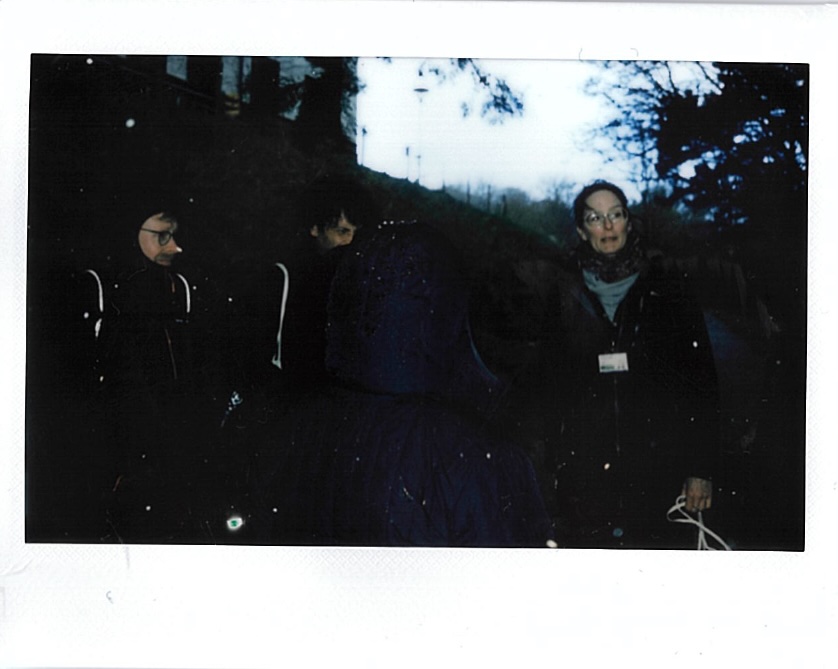
With the support of Helen Berry and Nick Kirsop-Taylor, we developed the project. We wanted to create more inclusive opportunities for people to engage with the environment around the university, aware that not everyone has the same possibilities to be in green spaces. We built these considerations into the walks’ design from the start.
We also wanted to show what a range of perspectives the campus environment can generate: along with walks from ecologist Rosalind Shaw and Head of Grounds David Evans, we have had a queer campus walk in collaboration with the Out in Nature trail, a botanical history exploration with painter Rebecca Lockyear. We are now preparing walks with Semih Celik, where we will continue to explore campus botanical history in the context of colonialism and archives, and an exploration of what the ‘wild’ is with Benedict Morrison. In short, we want to show that HASS has important insights and methods to offer in terms of engaging with questions of ecology and sustainability.
Why do you think it is important to include activities like this as part of your postgraduate research life?
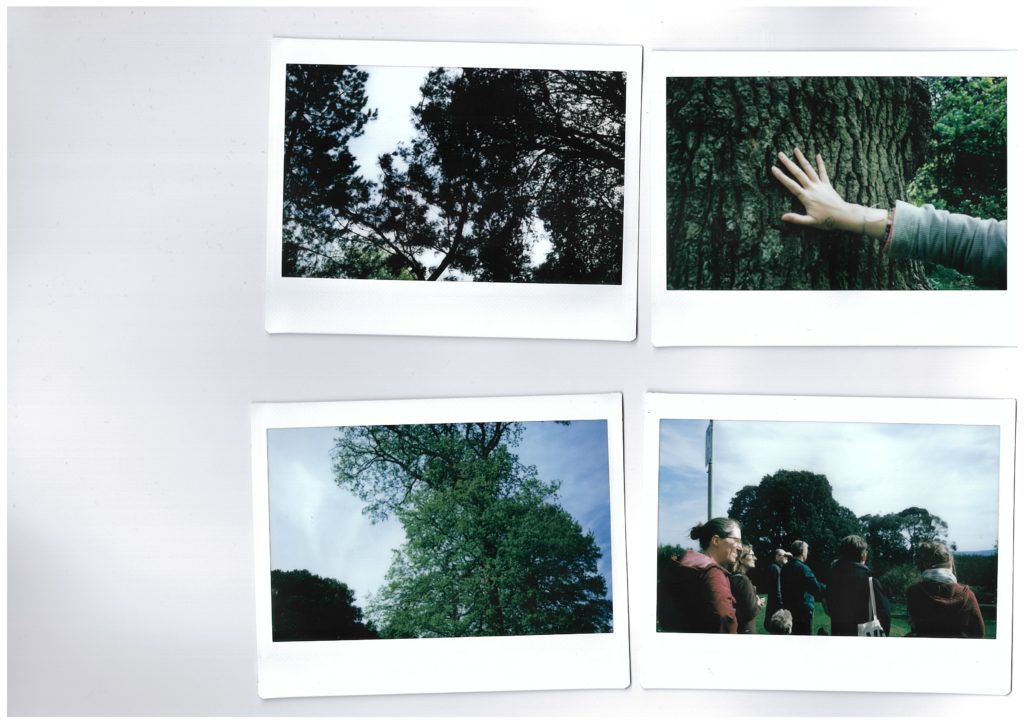
I am enjoying the project. I wanted to know more about Streatham campus myself and I have even discovered new places by going on the walks. Importantly for me, through organising the walks I am learning about campus as a multispecies community. We have been talking to people about encountering the more-than-human inhabitants of campus and have gathered a whole index of surprising meetings and knowledge. So, in a sense, this is an extension of my wider research interests.
Beyond that, working on the project has been a way to meet people outside my department who are interested in similar themes and research methods. We have worked together closely to create these spaces that are inclusive, low-pressure and collaborative, and I think that makes for good relationships.
What do people gain from joining a wild Wednesday?
A break during a busy day. Some sunlight or perhaps a little wind and hail. New connections on campus (our participants range from professional staff to academics and PGR students) and a moment for playful exploration. But also, a more critical engagement with the environment and campus history. At the end, a leaf, dried flower or polaroid to take home.
What do Wild Wednesdays need to keep going?
The walks have drawn many enthusiastic participants, which has really helped sustain the momentum. We also received a small project grant from the sustainability fund, so hopefully that support can continue. Other than that, perhaps someone to take over from me in the upcoming year. Write to me if you would like to talk about that?
The featured image at the top of this article is the representation of the walk in February 2026 by Sam Godfrey and Rebecca Lockyear.
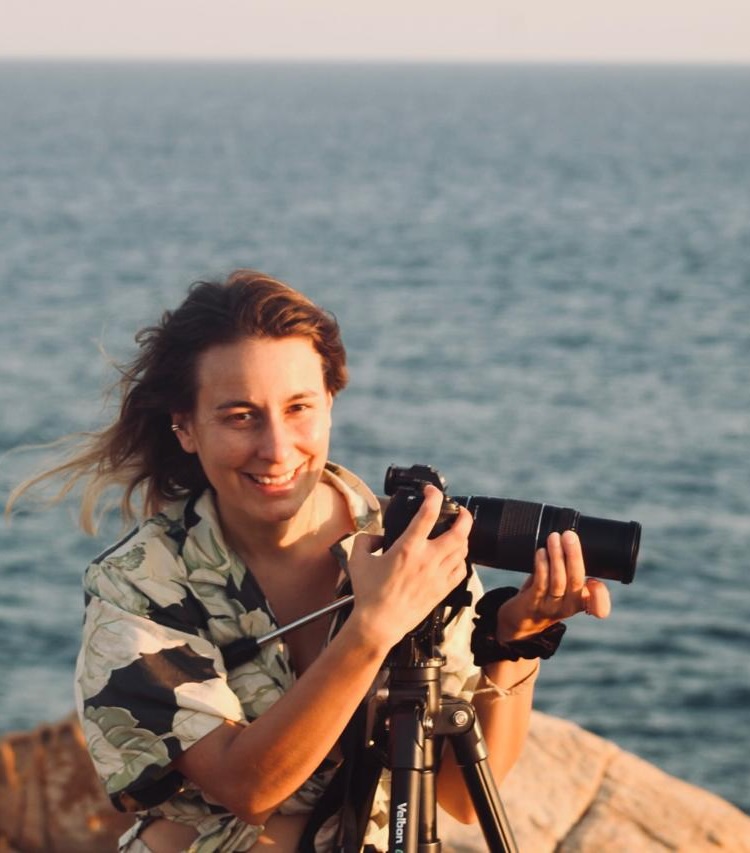
Clara Kleininger-Wanik is a visual anthropologist and filmmaker, who researches and films on topics of multispecies relationships (in Mexico, in Romania) and migration (in Poland). Clara is currently PhD candidate in Film by Practice at the University of Exeter and London Film School (UK) and has been visiting researcher at the UABJO, Mexico. Her research concerns multispecies relationships, conservation and indigenous and Afro-Mexican ontologies and how these might be best represented through documentary film.
Several of Clara’s films have been shown in international festivals, her short documentary Everyday Greyness premiered at the Sheffield Doc/Fest 2020 (UK) and her feature-length documentary No Elephant in the Room, which questions human and more-than-human relationships at the Bucharest State Circus, was awarded special mention at the Krakow Film Festival 2023 (Poland).