
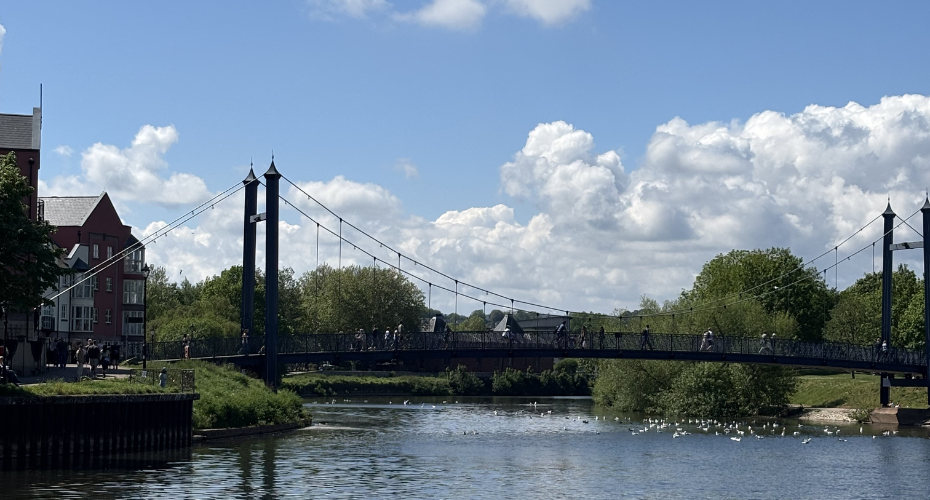
Hi everyone! My name is Hannah, I’m 22 years old and a postgraduate Marketing student here at the University of Exeter. I’m originally from the UK but have spent the majority of my life moving around the world with my family, starting new schools and meeting new people. While I loved this aspect of my life, it has had a major impact on my mental health.
In the past I have written blogs about the Business School, new year’s resolutions, and why I chose to come to Exeter. However, today I’m going to take a small shift into something a little bit more serious – mental health awareness. This blog is not meant to scare anyone but is here to help students and prospective students (as well as parents) understand that it is okay not to be okay, and how the uni can help you if you struggle with any mental health issues. So let’s dive in.
Trigger warning: I am just going to reiterate that this blog is about mental health and may touch upon sensitive topics, therefore if anyone feels that they may be triggered by any of this material please feel free to stop reading.
My journey
I can say that my journey with anxiety has been long and has caused me to grow up a lot, but it has also caused me to discover things about myself that I hadn’t known before. Whether you struggle with anxiety or any other mental health illness, YOU ARE NOT ALONE!
I was diagnosed with anxiety when I was 15 years old, so about 7 years ago, which honestly feels like a lifetime to me. Although I am still quite young, mental health awareness even 7 years ago wasn’t great. I really struggled with understanding what this meant and that this diagnosis didn’t mean that I was different or sensitive, it just meant that I cope with my issues and stress differently to others. Funnily enough, when I was first diagnosed, I became more anxious about why I had anxiety and why I wasn’t normal, rather than feeling relieved that I had a reason why I felt the way I did.
I went through a series of events throughout my life that I had blocked out completely, and then they all hit me at once, causing me to have my first panic attack. During these attacks I felt like I couldn’t breathe and felt like I had lost all control on my life. For me, these attacks usually last around 5-30 minutes which seems like a long time, but there are ways I’ve learned to manage my anxiety and how to stop these attacks before they happen.
My first panic attack was really scary, mainly because I had never experienced something like that before. I felt very shaky and like I couldn’t breathe. When this happened, I was at school and immediately sought help from one of my teachers. After I had calmed down, they sat me down and talked to me about what had happened and all my options for getting help. After school that day I booked an appointment with my GP. They spoke to me about how to move forwards, what to do when it happens, and possible explanations about why it had happened.
I truly believe that if I hadn’t spoken to my GP about how I was feeling and what had happened that day, I don’t think I would be where I am now. It’s so important to reach out to medical professionals when you feel stuck or experience anxiety and panic attacks because they can give you so much advice and direction on what to do next. My GP mainly helped me understand what anxiety was and what panic attacks were, and that these things that were happening to me didn’t mean that I wasn’t normal or that I was alone.
As well as having panic attacks and anxiety attacks, I started to cope with my anxious thoughts and feelings in very unhealthy ways, which scared me, my friends and my family. If you or anyone you know is having harmful thoughts, please do not hesitate to tell someone or to get help. Getting help doesn’t mean that you are weak or that something is wrong with you, it just gives you an extra shoulder to lean on, and a way to help you feel better and get back on track. I was very lucky that my friends and teachers at school helped me get help and support.
My anxiety and university
Although I tried to hide it, I was so scared and stressed to start university. It was this big scary thought of moving away from home, starting over, making new friends, and just being on my own. While these were things I had experienced before due to how I grew up moving all over the world, it didn’t feel much easier at all. I was worried that I wouldn’t be able to cope with my anxiety when it came to living in shared spaces with strangers, exam stress and coursework deadlines. It all felt like too much and that I wasn’t going to be able to do it. In fact, I think the day my Dad moved me into university during my undergrad I cried for about two hours before he even left because my Wi-Fi wasn’t working, and I was scared I wasn’t going to be able to call him later that day or contact my friends. Basically, I felt anxious that I was all on my own.
After my dad left on move in day, even though I was scared, I forced myself to leave my room and go into the kitchen so I could meet my flatmates and get to know them. Honestly, I can’t emphasise enough how happy I am that I did this because after doing that my mind seemed to calm down and I was able to feel settled and calm. Some of my flatmates that I met that day are still my closest friends to this day!
University is all about putting yourself out there and stepping outside of your comfort zone, something which is already terrifying, and having something like anxiety makes it a lot scarier. But my best piece of advice would be to just do it! The unknown is scary, but living alone and regretting decisions is almost scarier.
Fast forward three years, graduating, and then moving to Exeter, I felt like I was 18 again. Starting a postgrad in a different city and university isn’t any easier, at least to me. When I started my degree here, I honestly felt more anxious than I had in a long time. During my induction week I ended up reaching out to my pastoral mentors about my concerns and anxiety, mainly because I didn’t know what to do and I wanted some advice on how I could manage it on top of all of my coursework. They responded immediately and helped me to settle into my first term, as well as directing me to extra help services for my anxiety.
One thing I love about the University of Exeter is the amount of support services they have here, and that these services are made known to each student numerous times throughout the year. Please don’t be afraid to reach out to any of these services. Each person there is there to help you and can point you in the right direction, or even just listen. Sometimes when we’re anxious and stressed, all we want is someone to listen to us. The University has helped me by pointing me in the direction of external support, giving me a shoulder to lean on, but also by giving me extra support in exams and assignments, such as extensions or the option to sit an exam in a different room. All of these things have helped me feel less stressed and anxious about numerous aspects of university and postgraduate life. So, if you’re a parent reading this, don’t worry, because the university has plenty of support services to help your child through any issues or stresses they may have!
Tips and tricks
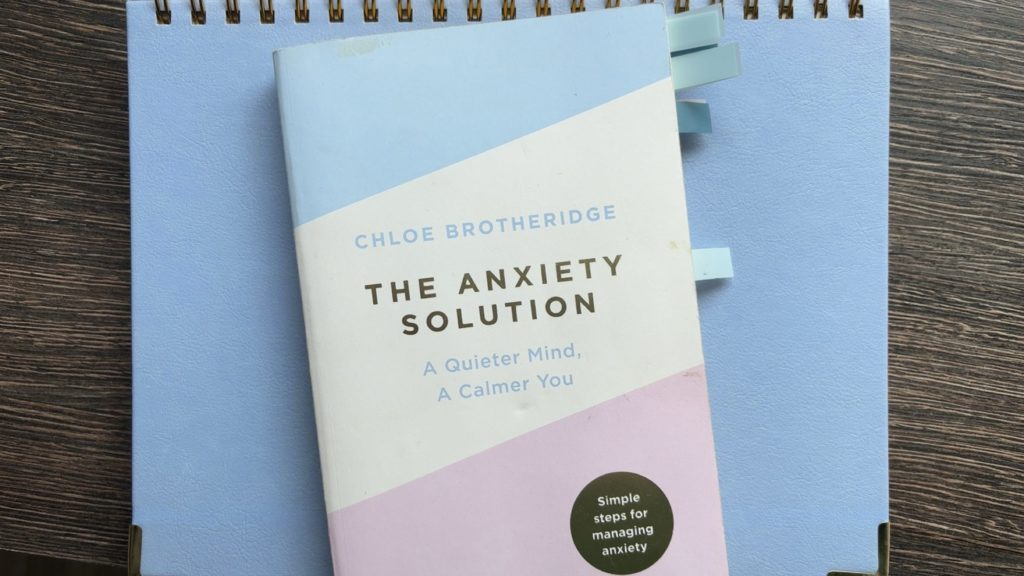
Everyone deals and copes with anxiety differently, so while these tips and tricks may work for me, you might respond differently. Despite this, here are a few starting points you could use to help you when you feel stressed or anxious.
- Triple inhale – take a deep breath, hold it and then take three smaller breaths before you exhale. Repeat this between 3-5 times. This method helps to reset your nervous system, causing it to calm down and release tension in your body.
- Five senses – I use this method when I feel as if I am about to have an anxiety attack or panic attack. Count on your fingers 5 things you can see, 4 things you can touch, 3 things you hear, 2 things you can smell, and 1 thing you can taste. This helps to distract your brain from any anxious feelings and thoughts.
- Writing – this one is a little niche, but I keep an anxiety journal. I don’t write in it everyday, but I write in it on the days where I’ve felt particularly low, and even on the days where I feel unstoppable. This helps me record my thoughts and let go of anxious feelings from the day, as well as to record some of my best memories which I can refer to on my low days. It’s also a great indicator of your progress!
- Talking – yes, everyone talks, but I mean finding your support system and just confiding in them if you’ve had a low day or when you’re not feeling great. Doing this is such a godsend as it helps you to release those thoughts and gives you some sort of support in that moment.
If these don’t work for you, don’t worry! There are so many mechanisms and treatments out there that can help you process and manage anxiety and stress.
Before I end this blog, I just want to say that, as someone who thought I was never going to be able to get better or feel better, and who truly thought I was alone in these feelings, I made it through. I still live and struggle with my anxiety, but I am way less scared of it now.
I am so proud of myself for becoming the person I am today and learning that anxiety is not the end of the world. Anxiety hasn’t stopped me from going to uni, graduating with my bachelors, doing a master’s degree, and even hasn’t stopped me from going out and having a dance party every now and again. If anything, I believe that having anxiety has fuelled me to want to do all these things even more, to prove to myself that I can do it and that my anxiety doesn’t control or define my life!
Please don’t ever be afraid to talk to someone if you are feeling low! It does not mean that you are weak or unusual, believe me. If anything, being able to ask for help and to share your feelings makes you stronger than most people!
It is okay NOT to be okay.
Extra information and support:
If you are experiencing symptoms of anxiety, depression, or any mental health illnesses do not be afraid to contact your GP.
If you or anyone you know is in immediate danger, contact 999.
If you need help urgently, but it is not life threatening, contact 111.