
If you’ve read my previous blogs, you might already know a little about my journey at the University of Exeter. Hi again, I’m Chi Le, currently studying MA Media and Communications at Exeter. In my earlier post, I shared the reasons why I chose Exeter as an international student and in another, I talked about how the University supported my wellbeing as I adjusted to life in the UK. Both were big parts of my experience, but there’s another side of the story that I want to talk about even more directly: how I’ve learned to navigate the academic side of university life here.
Starting a Master’s degree in a completely new academic environment was really challenging, especially for someone who came from a very different academic background. The expectations were different, the teaching system felt unfamiliar, and I had to quickly adapt to a new way of thinking, especially when it came to academic writing and critical analysis. There were definitely moments where I felt unsure of myself. But over time, I began to realise that I wasn’t expected to figure everything out on my own.
So, in this blog, I’d like to share some of the academic support that has genuinely helped me, along with a few personal insights, favourite study spaces, and practical tips that I think are really helpful for other international students who might be going through (or preparing for) a similar transition.
Academic Support Systems
One of the things I appreciate most about studying at Exeter is how much support is available. At first, I didn’t really know where to start, but gradually, I found a few key resources that helped me feel more confident and in control of my studies.
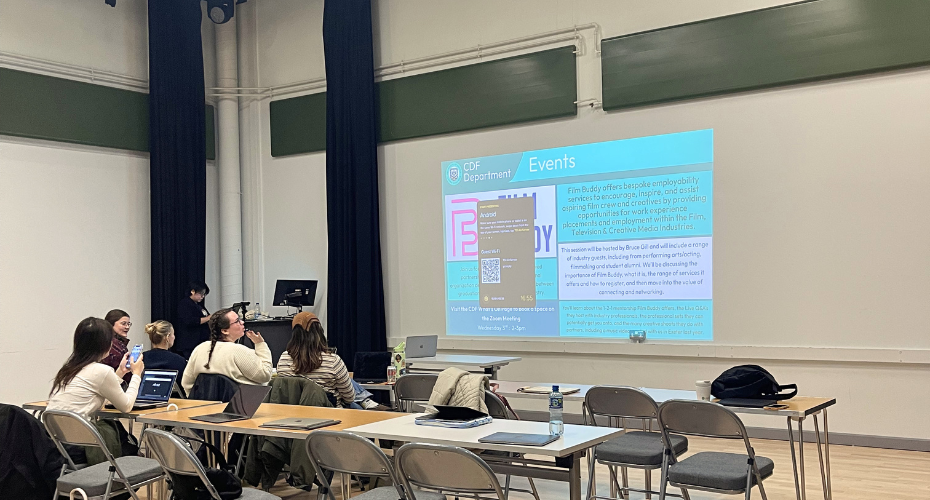
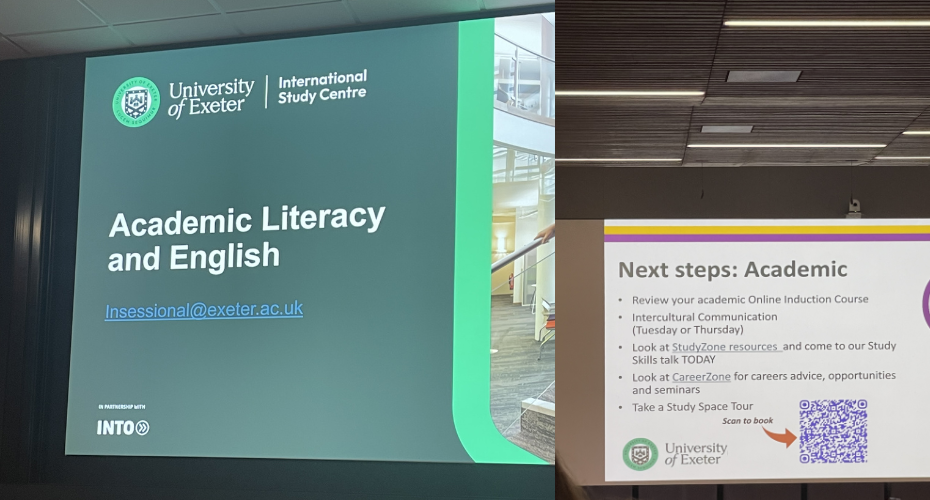
As an MA student in Media and Communications, the first challenge that I found was academic writing. I quickly realised that writing essays here wasn’t just about presenting information, but it was about analysing ideas, building arguments, and supporting them with evidence. That’s when I started attending study skills workshops that I have been informed about at the Induction Day of my programme. These sessions cover a range of topics, from structuring essays and developing critical thinking to referencing correctly. What I found really helpful was how practical they were. Instead of just explaining theories, they showed exactly how to apply these skills to real assignments.
Another challenge I faced early on was dealing with the amount of reading. The reading lists felt endless, and I wasn’t used to working with so many academic sources. The library turned out to be much more than just a place to study. It offers access to a wide range of academic journals, books, and online databases. At first, I found it quite overwhelming, but once I learned how to search for keywords and filter relevant sources, everything became much more manageable.
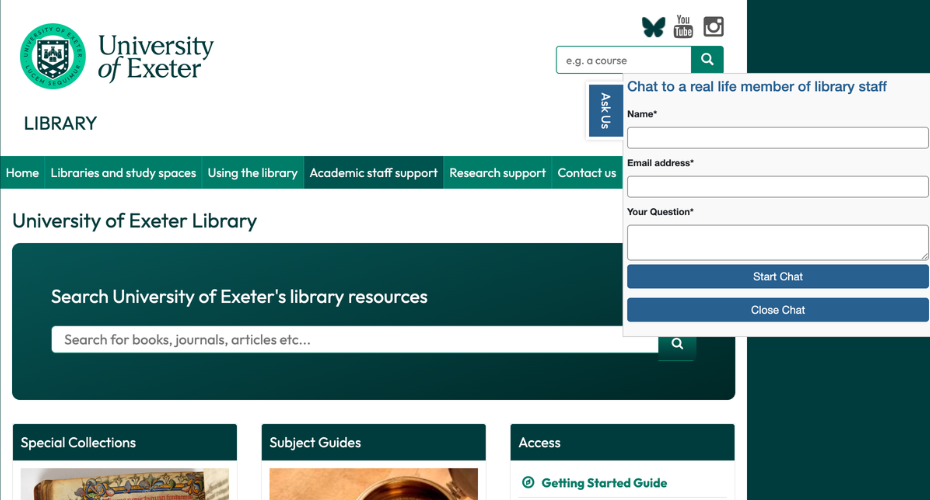
One feature that I found especially helpful, and honestly didn’t expect at first, is the chance to chat directly with library staff online. Whenever I had questions about finding sources, accessing materials, or even using certain databases, I could reach out and get real-time, one-to-one support. This made the whole research process feel much less intimidating, especially at the beginning when I wasn’t sure where to start.
Thanks to the support from the library staff, I realised that I didn’t need to read everything on the list. Learning how to prioritise key readings and focus on the most relevant materials helped me save a lot of time and energy. This shift, from reading everything to reading strategically, was a real turning point for me.
Another thing that really surprised me at Exeter is how approachable lecturers are. They genuinely want students to succeed and are always open to questions. At first, I was quite hesitant to reach out. I wasn’t sure if my questions were “good enough,” or if I should try to figure things out on my own. But once I started meeting lecturers to ask questions and discuss coursework, I realised how helpful these conversations could be.
Sometimes, just talking through an idea or asking for clarification can save hours of confusion. It also helps you feel more connected to your course and more confident in your understanding. If you’re unsure about something, my advice would be: just ask. It really does make a difference.
My Favourite Study Spaces on Campus
Over time, I’ve also realised that where you study can be just as important as how you study. Finding the right environment has helped me stay focused and motivated, especially during busy periods.
The Forum is one of my favourite places on campus. It’s bright, open, and always full of students, which creates a really motivating atmosphere. I like coming here when I want to feel productive but not isolated. It’s also a great place for group work or more relaxed study sessions. Sometimes, just being around other people working can give you that extra push to stay focused.
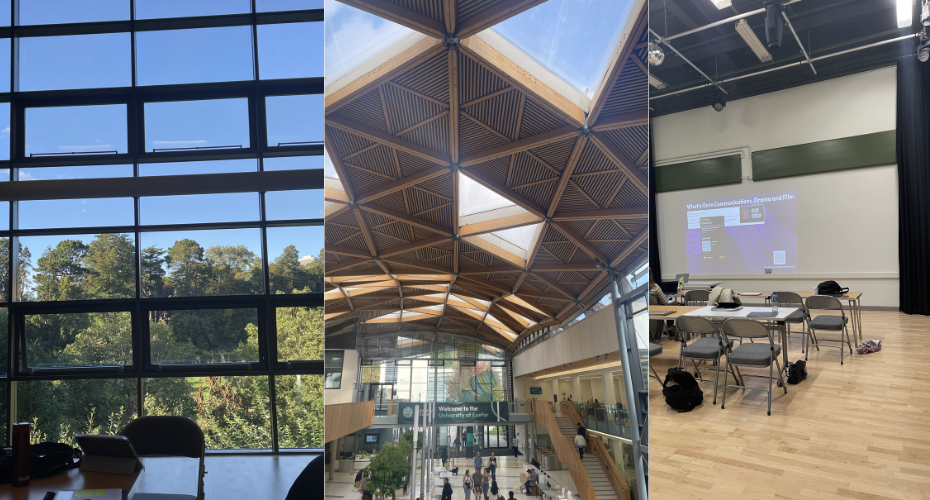
When I need to concentrate deeply, especially when writing essays, Thornlea building is my go-to. The quiet environment makes it much easier to focus, and I find that I can get a lot more done in a shorter amount of time. This has become my “serious study mode” place, especially during deadlines. Besides this building, I would also recommend silent study areas in the library at the Streatham Campus for students who prefer a quiet space to concentrate.
Aside from these spots, I’ve also found a few quieter corners on campus that work well for me, such as outdoor seating spots, where I like to both study and relax. Sometimes, changing your study environment can refresh your mind and make studying feel less repetitive. Everyone works differently, so it’s worth exploring and finding the spaces that suit you best.
Practical Tools and Tips for Future Students
Alongside the official academic support from the University, I’ve also realised that developing your own study system and knowing a few practical strategies can make a huge difference in your day-to-day experience as an international student.
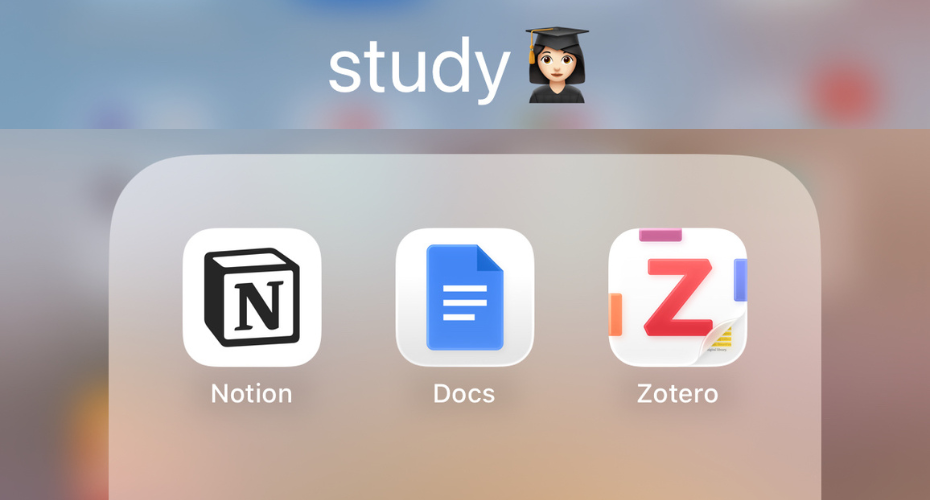
One of the most useful tools I started using is Notion. I use it to organise my notes, track deadlines, and plan my assignments in one place. Having everything structured visually really helps me stay on top of my workload, especially during busy weeks when things can feel a bit overwhelming. I also rely on Google Docs quite a lot, especially for drafting essays and working on group projects. The ability to edit in real time and access my work from anywhere makes studying much more flexible.
Another tool that made a big difference is Zotero. Referencing was something I struggled with at the beginning, especially when managing multiple sources for essays. Zotero helped me keep everything organised and made the citation process much smoother, which saved me a lot of time and reduced stress.
But beyond tools, I would like to give some practical advice that I think is especially helpful for international students adjusting to a new academic system. One of the most important things is not being afraid to ask for help. Whether it’s lecturers, tutors, or support services, everyone is generally very open and willing to guide you. At first, I hesitated because I wasn’t sure if my questions were “good enough”, but I quickly realised that asking questions is actually a key part of learning here.
Another important adjustment is understanding academic expectations early on. In the UK system, especially at postgraduate level, it’s not enough to just describe ideas. You’re also expected to analyse, evaluate, and build your own arguments. Once I understood this shift, my writing became much more focused and confident. I also found that improving academic English gradually made a big difference. Reading journal articles regularly helped me understand how arguments are structured and how academic tone is used in practice.
Finally, connecting with classmates really helped me feel less isolated. Whether it’s discussing readings, sharing notes, or studying together, learning becomes much more enjoyable when it’s shared. Overall, these tools and small habits didn’t just help me study more efficiently, they also helped me feel more confident and settled in a new academic environment.
Final thoughts
Looking back, my journey at Exeter has been a gradual process of adjustment and growth. At the beginning, everything felt quite unfamiliar, from academic expectations to ways of studying, and there were moments when I felt unsure. However, over time, I realised that improvement comes from small steps, such as using support services, asking questions, and finding study methods that work for you. These small actions really add up and make a big difference.
What I’ve learned most is that you don’t have to figure everything out alone. There is always support available, and you just need to reach out and use it. For me, this journey has not only been about academic development, but also about learning how to adapt and grow in a new environment.