

Hi everyone! My name is Pouria, and I’m a first-year medical student and a BSc Medical Sciences graduate at the University of Exeter. Originally from London, moving to Exeter for university was a big step for me, but it quickly became one of the most rewarding decisions I’ve made. In this blog, I want to share the real reasons behind choosing Exeter for my undergraduate journey, from the course and research opportunities to student life, community, and the decision-making process itself. I hope that this gives prospective students a genuine insight into what influenced my choice and what life at Exeter has actually been like.
Why the University of Exeter?
Three years ago, I was sitting in my room in London with multiple university tabs open, trying to figure out where I could genuinely see myself growing, not just academically, but personally too. I wanted more than a degree. I wanted a university that would challenge me, support me, and help me become the kind of person who could one day work in healthcare and make a real difference. Looking back now, I can confidently say Exeter was the place that aligned with that ambition in a way no other university did.
A course shaped by curiosity and flexibility
When I started comparing universities, I quickly realised I didn’t want a course that locked me into a single direction too early. Some programmes felt rigid, with little room to explore outside a fixed structure. Exeter was different. The BSc Medical Sciences course immediately stood out for its flexibility and breadth. I liked that I could build my understanding across multiple areas of biomedical science while still keeping future pathways open. During the Offer Holder Visit Day, hearing students talk about modules like Advanced Microbiology and Health Economics brought the course to life in a way a website never could. It wasn’t just about learning theory; it was about understanding healthcare from biological, clinical, and societal perspectives. That balance between scientific depth and real-world relevance was what ultimately made Exeter stand out.
Research that felt real, not distant
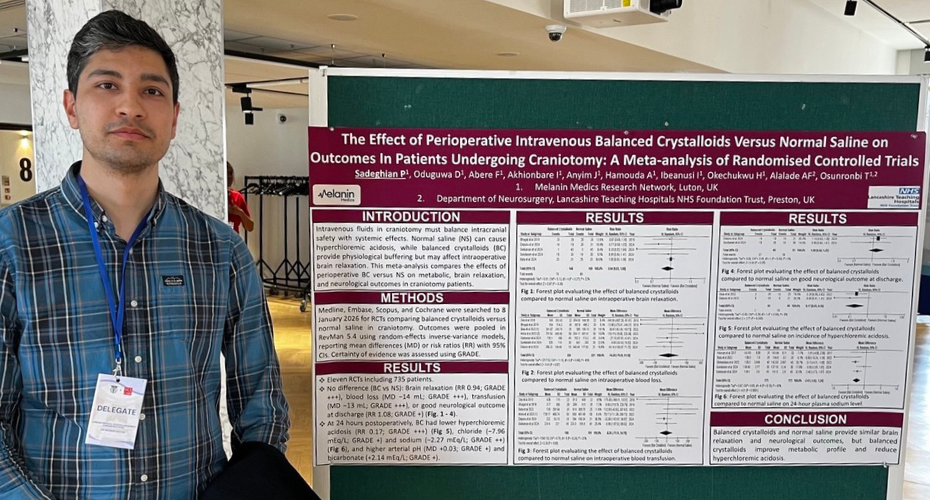
One of the things that stayed with me from my first visit was walking through the research spaces on Streatham Campus. It was the first time I felt that research wasn’t something “separate” from undergraduate study; it was actively part of it. That mattered to me. I’ve always been interested in how scientific discovery translates into patient care, and Exeter made that feel tangible from the beginning. During my degree, that interest developed further through modules like Advanced Microbiology and eventually my dissertation on digital health interventions. Opportunities have included presenting my research at the British Conference of Undergraduate Research, winning an Exeter Leaders Award and the University of Exeter community citizenship engagement. These experiences were real highlights that gradually built my confidence to pursue opportunities I would not have considered before, including showcasing collaborative research at the London Medical Schools Research Conference (LMSRC 2026).
What helped me make the decision!
I didn’t choose Exeter overnight. I spent a lot of time comparing courses, reading module breakdowns, and trying to picture what day-to-day university life would actually feel like. What stood out was not just what Exeter offered, but how it offered it. The Medical Sciences course felt broad, flexible, and clearly connected to real healthcare challenges. I was particularly drawn to modules like Health Economics, which showed that medicine isn’t just biological; it’s also about systems, decisions, and impact. I also liked that many lecturers were actively involved in research, which made the teaching feel current rather than purely textbook-based.

Visiting Exeter changed everything
Although I liked Exeter on paper, the Offer Holder Visit Day is what truly confirmed my decision. Walking across Streatham Campus, seeing the Forum full of students, attending taster sessions, and speaking to staff made everything feel real. I could actually picture myself there, not just studying, but living. What stood out most was the atmosphere. Compared to other universities I visited, Exeter felt balanced, calm without being quiet, academic without being overwhelming, and structured without feeling rigid. Even my family noticed the same thing. There was a sense that Exeter simply felt right, both academically and personally.


A community that became familiar quickly
Coming from London, I initially wasn’t sure how I’d adjust to a different pace of life. But that uncertainty disappeared very quickly once I arrived. Welcome Week or Freshers’ Week played a big role in that. I still remember sitting in the Forum for the first time and realising how easy it was to talk to people from completely different backgrounds and countries. Over time, everyday places like the Old Library and Devonshire House became part of my routine. It wasn’t one big moment; it was lots of small ones that made Exeter feel familiar. Getting involved in societies such as the Expedition Society also helped me find and connect with other students who shared similar values, which made the transition much smoother. Being so close to the coast while studying at the University of Exeter makes it easy to escape to the seaside for a refreshing break from student life.

Opportunities that shaped more than my degree
One of the biggest reasons I chose Exeter was the emphasis on personal development beyond lectures. From volunteering fairs and research conferences to leadership programmes and employability support, opportunities were easy to find if you were willing to get involved. The Career Zone, in particular, played a key role in helping me prepare for healthcare roles, especially around CV building and interview confidence. Taking part in the Exeter Leaders Award and presenting research externally were also important experiences for me, not just for my CV, but for my confidence and sense of direction.
Finding balance in the city
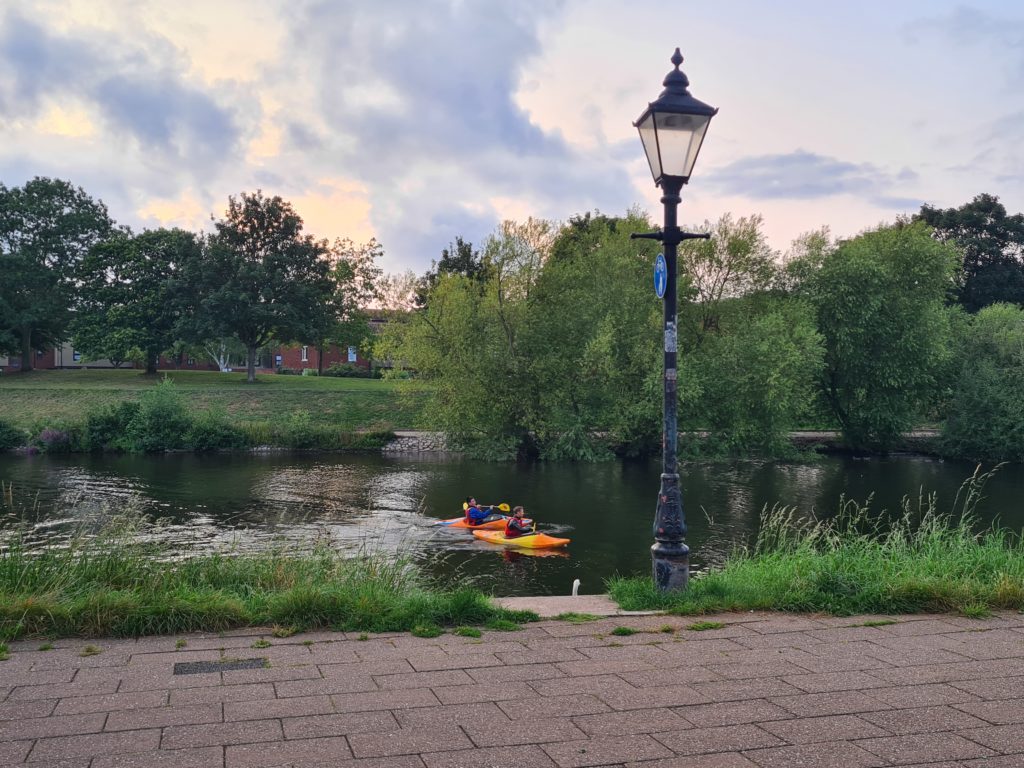
Exeter, as a city, was another major factor in my decision. Coming from London, I wanted somewhere that still felt lively but didn’t feel overwhelming. Exeter offered exactly that balance. Some of my best memories aren’t academic at all; they’re early morning walks across Exeter campuses, studying in cafés in the city centre, or spontaneous trips to Dartmoor when I needed a break. It’s a city that naturally encourages balance, which I didn’t fully appreciate until I experienced it myself. One of the things that surprised me most about Exeter was how easily student life blends with nature and everyday city living. It’s not a place defined by constant noise or intensity, but instead by balance, something I didn’t fully appreciate until I lived here.


On quieter days, I found myself walking along Exeter Quay, revising in cafés in the city centre, or taking short breaks on Streatham Campus when I needed to reset between lectures. After more stressful weeks, simple things like a walk up to Cathedral Green or a trip towards the surrounding countryside, including Dartmoor or seaside like Exmouth, made a huge difference. Student life here also has its social side, but it feels more grounded and community-focused. Whether it’s society events, house gatherings, or evenings in places like The Ram, it’s less about constant nightlife and more about spending quality time with people you actually know. Looking back, I think this balance between calm and social life was one of the biggest reasons I adjusted so well. Exeter wasn’t just a place to study; it was a place that naturally supported a healthier rhythm of life.

Overcoming the financial side of university
For me, one of the practical considerations when choosing Exeter was how I would manage the financial side of university life. Moving away from home meant thinking carefully about accommodation, living costs, and the overall expense of studying. While I didn’t receive a large scholarship, I did receive support through the Exeter bursary and small financial grants during my time at university. Although these may seem modest compared to headline scholarships, they genuinely helped ease some of the day-to-day pressures and allowed me to focus more on my studies and opportunities rather than constantly worrying about finances.
What I learned quite quickly is that it’s worth exploring every form of support available. Exeter has a range of bursaries and hardship funds designed to support students in different situations, and many of these aren’t always widely talked about until you actively look for them. My advice to prospective students would be to research early, keep an eye on deadlines, and don’t assume support is only for a small group of high-achieving applicants. Even smaller grants can make a real difference over the course of a degree, especially when combined with part-time work or other university support systems. Looking back, having that financial support in place, even in small ways, helped me settle into university life more confidently and focus on making the most of the opportunities Exeter had to offer.
Growth, confidence, and perspective
If someone had told me in my first year that I’d present research at a national conference, take on healthcare roles alongside my studies, and eventually progress into medicine, I probably wouldn’t have believed them. But Exeter created an environment where those things became possible. More importantly, it helped me grow in confidence and clarity about what I wanted from my future. University, for me, became less about “what degree am I getting?” and more about “who am I becoming?”
Looking back
Looking back now, choosing Exeter wasn’t about one single reason. It was the combination of course structure, research opportunities, campus atmosphere, and student life, all coming together in a way that felt right at the time, and even more right in hindsight. My advice to anyone considering Exeter is simple: don’t rely only on rankings or websites. Visit if you can, talk to students, and pay attention to how a place feels, not just how it looks on paper. For me, Exeter wasn’t just a university choice; it was the place where everything started to come together.