
Posted by Ted Feldpausch
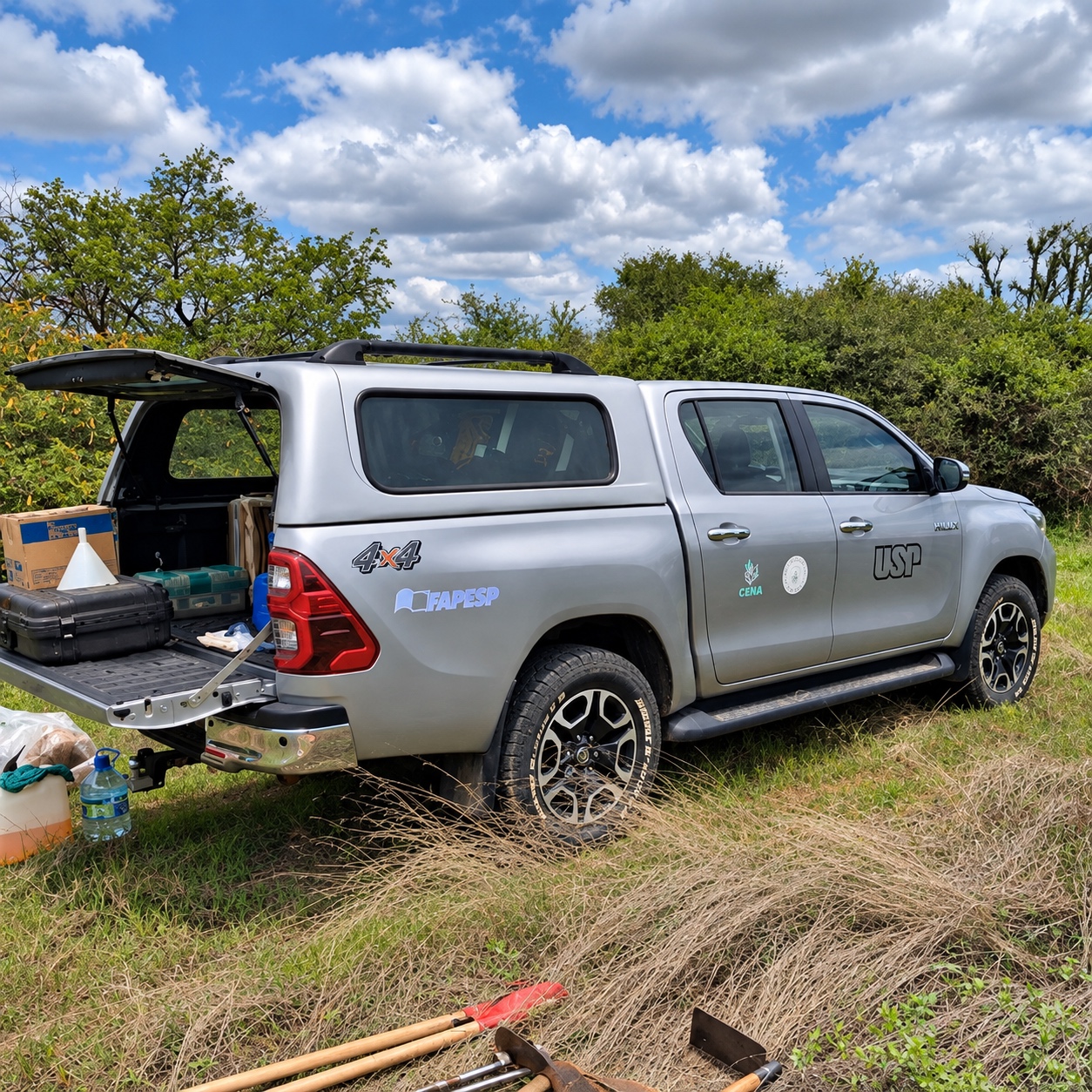
2 March 2026The Amazon PyroCarbon project has been travelling across the Brazilian Amazon to understand how wildfires affect soil characteristics such as carbon stocks and emissions. So far, seven study areas have been mapped across five states (Mato Grosso, Rondônia, Amazonas, Acre, and Pará), each adding an essential piece to the complex puzzle of the Amazonian landscape. To make this work possible, and to transport heavy soil samples back to the lab for analysis, part of the team drives through all these regions, leaving from the project’s laboratory in Piracicaba (São Paulo). These are long road journeys that support the logistics of fieldwork, and over the past three years, thousands of kilometers have been covered, along paved roads, dirt tracks, and even barge crossings to traverse the vast Amazonian rivers that often resemble open seas.
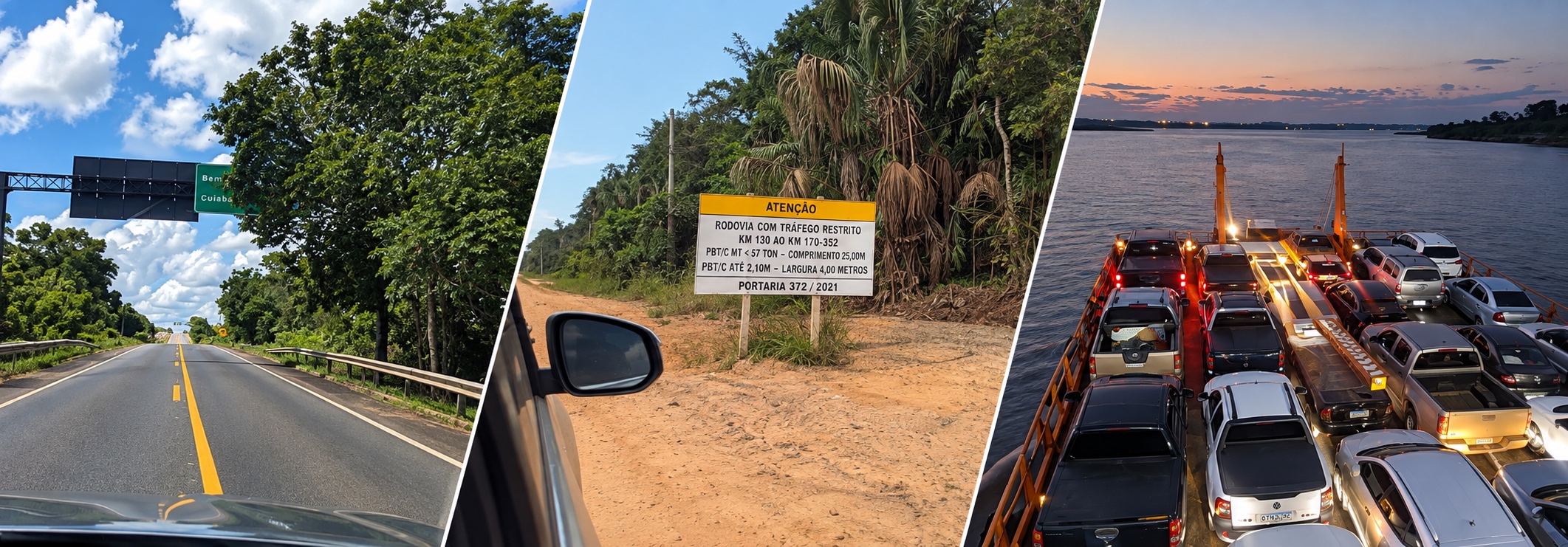
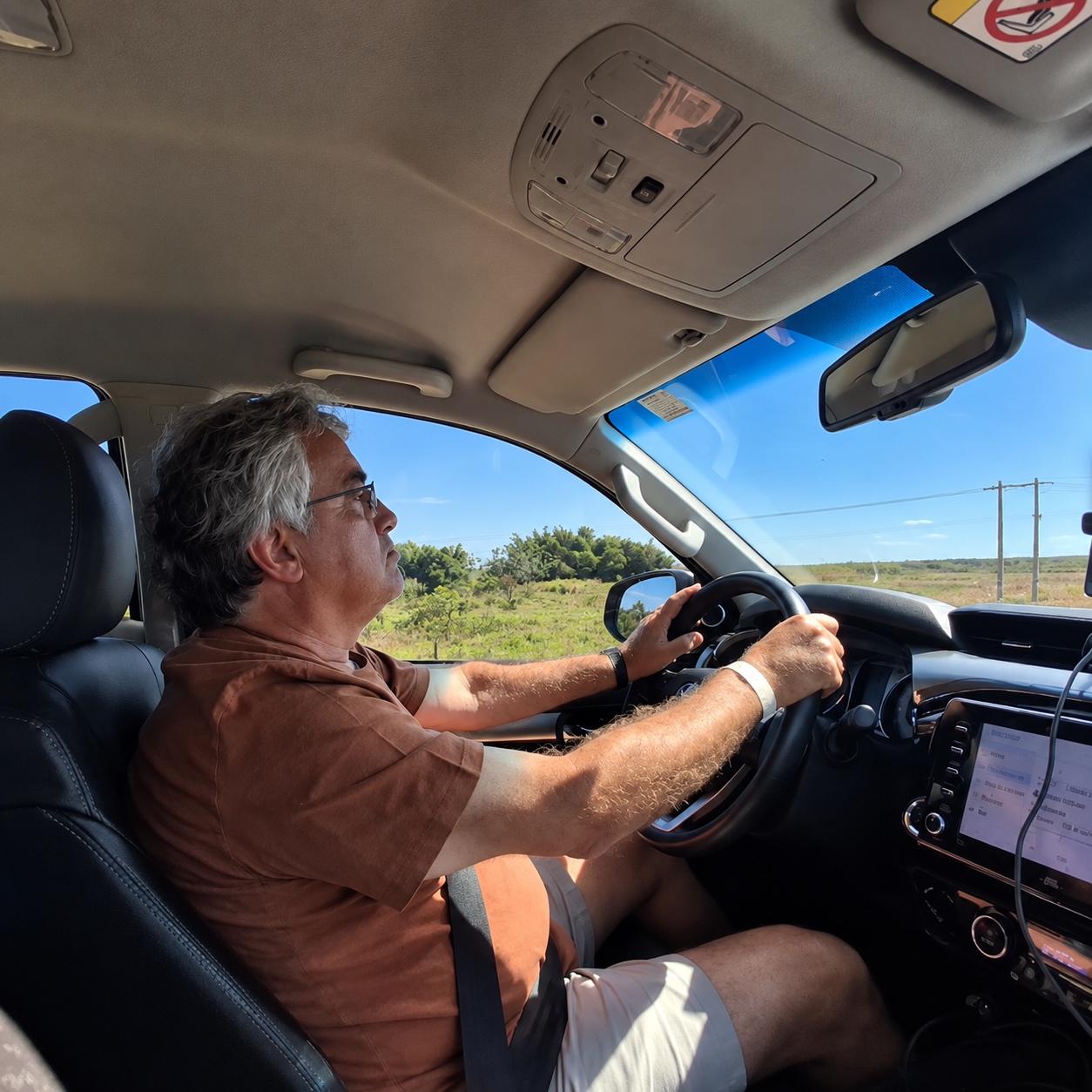
Faced with so many challenges, the project’s vehicle earned the affectionate nickname Guerreira (the Warrior). Each road trip lasts around three to five days, and upon arrival the full team comes together for weeks of fieldwork in the often remote locations of Amazonia. Students, collaborators, and researchers from the study regions join the group, along with students and a researcher from the University of Exeter, as well as participants from other parts of the country.
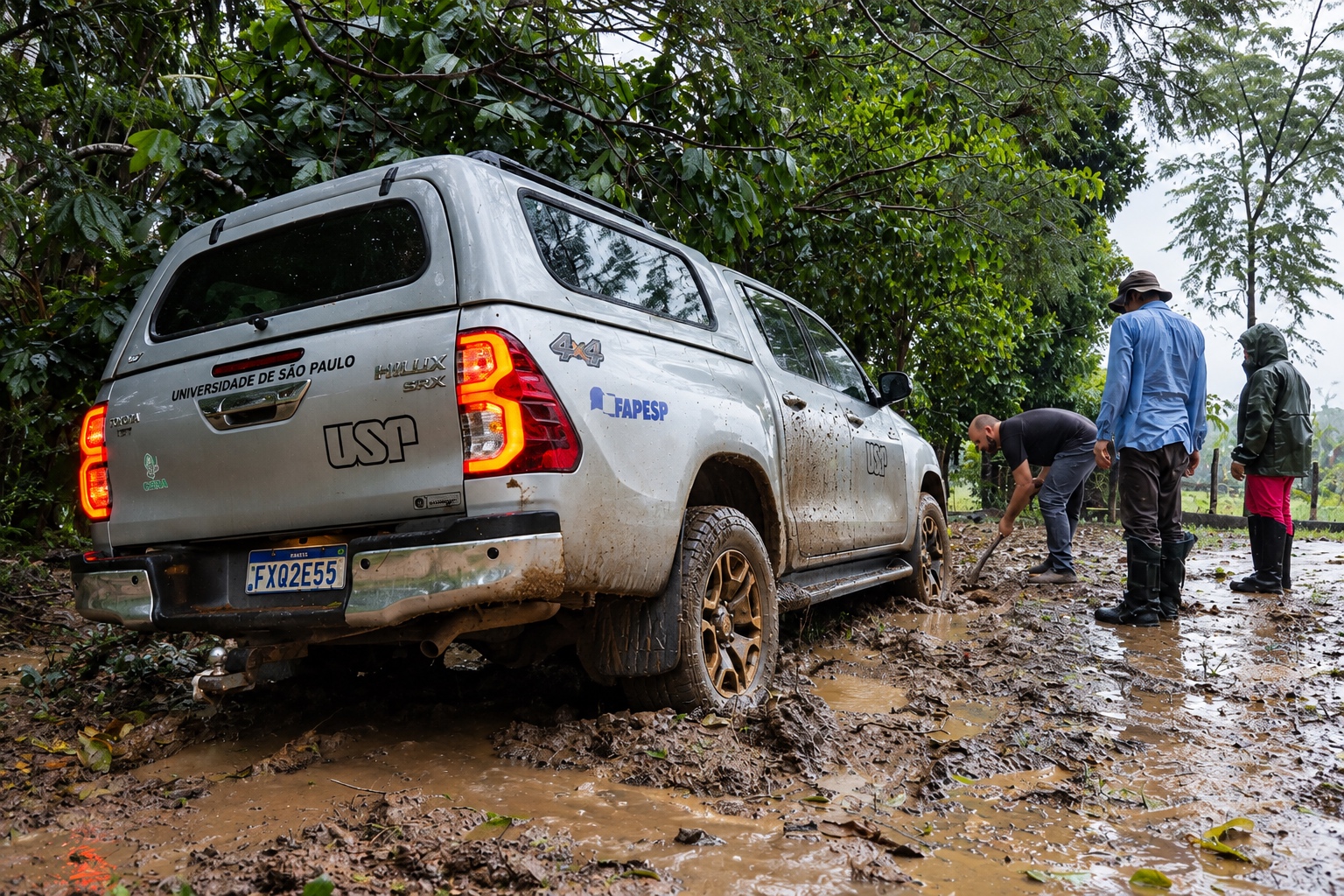
With the team complete, field activities begin, usually lasting one to two weeks to map the areas and collect soil samples. In each region, different old-growth, degraded, and regrowing secondary forests are selected, each with its own history of fire events. Soil samples are collected every 10 centimetres across multiple profiles reaching depths of up to one metre. In some cases, trenches are also opened, allowing soil and charcoal samples to be collected down to two metres. Disturbed samples are sent for analyses of carbon and nitrogen concentrations, fertility, texture, and other parameters. Undisturbed samples, meanwhile, are used to determine soil bulk density, an essential variable for estimating carbon and nitrogen stocks.
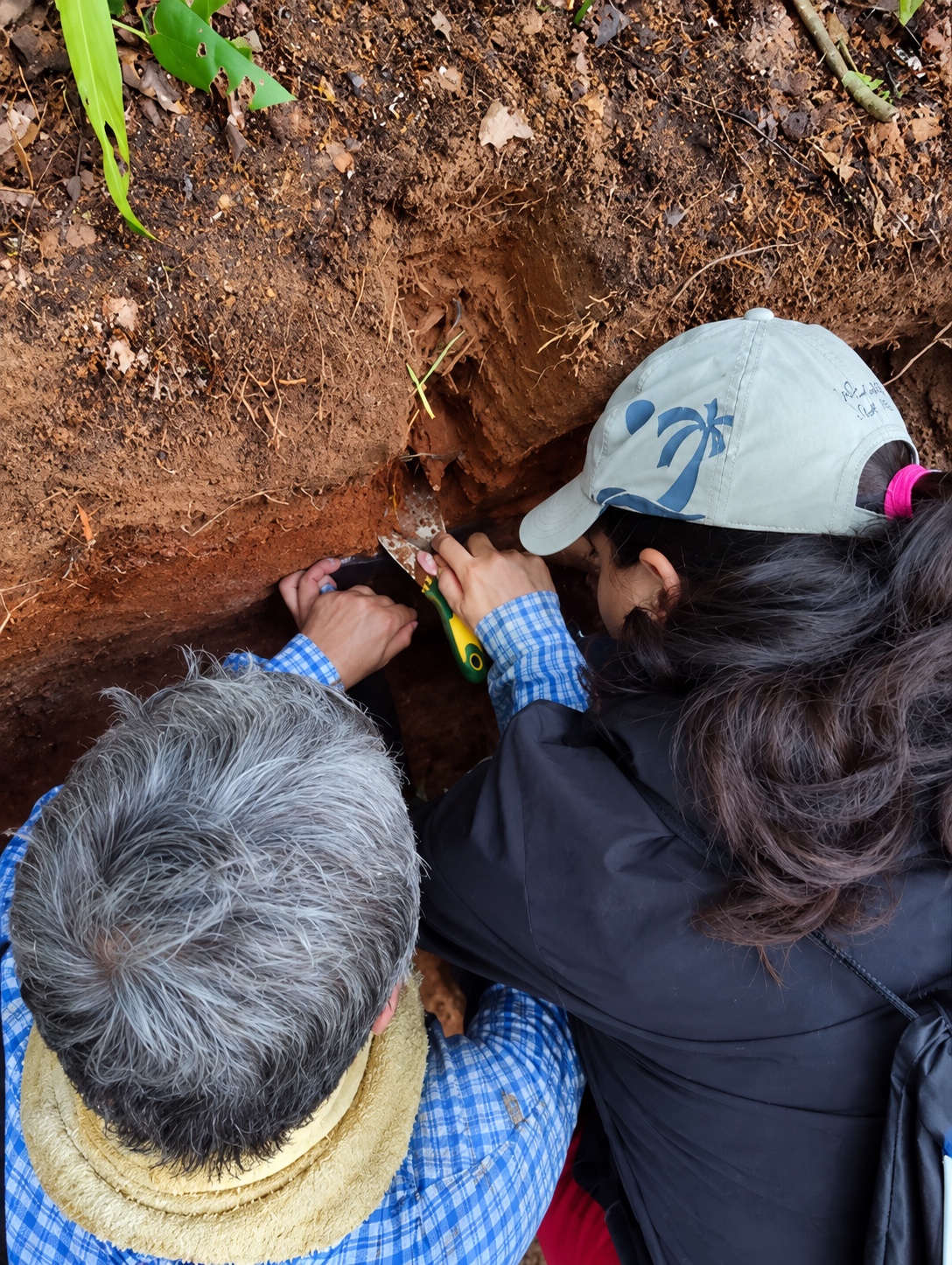
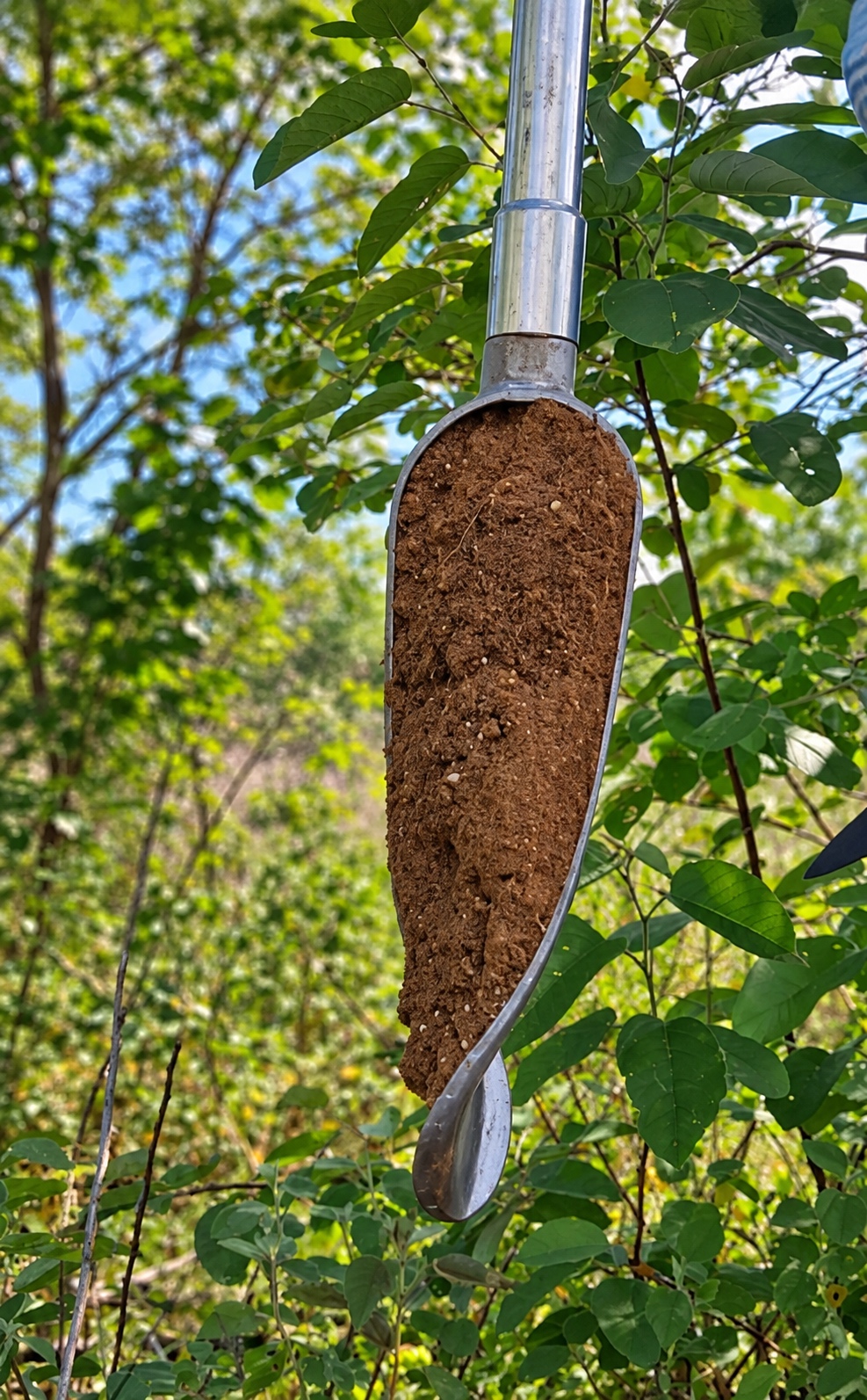
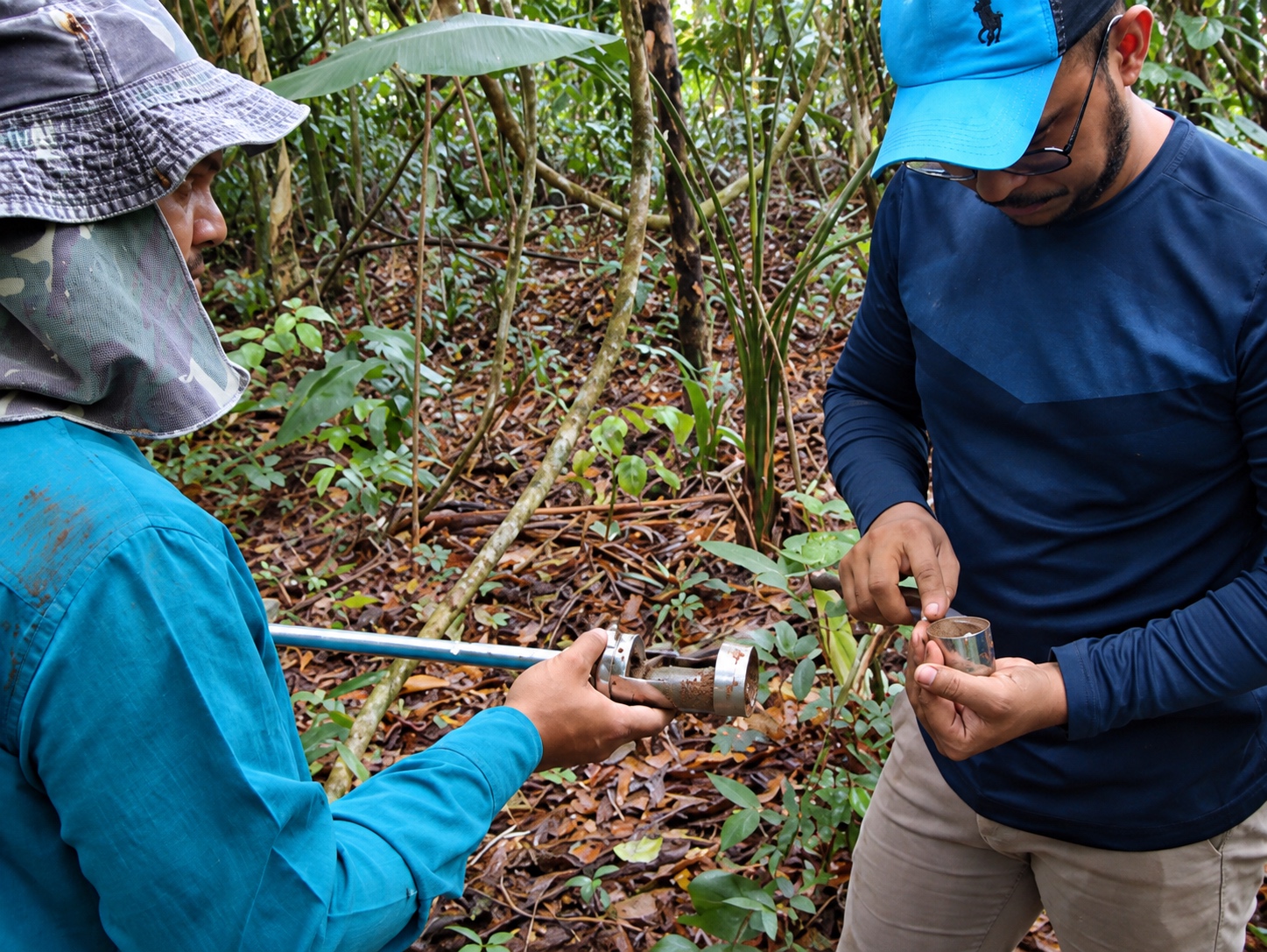
At the end of each expedition, the Guerreira returns to Piracicaba loaded with around 200 kilograms of soil. There, at the Laboratory of Isotopic Ecology, the next phase of the work begins, samples are processed and analysed, transforming them into data that will help tell a story about fire effects on Amazonian forests.
Text: Karina Gonçalves & Plinio Camargo. Photos: Karina Gonçalves.
Next: Read about what happens when the soil arrives at the laboratory in From Sample to Data: The Journey Inside the Laboratory.