Amazon PyroCarbon
Quantifying pyrogenic carbon stocks, soil carbon responses to fire, and climate-change feedbacks in Amazonian forests
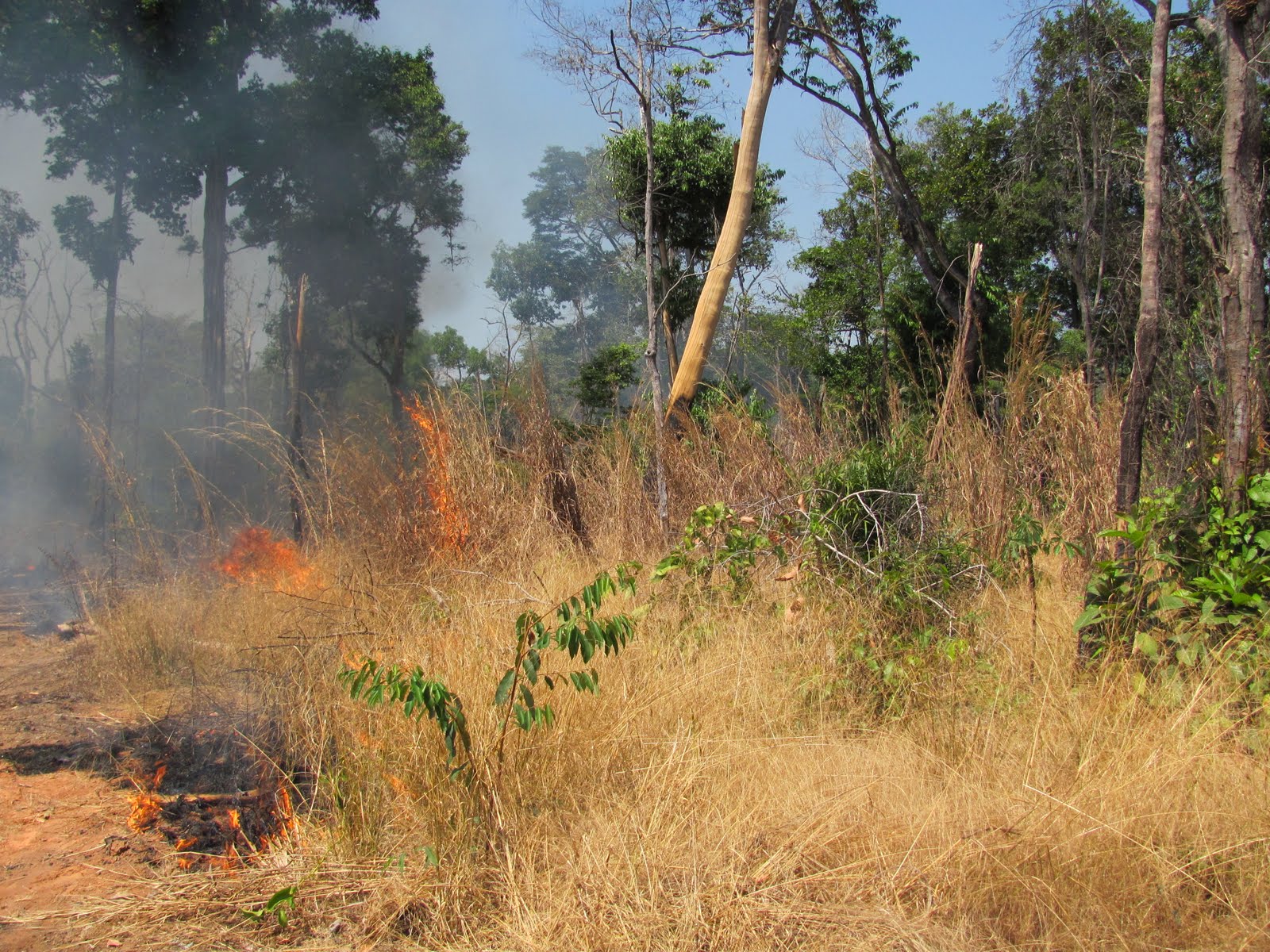
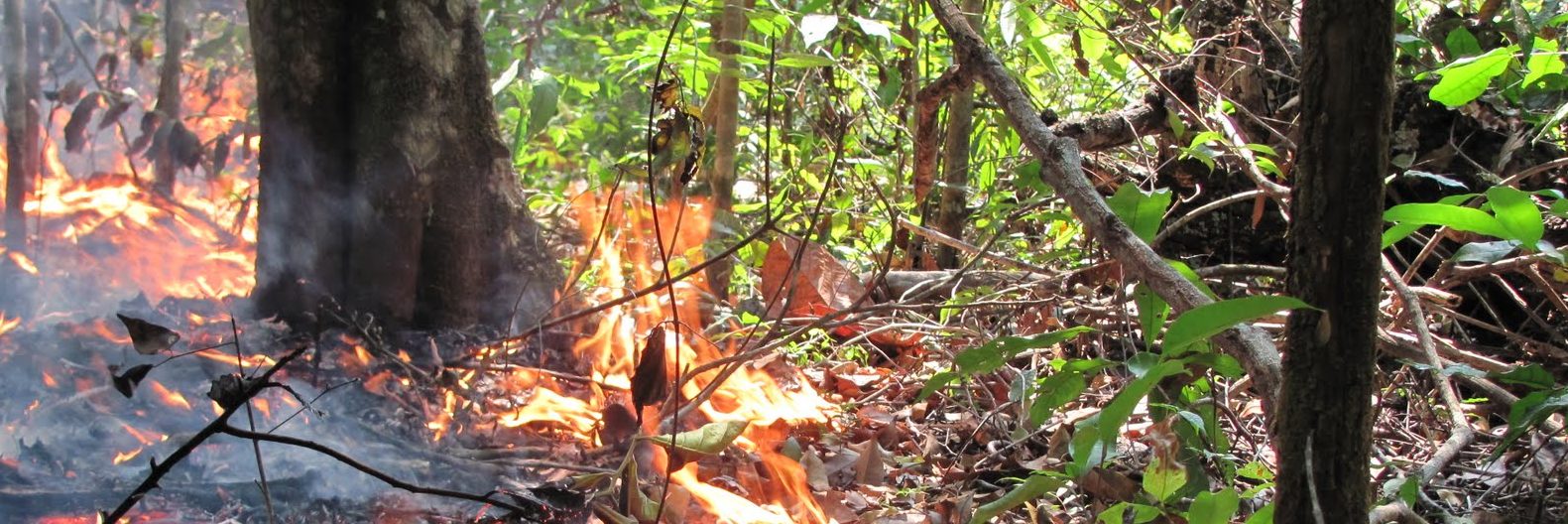
Fire is reshaping Amazonia, and the pyrogenic carbon accumulating in burned soils may be the most underestimated player in the global carbon cycle.
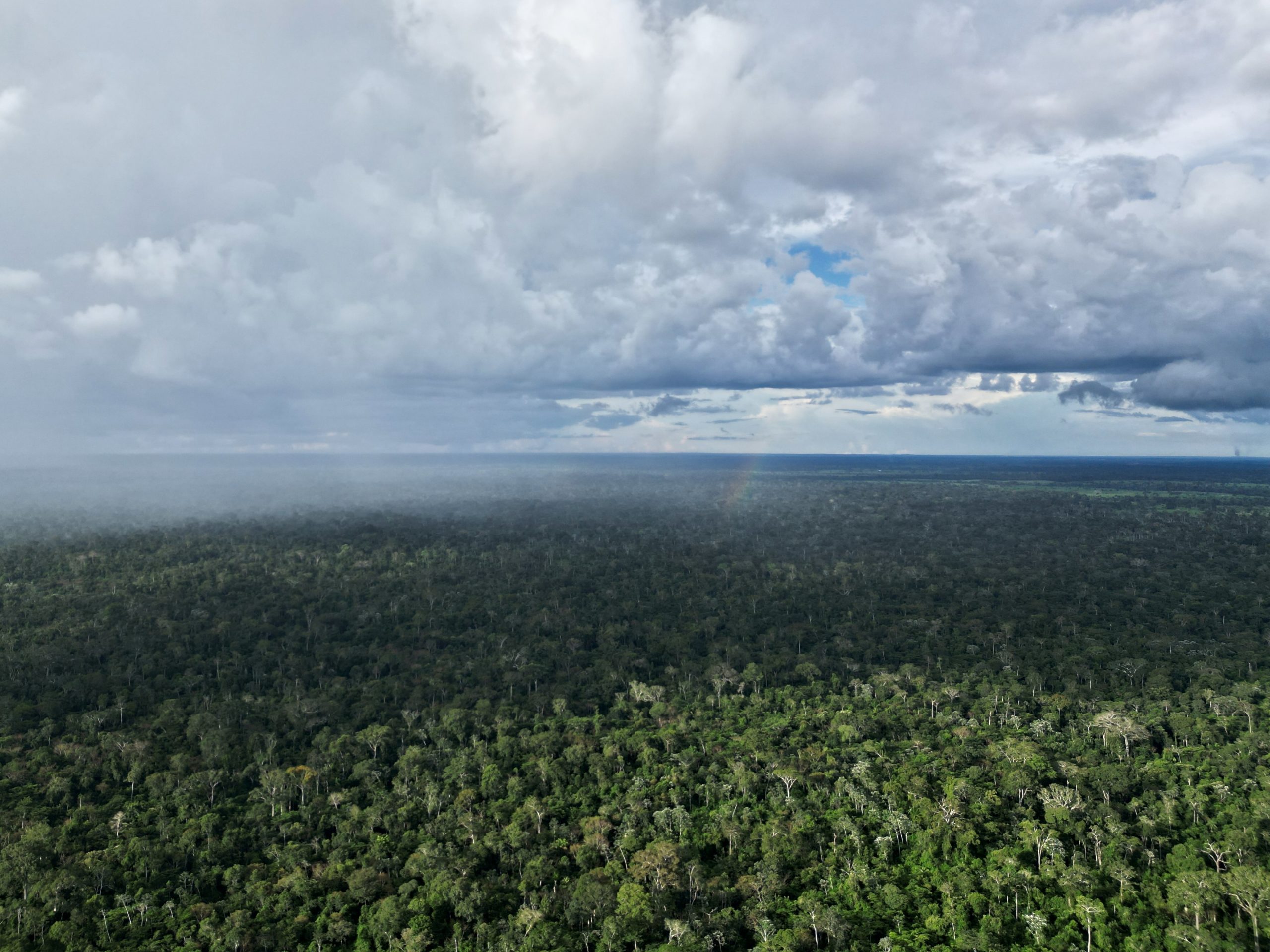
Amazon PyroCarbon is a NERC-FAPESP project delivering the first pan-Amazonian quantification of how fire alters soil organic carbon stocks, stability, and the accumulation of pyrogenic carbon (charcoal and black carbon) in forest soils. Combining systematic field campaigns, laboratory analyses, and ecosystem modelling across fire gradients in Amazonian forests, we investigate what Amazon burning means for the global carbon cycle, now and under future climate warming and drought.
Explore the project

4
Regional sites across
the Arc of Deforestation
12
Partner institutions
26
Researchers from
four countries
4
Years of field
measurements
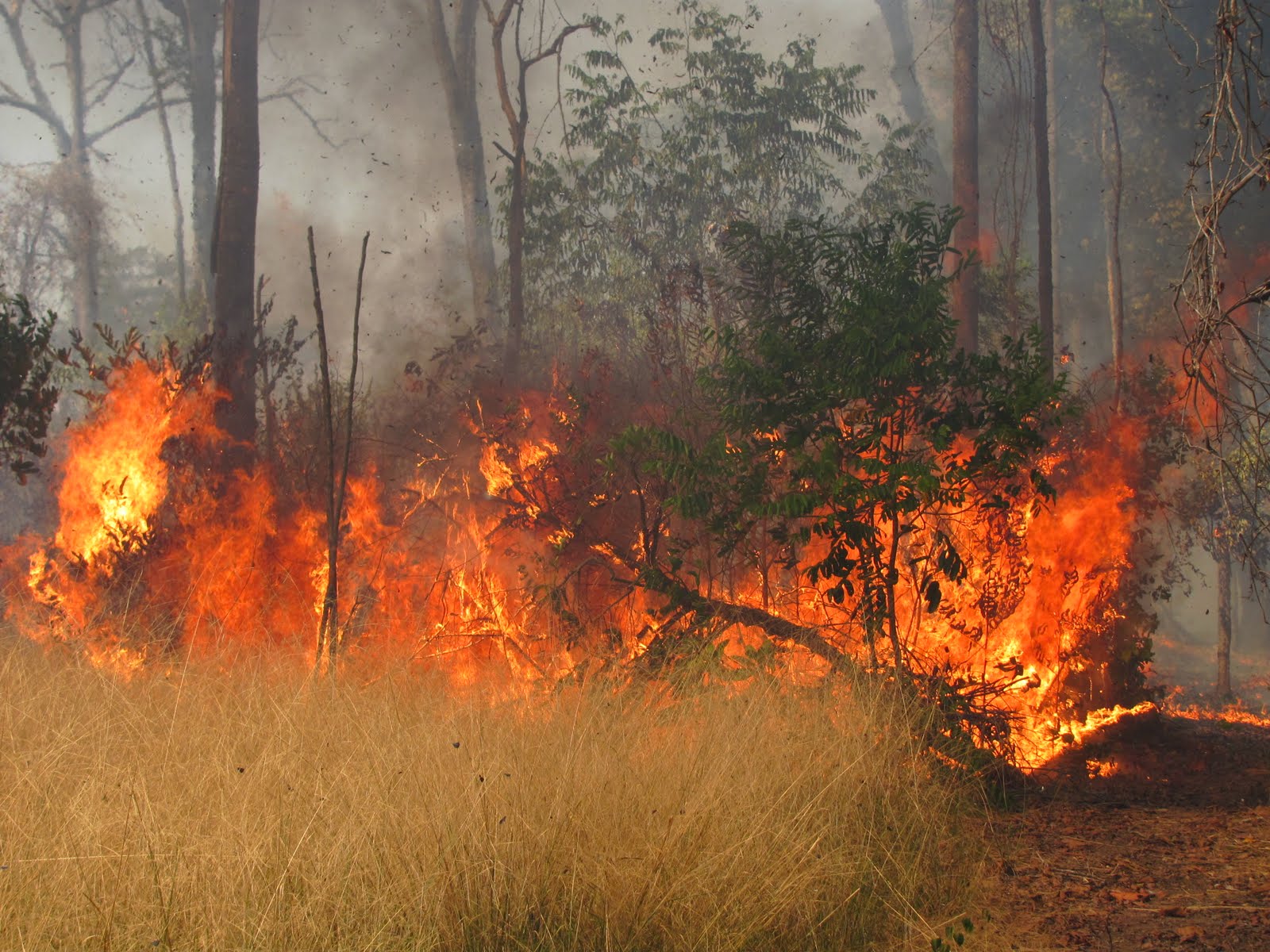
As fire spreads across Amazonia, the carbon beneath the ashes may determine the region’s climate future.
Latest news
-
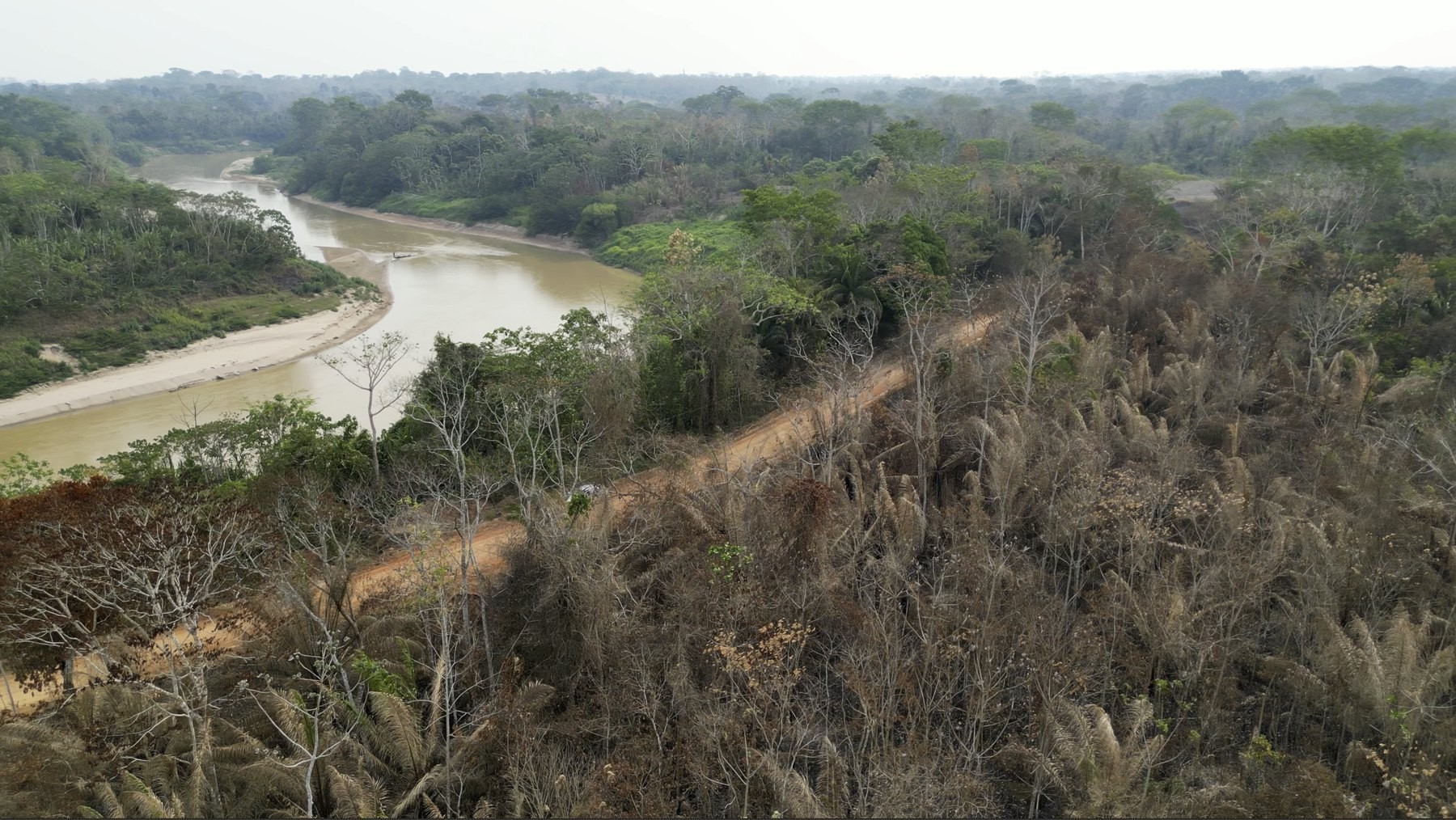
The Amazon’s hottest days are warming more than twice as fast as its average
A new study in Communications Earth & Environment, co-authored at Exeter, shows that Amazonia’s climate extremes are changing…
-
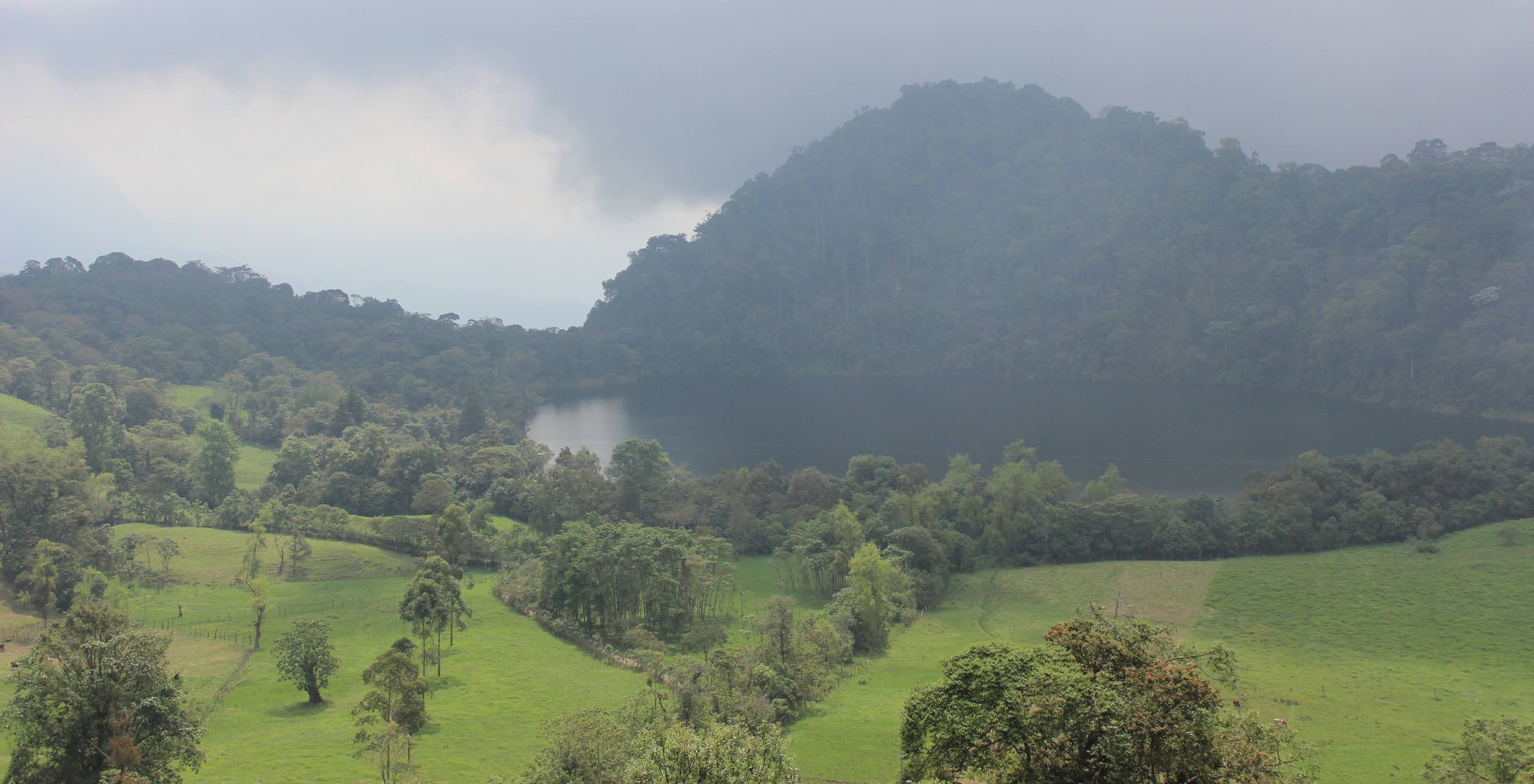
Andean Soil Carbon: The Deep Pool, Still Uncredited
A new policy brief distils our Global Change Biology study of 36 plots across the Colombian Andes: soil…
-
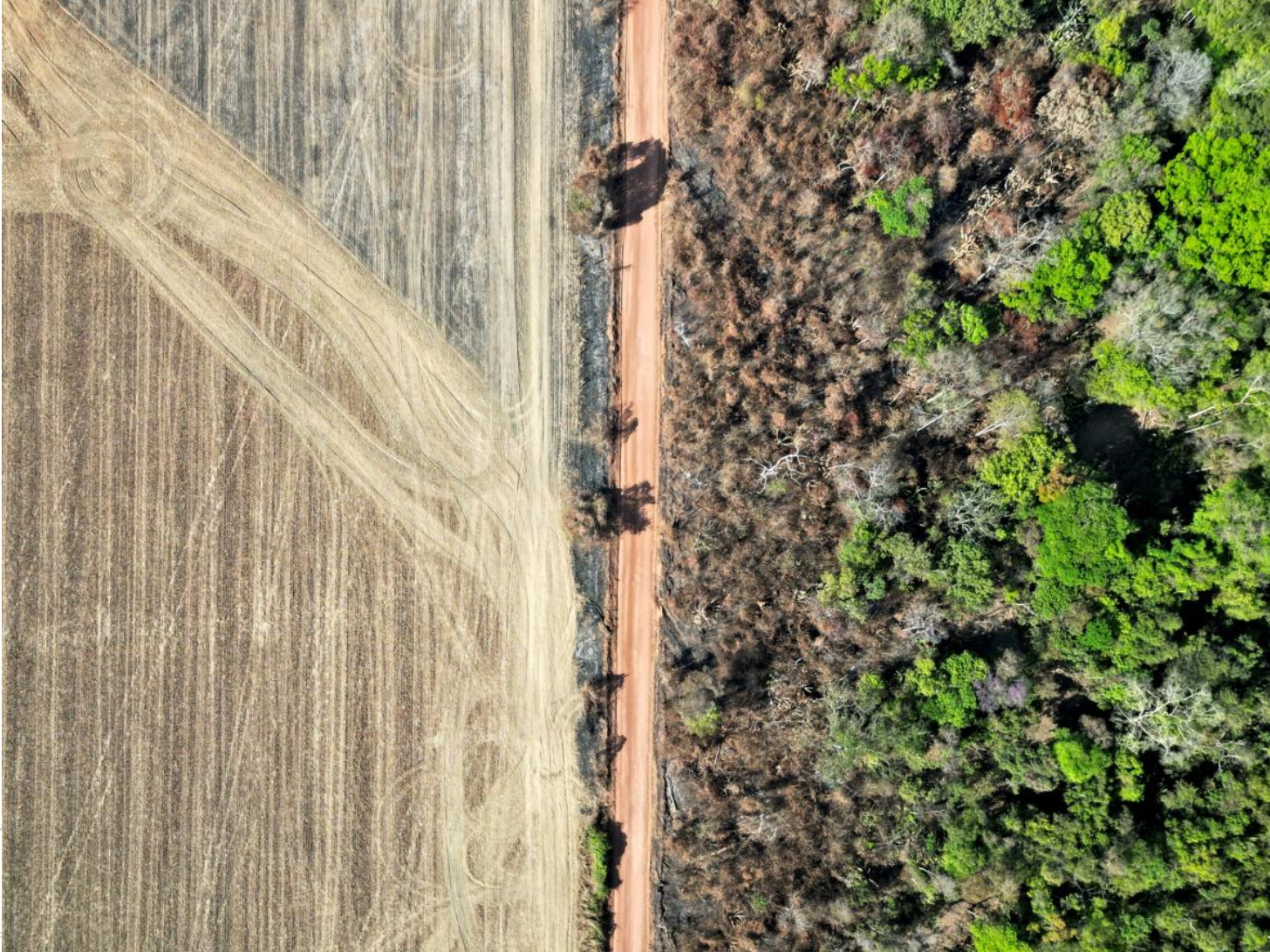
Burned Amazonian forests stay altered for at least 40 years, new lidar study shows
New spaceborne-lidar work presented at ATBC 2026 shows Amazonian forests in Acre remain measurably shorter, simpler and lower…
Project partners