Category: Black Carbon
-
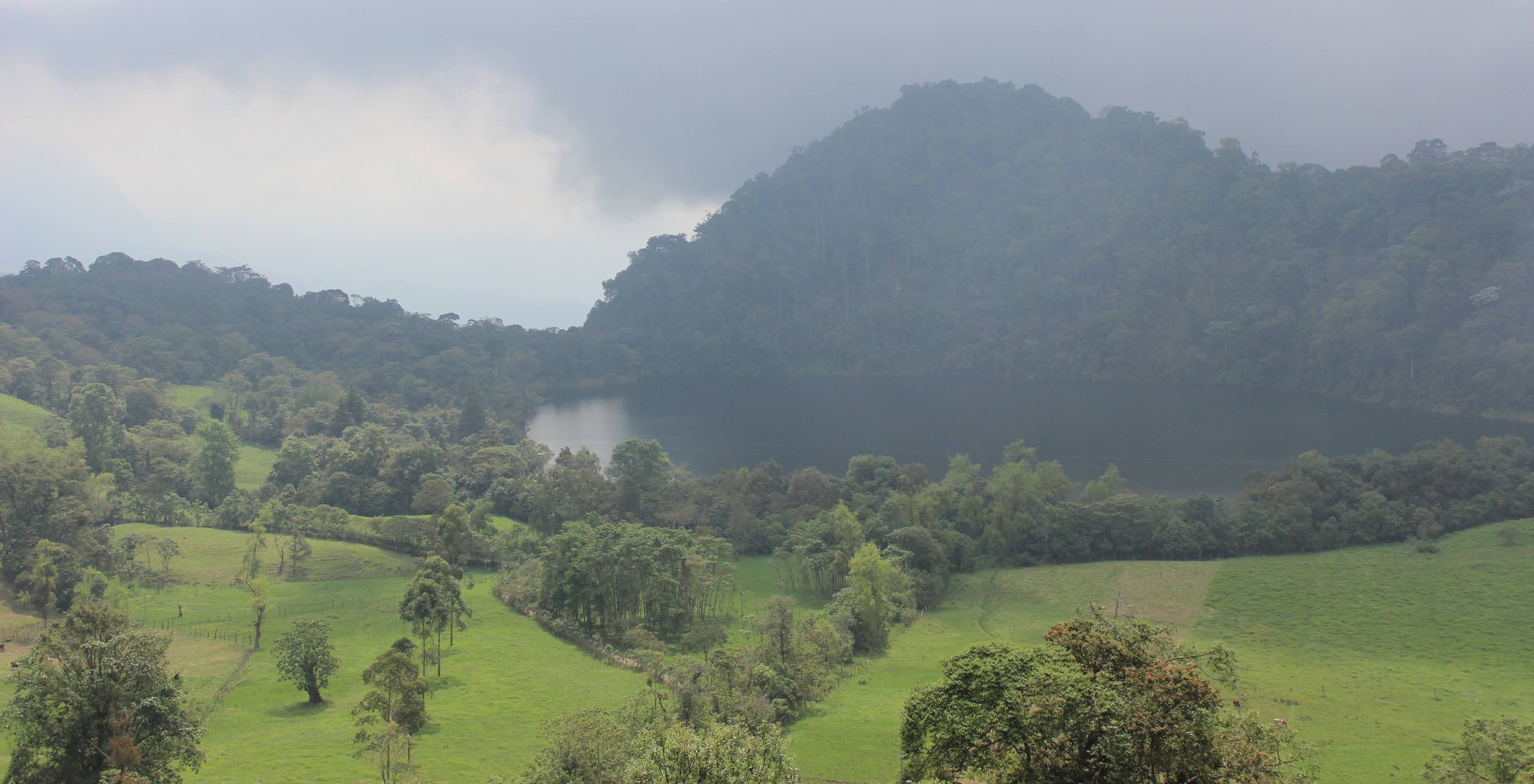
Andean Soil Carbon: The Deep Pool, Still Uncredited
A new policy brief distils our Global Change Biology study of 36 plots across the Colombian Andes: soil carbon rises six-fold from lowland to high-elevation forest, and a fire-derived fraction nine times the Amazon average makes it exceptionally durable — yet carbon-credit standards still treat soil as optional.
-
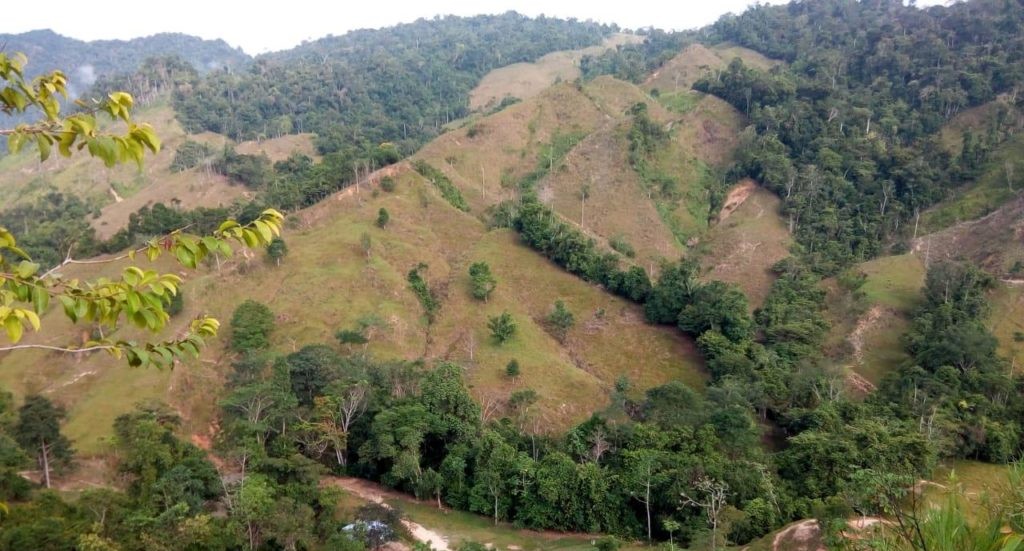
High-elevation tropical forest soils in Colombian Andes are rich in carbon from past fires
New research reveals that high-elevation tropical forest soils in the Colombian Andes store large stocks of pyrogenic and organic carbon, with clay content and fire history as key controls.
-
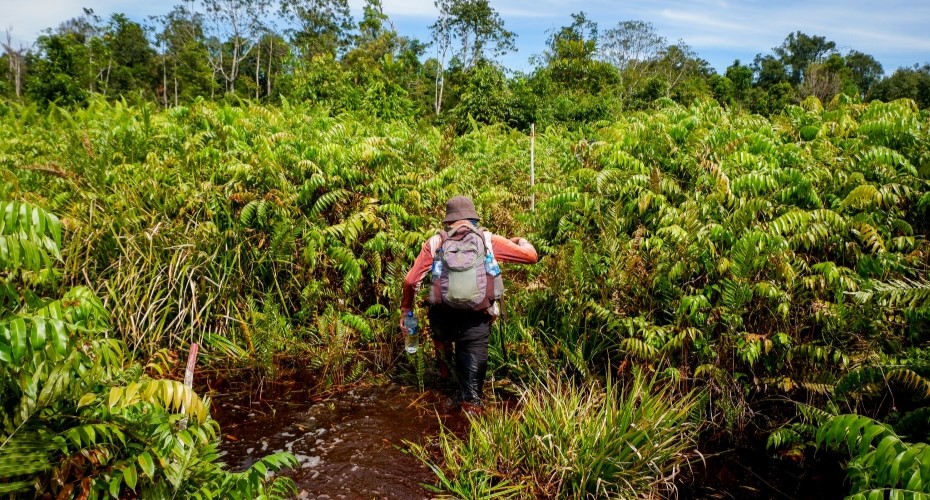
‘Unprecedented’ wildfires in tropical peatlands during 20th century
A new study reveals an unprecedented increase in wildfires in tropical peatlands during the 20th century. Peatlands store vast quantities of carbon below the Earth’s surface – more than all the world’s forest biomass combined – but when they catch fire large amounts of the stored carbon is released into the atmosphere. Wildfires in tropical regions have been on the rise in recent decades, but the history and characteristics of wildfires in tropical peatlands remain largely unknown. …
-
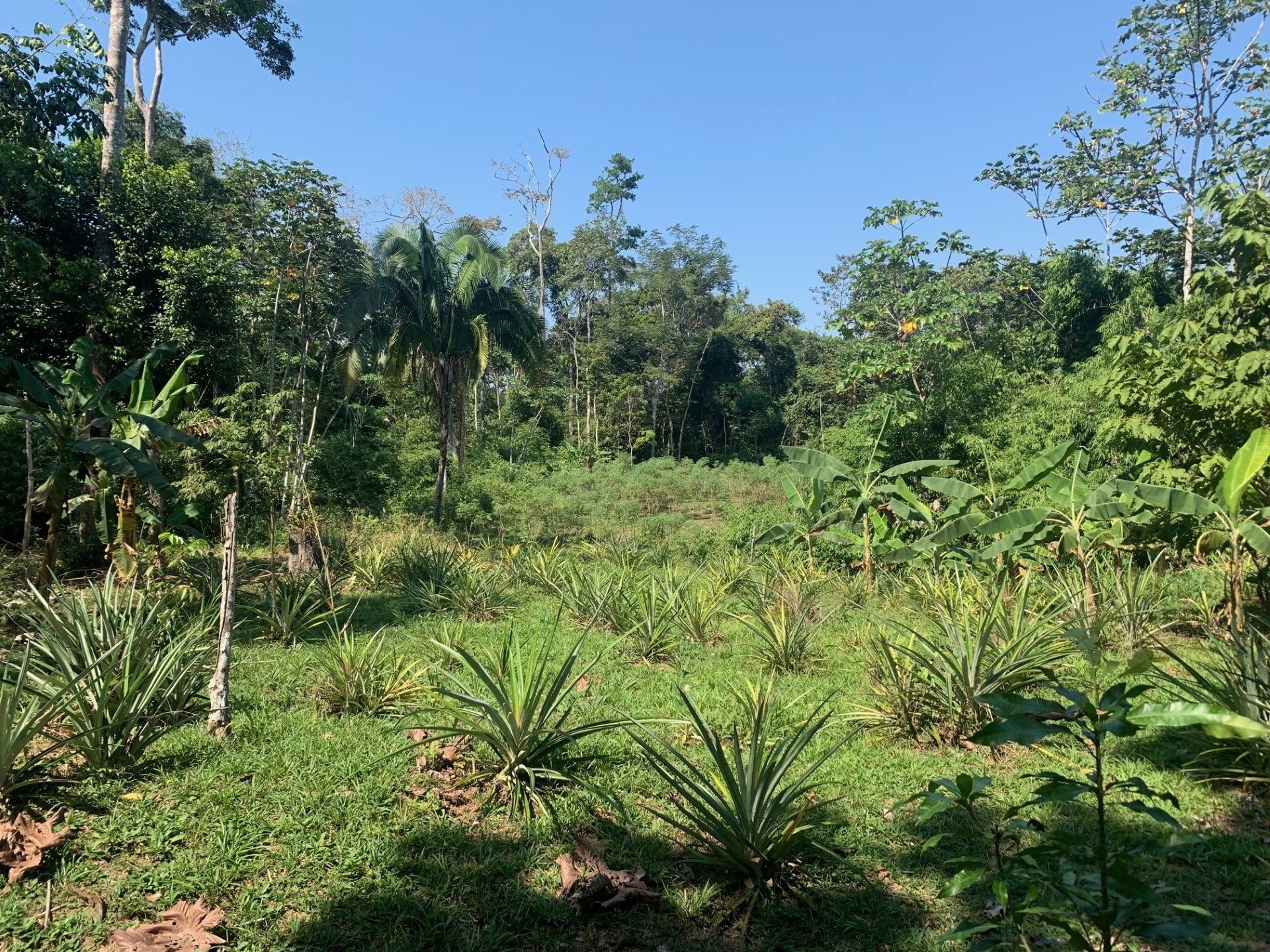
Adding fire-derived carbon to the JULES land-surface model for the Amazon
By Oscar Kennedy-Blundell | Postdoctoral Research Associate I am currently working as a postdoctoral research associate focusing on black carbon, or pyrogenic carbon (PyC), in the Amazon Basin. My primary focus is modelling the occurrence of PyC using the RothC model and the JULES land surface model.
-
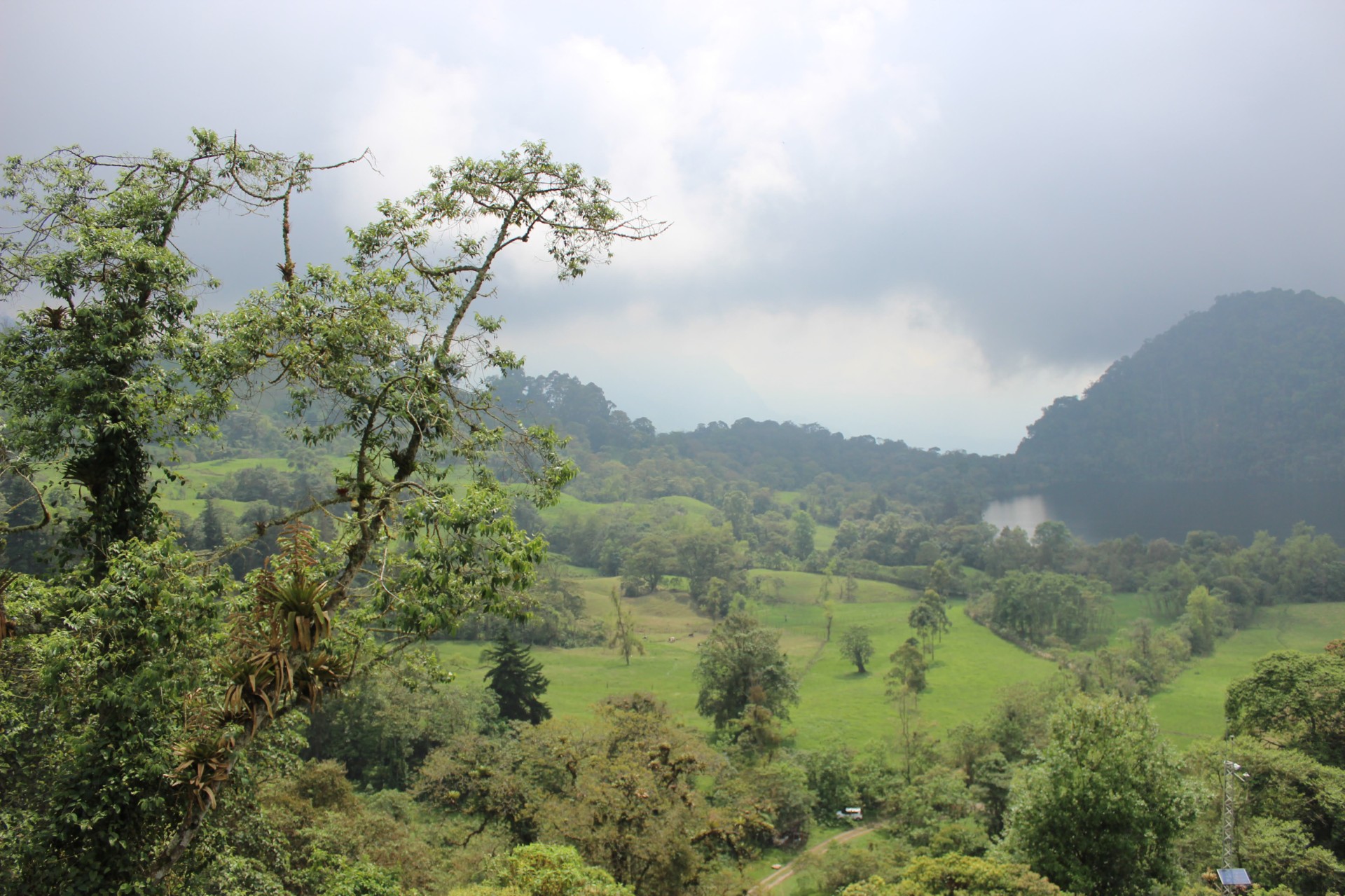
High-elevation tropical forest soils in Colombian Andes store nine times more pyrogenic carbon than Amazonian forests
The soil in high-elevation, cooler, drier tropical forests in the Colombian Andes stores more carbon from fires than lower, warmer regions, new research shows.
-
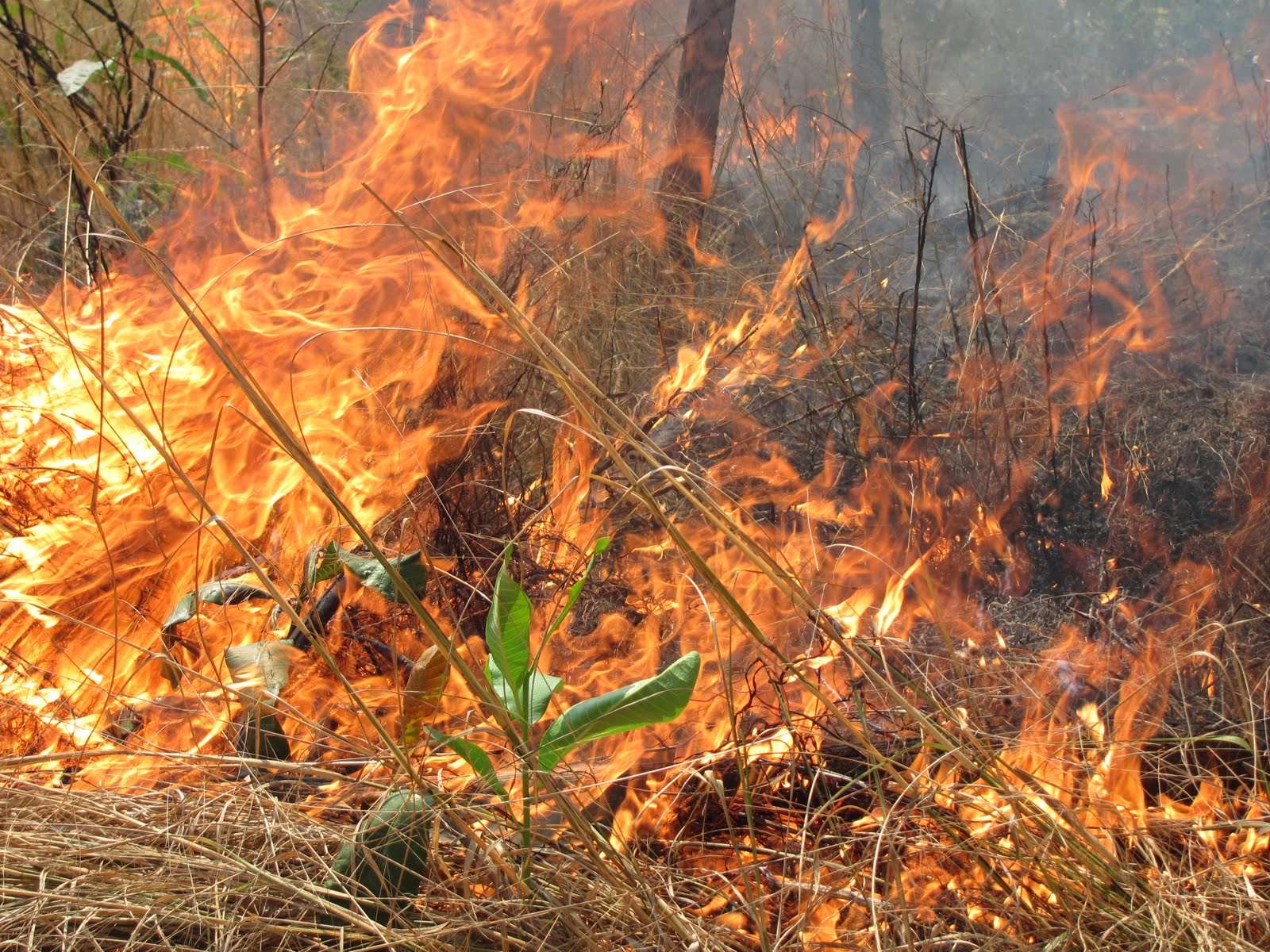
Fully funded PhD opportunity: Soil carbon dynamics following Amazon Forest fires: quantifying the role of fire severity and charcoal, NERC GW4+ DTP PhD
This opportunity has closed. For current PhD and postdoctoral opportunities in the Feldpausch group, see Research opportunities. This project is one of a number that are in competition for funding from the NERC Great Western Four+ Doctoral Training Partnership (GW4+ DTP). The GW4+ DTP consists of the Great Western Four alliance of the University of…