
Category: Black Carbon
-
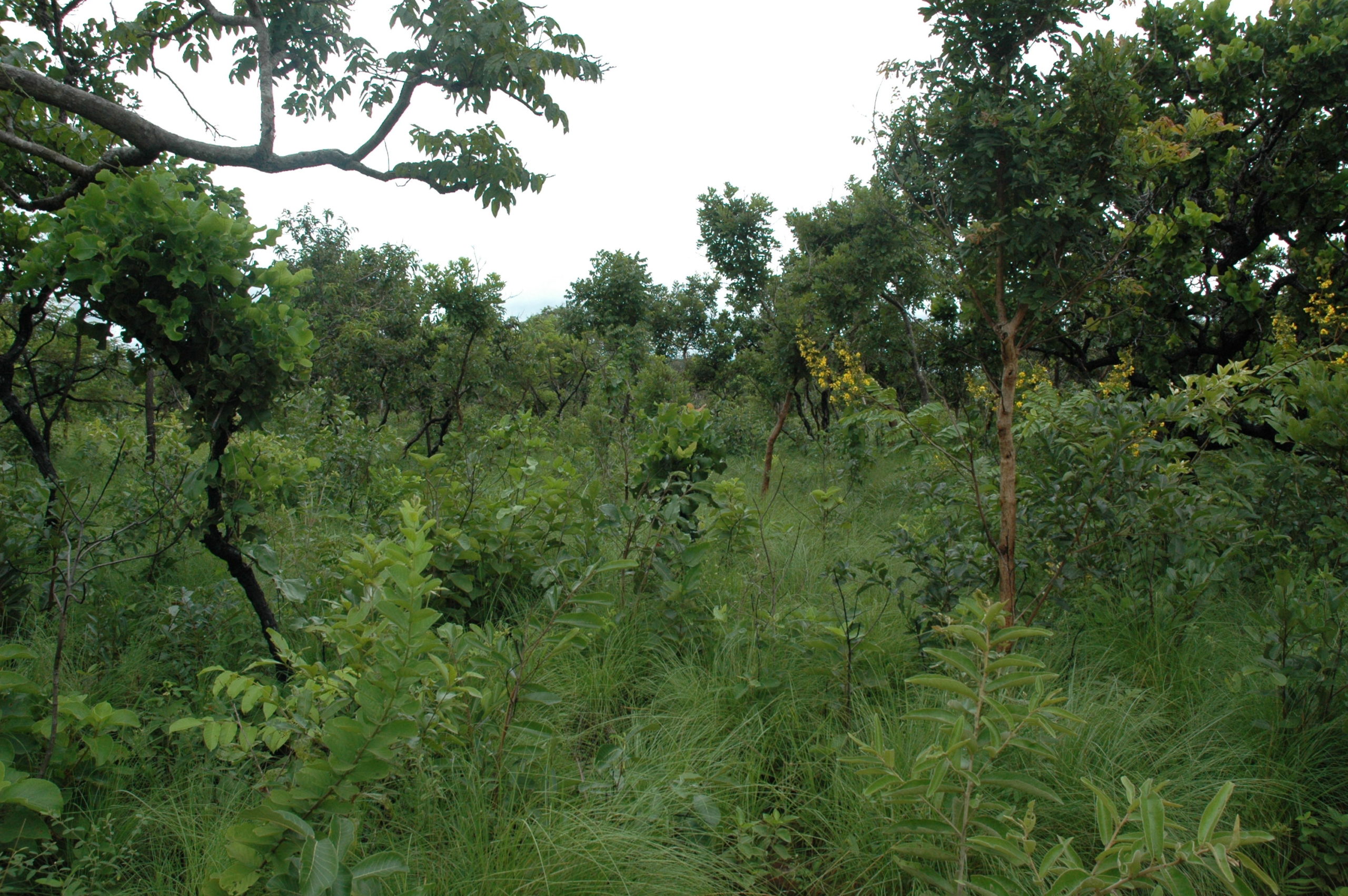
Thirty Tree Species Dominate the World’s Most Tree-Diverse Savanna
A new study published in Communications Biology (Nature Portfolio) found a surprising pattern in the world’s largest and most floristically tree diverse tropical savanna, the Cerrado. The research shows that despite hosting approximately 1,605 tree species, a mere 30 species – less than 2% – account for nearly half of all trees. This phenomenon of…
-
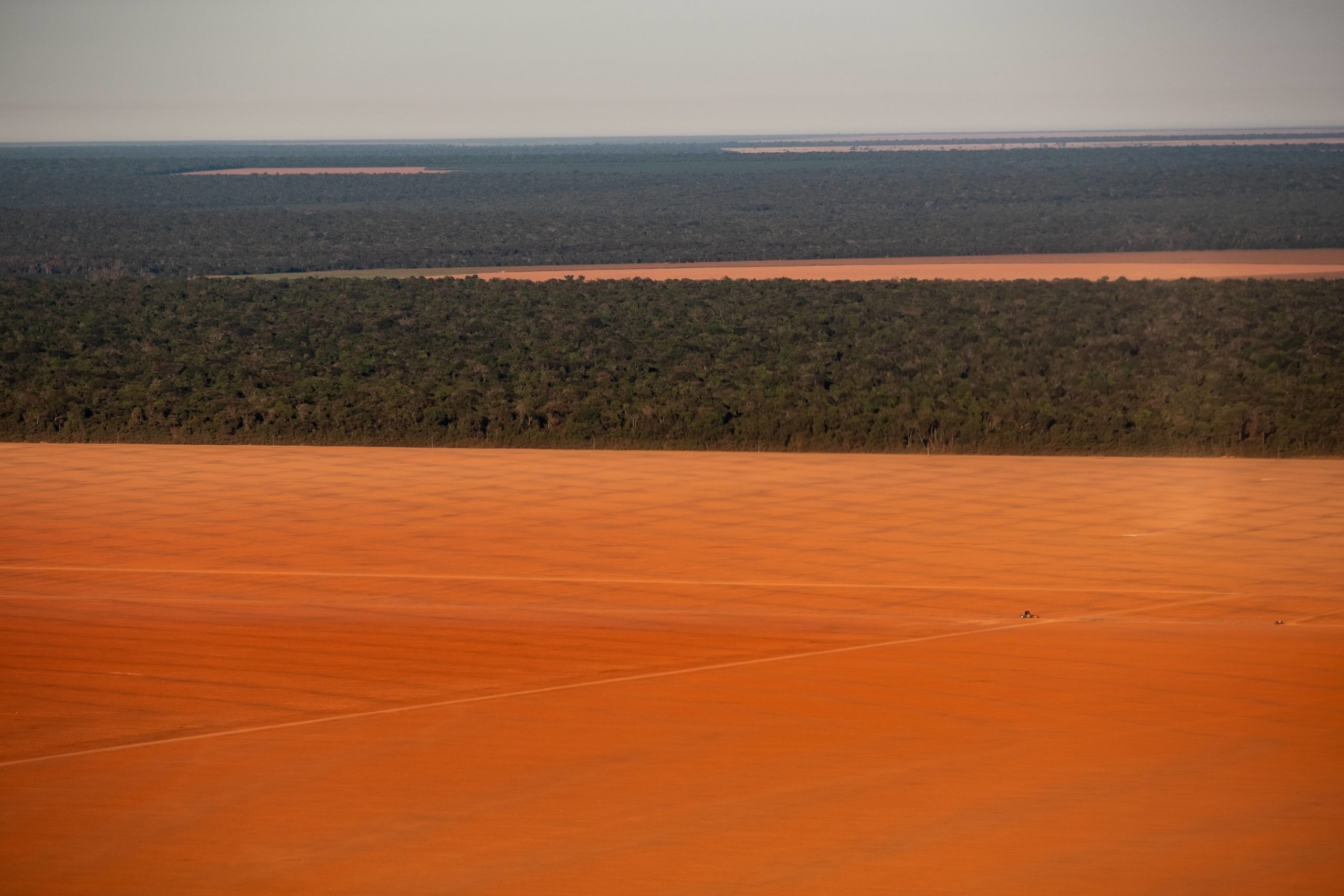
Soil carbon loss twice as severe with conversion to agriculture than with repeated wildfire in Amazonian forests
A new study shows the significant impact of recurring fires and agricultural conversion on soil carbon storage in the Amazon rainforest. The research, a collaboration between the University of Exeter (UoE) and Center for Nuclear Energy in Agriculture (CENA) at the University of São Paulo (USP), demonstrates substantial carbon loss and degradation of soil properties…
-
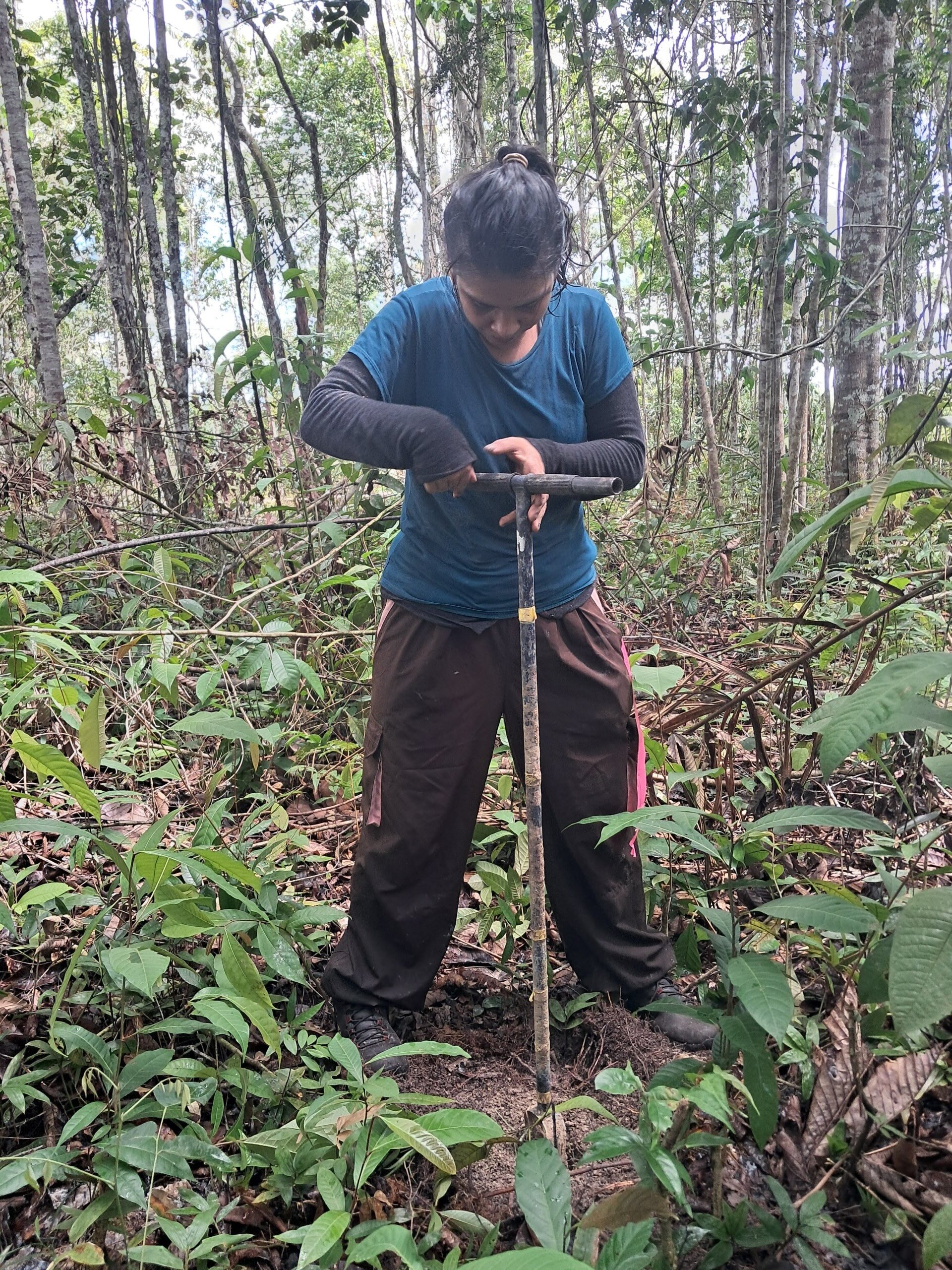
Changes in soil carbon following fire in forests regrowing on abandoned pastures in Central Amazonia
The Amazon rainforest, an important carbon sink, faces increasing threats from deforestation and wildfires. But what happens to the soil carbon after these disturbances? MSc student, Lorena Fleury, in the Tropical Forest Science Postgraduate Programme at the National Institute for Research in Amazonia (INPA), supervised by Prof. Ted Feldpausch, has been sampling soil in secondary…
-
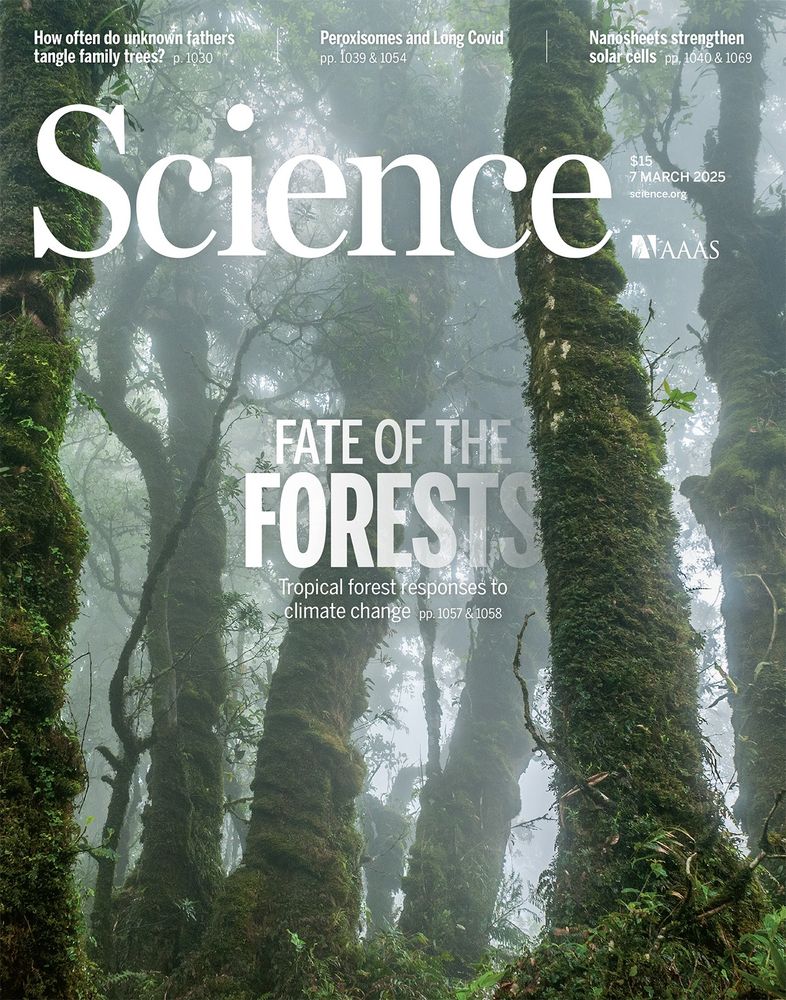
Tropical forests in the Americas are changing too slowly to track climate change
Our new study published in the journal Science reveals a concerning trend, that tropical forests across the Americas are changing their composition and function too slowly to keep up with the pace of climate change. This mismatch puts these important ecosystems, biodiversity hotspots, and carbon sinks at significant risk.
-
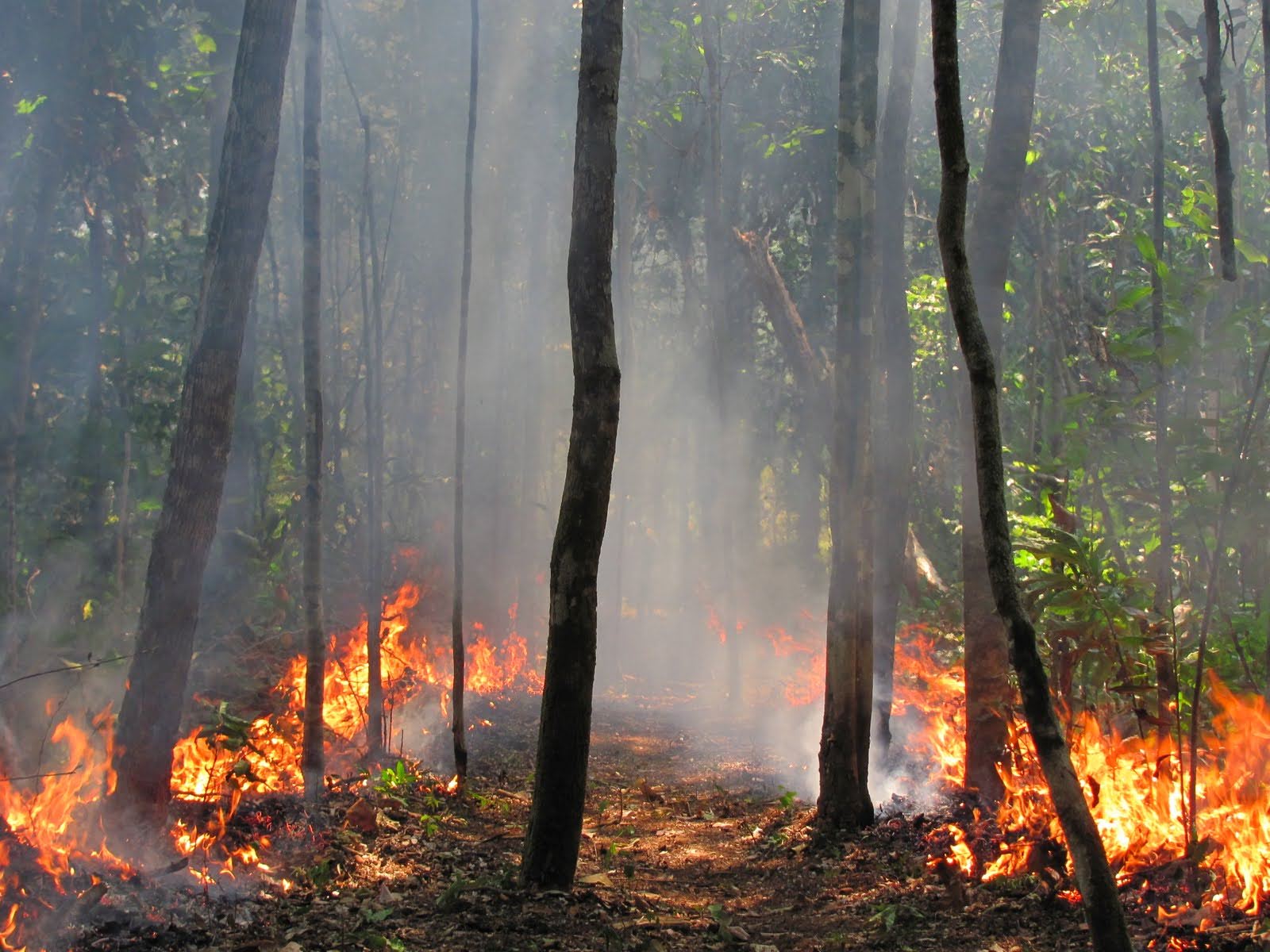
Fires reshaping southern Amazonian forests: new research highlights degradation and carbon loss
We recently published a paper led by PhD student Maurivan Barros Pereira (State University of Mato Grosso (UNEMAT)), supervised by Prof. Ted Feldpausch and co-supervised by Drs Ben Hur Marimon Junior and Fernando Elias da Silva. The findings were published in the journal Forest Ecology and Management, “Post-fire changes in tree diversity, composition and carbon…
-

Doctorate “Sandwich” Program Abroad (PDSE) Scholarship – Feldpausch Research Group
Funding is available for Brazilian students with the Feldpausch Research Group at the University of Exeter through the CAPES and CPNq Doctoral Programme for study abroad (PDSE). Options include a “sandwich” PhD for study at Exeter from 6-10 months or a “full” PhD scholarship to undertake the full PhD programme of study at the University…
-
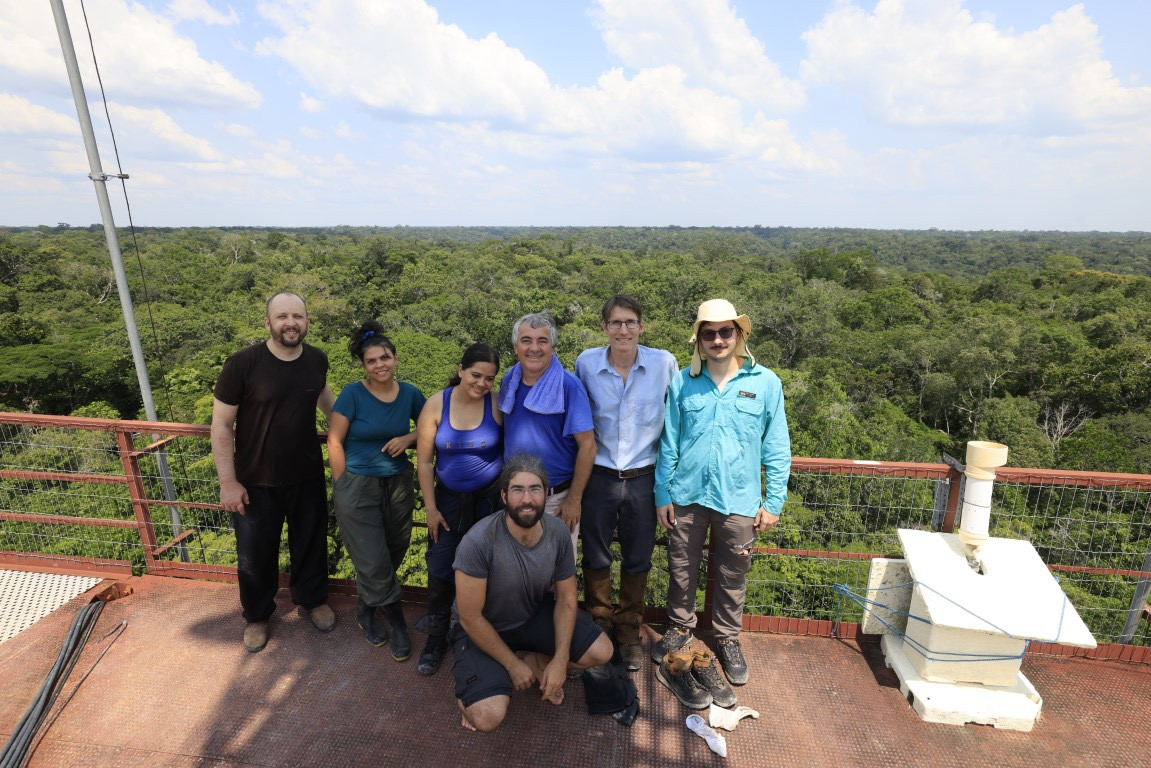
Field campaign advances fire-impact research in soils of the central Amazon
In November–December 2024, a seven-member Amazon PyroCarbon Project team established 22 soil plots across contrasting fire histories in the Manaus region, central Amazonia, advancing understanding of fire impacts on soil carbon dynamics.
-
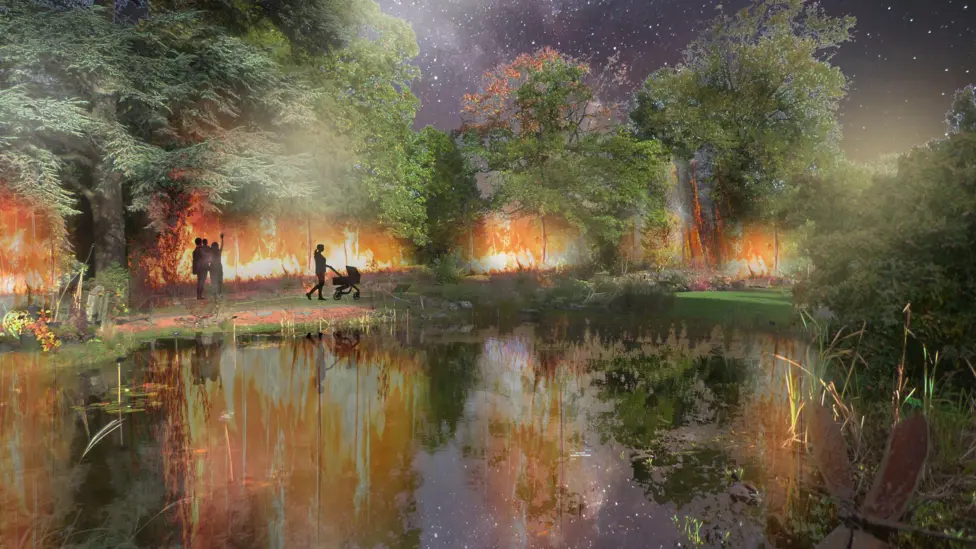
New artwork highlights forests damaged by deforestation and wildfire
Artwork developed by our Amazon Past Fire and Amazon PyroCarbon Projects, funded by UK NERC and ODA grants, was shown at a new artwork exhibit to highlight deforestation and wildfire. Tipping Point, by Bristol artist Luke Jerram, combined smoke, lights and sound to simulate forest fires. The installation ran at the University of Bristol’s Botanic…
-
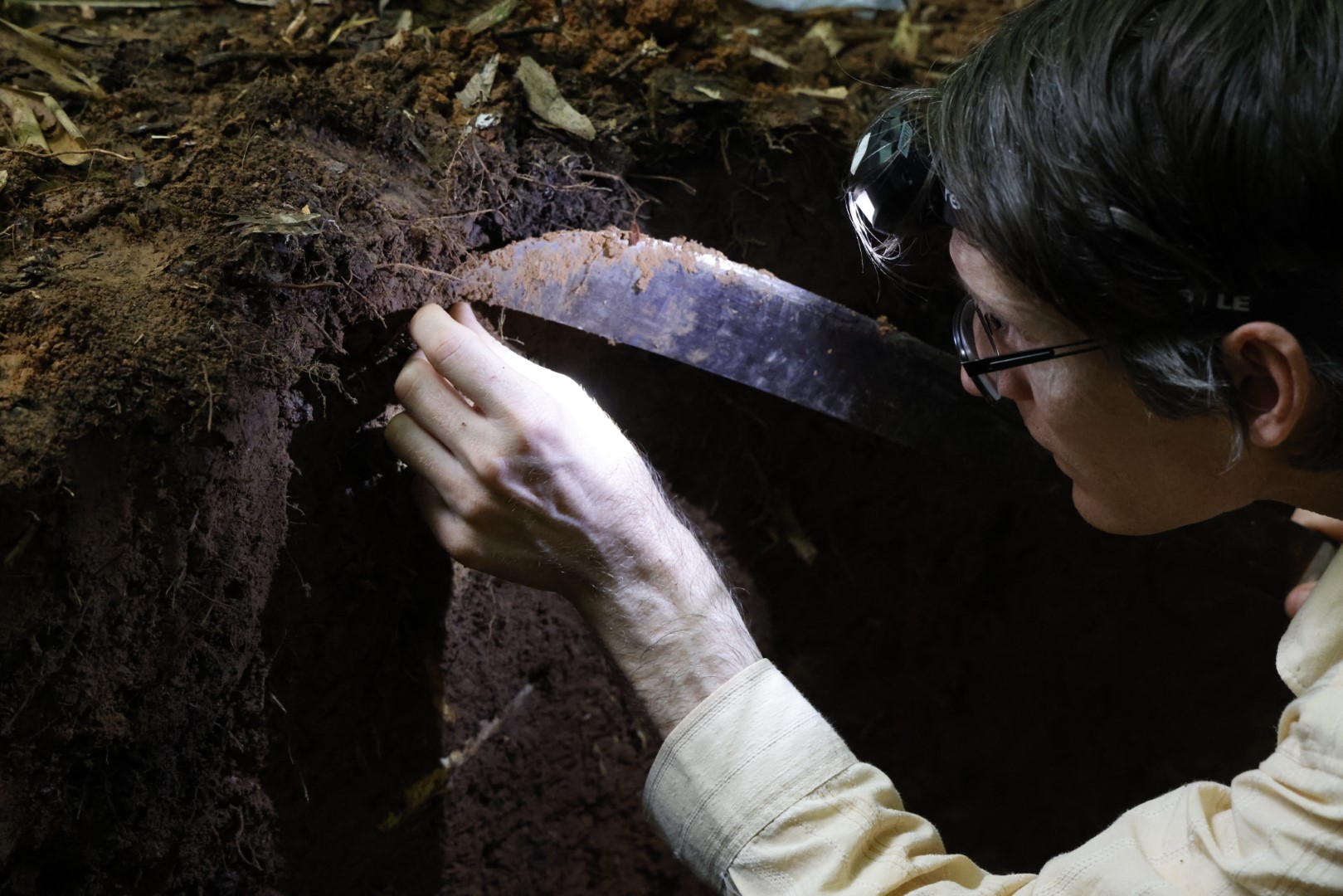
Into the burned forests of Acre: Amazon PyroCarbon Project fieldwork 2024
Between 19 and 30 April 2024, the Amazon PyroCarbon Project team travelled to Acre, Brazil, to revisit permanent burned-forest plots, collect soils and charcoal for ancient fire dating, and install soil respiration monitoring equipment across nine forest plots, three pastures, and two agroforestry systems.
-
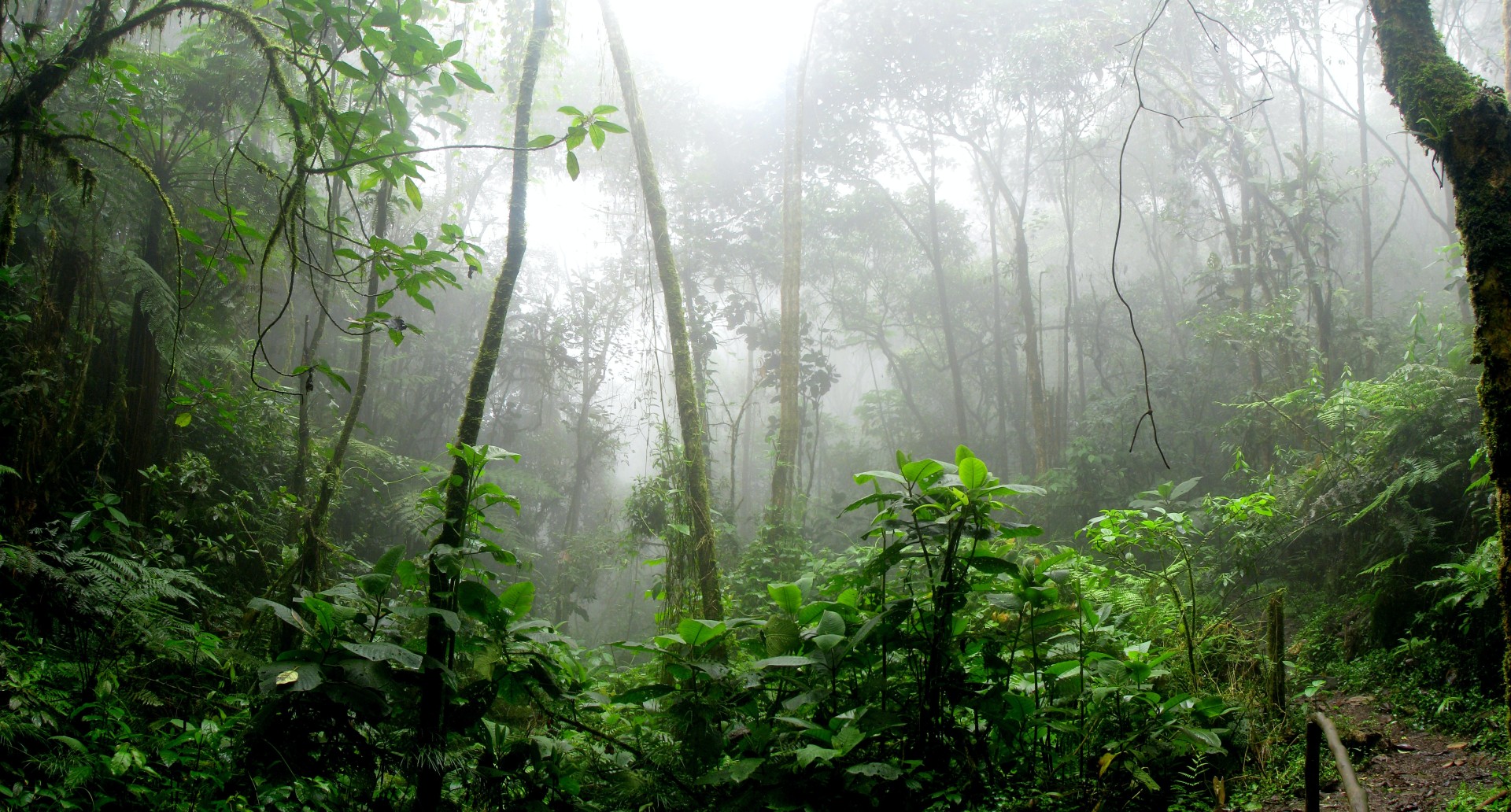
Extreme El Niño weather saw South America’s forest carbon sink switch off
Tropical forests in South America lose their ability to absorb carbon from the atmosphere when conditions become exceptionally hot and dry, according to new research. For a long time, tropical forests have acted as a carbon sink, taking more carbon out of the air than they release into it, a process that has moderated the impact…