
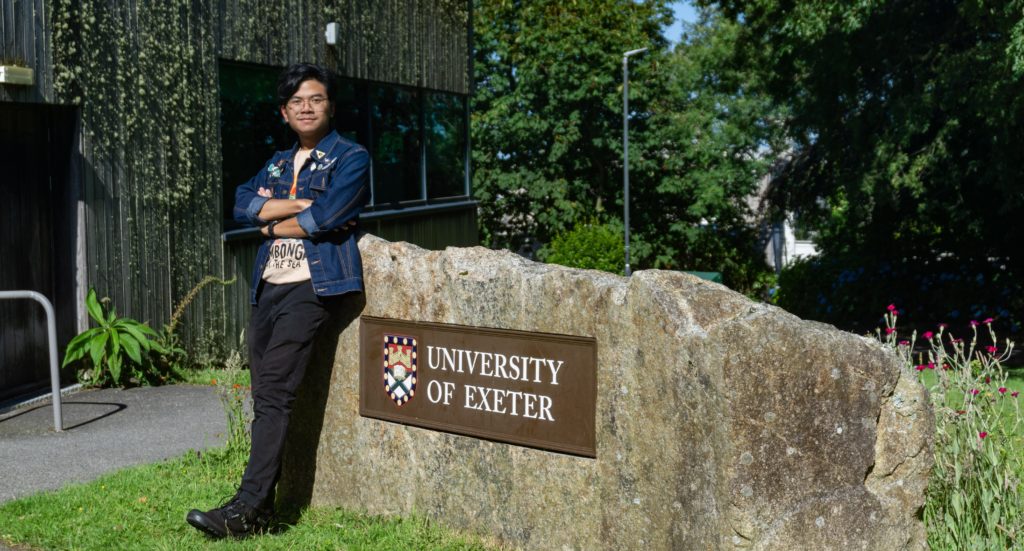
Hi there! I’m Ariq, an MSc Marine Environmental Management student from Indonesia. I wanted to share how I ended up choosing to study at the University of Exeter’s Penryn Campus out of all the universities in the world, and hopefully, share some tips that can help you choose yours!
Start by asking the very first question
You might be a fresh graduate looking to further your studies, a professional looking to specialise in your field or thinking of a career change, or perhaps you’re still uncertain of what you want to do. But, if you’re reading this, that means you’re thinking of getting a Masters degree. Before we look at which university or programme is the best for you, it is crucial to ask this question first:
“Why do you want or need to get a Masters degree?”
Everyone has different motivations for pursuing postgraduate study. Whether you want to advance in your career or explore something new, your reasons are valid as long as you have clear goals in mind. Postgraduate studies can be very demanding on your energy, time, and finances. It takes a year or more depending on where and what kind of programme you choose. For a lot of people, it might be a once-in-a-lifetime opportunity, so you want to make the most of it. Every degree out there has value for the right person, but the question is:
“Which one is the best fit for you?”
Experience is your best guide
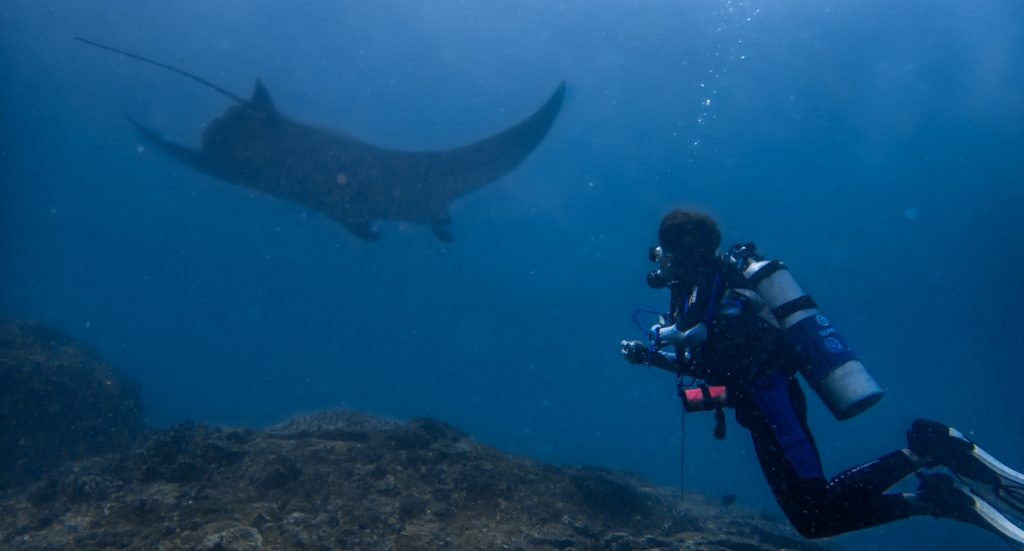
I studied biology for my undergraduate degree. It was such a broad subject, so I always thought about getting a Masters degree to narrow down my focus. Studying marine ecosystems is what I like the most, so for a long time, choosing marine biology for my Masters was always on my mind if I wanted to work in marine conservation. However, I didn’t immediately start postgraduate study because I wanted to gain some work experience first. I got an internship at a company that focuses on waste management and sustainability consulting in Indonesia. The job was very different from my background, and my knowledge in biology wasn’t directly applicable. However, this experience made me realise a different path I could take to pursue a career in marine conservation. To conserve marine biodiversity, I don’t have to be in the field as a marine biologist. Helping companies become more environmentally sustainable and directing their CSR funding to support conservation projects could also contribute to protecting the ocean.
As my career progressed, I moved on to work as a researcher in a marine conservation organisation. There, my biological knowledge was finally applicable. However, being in a coastal community in Indonesia that was deeply connected to the surrounding marine ecosystems showed me that simply having knowledge about biology is not enough to protect the ocean. Marine conservation is not just about preserving biodiversity, but also about how to help people thrive alongside nature. I acknowledged my limited understanding about the human dimensions of conservation, such as the socioeconomic aspect or natural resource management. This was the moment I rethought my choices for a Masters degree. Instead of choosing a pure science degree like marine biology, it could be more beneficial to find a programme that also integrates management or sustainability.
That is why my number one tip is to gain some work experience first, so you can gather insights into what specific skills are needed and sought after in the sector you’re interested in. It doesn’t have to be a full-time professional career. Internships and volunteering are also sufficient. In a rapidly changing world, new job roles keep emerging, and along with them, relevant degrees. Being directly involved in the sector allows you to observe where trends are going and identify the expertise needed in the future. Then, if you choose a Masters degree that helps you gain those skills, it will make the time you took to get that degree much more meaningful and relevant to your long-term career. Don’t get me wrong, I’m not saying that you won’t learn a lot in other degrees, but which one is the most relevant?
“Which one will provide you with the most skills you need to excel in the career path that you want to take?”
Why I chose the University of Exeter
Once I knew what kind of skills and knowledge I needed to advance my career in marine conservation, I started looking for a relevant Masters programme. I extensively researched universities across the world, looking for marine-related programmes. Although I’m keen on learning about management and sustainability, I still want to learn more about marine ecology. That is why I narrowed down my search to programmes that incorporate both. From the list I created, I shortlisted them further based on several factors: course content, the research interests of the faculty members, campus locations, and many other things. The UK, specifically, became one of my main destinations because several conservation organisations and biodiversity consulting firms that I’m interested in are based there. I hope that having a degree from the UK would help me build connections and lay out a path to get experience in those organisations.
Among the universities in the UK, the University of Exeter with its MSc Marine Environmental Management stood out the most to me. There are courses I find interesting about the human aspects and management, such as Marine Protected Areas and Marine and Coastal Socio-ecological Systems, but the programme also includes a field course that allows me to gain hands-on experience in marine ecology data collection. Another main reason why the University of Exeter felt like the best fit was the research themes of the Exeter Marine research community. My work at my previous organisation involved the management of a marine protected area, the threats of marine tourism, and animal behaviour. When I looked into the publications of the marine research groups, quite a lot of them has research on similar themes. Because I was planning to use my own data for my dissertation project, I needed to find a suitable supervisor.
Moreover, when I was doing a literature review for my research at my previous organisation, there were two names that came up frequently in the papers that I used as references. Interestingly, both of them teach on the MSc Marine Environmental Management programme, and one of them is even the programme director! I decided to choose this programme so that I could meet and learn from the authors in person. Talk about fate!
Navigating your options
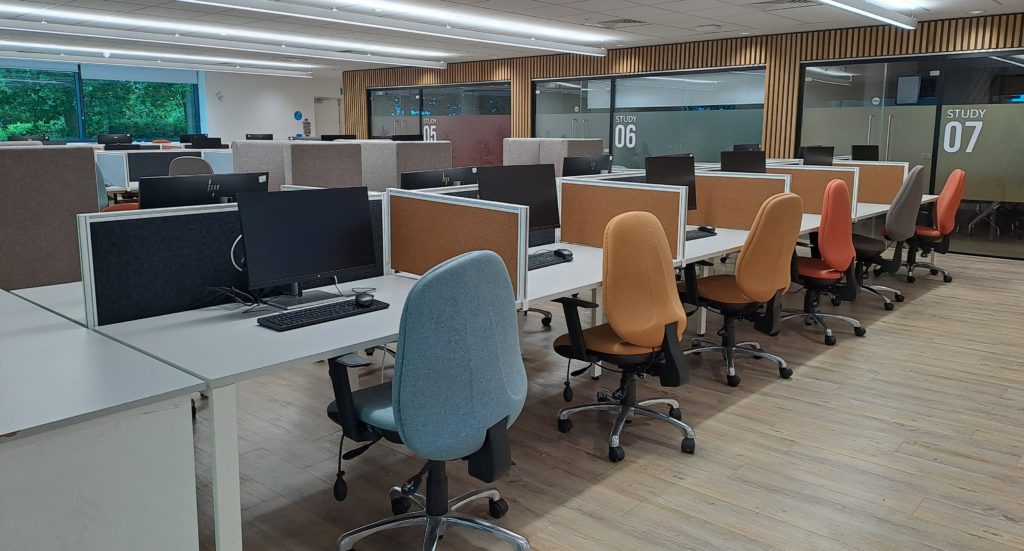
When choosing a university, look from multiple angles. Look into the specific department of the programmes you’re interested in, such as their research outputs, facilities, and networks (including alumni and collaborating organisations), rather than just the overall university ranking. Prestige or high ranking is not the only parameter because you’re not choosing the best university in the world; you’re choosing the best one for you.
With so many programmes offered (and sometimes similar or overlapping with one another), look in depth into the nuances. If you want to work in a specific professional role with specialised skills, you may want to opt for a taught programme. If you want to do a PhD or enter academia, then a research programme might suit you better. Need a bit of both? Some taught programmes also include a dissertation project. It may not be as extensive as a research programme, but it can offer you some research skills as well.
A dilemma that some people face when choosing a postgraduate study (including myself) is whether to choose a specific degree or a broader one like management. Both are valid options if you know what you want to do and refer back to your “whys.” What you shouldn’t do is choose a broad degree simply because you don’t know what you want to do, hoping it will become a bigger net to cast when job searching. There are more meaningful ways to discover your career path, such as internships or volunteering, to gain experience and build networking.
My take on postgraduate study is that it shouldn’t be a way to avoid “real life” and working. Since a Masters degree takes time and investment, it will be so much more rewarding when you do it with a clear purpose, rather than jumping into it while still figuring things out. It is better not to use postgraduate study to buy time by delaying your job search. If you’re still unsure about which Masters you need to choose, then take more time. Don’t feel pressured to get a Masters degree just because your peers are doing it. Life is not a race against each other, and you should follow your own pace.
Factoring in your personal considerations
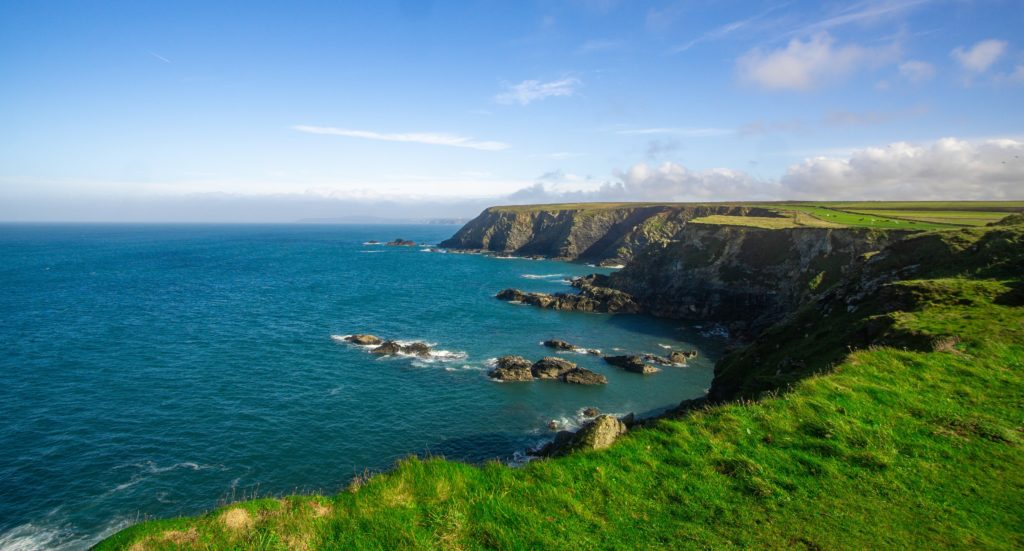
Although I keep highlighting that choosing a university or degree needs to refer back to your career goal and the reason why you need it in the first place, your decision doesn’t have to be solely based on professional reasons. Your personal preferences are also key factors. Your time at university is not only about studying but also enjoying it. Having an enjoyable and supportive environment will help you go through the challenging postgraduate study and help you graduate not only with a degree, but also with valuable skills and networks.
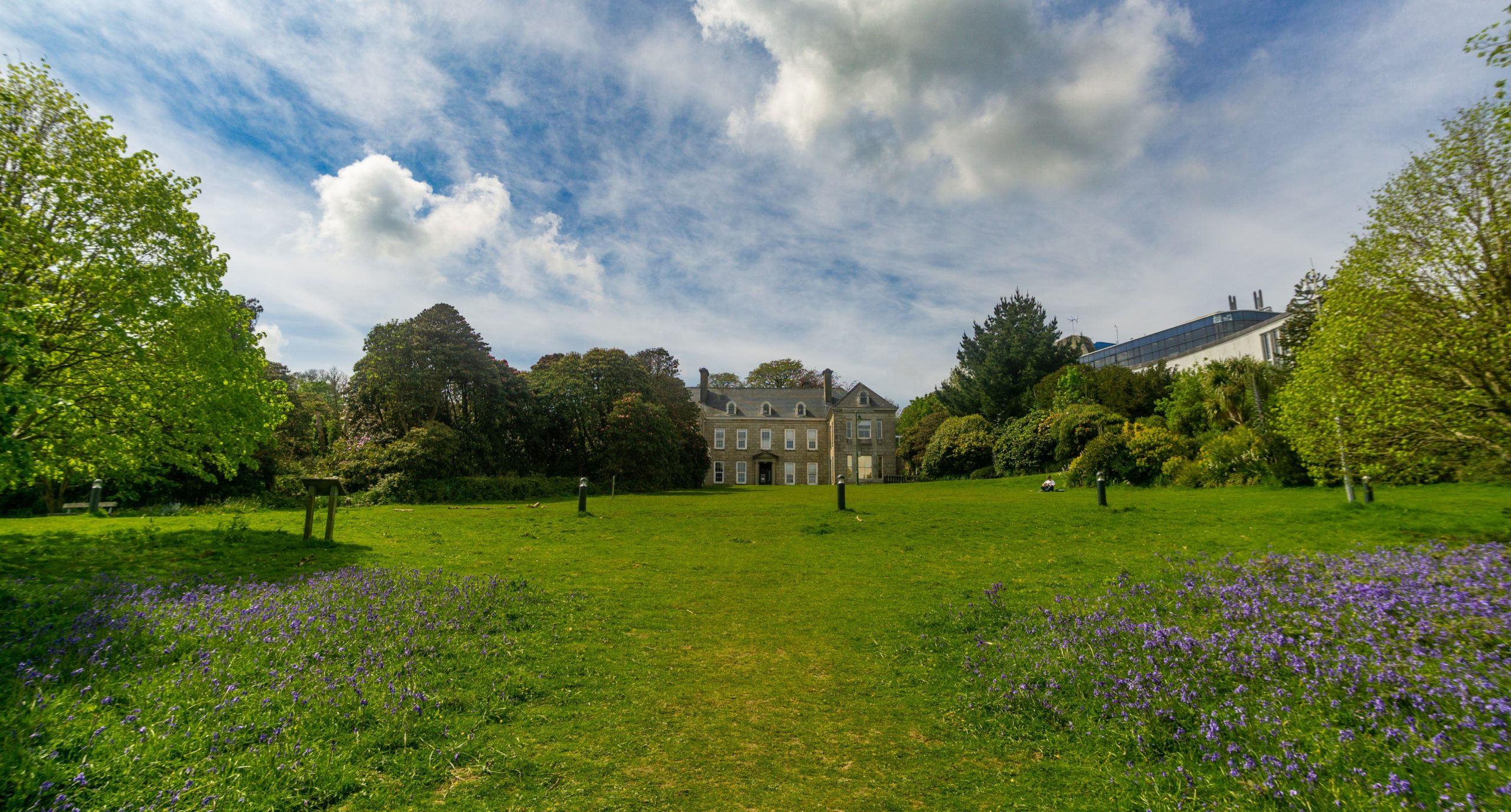
When I was looking through universities, I limited my search to Europe and Oceania because, having lived my whole life in a tropical country in Asia, I wanted to experience and explore regions with four seasons. The University of Exeter’s Penryn Campus, being located in Cornwall, allows me to experience different seasons while still being relatively mild. Another reason why I chose Cornwall was also because of its stunning landscape and coastal areas. I often join the Expedition Society on their weekly walks exploring the beautiful scenery around Cornwall, which is just several bus or train stops away from campus. On that note, campus community and student activities are also factors to consider to find out if you would enjoy the non-academic environment. I also prefer quieter towns compared to big cities. Falmouth, where I live, is a nice and relaxing coastal town but still has many festivals to keep the town vibrant.
Another thing to consider is whether you have your own personal circumstances. Some people might have time constraints due to other commitments, such as work or family, so part-time study or even an accredited online degree programme can be an option. The availability of funding or accessibility support can also be considered if they are applicable to you.

Applying for the University of Exeter
If you have decided to study at the University of Exeter, the next step is to prepare your application. The application process for my programme was quite straightforward. I had to fill out an online form about my qualifications, including academic degree, transcripts, and English proficiency results (if you’re not from a majority English-speaking country), work experience, a reference, and other additional information. To my surprise, I received my offer letter within a day! I’m not sure whether it was because I applied on the first day the application opened, or if there were other factors. However, the admissions team aims to make an offer within 20 working days, though the timeline might be extended if they require additional information from you. As an international applicant, make sure that you’re not applying too close to the start of the programme, as you might need time to apply for a visa or other study preparations.
A tiny hiccup during my application process was there was no section to upload my personal statement on the online form. The university website stated that not all programmes require one, but I was a bit worried if I might have missed a step or that there was an error in the online form. This was my first time applying for overseas study, and I didn’t want to mess up. So, I contacted the Postgraduate Admissions Office for confirmation, and was advised to send it via email. If you’re worried, you could use an education agent to help with your application seamlessly.
My study was fully funded by my home government. However, the university offers an Exeter Excellence Scholarship for international postgraduate students, and if you’re from certain countries, there is also another scholarship which, when combined, could give you a tuition fee reduction of up to £10,000. So, make sure to check the university funding page to check if you’re eligible for any funding and to get the most up-to-date information.
The best decision for me
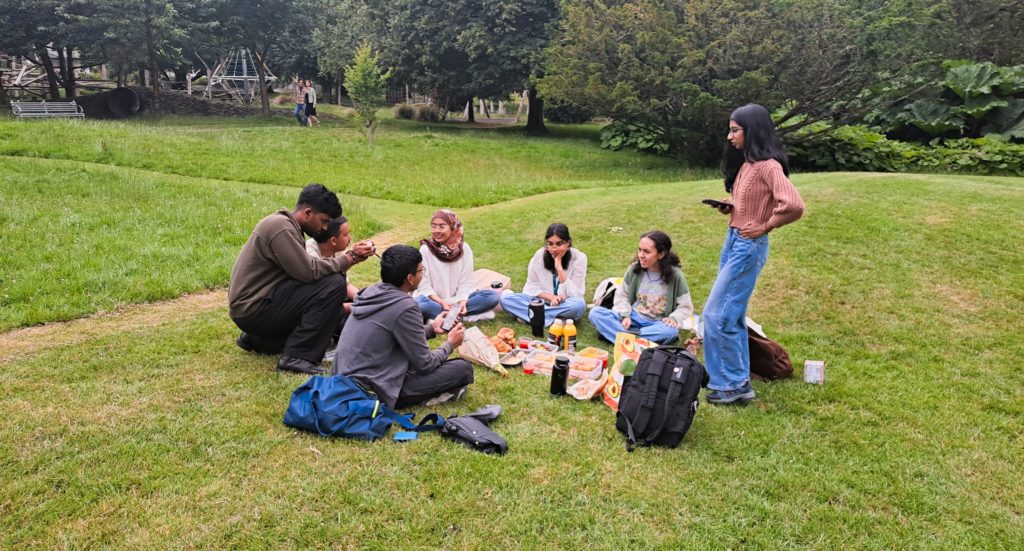
I have almost finished my study here, and honestly, I’m not ready to leave Cornwall yet! Being surrounded by nature has kept me energised and relaxed throughout my studies, as I could casually do a weekend getaway. The small town and community also allow me to easily hang out with friends. My programme has a relatively small class, which makes my learning experience more engaging compared to being in a huge lecture hall. As I have kept highlighting in this blog, having prior work experience helps the courses feel more relevant to me. Without work experience, the subject taught might feel theoretical, but with experience, the theory becomes more applicable. Because I have experience marine conservation issues firsthand, throughout the courses, I kept thinking, “Oh yeah, this is what was happening in my country” or “I think I can apply this to my work”. Although I’m not ready to leave Cornwall yet, I’m ready to apply the knowledge I learnt back to my home country!
Choosing the best for you
Masters degrees take a relatively short time, but that time is a big investment that will shape your future. The modules you’ll learn, the people you’ll connect with, and the environment you’ll explore will all play a big part in your next life chapter. Ultimately, it is not just about choosing a university, but also about choosing the career path you want to pursue.
The bottom line is, when choosing a university, it is crucial to answer that one core question: “Why do you want or need a Masters degree?” Figuring this out will help you identify specific skills or knowledge you’re going to need, and determine which university and programme will give you the most value in achieving your goals.
These are a few things to consider based on my experiences when deciding to pursue a Masters degree. Everyone has their own personal circumstances and unique factors to think about, but hopefully, this post will give you a helpful starting point. After all, it is your own journey, so you have to decide for yourself what is best for you.
I wish you the best of luck with your postgraduate journey, and I hope you will enjoy every moment of it!